ATLS MCQ- QUESTIONS&ANSWERS BEST FOR 2023
Document Content and Description Below
Absence of breath sounds and dullness to percussion over the left hemithorax are fmdings best
explained by
A:
left hemothorax. cardiac contusion. left simple pneumothorax. left
diaphragmatic rupture. right tension pn
...
[Show More]
Last updated: 3 years ago
Preview 1 out of 6 pages
Instant download
Buy this Document to get the Full Access Instantly
Provided by Students Who Aced it
We Verify Document Content to Gurantee Accuracy
Reviews( 0 )
Document information
Connected school, study & course
About the document
Uploaded On
May 03, 2023
Number of pages
6
Written in
All

Additional information
This document has been written for:
Uploaded
May 03, 2023
Downloads
0
Views
82
Topic Tags
Recommended For You
Get more on EXAM »
$14
728 Pages
HEALTH ASSESSMENT HESI TEST BANK; Fall 2025 UPDATED EDITION...

$14
30 Pages
ATI Pharmacology Proctored Exam Review for 2023 | Contains 150...
$28
1054 Pages
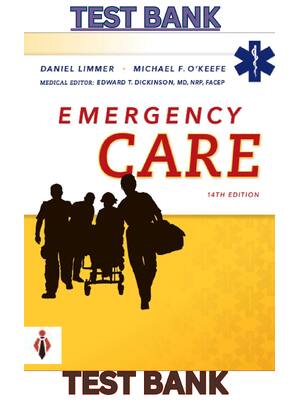
Test Bank for Emergency Care 14th Edition by Daniel Limmer, Mi...
$22
887 Pages
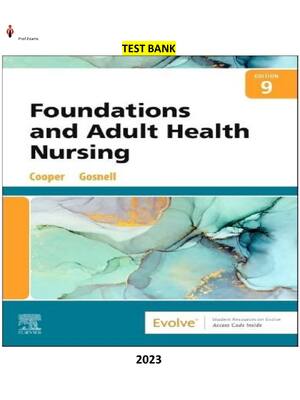
Test Bank for Foundations and Adult Health Nursing 9th Edition...
$26
372 Pages
TEST BANK for McCance & Huether’s Understanding Pathophysiolog...

$23
255 Pages
Test Bank for Leadership and Nursing Care Management Ed.7 by D...
$19
516 Pages
Test Bank for Timbys Fundamental Nursing skills and Concepts 1...

$10
228 Pages
HESI RN EXIT EXAM-EXAM PACK COMBINED FROM 2019/2020/2021 ACTUA...
$18
114 Pages
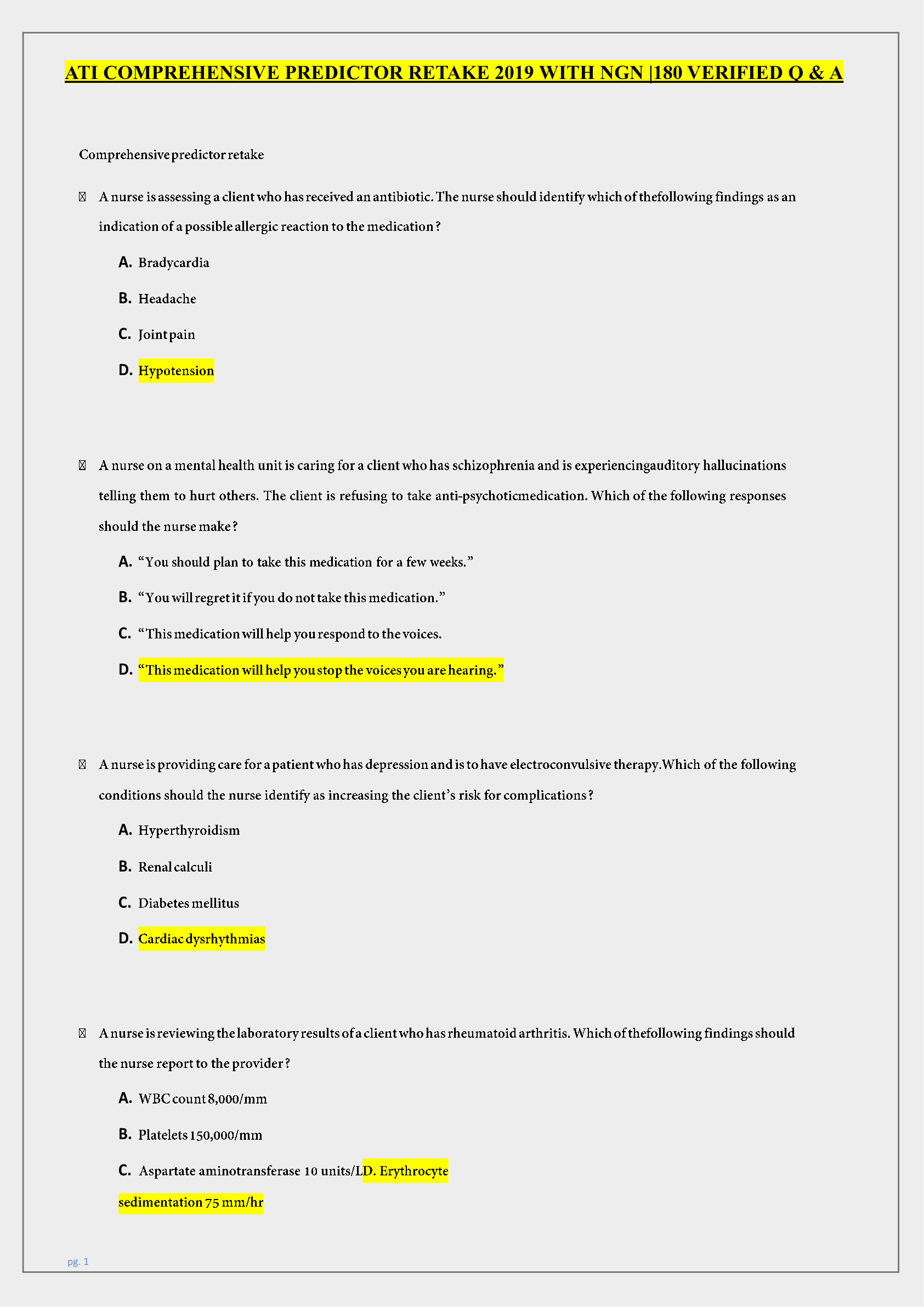
ATI COMPREHENSIVE PREDICTOR RETAKE 2019 WITH NGN |180 VERIFIED...
$19
500 Pages
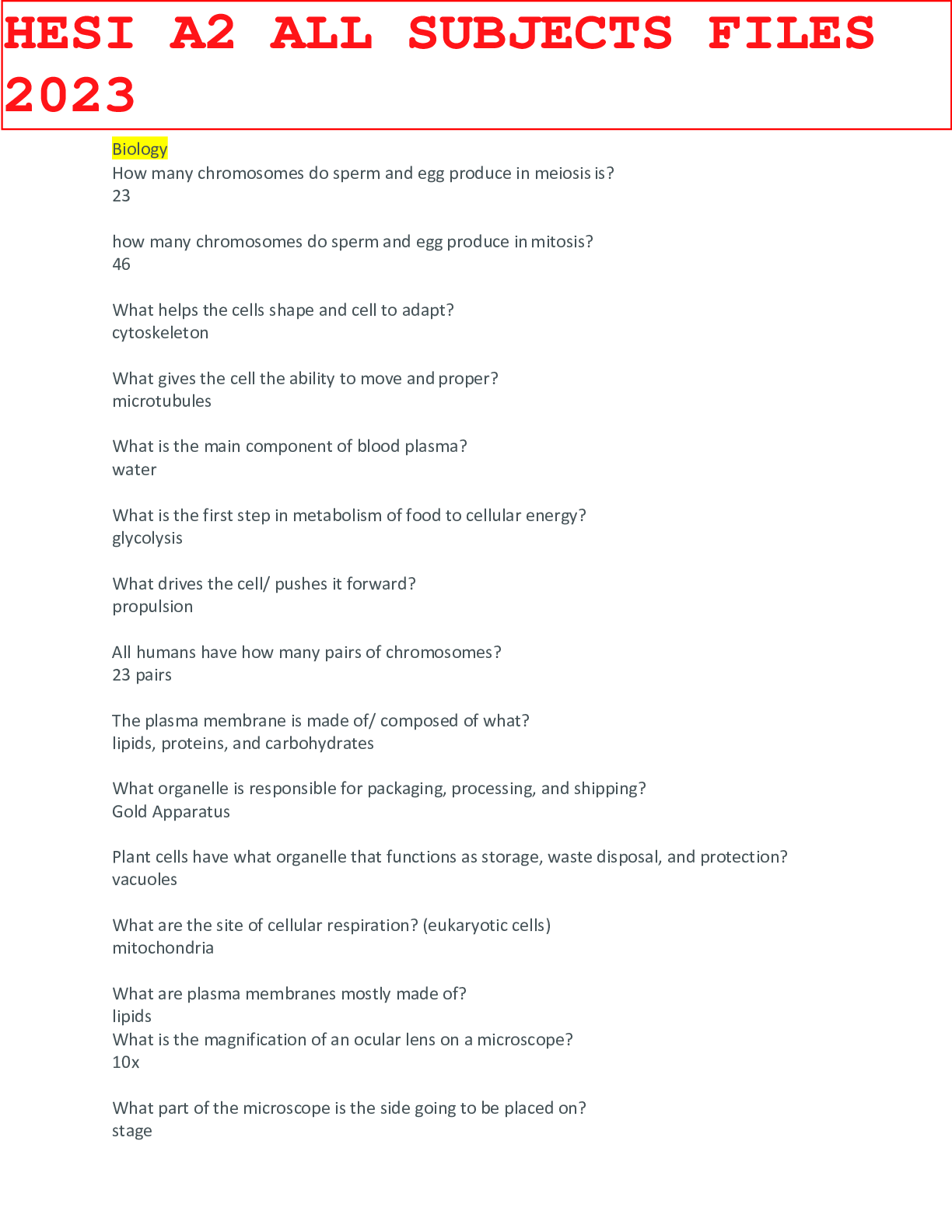
HESI A2 All SUBJECTS FILES Study Guide and Questions and Answe...
More related documents below