Pathophysiology > EXAM > Pathophysiology 1 quiz/ Quiz Patho 1 Answered 100% Correct (All)
Pathophysiology 1 quiz/ Quiz Patho 1 Answered 100% Correct
Document Content and Description Below
Last updated: 3 years ago
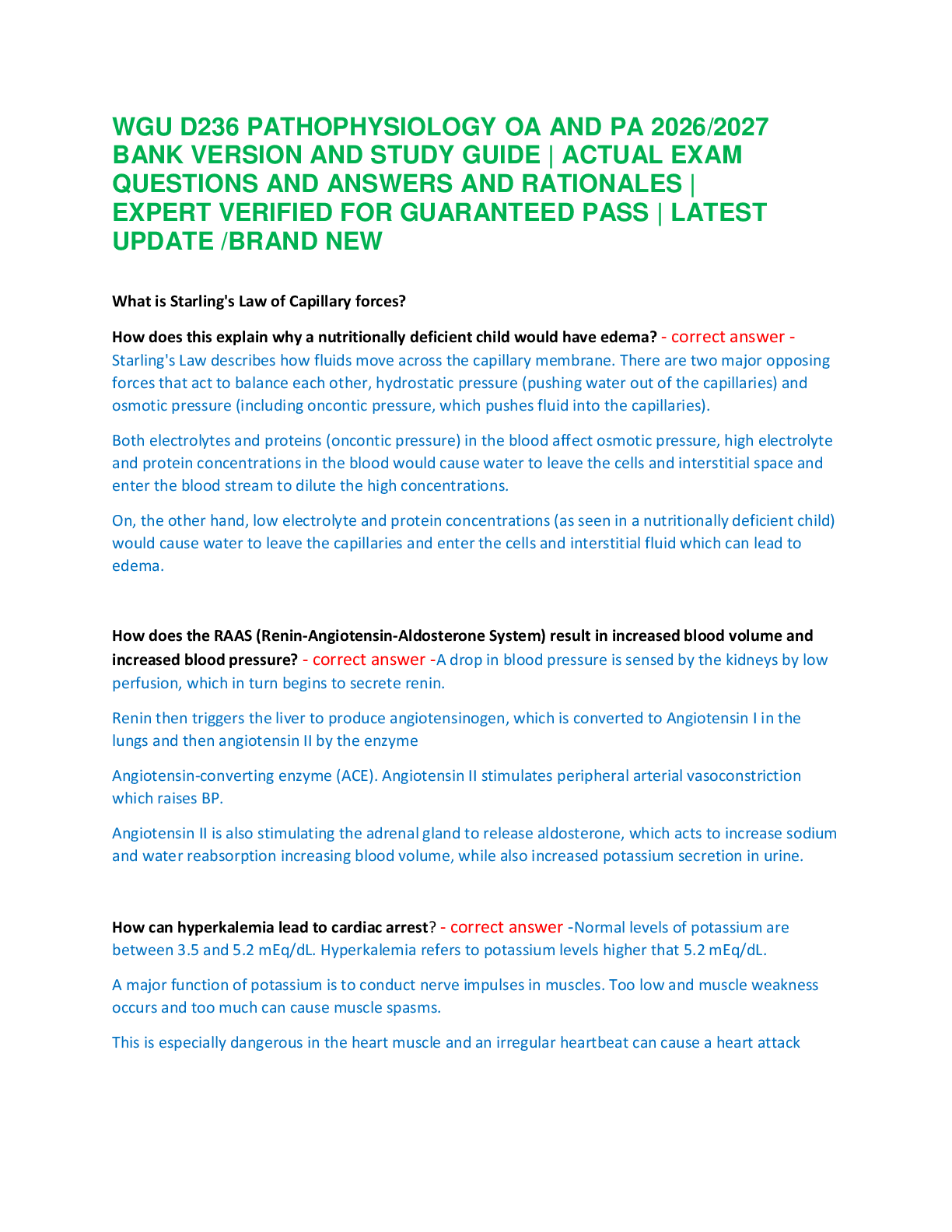
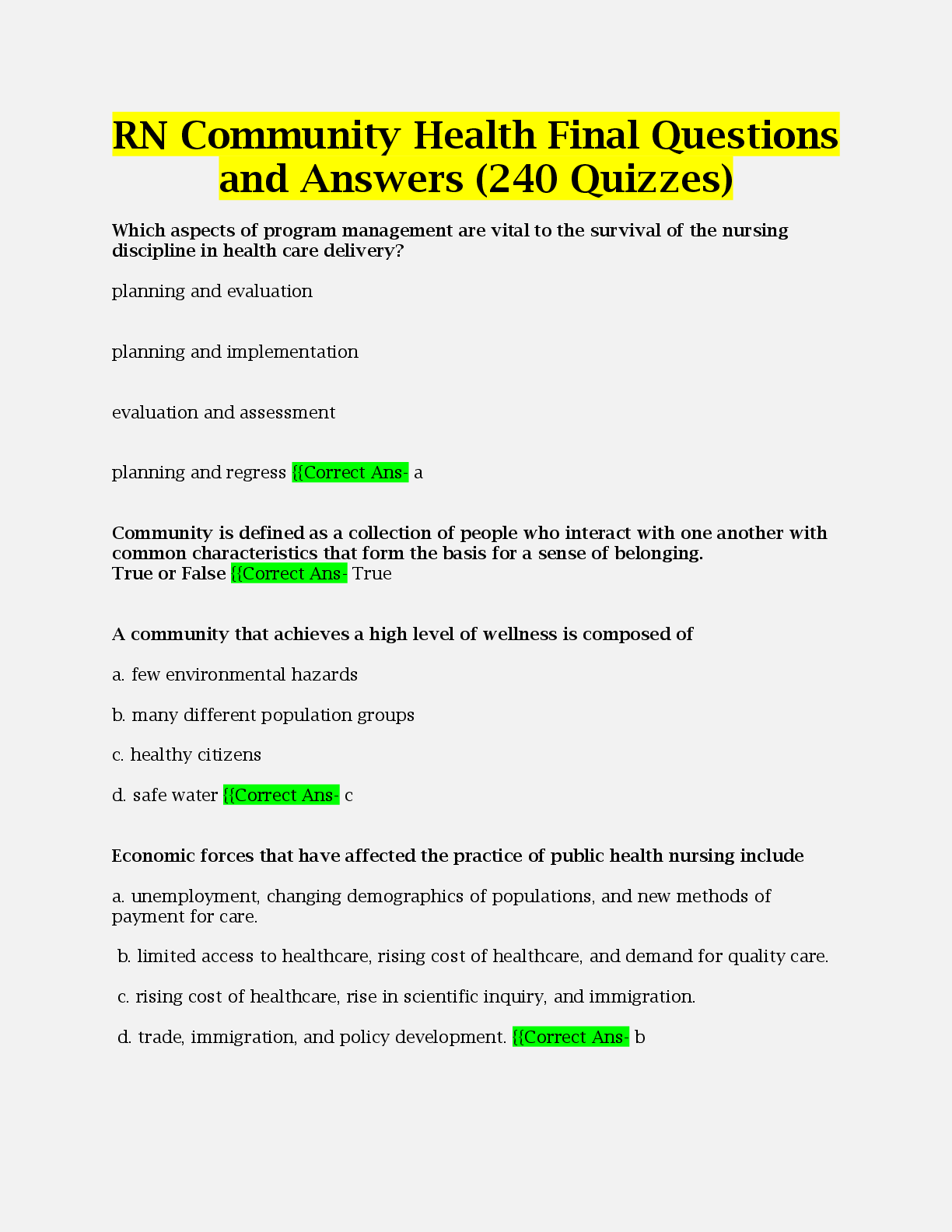
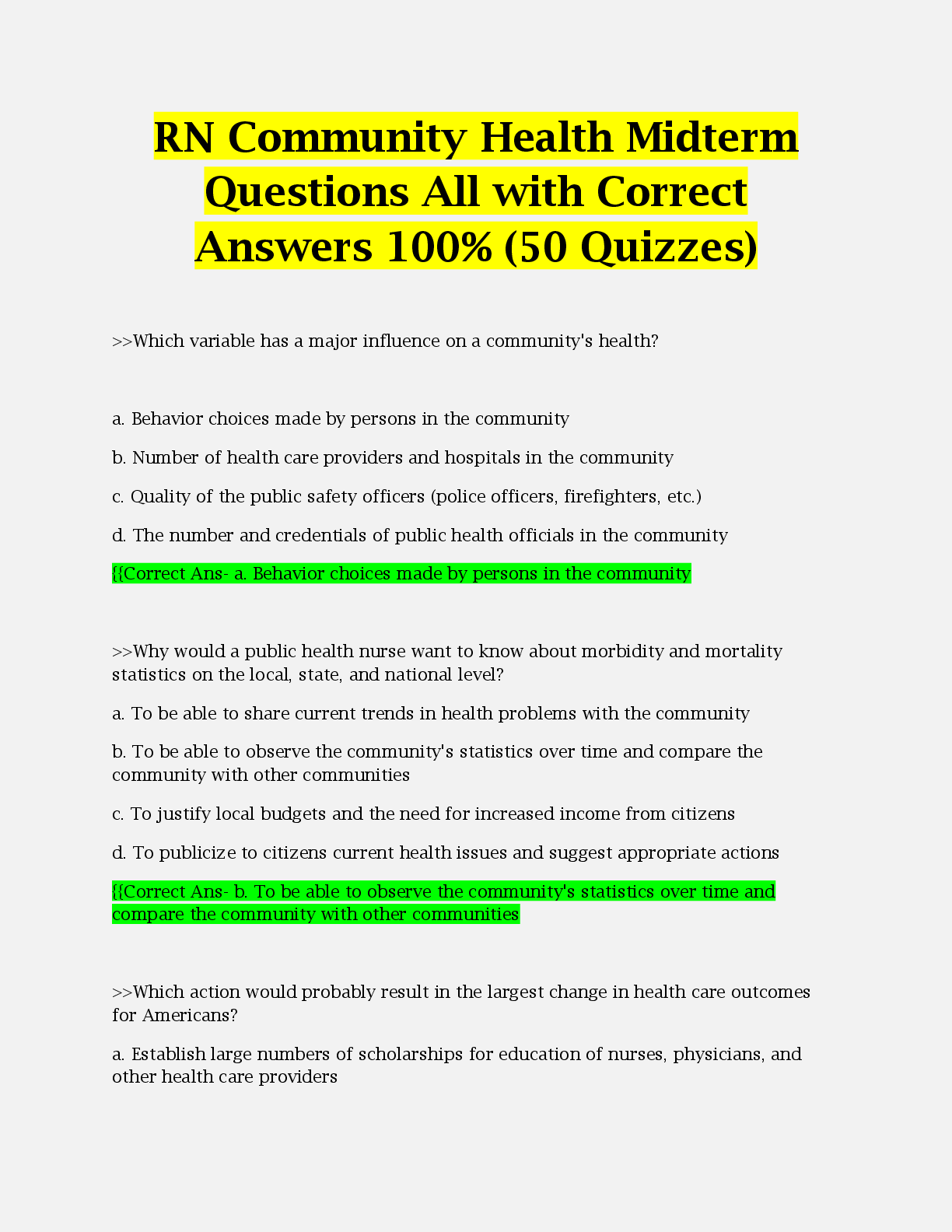
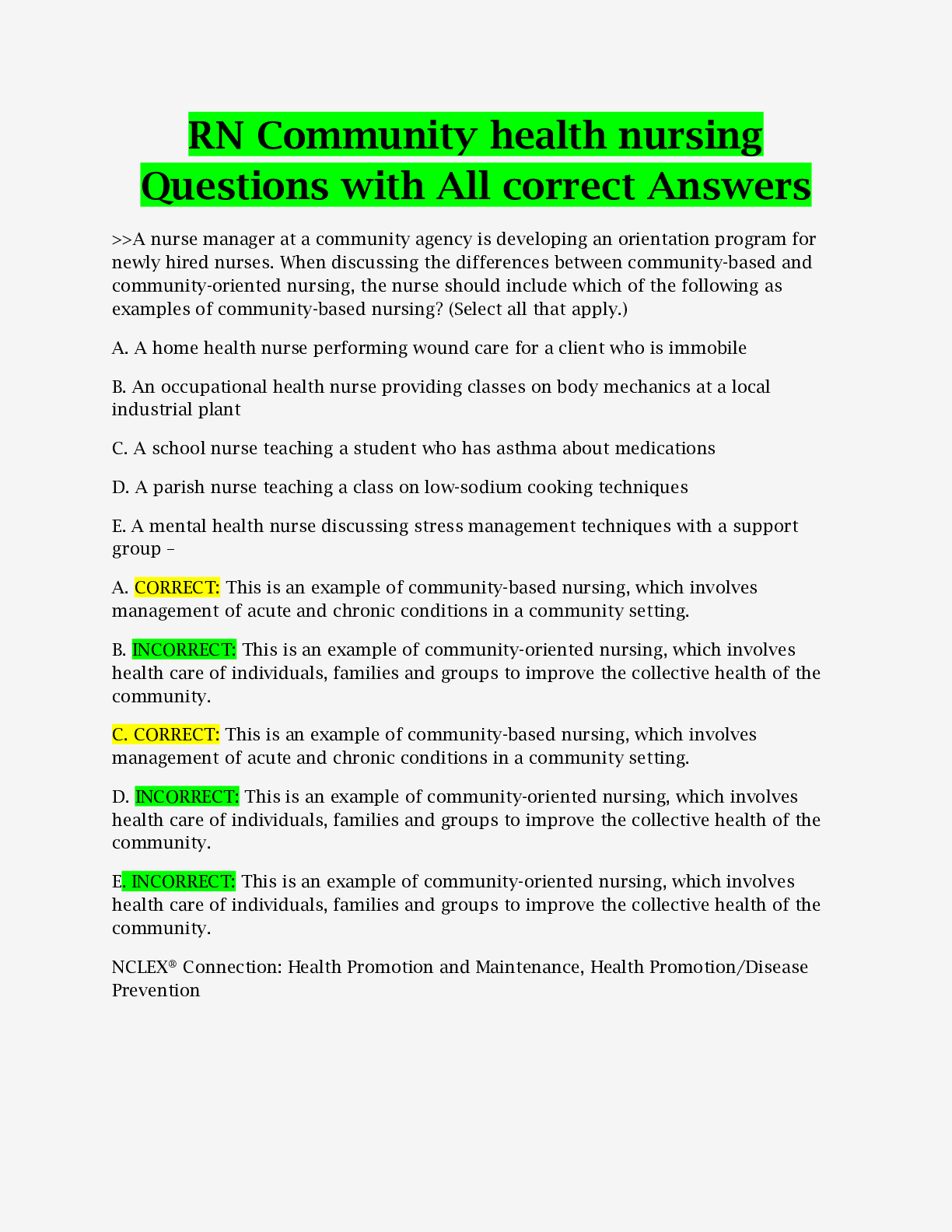
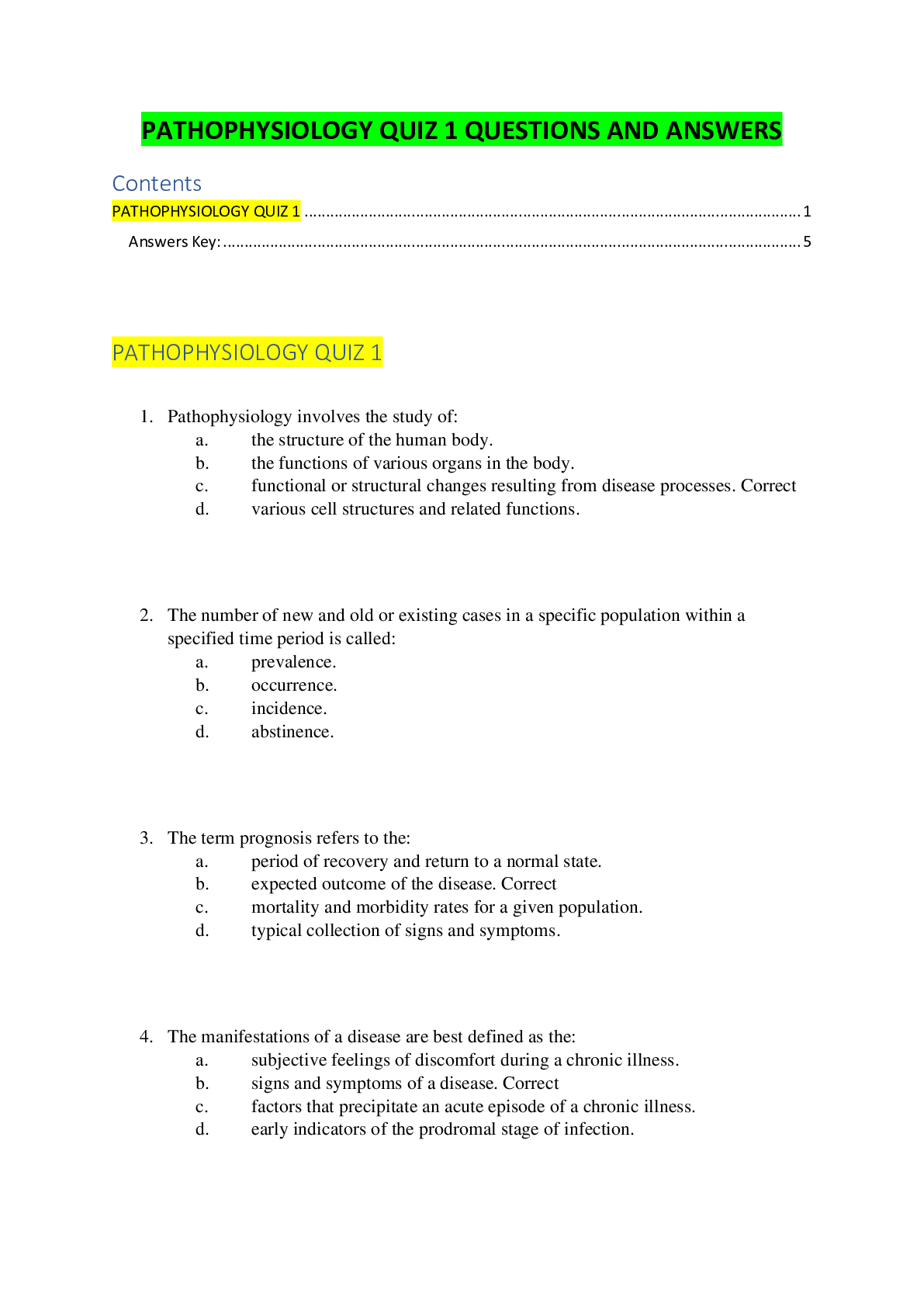
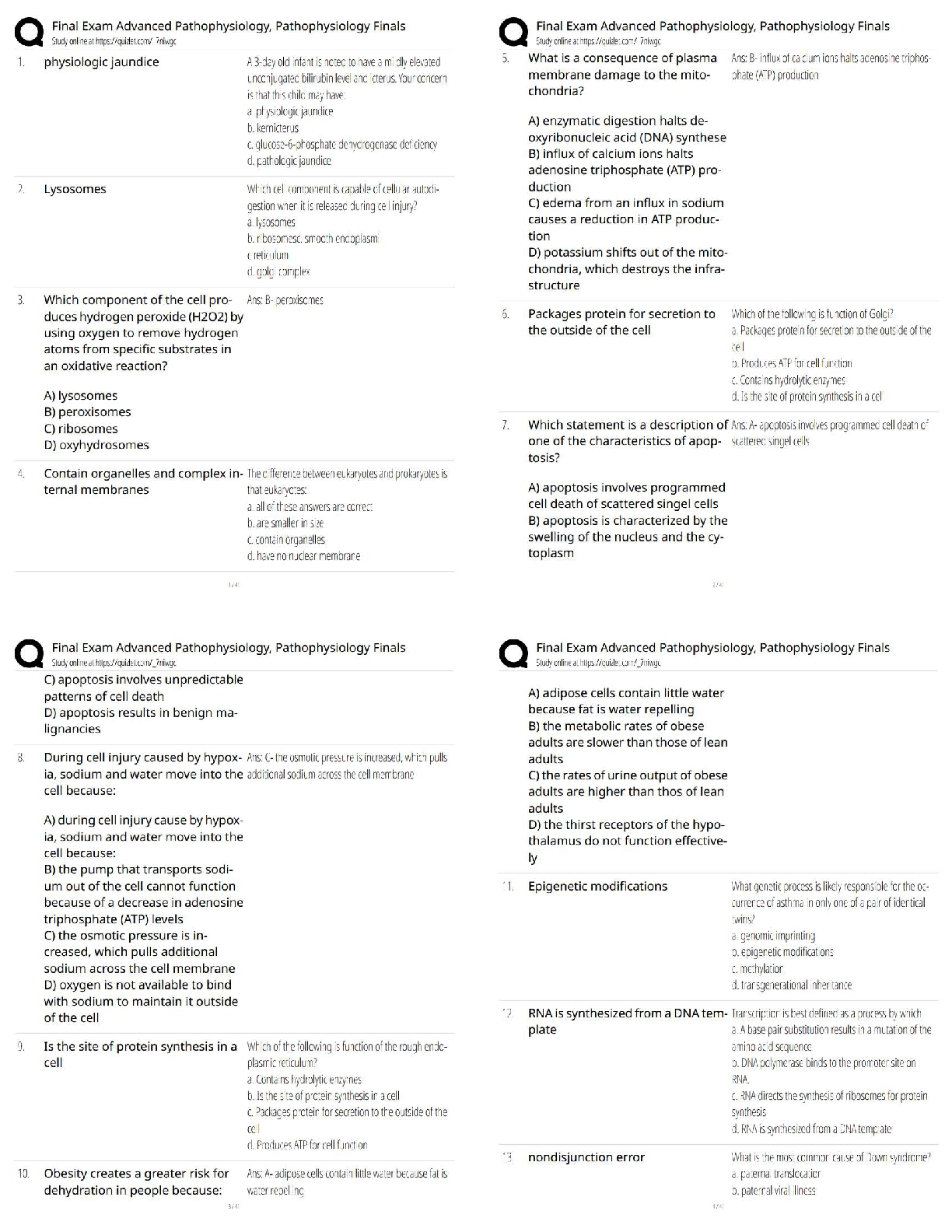
Preview 1 out of 21 pages
Instant download

Buy this Document to get the Full Access Instantly
Provided by Students Who Aced it
We Verify Document Content to Gurantee Accuracy
Reviews( 0 )
Document information
Connected school, study & course
About the document
Uploaded On
Jun 20, 2023
Number of pages
21
Written in
All

Additional information
This document has been written for:
Uploaded
Jun 20, 2023
Downloads
0
Views
85
Topic Tags
Related Subjects & Courses
Explore similar study resources and related concepts.
Recommended For You
Get more on EXAM »
LETRS Unit 1 Assessment-All Questions Answered 100% Correct
ATI MED SURGE PROCTORD EXAM; Answered 100% Correct |Recent 202...


NU 216 Adult Health 1- FINAL EXAM. Herzing University REVISED...

California Notary Public Exam Questions completely Answered 10...
FTCE Professional Final Exam Study Guide Answered 100% Correct



Certified Professional in Healthcare Quality (CPHQ) Answered 1...
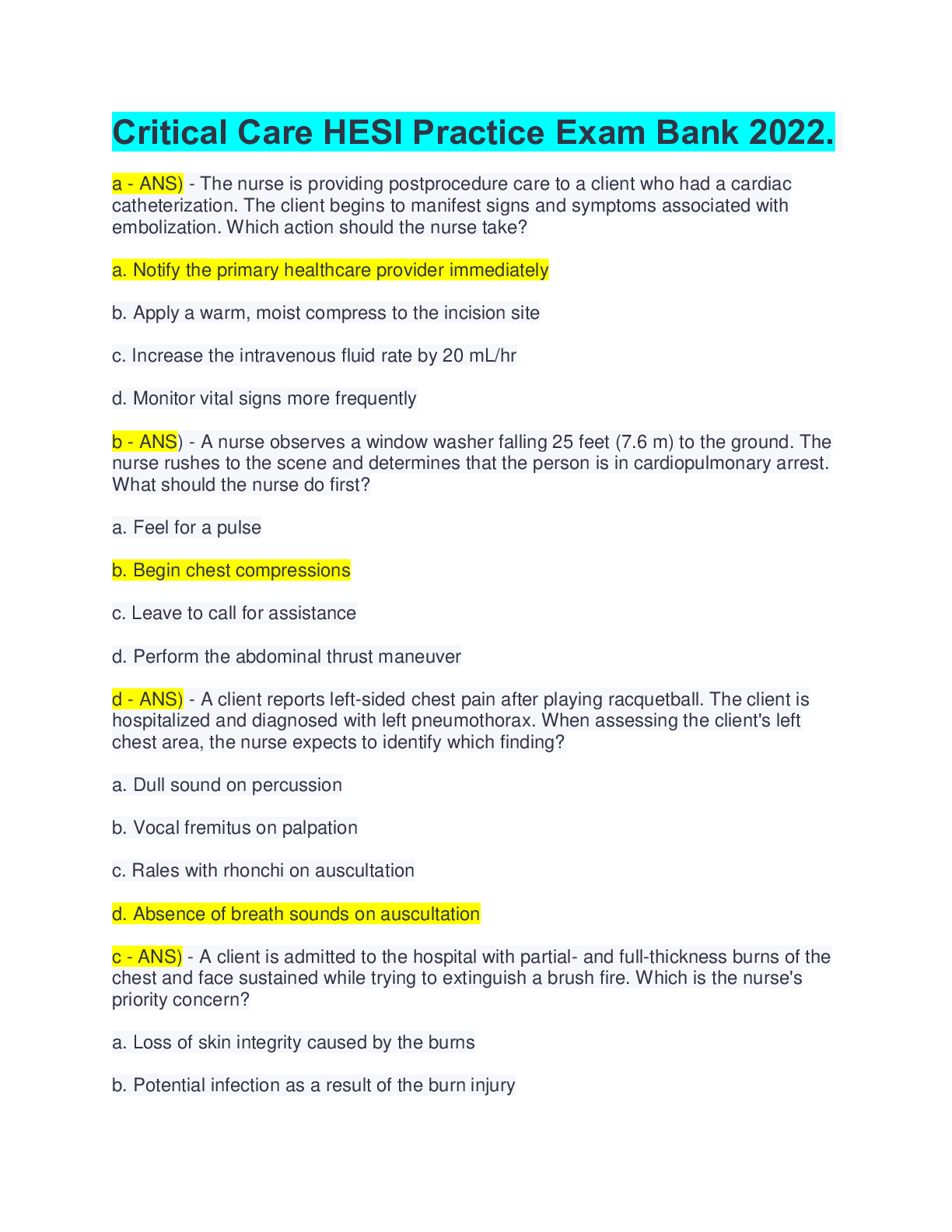
Critical Care HESI Practice Answered 100% Correctly, A+ guide...
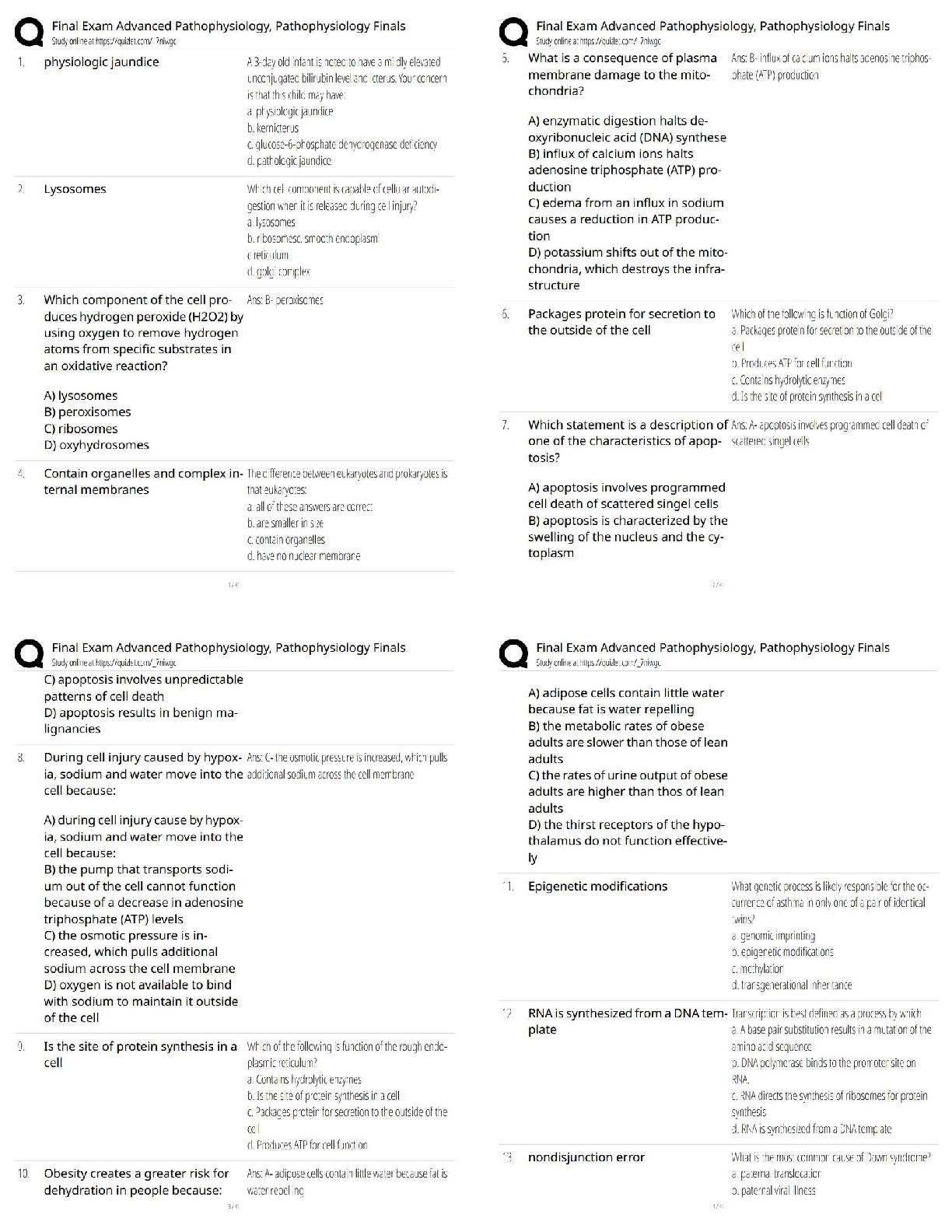
![Preview of eBook [PDF] Pathophysiology 7th Edition by Jacquelyn L. Banasik](https://scholarfriends.com/storage/YslD4meI2026-05-26-01-356a14ce9ff0e6c.png)