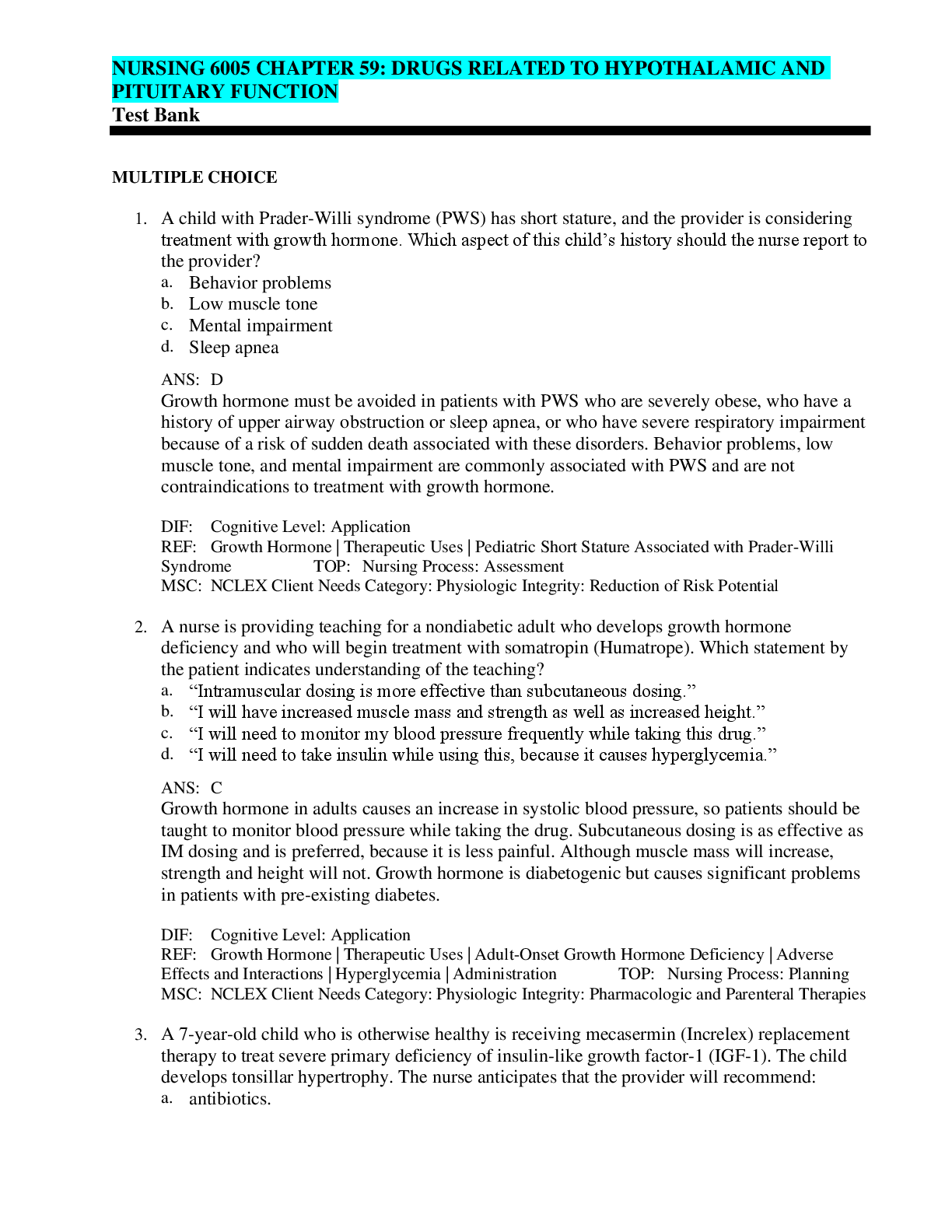
Management > EXAM > BUSI 3007- BUSI 3001- MGMT 3103 MIDTERM EXAM WEEK 3 (All)
BUSI 3007- BUSI 3001- MGMT 3103 MIDTERM EXAM WEEK 3
Document Content and Description Below
Last updated: 4 years ago
Preview 1 out of 6 pages
Instant download
Buy this Document to get the Full Access Instantly
Provided by Students Who Aced it
We Verify Document Content to Gurantee Accuracy
Reviews( 0 )
Document information
Connected school, study & course
About the document
Uploaded On
Feb 16, 2021
Number of pages
6
Written in
All

Additional information
This document has been written for:
Uploaded
Feb 16, 2021
Downloads
0
Views
206
Topic Tags
Recommended For You
Get more on EXAM »
BUSI 3007 – MGMT 3103 – BUSI 3001 FINAL EXAM | LATEST ANSWERS

BUSI 3007-3, MGMT-3103-3, BUSI-3001-3: Week 6 Final Exam (100%...

BUSI 3007-1, BUSI-3001-1, MGMT-3103-1: Week 3 Midterm (100% Co...

BUSI 3007 MIDTERM EXAM WEEK 3 - QUESTION AND ANSWERS | 2020/20...
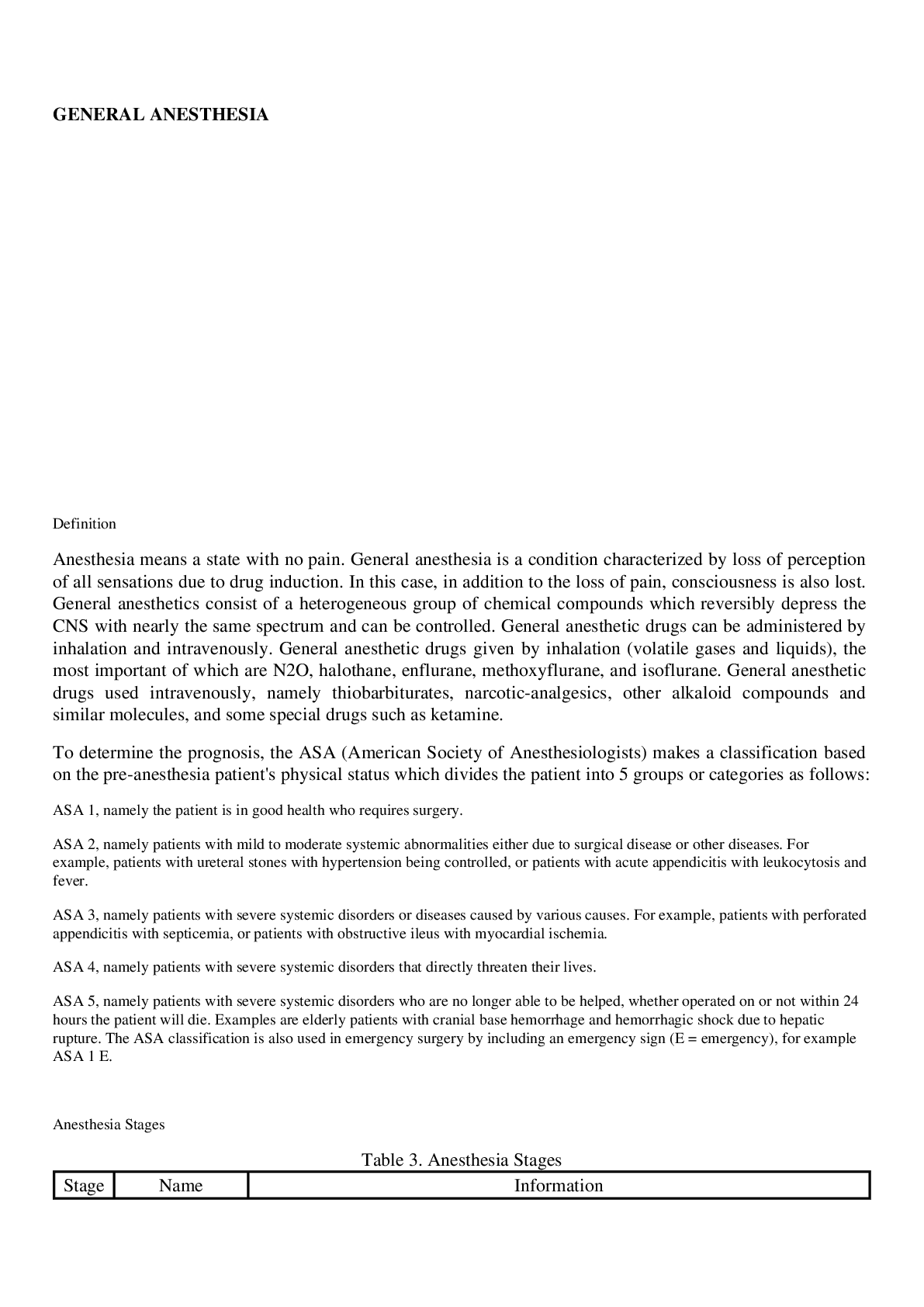
BUSI 3007 MIDTERM EXAM - QUESTION AND ANSWERS | LATEST SOLUTIO...
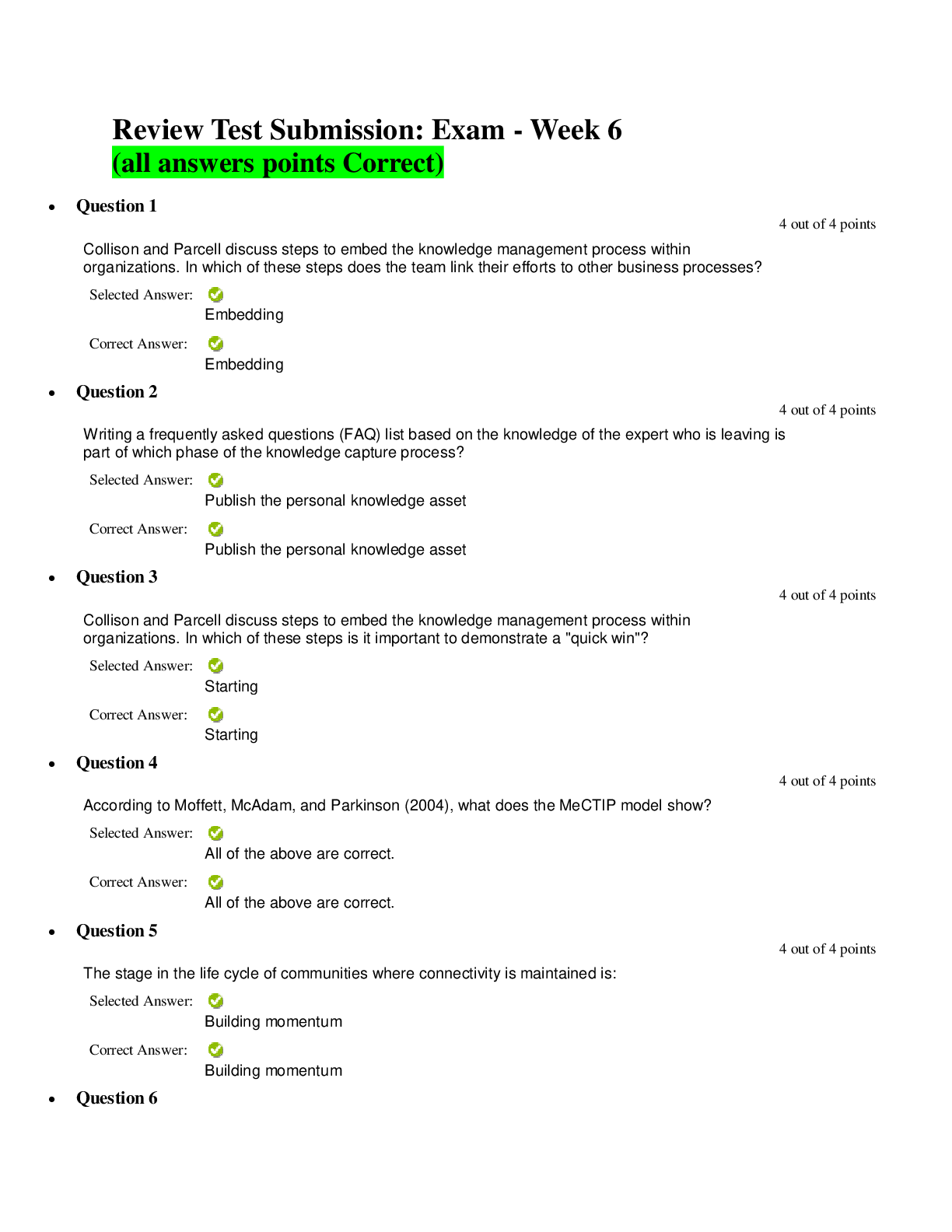
BUSI 3007 Week 6 Final Exam Answers (Walden University | 2025/...

BUSI 3007 Week 6 Final Exam Test Bank_ Latest Oct 2020 ( answe...

BUSI 3007-3 KnowledgeManagement; Week 3 Midterm_2020.docx/COMP...
BUSI 3007 Knowledge Management/complete solution/RATED A
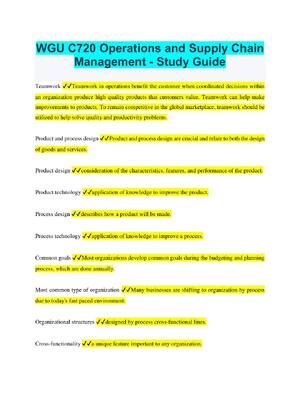
WGU C720 Operations and Supply Chain Management - Study Guide
TEST BANK for Project Management: A Managerial Approach, 11th...

SOLUTIONS MANUAL for Project Management: A Managerial Approach...

Test Bank for Leadership: Enhancing the Lessons of Experience...

Test Bank for Strategic Management Concepts and Cases, 4th Edi...

eBook Byrd & Chen's Canadian Tax Principles, 2022-2023, (Volum...

Management of Occupational Health and Safety, 8th Edition By K...

Solution Manual For Farm Management 10th Edition By Ronald Kay...

International Business Competing in the Global Marketplace, 14...