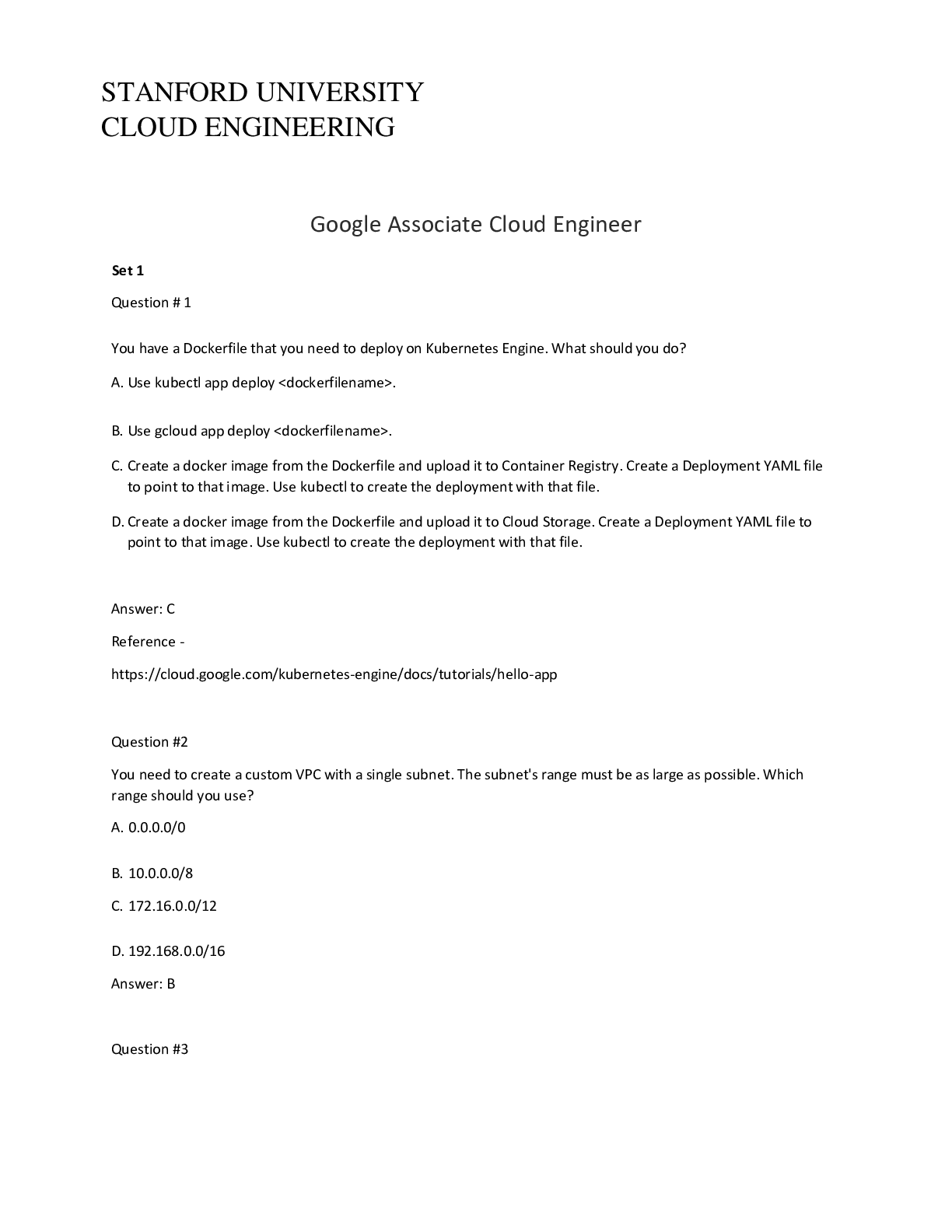
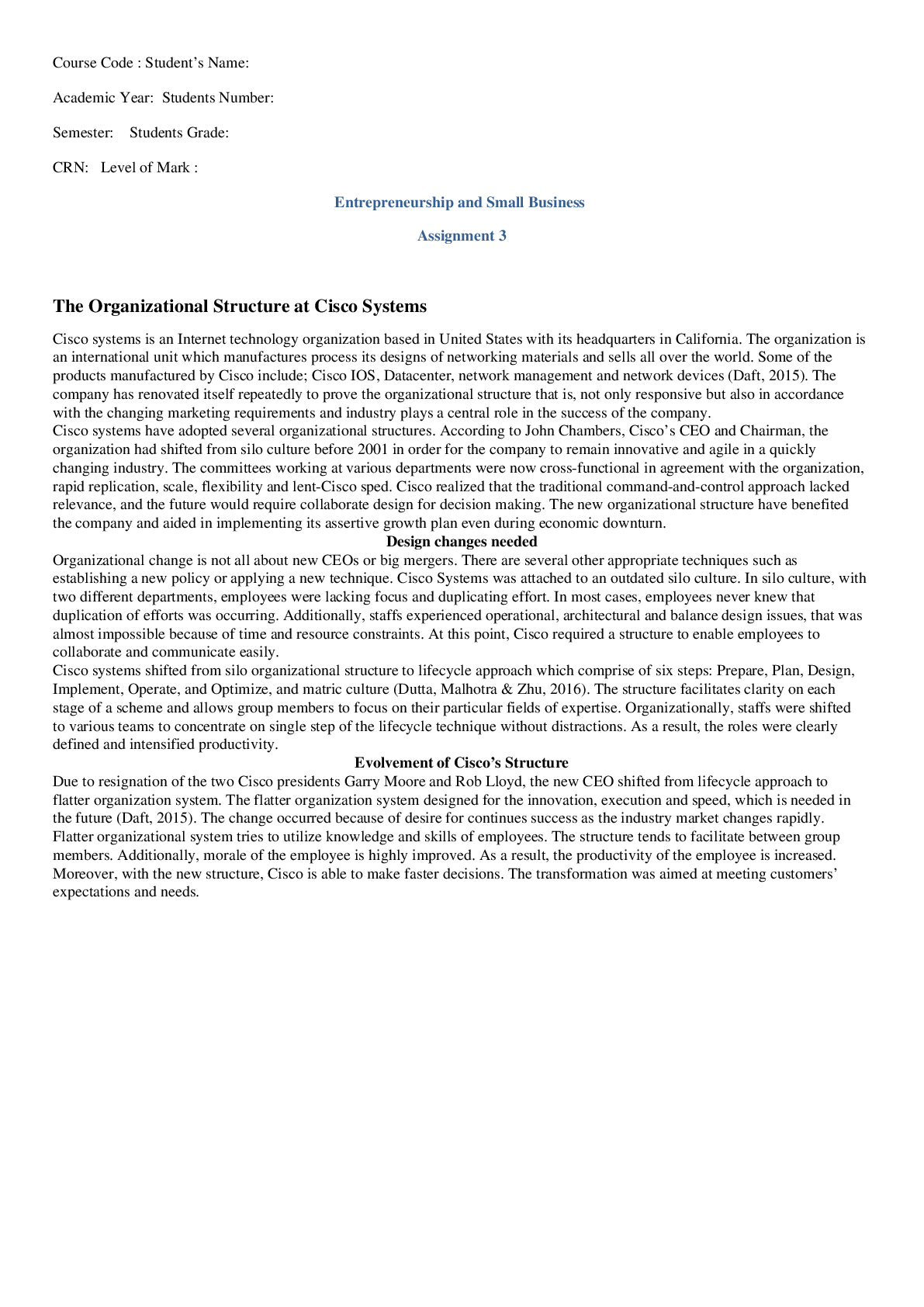
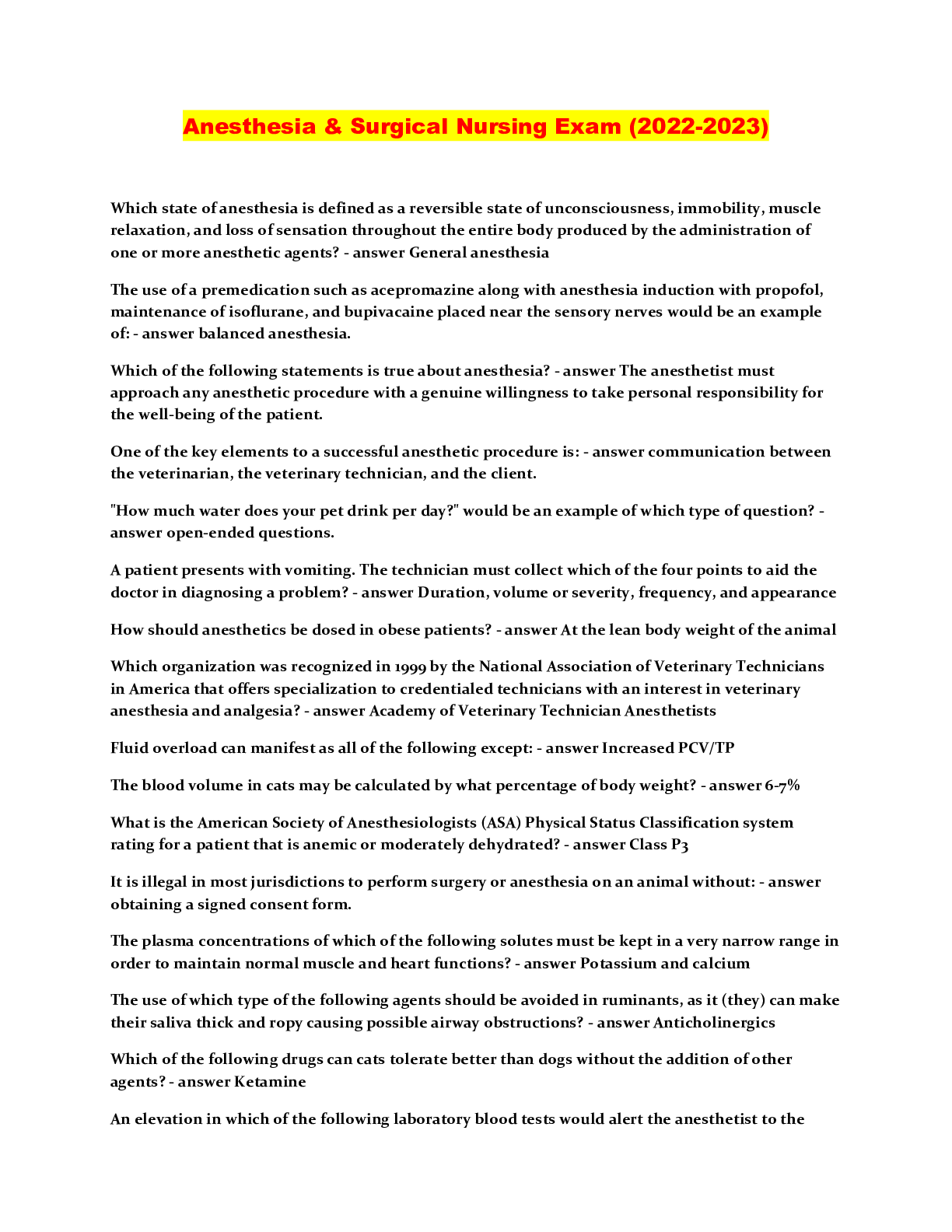
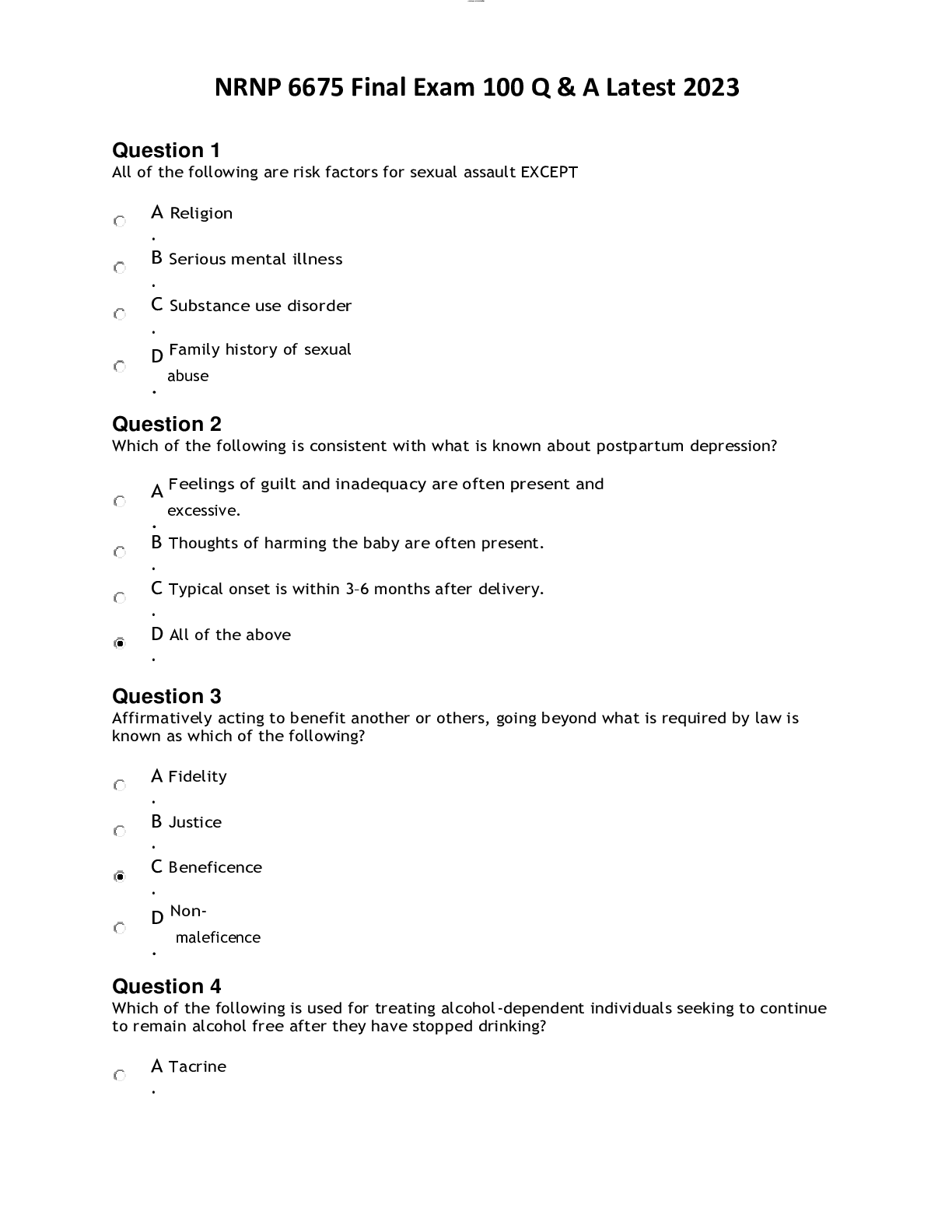
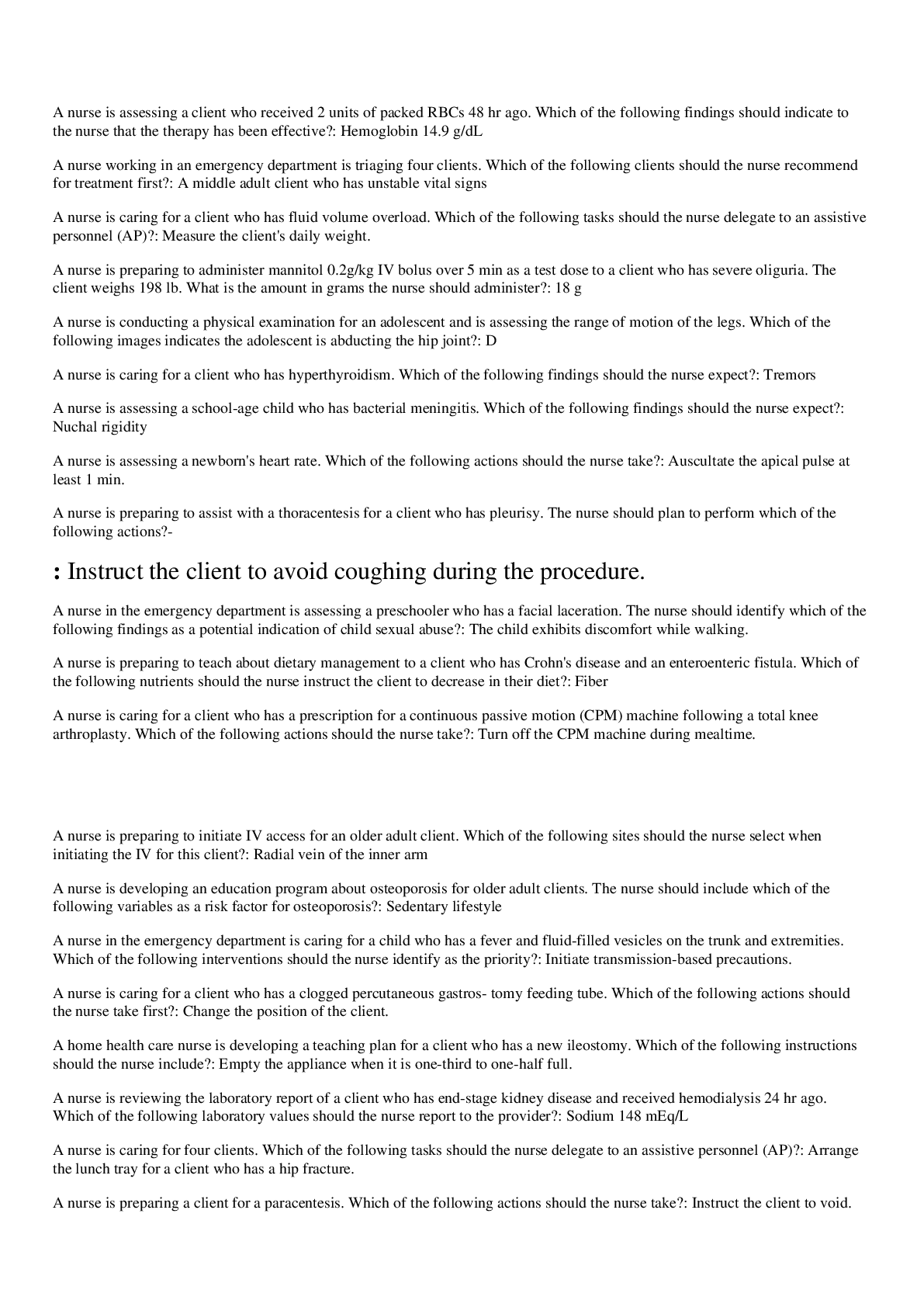
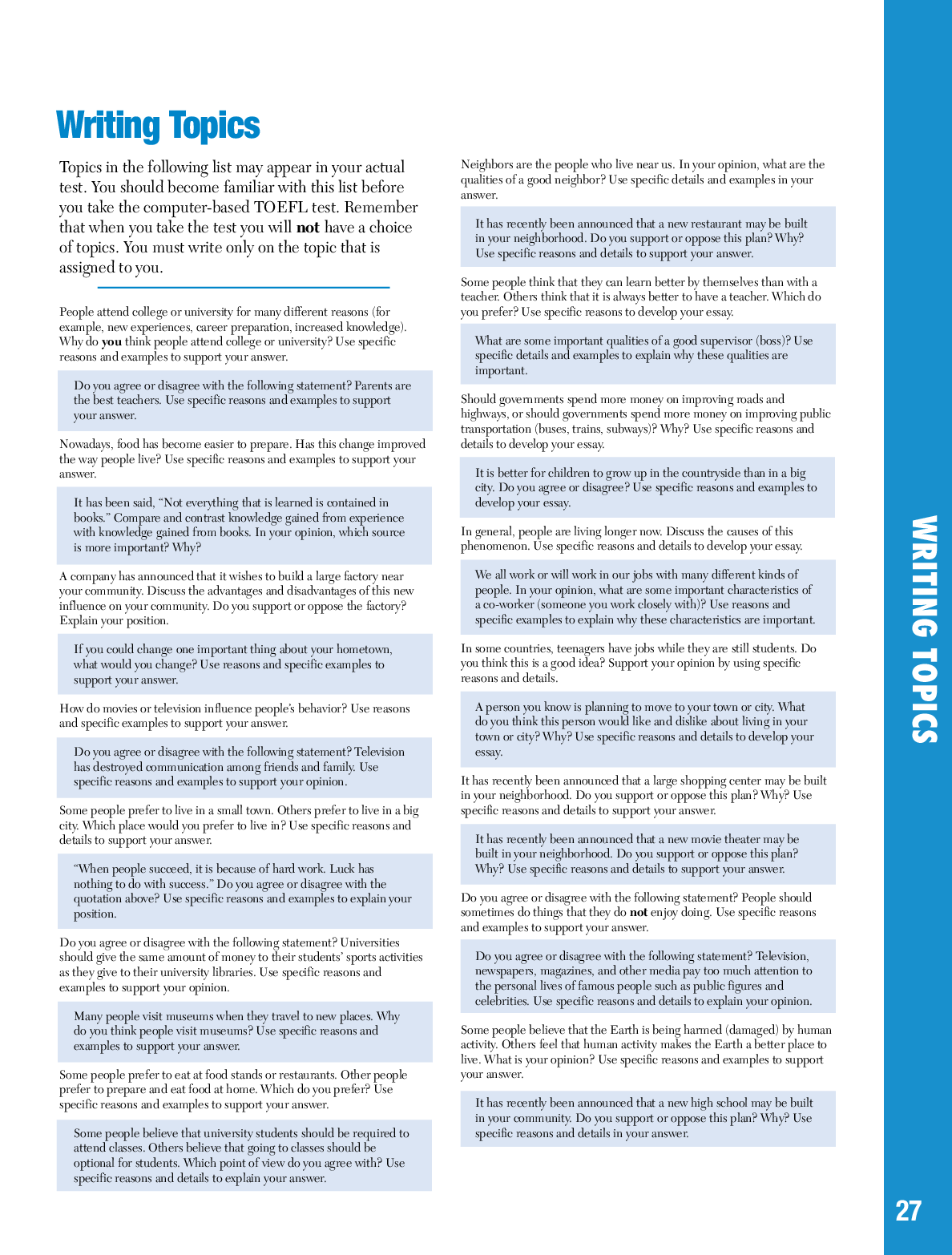
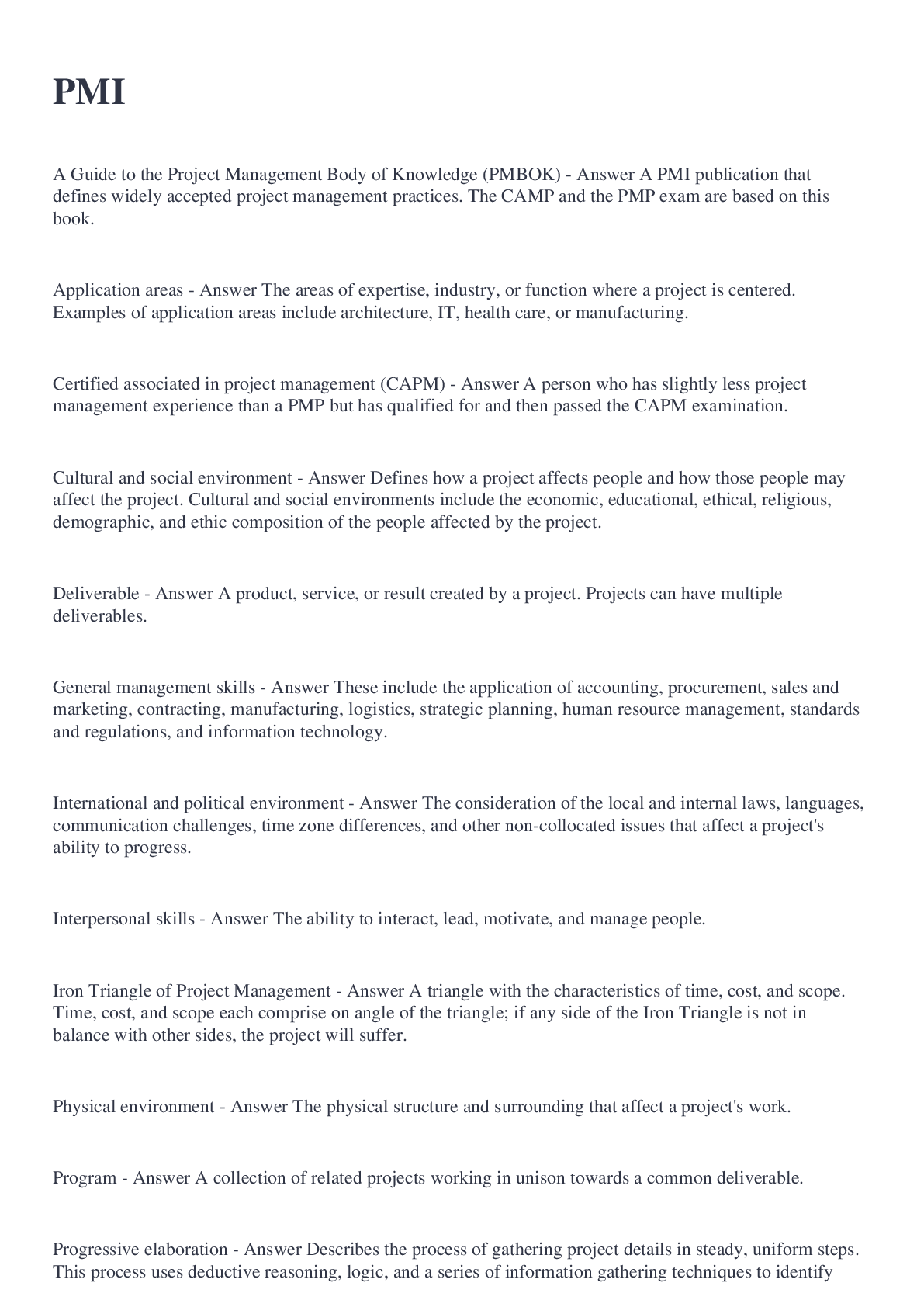
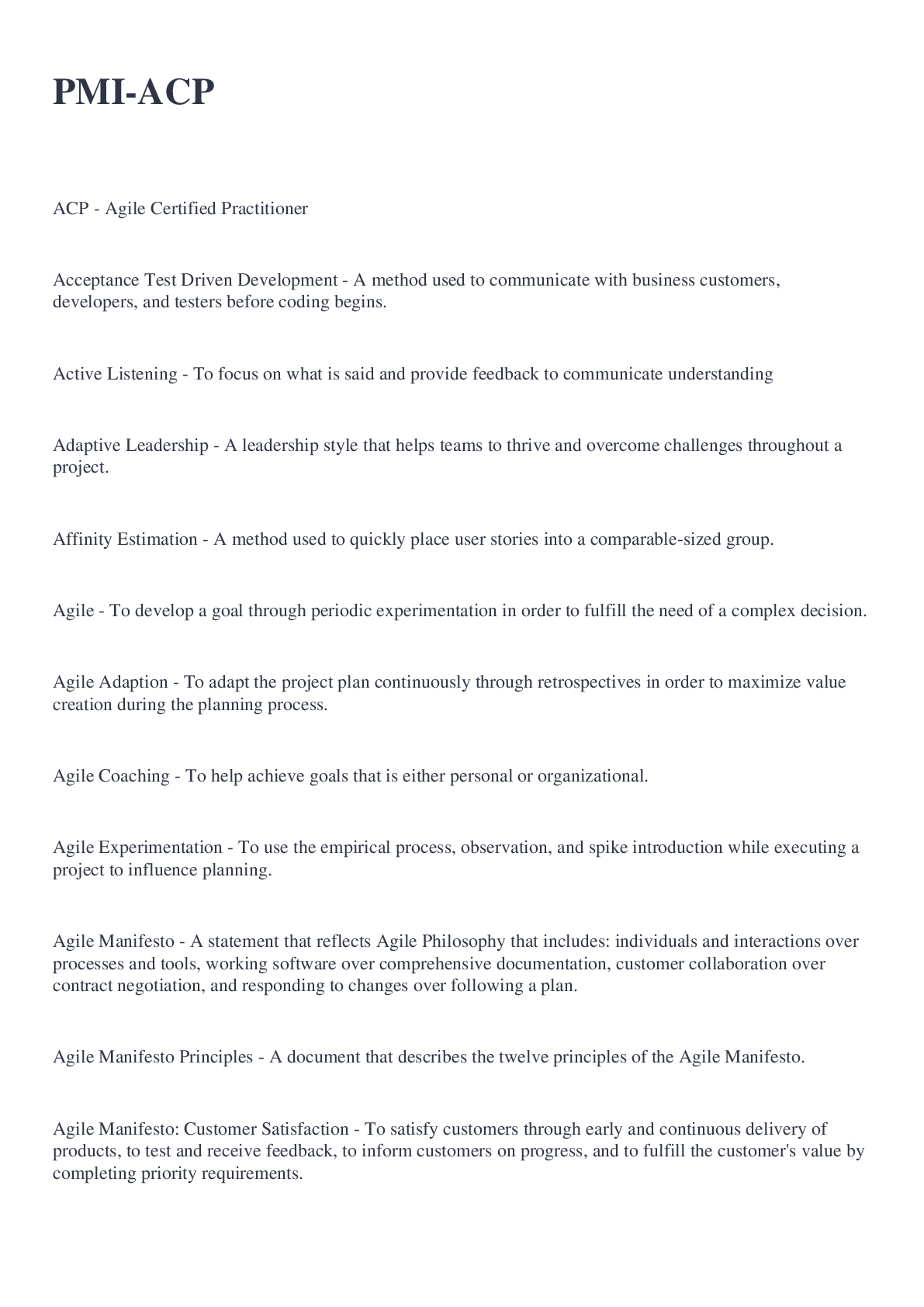
BUSINESS : REAL MIDTERM EXAM WITH SOLUTIONS 2023
Document Content and Description Below
Last updated: 2 years ago
Preview 1 out of 13 pages
Instant download

Buy this Document to get the Full Access Instantly
Provided by Students Who Aced it
We Verify Document Content to Gurantee Accuracy
Also available in bundle (1)
Click Below to Access Bundle(s)

BUSINESS AS A WAR [KENNETH ALLARD]/BUSINESS ECONOMICS PAPER 3/BUSINESS: 100% ENTREPRENEURSHIP AND INNOVATION EXAM WITH SOLUTION
BUSINESS AS A WAR [KENNETH ALLARD]/BUSINESS ECONOMICS PAPER 3/BUSINESS: 100% ENTREPRENEURSHIP AND INNOVATION EXAM WITH SOLUTION
By EXCELLENCE NURSING LIBRARY 2 years ago
$154
12
Reviews( 0 )
Document information
Connected school, study & course
About the document
Uploaded On
Nov 19, 2023
Number of pages
13
Written in
All

Additional information
This document has been written for:
Uploaded
Nov 19, 2023
Downloads
0
Views
138
Topic Tags
Recommended For You
Get more on EXAM »
International Business Competing in the Global Marketplace, 14...
Test Bank For Small Business Management Launching & Growing En...

[eBook] [PDF] International Business Competing in the Global M...

International Business: Competing in the Global Marketplace 12...
Instructor Manual For International Business Competing in the...
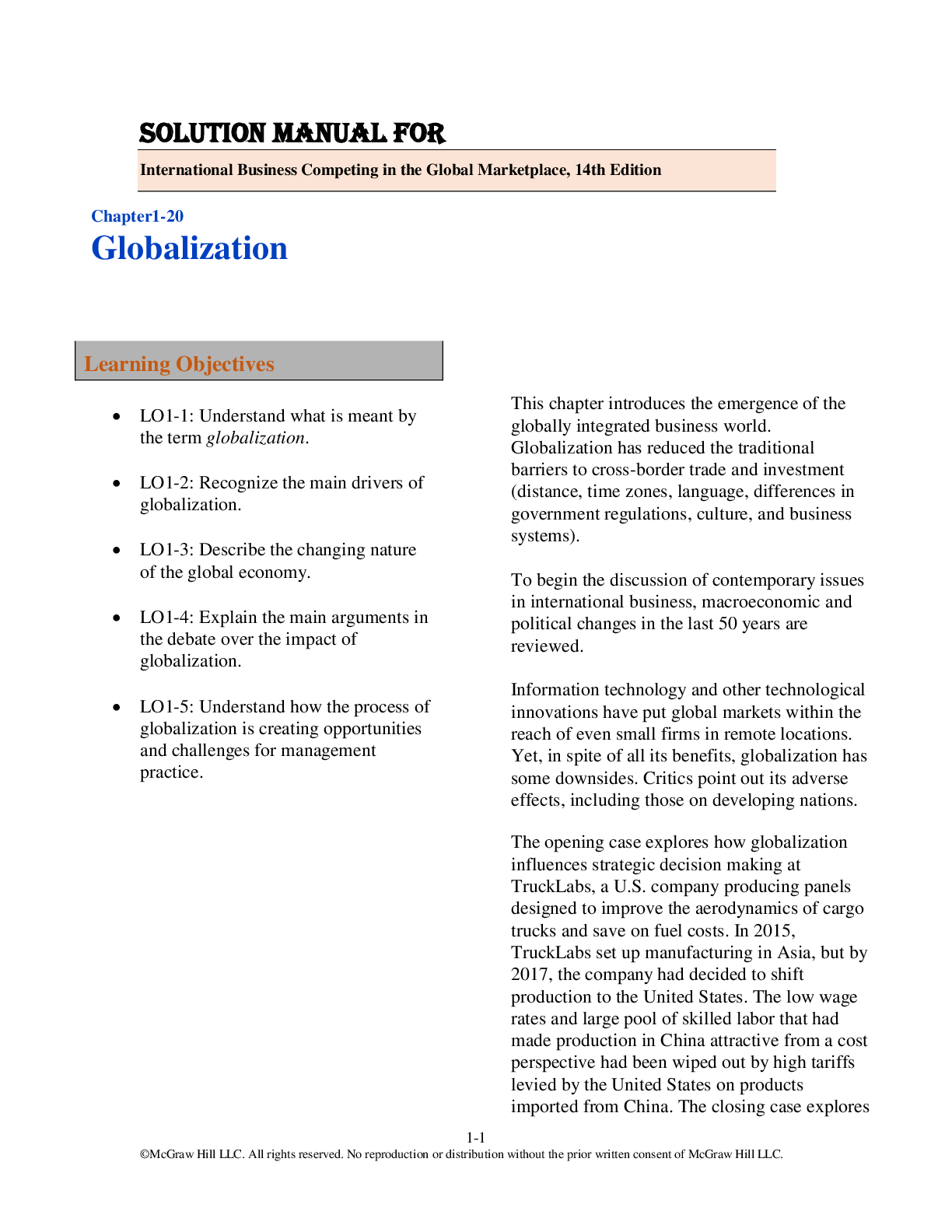
International Business Competing in the Global Marketplace, 14...
TEST BANK for International Business Competing in the Global M...

eBook [PDF] Fractional Integrals, Potentials, and Radon Transf...
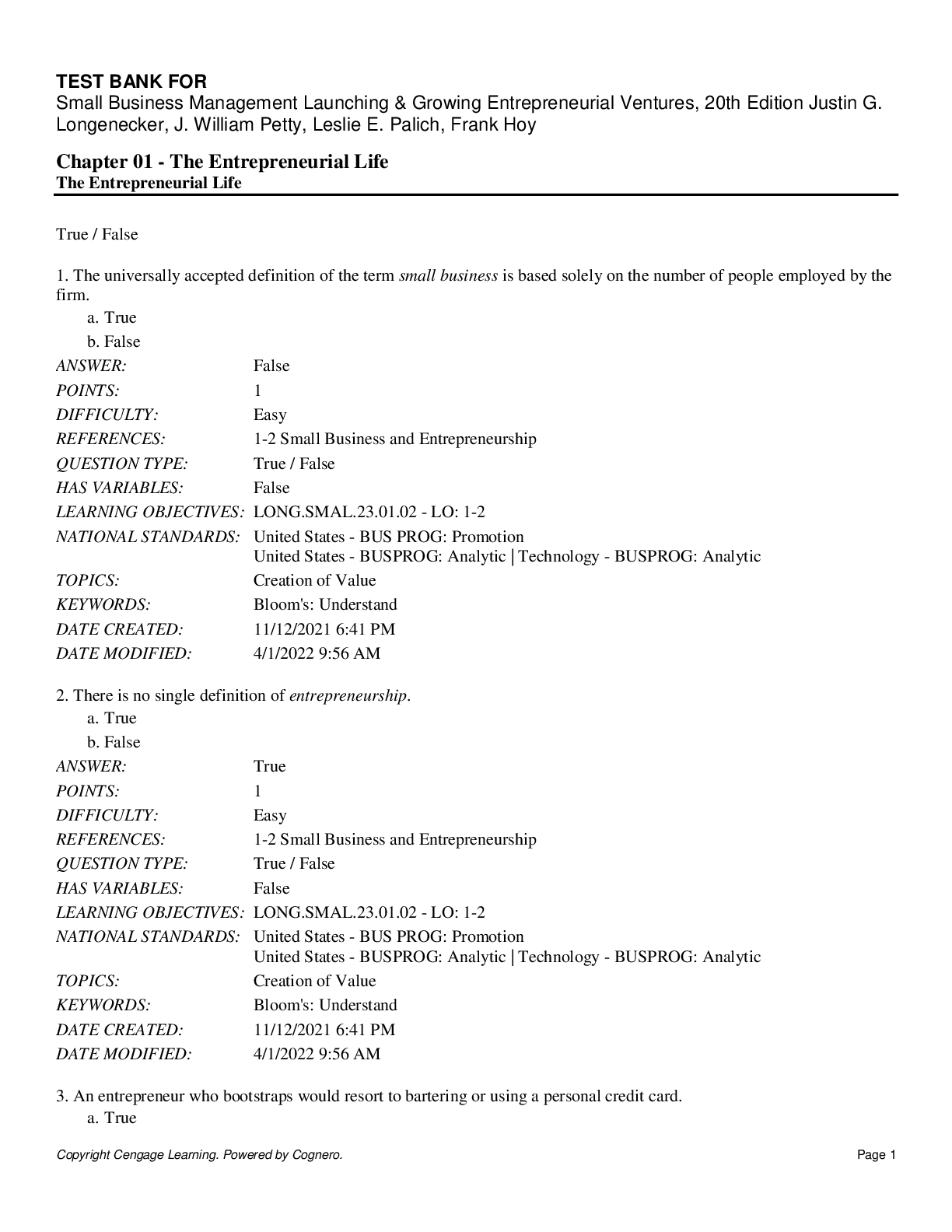
Test Bank for Small Business Management Launching & Growing En...
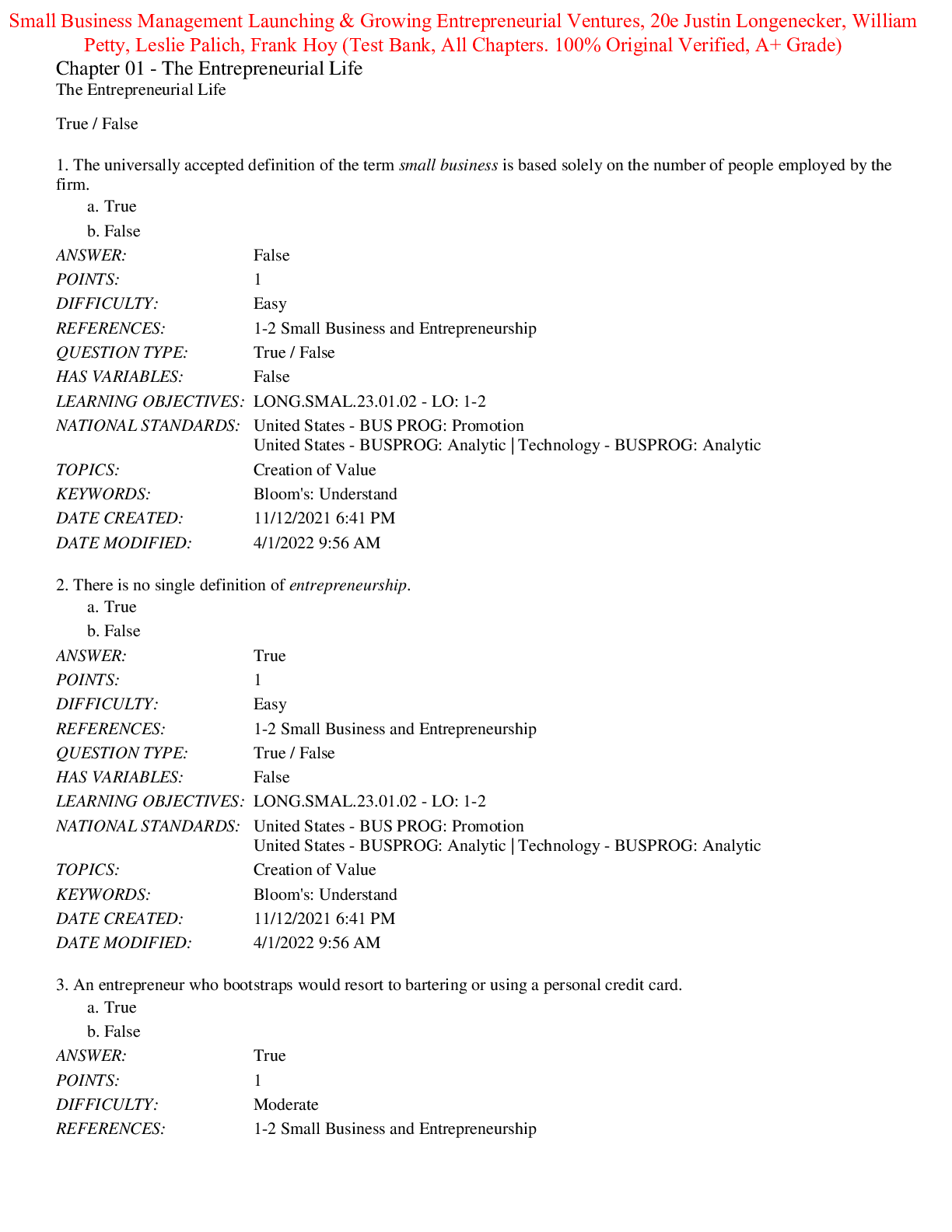
Small Business Management Launching & Growing Entrepreneurial...
Instructor Manual For International Business Competing in the...
Test Bank For International Business Competing in the Global M...
Test Bank for International Business: Competing in the Global...
LEADERSHIP RESEARCH FINDINGS, PRACTICE AND SKILLS 10TH EDITION...
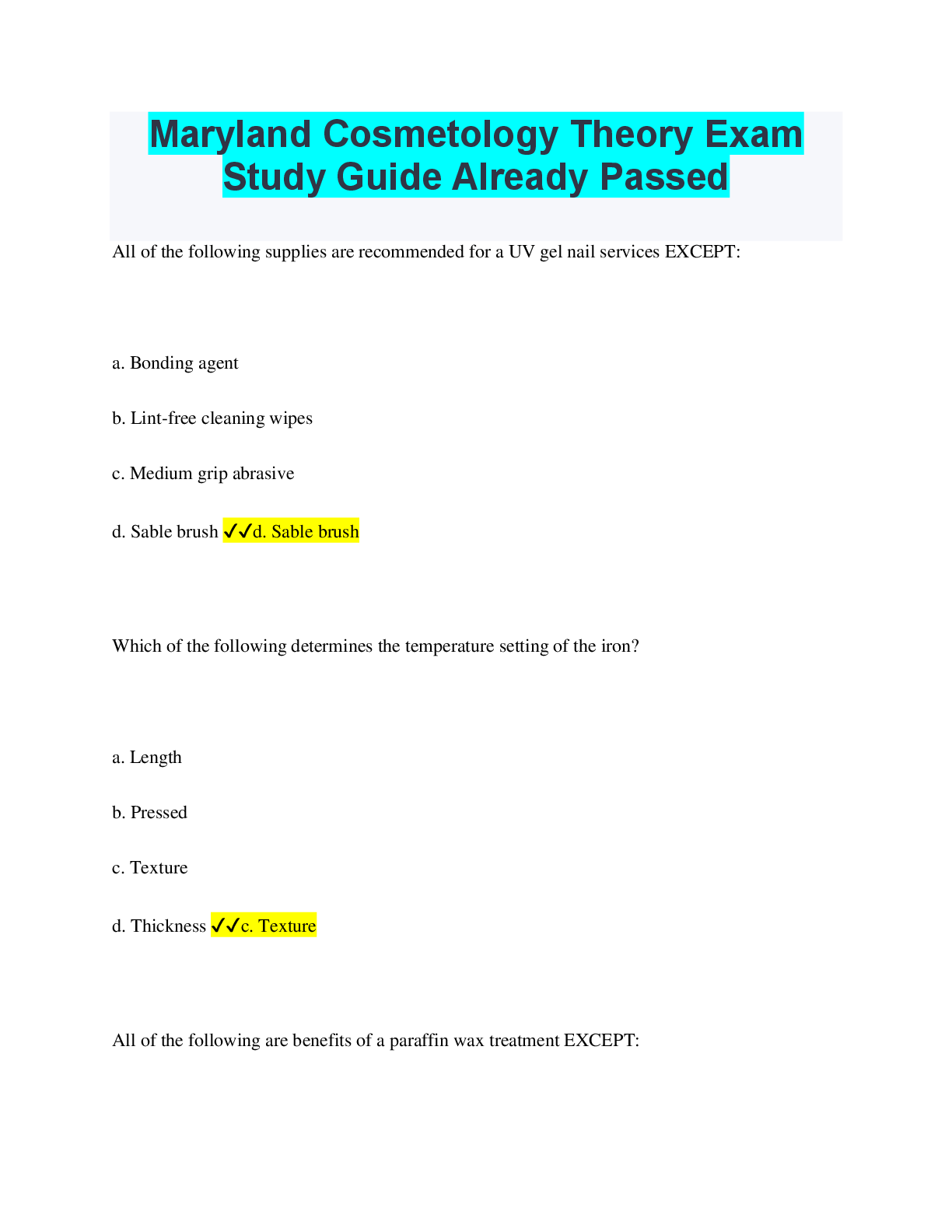
Maryland State Board of Cosmetology Practice Exam 1 Already P...