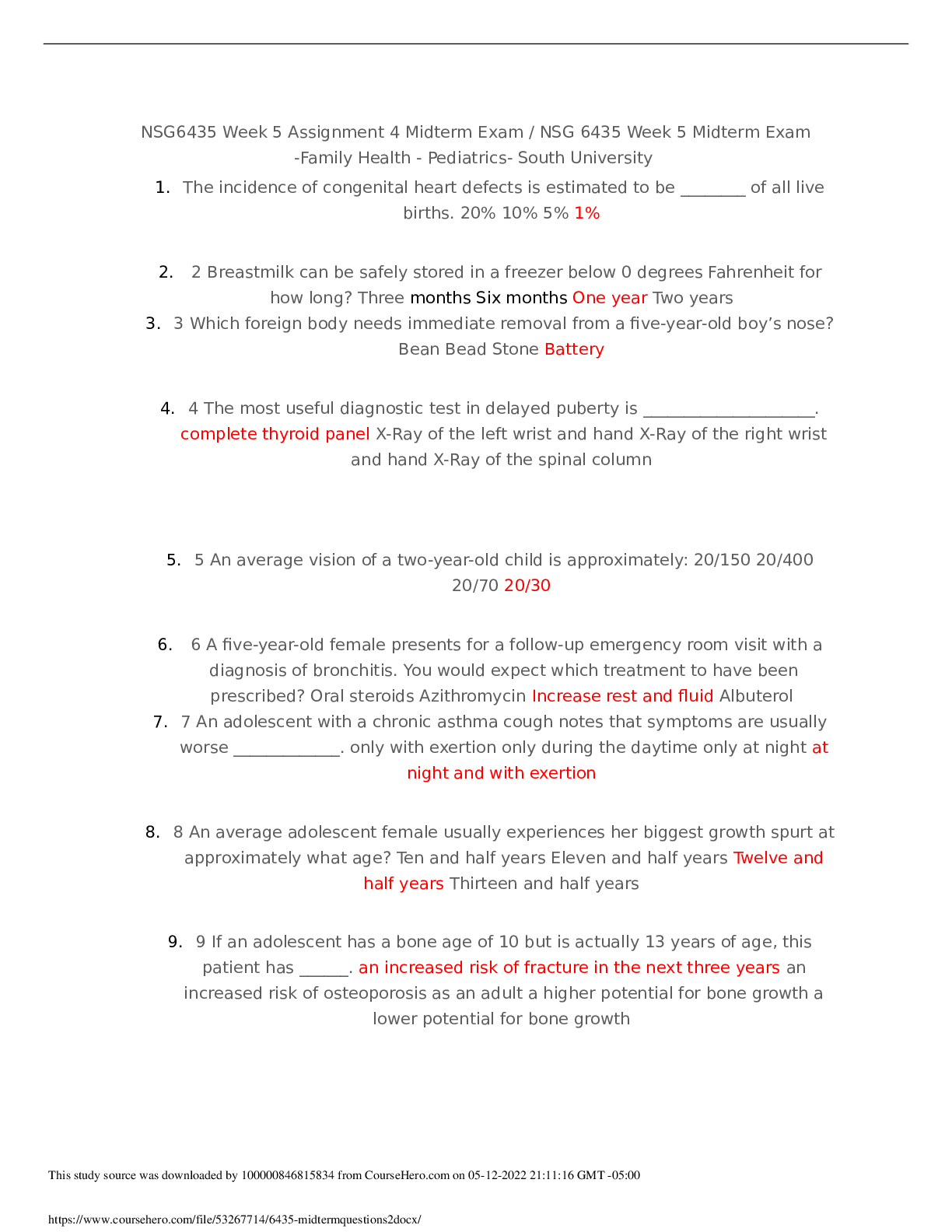
NURSING > QUESTIONS & ANSWERS > Rasmussen College - NUR 2392Student Worksheet- Week 2, Sammy, Dosage Calc & Nutrition(1 (All)
Rasmussen College - NUR 2392Student Worksheet- Week 2, Sammy, Dosage Calc & Nutrition(1
Document Content and Description Below
Last updated: 4 years ago
Preview 1 out of 3 pages
Instant download

Buy this Document to get the Full Access Instantly
Provided by Students Who Aced it
We Verify Document Content to Gurantee Accuracy
Reviews( 0 )
Document information
Connected school, study & course
About the document
Uploaded On
Feb 24, 2021
Number of pages
3
Written in
All

Additional information
This document has been written for:
Uploaded
Feb 24, 2021
Downloads
0
Views
113
Topic Tags
Recommended For You
Get more on QUESTIONS & ANSWERS »
FROM ANCIENT WORLD TO THE MIDDLE AGES COMPLETED QUIZ 2024 | EN...
HESI A2 REVIEW Anatomy and Physiology, HESI A2 Science, HESI A...
Test Bank for Pathophysiology Biologic Basis for Disease in Ad...
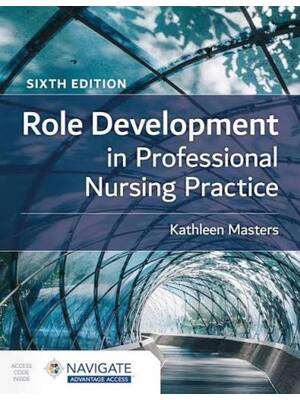
Test Bank for Role Development in Professional Nursing Practic...
TEST BANK for Essentials for Nursing Practice, 9th Edition by...
Basic Geriatric Nursing, 8th Edition By Patricia Williams [PDF...
Test Bank For Community Public Health Nursing Promoting the He...
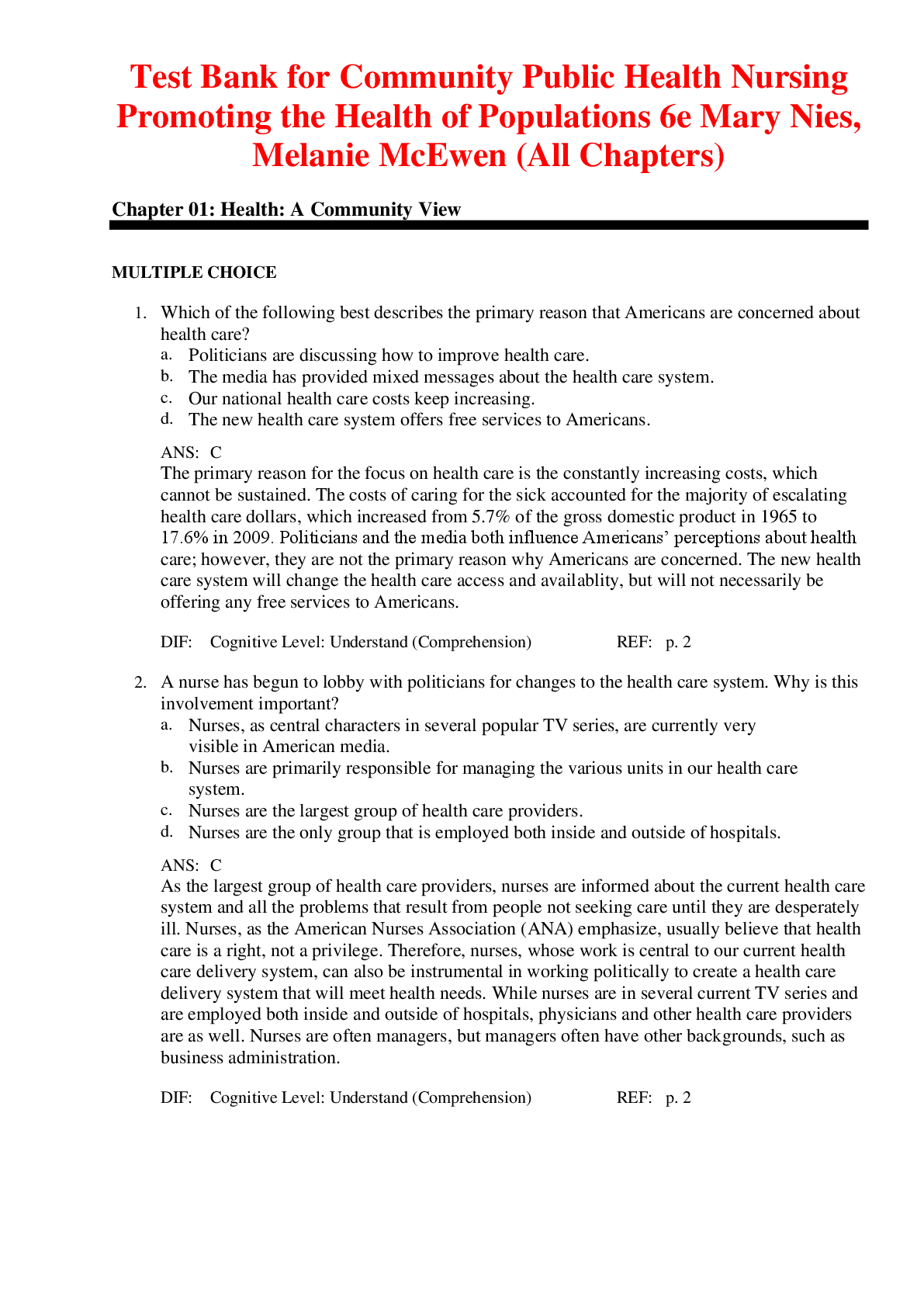
Test Bank for Community Public Health Nursing Promoting the He...
Applied Pathophysiology For Advanced Practice Nurses 2nd Editi...
Exercises Answer Key Statistics for Nursing Research A Workboo...
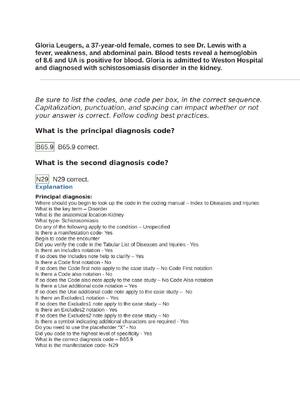
Gloria Leugers, a 37-year-old female, comes to see Dr. Lewis w...