English Literature > Book Review > A QUIVER FULL OF ARROWS By Jeffrey Archer (All)
A QUIVER FULL OF ARROWS By Jeffrey Archer
Document Content and Description Below
Last updated: 2 years ago
Preview 1 out of 642 pages
Instant download

Buy this Document to get the Full Access Instantly
Provided by Students Who Aced it
We Verify Document Content to Gurantee Accuracy
Also available in bundle (1)
Click Below to Access Bundle(s)

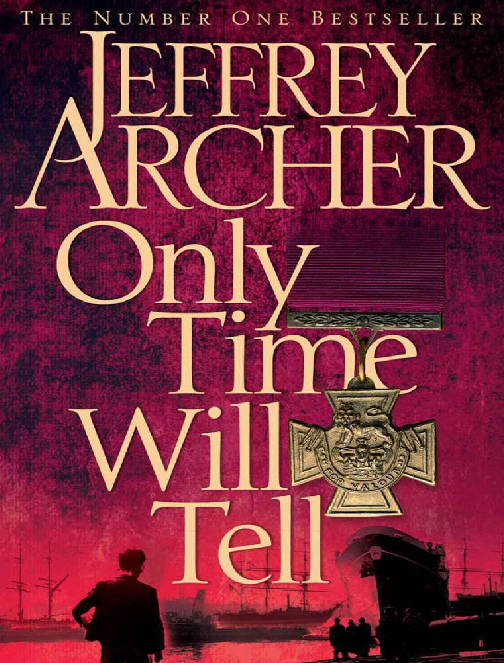
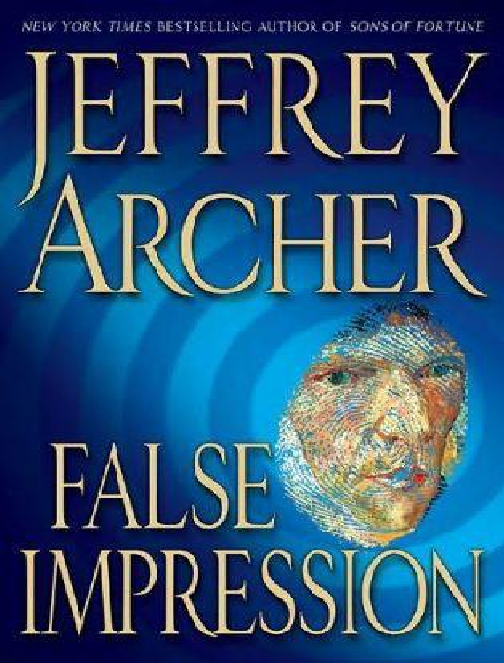
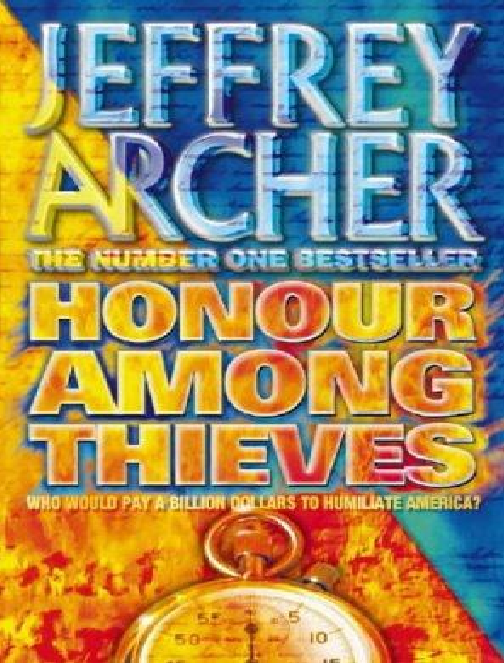
JEFFREY ARCHER'S BOOKS
JEFFREY ARCHER'S BOOKS
By EXCELLENCE NURSING LIBRARY 2 years ago
$52
11
Reviews( 0 )
Document information
Connected school, study & course
About the document
Uploaded On
Nov 26, 2023
Number of pages
642
Written in
All

Additional information
This document has been written for:
Uploaded
Nov 26, 2023
Downloads
0
Views
142
Topic Tags
Recommended For You
Get more on Book Review »


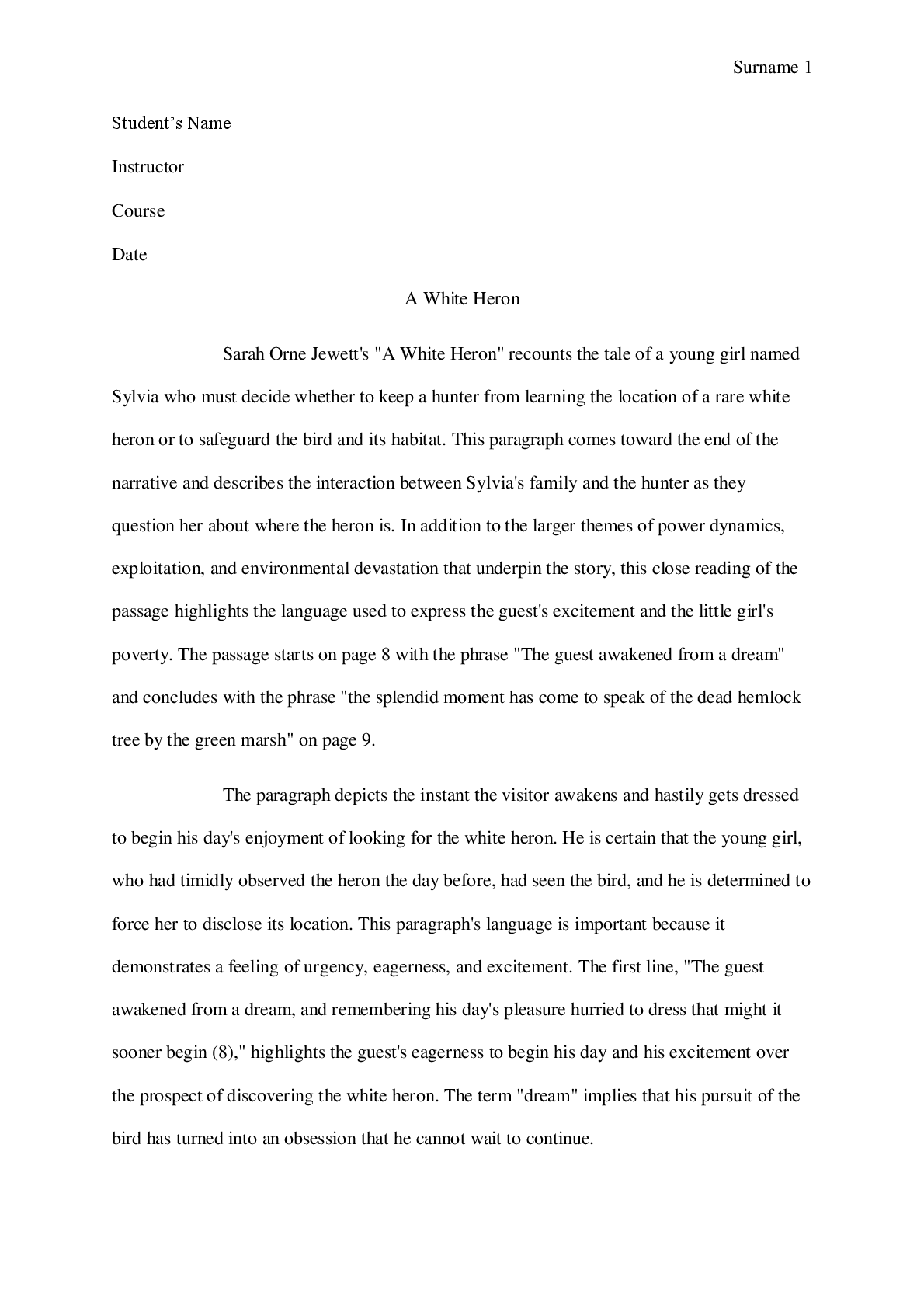


College English Literature CLEP Exam (NEW 2025/ 2026Update) |...

College English Literature CLEP Exam (NEW 2025/ 2026Update) |...

Nancy Caroline’s Emergency Care in the Streets – 8th edition T...

test_bank_for_understanding_nursing_research___7th_edition_by_...

Community Public Health Nursing 3rd Edition Evidence For Pract...

Hamric and Hanson s Advanced Practice Nursing 7th Edition Trac...

Hamric and Hanson s Advanced Practice Nursing 6th Edition Trac...


ICLA Standard 4 Exam – Latest Updated Questions & Verified Ans...