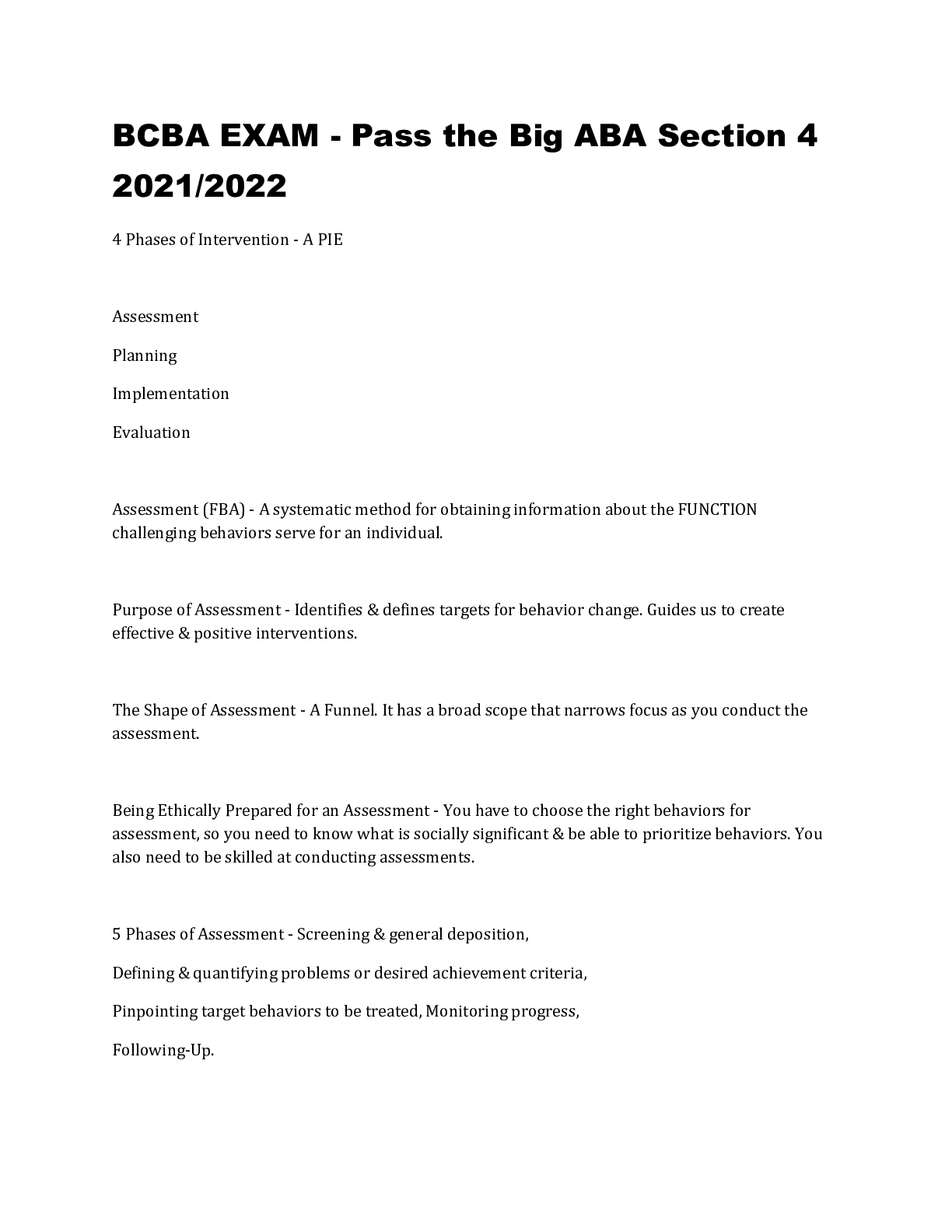
WGU C265 Critical Thinking And Logistic (2023 – 2024) With Complete Solution
Document Content and Description Below
IMPEDIMENTS/BAD HABITS TO SOUND THINKING: - - Making generalizations unsupported by evidence
- Letting stereotypes shape our thinking
- Viewing the world from one fixed vantage point
- Forming false beliefs
- Dismiss
...
[Show More]
Last updated: 2 years ago
Preview 1 out of 7 pages
Instant download
Buy this Document to get the Full Access Instantly
Provided by Students Who Aced it
We Verify Document Content to Gurantee Accuracy
Reviews( 0 )
Document information
Connected school, study & course
About the document
Uploaded On
Nov 30, 2023
Number of pages
7
Written in
All

Additional information
This document has been written for:
Uploaded
Nov 30, 2023
Downloads
0
Views
104
Topic Tags
Recommended For You
Get more on EXAM » Block 1 to 7.png)
$18
128 Pages
PPME Block 1-7 - Primary Professional Military Education (Enli...



$8
16 Pages
IFSM 438 Tiger Team (Consolidated Project Management Plan) - F...
$1
33 Pages
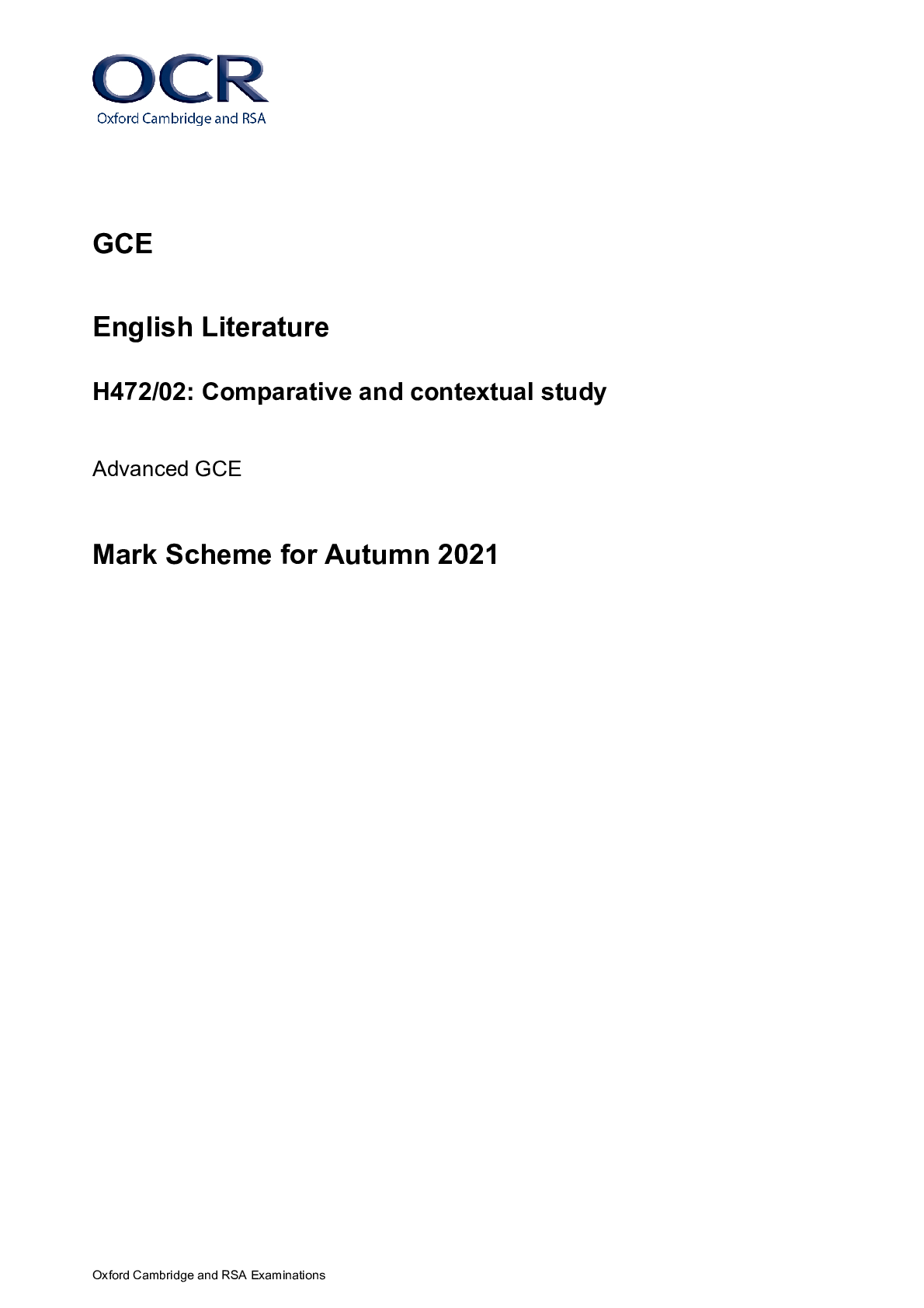
OCR GCE English Literature H472/02: Comparative and contextual...

$1
31 Pages
OCR GCE English Literature H472/01: Drama and poetry pre-1900...
$1
46 Pages
 Questions and Answers Complete Exam Solution.png)
.png)
 QUESTIONS AND ANSWERS WITH COMPLETE SOLUTION GRADED A.png)
 A GRADED.png)
.png)