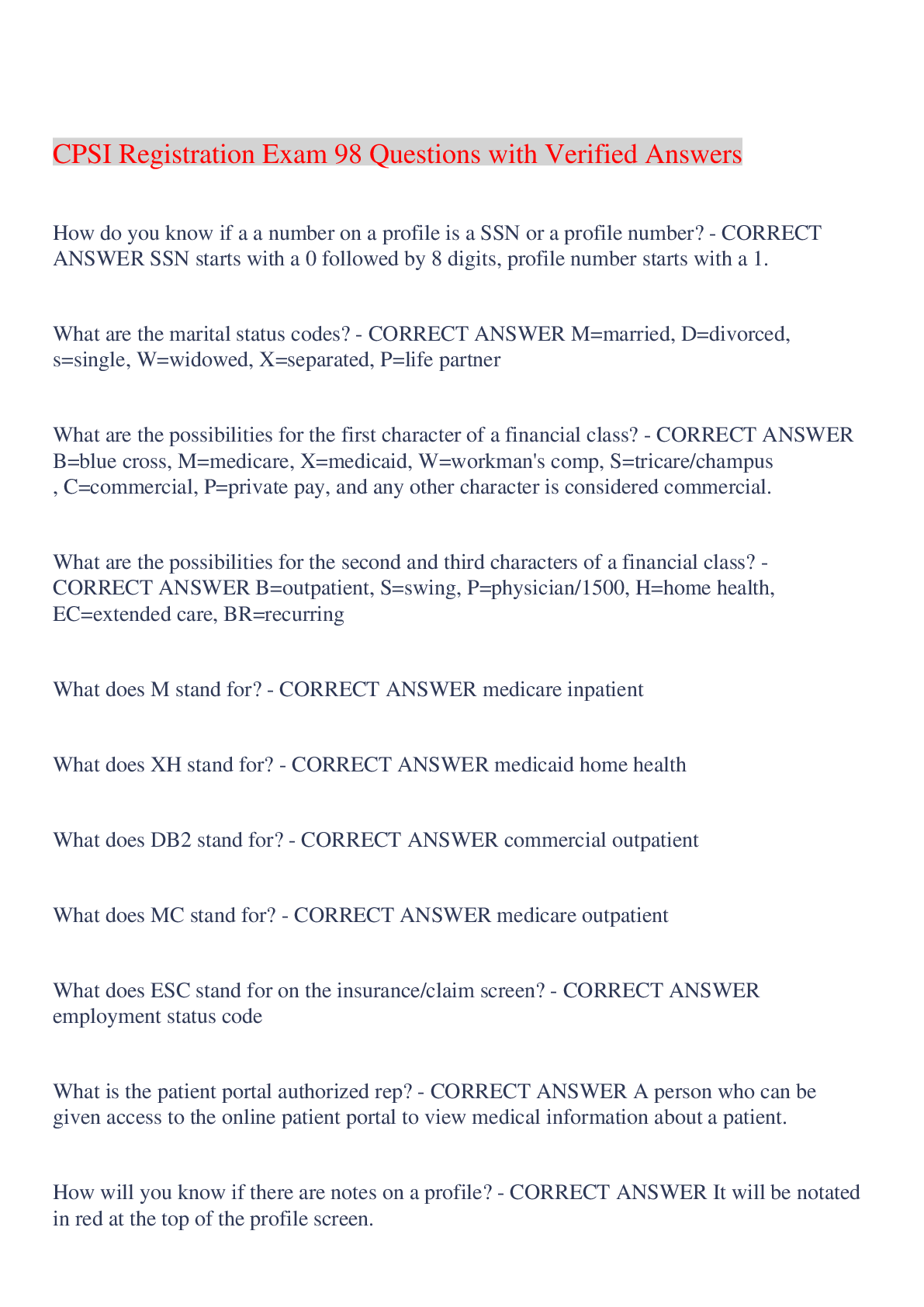
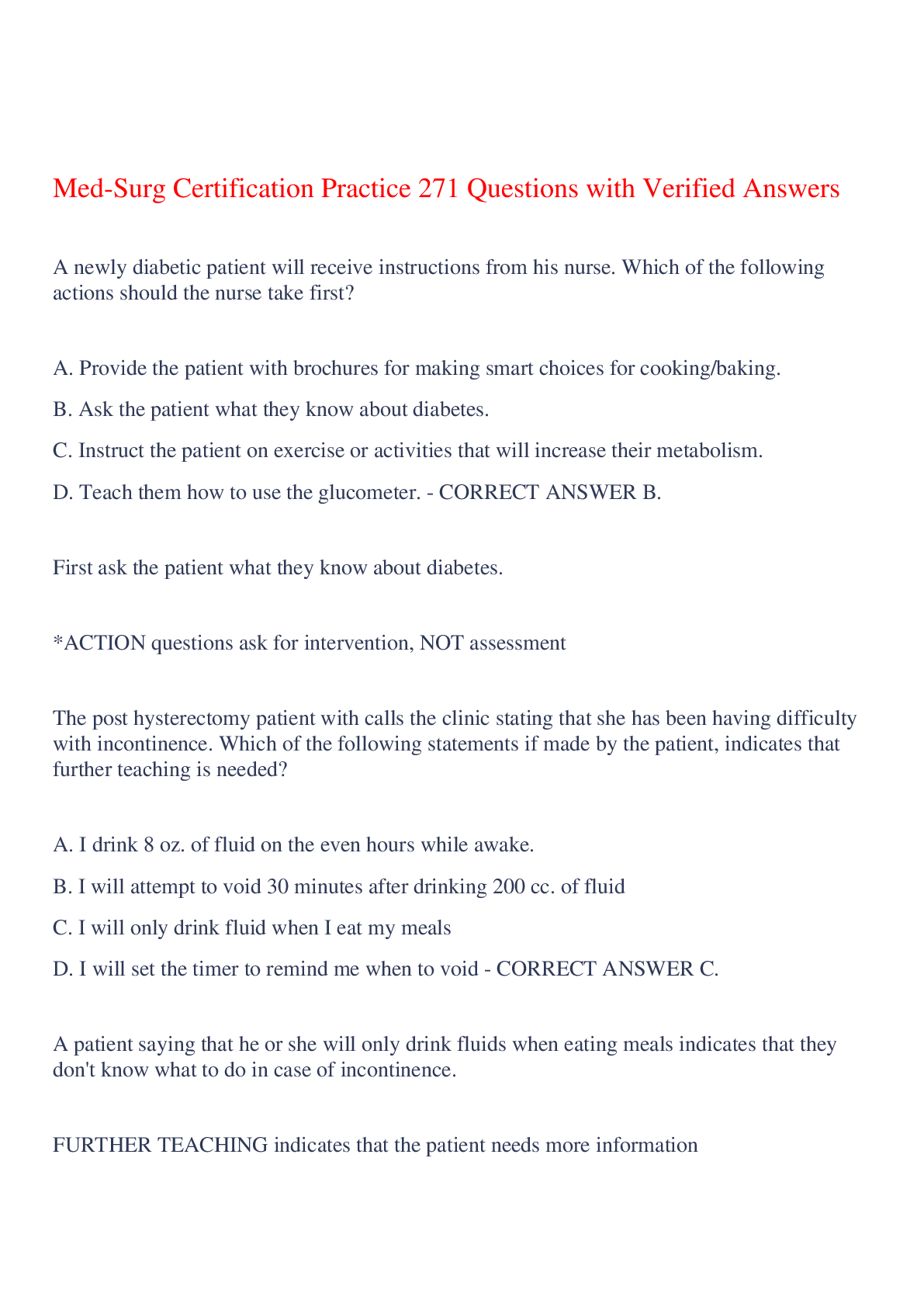
Chapter 15 Test Questions with Verified Answers,100% CORRECT
Document Content and Description Below
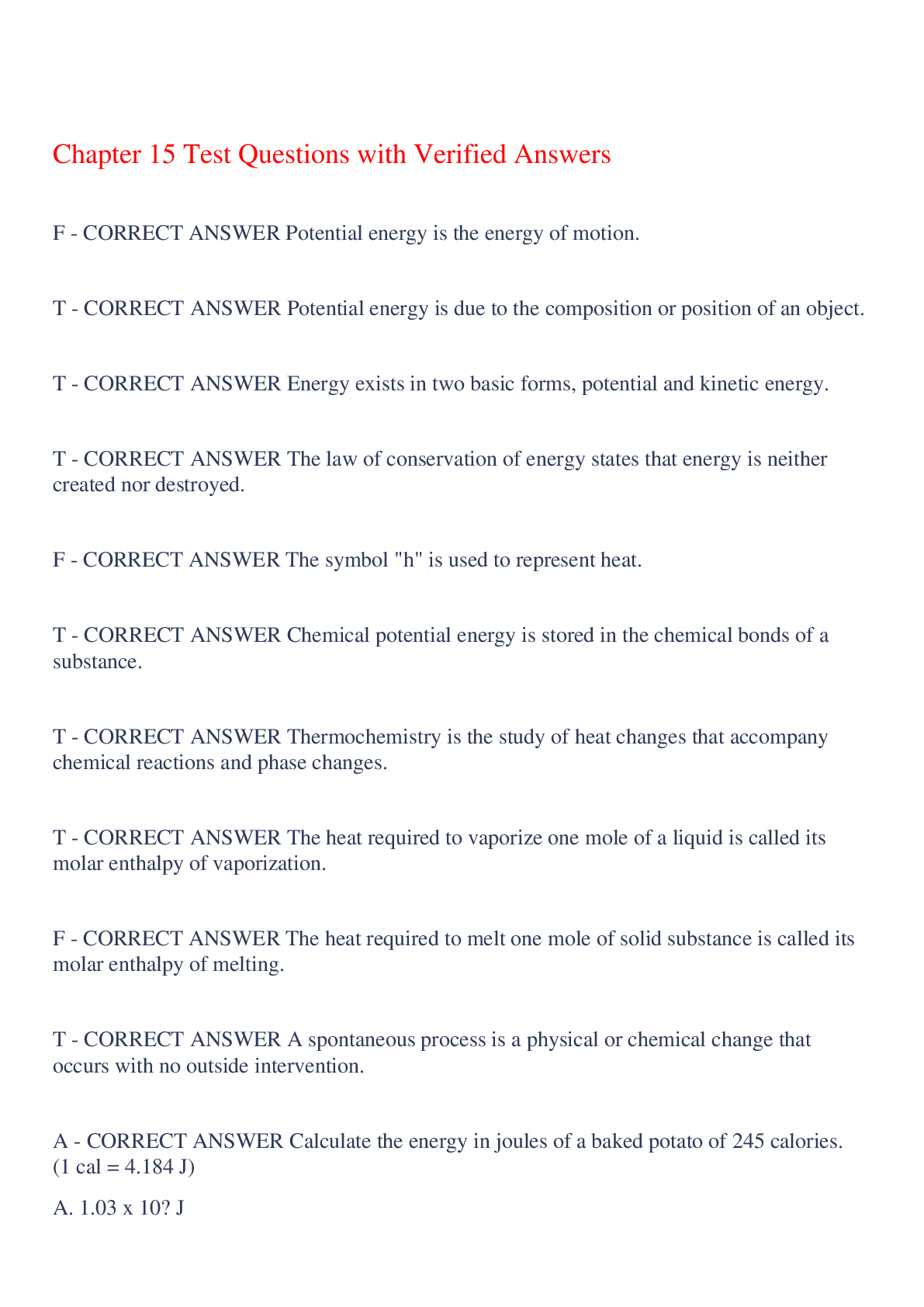
Chapter 15 Test Questions with Verified Answers
F - CORRECT ANSWER Potential energy is the energy of motion.
T - CORRECT ANSWER Potential energy is due to the composition or position of an object.
T - CORRECT AN
...
[Show More]
Last updated: 2 years ago
Preview 1 out of 3 pages
Instant download
Buy this Document to get the Full Access Instantly
Provided by Students Who Aced it
We Verify Document Content to Gurantee Accuracy
Reviews( 0 )
Document information
Connected school, study & course
About the document
Uploaded On
Dec 07, 2023
Number of pages
3
Written in
All

Additional information
This document has been written for:
Uploaded
Dec 07, 2023
Downloads
0
Views
65
Topic Tags
Related Subjects & Courses
Explore similar study resources and related concepts.
Recommended For You
Get more on EXAM »
$11
925 Pages
Test Bank for Fundamentals of Nursing 10th Edition Potter Perr...
$15
522 Pages
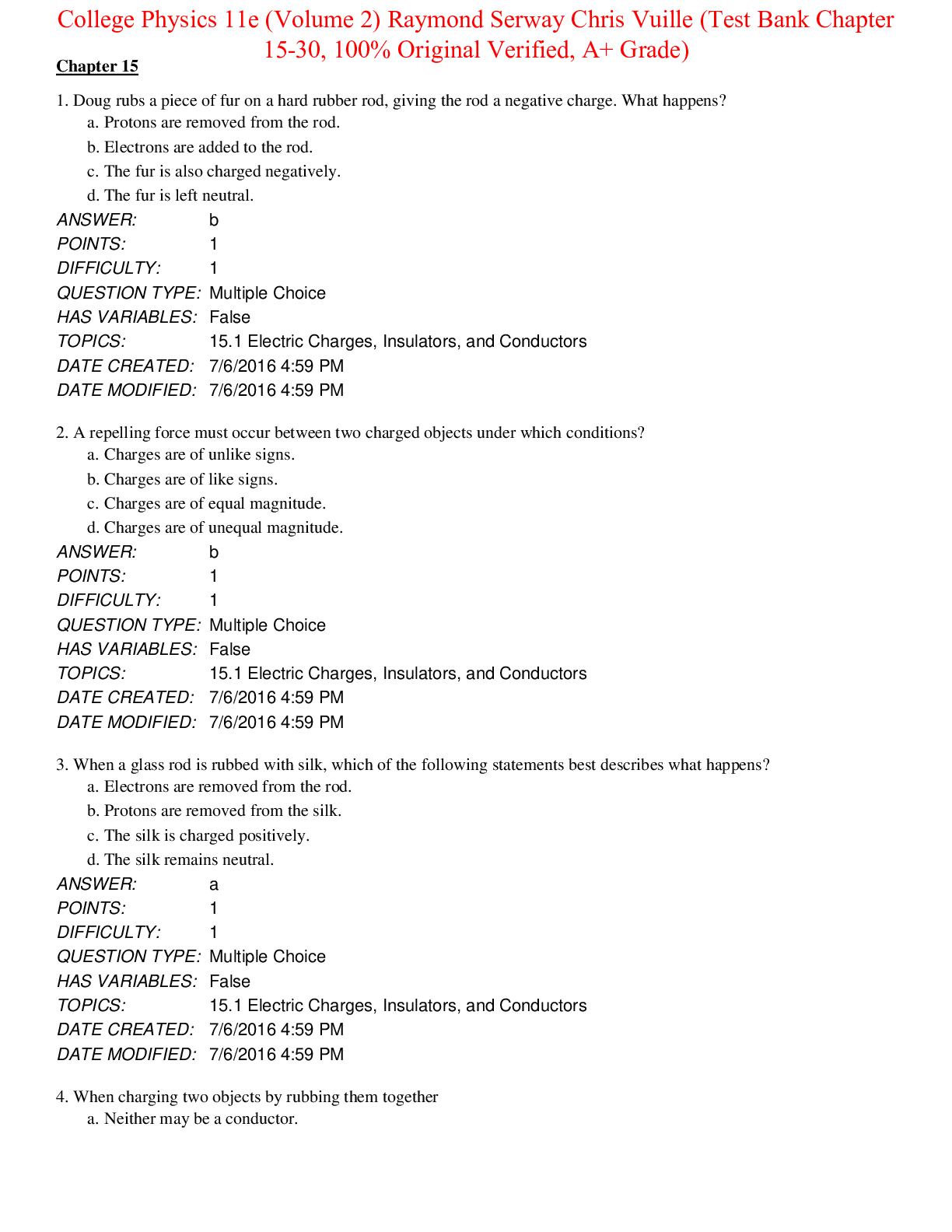
College Physics 11th Edition (Volume 2) By Raymond Serway Chri...

$11
35 Pages
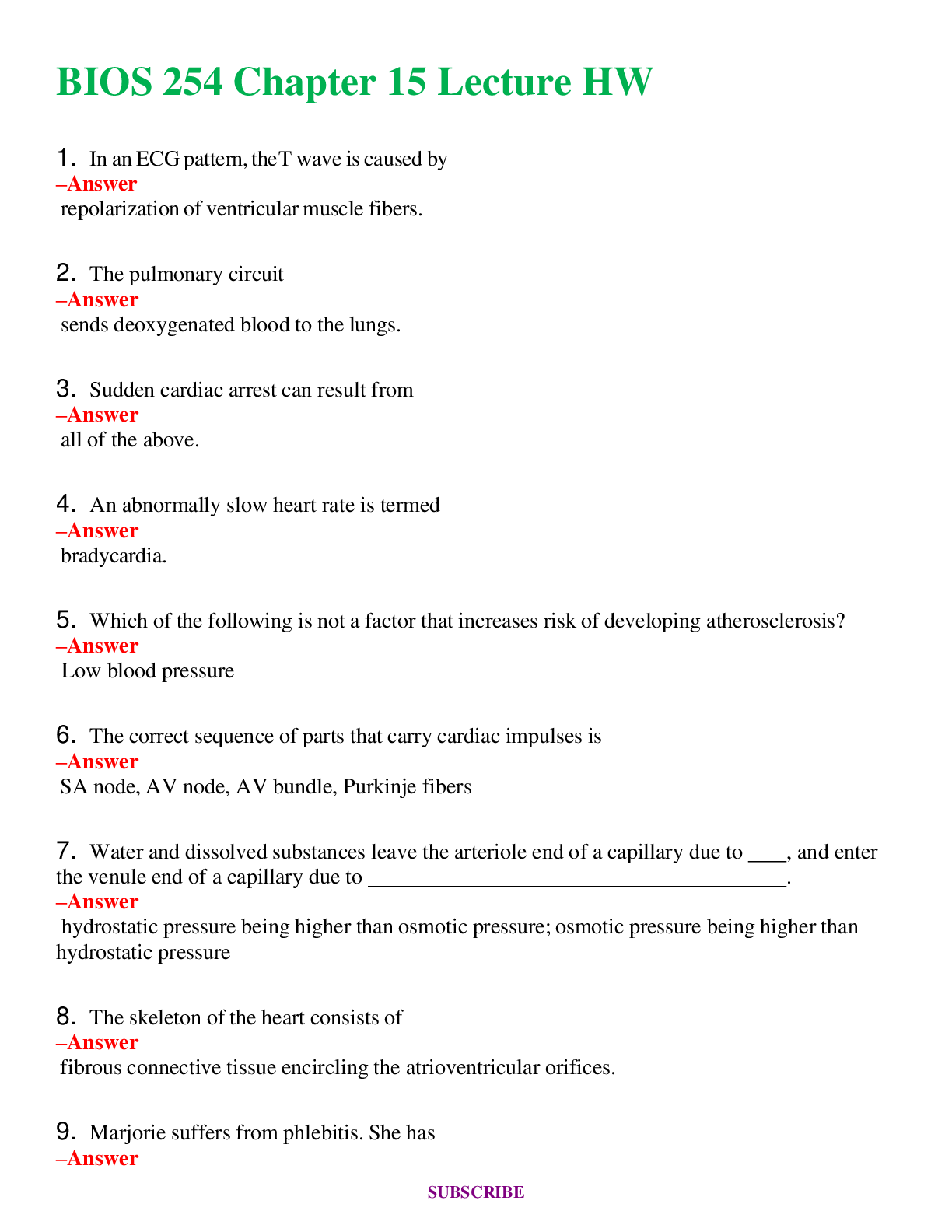
Chapter 1-5 Multiple Choice mgt 1. According to the Chapter 1...
$12.5
6 Pages
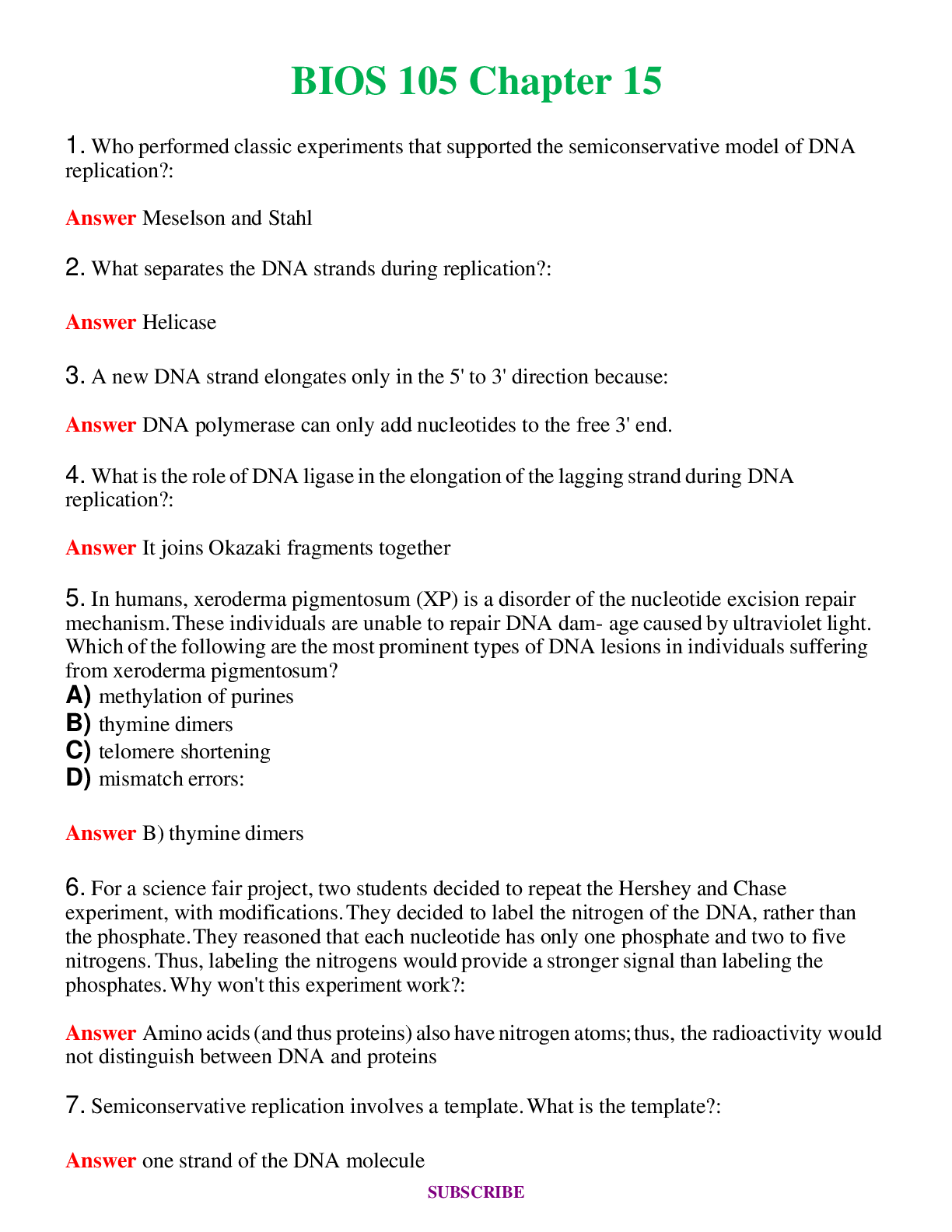
BIOS 105 Chapter 15 Questions and Answers (Verified Answers)
.png)
$7
2 Pages
WGU C201 Business Acumen Chapter 15 & 16: Accounting and Finan...
$18.5
587 Pages
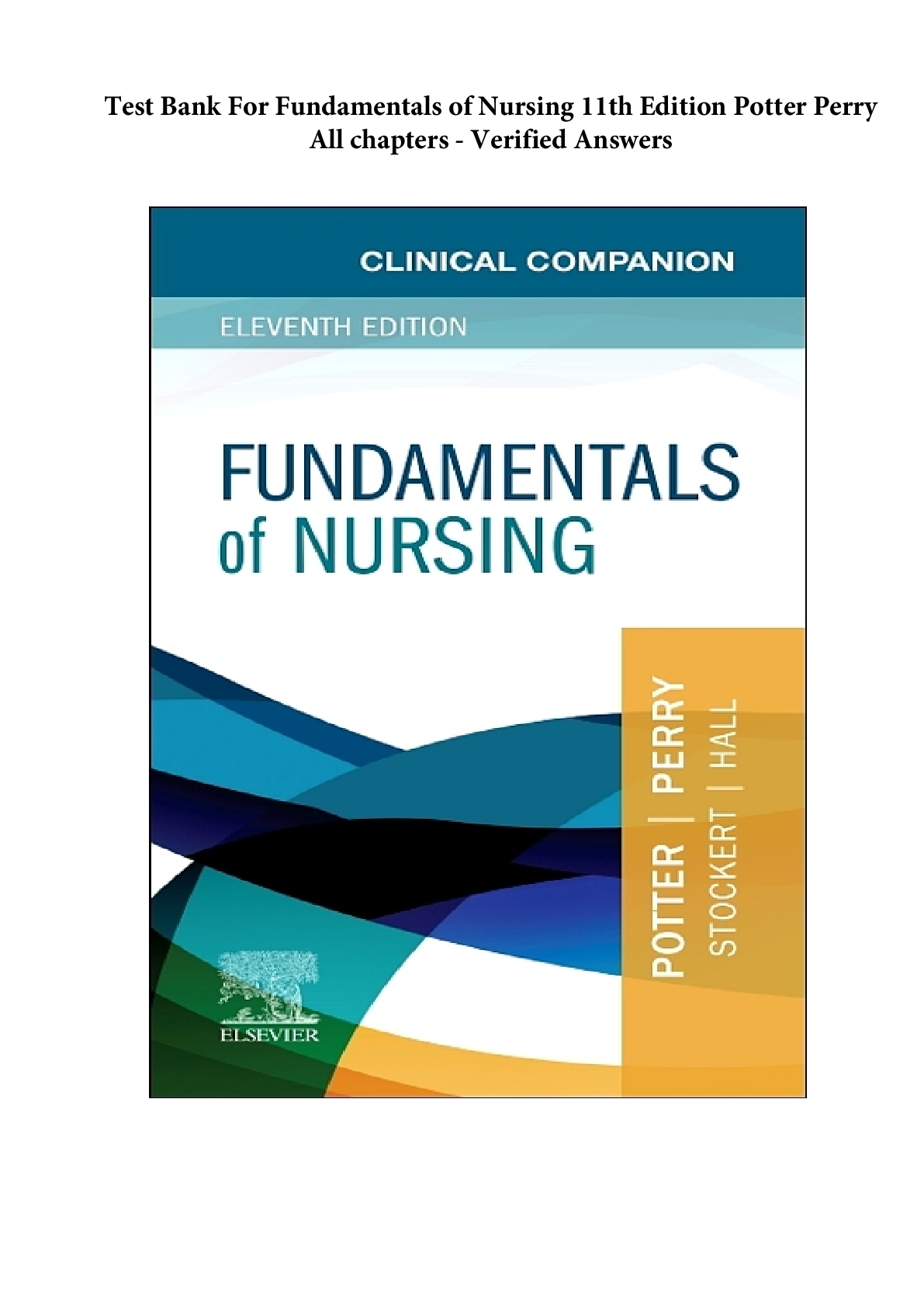
Test Bank For Fundamentals of Nursing 11th Edition Potter Perr...
.png)
$11
29 Pages
University of Melbourne FNCE 30002 Chapter 15 - Testbank ( WIT...
$11.5
385 Pages
Test Bank For Maternal Child Nursing 6th Edition by Emily Slon...
![Preview of [SOLVED] Liberty University HIEU 201 / HIEU201 Chapter 15 Quiz (LATEST 2022)](https://scholarfriends.com/storage/HIEU_201_Chapter_15_Quiz.png)
$10
4 Pages
[SOLVED] Liberty University HIEU 201 / HIEU201 Chapter 15 Quiz...
$6
10 Pages
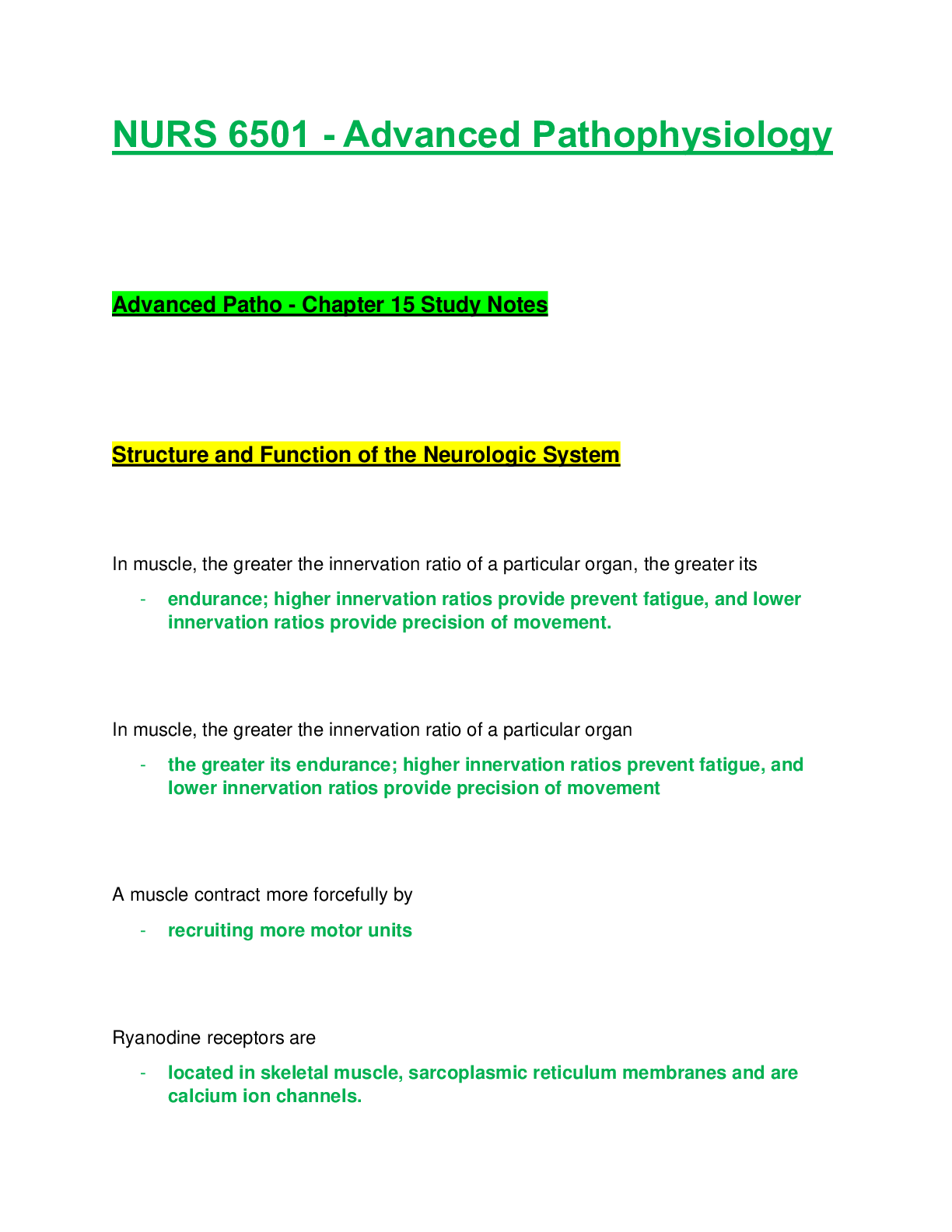
NURS 6501 / NURS6501: Advanced Pathophysiology - Chapter 15 St...
.png)
$6
9 Pages
Southern Methodist University - BIOL 3350chapter 15 cell bio P...
More related documents below