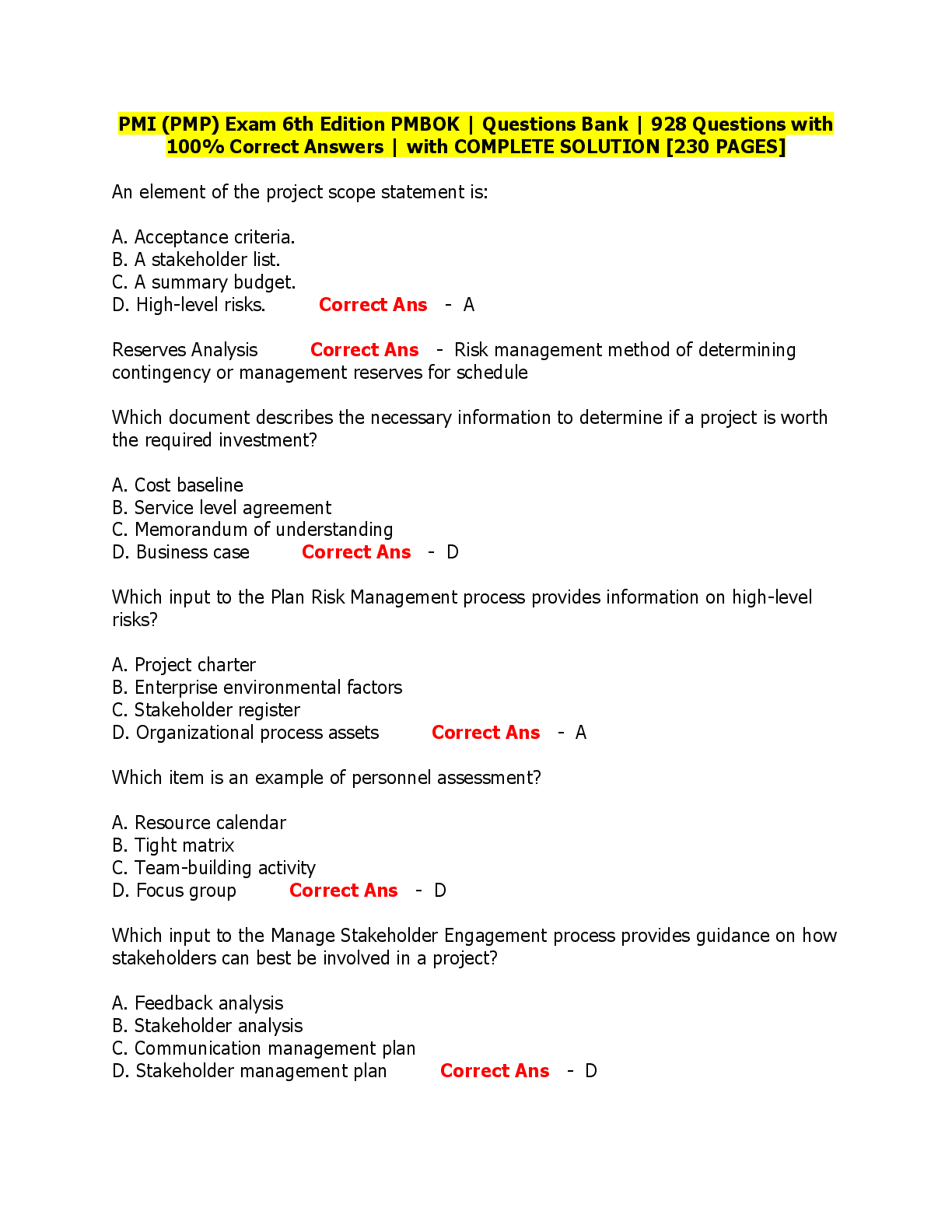
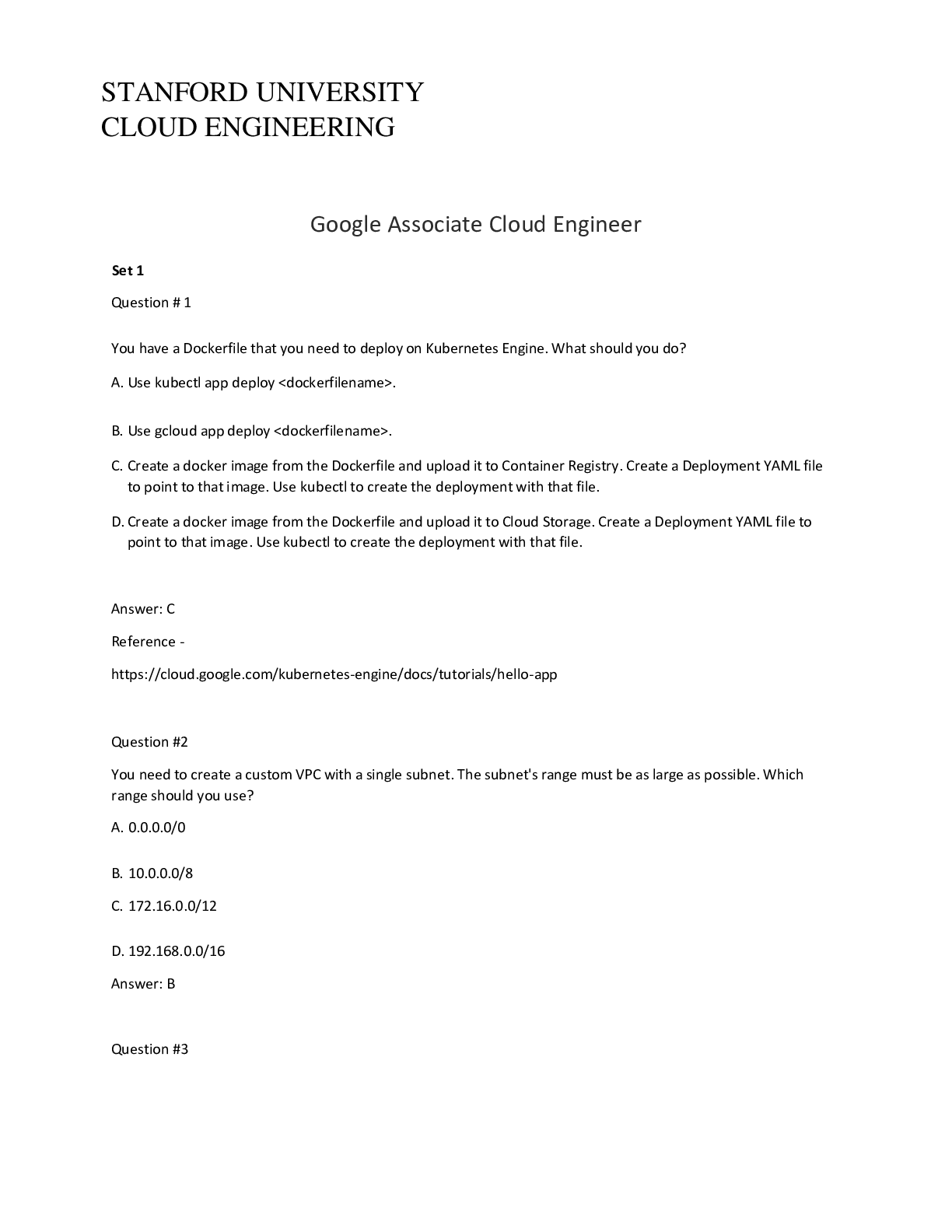
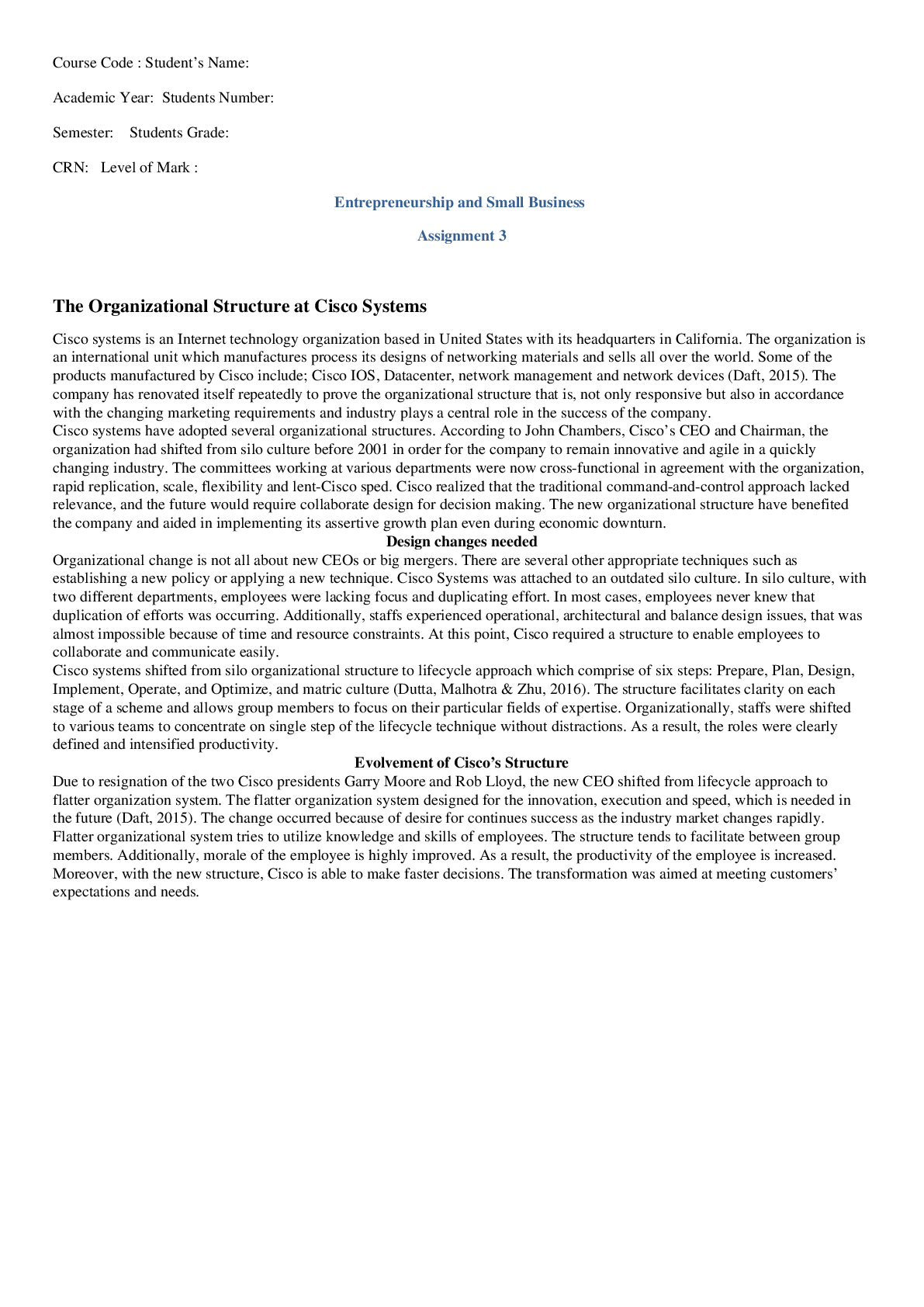
esthetics state board review TN QUESTIONS WITH ANSWERS
Document Content and Description Below
Last updated: 2 years ago
Preview 1 out of 13 pages
Instant download

Buy this Document to get the Full Access Instantly
Provided by Students Who Aced it
We Verify Document Content to Gurantee Accuracy
Also available in bundle (1)
Click Below to Access Bundle(s)

A PACKAGE DEAL OF ESTHETICS STATE BOARD EXAMS FOR OREGON/TEXAS/OHIO/NEW YORK 2023/24 UPDATE
A PACKAGE DEAL OF ESTHETICS STATE BOARD EXAMS FOR OREGON/TEXAS/OHIO/NEW YORK 2023/24 UPDATE
By EXCELLENCE NURSING LIBRARY 2 years ago
$125
17
Reviews( 0 )
Document information
Connected school, study & course
About the document
Uploaded On
Dec 18, 2023
Number of pages
13
Written in
All

Additional information
This document has been written for:
Uploaded
Dec 18, 2023
Downloads
0
Views
129
Topic Tags
Recommended For You
Get more on EXAM »
Texas Esthetics State Board Review (Questions and correct answ...

Ohio Esthetics State Board Review| 1400 QUESTIONS| WITH COMPLE...

Master Esthetics State Board review| QUESTIONS| WITH COMPLETE...


Utah Master Esthetics State Board Written Exam (Latest 2023 -...




Eat Right Prep Exam 2026/2027 Latest Update | Complete Study...

TEST BANK for Davis Advantage for Psychiatric Mental Health Nu...
Test Bank For Fundamentals of Nursing 11th Edition Potter Perr...
TEST BANK for Essentials of Psychiatric Mental Health Nursing:...
Essentials of Psychiatric Nursing 2nd Edition Boyd TEST BANK
TEST BANK for Essentials of Psychiatric Nursing 2nd Edition by...