Computer Science > EXAM > ISACA Cybersecurity Audit Certificate ALL SOLUTION 2023/24 LATEST EDITION GUARANTEED GRADE A+ (All)
ISACA Cybersecurity Audit Certificate ALL SOLUTION 2023/24 LATEST EDITION GUARANTEED GRADE A+
Document Content and Description Below
Last updated: 2 years ago
Preview 1 out of 5 pages
Instant download

Buy this Document to get the Full Access Instantly
Provided by Students Who Aced it
We Verify Document Content to Gurantee Accuracy
Reviews( 0 )
Document information
Connected school, study & course
About the document
Uploaded On
Jan 04, 2024
Number of pages
5
Written in
All

Additional information
This document has been written for:
Uploaded
Jan 04, 2024
Downloads
0
Views
72
Topic Tags
Related Subjects & Courses
Explore similar study resources and related concepts.
Recommended For You
Get more on EXAM »
Nursing Diagnosis Handbook 12th Edition Ackley Test Bank Late...
NGN ATI Texas Jurisprudence Exam Questions AND Answers LATEST...
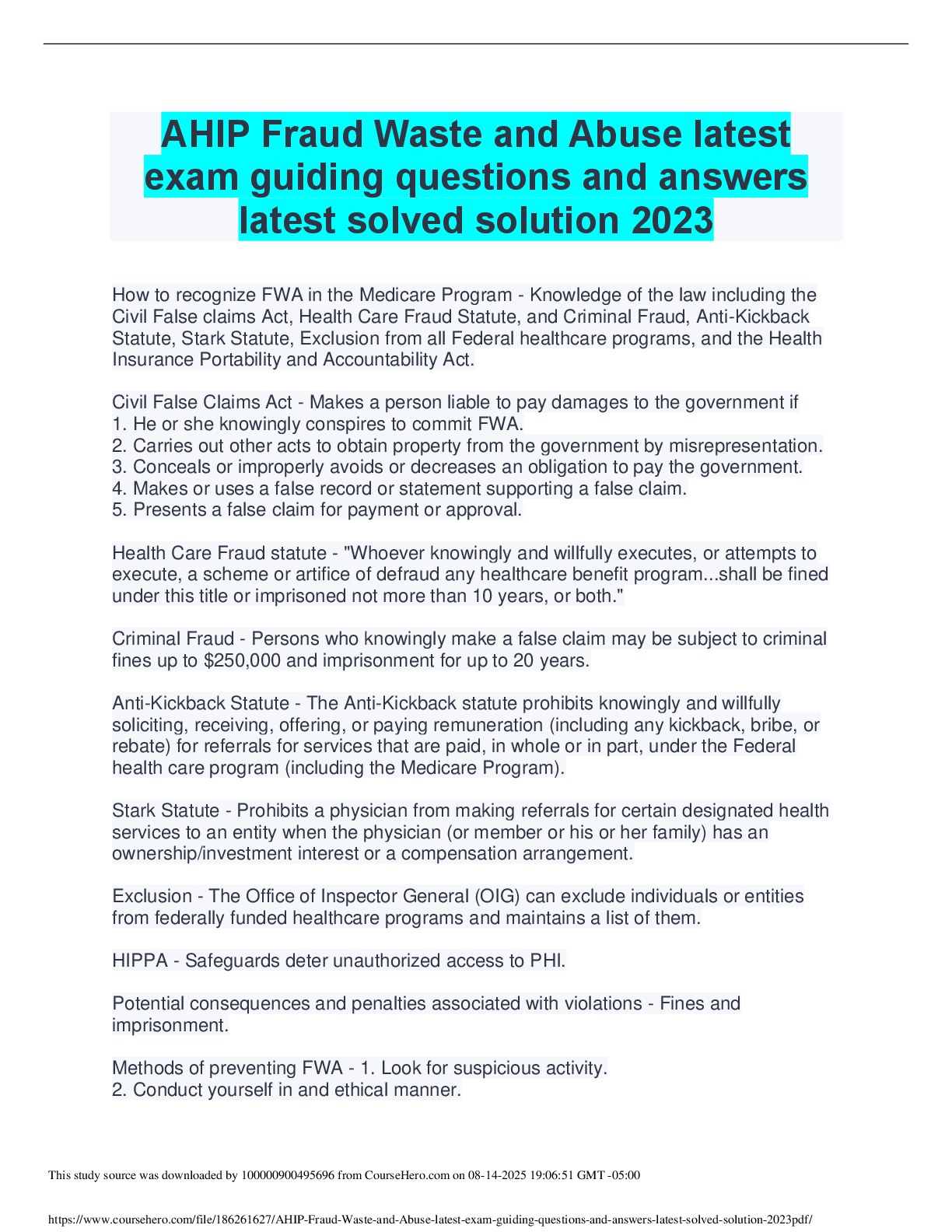
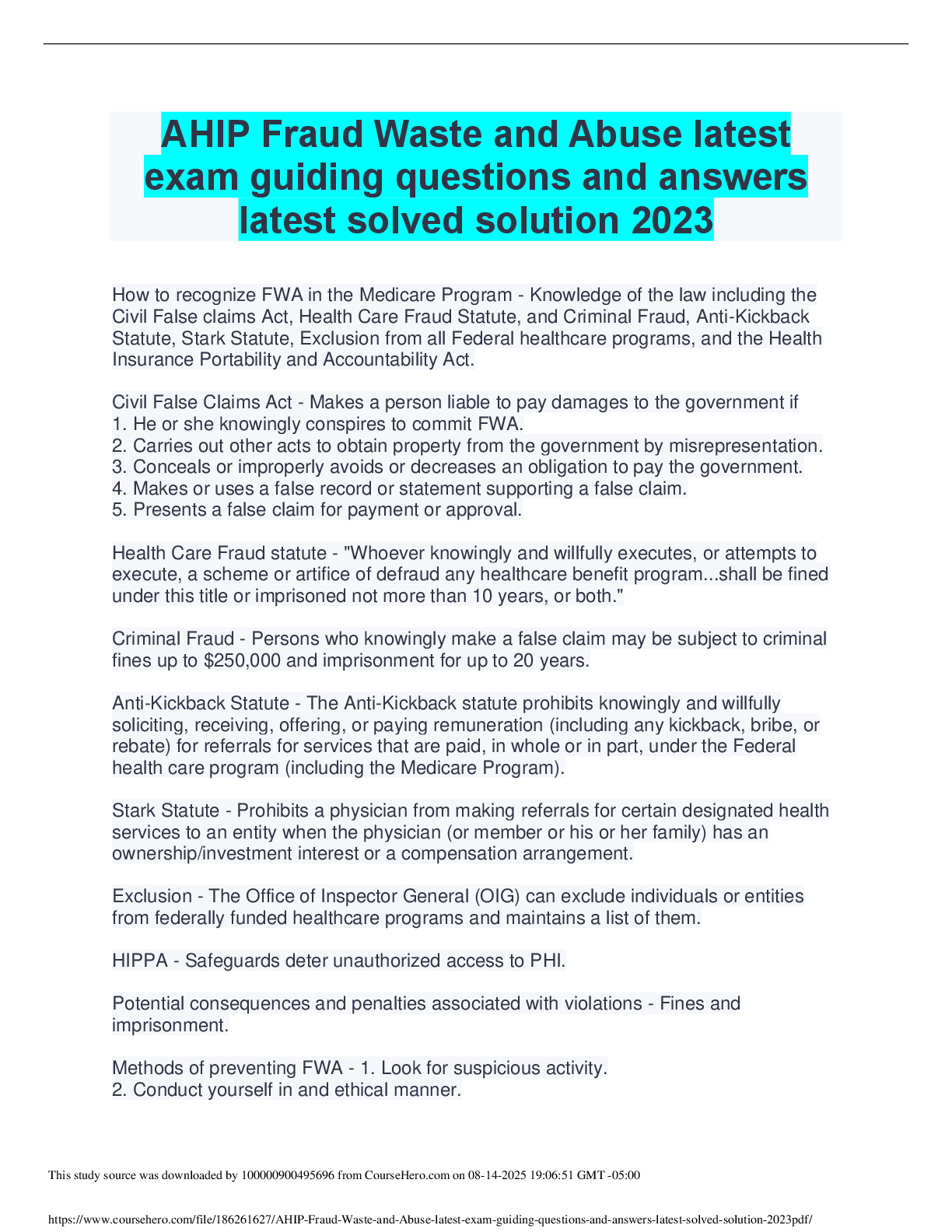
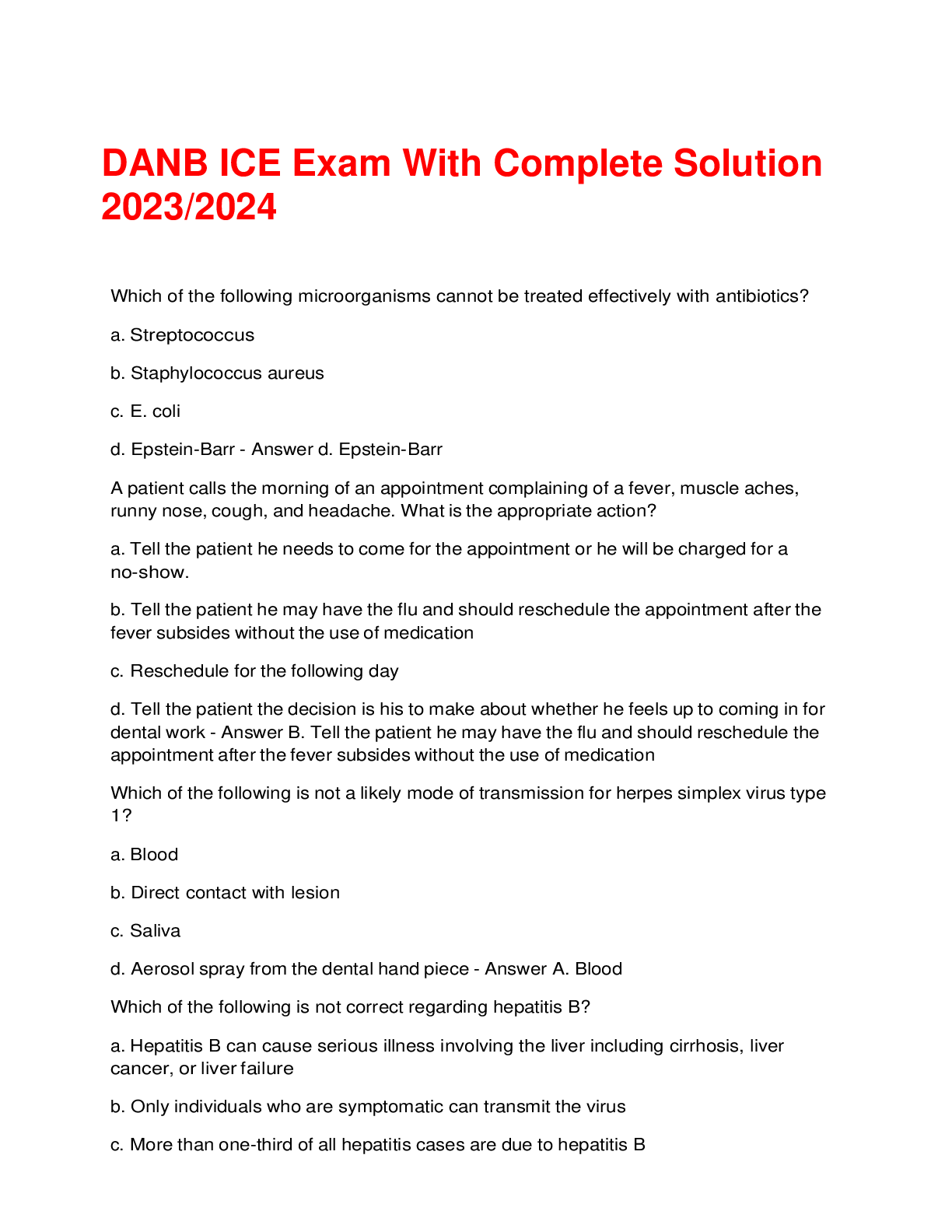
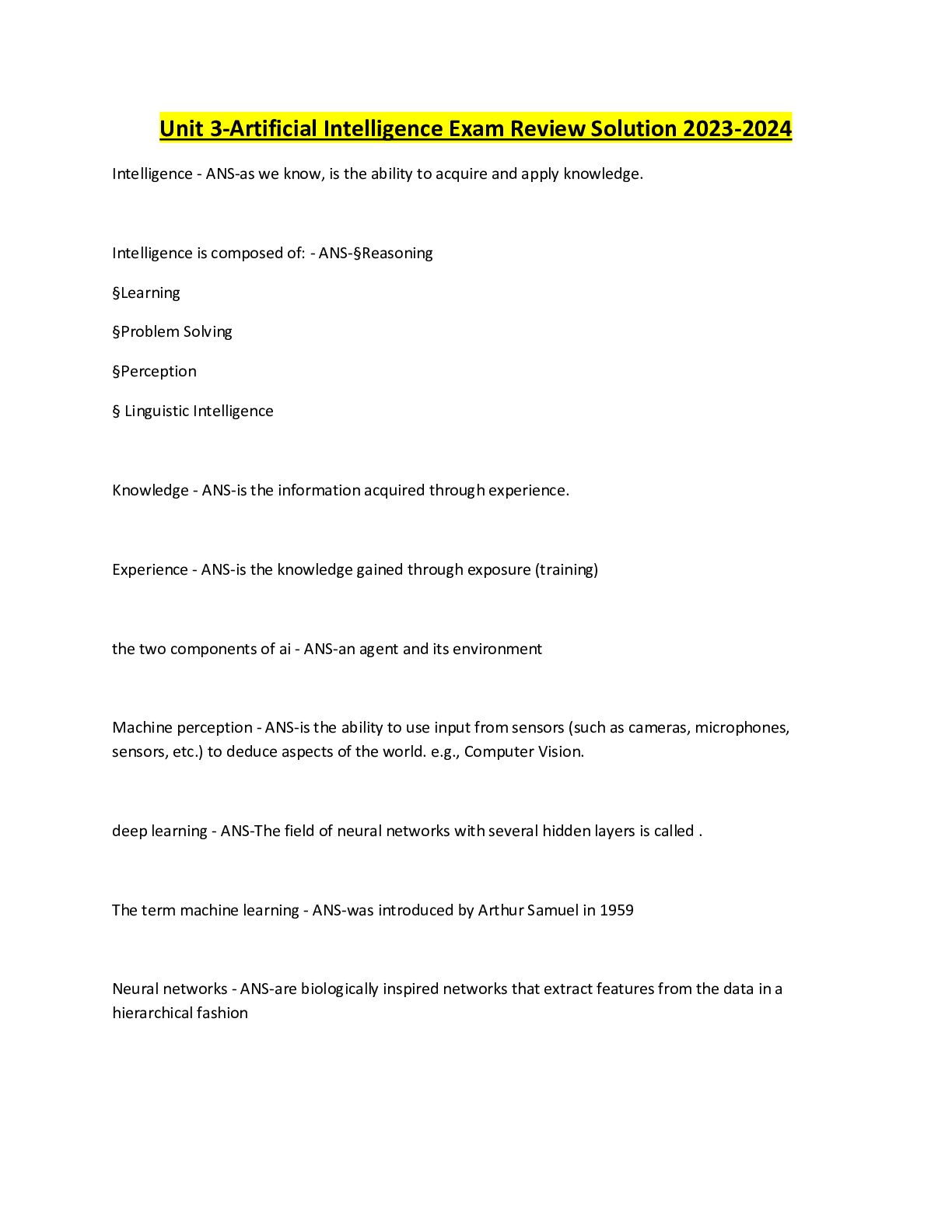
Unit 3-Artificial Intelligence Exam Review Solution 2023-2024
FTCE General Knowledge Mathematics practice test 1 with comple...
BIOS 251 Midterm Terms 100% Verified Solution 2023-2024