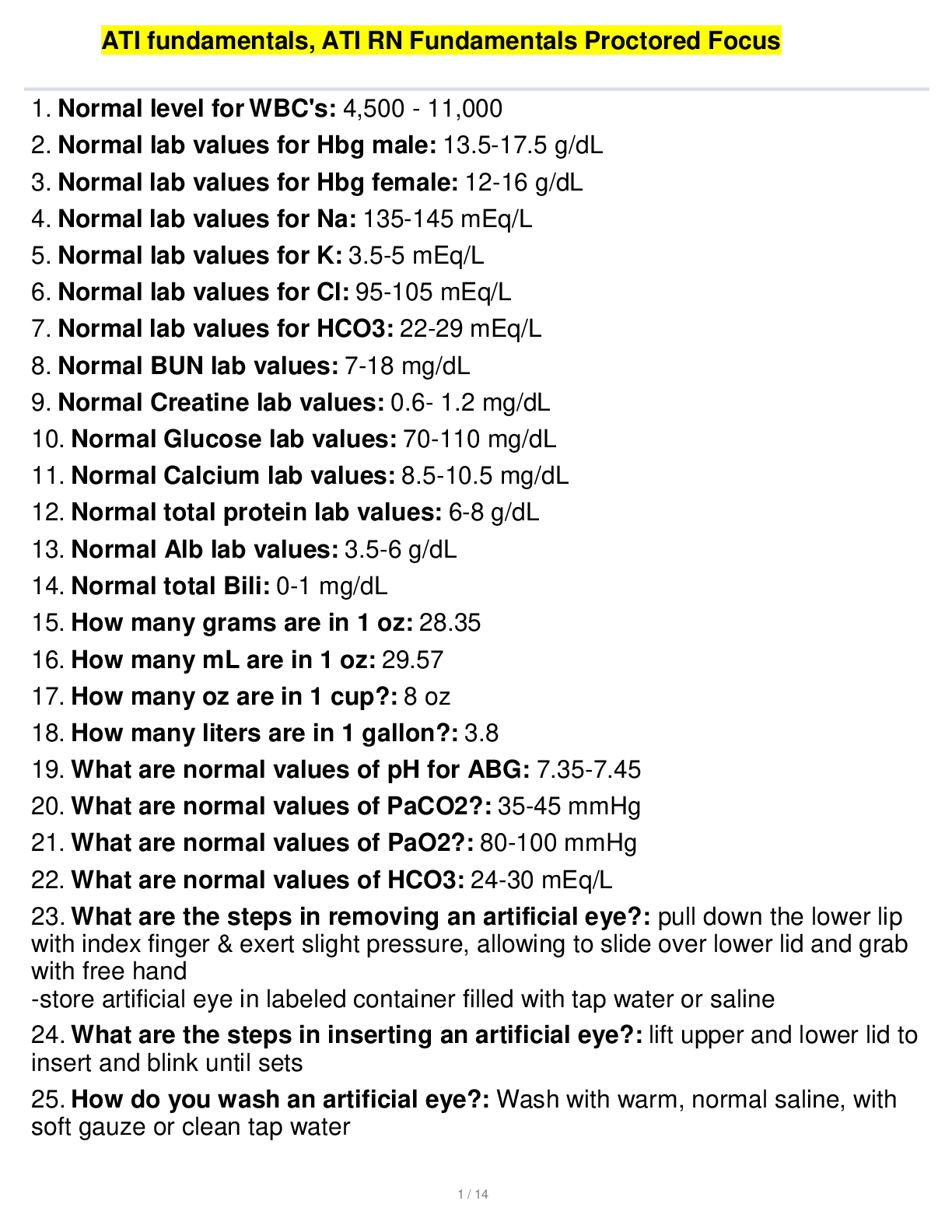
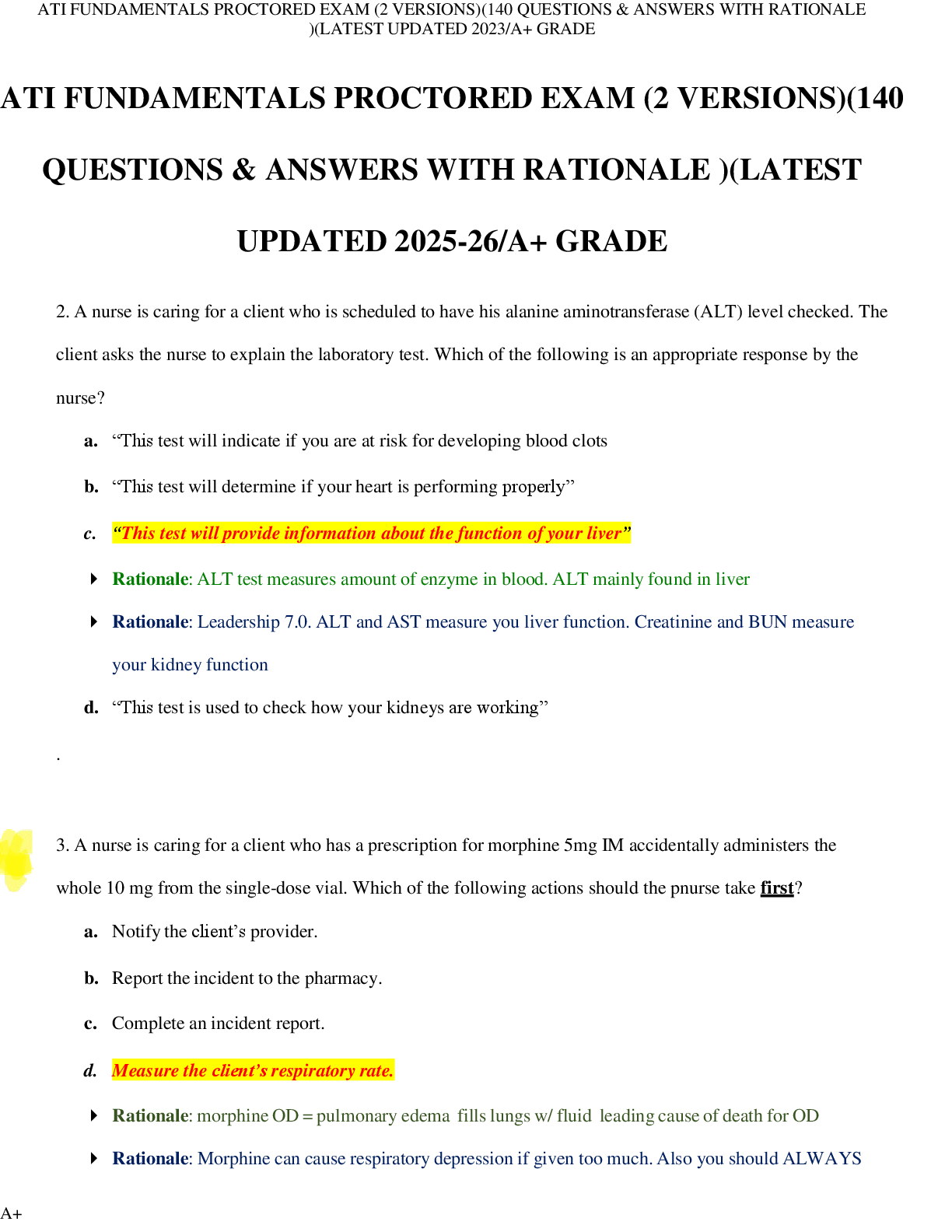
1. Normal level for WBC's: 4,500 - 11,000
2. Normal lab values for Hbg male: 13.5-17.5 g/dL
3. Normal lab values for Hbg female: 12-16 g/dL
4. Normal lab values for Na: 135-145 mEq/L
5. Normal lab values for K: 3.5-5
...
1. Normal level for WBC's: 4,500 - 11,000
2. Normal lab values for Hbg male: 13.5-17.5 g/dL
3. Normal lab values for Hbg female: 12-16 g/dL
4. Normal lab values for Na: 135-145 mEq/L
5. Normal lab values for K: 3.5-5 mEq/L
6. Normal lab values for Cl: 95-105 mEq/L
7. Normal lab values for HCO3: 22-29 mEq/L
8. Normal BUN lab values: 7-18 mg/dL
9. Normal Creatine lab values: 0.6- 1.2 mg/dL
10. Normal Glucose lab values: 70-110 mg/dL
11. Normal Calcium lab values: 8.5-10.5 mg/dL
12. Normal total protein lab values: 6-8 g/dL
13. Normal Alb lab values: 3.5-6 g/dL
14. Normal total Bili: 0-1 mg/dL
15. How many grams are in 1 oz: 28.35
16. How many mL are in 1 oz: 29.57
17. How many oz are in 1 cup?: 8 oz
18. How many liters are in 1 gallon?: 3.8
19. What are normal values of pH for ABG: 7.35-7.45
20. What are normal values of PaCO2?: 35-45 mmHg
21. What are normal values of PaO2?: 80-100 mmHg
22. What are normal values of HCO3: 24-30 mEq/L
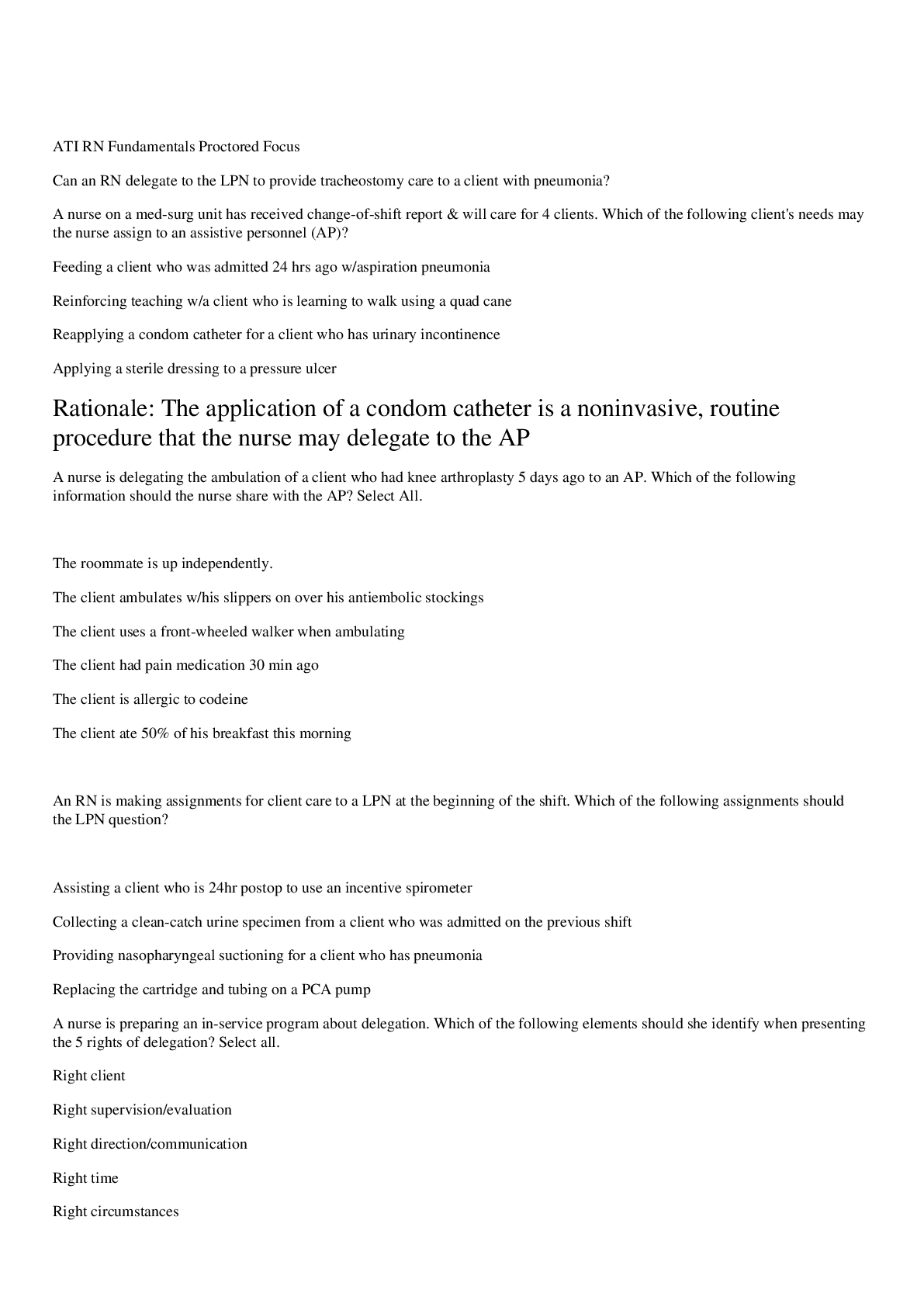
23. What are the steps in removing an artificial eye?: pull down the lower lip
with index finger & exert slight pressure, allowing to slide over lower lid and grab
with free hand
-store artificial eye in labeled container filled with tap water or saline
24. What are the steps in inserting an artificial eye?: lift upper and lower lid to
insert and blink until sets
25. How do you wash an artificial eye?: Wash with warm, normal saline, with
soft gauze or clean tap waterATI fundamentals, ATI RN Fundamentals Proctored Focus
2 / 14
26. How do you properly irrigate an ear: -Have pt sit or lie on side with the
affected ear UP.
-Using a bulb-irrigating syringe or Walter Pik set on No 2, gently wash ear with
warm solution, directing flow toward the superior aspect of the ear canal.
27. Nonblanchable erythema indicates the skin has been damaged by what?-
: Pressure
28. Explain what is happening in the S1 sound: "Lub" sound- tricuspid and
mitral valves snap shut @ beginning of systole. It is loudest at the apex of the
heart.
29. Explain what is happening in the S2 sound: "Dub" sound- Aortic and Pulmonic valves shut at beginning of diastole. This is heard best at the base of the <3
30. What does a split S2 mean?: Electrical conduction may be delayed on one
side so ventricles might not close at the same time
- may sound like a "stutter"
31. S3 is heard in pt's with what?: CHF. It follows S2
32. S4 is heard in pt's with what?: HTN, CAD, MI.
33. What is a murmur?: occurs between S1 and S2. It should be silent there, but
with a murmur there is a whooshing sound.....this typically happens if a valve isn't
open wide enough (Stenotic) or if a valve doesn't close tightly enough and blood
leaks back
34. Grade 1 murmurs are typically to hear: difficult
35. Grade 6 murmurs are typically to hear: easy to hear
36. Grade 4 and above murmurs are considered and are accompanied
by a : loud murmurs. palpable thrill
37. Pericardial friction rub: pericardium (membrane around the heart) becomes
inflamed. It causes high pitched, scratchy sound. It is loaded at apex
38. What is the Valsalva maneuver?: holding breath and bearing down. Usually
done to check for hernia's
39. When suctioning a trach, do you apply suction before or after insertion?Do you use a rotation method?: After insertion.Yes
40. Do not insert into artificial airway because it increases the risk
of infection: normal saline.
41. insert artificial airway until : feel resistance or patient starts coughing.ATI fundamentals, ATI RN Fundamentals Proctored Focus
3 / 14
42. If pt needs more suctioning, repeat procedure only more times &
wait at least minute: 1-2. 1
43. To rinse catheter, use mL of : 5-10 mL. Normal saline
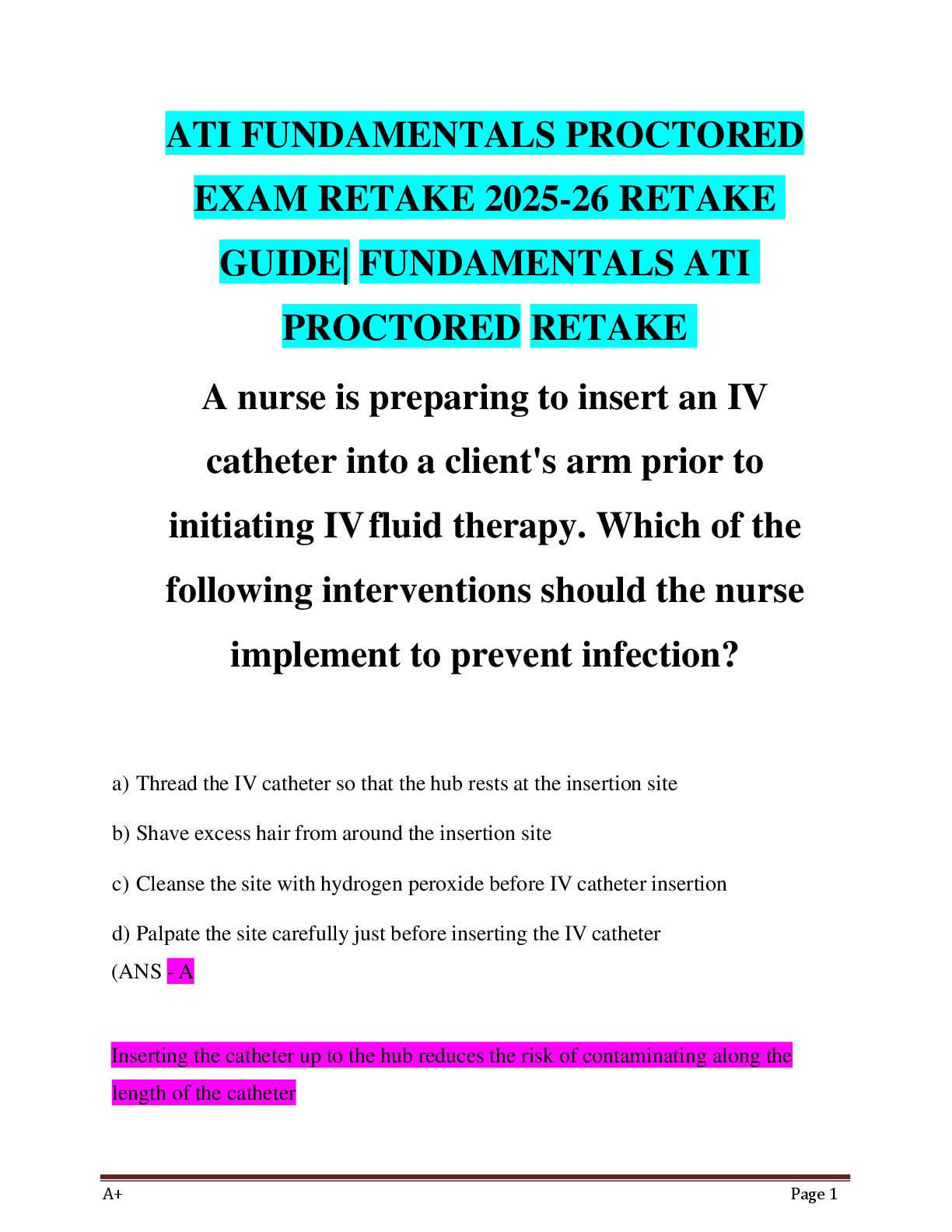
44. Elderly people and children need a gauge for IV's: larger #
45. Every time access port you should : clean it
46. NEVER infuse : potassium chloride
47. Change IV sites every : 72 hours
48. Change tubing every : 96 hours
49. Fluids should not hang more than : 24 hours
50. Infiltration in IV: Fluid goes into interstitial skin and pt's extremities look cool
and swollen
51. Phlebitis: inflammation of vein. Pt is red and warm near site
52. Signs and symptoms of fluid overload are : SOB, crackles in lung, increased urine output
53. Steps for inserting an IV: -place pt in dependent position
-apply tourniquet above the antecubital fossa or approximately 4-6 inches from
anticipated site
54. if pt has fragile skin or excessive hair, where do you place the tourniquet?: over sleeve of gown to protect skin
55. If a pt has fragile skin and the tourniquet is not available, use ,
Inflate just below pt's normal .: blood pressure cuff. Diastolic pressure
56. If you are having trouble finding a well dilated vein, what do you do?: -
stroke the extremity below intended IV site from distal to proximal or place a warm
blanket/towel over extremity for a couple of minutes. AVOID rubbing vigorously or
flicking vein as it can cause vein to constrict or a hematoma
57. If pt is not receiving a continuous infusion, what do you initiate?: A saline
lock.
58. Saline locks must be flushed with what and when?: They must be flushed
with 1-3 mL of normal saline before and after you administer each medication
59. What do you clean site with prior to initiating IV access?: Chlorhexidine
2%
[Show More]