RELIAS PEDIATRIC A v1 54 QUESTIONS & ANSWERS 2024
Document Content and Description Below
Question: What is the most common cause of pediatric emergencies in the hospital?
Answer: Respiratory distress or failure.
Question: What is the normal heart rate range for a newborn?
Answer: 120-160 beats per minut
...
[Show More]
Last updated: 8 months ago
Preview 1 out of 7 pages
Instant download

Buy this Document to get the Full Access Instantly
Provided by Students Who Aced it
We Verify Document Content to Gurantee Accuracy
Reviews( 0 )
Document information
Connected school, study & course
About the document
Uploaded On
Apr 11, 2024
Number of pages
7
Written in
All

Additional information
This document has been written for:
Uploaded
Apr 11, 2024
Downloads
0
Views
139
Topic Tags
Recommended For You
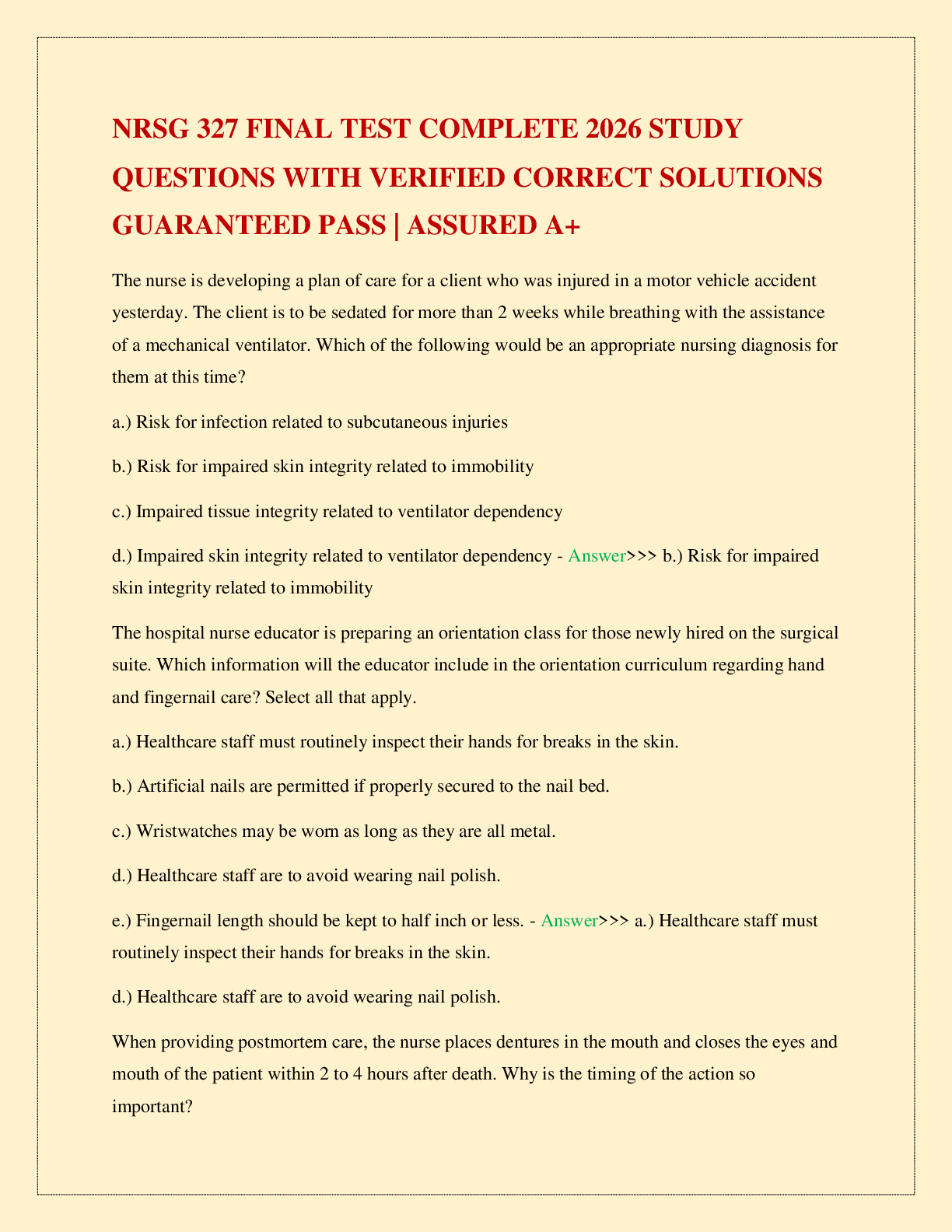
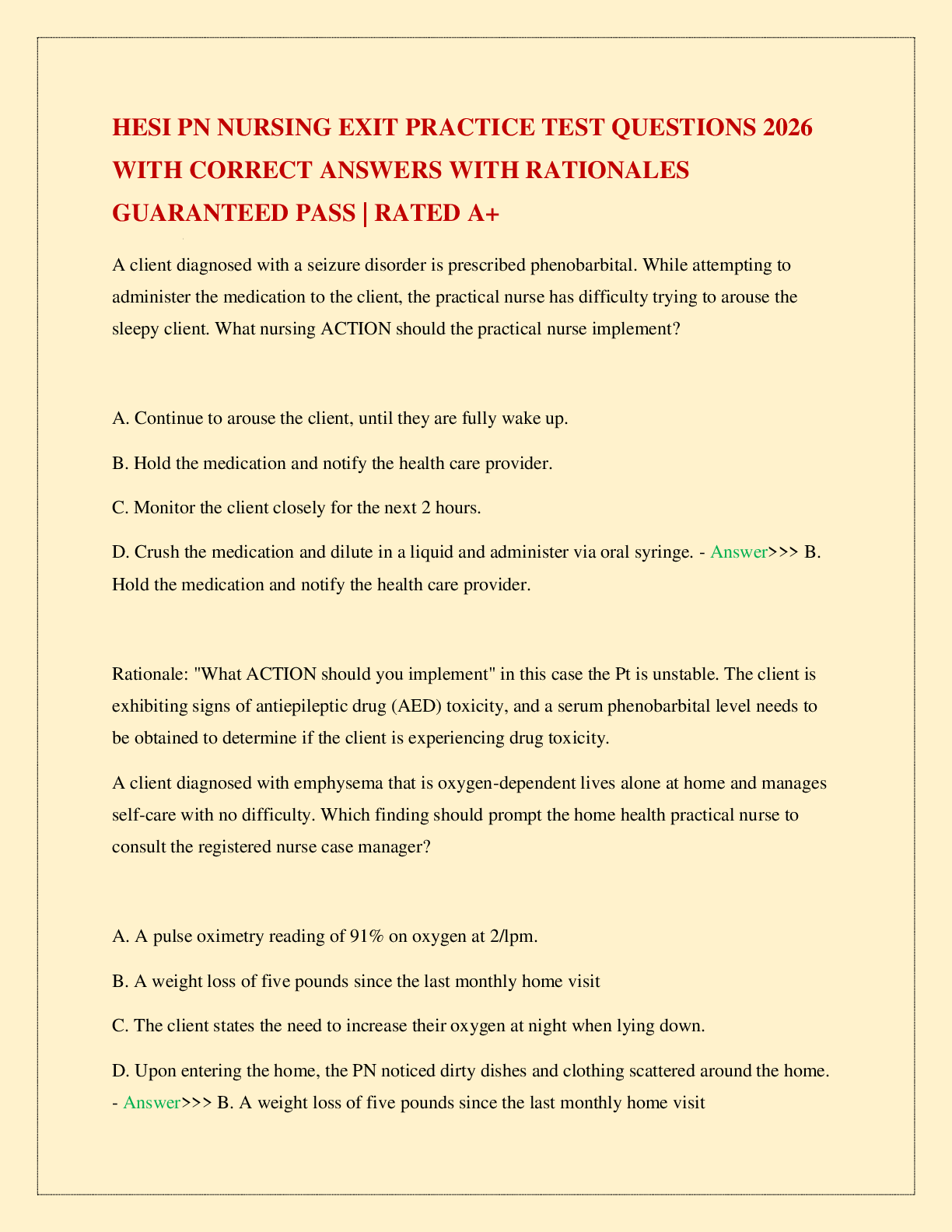
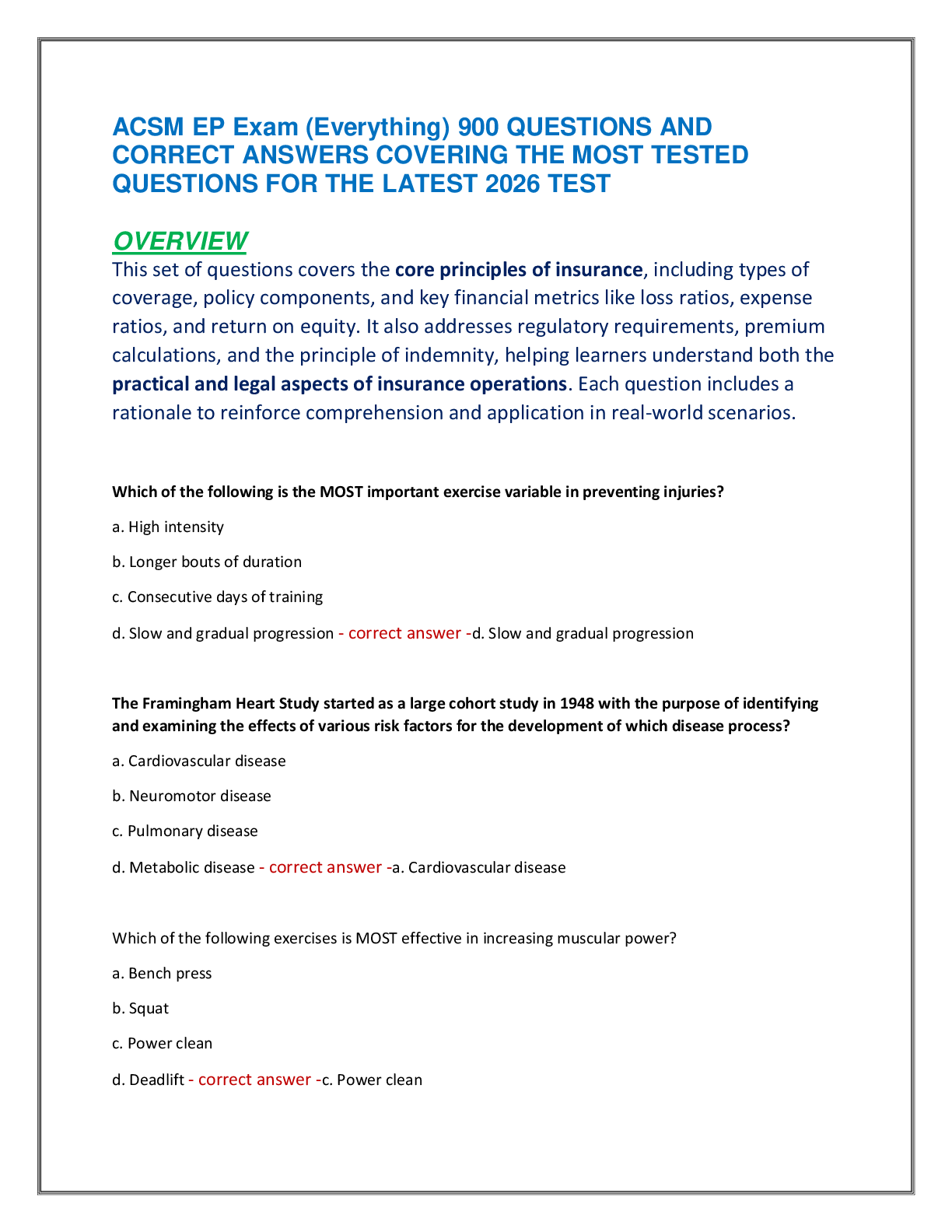
Get more on EXAM »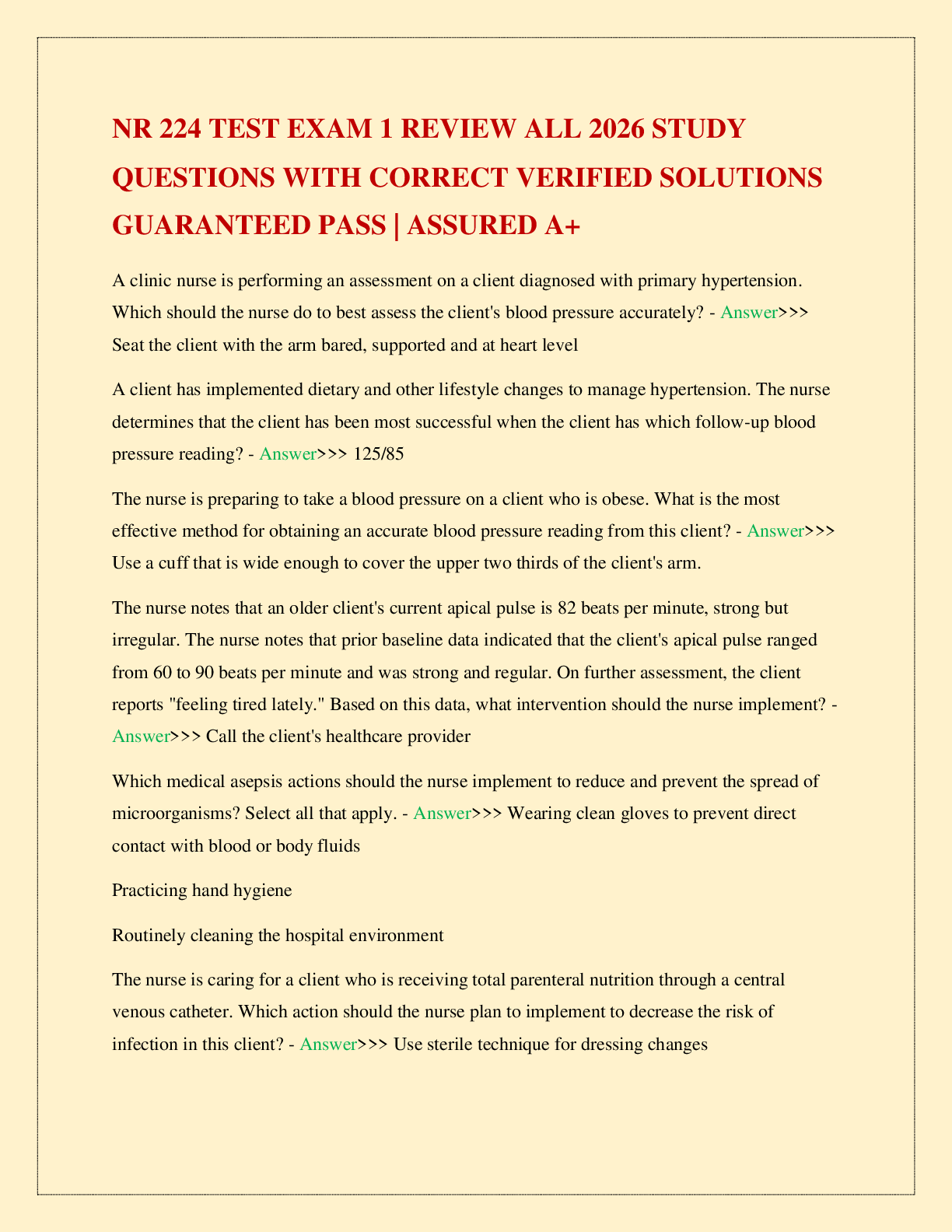



$16
496 Pages
TEST BANK for Essentials of Psychiatric Mental Health Nursing:...
$19
553 Pages
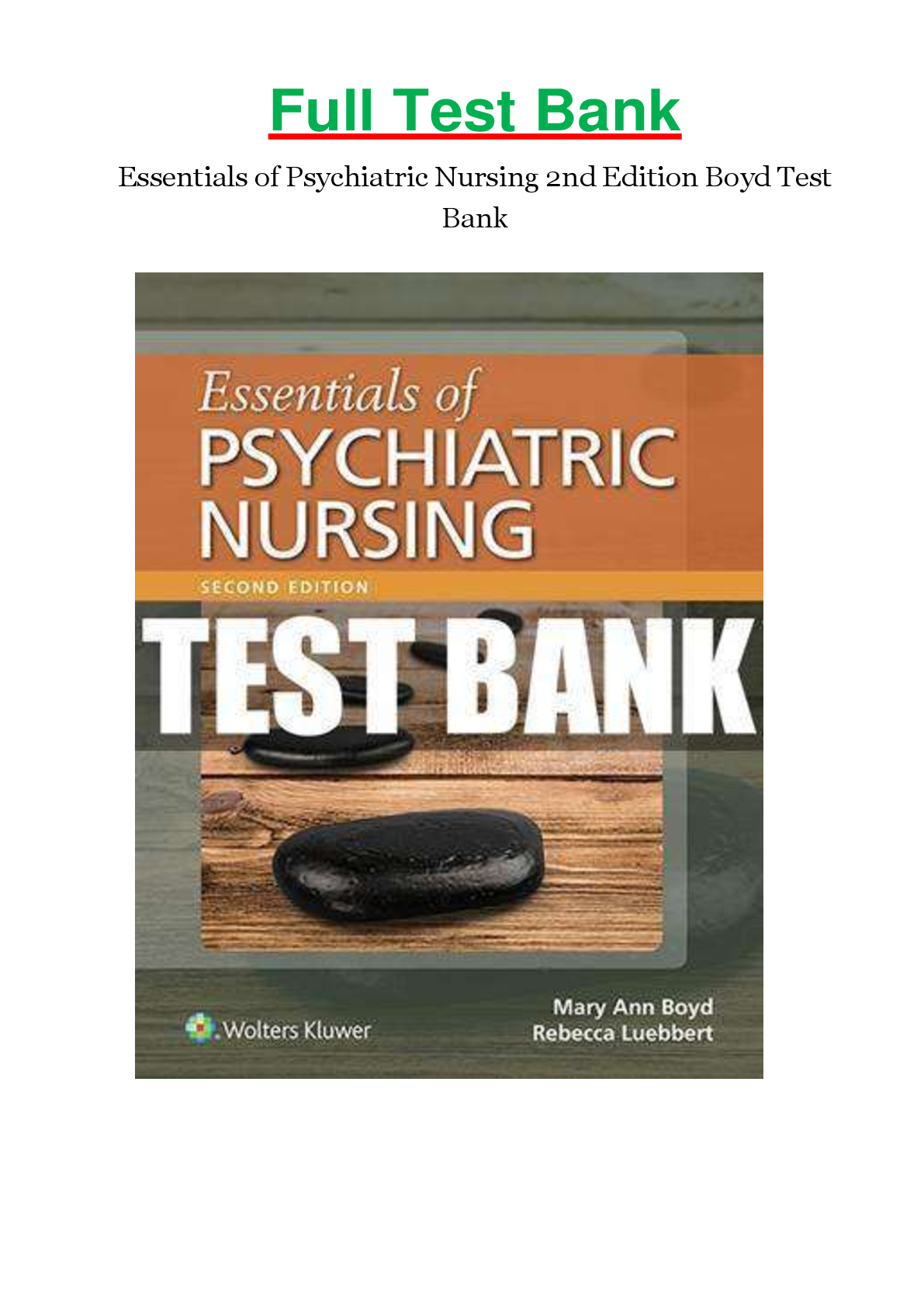
Essentials of Psychiatric Nursing 2nd Edition Boyd TEST BANK
$16
554 Pages
TEST BANK for Essentials of Psychiatric Nursing 2nd Edition by...
$15
554 Pages
Test Bank for Essentials of Psychiatric Nursing 2nd Edition by...

$19
343 Pages
Test Bank for Essentials of Psychiatric Nursing 2nd Edition by...
More related documents below