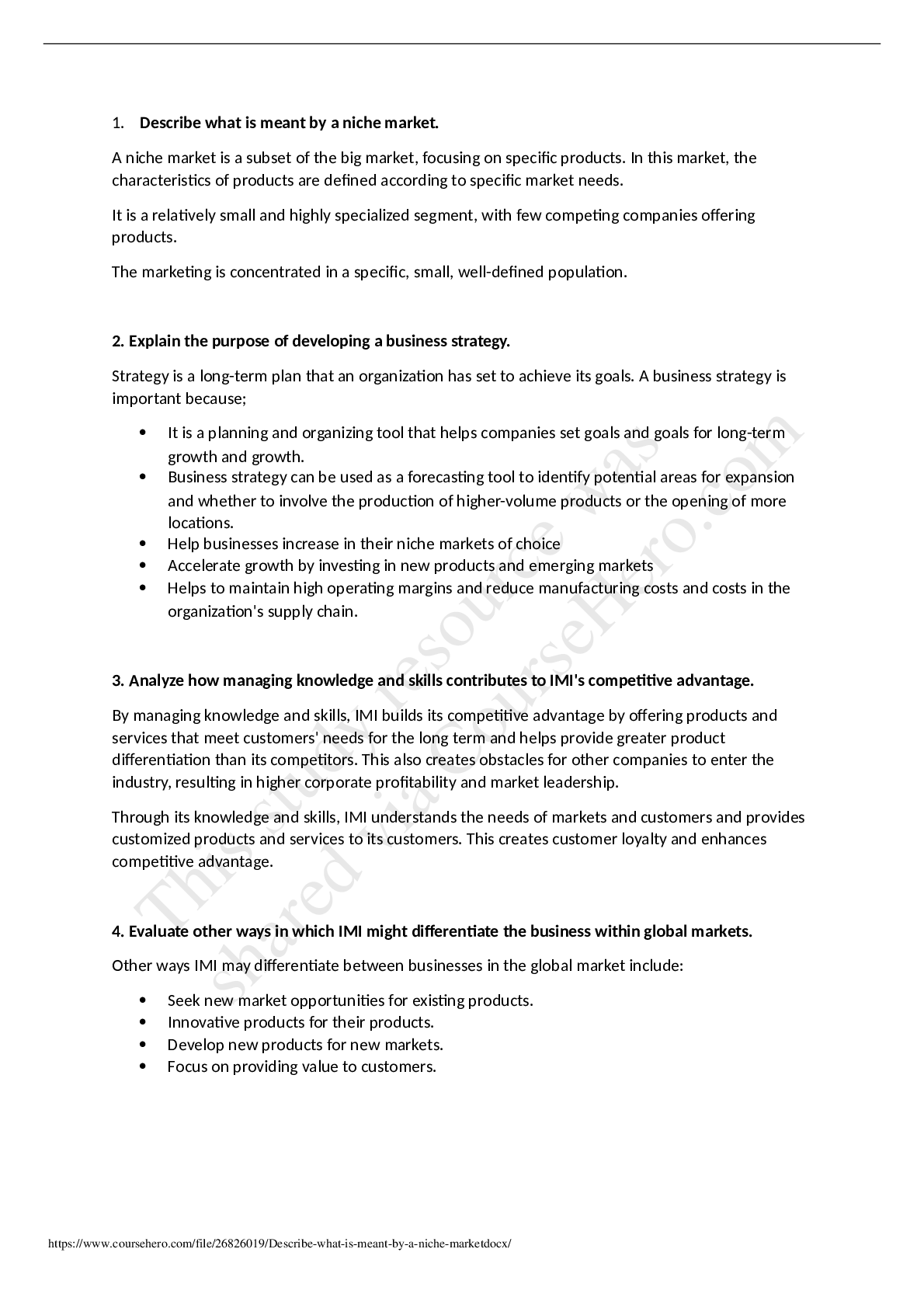
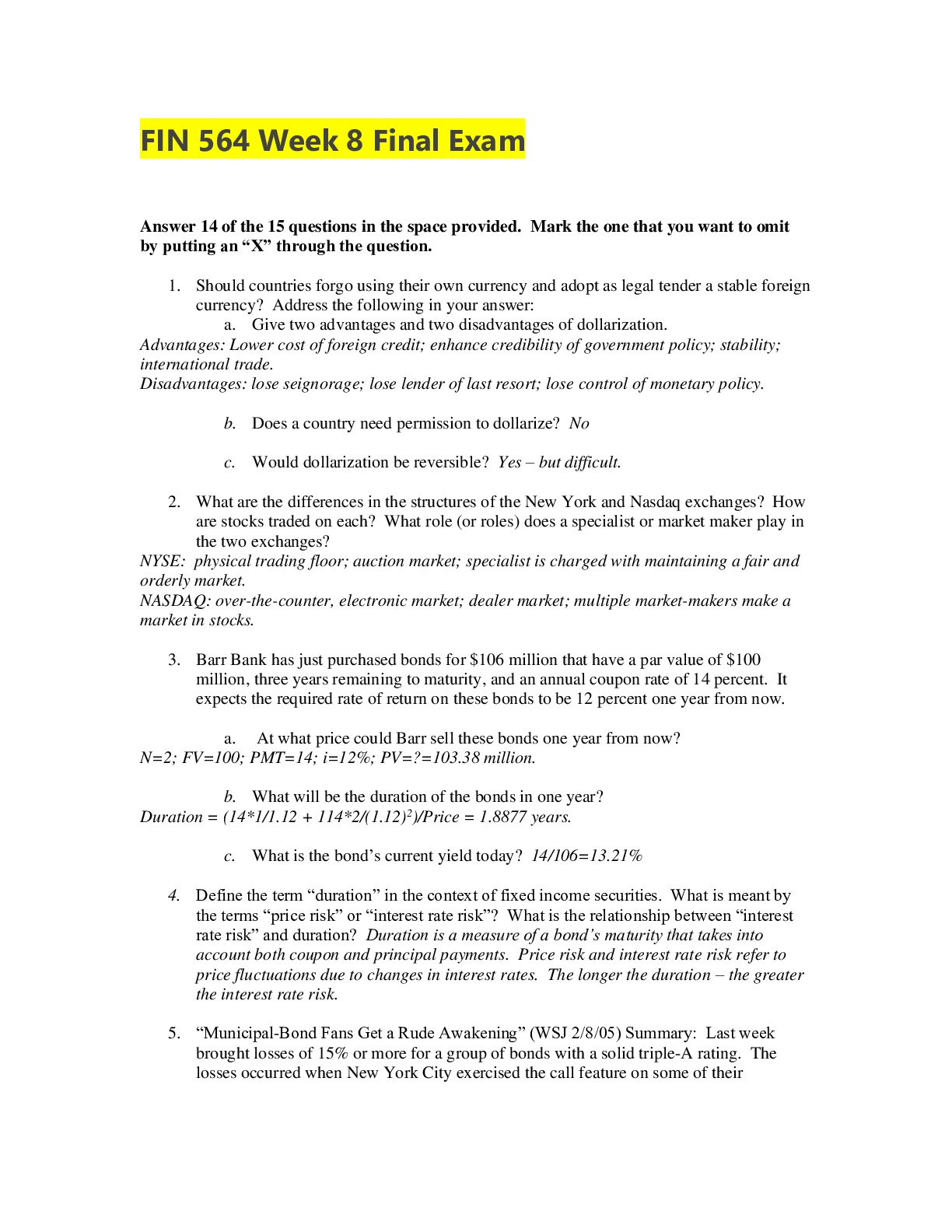
Engineering > QUESTIONS & ANSWERS > University of Iowa - BME 2210Homework4_solutions. (All)
University of Iowa - BME 2210Homework4_solutions.
Document Content and Description Below
Last updated: 7 months ago
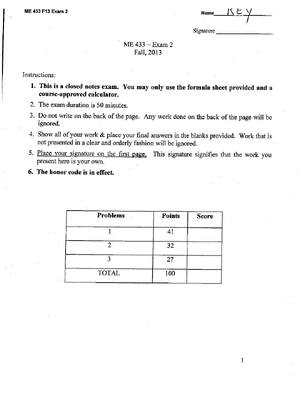
Preview 1 out of 4 pages
Instant download

Buy this Document to get the Full Access Instantly
Provided by Students Who Aced it
We Verify Document Content to Gurantee Accuracy
Reviews( 0 )
Document information
Connected school, study & course
About the document
Uploaded On
Mar 15, 2021
Number of pages
4
Written in
All

Additional information
This document has been written for:
Uploaded
Mar 15, 2021
Downloads
0
Views
88
Topic Tags
Recommended For You
Get more on QUESTIONS & ANSWERS »
Solutions Manual for Fluid Mechanics 9th Edition By Frank Whit...
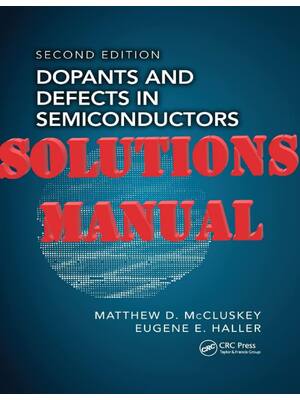
SOLUTIONS MANUAL for Dopants and Defects in Semiconductors 2nd...
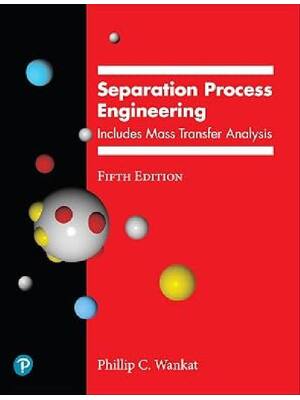
Solutions Manual for Separation Process Engineering 5th editio...
Solutions Manual for Shigley's Mechanical Engineering Design 1...

Solutions Manual for Classical Mechanics and Electrodynamics 2...

Solution Manual for Measurement and Instrumentation: Theory an...

Water Quality Engineering in Natural Systems Fate and Transpor...

eBook Combinatorial and Algorithmic Mathematics From Foundatio...

eBook Combinatorial and Algorithmic Mathematics From Foundatio...
eBook Measurement and Instrumentation 3rd Edition By Alan S. M...
MEEN 225 Project 5 Assignment. Engineering Mechanics | Questio...