SULAIMAN 101 Psychiatry
1-A 65-year-old male with hypertension, congestive heart failure, and peptic ulcer disease
came to your office for his regular blood pressure check. Although his blood pressure is now
under con
...
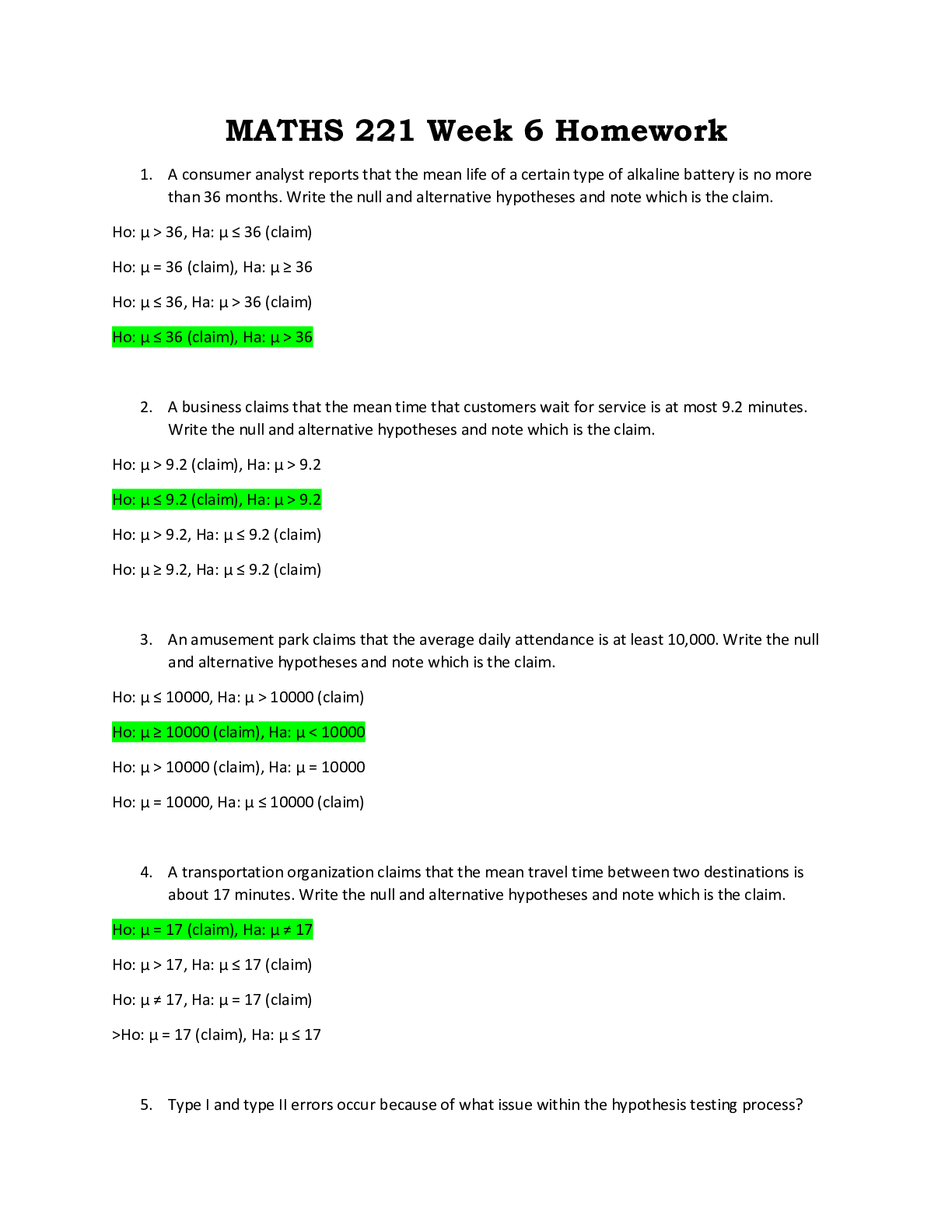
SULAIMAN 101 Psychiatry
1-A 65-year-old male with hypertension, congestive heart failure, and peptic ulcer disease
came to your office for his regular blood pressure check. Although his blood pressure is now
under control, he complains of an nability to maintain an erection. He currently is taking
propranolol, verapamil, hydrochlorothiazide, and ranitidine. On examination his blood
pressure is 125/76 mmHg. His pulse is 56 and regular. The rest of the cardiovascular
examination and the rest of the physical examination are normal. Which of the following
generally considered to be the MOST common cause of sexual dysfunction?
A. Pharmacological agents.
B. Panic disorder.
C. Generalized anxiety disorder (GAD).
D. Major depressive disorder (MDD).
E. Dysthymic disorder.
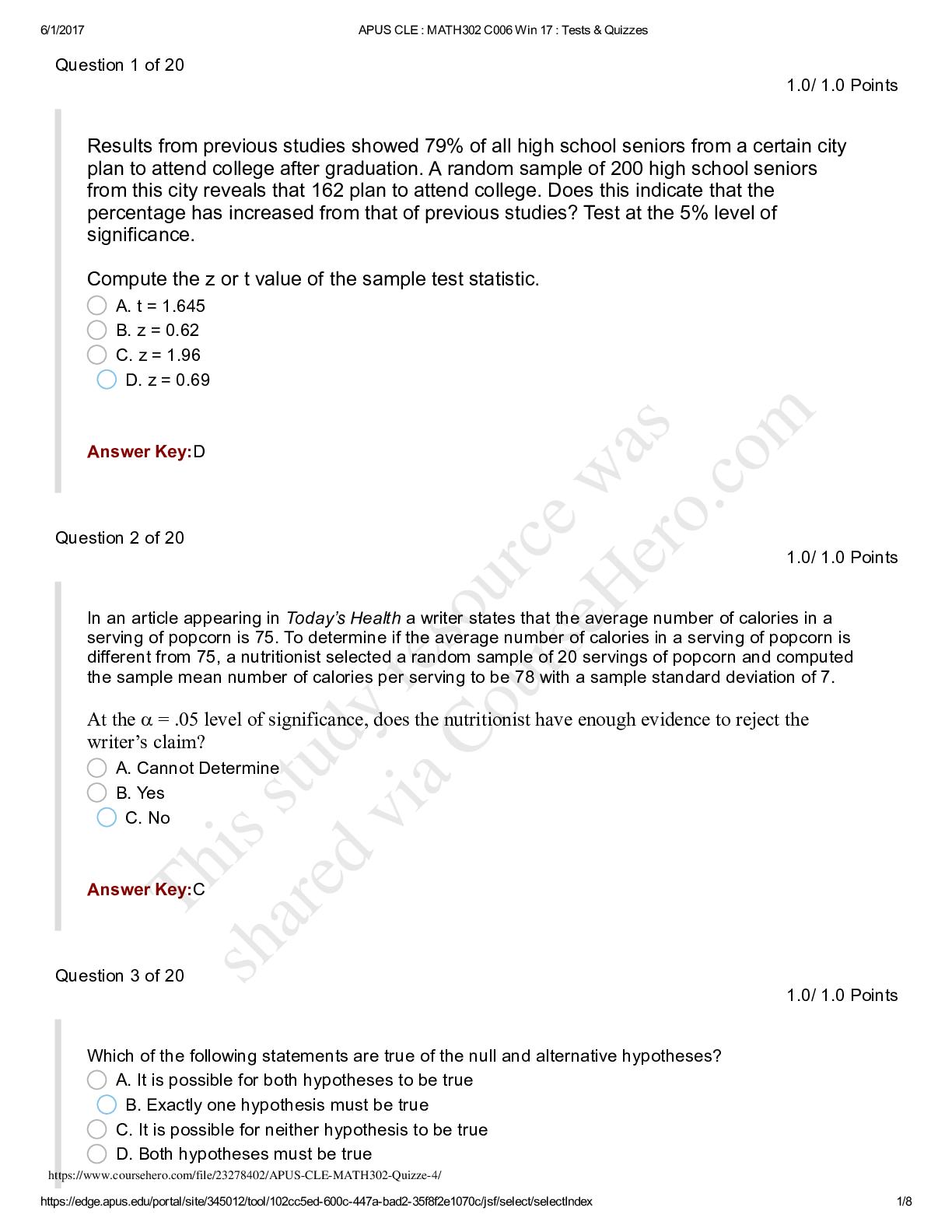
2- a 43 yrs. old female pt. presented to ER with H/O : paralysis of both lower limbs and
parasthesia in both upper limbs since 2 hours ago .. she was seen lying on stretcher & unable
to move her lower limbs (neurologist was called but he couldn't relate her clinical findings 2
any medical disease !!! ) when history was taken , she was beaten by her husband … the most
likely diagnosis is :
a- complicated anxiety disorder d- psychogenic paralysis
b- somatization disorder e- hypochondriasis
c- conversion disorder
- the best treatment for the previous case is :
a- benzodiazepines
b- phenothiazine
c- monoamine oxidase inhibitor
d- selective serotonin reuptake inhibitor
e- supportive psychotherapy
-A 43 yo female , presented to ER with paralysis of both LL and parasthesia in both TJL for 2
hours ,She was lying on a stretcher unable to move her LL ( neurologis could not relate her
clinical findings 2 any medical disease .Hx showed she was beaten by her husband .The Dx is:
a. Complicated anxiety disorder
b. Somatization disorder
c. Conversion disorder
d. Psychogenic paralysis
e. Hypochondriasis
-The best Rx for the previous case is:
a. Benzodiazipines
b. Phenothiazine
c. MAOI
d. SSRIs
e. Supportive psychotherapyAccording to the DSM IV, the diagnosis of psychogenic paralysis has both neurological and
psychiatric aspects. Indeed, the picture may occur in the context of several psychiatric conditions,
of which the most frequent are:(i) Conversion disorder with motor symptoms or defects ,or
(ii) Factitious disorder ,or
(iii) Malingering .
For the psychiatric diagnosis, the task is to disentangle the personal, psychological, social and
cultural context onto which the symptoms/signs impinge . The neurodiagnosis is by exclusion, since
it is based on the fact that ―the symptom or deficit cannot, after appropriate investigation, be fully
explained by a general medical condition, or by the direct effects of a substance‖ . The problem
then arises as to what can be held as an ―appropriate investigation‖, since patients present with a
rather heterogeneous background and a variety of findings. Their history, symptoms and signs may
often be‖so intriguing as to require accurate reflections‖ .
Conversion disorder
symptoms or deficits affecting voluntary motor or sensory function that suggest a neurologic or
other general medical condition. Yet, following a thorough evaluation, which includes a detailed
neurologic examination and appropriate laboratory and radiographic diagnostic tests, no neurologic
explanation exists for the symptoms, or the examination findings are inconsistent with the
complaint. In other words, symptoms of an organic medical disorder or disturbance in normal
neurologic functioning exist that are not referable to an organic medical or neurologic cause.1
Common examples of conversion symptoms include blindness, diplopia, paralysis, dystonia,
psychogenic nonepileptic seizures (PNES), anesthesia, aphonia, amnesia, dementia,
unresponsiveness, swallowing difficulties, motor tics, hallucinations, pseudocyesis and difficulty
walking.
No specific pharmacologic therapy is available for conversion disorder; however, medications for
comorbid mood and anxiety disorders should be considered. Care should be taken to avoid
dependence-producing psychotropic agents.
3- a 28 yrs. old lady , C/O: chest pain, breathlessness and feeling that she'll die soon .. O/E :
just slight tachycardia .. otherwise unremarkable .. the most likely diagnosis is:
a- panic disorder
Panic disorder is characterized by the spontaneous and unexpected occurrence of panic attacks, the frequency of which
can vary from several attacks per day to only a few attacks per year. Panic attacks can occur in other anxiety disorders
but occur without discernible predictable precipitant in panic disorder.criteria for panic disorder, panic attacks must be
associated with more than 1 month of subsequent persistent worry about (1) having another attack, (2) consequences of
the attack, or (3) significant behavioral changes related to the attack.
Panic attacks are a period of intense fear in which 4 of 13 defined symptoms develop abruptly and peak rapidly less
than 10 minutes from symptom onset. To make the diagnosis of panic disorder, panic attacks cannot directly or
physiologically result from substance use, medical conditions, or another psychiatric disorder.
The DSM-IV-TR delineates the following potential symptom manifestations of a panic attack:
Palpitations, pounding heart, or accelerated heart rate
Sweating
Trembling or shaking
Sense of shortness of breath or smothering
Feeling of choking
Chest pain or discomfort
Nausea or abdominal distress
Feeling dizzy, unsteady, lightheaded, or faint
Derealization or depersonalization (feeling detached from oneself)
Fear of losing control or going crazy
Fear of dying
Numbness or tingling sensations
Chills or hot flashesPanic disorder often coexists with mood disorders, with mood symptoms potentially following the onset of panic
attacks. Lifetime prevalence rates of major depression may be as much as 50-60%. These patients may be at higher risk
of suicide attempts. Alcohol and other substance use disorders are also frequent sequelae of panic disorder.
Pharmacotherapy
Selective serotonin reuptake inhibitors (SSRIs) are generally used as first-line agents, followed remotely by tricyclics.
Benzodiazepines can achieve long-term control but should be reserved for patients with refractory panic disorder and
should generate a psychiatric referral for pharmacologic management review and potentially a psychotherapist for any
additional nonpharmacologic treatment options.
Fluoxetine (Prozac) can be used (especially if panic disorder occurs with depression); however, patients may poorly
tolerate it initially because it may initially increase anxiety, except at very low starting doses. Fluoxetine has a long
half-life, making it a good choice in marginally compliant patients.
Cognitive and behavioral psychotherapy
Cognitive and behavioral psychotherapy can be used alone or in addition to pharmacotherapy. The combination
approach yields superior results for most patients compared to either single modality.
4- a 65 yrs old lady came to your clinic with Hx of 5 days insomnia and crying ( since her
husband died ) the best Tx. For her is :
a- Lorazepam
b- Fluoxetine
c- chlorpromazine
d- haloperidol
Acute stress reaction
This occurs in individuals without any other psychiatric disorder, in response to exceptional physical and/or
psychological stress. While severe, such a reaction usually subsides within days. The stress may be an overwhelming
traumatic experience (e.g. accident, battle, physical assault, rape) or a sudden change in the social circumstances of the
individual, such as a bereavement. Individual vulnerability and coping capacity play a role in the occurrence and
severity of an acute stress reaction, as evidenced by the fact that not all people exposed to exceptional stress develop
symptoms. Symptoms usually include an initial state of feeling ‗dazed‘ or numb, with inability to comprehend the
situation. This state may be followed either by further withdrawal from the situation or by anxiety and overactivity. No
treatments beyond reassurance and support are normally necessary.
Anxiety disorders are common psychiatric disorders. Many patients with anxiety disorders
experience physical symptoms related to anxiety and subsequently visit their primary care
providers. Despite the high prevalence rates of these anxiety disorders, they often are
underrecognized and undertreated clinical problems. The Diagnostic and Statistical Manual of
Mental Disorders, Fourth Edition, Text Revision (DSM-IV-TR) classifies the anxiety disorders into
the following categories:1
Anxiety due to a general medical condition
Substance-induced anxiety disorder
Generalized anxiety
Panic disorder
Acute stress disorder
Posttraumatic stress disorder (PTSD)
Adjustment disorder with anxious features
Social phobia
Obsessive-compulsive disorder (OCD)
Specific phobias
The management of individual anxiety disorders is dependent on the specific diagnosis.
Selective serotonin reuptake inhibitors (SSRIs) are helpful in a variety of anxiety disorders,
including generalized anxiety disorder, panic disorder, OCD, and social phobia.Antidepressant agents are the drugs of choice in the treatment of anxiety disorders, particularly the
newer agents that have a safer adverse effect profile and higher ease of use than the older tricyclic
agents; however, benzodiazepines often are used as adjunct treatment.
Some anticonvulsant medications, such as divalproex and gabapentin, may have a role in the
treatment of anxiety disorders, especially in patients with high potential for abusing
benzodiazepines.
Older antidepressants, such as tricyclic antidepressants and monoamine oxidase inhibitors (MAOIs)
also are effective in the treatment of some anxiety disorders. Caution in their use is warranted due to
their higher toxicity and potential lethality in overdose. Their use should be limited to cases where
SSRIs are ineffective or cannot be afforded. MAOIs may be especially indicated in treatmentrefractory panic disorder. Clomipramine (Anafranil, a tricyclic agent) has a US Food and Drug
Administration (FDA) indication in the treatment of OCD and is the only tricyclic agent effective in
the treatment of this condition. Indeed, it can be effective in cases refractory to treatment with SSRI
agents. MAOI agents also may have a role in the treatment of certain subtypes of OCD refractory to
conventional treatment, such as patients with symmetry obsessions or associated panic attacks.
The FDA has granted specific indications to the following disorders and agents: generalized anxiety
disorder (venlafaxine, buspirone, escitalopram, paroxetine, duloxetine), social phobia (paroxetine,
sertraline, venlafaxine), OCD (fluoxetine, sertraline, paroxetine, fluvoxamine), and PTSD
(sertraline, paroxetine).
Initial pharmacotherapy: All antidepressants on the market are potentially effective. Usually, 2-6 weeks at a
therapeutic dose level are needed to observe a clinical response. The choice of medication should be guided by
anticipated safety and tolerability, which aid in compliance; physician familiarity, which aids in patient education and
anticipation of adverse effects; and history of prior treatments. Treatment failures often are caused not by clinical
resistance, but by medication noncompliance, inadequate duration of therapy, or inadequate dosing.
and escitalopram (Lexapro). This group has the advantage of ease of dosing and low toxicity in overdose. Common
adverse effects include GI upset, sexual dysfunction, and changes in energy level (ie, fatigue, restlessness).
Escitalopram has been shown to have superior efficacy to other antidepressants in the treatment of more severe
depression.5
Escitalopram has also been shown to be at least as effective as SNRIs and better tolerated, even in severe
depression.6
(Cymbalta). Safety, tolerability, and side effect profiles are similar to that of the SSRIs, with the exception that the
SNRIs have been associated (rarely) with a sustained rise in blood pressure. SNRIs can be used as first-line agents,
particularly in patients with significant fatigue or pain syndromes associated with the episode of depression. The SNRIs
also have an important role as second-line agents in patients who have not responded to SSRIs. Venlafaxine and
duloxetine are discussed in more detail in the Medication section.
Lorazepam, initially marketed under the brand names Ativan and Temesta, is a benzodiazepine drug with short to
medium duration of action. It has all five intrinsic benzodiazepine effects: anxiolytic, amnesic, sedative/hypnotic,
anticonvulsant and muscle relaxant.[4] Long-term use of benzodiazepines is associated with tolerance, dependence, a
benzodiazepine withdrawal syndrome as well as cognitive impairments which may not completely reverse after
cessation of treatment; however, for most patients cognitive impairment is not severe.[5] It is a powerful anxiolytic, and,
since its introduction in 1977, lorazepam's principal use has been in treating the symptom of anxiety. Among
benzodiazepines, lorazepam has a relatively high addictive potential.[6]
Indications
1987 Ativan advertisement. "In a world where certainties are few...no wonder Ativan (lorazepam)C-IV is prescribed by
so many caring clinicians."
Lorazepam has relatively potent anxiolytic effects and its best-known indication is the short-term management of severe
chronic anxiety, though in fact the FDA advises against this usage.[7] It is fast acting, and useful in treating fast onset
panic anxiety.[8]
Lorazepam has strong sedative/hypnotic effects, and the duration of clinical effects from a single dose makes it an
appropriate choice for the short-term treatment of insomnia, in particular in the presence of severe anxiety. Withdrawalsymptoms, including rebound insomnia and rebound anxiety, may occur after only 7 days' administration of
lorazepam.[9]
Its relatively potent amnesic effect,[4] with its anxiolytic and sedative effects, makes lorazepam useful as premedication.
It is given before a general anaesthetic to reduce the amount of anaesthetic agent required, or before unpleasant awake
procedures, such as in dentistry or endoscopies, to reduce anxiety, to increase compliance, and to induce amnesia for the
procedure. Oral lorazepam is given 90 to 120 minutes before procedures, and intravenous lorazepam as late as 10
minutes before procedures.[10][11][12] Lorazepam is sometimes used as an alternative to midazolam in palliative
sedation.[13]
Fluoxetine (trade name Prozac) is an antidepressant of the selective serotonin reuptake inhibitor (SSRI) class.
Fluoxetine is approved for the treatment of major depression (including pediatric depression), obsessive-compulsive
disorder (in both adult and pediatric populations), bulimia nervosa, panic disorder and premenstrual dysphoric
disorder.[1] Despite the availability of newer agents, it remains extremely popular. Over 22.2 million prescriptions for
generic formulations of fluoxetine were filled in the United States in 2007, making it the third most prescribed
antidepressant.[2]
Indications
Fluoxetine has been approved by the FDA for the treatment of major depression, obsessive compulsive disorder,
bulimia nervosa and panic disorder.[12] Fluoxetine was shown to be effective for depression in 6-week long double-blind
controlled trials where it also alleviated anxiety and improved sleep. Fluoxetine was better than placebo for the
prevention of depression recurrence when the patients, who originally responded to fluoxetine, were treated for a further
38 weeks. Efficacy of fluoxetine for geriatric as well as pediatric depression was also demonstrated in placebocontrolled trials.[12]
The peculiar pharmacokinetics of fluoxetine with its brain levels rising extremely slowly over at least first 5 weeks of
treatment (see Pharmacokinetics) makes it unclear whether the 20-mg/day optimal dose established in the short term (6-
8 weeks) trials is applicable for the longer term supportive treatment. One 60-mg dose of fluoxetine per week was found
to be equivalent to 20 mg/day for the continuation treatment of responders to 20 mg/day of fluoxetine.[13][14]
Furthermore, 5 mg/day fluoxetine was shown to be better than placebo and similar to 20 mg/day,[15] and one weekly
dose of 80 mg fluoxetine was equivalent to 60 mg/day fluoxetine or 150 mg/day amitriptyline.[14] Furthermore, increase
of the dose to 60 mg/day in non-responders from 20 mg/day brought no additional benefits as compared to continuing
the 20 mg/day treatment.[15]
Among the common adverse effects associated with fluoxetine and listed in the prescribing information, the effects with
the greatest difference from placebo are nausea (22% vs 9% for placebo), insomnia (19% vs 10% for placebo),
somnolence (12% vs 5% for placebo), anorexia (10% vs 3% for placebo), anxiety (12% vs 6% for placebo),
nervousness (13% vs 8% for placebo), asthenia (11% vs 6% for placebo) and tremor (9% vs 2% for placebo). Those
that most often resulted in interruption of the treatment were anxiety, insomnia, and nervousness (1-2% each), and in
pediatric trials—mania (2%).[12][18][19] Similarly to other SSRIs, sexual side effects are common with fluoxetine; they
include anorgasmia and reduced libido.[20]
Chlorpromazine (as chlorpromazine hydrochloride, abbreviated CPZ, marketed in the US as Thorazine, as Largactil
in Europe) is the oldest typical antipsychotic. The molecular structure is 2-chloro-10-(3-dimethylaminopropyl)-
phenothiazine. Synthesized on December 11, 1950, chlorpromazine was the first drug developed with specific
antipsychotic action. Its use has been described as the single biggest advance in psychiatric treatment, dramatically
improving the prognosis of patients in psychiatric hospitals worldwide. It was the prototype for the phenothiazine class,
which later grew to comprise several other agents. It is now used less commonly than the newer atypical antipsychotics
such as olanzapine, quetiapine, and risperidone.
Chlorpromazine works on a variety of receptors in the central nervous system, producing anticholinergic,
antidopaminergic, antihistaminic, and antiadrenergic effects. Its anticholinergic properties cause constipation, sedation,
and hypotension and relieve nausea. It also has anxiolytic (anxiety-relieving) properties. Its antidopaminergic properties
can cause extrapyramidal symptoms such as akathisia (restlessness), dystonia, and Parkinsonism. Chlorpromazine
inhibits clathrin-mediated endocytosis.[1] Chlorpromazine is known to cause tardive dyskinesia, which can be
irreversible.[2] It is often administered in acute settings as a syrup, which has a faster onset of action than tablets.
Subcutaneous injection is not advised, and administration is limited to severe hiccups, surgery, and tetanus.[3]
5- Good prognosis factors in schizophrenia are all the following, except:
a. Good premorbid adjustment.
b. Acute onset.
c. Male.
d. Family hx. Of mood disorder.- Good prognostic features in schizophrenia include all but ONE of the following:
A. Good premorbid adjustment.
B. Acute onset.
C. Male gender.
D. Family history of mood disorder.
6- Good prognostic factor for pt with schizophrenia is
1) +ve family history
2) No previous cause
3) Prominent affective symptoms
4) Gradual onset
5) Flat mood
- pt with schizophrenia, the best prognostic sign is:
a) Gradual onset
b) Family history of schizophrenia
c) Age of the patient
d) Coincidence of other psychological problems
Affective Symptoms
Mood or emotional responses dissonant with or inappropriate to the behavior and/or stimulus.
Early onset of illness, family history of schizophrenia, structural brain abnormalities, and prominent
cognitive symptoms are associated with poor prognosis.
Sex
The prevalence of schizophrenia is about the same in men and women. The onset of schizophrenia
is later and the symptomatology is less severe in women than in men. This may be because of the
antidopaminergic influence of estrogen.
History
Information about the medical and psychiatric history of the family, details about pregnancy
and early childhood, history of travel, and history of medications and substance abuse are all
important. This information is helpful in ruling out other causes of psychotic symptoms.
The patient usually had an unexceptional childhood but began to experience a noticeable
change in personality and a decrease in academic, social, and interpersonal functioning
during mid-to-late adolescence. In retrospect, family members may describe the person with
schizophrenia as a physically clumsy and emotionally aloof child. The child may have been
anxious and preferred to play by himself or herself. The child may have been late to learn to
walk and may have been a bedwetter.4,5
Usually, 1-2 years pass between the onset of these vague symptoms and the first visit to a
psychiatrist.6
The first psychotic episode usually occurs between the late teenage years and mid 30s.
The symptoms of schizophrenia may be divided into the following 4 domains:
1. Positive symptoms: These include psychotic symptoms, such as hallucinations,
which are usually auditory; delusions; and disorganized speech and behavior.
2. Negative symptoms: These include a decrease in emotional range, poverty of speech,
loss of interests, and loss of drive. The person with schizophrenia has tremendous
inertia.3. Cognitive symptoms: These include neurocognitive deficits, such as deficits in
working memory and attention and executive functions such as the ability to
organize and abstract. Patients also have difficulty understanding nuances and
subtleties of interpersonal cues and relationships. A new initiative from the National
Institutes of Mental Health, known as Measurement and Treatment Research to
Improve Cognition in Schizophrenia (MATRICS) is a collaboration between various
programs to develop tools for measuring cognition in clinical trials and aiding drug
development that is targeted at these symptoms.
4. Mood symptoms: Schizophrenia patients often seem cheerful or sad in a way that
does not make sense to others. They often are depressed.
PROGNOSIS: Outcome may be worse in people with insidious onset and delayed initial treatment,
social isolation, or a strong family history; in people living in industrialised countries; in men; and
in people who misuse drugs.
Good Prognosis : Bad prognosis
1. Late onset
2. Obvious precipitating factors
3. Acute onset
4. Good premorbid social , sexual & work
histories
5. Mood(Affective) disorder symptoms
(especially depressive disorders )
6. Married
7. Family history of mood disorders
8. Good support systems
9. Positive symptoms
1. Young onset
2. No precipitating factors
3. Insidious onset
4. Poor premorbid social , sexual & work
histories
5. Withdrawn , Autistic behavior
6. Single , divorced or widowed
7. Family history of schizophrenia
8. Poor support systems
9. Negative symptoms
10. Neurological signs & symptoms
11. History of perinatal trauma
12. No remissions in 3 years
13. Many relapses
14. History of assaultivenessDiagnosis
SYMPTOMS OF SCHIZOPHRENIA
First-rank symptoms of acute schizophrenia
A = Auditory hallucinations-second or third person/écho de la pensée
B = Broadcasting, insertion/withdrawal of thoughts
C = Controlled feelings, impulses or acts ('passivity' experiences/phenomena)
D = Delusional perception (a particular experience is bizarrely interpreted)
Symptoms of chronic schizophrenia (negative symptoms)
Flattened (blunted) affect
Apathy and loss of drive (avolition)
Social isolation
Poverty of speech
Poor self-care
7- Criteria of major depressive illness:
a. Late morning awaking.
b. Hallucination with flight of ideas.
c. High self-steam.
d. Overeating. change in appetite
e. Decrease of eye contact in conversation.
- Characteristic feature of major depressive illness is:
A. Late morning awakening.
B. Hallucination and flight of ideas.C. High self-esteem.
D. Over-eating.
E. Decreased eye contact during conversation.
History
The DSM-IV-TR diagnostic criteria for a major depressive episode are as follows:
A. At least 5 of the following, during the same 2-week period, representing a change from previous
functioning; must include either (a) or (b):
(a) Depressed mood
(b) Diminished interest or pleasure
(c) Significant weight loss or gain change in appetite
(d) Insomnia or hypersomnia
(e) Psychomotor agitation or retardation
(f) Fatigue or loss of energy
(g) Feelings of worthlessness
(h) Diminished ability to think or concentrate; indecisiveness
(i) Recurrent thoughts of death, suicidal ideation, suicide attempt, or specific plan for suicide
B. Symptoms do not meet criteria for a mixed episode (ie, meets criteria for both manic and
depressive episode).
C. Symptoms cause clinically significant distress or impairment of functioning.
D. Symptoms are not due to the direct physiologic effects of a substance or a general medical
condition.
E. Symptoms are not better accounted for by bereavement, ie, the symptoms persist for longer than
2 months or are characterized by marked functional impairment, morbid preoccupation with
worthlessness, suicidal ideation, psychotic symptoms, or psychomotor retardation.
8- Severe postpartum depression mostly associated with:
-Decrease socioeconomic class.
-Emotional separation between the patient & his mother.
-Past Hx of depression.
-1st birth delivery.
-Poor wt gain during pregnancy.
During the postpartum period, up to 85% of women experience some type of mood disturbance. For
most women, symptoms are transient and relatively mild (ie, postpartum blues); however, 10-15%
of women experience a more disabling and persistent form of depression and 0.1-0.2% of women
experience postpartum psychosis.1,2,3,4
Predicting who is at risk for postpartum psychiatric illness is difficult. Individuals at greatest risk
often have
1. a prior history of postpartum depression or psychosis,
2. personal or family history of mood disorder, or
3. depression during the current pregnancy.
4. Other risk factors include inadequate social supports,5. marital dissatisfaction or discord, and
6. recent negative life events such as a death in the family,
7. financial difficulties, or loss of employment.5,1
9- a 20 year old lady thinks that she’s fat although her height and weight are ok:
a) Bulimia
b) Aneroxia nervosa
c) Depression
10-A male presented with headache , tinnitus and nausea thinking that he has a brain tumor.
He had just secured a job in a prestigious company and he thinks that he might not meet it’s
standards. CNS exam, CT all within normal What is the Diagnosis:
a. Generalized Anxiety disoreder
b. Hypochondriasis
c. Conversion reaction
d. Panic attack
Conversion disorder: Usually characterized by self-limited symptoms that affect voluntary motor or
sensory systems and suggest a neurologic disorder but are not consistent with anatomic structures. Age
of onset is 10–40. Preceded by stress.
■ Hypochondriasis: A chronic preoccupation with or fear of having a serious medical disease that is not
relieved by appropriate evaluation or reassurance. Usually begins in early adulthood.
11-Delusion
a)perception of sensation in absence of an external stimulus
b)mis interpretation of stimulus
c)false belief not in accordance of a persons culture
d)manifestation of...
e)unconscious inhibition of..
Delusional Disorder
A chronic disorder of delusions (fixed false beliefs) that form a coherent system characterized by a certain level of
plausibility. An uncommon disorder, with a prevalence of 0.01–0.05%.
SYMPTOMS
■ Presents with highly specific delusions forming a coherent belief system that seems somewhat plausible.
■ Patients are otherwise normal and maintain a high level of functioning.
DIFFERENTIAL
■ Schizophrenia: Associated with more functional impairment, auditory hallucinations, and thought disorders.
■ Substance-induced delusions: Seen primarily with CNS stimulants such as cannabis and amphetamines.
■ Medical conditions: Include thyroid disorders, Huntington‘s disease, Parkinson‘s disease, Alzheimer‘s disease,
CVAs, metabolic causes (uremia, hepatic encephalopathy, hypercalcemia), alcohol withdrawal, and other causes of
delirium.
TREATMENT
■ Patients are often resistant to treatment or medications.
■ The first goal is to create a strong physician-patient alliance. Avoid directly challenging the patient‘s beliefs, but do
not pretend to be in full acceptance of the delusions.
■ Low-dose antipsychotics are indicated (atypicals such as olanzapine or risperidone are preferred). Antidepressants,
especially clomipramine, may be helpful.
■ The goal of medications is to help the patient avoid acting on the delusion.
12-A.. . year old lady presented to you and told you that she knows she has cancer in her
stomach. She visited 6 doctors before you & had an ultrasound done... times & barium meal...times No one believes what she said & told you that you’re the last doctor she’s going to see
before seeiking herbal medicine .whats the diagnosis?
a)generalized anxiety
b) panic attack
c) conversion reaction
d) hypochondriasis
e) anxiety
■ Somatization disorder: A chronic disorder characterized by multiple clinically significant symptoms that vary
over time and are not explained by medical findings. Patients usually have an extensive treatment history with age of
onset < 30. Has a higher prevalence in women.
■ Conversion disorder: Usually characterized by self-limited symptoms that affect voluntary motor or sensory systems
and suggest a neurologic disorder but are not consistent with anatomic structures. Age of onset is 10–40. Preceded
by stress.
■ Hypochondriasis: A chronic preoccupation with or fear of having a serious medical disease that is not relieved by
appropriate evaluation or reassurance. Usually begins in early adulthood.
13- Facial nerve when it exits the tempromandibular joint and enter parotid gland it passes:
a) Deep to retromandibular vein
b) Deep to internal carotid artery
c) Superficial to retromandibular vein and ext. carotid artery (It is the most lateral structure within
parotid gland)
d) Deep to ext. carotid artery
e) Between ext. carotid artery and retromandibular vessels
14- Sciatica:
a) Never associated with sensory loss
b) May be associated with calf muscle weakness
c) Do not cause pain with leg elevation
d) Causes increased lumbar lordosis
15- Definition of status epilepticus:
a) Generalized tonic clonic seizure more than 15 minutes
b) Seizure more than 30 minutes without regains consciousness inbetween
c) Absence seizure for more than 15 minutes
continuous unremitting seizure lasting longer than 30 minutes [1], or recurrent seizures without
regaining consciousness between seizures for greater than 30 minutes (or shorter with medical
intervention). It is always considered a medical emergency.
16- A 26-year-old patient came to your office with recurrent episodes of binge eating
(approximately four times a week) after which she vomits to prevent weight gain. She says
that “she has no control” over these episodes and becomes depressed because of her inability
to control herself. These episodes have been occurring for the past 2 years. She also admits
using self- induced vomiting, laxatives, and diuretics to lose weight. On examination, the
patient’s blood pressure is 110/70 mmHg and her pulse is 72 and regular. She is not inapparent distress. Her physical examination is entirely normal. What is the MOST likely
diagnosis in this patient?
A. Borderline personality disorder.
B. Anorexia nervosa.
C. Bulimia nervosa.
D. Masked depression.
E. Generalized anxiety disorder.
-anorexia nervosa, all true except:
a) lethargy
b) langue hair
c) amenorrhea
d) young female
Eating Disorders
Teenagers and younger children continue to develop eating disorders at an alarming rate. The spectrum of
eating disorders includes anorexia nervosa, bulimia nervosa, eating disorders not otherwise specified, and
binge-eating disorder. The relationship between biology and environment in the development of eating
disorders is complex. Contributing factors appear to include growing influence by the media (television,
magazines, movies, videos), in which thin young woman are often depicted as the norm. Anorexia and
bulimia are distinguished as follows:
■ Anorexia nervosa: Diagnosis requires four diagnostic criteria as defined in the DSM-IV:
1. Refusal to maintain weight within a normal range for height and age (more than 15% below ideal
body weight).
2. Fear of weight gain.
3. Severe body image disturbance (body image is the predominant measure of self-worth, along with
denial of the seriousness of the illness).
4. In postmenarchal females, absence of the menstrual cycle, or amenorrhea (3 cycles).
■ Bulimia: Defined as episodic and uncontrolled ingestion of large quantities of food followed by recurrent
inappropriate compensatory behavior to prevent weight gain, such as self-induced vomiting, diuretic or
cathartic use, strict dieting, or vigorous exercise.
SYMPTOMS
■ Anorexia: Amenorrhea, depression, fatigue, weakness, hair loss, bone pain, constipation, abdominal pain.
■ Bulimia: Normal or near-normal body weight, mouth sores, dental caries, heartburn, muscle cramps and
fainting, hair loss, easy bruising, intolerance to cold, menstrual irregularity, abuse of diuretics and laxatives,
misuse of diet pills (palpitations and anxiety), frequent vomiting (resulting in throat irritation and
pharyngeal trauma).
EXAM
■ Assess vitals to evaluate for bradycardia, hypotension, or orthostatic hypotension.
■ Perform a detailed physical and dental exam, including height, weight, and BMI.
■ Anorexia: Signs include brittle hair and nails; dry, scaly skin; loss of subcutaneous fat; fine facial and body
hair (lanugo hair); and breast and vaginal atrophy.
■ Bulimia: Signs include a callused finger (Russell‘s sign; results when the finger is used to induce
vomiting), dry skin, periodontal disease, and sialadenosis (swelling of the parotid glands).
■ Obtain a psychiatric history to assess for substance abuse and mood/anxiety/ personality disorders.
■ Ask about suicidal ideation.
DIAGNOSIS
■ Explore body image, exercise regimen, eating habits, sexual history, current and past medication use,
diuretic and laxative use, binging and purging behavior, and substance use.
■ Obtain electrolytes, CBC, LFTs, and ECG to evaluate for arrhythmias and electrolyte disturbance.
TREATMENT■ The goal is restoration of normal body weight and eating habits along with resolution of psychological
difficulties.
■ Behavioral therapy: Intensive psychotherapy and family therapy.
■ Pharmacotherapy: TCAs, SSRIs, lithium carbonate.
■ Enteral or parenteral feeding in patients with severe malnutrition.
■ Hospitalization as indicated in cases of severe malnutrition or failed outpatient therapy.
COMPLICATIONS
Severe malnutrition, cardiac arrhythmias, suicide attempt, osteopenia, heart failure, dental disease.
17- A 23-year-old female came to your office with a chief complaint of having ―a peculiarly jaw‖.
She tells you that she has seen a number of plastic surgeons about this problem, but ―every one has
refused to do anything‖. On examination, there is no protrusion that you can see, and it appears to
you that she has a completely normal jaw and face. Although the physical examination is
completely normal, she appears depressed. What is the MOST likely diagnosis in this patient?
A. Dysthymia.
B. Major depressive disorder (MDD) with somatic concerns.
C. Somatization disorder.
D. Body dysmorphic disorder.
E. Hypochondriasis.
S
SOMATOFORM DISORDERS
A group of psychiatric disorders that share the common feature of overimportance of physical
symptoms (with no clear medical etiology) in a patient‘s life. This often a feeling of being
misunderstood by health providers. Somatization can inappropriate workups, hospitalizations,
and procedures (up to $30 billion per year). Somatoform disorders are motivated by inner psychic
gain; symptoms are unintentional or involuntary and are precipitated by stress.
SYMPTOMS Generally categorized as follows:
1. Somatization disorder: A chronic disorder characterized by multiple clinically significant
symptoms that vary over time and are not explained by medical findings. Patients usually
have an extensive treatment history with age of onset < 30. Has a higher prevalence in
women.
2. Conversion disorder: Usually characterized by self-limited symptoms that affect voluntary
motor or sensory systems and suggest a neurologic disorder but are not consistent with
anatomic structures. Age of onset is 10–40. Preceded by stress.
3. Hypochondriasis: A chronic preoccupation with or fear of having a serious medical disease
that is not relieved by appropriate evaluation or reassurance. Usually begins in early
adulthood.
4. Body dysmorphic disorder: Chronic preoccupation with an imagined defect in physical
appearance; usually begins in adolescence.
5. Chronic pain syndrome: An often chronic condition in which pain without an identified
organic cause is the central feature.
DIFFERENTIAL
1. Malingering: Motivated by external gain; symptoms are intentional with poor cooperation
in evaluation.
2. Factitious disorder: Motivated by assumption of the sick role, in which symptoms are
fabricated or self-inflicted. Histories are often vague, and patients go from hospital to
hospital seeking care.DIAGNOSIS
A careful assessment and evaluation should be performed using standard medical workups, with an
emphasis on avoiding exhaustive and unnecessary testing.
TREATMENT
1. Stress empathy along with the importance of establishing and maintaining a strong 1° care
relationship.
2. Avoid stratifying the diagnosis as mental or physical; address in ―stress‖ terms or emphasize
the mind-body connection.
3. Co-morbid psychiatric disorders should be addressed and treated.
4. Consider a psychiatry referral to provide a framework for treatment (not to take the place of
the 1° care provider).
5. Individual or group therapy may be of benefit, as may stress identification and reduction.
6. Prevent iatrogenesis by limiting workup and treatments to objective findings (not
complaints).
18- A 29-year-old waiter consulted you regarding what he describes as “an intense fear”
before he begins his nightly performance. He tells you that it is only a matter of time before he
“makes a real major mistake”. What is the MOST likely diagnosis in this patient?
A. A specific phobia.
B. A social phobia.
C. A mixed phobia.
D. Panic disorder without agoraphobia.
E. Panic disorder with agoraphobia.
Phobic (anxiety) disorders
Phobias are common conditions in which intense fear is triggered by a stimulus, or group of stimuli, that are predictable
and normally cause no particular concern to others (e.g. agoraphobia, claustrophobia, social phobia). This leads to
avoidance of the stimulus (Box 22.13). The patient knows that the fear is irrational, but cannot control it.
The prevalence
of all phobias is 8%, with many patients having more than one. Many phobias of ‗medical‘ stimuli exist (e.g. of doctors,
dentists, hospitals, vomit, blood and injections) which affect the patient‘s ability to receive adequate healthcare.
Aetiology
Phobias may be caused by classical conditioning, in which a response (fear and avoidance) becomes conditioned to a
previously benign stimulus (a lift), often after an initiating emotional shock (being stuck in a lift). In children, phobias
can arise through imagined threats (e.g. stories of ghosts told in the playground). Women have twice the prevalence of
most phobias than men. Phobias aggregate in families, with increasing evidence of the importance of genetic factors
being published.
Agoraphobia
Translated as ‗fear of the market place‘, this common phobia (4% prevalence) presents as a fear of being away from
home, with avoidance of travelling, walking down a road and supermarkets being common cues. This can be a very
disabling condition, since the patient can be too unwell to ever leave home, particularly by themselves. It is often
associated with claustrophobia, a fear of enclosed spaces.
Social phobia
This is the fear and avoidance of social situations: crowds, strangers, parties and meetings. Public speaking would be
the sufferer‘s worst nightmare. It is suffered by 2% of the population.
Simple phobias
The commonest is the phobia of spiders (arachnophobia), particularly in women. The prevalence of simple phobias is
7% in the general population. Other common phobias include insects, moths, bats, dogs, snakes, heights, thunderstorms
and the dark. Children are particularly phobic about the dark, ghosts and burglars, but the large majority grow out of
these fears.Treatment of anxiety disorders
Psychological treatments
For many people with brief episodes of an anxiety disorder,a discussion with a doctor concerning the nature of anxiety
is usually sufficient.
■ Relaxation techniques can be effective in mild/moderate anxiety. Relaxation can be achieved in many ways,
including complementary techniques such as meditationand yoga. Conventional relaxation training involves
slowing down the rate of breathing, muscle relaxation and mental imagery.
Anxiety management training involves two stages.
In the first stage, verbal cues and mental imagery are used to arouse anxiety to demonstrate the link with symptoms.
In the second stage, the patient is trained to reduce this anxiety by relaxation, distraction and reassuring
self-statements.
■ Biofeedback is useful for showing patients that they are not relaxed, even when they fail to recognize it, having
become so used to anxiety. Biofeedback involves feeding back to the patient a physiological measure that is abnormal
in anxiety. These measures may include electrical resistance of the skin of the palm, heart rate, muscle
electromyography or breathing pattern.
■ Behaviour therapies are treatments that are intended to change behaviour and thus symptoms. The most common and
successful behaviour therapy (with 80% success in some phobias) is graded exposure, otherwise known as systematic
desensitization.
First, the patient rates the phobia into a hierarchy or ‗ladder‘ of worsening fears (e.g. in agoraphobia: walking to the
front door with a coat on; walking out into the garden; walking to the end of the road). Second, the patient
practises exposure to the least fearful stimulus until no fear is felt. The patient then moves ‗up the ladder‘ of
fears until they are cured.
■ Cognitive behaviour therapy (CBT) (see p. 1204) is the treatment of choice for panic disorder and general
anxiety disorder because the therapist and patient need to identify the mental cues (thoughts and memories) that
may subtly provoke exacerbations of anxiety or panic attacks. CBT also allows identification and alteration of
the patient‘s ‗schema‘, or way of looking at themselves and their situation, that feeds anxiety.
Drug treatments
Initial ‗drug‘ treatment should involve advice to gradually cease taking anxiogenic recreational drugs such as caffeine
and alcohol (which can cause a rebound anxiety and withdrawal). Prescribed drugs used in the treatment of anxiety
can be divided into two groups: those that act primarily on the central nervous system, and those that block peripheral
autonomic receptors.
■ Benzodiazepines are centrally acting anxiolytic drugs. They bind to specific receptors that stimulate release of the
inhibitory transmitter γ-aminobutyric acid (GABA). Diazepam (5 mg twice daily, up to 10 mg three times daily in
severe cases), alprazolam (250–500 μg three times daily) and chlordiazepoxide have relatively long half-lives (20–40
hours) and are used as anti-anxiety drugs in the short term. Side-effects include sedation and memory problems, and
patients should be advised not to drive while on treatment. They can cause dependence and tolerance within 4–6 weeks,
particularly in dependent personalities. The withdrawal syndrome (Table 22.14) can occur after just 3 weeks of
continuous use and is particularly severe when high doses have been given for a longer time. Thus, if a benzodiazepine
drug is prescribed for anxiety, it should be given in as low a dose as possible, preferably on an ‗as necessary‘ basis, and
for not more than 2–4 weeks. A withdrawal programme from chronic use includes changing the drug to the long-acting
diazepam, followed by a very gradual reduction in dosage.
■ Most SSRIs (e.g. fluoxetine, paroxetine, sertraline, escitalopram, citalopram) are useful symptomatic treatments for
general anxiety and panic disorders, as well as some phobias (social phobia). Imipramine and clomipramine are
alternative symptomatic treatments for panic disorder and GAD. Treatment response is often delayed several weeks; a
trial of treatment should last 3 months.
■ Many of the symptoms of anxiety are due to an increased or sustained release of epinephrine (adrenaline) and
norepinephrine (noradrenaline) from the adrenal medulla and sympathetic nerves. Thus, betablockers such as
propranolol (20–40 mg two or three times daily) are effective in reducing peripheral symptoms such as palpitations,
tremor and tachycardia, but do not help central symptoms such as anxiety.
19- Known risk factors for suicide include all the following except :
A. Repeated attempts at self injury.
B. Male sex.
C. Symptoms of depression with guilt.D. Drug and alcohol dependence.
E. If the doctor asked the patient about suicide.
20-hypochondriasis, all true except:
a) more common in medical students in conversion disorders Symptoms and signs often reflect a patient‘s ideas about illness.
b) less common in male
c) more common in lower social class
d) defined as morbid preoccupation of one‘s body or health
Hypochondriasis
The conspicuous feature is a preoccupation with an assumed serious disease and its consequences.
Patients commonly believe that they suffer from cancer or AIDS, or some other serious condition.
Characteristically, such patients repeatedly request laboratory and other investigations to either
prove they are ill or reassure themselves that they are well. Such reassurance rarely lasts long before
another cycle of worry and requests begins. The symptom of hypochondriasis may be secondary to
or associated with a variety of psychiatric disorders, particularly depressive and anxiety disorders.
Occasionally the hypochondriasis is delusional, secondary to schizophrenia or a depressive
psychosis . Hypochondriasis may coexist with physical disease but the diagnostic point is that the
patient‘s concern is disproportionate and unjustified.
21- all are speech disorders except:
a) Stuttering
b) Mumping
c) Cluttering
d) Palilia
Speech disorders or speech impediments are a type of communication disorders where 'normal' speech is disrupted.
This can mean stuttering, lisps, etc. Someone who is totally unable to speak due to a speech disorder is considered mute.
Classifying speech into normal and disordered is more problematic than it first seems. By a strict classification, only 5%
to 10% of the population has a completely normal manner of speaking (with respect to all parameters) and healthy
voice; all others suffer from one disorder or another.
1. Stuttering is quite common.[citation needed]
2. Cluttering, a speech disorder that has similarities to stuttering.
3. Dysprosody is the rarest neurological speech disorder. It is characterized by alterations in intensity, in the timing of
utterance segments, and in rhythm, cadency, and intonation of words. The changes to the duration, the fundamental
frequency, and the intensity of tonic and atonic syllables of the sentences spoken, deprive an individual's particular
speech of its characteristics. The cause of dysprosody is usually associated with neurological pathologies such as
brain vascular accidents, cranioencephalic traumatisms, and brain tumors.[1]
4. Speech sound disorders involve difficulty in producing specific speech sounds (most often certain consonant,
such as /s/ or /r/), and are subdivided into articulation disorders (also called phonetic disorders) and phonemicdisorders. Articulation disorders are characterized by difficulty learning to physically produce sounds. Phonemic
disorders are characterized by difficulty in learning the sound distinctions of a language, so that one sound may be
used in place of many. However, it is not uncommon for a single person to have a mixed speech sound disorder
with both phonemic and phonetic components.
5. Voice disorders are impairments, often physical, that involve the function of the larynx or vocal resonance.
6. Dysarthria is a weakness or paralysis of speech muscles caused by damage to the nerves and/or brain. Dysarthria
is often caused by strokes, parkinsons disease, ALS, head or neck injuries, surgical accident, or cerebral palsy.
7. Apraxia of speech may result from stroke or be developmental, and involves inconsistent production speech
sounds and rearranging of sounds in a word ("potato" may become "topato" and next "totapo"). Production of
words becomes more difficult with effort, but common phrases may sometimes be spoken spontaneously without
effort. It is now considered unlikely the childhood apraxia of speech and acquired apraxia of speech are the same
thing, though they share many characteristics.
Types Of Speech Disorders
22-family behavior toward schizophrenic pt affect prognosis adversely:
a) double binding
b) over emotion behavior
c) schismatic parents
d) projective identification
A double bind is a dilemma in communication in which an individual (or group) receives two or
more conflicting messages, with one message negating the other. This creates a situation in which a
successful response to one message results in a failed response to the other, so that the person will
be automatically wrong regardless of response. The nature of a double bind is that the person cannot
confront the inherent dilemma, and therefore can neither comment on the conflict, nor resolve it,
nor opt out of the situation.
Because Double Bind Theory was originally presented in the context of schizophrenia it has
sometimes mistakenly been assumed that Bateson and his colleagues were proposing that double
binds could cause an organic brain disorder if imposed on young children or people with unstable or
"weak" personalities. But a careful reading of the papers in Section III of Steps to an Ecology of
Mind (Form and Pathology in Relationship) makes clear that such cases would involve a
programming dysfunction, i.e. a learned pattern of dysfunctional thinking. And of course creating a
situation in which the victim couldn't make a comment or "metacommunicative statement" about
their dilemma would (in theory) escalate their mental anxiety and potentially cause a crisis.
Today, DBT is correctly understood as an example of Bateson's approach to the complexities of
communication.23-known risk factor of suicide include all of the following except:
a) depression
b) previous self attempt
c) females less than males
d) drug and alcohol dependence
e) if doctor ask the pt any suicidal attempt
24-all of the following precipitate seizure except:
a) hypourecemia
b) hypokalemia
c) hypophosphatemia
d) hypocalcemia
e) hypoglycemia
Hypouricemia is not a medical condition itself (i.e., it is benign), but it is a useful medical sign.
Usually hypouricemia is due to drugs and toxic agents, sometimes it is due to diet or genetics, and
rarely it is due to an underlying medical condition. When one of these causal medical conditions is
present, hypouricemia is a common sign.
25- A 25 yr old pt presented with headache, avoidance of light & resist flexion of neck, next
step is:
a) EEG
b) C-spine X-ray
c) Phonation
d) None of the above
CT head or lubmar pucture as it is suspected case of meningitis
26- Peripheral neuropathy can occur in all EXCEPT:
a) Lead poisoning.
b) DM.
c) Gentamycin. Ototoxicity & Nephrotoxicity
d) INH (anti-TB).
Peripheral neuropathy and CNS effects are associated with the use of isoniazid
27-breath holding attacks:
a) mostly in children between 5-10 years
b) usually prevented by diazepam
c) may presdipose to generalized convulsion
d) increase the risk of epilepsy
e) characteristically come with no preceding emotional upset40-Breath holds attacks:
A-Mostly in children between 5-10 years.
B-Usually prevented by diazepam.
C-May predisposes a generallzed convulsion.
D-lncreases the risk of epilepsy later on.
E-Characteristically comes with no preceding emotional upset.
A breath-holding spell is an episode in which the child stops breathing and loses consciousness for
a short period immediately after a frightening or emotionally upsetting event or a painful
experience.
Breath-holding spells usually are triggered by physically painful or emotionally upsetting
events.
Typical symptoms include paleness, stoppage of breathing, loss of consciousness, and
seizures.
Tantrums may be prevented by distracting the child and avoiding situations that trigger the
spells.
Breath-holding spells occur in 5% of otherwise healthy children. They usually begin in the first year
of life and peak at age 2. They disappear by age 4 in 50% of children and by age 8 in about 83% of
children. Breath-holding spells can take one of two forms.
The cyanotic form of breath-holding, which is most common, is initiated subconsciously by
young children often as a component of a temper tantrum or in response to a scolding or other
upsetting event. Episodes peak at about 2 years and are rare after 5 years. Typically, the child cries
out (without necessarily being aware they are doing so), breathes out, and then stops breathing.
Shortly afterward, the skin begins to turn blue, and the child becomes unconscious. A brief seizure
may occur. After a few seconds, breathing resumes and normal skin color and consciousness return.
It may be possible to interrupt the episode by placing a cold rag on the child's face when the spell
begins. Despite the frightening nature of the episode, the parents must try to avoid reinforcing the
initiating behavior. Parents should not avoid providing appropriate structure for children out of fear
of causing spells. Distracting children and avoiding situations that lead to tantrums are the best
ways of preventing and treating these spells. Cyanotic breath-holding spells respond to treatment
with iron supplements, even when the child does not have iron-deficiency anemia, and to treatment
for obstructive sleep apnea.
The pallid form typically follows a painful experience, such as falling and banging the head or
being suddenly startled. The brain sends out a signal (via the vagus nerve) that severely slows the
heart rate, causing loss of consciousness. Thus, in this form, the loss of consciousness and stoppage
of breathing (which are both temporary) result from a nerve response to being startled that leads to
slowing of the heart.
The child stops breathing, rapidly loses consciousness, and becomes pale and limp. A seizure and
incontinence may occur. The heart typically beats very slowly during a spell. After the spell, the
heart speeds up again, breathing restarts, and consciousness returns without any treatment. Because
this form is rare, further diagnostic evaluation and treatment may be needed if the spells occur
often.
28- Regarding antidepressant side effects, all of the following are true except:
a- Anticholinergic side effect tend to improve with time
b- Sedation can be tolerated by prolonged use
c- Small doses should be started in elderlyd- Fluoxetine is safe drug to use in elderly
29- One of the following is secondary presenting complaint in patient with
panic attack disorder:
a- Dizziness
b- Epigastric pain
c- Tachycardia
d- Chest pain
e- Phobia
Panic Disorder
Characterized by recurrent unexpected panic attacks, with fear of additional ones occurring.
Prevalence is up to 3.5% with a 2:1 female-to-male predominance. Onset is from late adolescence
through the third decade of life.
SYMPTOMS
■ Characterized by episodes of abrupt anxiety that peak after 10 minutes and are associated with
several features of autonomic arousal.
■ Must include at least four of the following features of autonomic arousal:
1. palpitations,
2. tachycardia,
3. chest discomfort,
4. shortness of breath,
5. nausea,
6. a choking sensation,
7. trembling,
8. dizziness,
9. paresthesias,
10. sweating,
11. chills,
12. hot flashes,
13. dissociation, and
14. fear of losing control or dying.
DIFFERENTIAL
■ Psychiatric:
■ PTSD: Must have a precipitating traumatic event.
■ Generalized anxiety disorder: Characterized by continuous anxiety
but no discrete attacks.
■ Medical:
■ Endocrine: Hypoglycemia, hyperthyroidism, pheochromocytoma.
■ Cardiac: Arrhythmia, MI.
■ Pulmonary: COPD, asthma, pulmonary embolus.
■ Pharmacologic: Side effects of medications (e.g., SSRIs, albuterol); acute
intoxication.
DIAGNOSIS
Rule out medical causes first (e.g., ECG, CXR, metabolic panel).
TREATMENT
■ Behavioral: CBT.
■ Pharmacologic: SSRIs (fluoxetine, sertraline, paroxetine), benzodiazepines.39- Indication for CT brain for dementia, all true except:
- Younger than 60 years old
- After head trauma
- Progressive dementia over 3 years
[Show More]












 (Diane Pacitti etc.png)