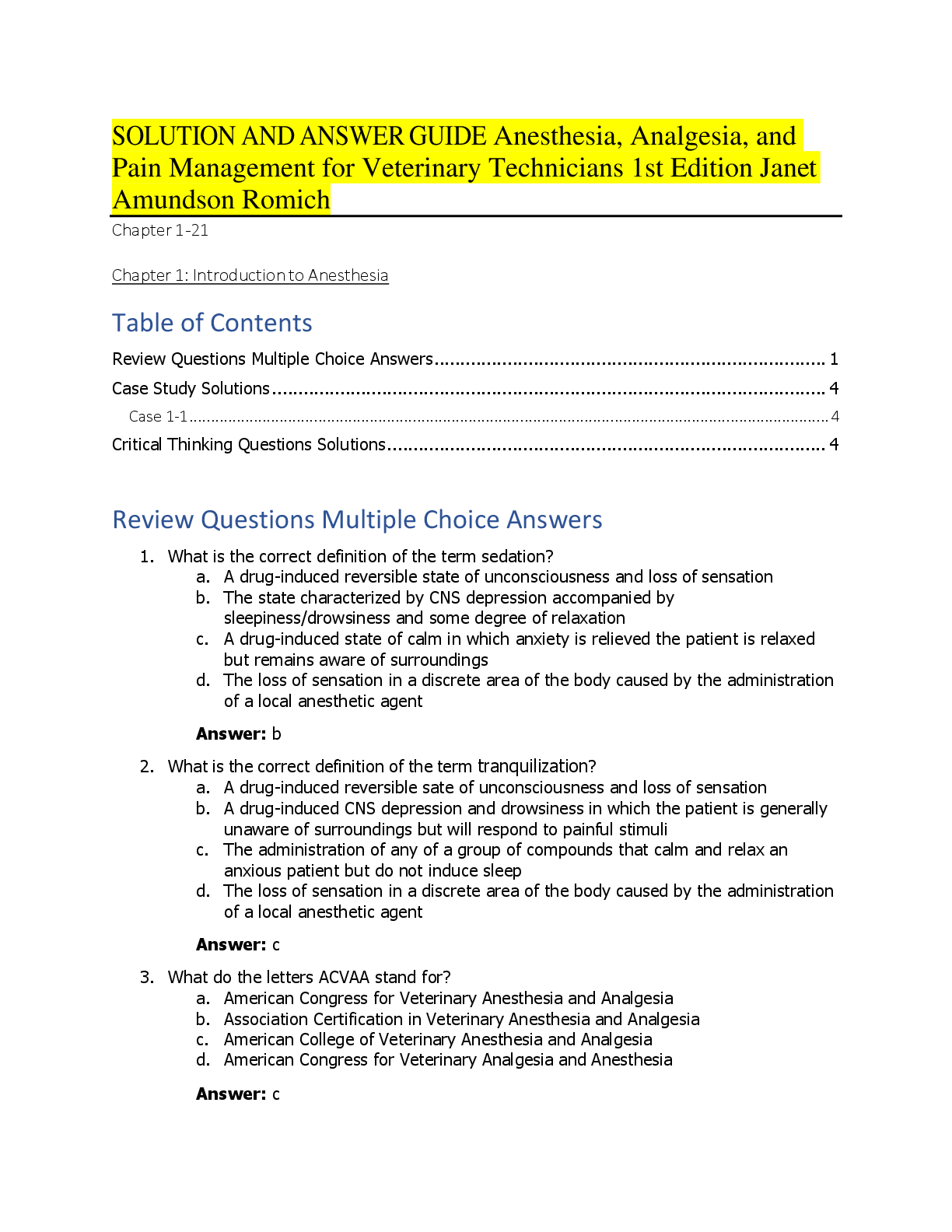
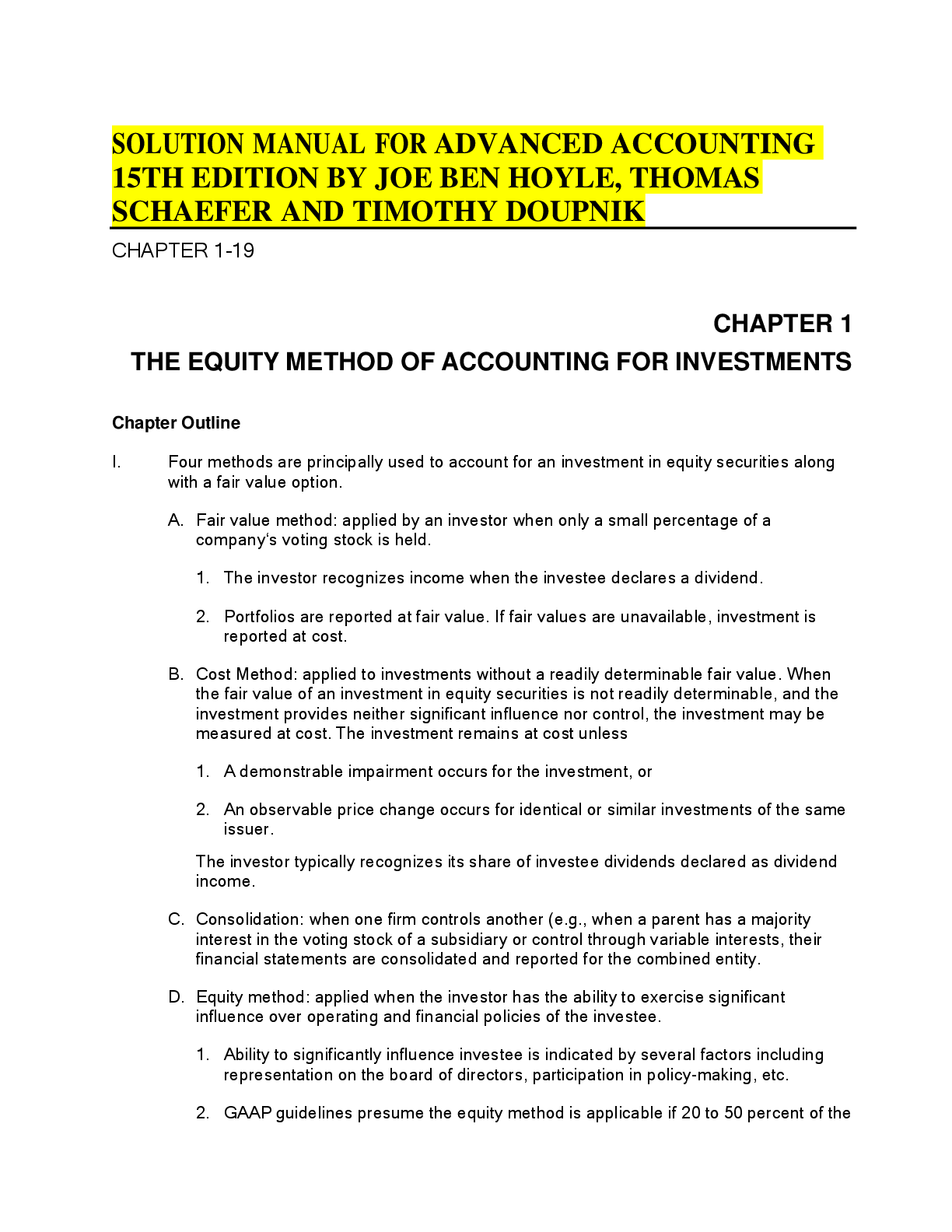
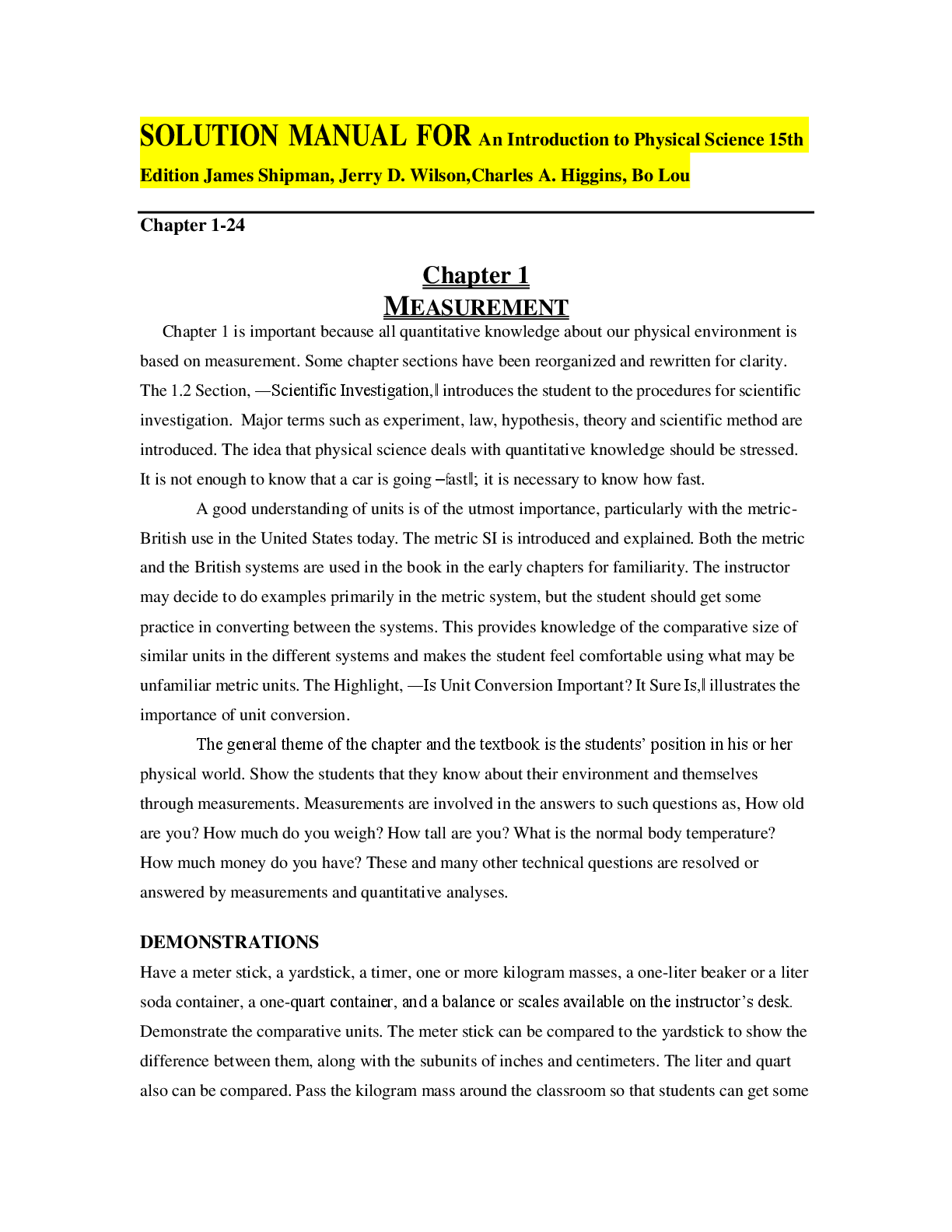
Economics > SOLUTIONS MANUAL > Solution Manual For Managerial Economics, 9th Edition by William F. Samuelson, Stephen G. Marks, Jay (All)
Solution Manual For Managerial Economics, 9th Edition by William F. Samuelson, Stephen G. Marks, Jay L. Zagorsky
Document Content and Description Below
Last updated: 1 year ago
Preview 5 out of 91 pages
Instant download

Loading document previews ...
Buy this Document to get the Full Access Instantly
Provided by Students Who Aced it
We Verify Document Content to Gurantee Accuracy
Reviews( 0 )
Document information
Connected school, study & course
About the document
Uploaded On
Apr 07, 2025
Number of pages
91
Written in
All

Additional information
This document has been written for:
Uploaded
Apr 07, 2025
Downloads
0
Views
59
Topic Tags
Recommended For You
Get more on SOLUTIONS MANUAL »
.png)
Microeconomics Theory and Applications, 13e Edgar Browning, Ma...
.png)
Economics Principles and Policy, 14e William Baumol, Alan Blin...
Principles of Economics, 10e Gregory Mankiw (Solution Manual)
Business Economics, 3e (Australian Edition) N. Gregory Mankiw,...

Essential Foundations of Economics 8e Robin Bade, Michael Park...

Contemporary Labor Economics, 11e Campbell McConnell, Stanley...
Managerial Economics A Problem Solving Approach, 6e Luke Froeb...
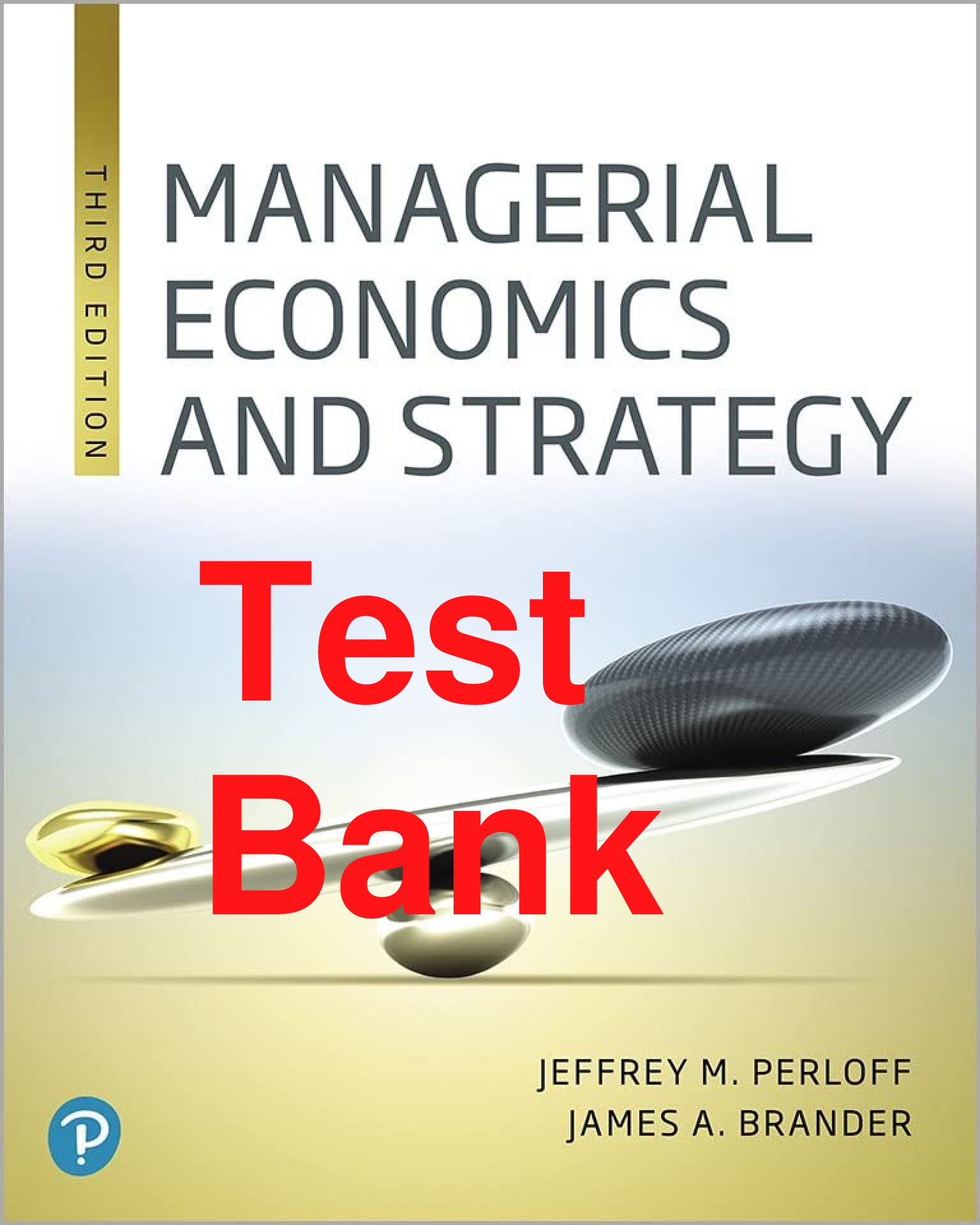
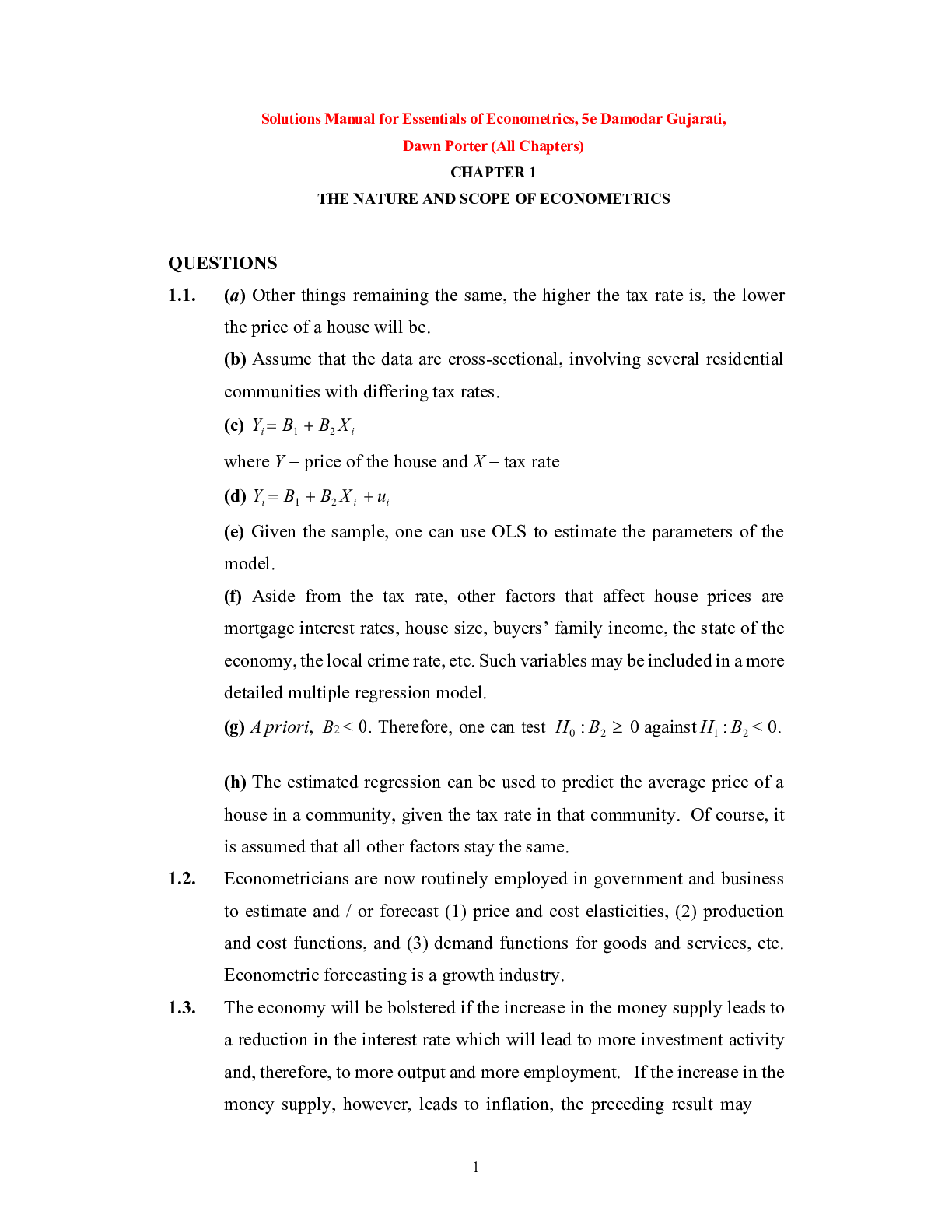
Essentials of Econometrics, 5th Edition by Damodar Gujarati, D...
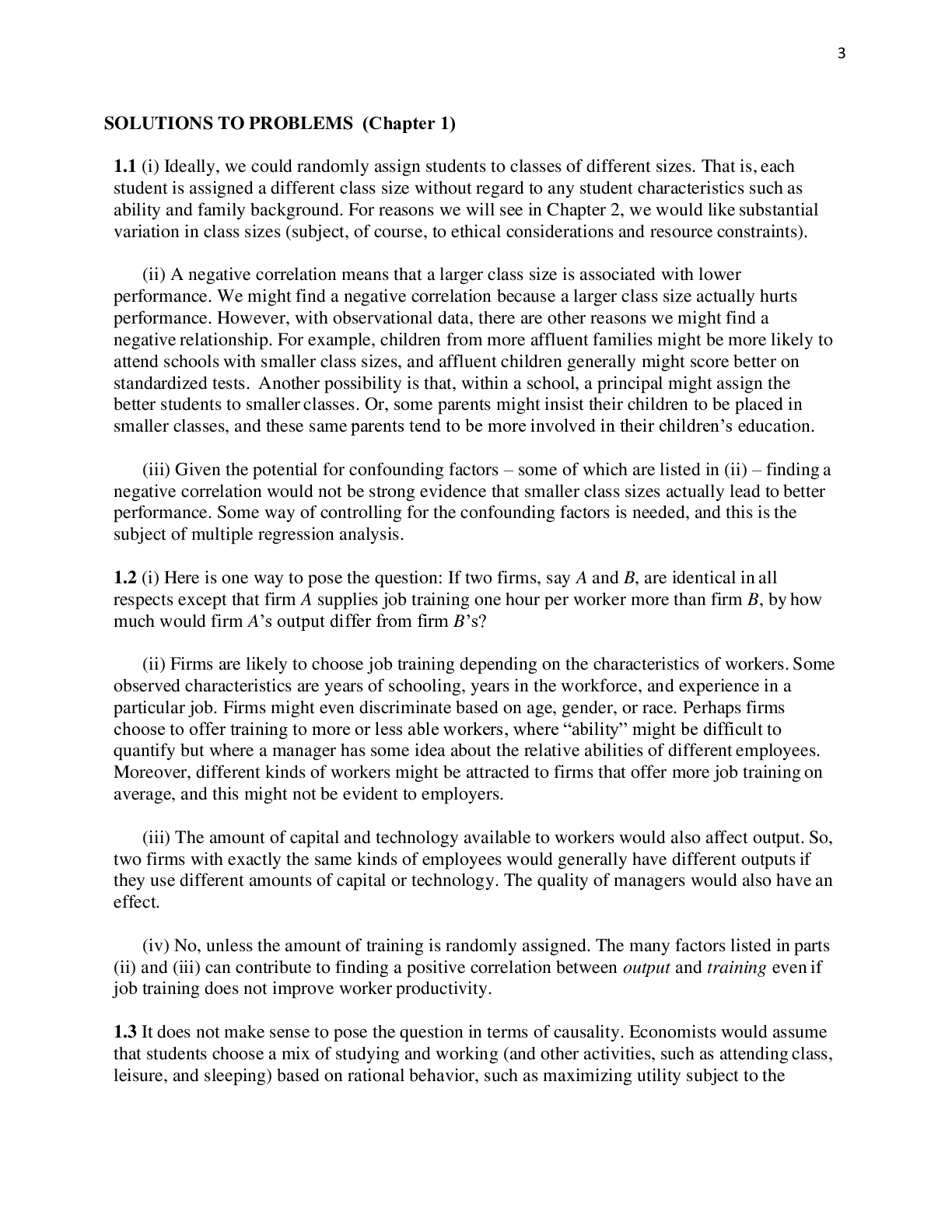
Introductory Econometrics A Modern Approach, 7e Jeffrey Wooldr...
.png)
Microeconomics Theory and Applications, 13e Edgar Browning, Ma...

Principles of Economics, 13e Karl Case, Ray Fair, Sharon Oster...
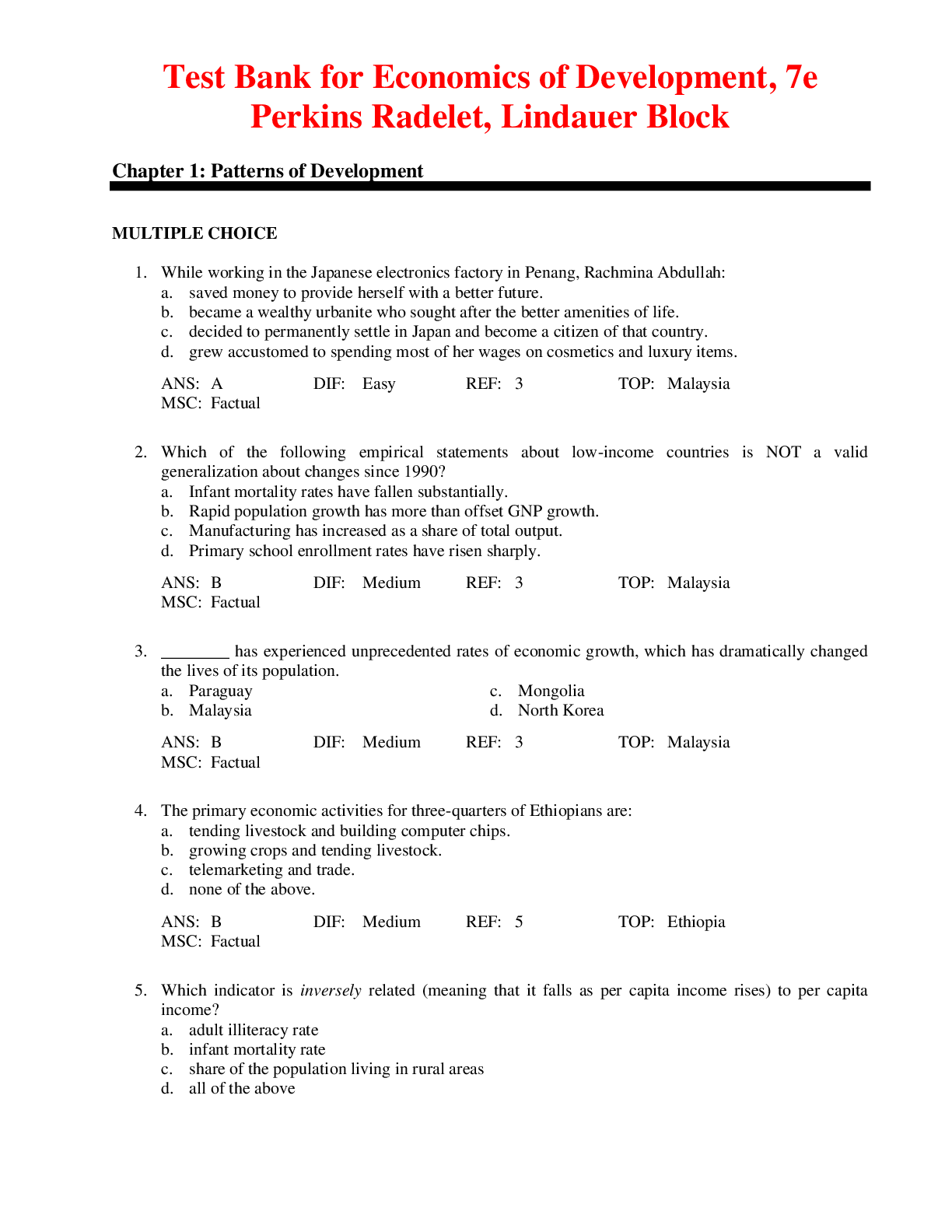
Test Bank for Economics of Development 7e Perkins Radelet, Lin...
International Political Economy, 7e Thomas Oatley (Test Bank)
International Economics, 5e Robert Feenstra, Alan Taylor (Test...

TEST BANK for Principles of Economics, 10th Edition by Gregory...
.png)