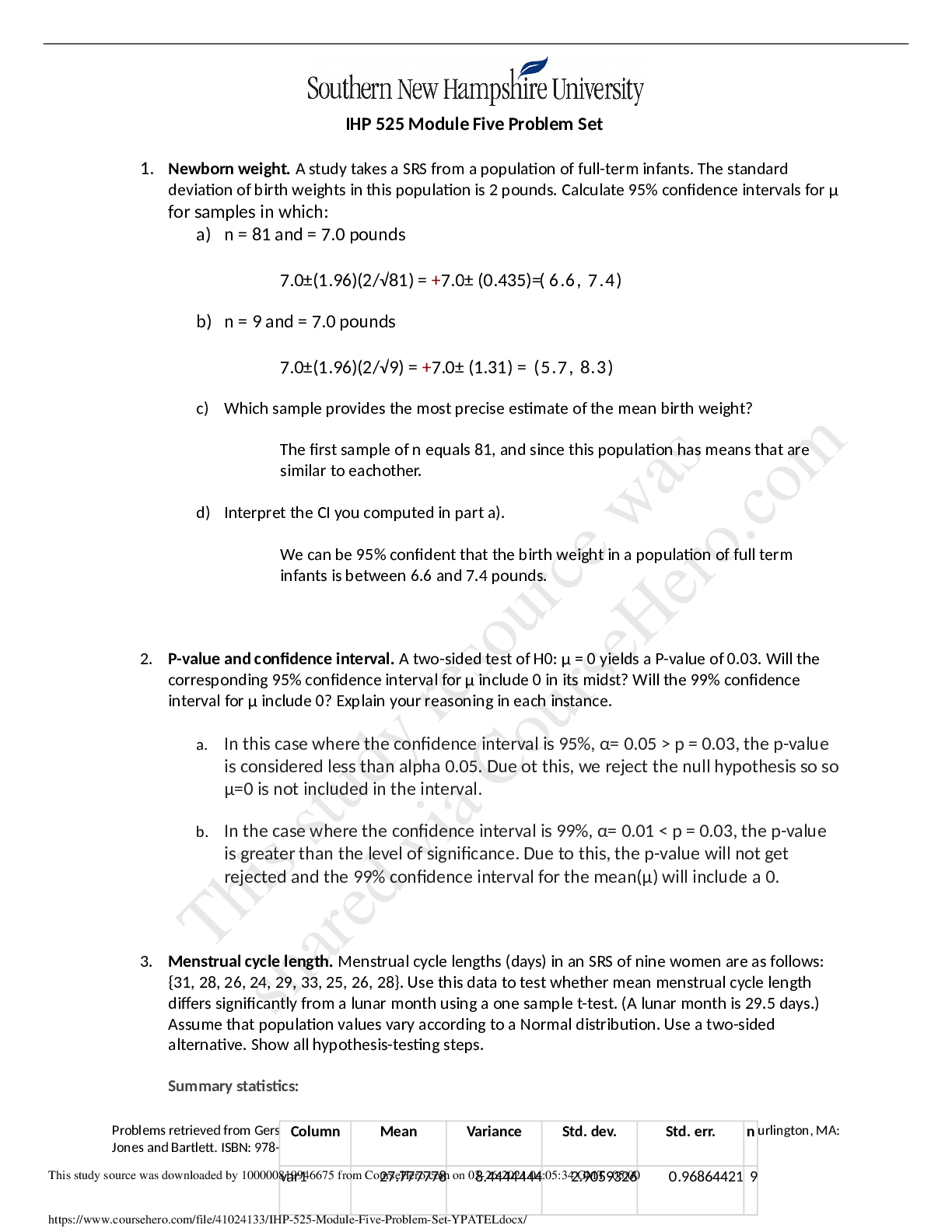
Statistics > STUDY GUIDE > Southern New Hampshire University - IHP 525IHP 525 Module Five Problem Set YPATEL (All)
Southern New Hampshire University - IHP 525IHP 525 Module Five Problem Set YPATEL
Document Content and Description Below
Last updated: 7 months ago
Preview 1 out of 4 pages
Instant download
Buy this Document to get the Full Access Instantly
Provided by Students Who Aced it
We Verify Document Content to Gurantee Accuracy
Reviews( 0 )
Document information
Connected school, study & course
About the document
Uploaded On
Mar 26, 2021
Number of pages
4
Written in
All

Additional information
This document has been written for:
Uploaded
Mar 26, 2021
Downloads
0
Views
164
Topic Tags
Recommended For You
Get more on STUDY GUIDE »
Southern New Hampshire University - HIS 1_ US History 1 (Test...
Sampling Design and Analysis, 3e by Sharon Lohr (Solutions Man...
.png)
TEST BANK for Business Statistics, 4e Norean Sharpe, Richard V...
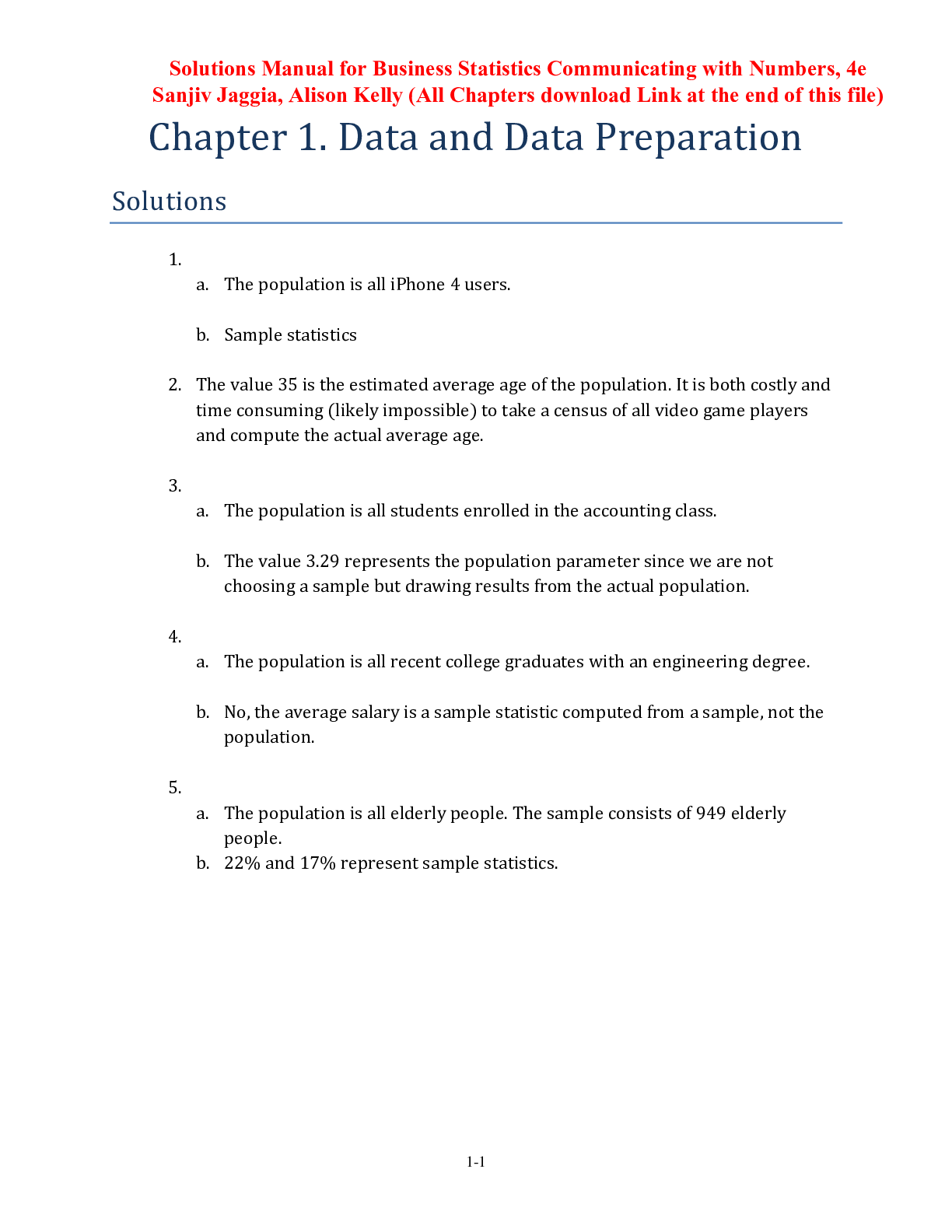
Solutions Manual for Business Statistics Communicating with Nu...
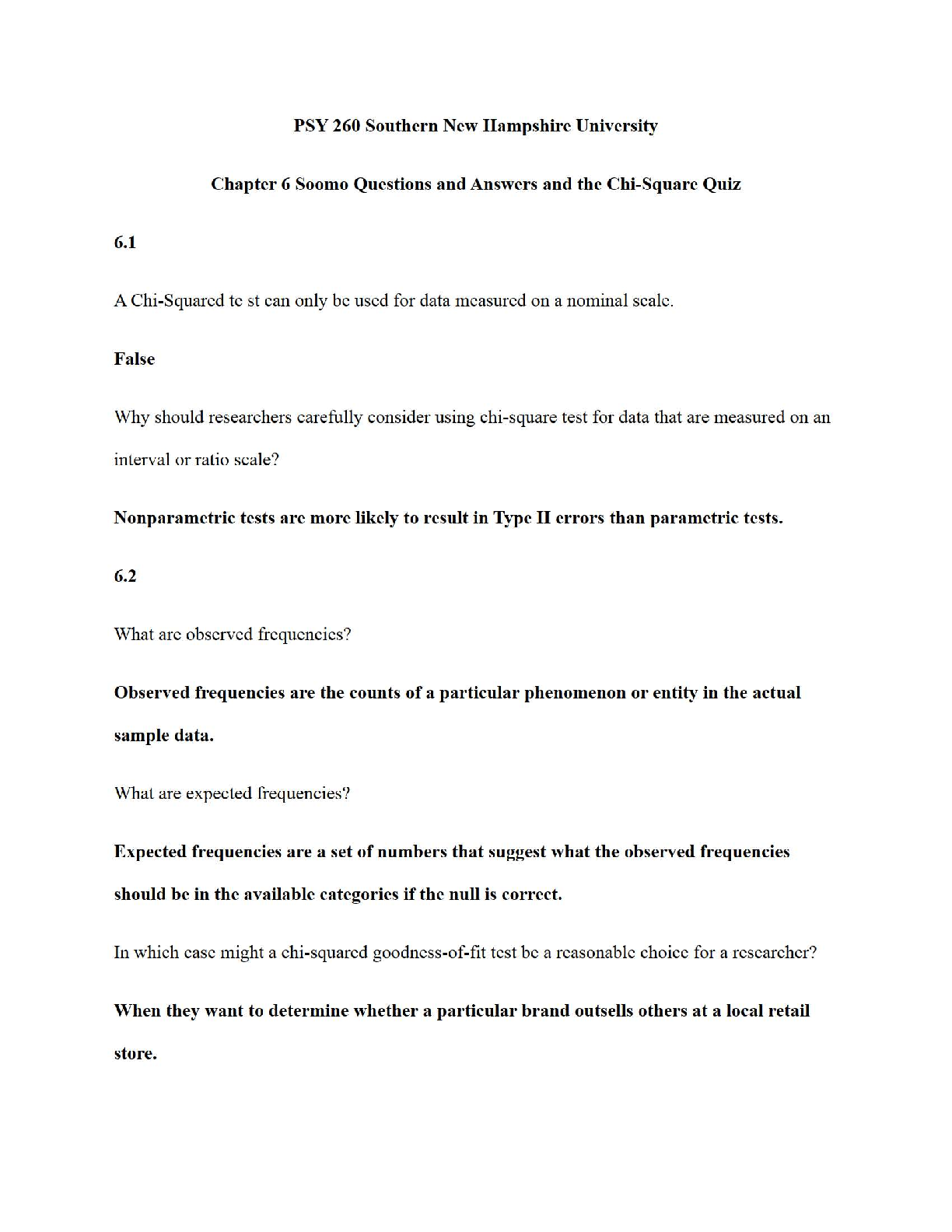
PSY 260 - Southern New Hampshire University - Module 6 Soomo W...

Southern New Hampshire UniversityHUM 200Exploration_Document_D...
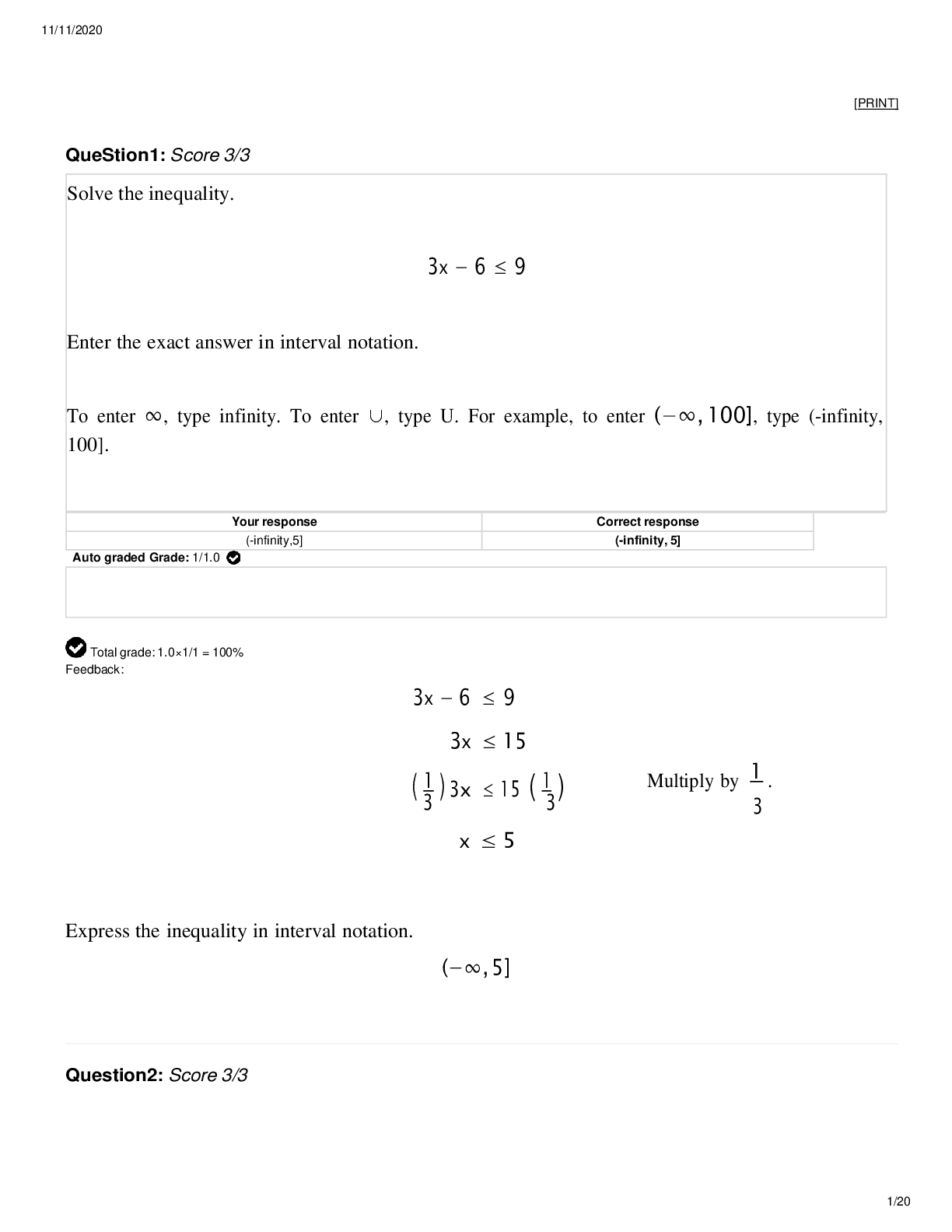
Southern New Hampshire University 3 3 Problem Set Module Three...

Southern New Hampshire University 8 2 Problem Set Module Eight...
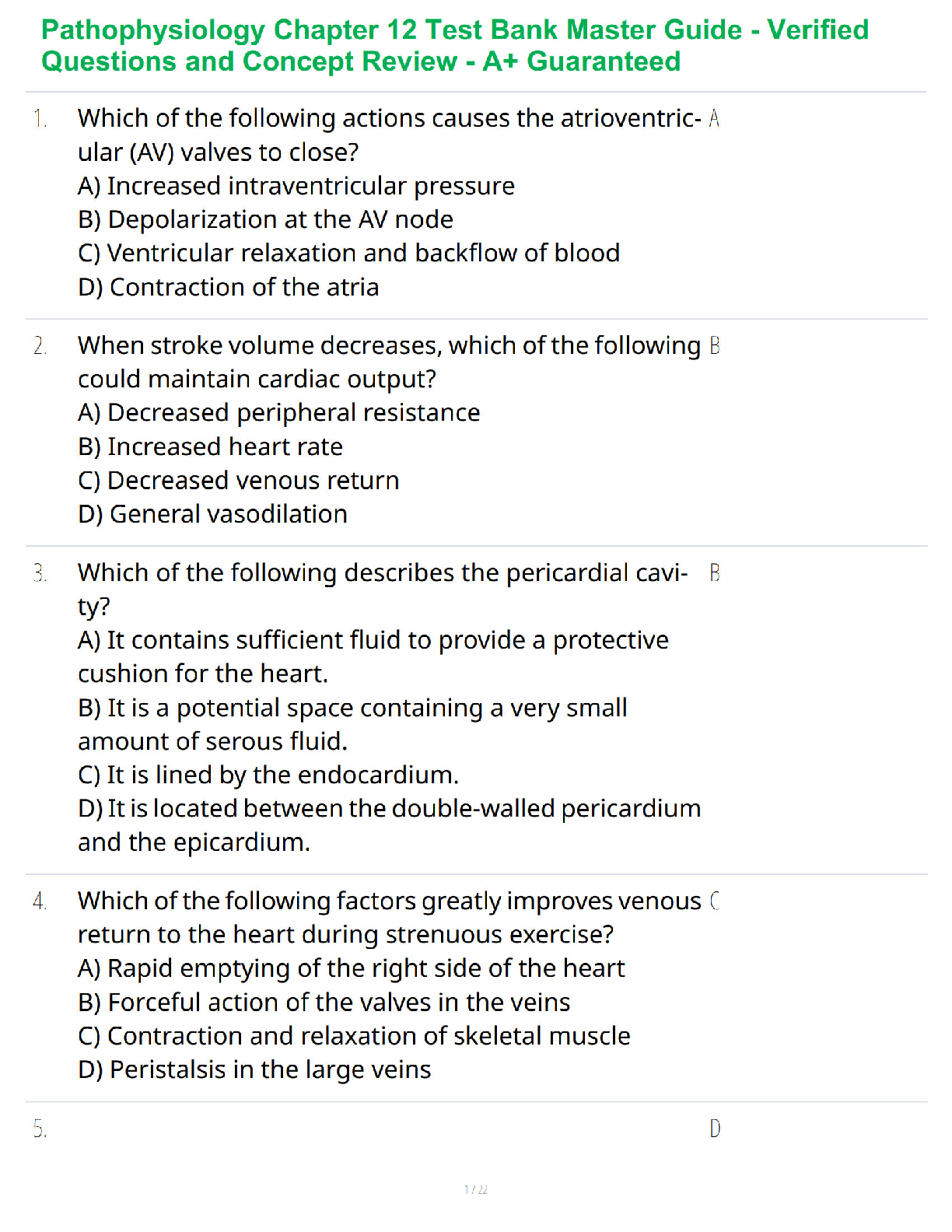

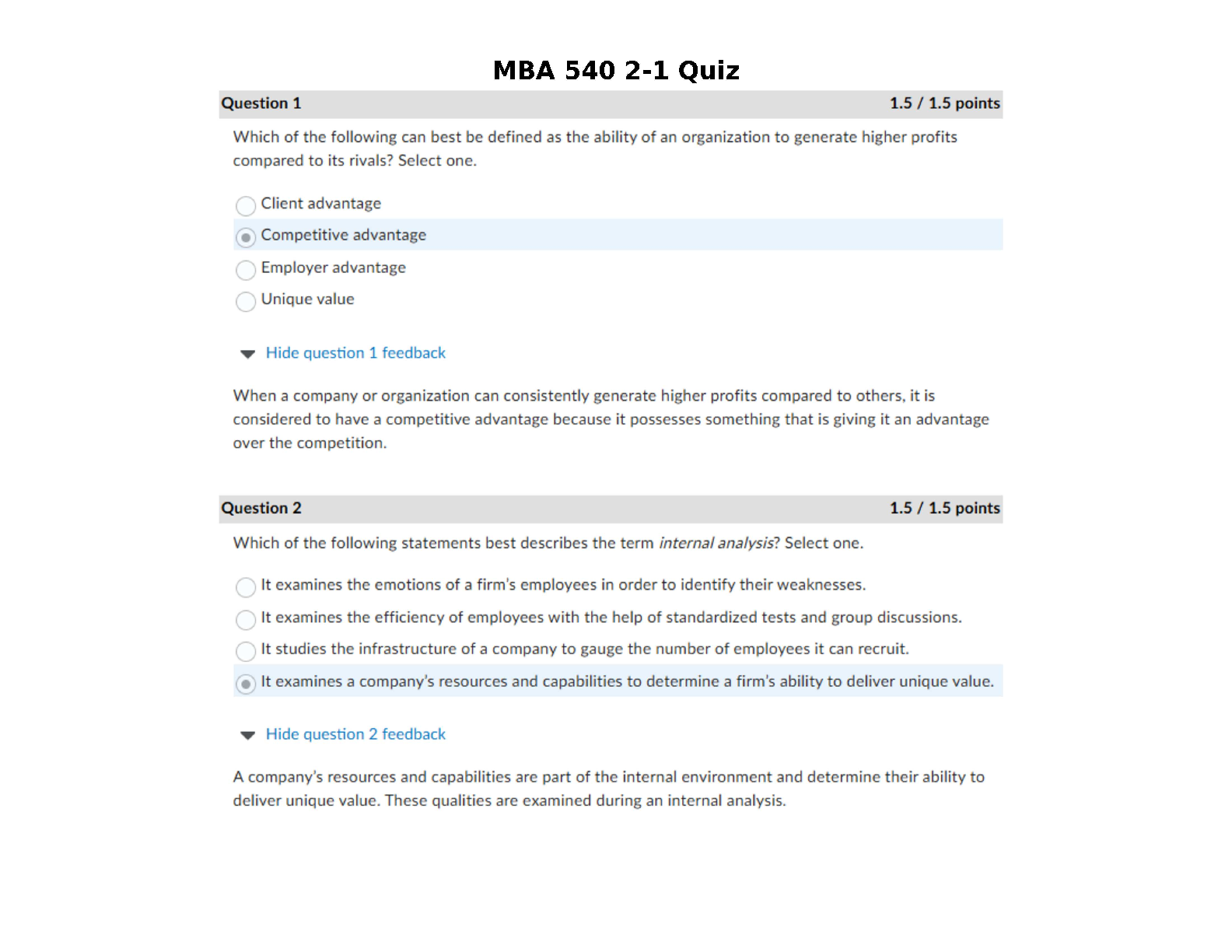
Southern New Hampshire University School name MBA 540 2-1 Quiz...

Southern New Hampshire University MBA 540 4-3 Quiz: Milestone...

Southern New Hampshire University - MAT 133Mat133 3_4 Homework...

Southern New Hampshire University - QSO 5003-1 Final Project M...

Southern New Hampshire University - HIS 100 R6686HIS 100 Topic...





.png)