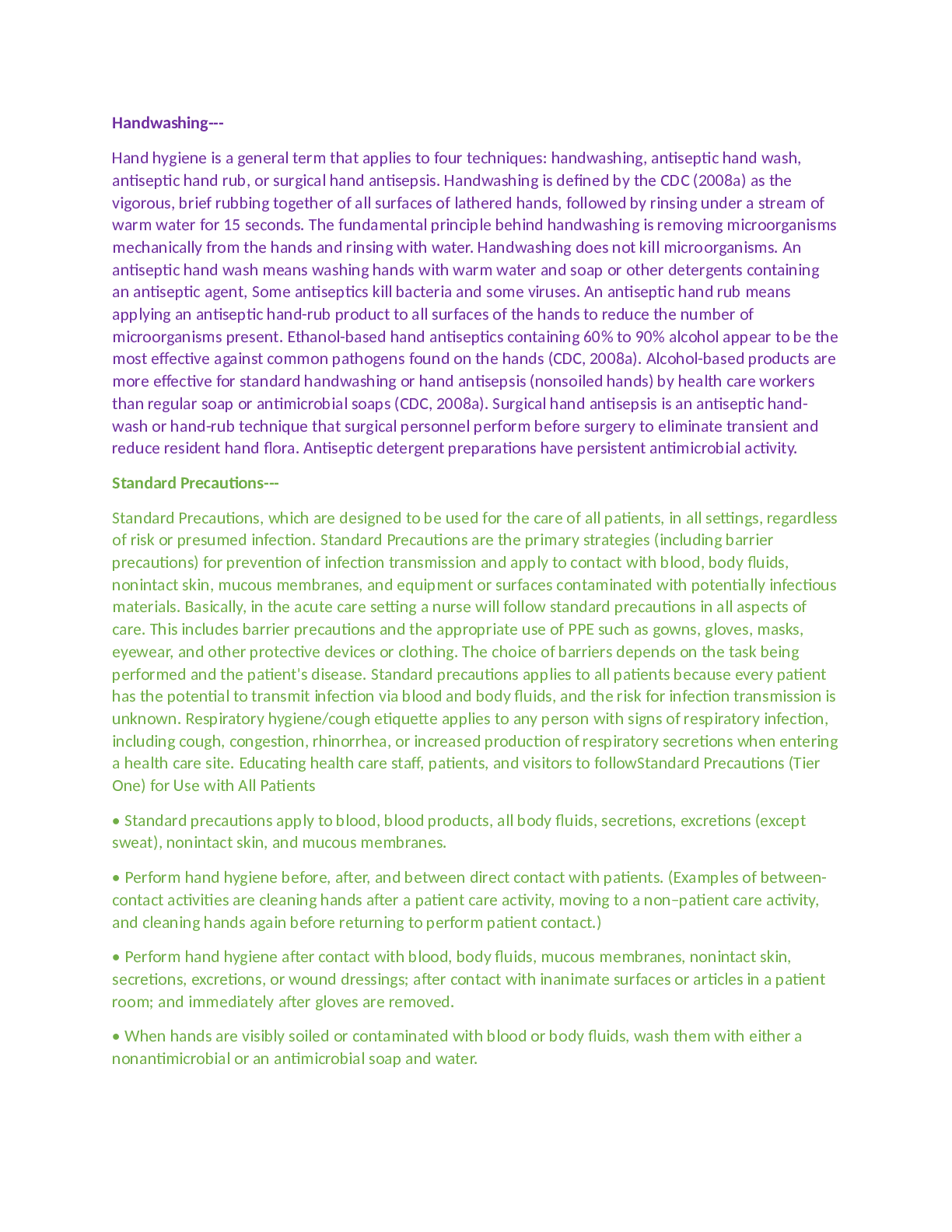
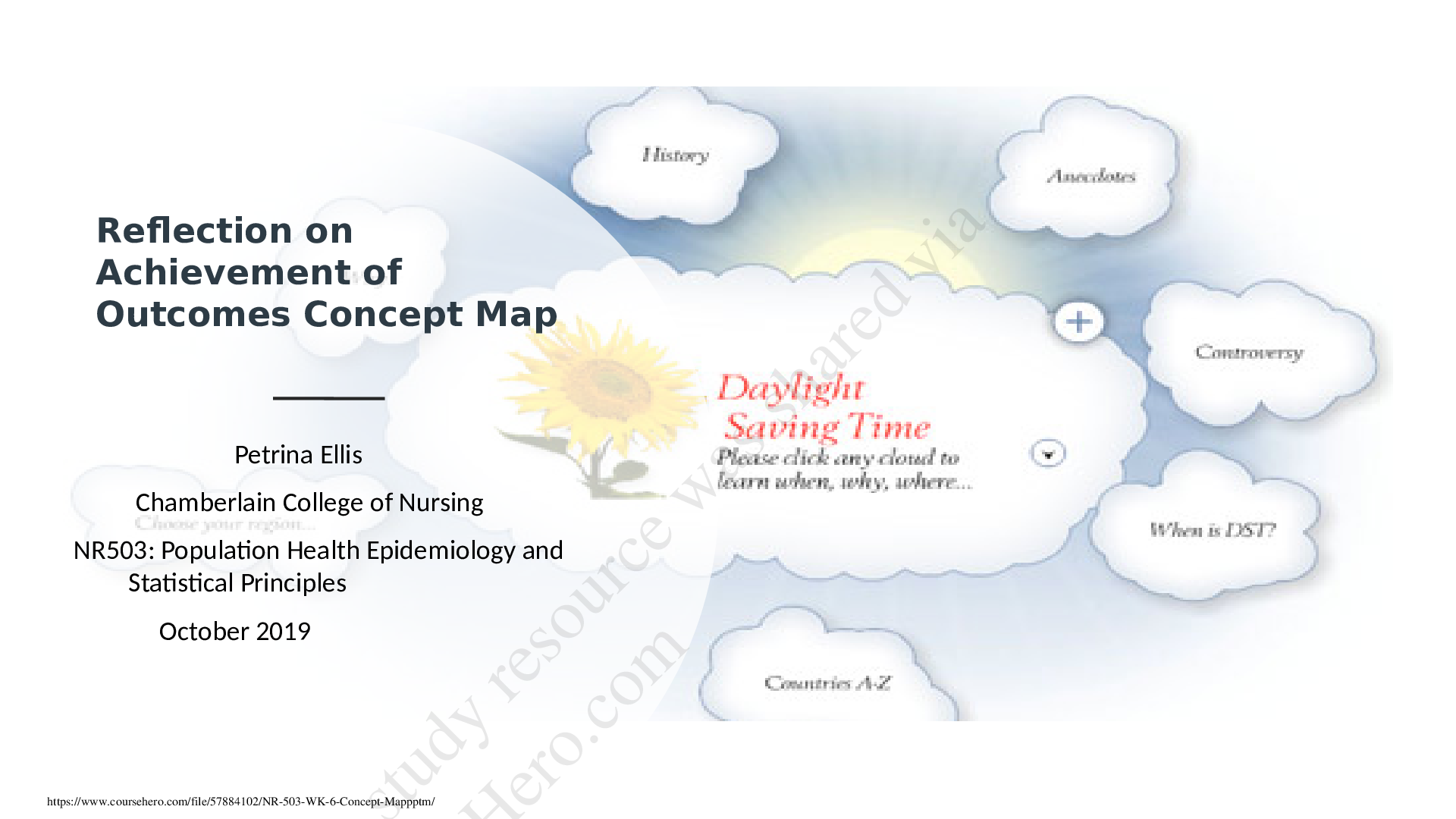
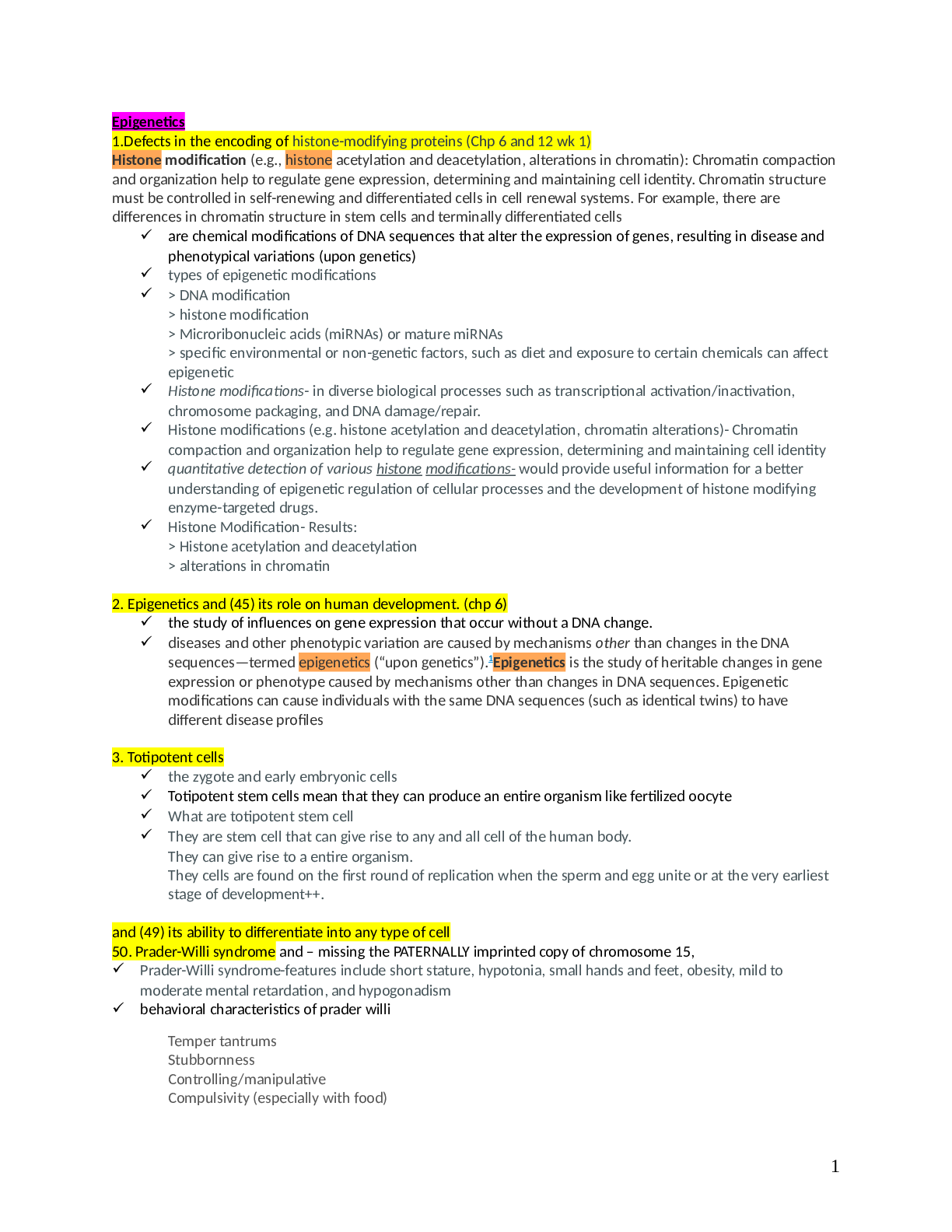
Forensic Science > STUDY GUIDE > Forensic Science: History & Development University of Illinois, Urbana Champaign - ANTH 246Anth 246 (All)
Forensic Science: History & Development University of Illinois, Urbana Champaign - ANTH 246Anth 246 Week 1.
Document Content and Description Below
Last updated: 8 months ago
Preview 1 out of 21 pages
Instant download

Buy this Document to get the Full Access Instantly
Provided by Students Who Aced it
We Verify Document Content to Gurantee Accuracy
Reviews( 0 )
Document information
Connected school, study & course
About the document
Uploaded On
Mar 26, 2021
Number of pages
21
Written in
All

Additional information
This document has been written for:
Uploaded
Mar 26, 2021
Downloads
0
Views
194
Topic Tags
Recommended For You
Get more on STUDY GUIDE »
Test Bank for Forensic Science The Basics, 4e by Kathy Mirakov...

TEST BANK FORENSIC SCIENCE An Introduction to Scientific and I...

Criminalistics Introduction to Forensic Science 13th Edition B...
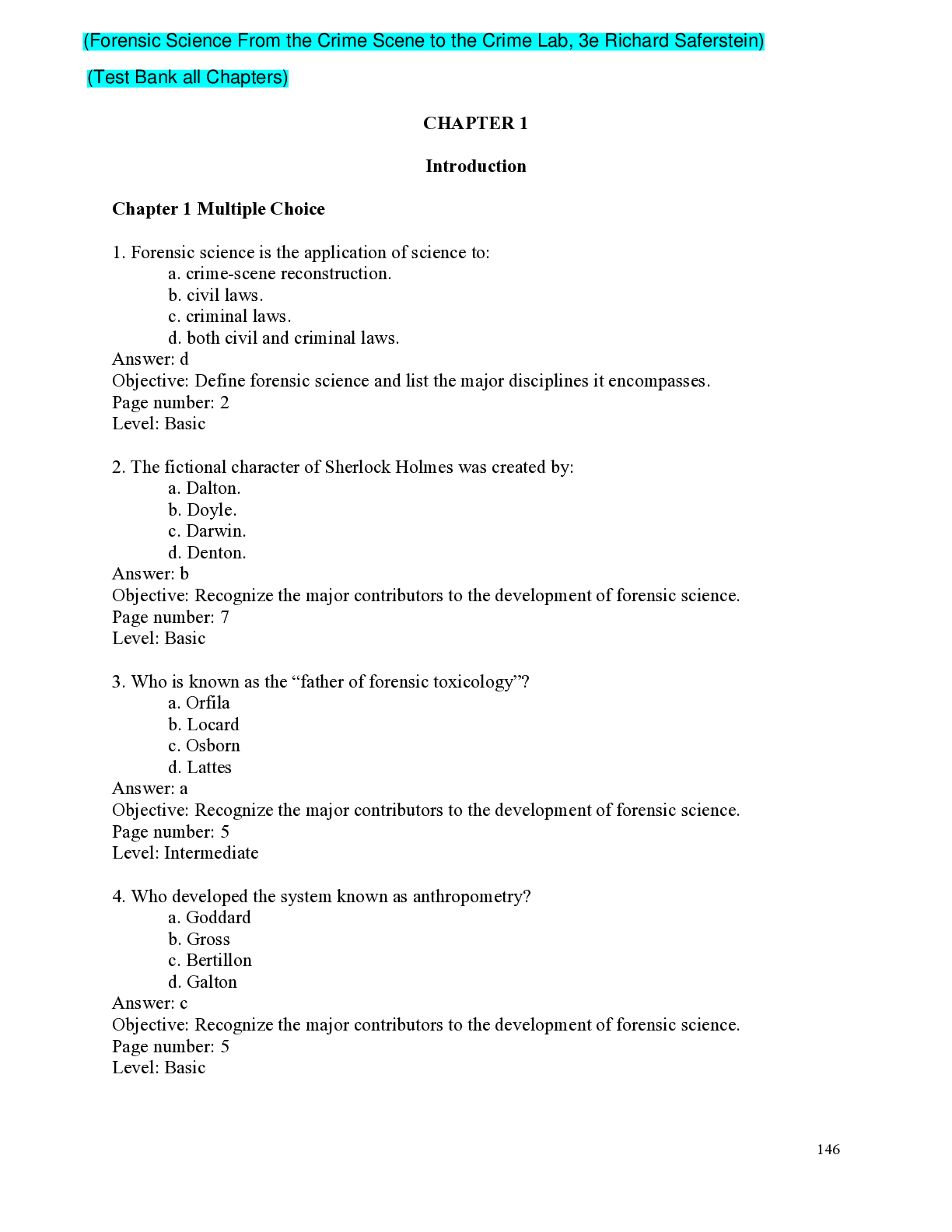
Forensic Science From the Crime Scene to the Crime Lab, 3e Ric...
Forensic Science The Basics, 4e by Kathy Mirakovits, Jay Siege...

Forensic Science An Introduction to Scientific and Investigati...
TEST BANK FORENSIC SCIENCE An Introduction to Scientific and I...

eBook [PDF] Carbohydrate Based Therapeutics 1st Edition By Ada...

Forensic Evidence Management From the Crime Scene to the Court...

eBook [PDF] Handbook of Semiconductors. Fundamentals to Emergi...
Solutions Manual For Applied Management Science Modeling Sprea...

Introduction to Criminal Justice Information Systems By Ralph...
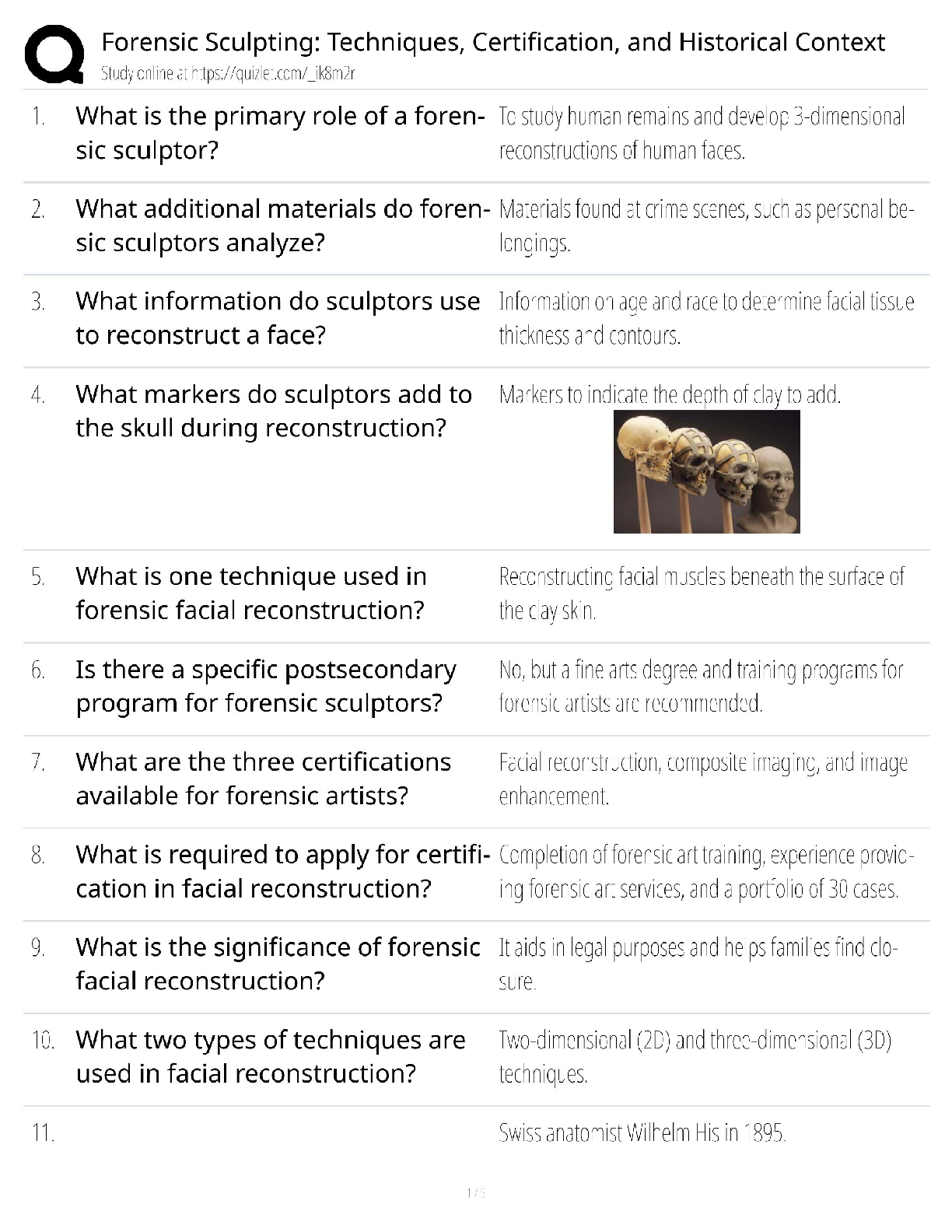
Forensic Sculpting Techniques / Certification & History / 2026...

IRSC CRIME SCENE EXAMPREP 2026 COMPLETE QUESTIONS AND ANSWERS...
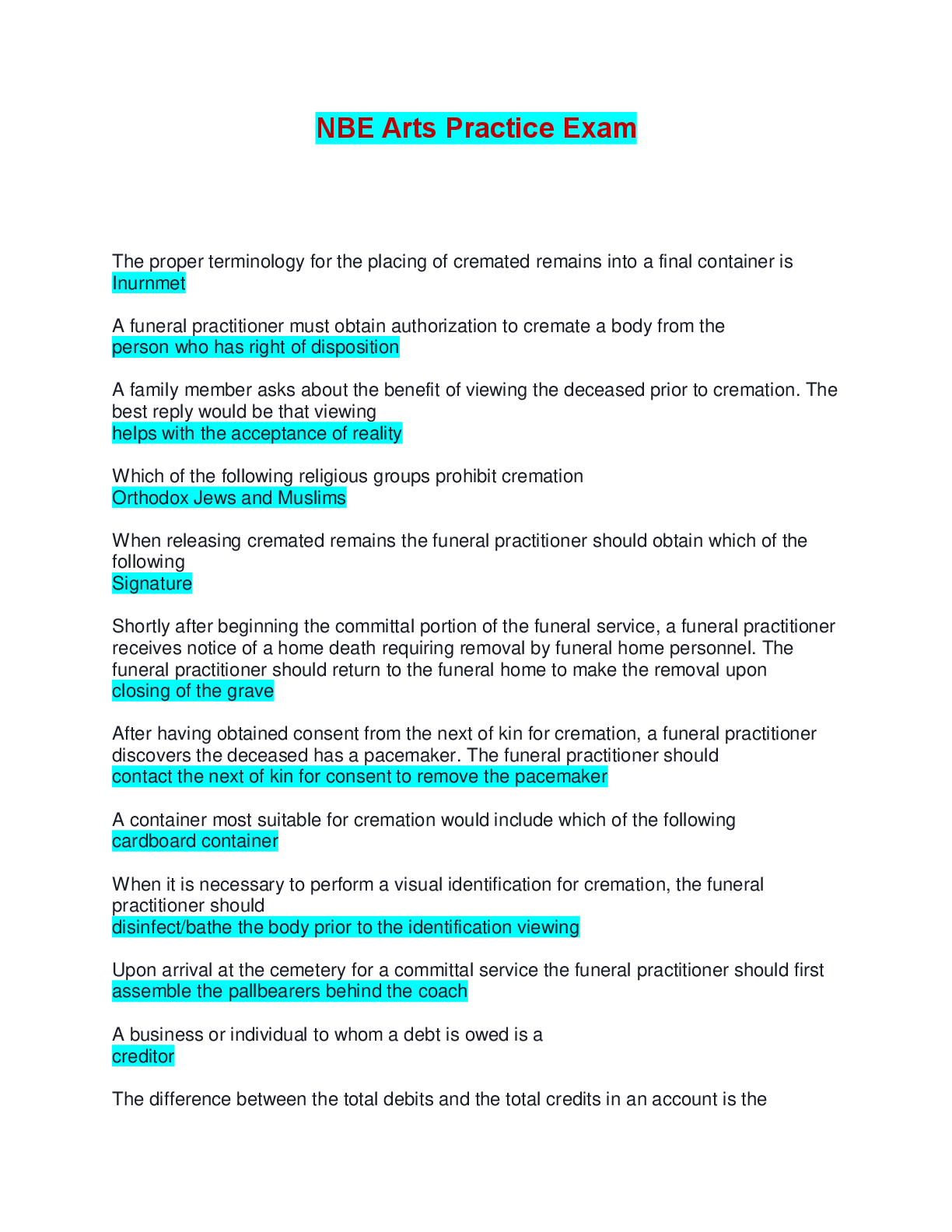
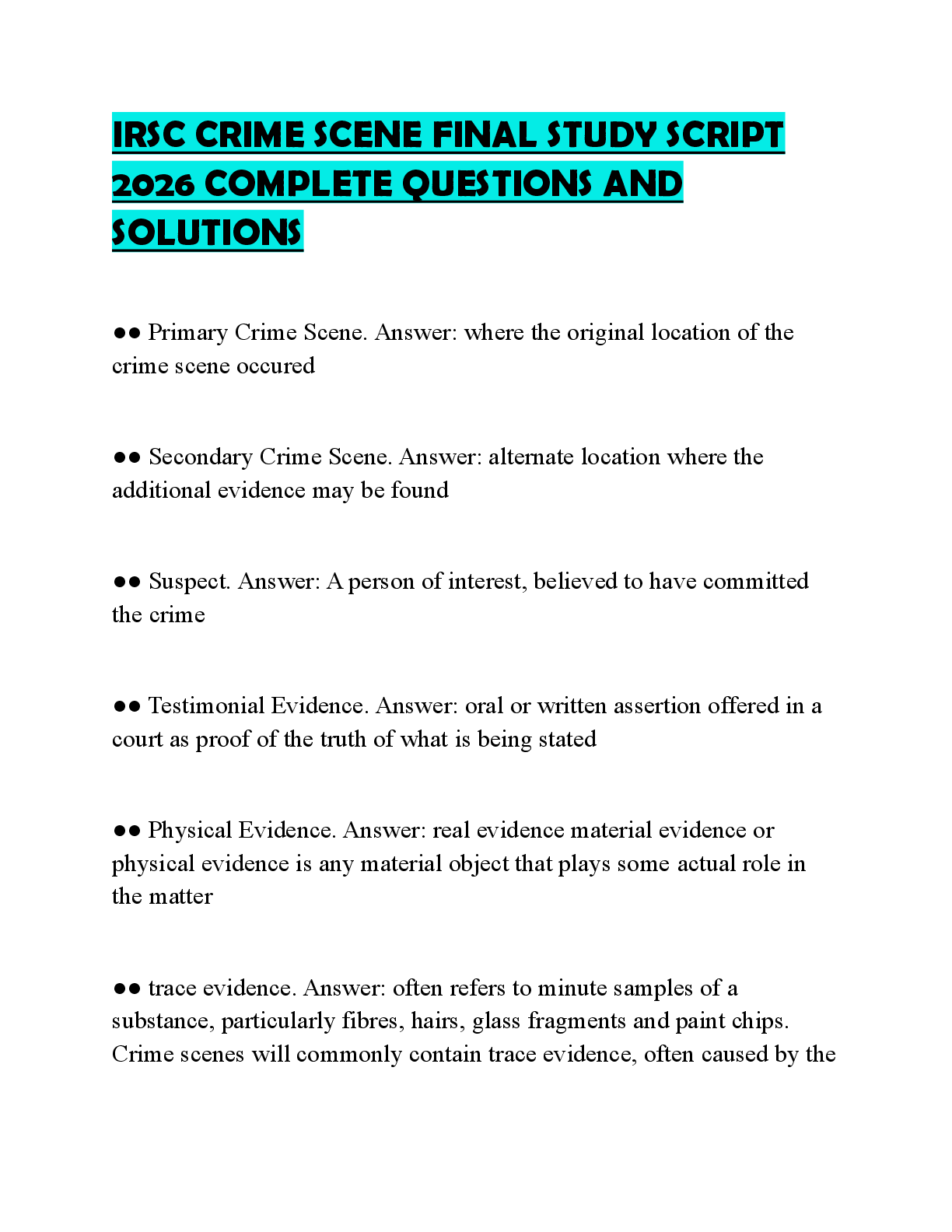
IRSC CRIME SCENE FINAL STUDY SCRIPT 2026 COMPLETE QUESTIONS AN...
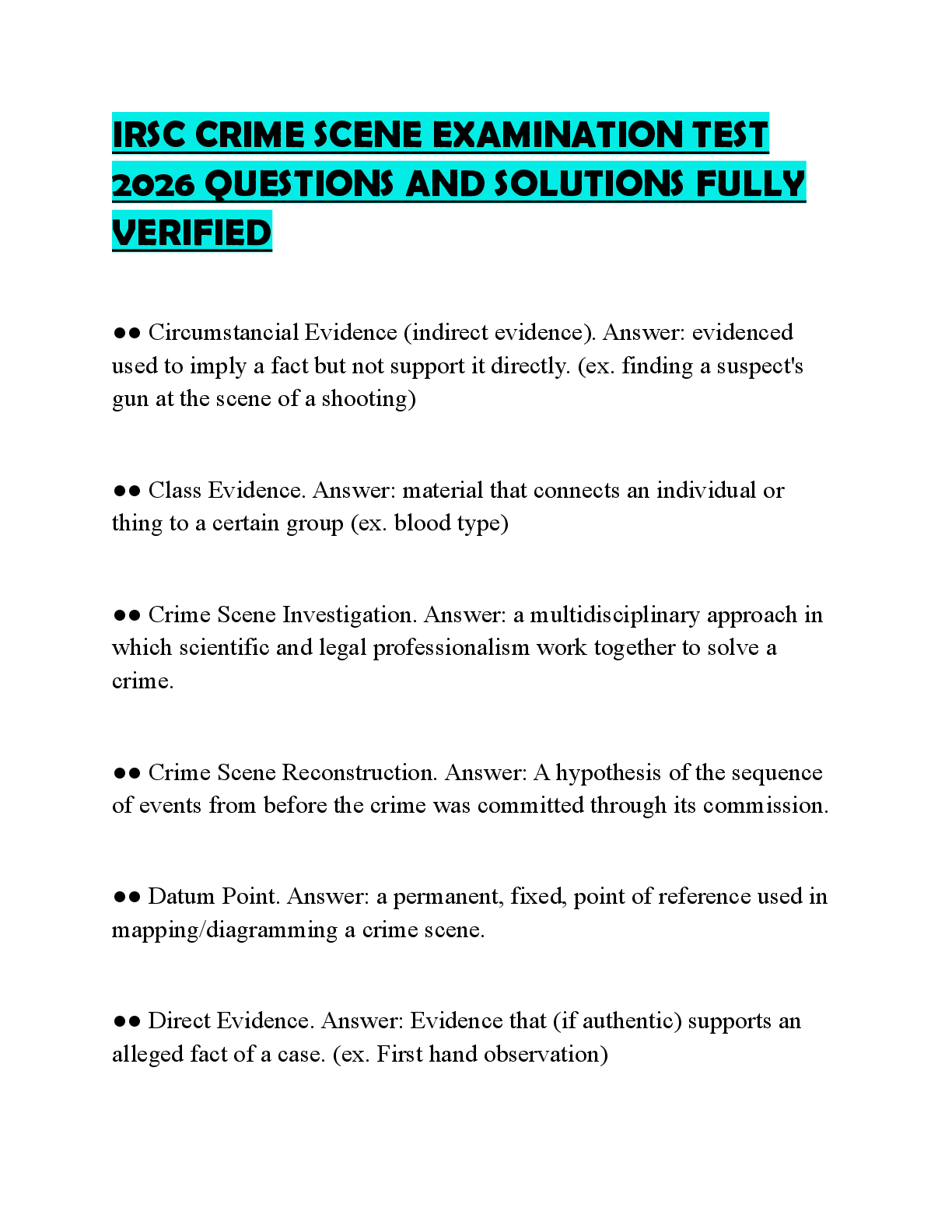
IRSC CRIME SCENE EXAMPREP 2026 COMPLETE QUESTIONS AND ANSWERS...




.png)