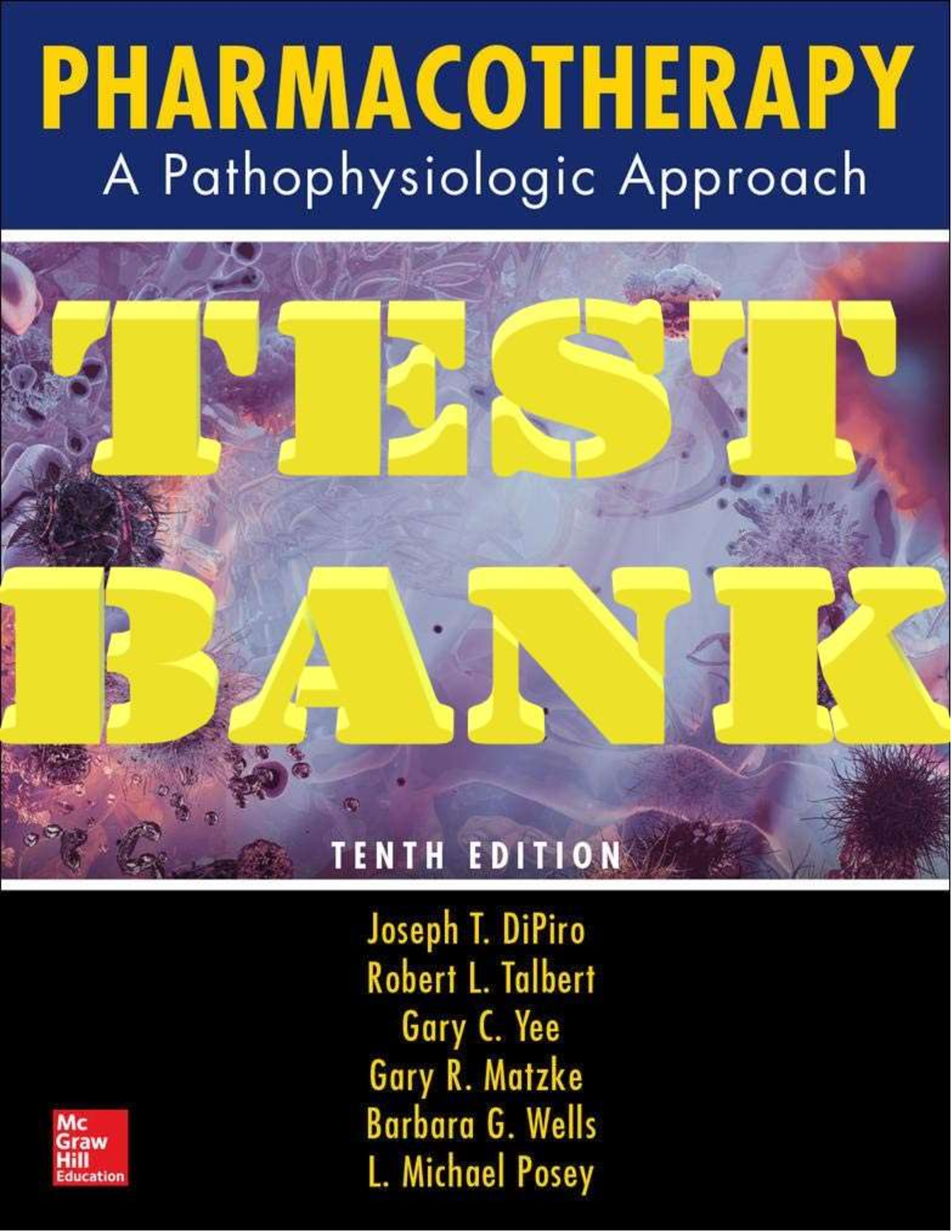
Pharmacology > TEST BANKS > Pharmacotherapy A Pathophysiologic Approach 10th Edition By Joseph T. Dipiro, Robert L. Talbert, Gar (All)
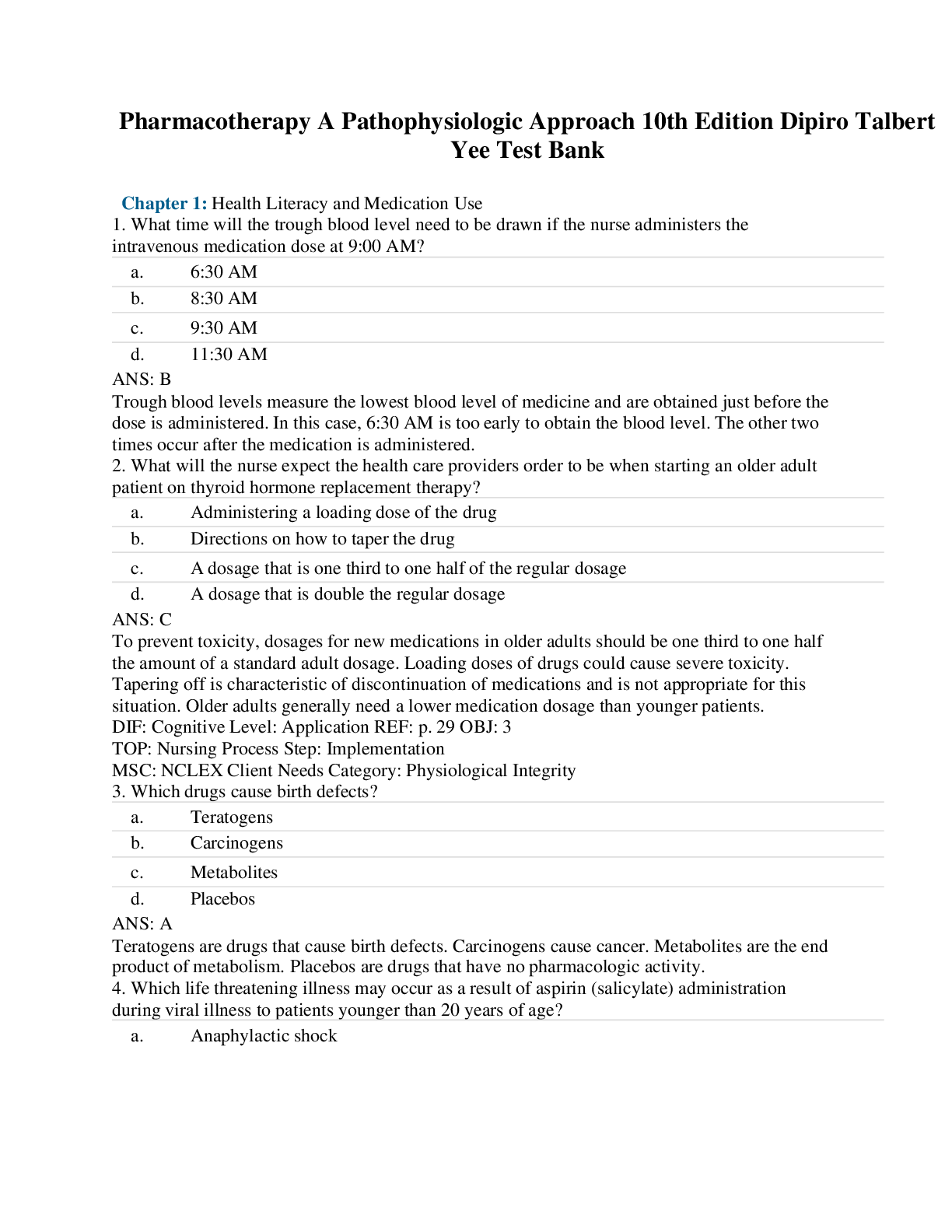
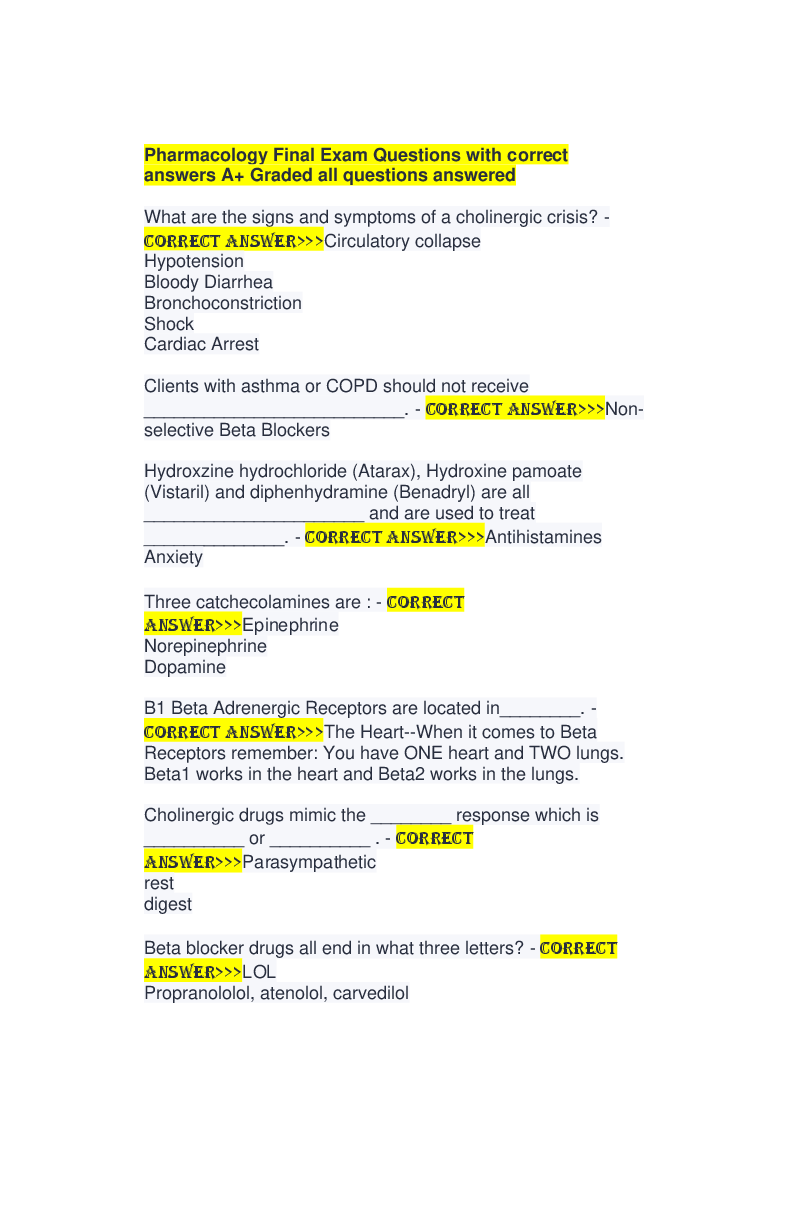
Pharmacotherapy A Pathophysiologic Approach 10th Edition By Joseph T. Dipiro, Robert L. Talbert, Gary C. Yee, Gary R. Matzke, Barbara G. Wells, L. Michael Posey TEST BANK
Document Content and Description Below
Last updated: 1 year ago
Preview 1 out of 404 pages
Instant download
Buy this Document to get the Full Access Instantly
Provided by Students Who Aced it
We Verify Document Content to Gurantee Accuracy
Reviews( 0 )
Document information
Connected school, study & course
About the document
Uploaded On
Jun 19, 2025
Number of pages
404
Written in
All

Additional information
This document has been written for:
Uploaded
Jun 19, 2025
Downloads
0
Views
108
Topic Tags
Related Subjects & Courses
Explore similar study resources and related concepts.
Recommended For You
Get more on TEST BANKS »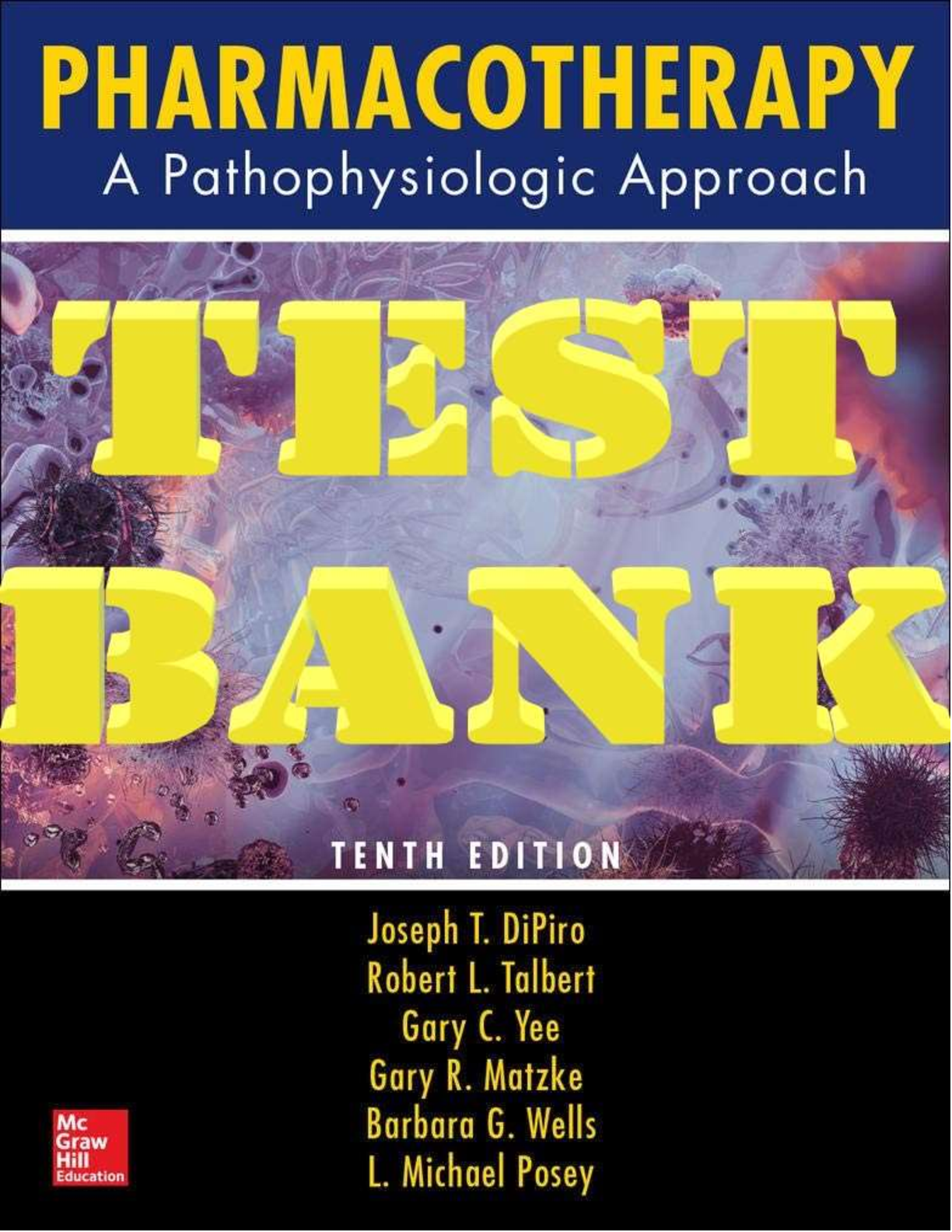

TEST BANK for Pharmacotherapy A Pathophysiologic Approach 10th...
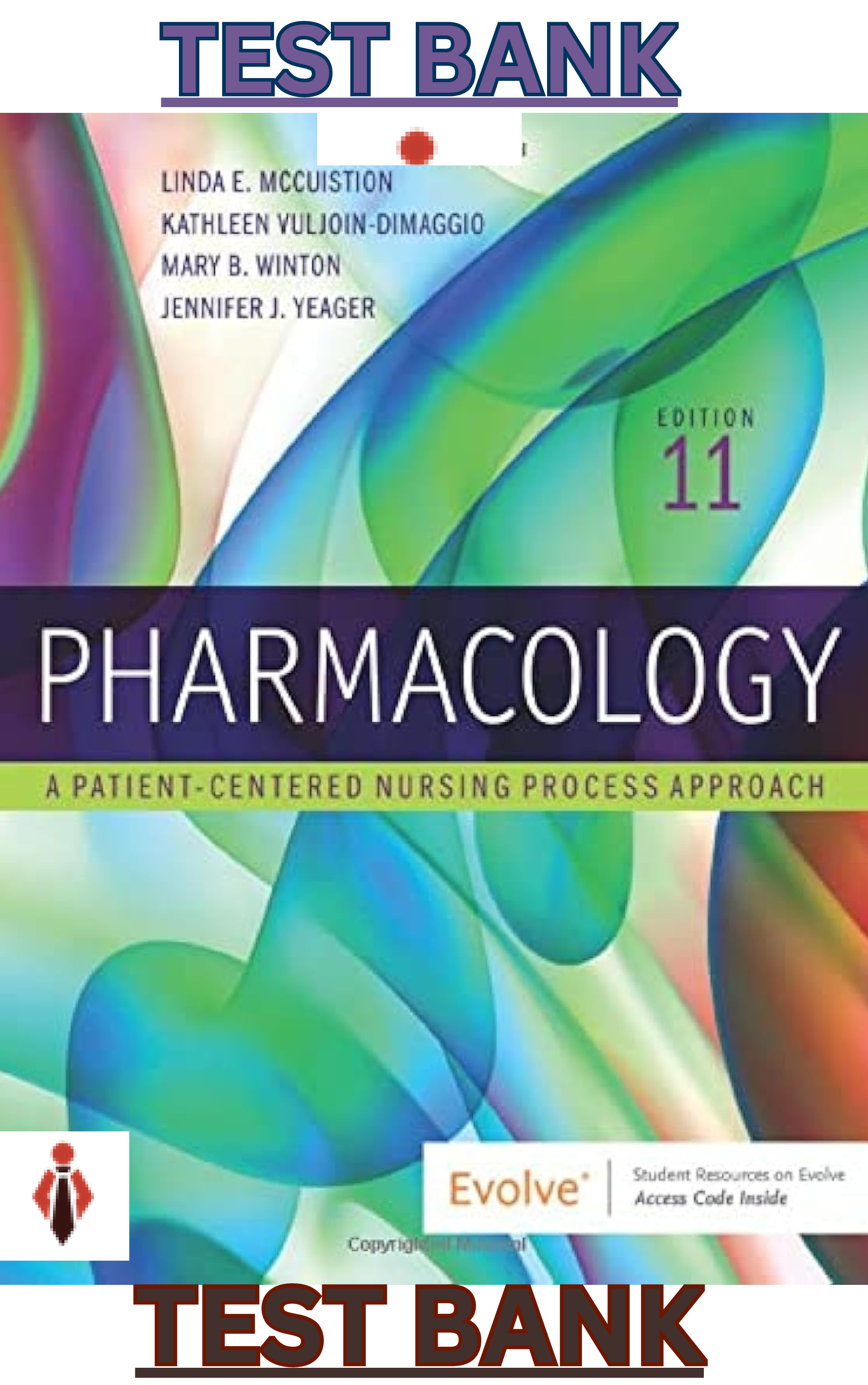
TEST BANK for Pharmacology: A Patient Centered Nursing Approac...
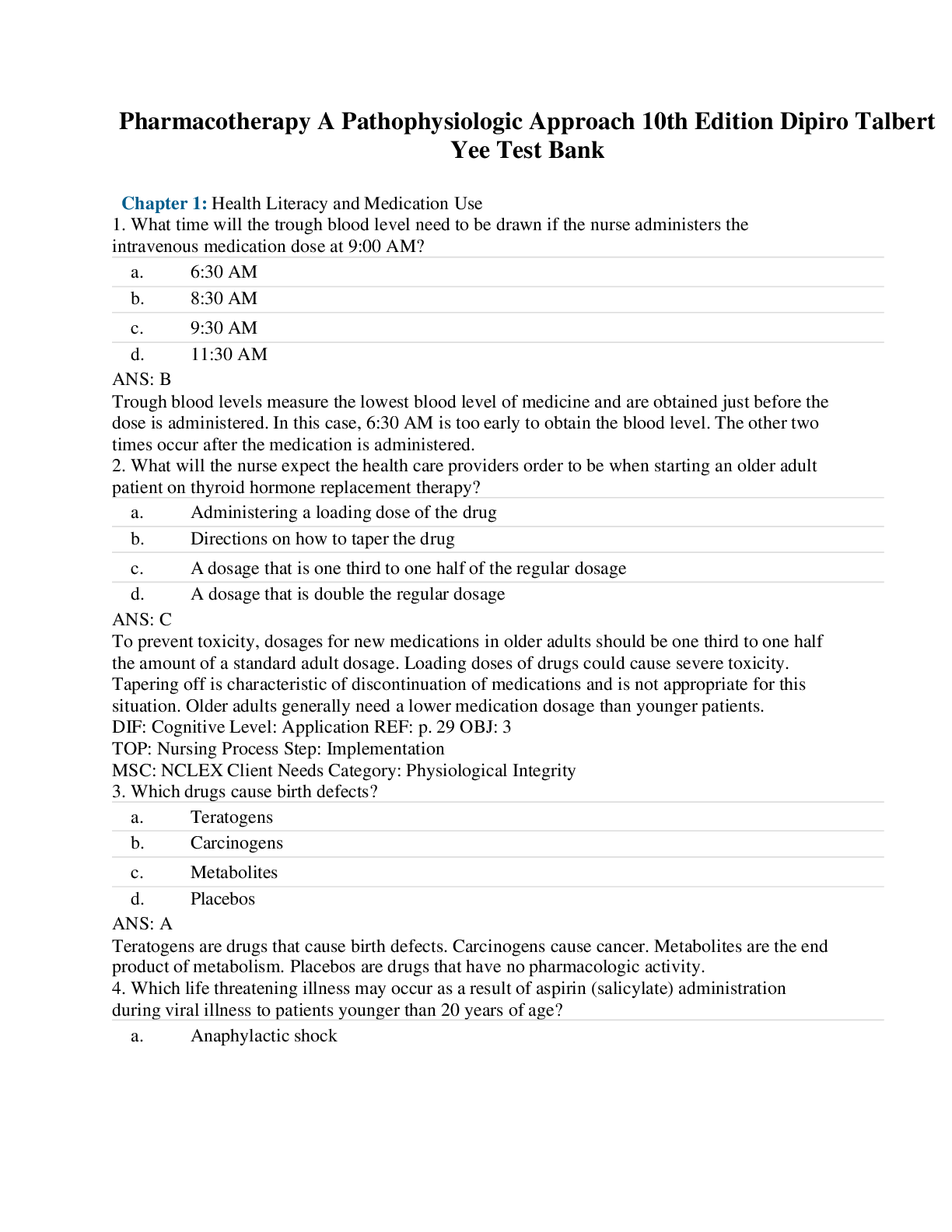
Test Bank for Pharmacotherapy A Pathophysiologic Approach 10th...