Statistics > QUESTIONS & ANSWERS > University of California, Santa Barbara - PSTAT 172PSTAT172B Multiple Decrement HW solution (All)
University of California, Santa Barbara - PSTAT 172PSTAT172B Multiple Decrement HW solution
Document Content and Description Below
Last updated: 7 months ago
Preview 1 out of 18 pages
Instant download

Buy this Document to get the Full Access Instantly
Provided by Students Who Aced it
We Verify Document Content to Gurantee Accuracy
Reviews( 0 )
Document information
Connected school, study & course
About the document
Uploaded On
Apr 06, 2021
Number of pages
18
Written in
All

Additional information
This document has been written for:
Uploaded
Apr 06, 2021
Downloads
0
Views
128
Topic Tags
Recommended For You
Get more on QUESTIONS & ANSWERS »
Solutions Manual for Statistical Rethinking 2nd Edition A Baye...
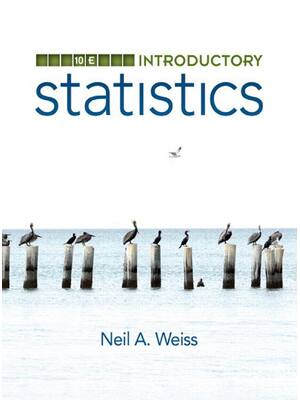
Introductory Statistics, 10th Edition By Neil A. Weiss eBook [...
TEST BANK for Advanced and Multivariate Statistical Methods, 6...

Test Bank for Advanced and Multivariate Statistical Methods Pr...
Test Bank Statistics A Tool for Social Research and Data Analy...

eBook Advanced and Multivariate Statistical Methods Practical...
Statistics and Data Analysis for Financial Engineering 2nd Edi...
SOLUTIONS MANUAL for Elementary Statistics: A Step by Step App...
TEST BANK FOR Essentials Of Statistics For The Behavioral Scie...
TEST BANK FOR Essentials Of Statistics For The Behavioral Sci...
Test Bank For Elementary Statistics: Picturing the World 6th E...
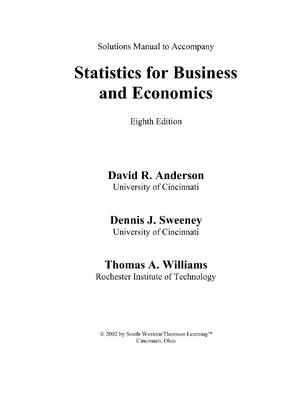
Solution Manual For Statistics for Business and Economics 8th...

Solutions Manual_Fundamentals of Statistics 6th Edition By Mic...

eBook [PDF] Dynamic Equations on Time Scales and Applications...

eBook [PDF] Intelligent Fatigue Statistics 1st Edition By Zhen...
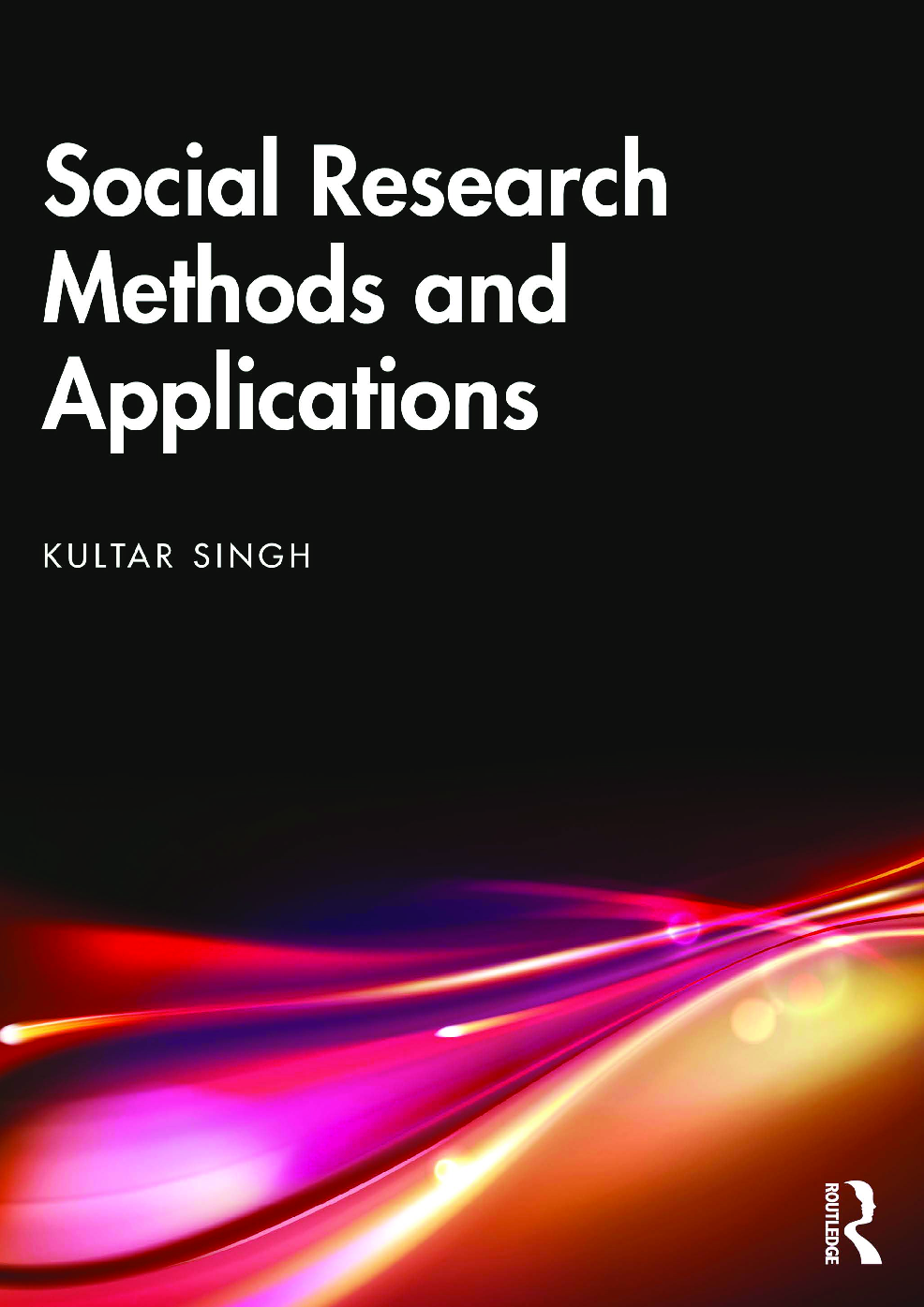
Social Research Methods and Applications Qualitative By Kultar...
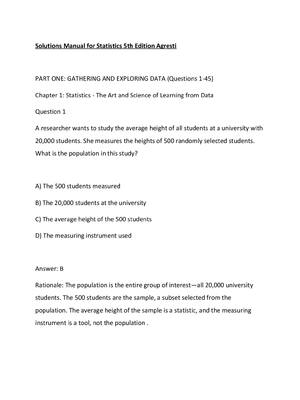
UCL MASTER'S PROGRAM LEVEL BASIC STATS EXAM LATEST 2026/2027 R...