Electronics > STUDY GUIDE > California Polytechnic State University, San Luis Obispo - EE 308EE308_HW4_F2012solutions (All)
California Polytechnic State University, San Luis Obispo - EE 308EE308_HW4_F2012solutions
Document Content and Description Below
Last updated: 8 months ago
Preview 1 out of 6 pages
Instant download
Buy this Document to get the Full Access Instantly
Provided by Students Who Aced it
We Verify Document Content to Gurantee Accuracy
Reviews( 0 )
Document information
Connected school, study & course
About the document
Uploaded On
Apr 06, 2021
Number of pages
6
Written in
All

Additional information
This document has been written for:
Uploaded
Apr 06, 2021
Downloads
0
Views
138
Topic Tags
Recommended For You
Get more on STUDY GUIDE »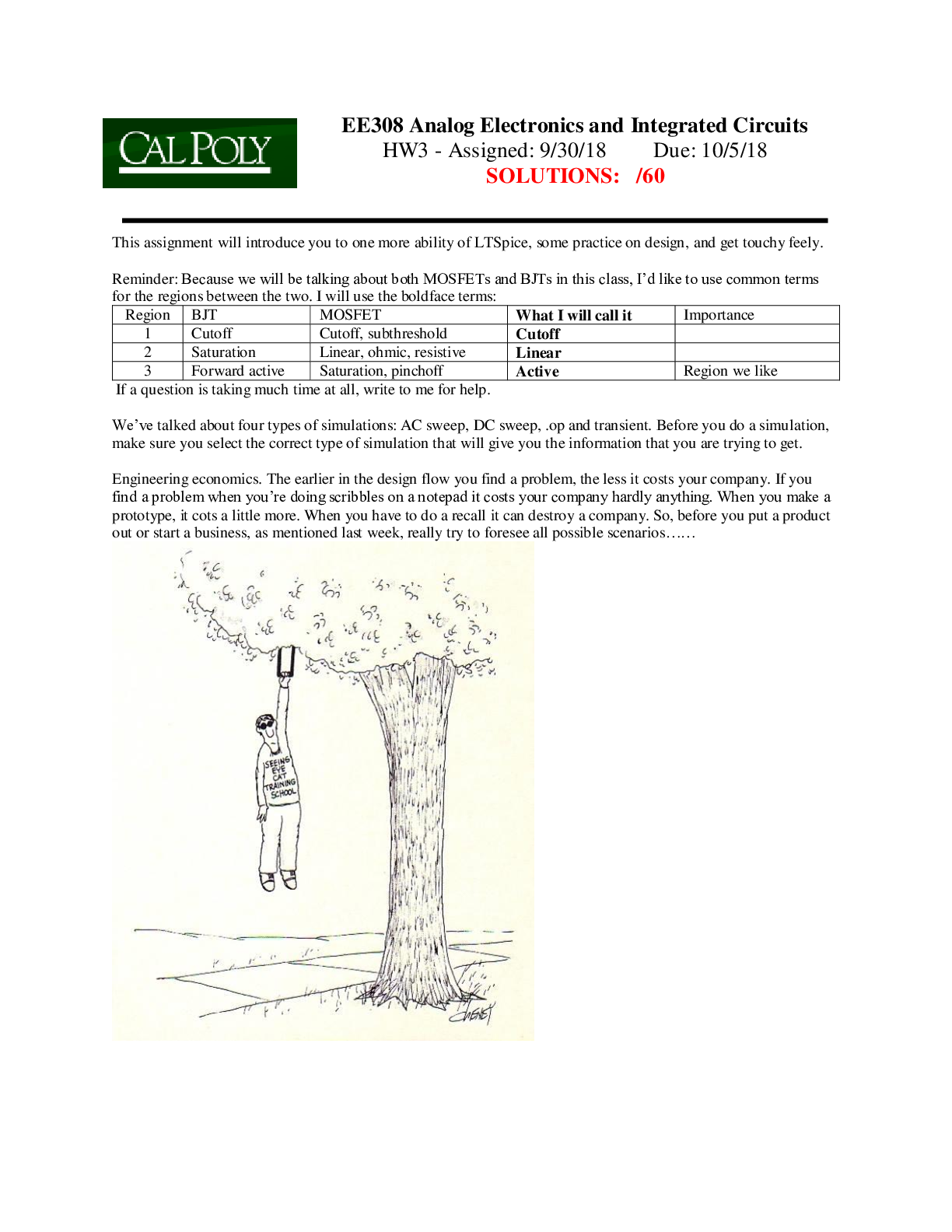
California Polytechnic State University, San Luis Obispo - EE...

California Polytechnic State University, San Luis Obispo - EE...

eBook [PDF] Towards Wireless Heterogeneity in 6G Networks 1st...
Solutions Manual for Microelectronic Circuits 8th Edition by S...
eBook [PDF] Electronics Principles and Applications 10th Editi...
eBook Electronics Principles and Applications 10th Edition By...
.png)
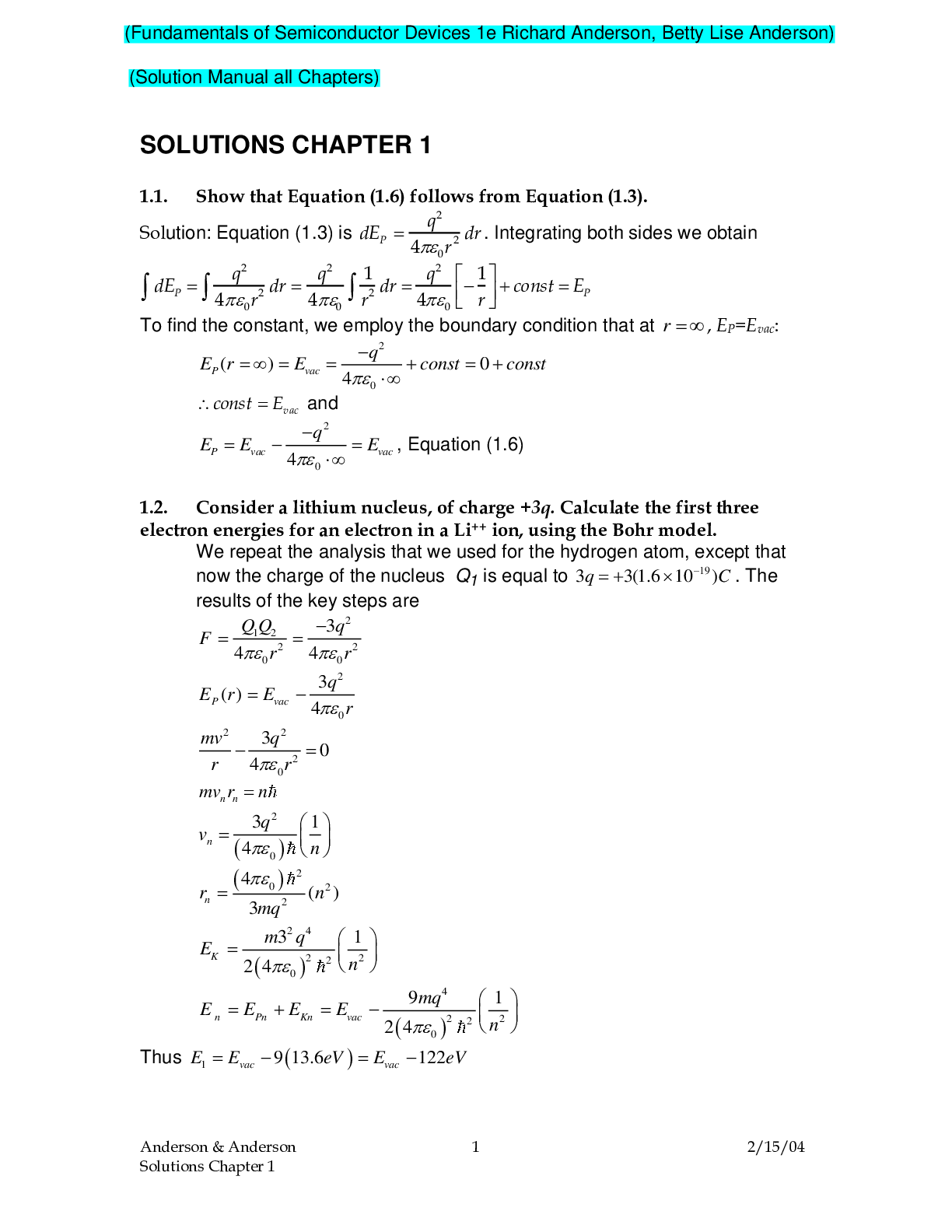
Fundamentals of Semiconductor Devices 1e Richard Anderson, Bet...
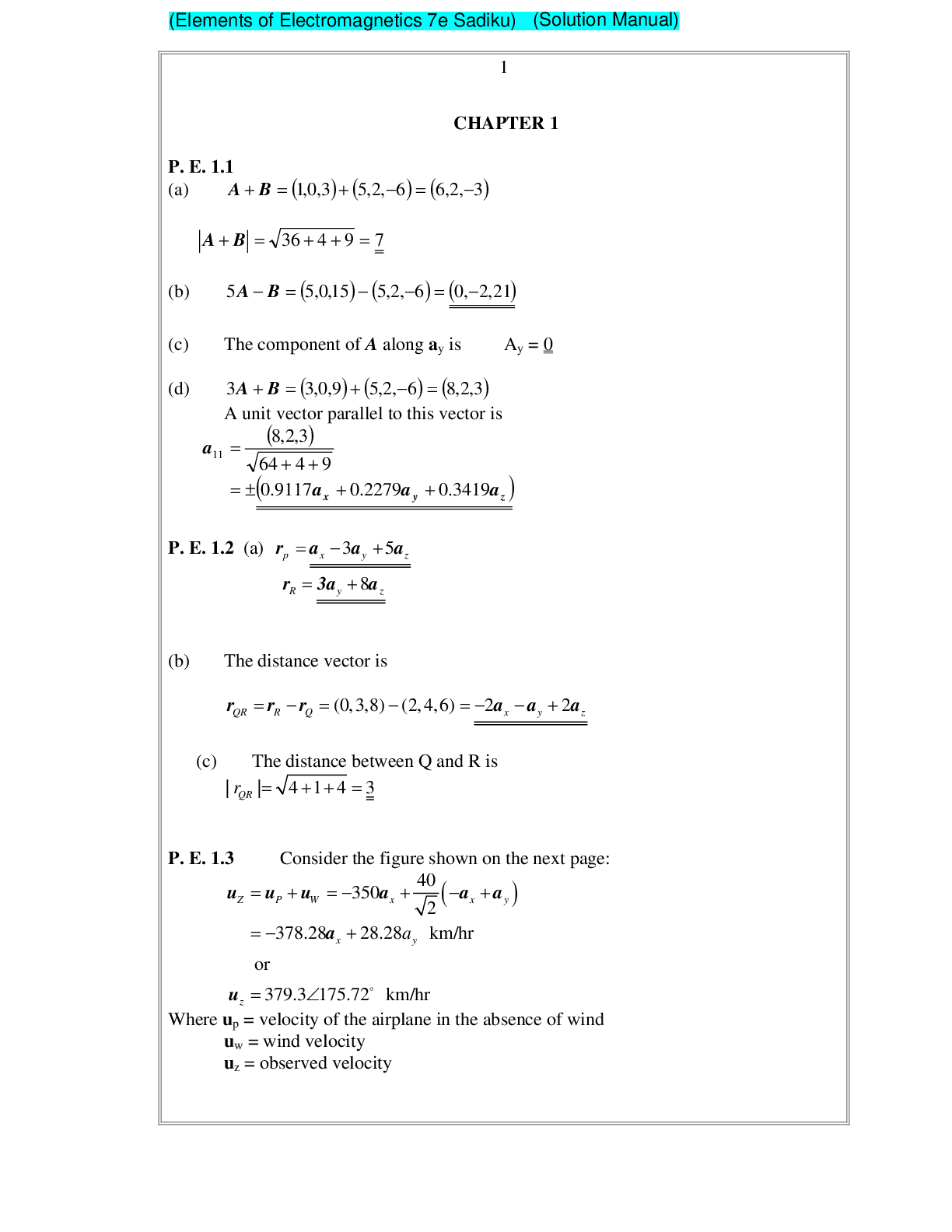
Solution Manual For Electronic Devices, Global Edition, 10th E...
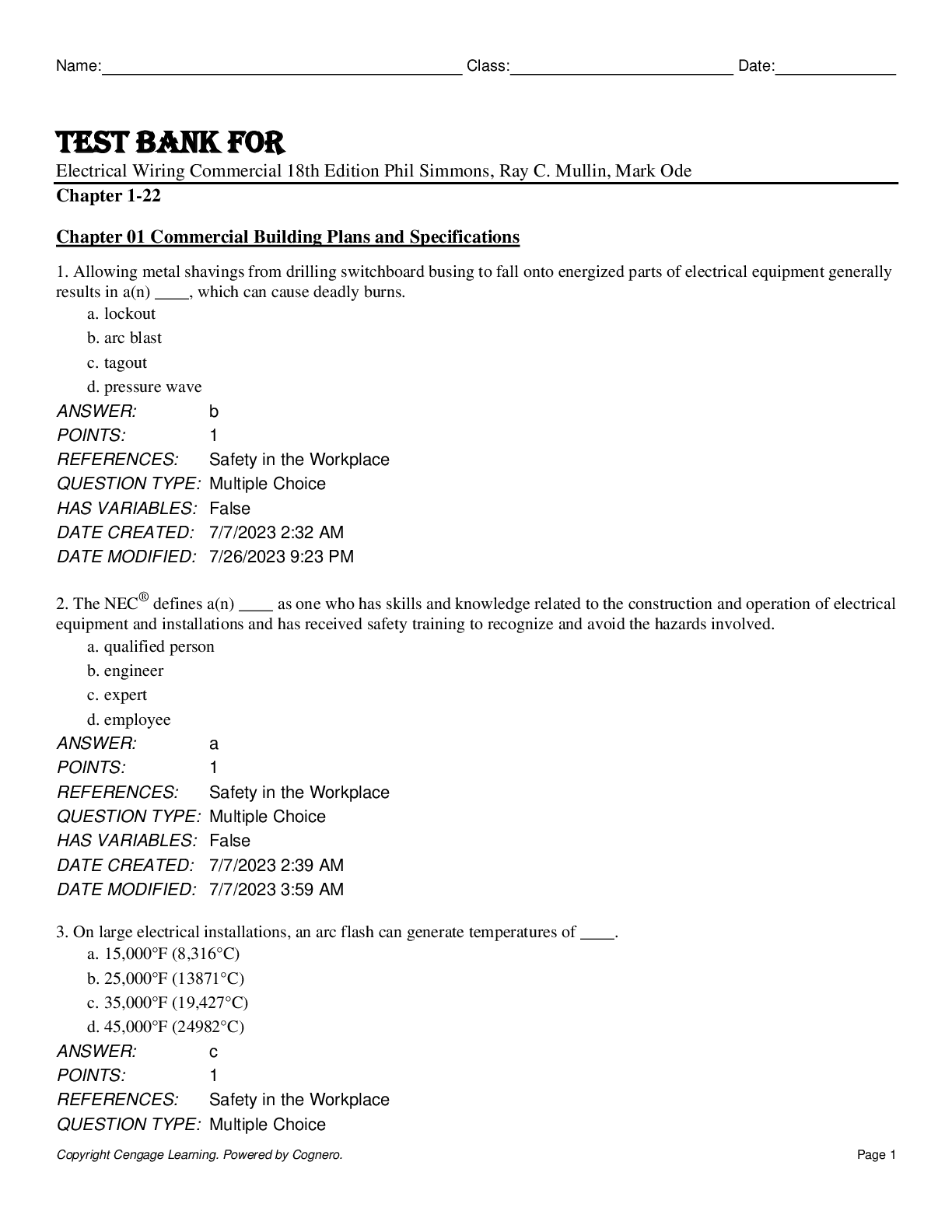
Test Bank For Electrical Wiring Commercial 18th Edition by Phi...
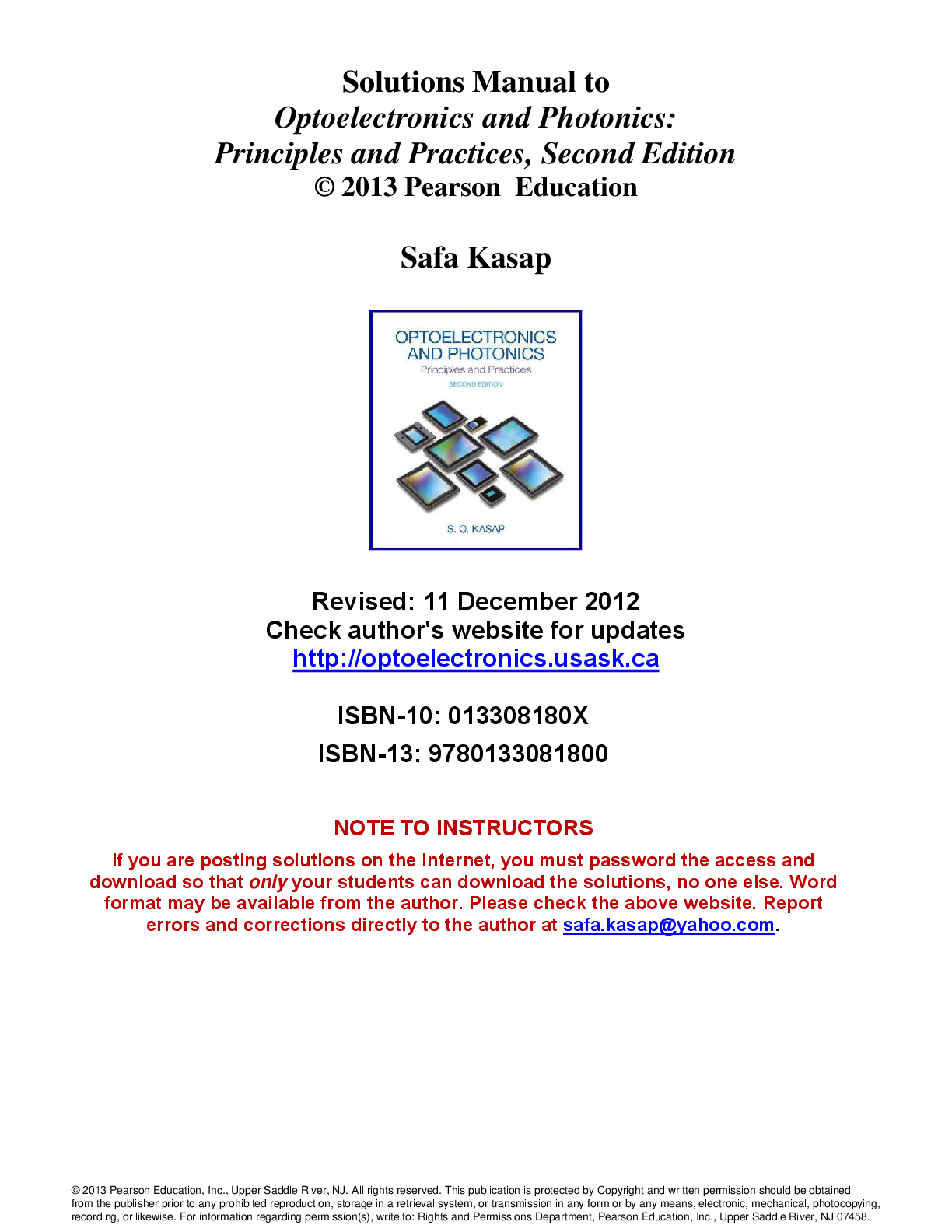
Solutions Manual to Optoelectronics and Photonics: Principles...
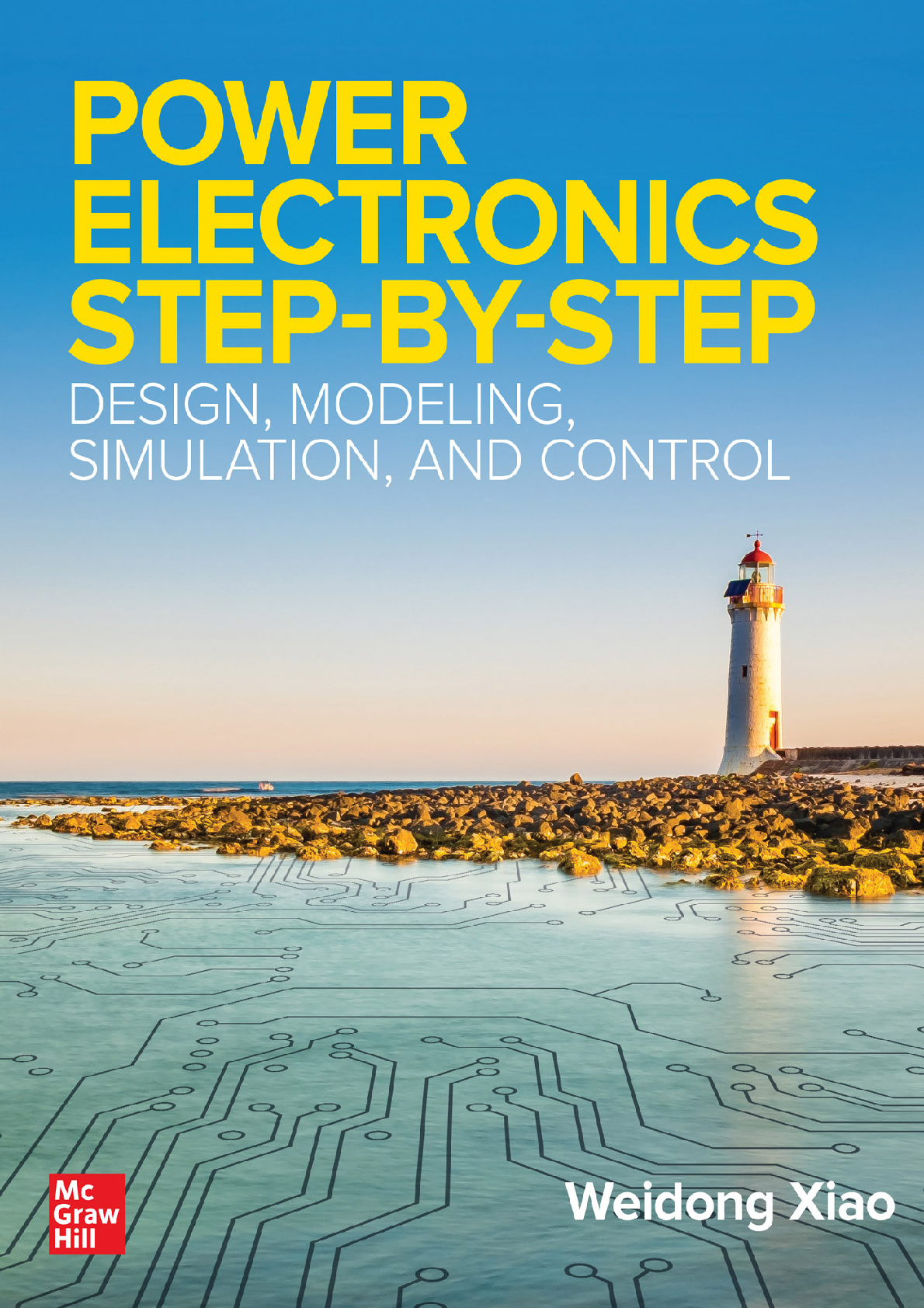
eBook Power Electronics Step by Step Design Modeling, Simulati...
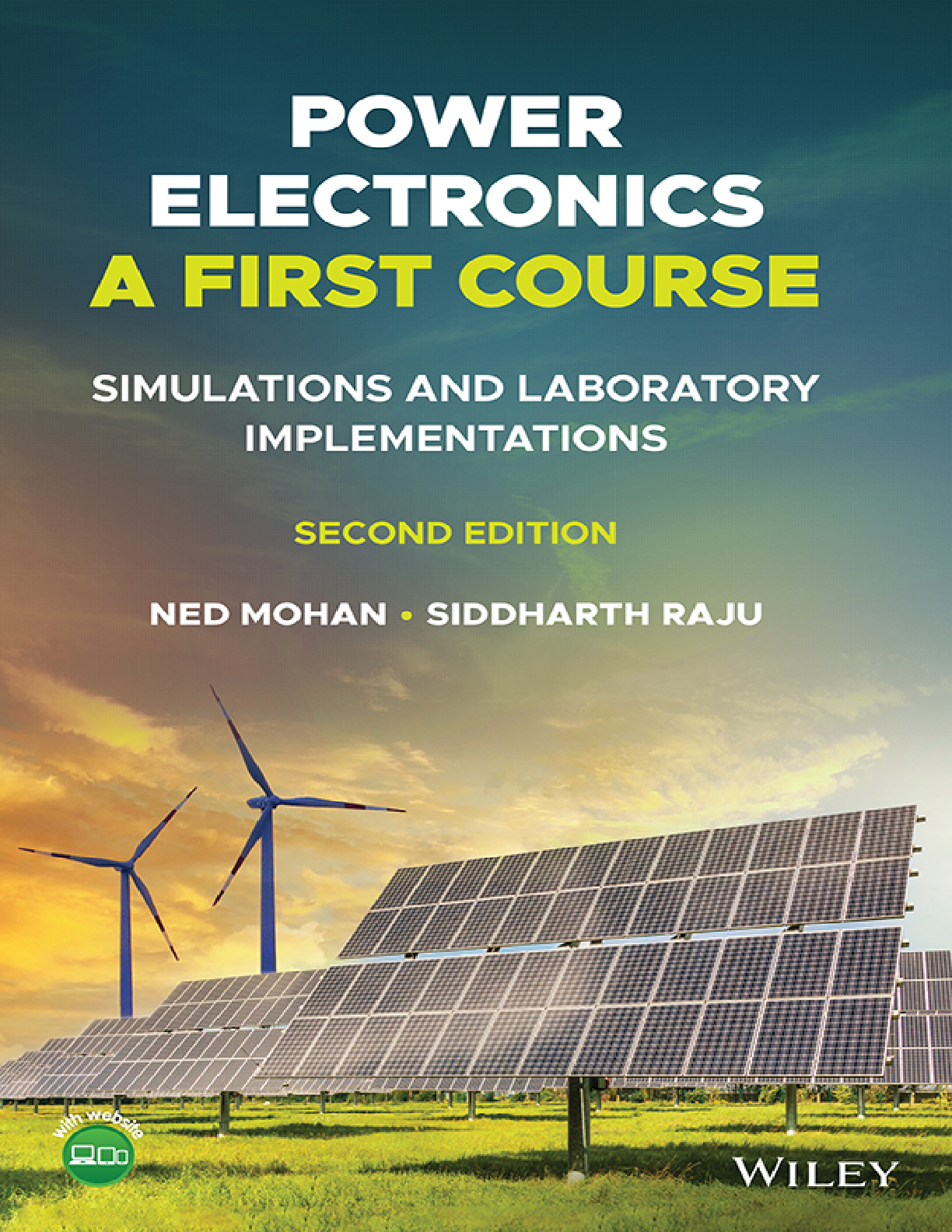
eBook Power electronics a first course simulations 2nd Edition...
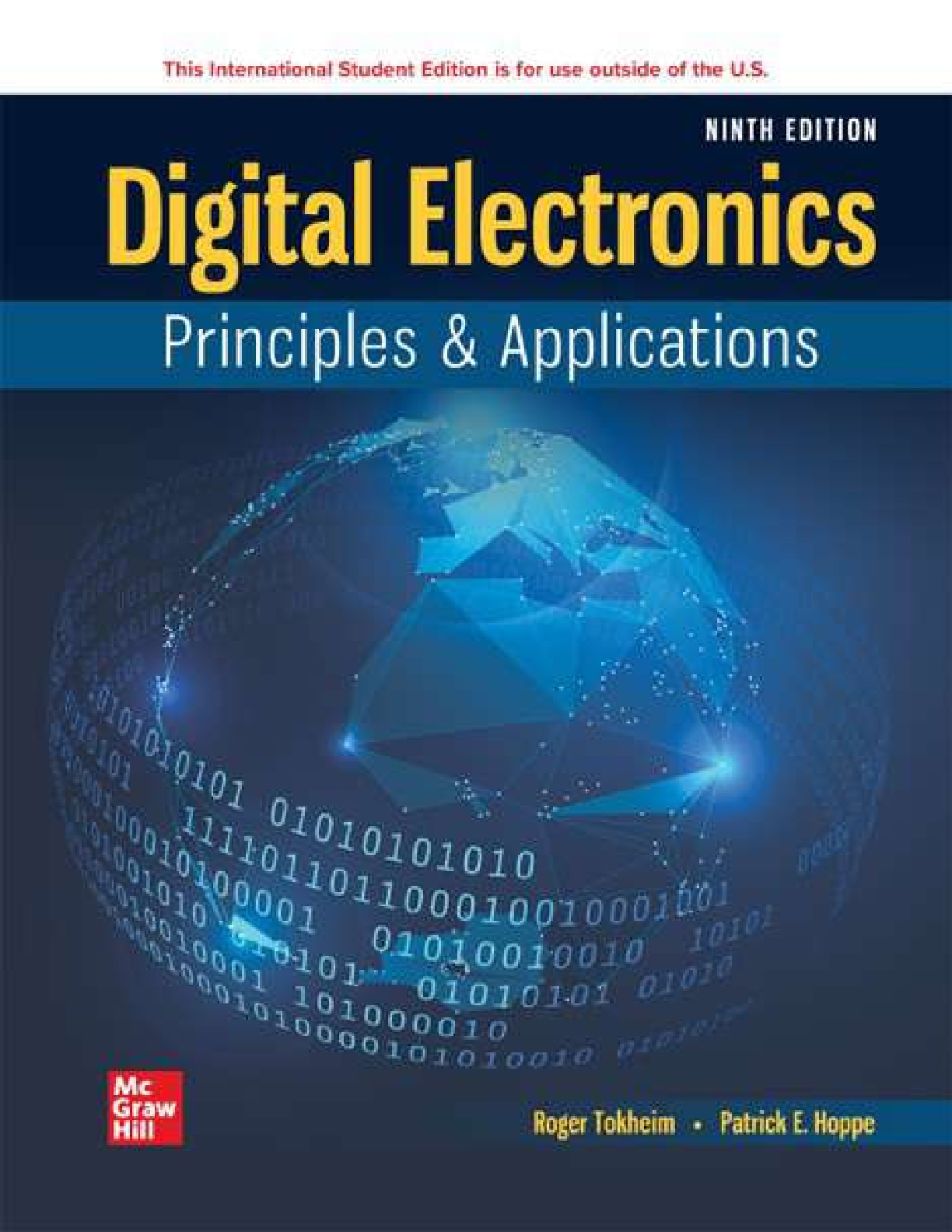
eBook Digital Electronics Principles and Applications 9th Edit...
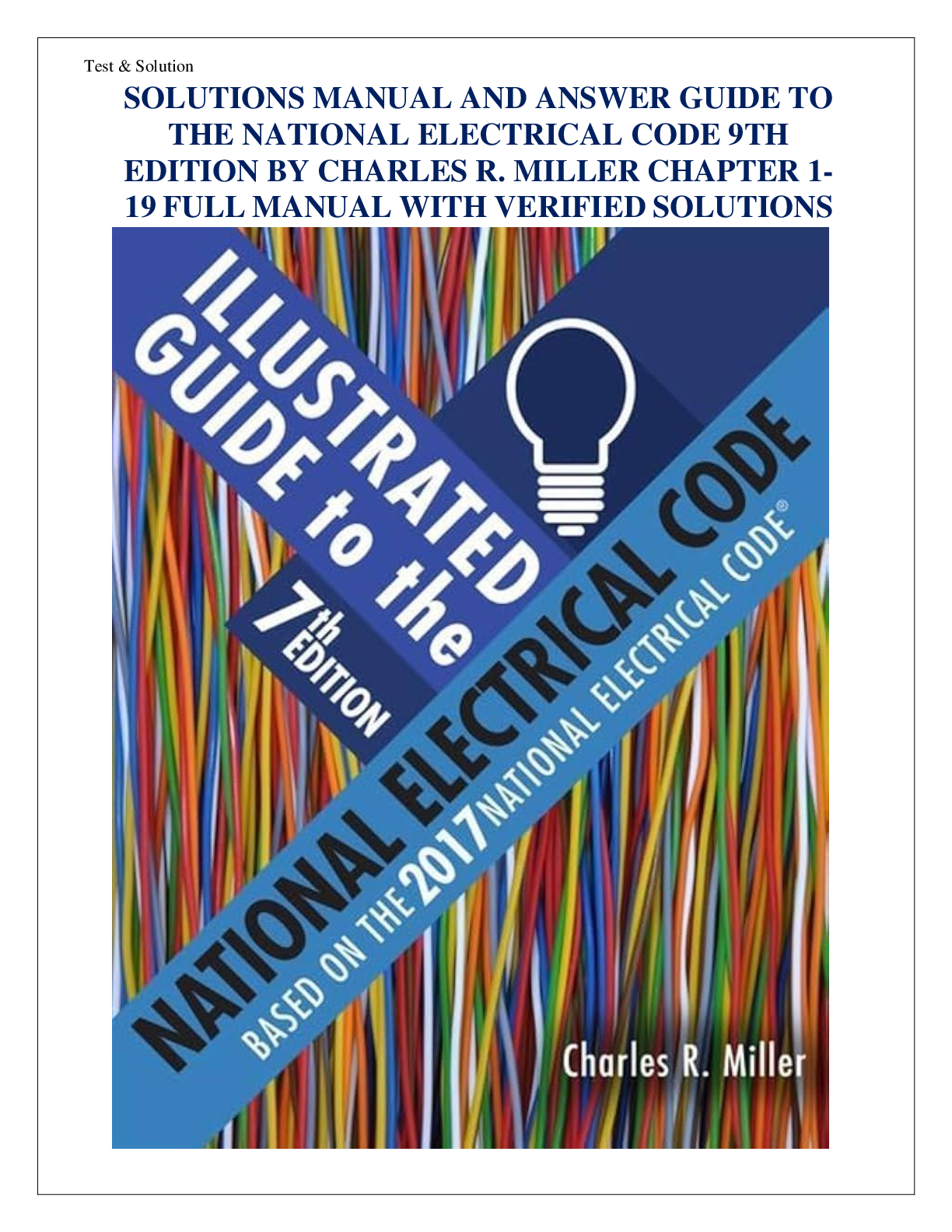
SOLUTIONS MANUAL AND ANSWER GUIDE TO THE NATIONAL ELECTRICAL C...
HESI A2 REVIEW Anatomy and Physiology, HESI A2 Science, HESI A...
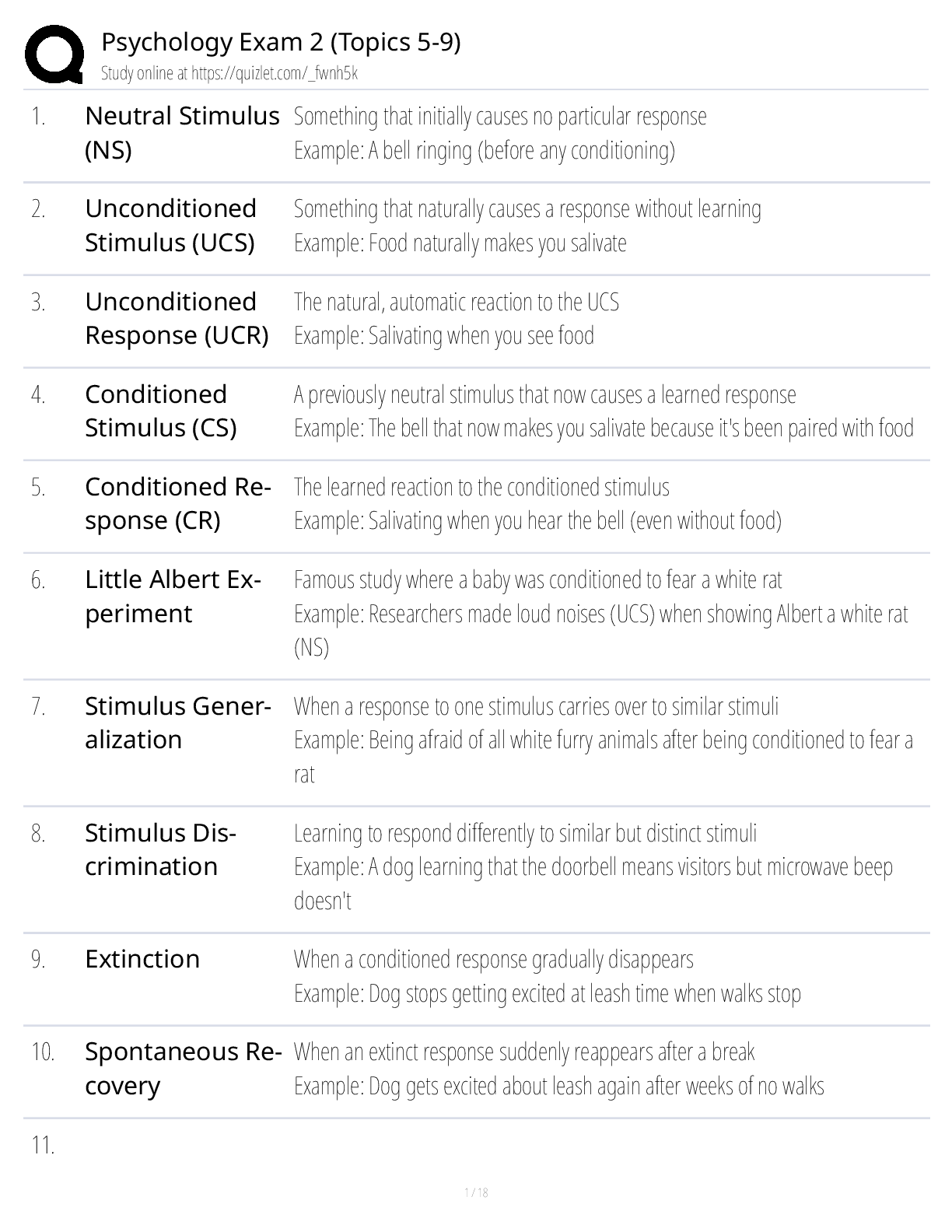
Psychology Exam 2 (Topics 5–9) — Class Notes, Study Guide & Te...


.png)