NURSING > STUDY GUIDE > NR226 / NR-226 Exam 2 Study Guide : Fundamentals [Patient Care] - Chamberlain (All)
NR226 / NR-226 Exam 2 Study Guide : Fundamentals [Patient Care] - Chamberlain
Document Content and Description Below
Last updated: 8 months ago
Preview 1 out of 20 pages
Instant download

Buy this Document to get the Full Access Instantly
Provided by Students Who Aced it
We Verify Document Content to Gurantee Accuracy
Also available in bundle (1)
Click Below to Access Bundle(s)

NR226 / NR-226 Exam 2 BUNDLE (Latest 2021): Fundamentals [Patient Care] - Chamberlain
This BUNDLE consists of 6 different - NR226 / NR-226 Fundamentals [Patient Care] Exam 2 (Exam / Quiz / Study Guide Review)
By quiz_bit 5 years ago
$47.5
6
Reviews( 0 )
Document information
Connected school, study & course
About the document
Uploaded On
Apr 08, 2021
Number of pages
20
Written in
All

Additional information
This document has been written for:
Uploaded
Apr 08, 2021
Downloads
0
Views
213
Topic Tags
Recommended For You
Get more on STUDY GUIDE »
NR 226 Exam 3 Study Guide Fundamentals – Patient Care Chambe...
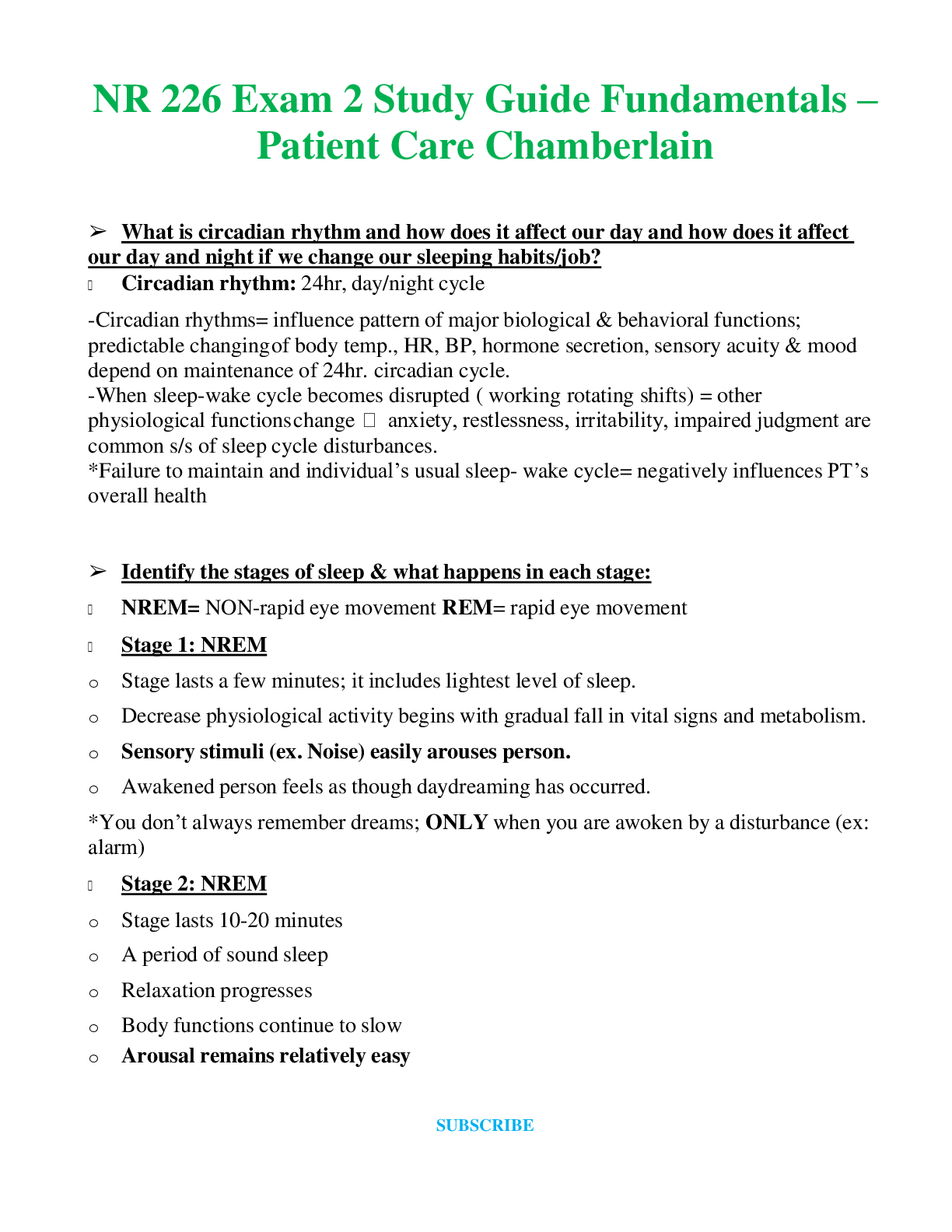
NR 226 Exam 2 Study Guide Fundamentals – Patient Care Chamb...
NR 226 EXAM 2026/2027 | 100 HIGH-YIELD QUESTIONS & VERIFIED AN...
NR 226 EXAM1 NEWEST 2026/2027 ACTUAL EXAM 100 QUESTIONS AND C...
NR 226 EXAM 2 2026/2027 | 100 HIGH-YIELD QUESTIONS & VERIFIED...

NR 226 Exam 2 - Fundamentals Questions and Answers (Verified...
ATI NR 226 ACTUAL FINAL EXAM 1 NEWEST 2026 WITH MULTIPLE STUDY...
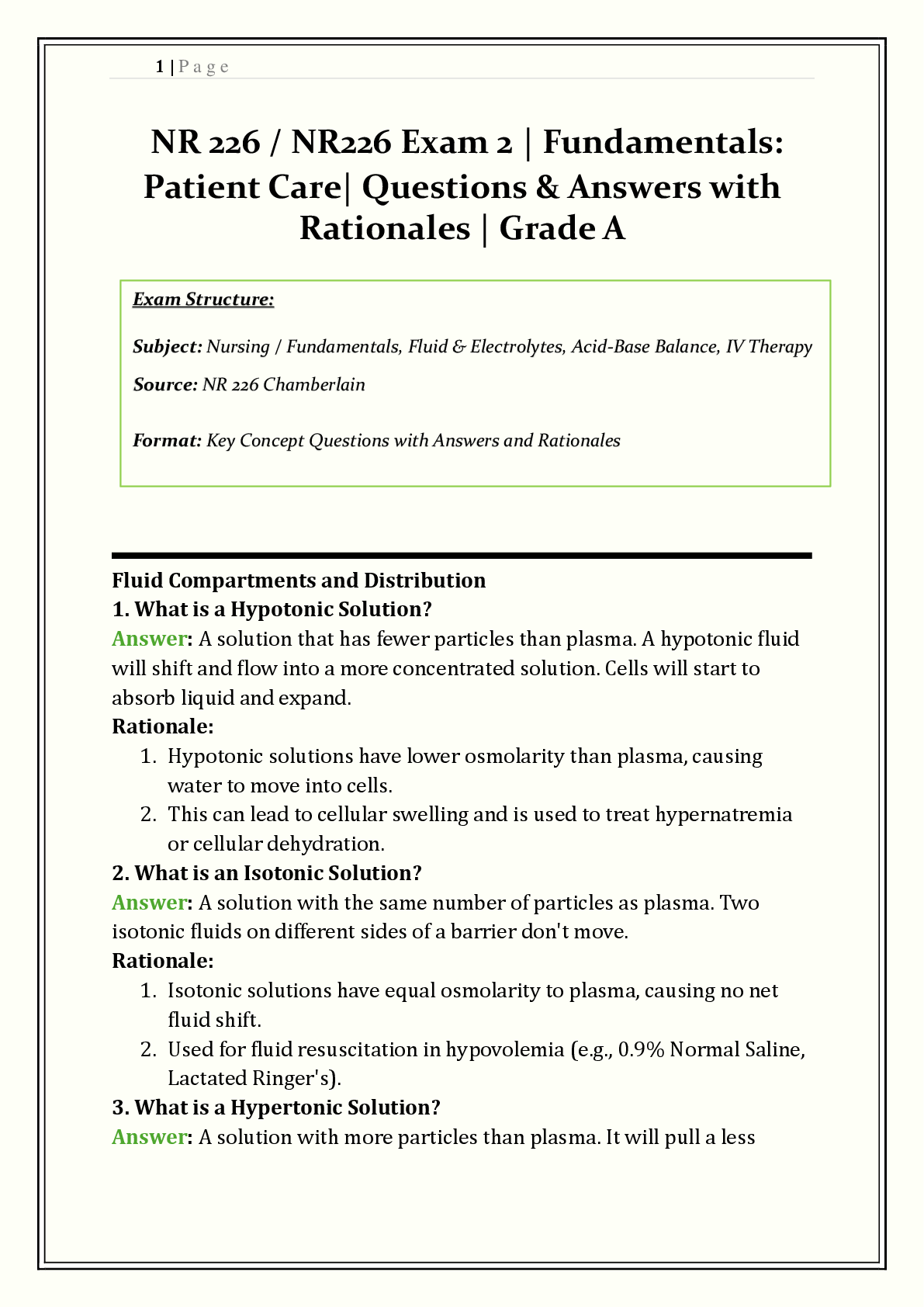
NR 226 / NR226 Exam 2 Chamberlain | Fundamentals: Patient Care...
HESI A2 REVIEW Anatomy and Physiology, HESI A2 Science, HESI A...
HOSA Nursing Assisting Study Guide – Comprehensive Patient Car...
NSG 3500 Exam 3 Testbank – Comprehensive Nursing Practice Ques...
Study Guide for Fundamentals of Nursing The Art and Science of...
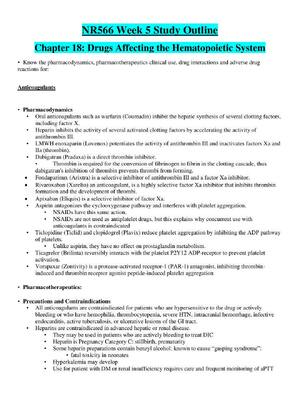
NR566 Week 5 Study Guide Chapter 18: Drugs Affecting the Hemat...
Test Bank for Community Health Nursing A Canadian Perspective...
Test Bank For High-Acuity Nursing 7th Edition By Kathleen Wagn...
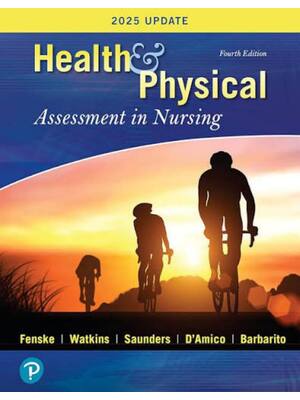
Test Bank For Health & Physical Assessment in Nursing 4th Edit...
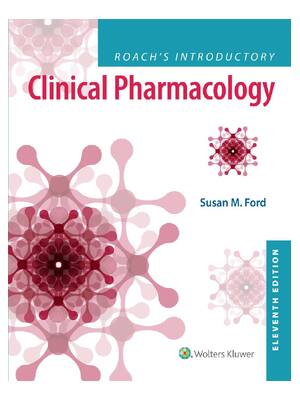
TEST BANK for ROACHS INTRODUCTORY CLINICAL PHARMACOLOGY, 11TH...
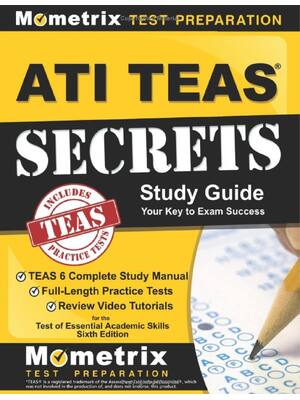
ATI TEAS 6 Study Manual, Full-Length Practice Tests, Tutorials...


.png)
.png)