Geography > Lab Report > Florida Virtual School - ESS 3290earth and space Forces in Our Solar System Lab Report (All)
Florida Virtual School - ESS 3290earth and space Forces in Our Solar System Lab Report
Document Content and Description Below
Last updated: 7 months ago
Preview 1 out of 3 pages
Instant download

Buy this Document to get the Full Access Instantly
Provided by Students Who Aced it
We Verify Document Content to Gurantee Accuracy
Reviews( 0 )
Document information
Connected school, study & course
About the document
Uploaded On
Apr 12, 2021
Number of pages
3
Written in
All

Additional information
This document has been written for:
Uploaded
Apr 12, 2021
Downloads
0
Views
226
Topic Tags
Recommended For You
Get more on Lab Report »
Exercises for Weather & Climate, 9e Greg Carbone (Solution Man...
Human Geography Places and Regions in Global Context, 5th Cana...
Human Geography Places and Regions in Global Context 7e Paul K...
Human Geography Places and Regions in Global Context 6e Paul K...
Human Geography Landscapes of Human Activities 13e Mark Bjella...
Human Geography A Concise Introduction 1e Mark Boyle (Test Ba...
Geosystems Core 1e Robert Christopherson, Stephen Cunha, Charl...
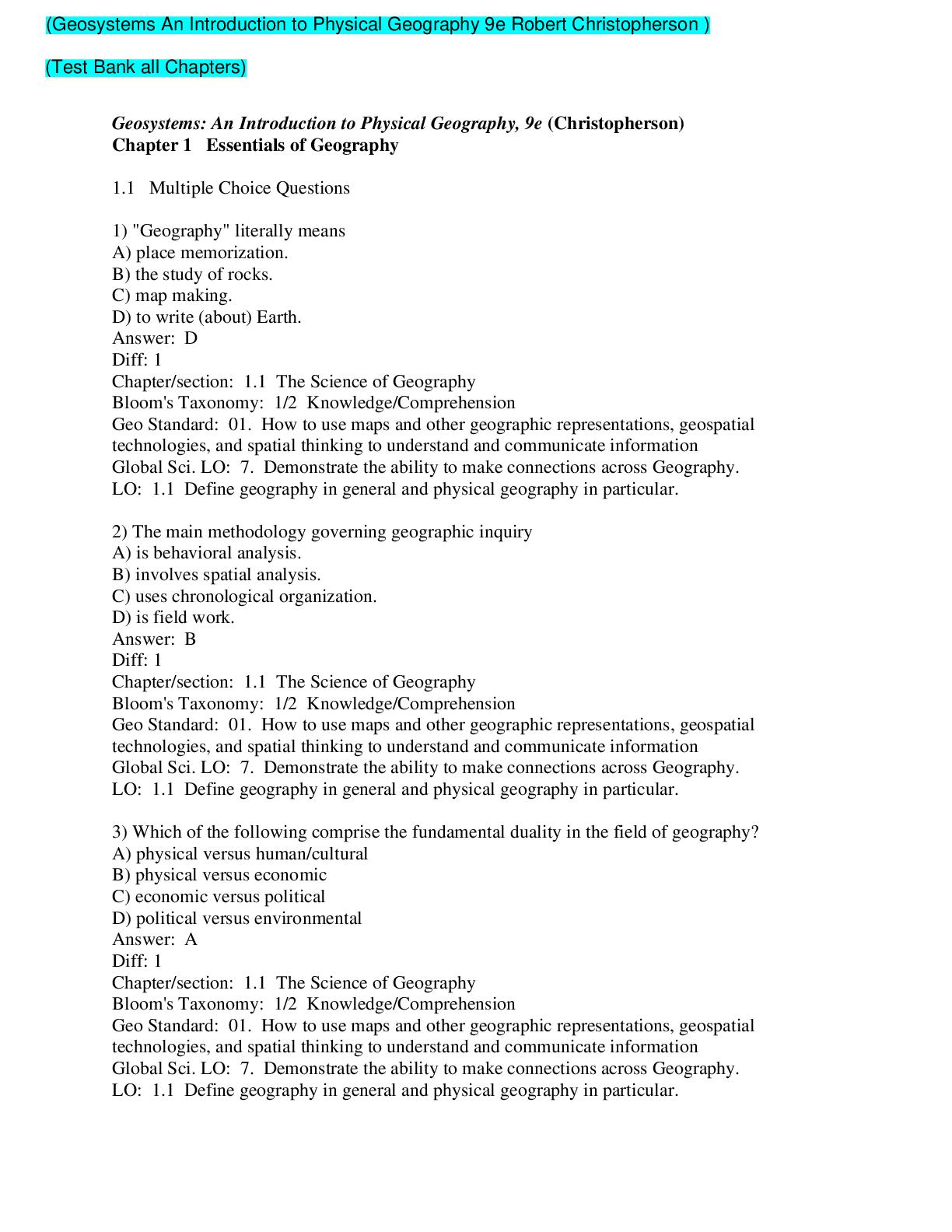
Geosystems An Introduction to Physical Geography 9e Robert Chr...
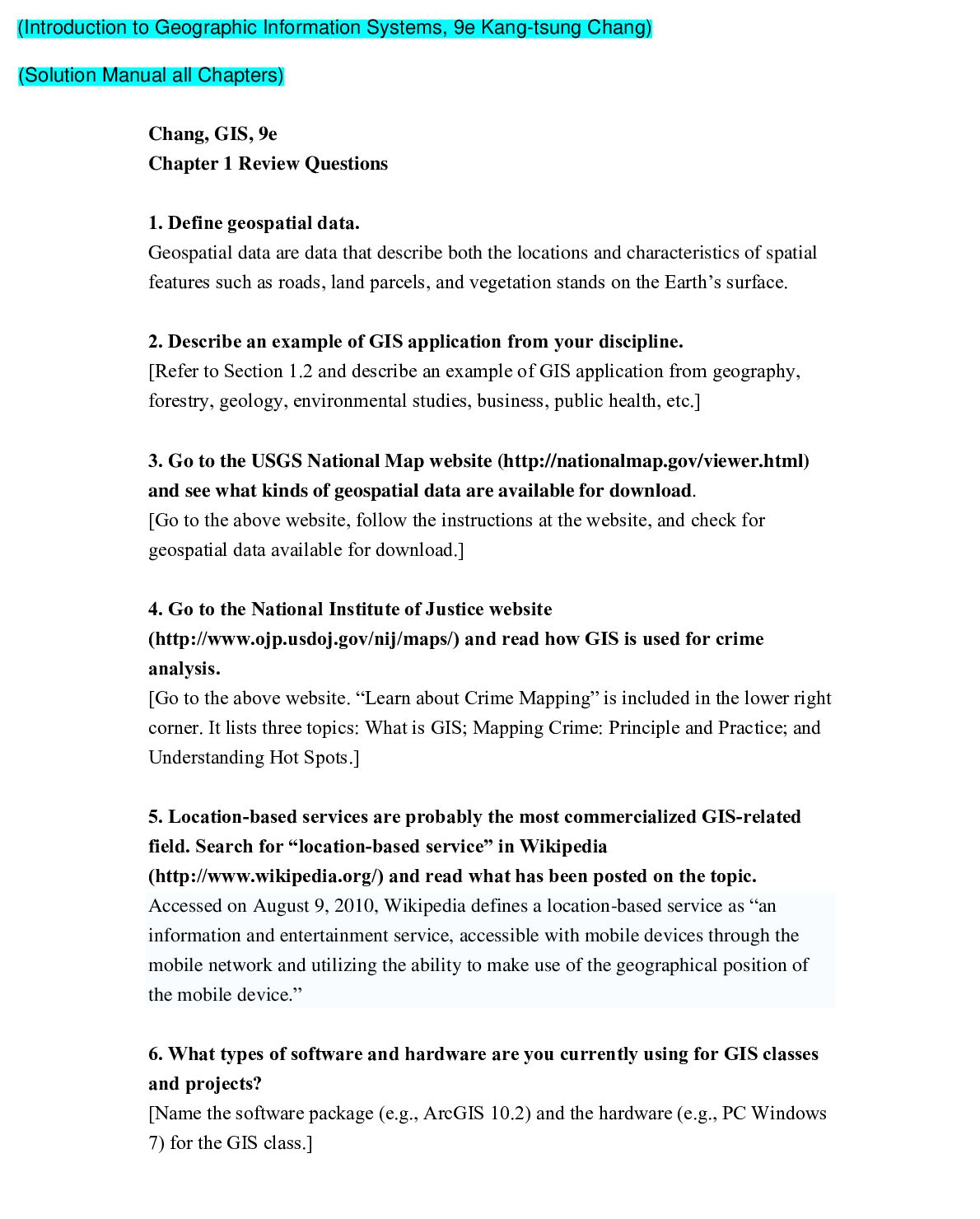
Introduction to Geographic Information Systems 9th Edition By...
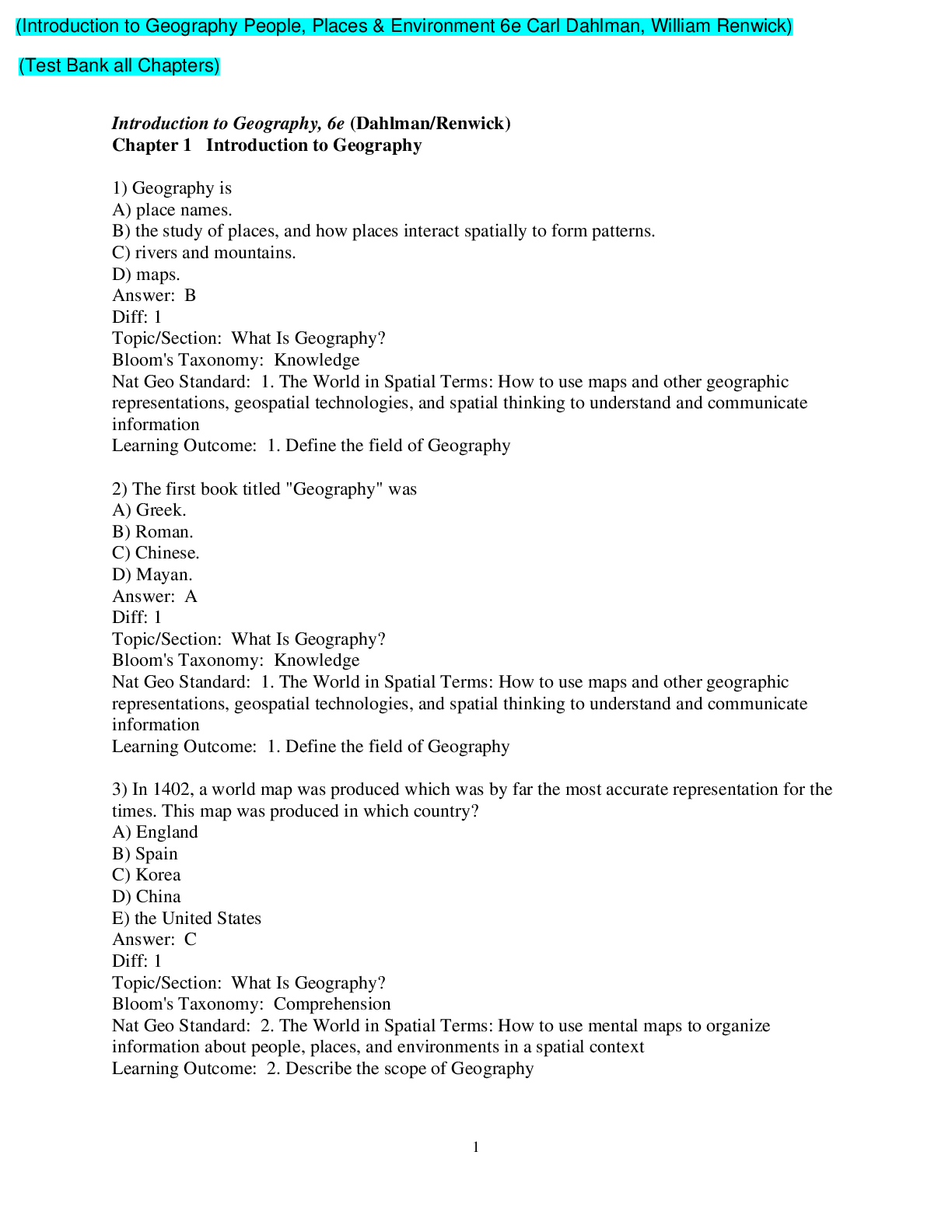
Introduction to Geography People, Places & Environment 6e Carl...
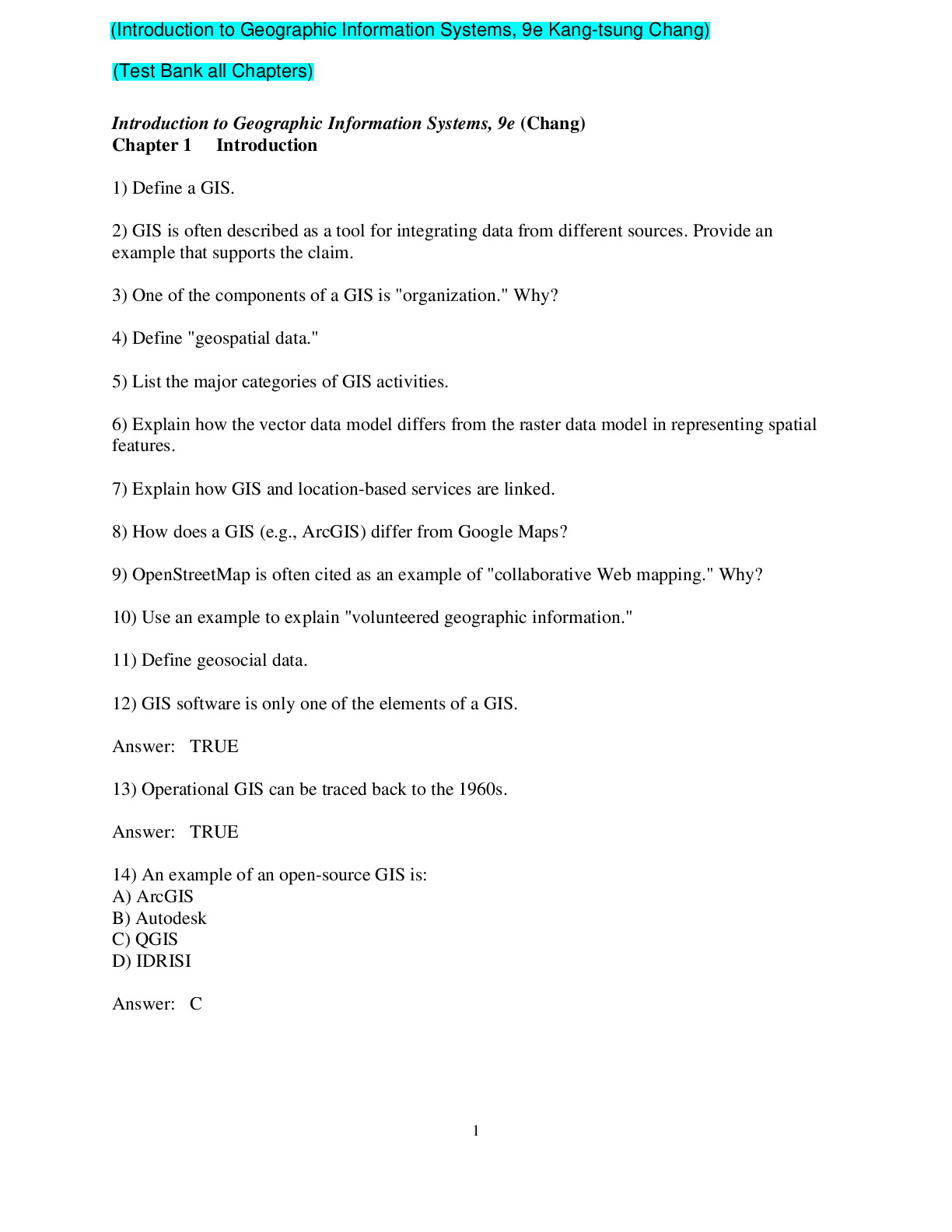
Introduction to Geographic Information Systems 9th Edition By...
Introducing Physical Geography 6th Edition By Alan Strahler (T...
Introduction to Contemporary Geography 1st Edition By James Ru...
Diversity Amid Globalization World Regions, Environment, Devel...
Essentials of Geology 5th Edition By Stephen Marshak (Test Ban...


.png)



.png)
.png)

