The Solution Manual for Financial Accounting: Tools for Business Decision Making, 9th Edition by Paul D. Kimmel, Jerry J. Weygandt, and Donald E. Kieso covers 14 core chapters spanning foundational accounting principles,
...
The Solution Manual for Financial Accounting: Tools for Business Decision Making, 9th Edition by Paul D. Kimmel, Jerry J. Weygandt, and Donald E. Kieso covers 14 core chapters spanning foundational accounting principles, asset/liability reporting, and data analysis. [1, 2]Here is the comprehensive list of topics and chapter coverage detailed in the instructor's solution manual: [1]Core Financial Statements & The Accounting Cycle
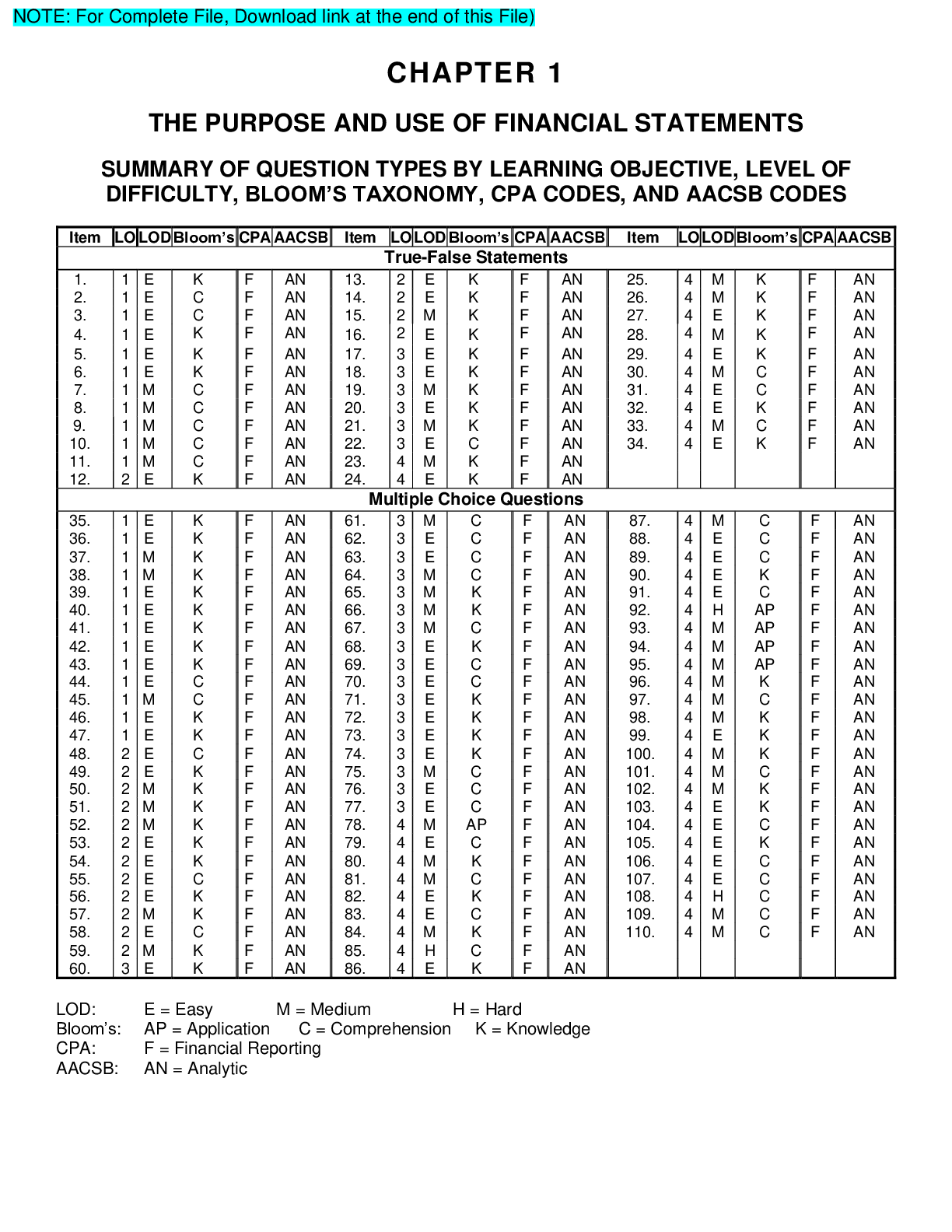
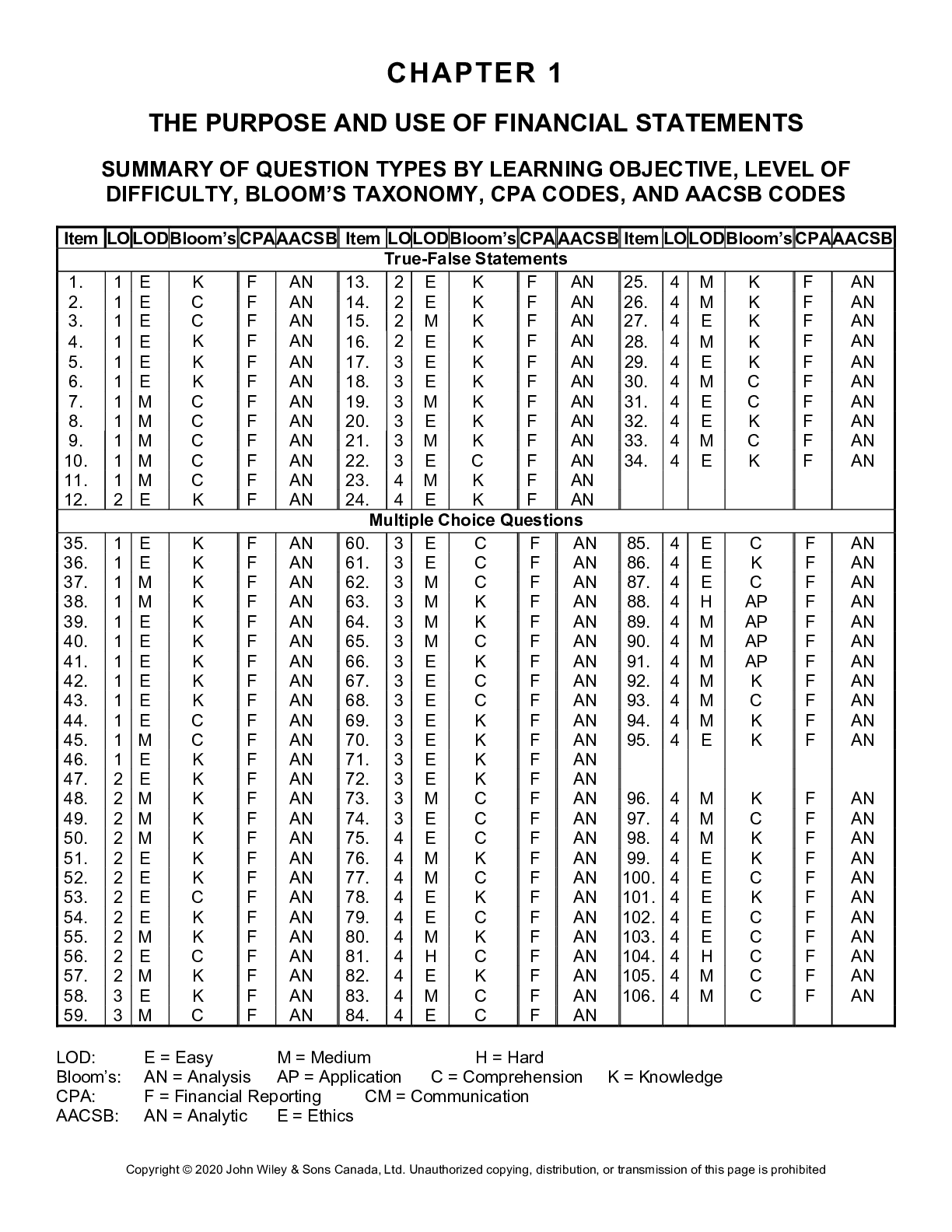
- Chapter 1: Introduction to Financial Statements – Business organizations, types of business activities (financing, investing, operating), and the components of the four primary financial statements. [1, 2]
- Chapter 2: A Further Look at Financial Statements – The classified balance sheet, financial ratios (liquidity, profitability, solvency), and concepts of Generally Accepted Accounting Principles (GAAP). [1, 2]
- Chapter 3: The Accounting Information System – Analyzing transactions, the double-entry system, journalizing transactions, posting to the ledger, and preparing a trial balance. [1, 2]
- Chapter 4: Accrual Accounting Concepts – Accrual vs. cash-basis accounting, preparing adjusting entries for deferrals and accruals, and compiling an adjusted trial balance. [1, 2]
Operating Activities & Working Capital
- Chapter 5: Merchandising Operations – Merchandising flows, recording purchases and sales under a perpetual inventory system, and multi-step income statements.
- Chapter 6: Reporting and Analyzing Inventory – Inventory cost flow assumptions (FIFO, LIFO, Average-Cost), lower-of-cost-or-market (LCM), and inventory errors.
- Chapter 7: Internal Control and Cash – Fraud prevention, principles of internal control, bank reconciliations, and cash management.
- Chapter 8: Reporting and Analyzing Receivables – Accounting for uncollectible accounts (allowance method), valuing accounts receivable, and evaluating notes receivable. [1, 2, 3, 4, 5]
Long-Term Assets, Liabilities, & Equity
- Chapter 9: Reporting and Analyzing Long-Lived Assets – Determining plant asset costs, calculating depreciation methods (straight-line, declining-balance, units-of-activity), asset disposals, and intangibles.
- Chapter 10: Reporting and Analyzing Liabilities – Current liabilities, bond issuances, pricing bonds, calculating interest expense using effective-interest or straight-line methods, and long-term notes.
- Chapter 11: Reporting and Analyzing Stockholders' Equity – Corporate capital structures, issuing common and preferred stock, treasury stock transactions, dividends, and retained earnings. [1, 2, 3, 4, 5]
Advanced Topics & Performance Analysis
- Chapter 12: Reporting and Analyzing Investments – Accounting for debt and stock investments, classifying investments (trading, available-for-sale, held-to-maturity), and valuation reporting.
- Chapter 13: Statement of Cash Flows – Purpose of cash flow statements, indirect and direct methods of preparation, and analyzing free cash flow.
- Chapter 14: Performance Measurement – Financial statement analysis techniques, including horizontal analysis, vertical analysis, and comprehensive ratio suites. [1, 2, 3]
Types of Problem Solutions IncludedFor each of the chapters above, the solution manual provides complete solutions for:
- Questions & Brief Exercises – Conceptual validation and bite-sized processing checks.
- Exercises (Series A & B) – Core operational accounting calculations and mathematical applications.
- Problems (Series A & B) – Full-scale transaction tracking, ledger creation, and financial statement generation workflows.
- Analytics in Action Cases – Step-by-step guidance for data analysis and visualization activities embedded in the text. [1, 2, 3, 4, 5, 6]
[Show More]