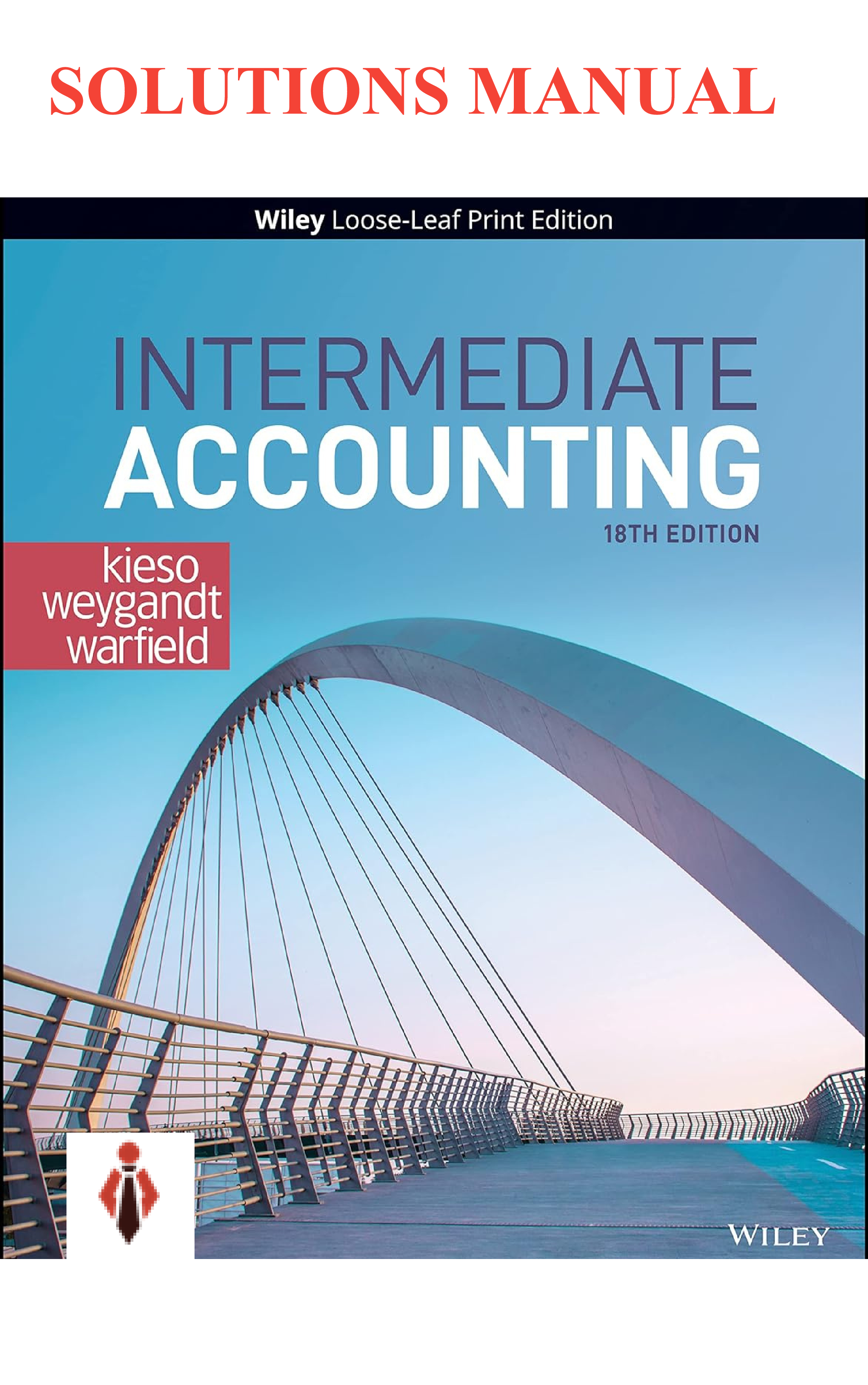
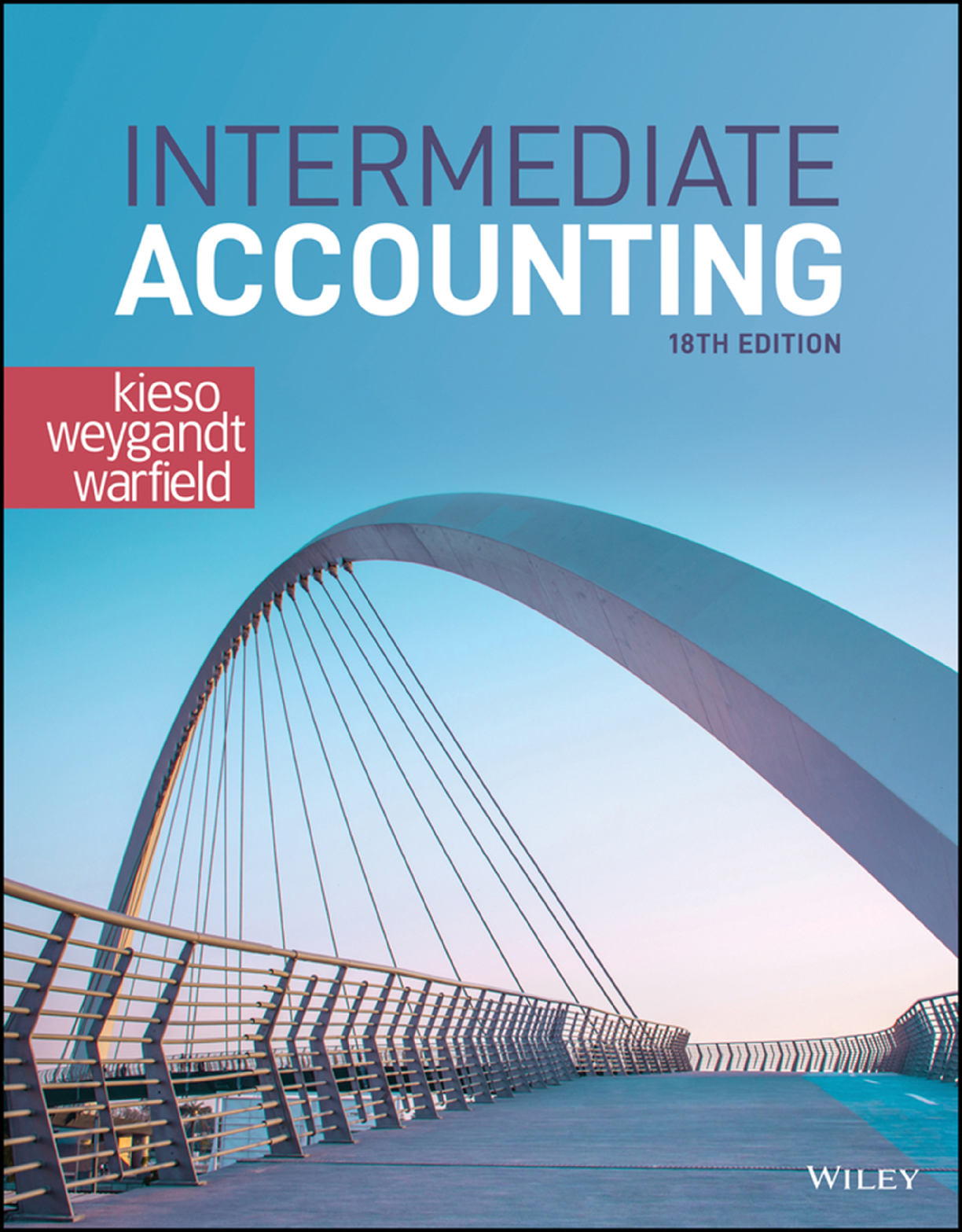
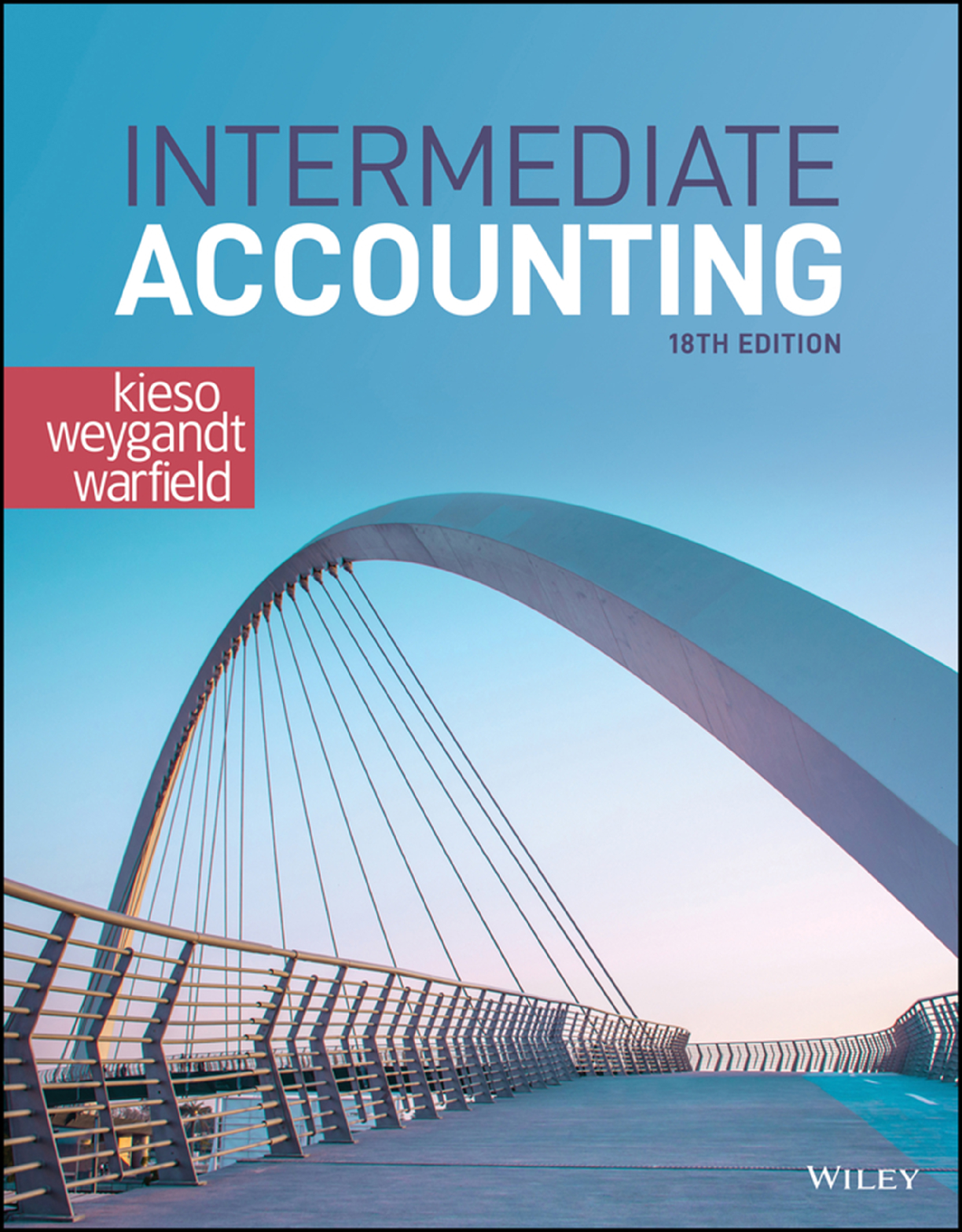
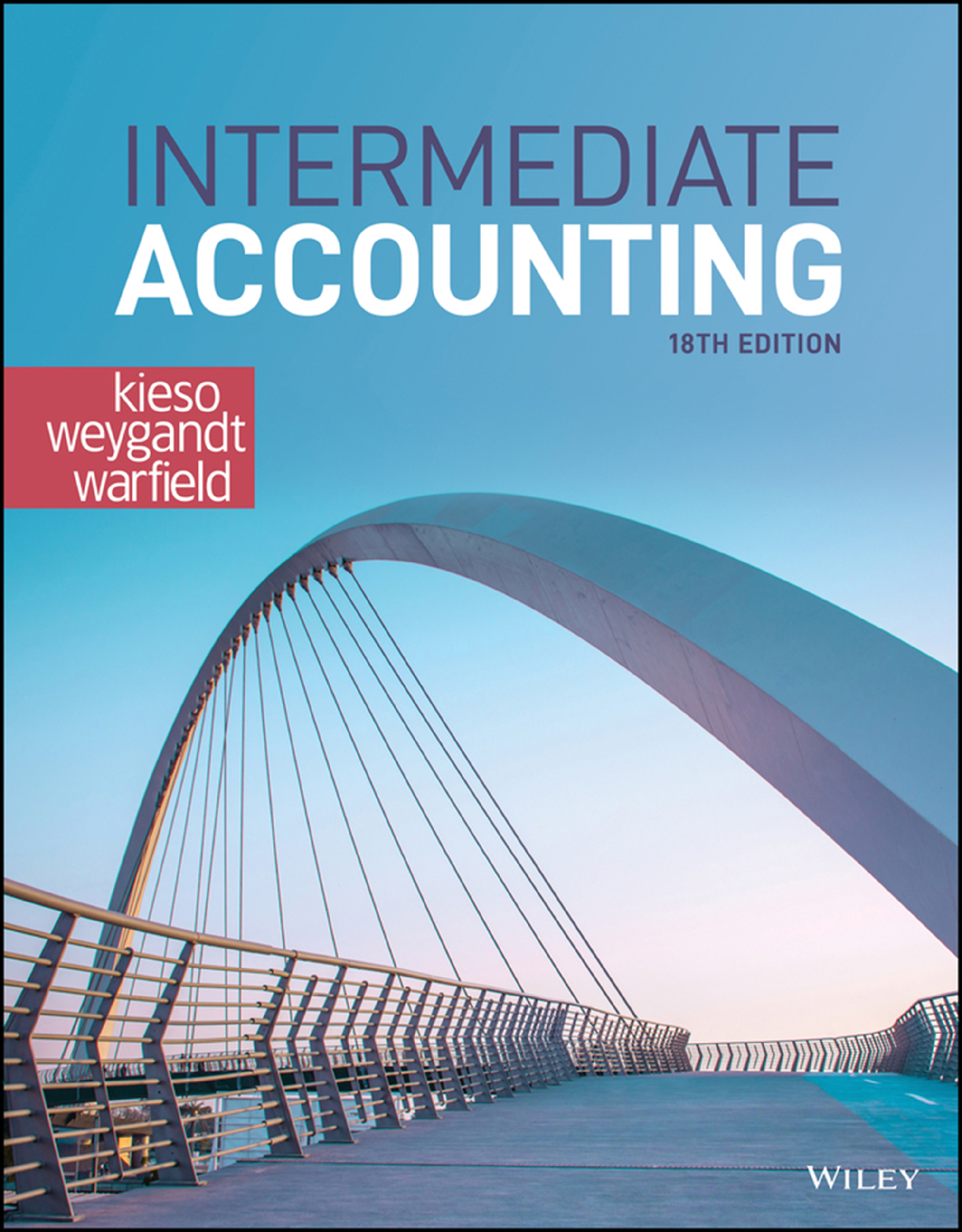
The Solution manual for Intermediate Accounting, 18th Edition by Donald E. Kieso, Jerry J. Weygandt, and Terry D. Warfield comprehensively covers financial reporting frameworks, standard financial statement preparation,
...
The Solution manual for Intermediate Accounting, 18th Edition by Donald E. Kieso, Jerry J. Weygandt, and Terry D. Warfield comprehensively covers financial reporting frameworks, standard financial statement preparation, and in-depth asset, liability, and equity management across 23 core chapters. [1, 2]The complete breakdown of topics covered in the textbook is structured as follows:Part 1: Financial Reporting Foundations
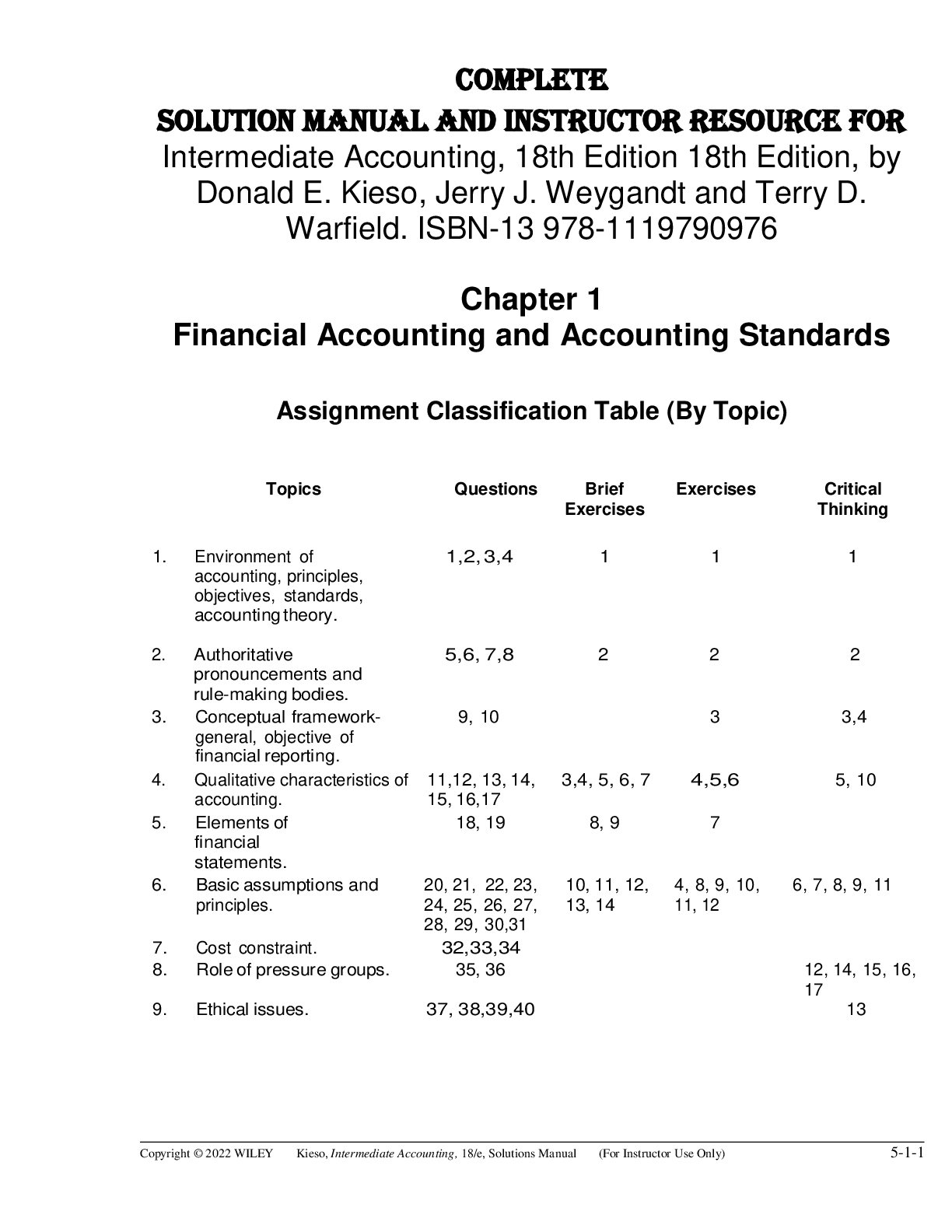
- Chapter 1: The Environment and Conceptual Framework of Financial Reporting – The development of accounting standards (FASB, GAAP, and IFRS integration), and the fundamental qualitative characteristics of useful financial information. [1, 2, 3]
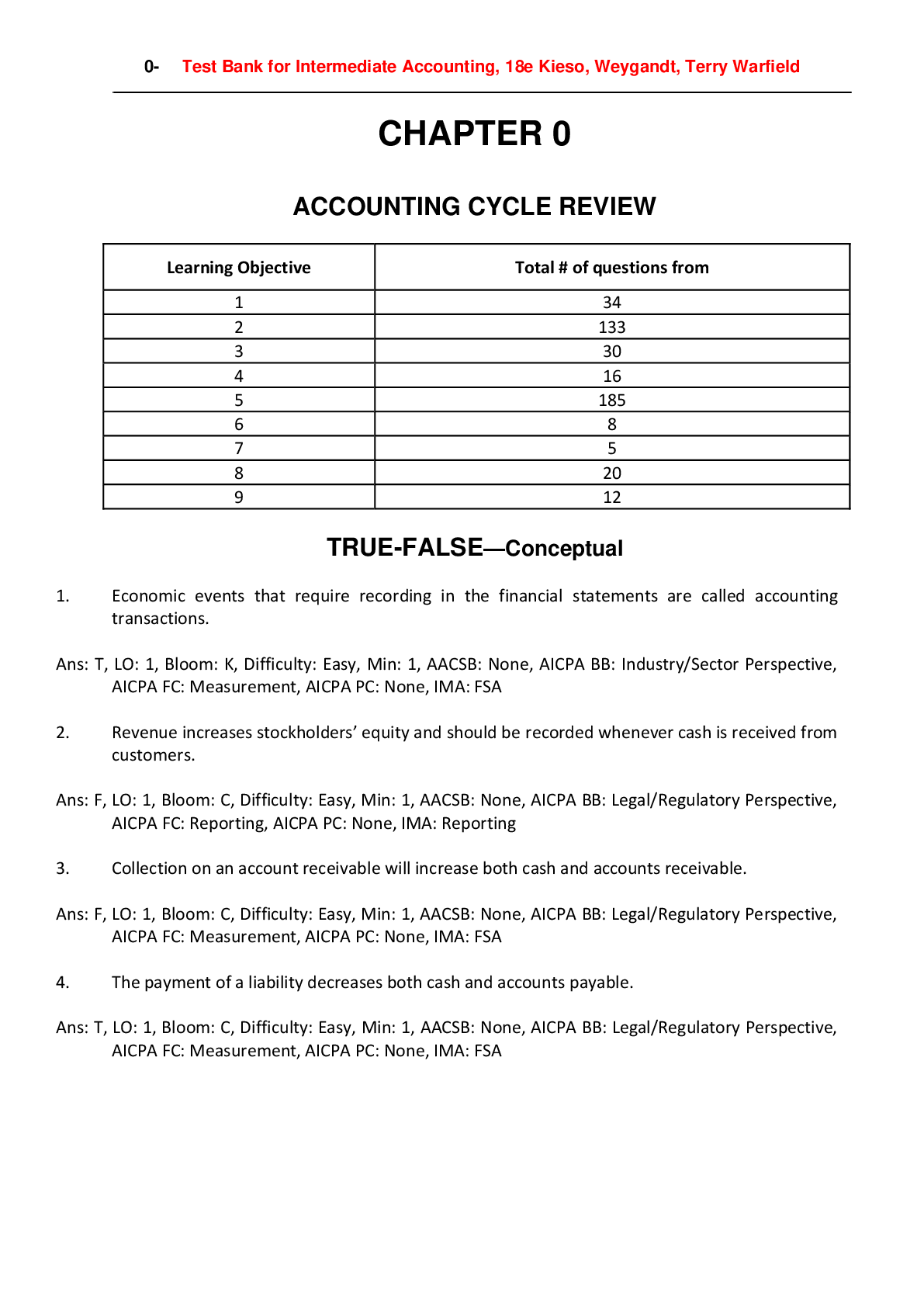
- Chapter 2: The Accounting Information System – Reviewing the full accounting cycle, including identifying transactions, logging journal entries, posting to T-accounts, adjusting entries, and closing books. [1, 2, 3]
- Chapter 3: Income Statement, Related Information, and Revenue Recognition – Presenting profitability and evaluating core concepts under standard revenue recognition principles. [1, 2, 3]
- Chapter 4: Balance Sheet and Statement of Cash Flows – Analyzing a firm's liquidity and financial position, alongside cash inflows and outflows. [1, 2, 3]
- Chapter 5: Accounting and the Time Value of Money – Applying present and future value concepts to value long-term financial instruments. [1, 2]
Part 2: Core Asset Recognition and Valuation
- Chapter 6: Cash and Receivables – Managing liquidity, evaluating accounts receivable, valuing notes receivable, and addressing bad debt adjustments.
- Chapter 7: Valuation of Inventories: A Cost-Basis Approach – Recording inventory layers using FIFO, LIFO, and average-cost methods.
- Chapter 8: Inventories: Additional Valuation Issues – Handling lower-of-cost-or-market rules, gross profit estimates, and retail inventory methods.
- Chapter 9: Acquisition and Disposition of Property, Plant, and Equipment – Capitalizing long-term asset costs, self-constructed assets, and handling exchange transactions.
- Chapter 10: Depreciation, Impairments, and Depletion – Calculating asset write-downs, standard depreciation methods, and natural resource allocation.
- Chapter 11: Intangible Assets – Amortizing and valuing goodwill, patents, trademarks, and research & development costs. [1, 2, 3, 4]
Part 3: Liabilities and Equities
- Chapter 12: Current Liabilities and Contingencies – Accounting for short-term obligations, payroll taxes, warranties, and lawsuit contingencies.
- Chapter 13: Long-Term Liabilities – Issuing bonds at premiums or discounts, notes payable, and restructuring troubled debt.
- Chapter 14: Stockholders' Equity – Issuing capital stock, processing treasury stock purchases, and distributing dividends.
- Chapter 15: Dilutive Securities and Earnings per Share (EPS) – Calculating basic and diluted EPS while accounting for convertible bonds, options, and warrants. [1, 2, 3]
Part 4: Advanced Accounting Topics
- Chapter 16: Investments – Evaluating debt investments (held-to-maturity, trading, available-for-sale) and equity investments via the equity method.
- Chapter 17: Accounting for Income Taxes – Reconciling book income vs. taxable income, deferred tax assets, and deferred tax liabilities.
- Chapter 18: Accounting for Pensions and Postretirement Benefits – Evaluating projected benefit obligations, pension plan assets, and net periodic pension costs.
- Chapter 19: Accounting for Leases – Executing accounting structures for lessees and lessors under current lease standards (Operating vs. Finance leases).
- Chapter 20: Accounting Changes and Error Analysis – Transitioning retrospectively for accounting standard changes or modifying errors found in previous periods.
- Chapter 21: Statement of Cash Flows – Advanced Issues – In-depth look at preparation mechanics using the direct and indirect methods.
- Chapter 22: Full Disclosure in Financial Reporting – Analyzing notes to financial statements, subsequent events, segment reporting, and auditor reports. [1, 2, 3]
(Note: The 18th edition prioritizes modern professional skill additions including integrated data analytics, FASB Codification practices, and direct comparisons between US GAAP and IFRS). [1, 2]
[Show More]
Preview 5 out of 3571 pages