Statistics > QUESTIONS & ANSWERS > Social Statistics I Arizona State University - SOC 390Homework 4 (All)
Social Statistics I Arizona State University - SOC 390Homework 4
Document Content and Description Below
Last updated: 7 months ago
Preview 1 out of 5 pages
Instant download

Buy this Document to get the Full Access Instantly
Provided by Students Who Aced it
We Verify Document Content to Gurantee Accuracy
Reviews( 0 )
Document information
Connected school, study & course
About the document
Uploaded On
Apr 13, 2021
Number of pages
5
Written in
All

Additional information
This document has been written for:
Uploaded
Apr 13, 2021
Downloads
0
Views
84
Topic Tags
Recommended For You
Get more on QUESTIONS & ANSWERS »
Test Bank Statistics A Tool for Social Research and Data Analy...
Test Bank Statistics A Tool for Social Research and Data Analy...
Test Bank For Statistics A Tool for Social Research and Data A...

Solutions Manual for Statistical Rethinking 2nd Edition A Baye...
TEST BANK for Advanced and Multivariate Statistical Methods, 6...


eBook Advanced and Multivariate Statistical Methods Practical...

Statistics and Data Analysis for Financial Engineering 2nd Edi...
SOLUTIONS MANUAL for Elementary Statistics: A Step by Step App...
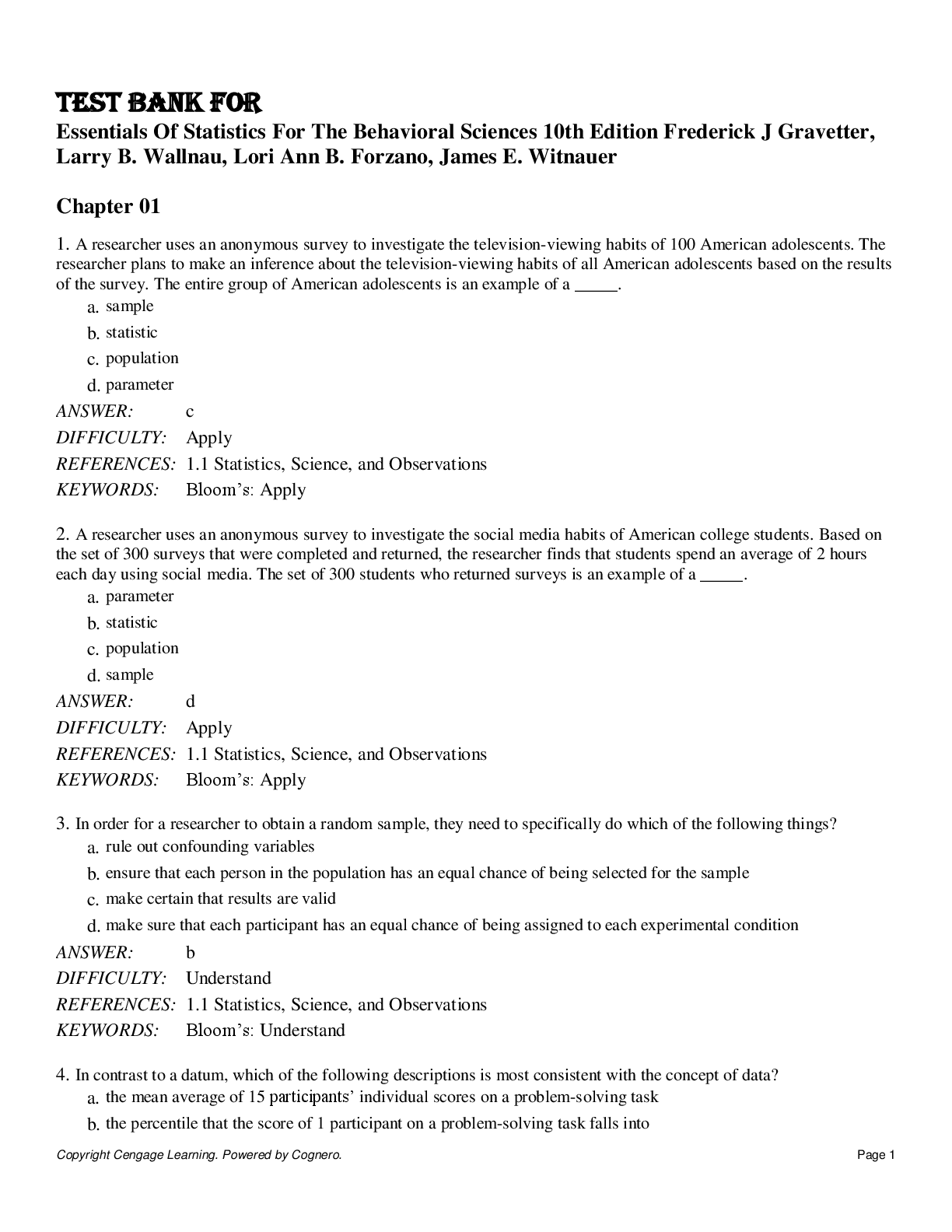
TEST BANK FOR Essentials Of Statistics For The Behavioral Scie...
TEST BANK FOR Essentials Of Statistics For The Behavioral Sci...
Solution Manual For Statistics for Business and Economics 8th...
Solution Manual For Elementary Statistics 13th Edition by Mari...

Solutions Manual_Fundamentals of Statistics 6th Edition By Mic...

eBook [PDF] Dynamic Equations on Time Scales and Applications...

eBook [PDF] Intelligent Fatigue Statistics 1st Edition By Zhen...
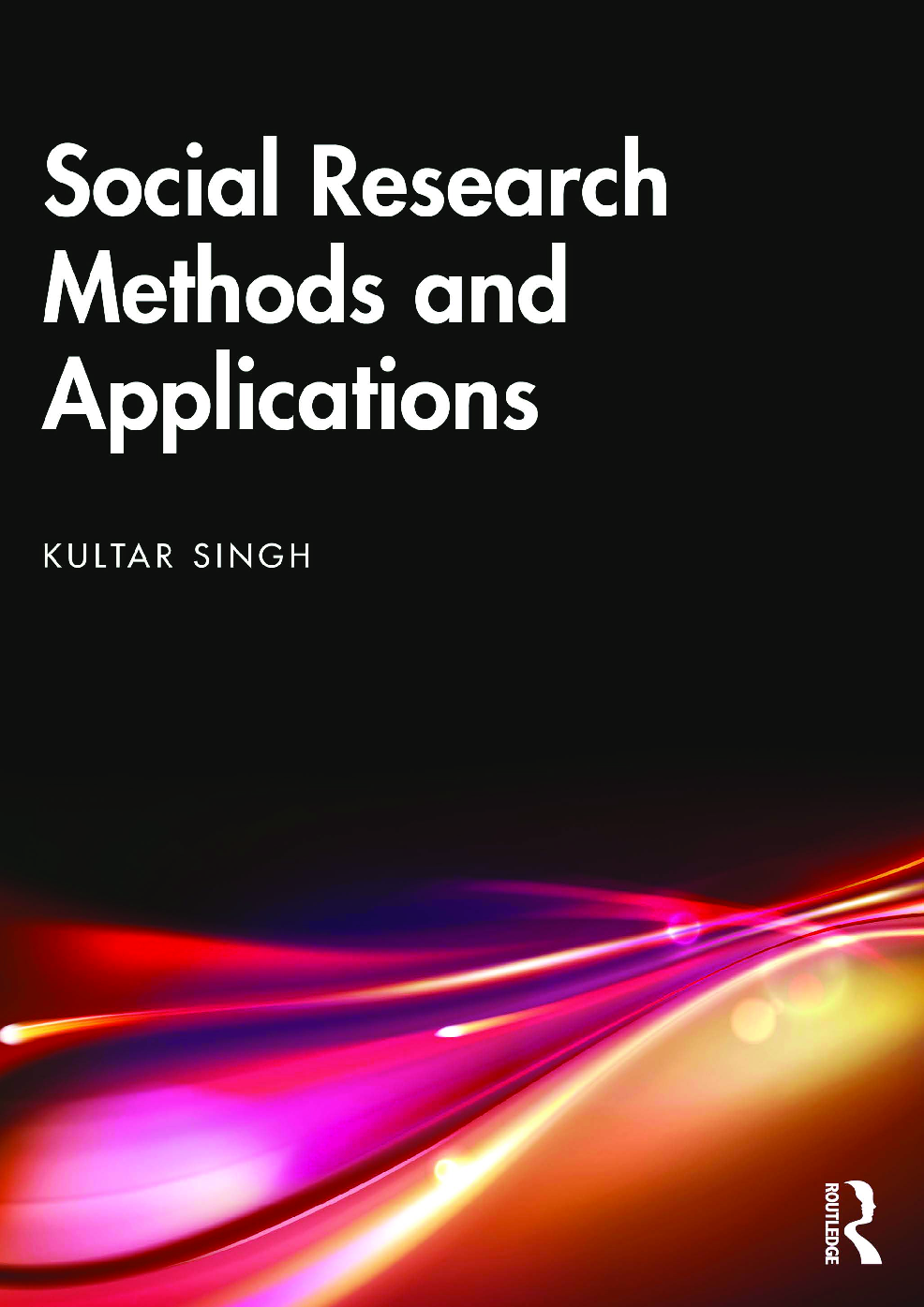
Social Research Methods and Applications Qualitative By Kultar...
UCL MASTER'S PROGRAM LEVEL BASIC STATS EXAM LATEST 2026/2027 R...