Research Methods > CASE STUDY > STAN checketts-age-52-years-diagnosis-rule-out-preoperative-bowel-obstruction_removed (All)
STAN checketts-age-52-years-diagnosis-rule-out-preoperative-bowel-obstruction_removed
Document Content and Description Below
Last updated: 4 years ago
Preview 1 out of 5 pages
Instant download

Buy this Document to get the Full Access Instantly
Provided by Students Who Aced it
We Verify Document Content to Gurantee Accuracy
Reviews( 0 )
Document information
Connected school, study & course
About the document
Uploaded On
Apr 15, 2021
Number of pages
5
Written in
All

Additional information
This document has been written for:
Uploaded
Apr 15, 2021
Downloads
0
Views
233
Topic Tags
Recommended For You
Get more on CASE STUDY »
Stan Checketts Age: 52 years Diagnosis: Rule Out Preoperative...

Stan Checketts Age: 52 years Diagnosis: Rule Out Preoperative...

NUR 172 Stan Checketts Vsim Stan Checketts Age 52 years Diagno...
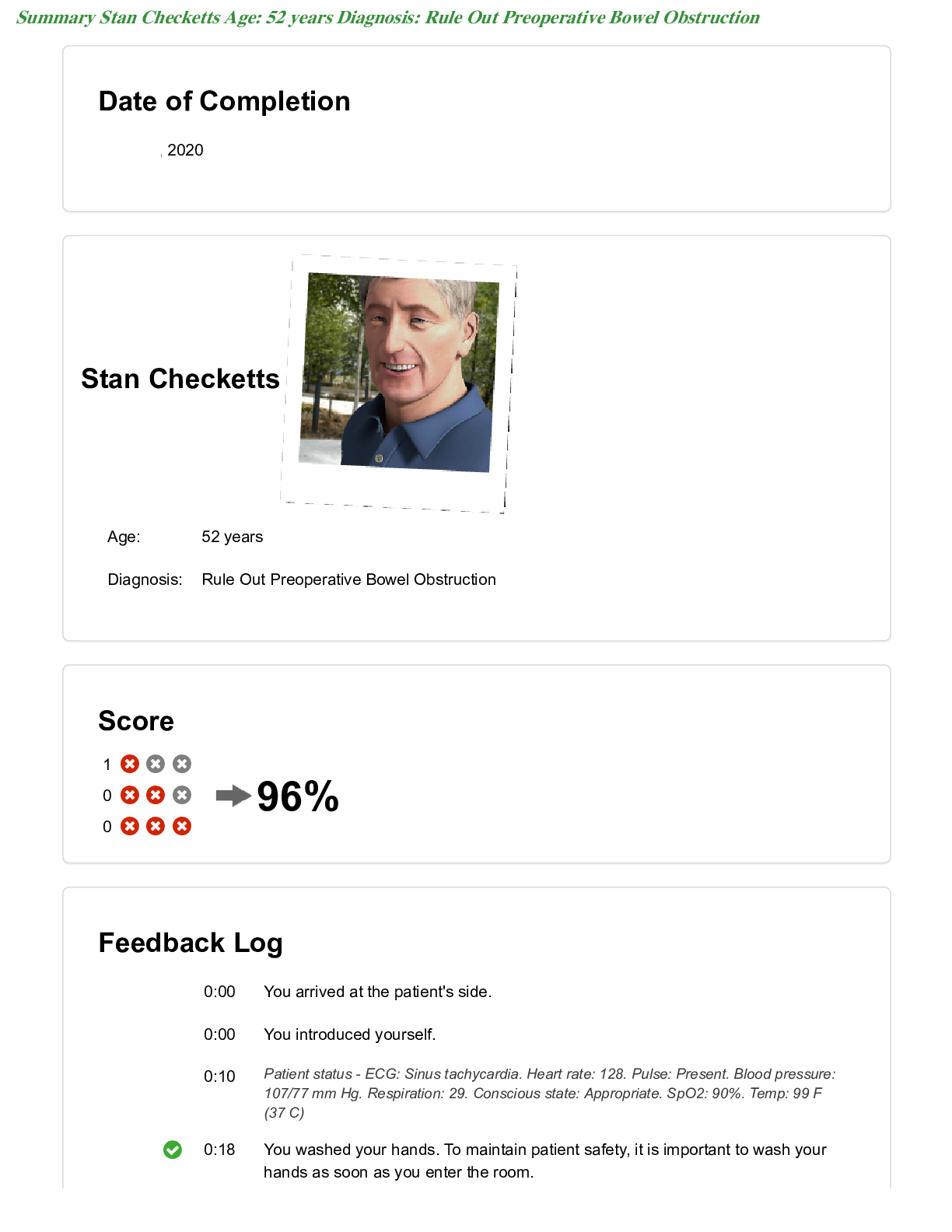
Summary Stan Checketts Age: 52 years Diagnosis: Rule Out Preop...
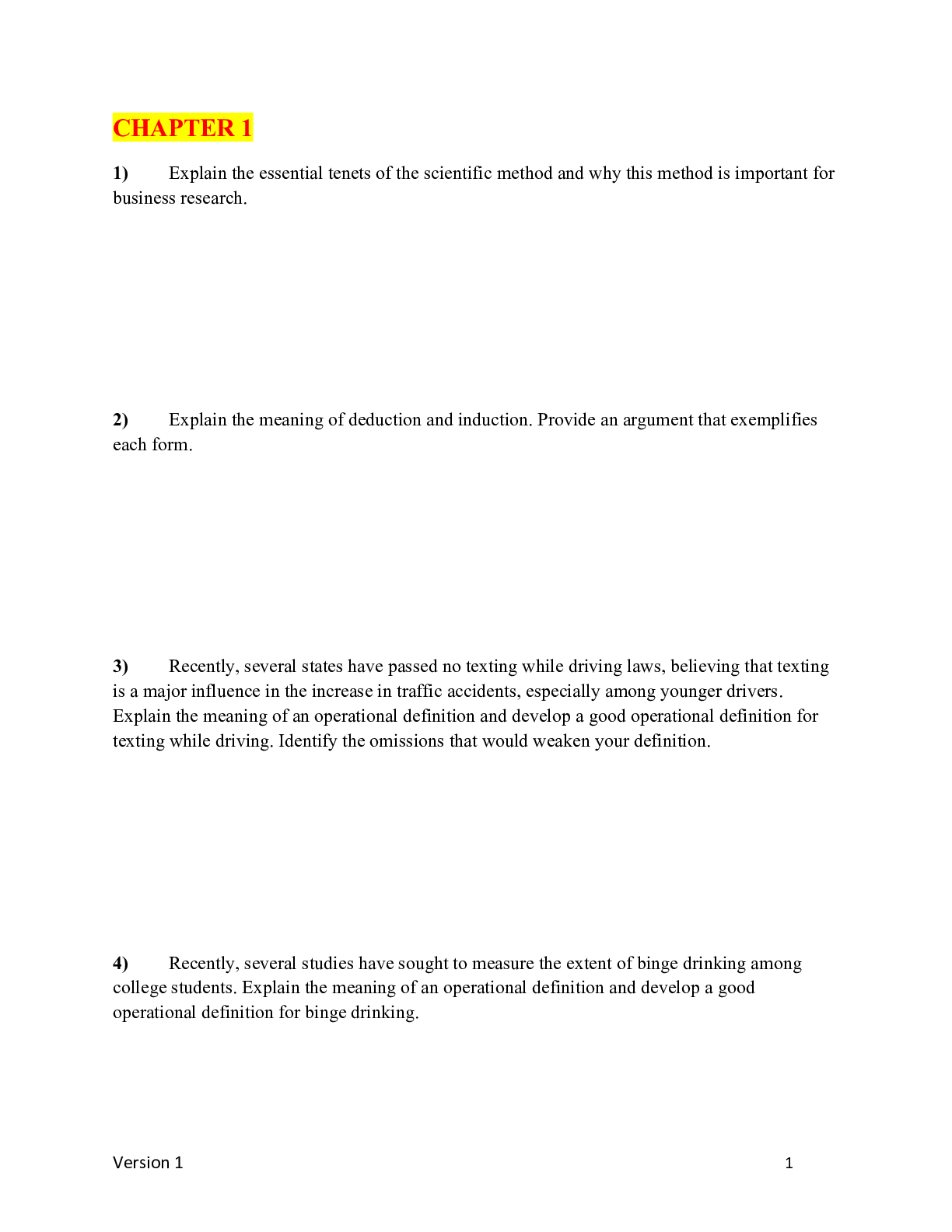
Test Bank for Business Research Methods, 14th Edition, 14e by...

Test Bank for Research Methods in Kinesiology 1st Edition By K...

Stan Checketts Age 52 years Diagnosis Rule Out Preoperative Bo...

NUR 172 Stan Checketts Vsim Stan Checketts Age: 52 years Diagn...
Test Bank For Research Methods for the Behavioral Sciences 7e...

Test Bank for Counseling and Educational Research 4th Edition...
Test Bank For Research Methods in Psychology: Evaluating a Wor...

Mixed Methods Research Design for the Built Environment 1st Ed...

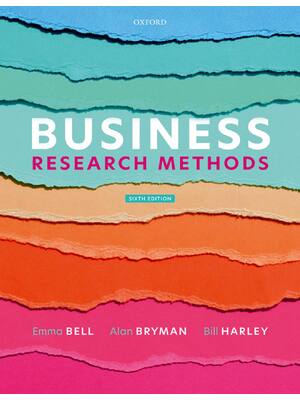
Business Research Methods 6th Edition By Emma Bell, Bill Harle...

Interdisciplinary Research, Process and Theory 4th Edition By...
Methods in Behavioral Research 15th Edition by Paul C. Cozby,...
Test Bank for Methods in Behavioral Research 15th EDITION| PAU...
SOLUTIONS MANUAL for Methods in Behavioral Research 15th Editi...
Introduction to Operations Research 10th Edition By Fred Hilli...
.png)





_removed.png)
_removed.png)
_removed.png)
_removed.png)

