NURSING > CASE STUDY > SEPSIS CASE STUDY urosepsis-jean-kelly (1)_removed (All)
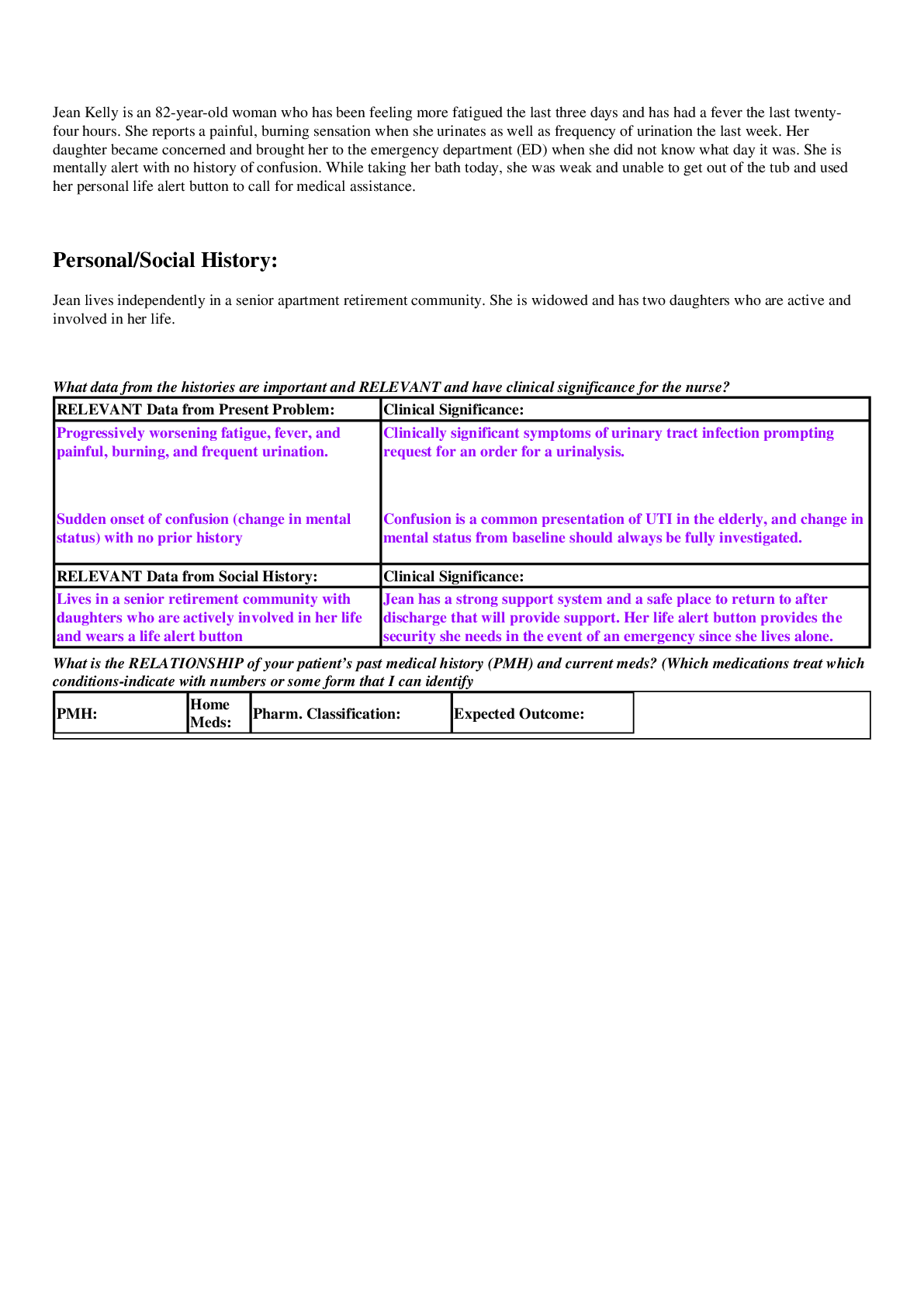
SEPSIS CASE STUDY urosepsis-jean-kelly (1)_removed
Document Content and Description Below
Last updated: 3 years ago
Preview 1 out of 13 pages
Instant download
_removed.png)
Buy this Document to get the Full Access Instantly
Provided by Students Who Aced it
We Verify Document Content to Gurantee Accuracy
Reviews( 0 )
Document information
Connected school, study & course
About the document
Uploaded On
Apr 22, 2021
Number of pages
13
Written in
All

Additional information
This document has been written for:
Uploaded
Apr 22, 2021
Downloads
0
Views
147
Topic Tags
Recommended For You
Get more on CASE STUDY »
Unfolding Clinical Reasoning Case Study edited Urinary Tract I...

(answered)Urosepsis Jean Kelly age 82 / Sepsis Case Study; Jea...

Urinary Tract Infection/Urosepsis Jean Kelly, 82 years old (fu...
Urinary Tract Infection/Urosepsis Jean Kelly, 82 years old (fu...





.png)





_removed.png)
_removed.png)
_removed.png)
_removed.png)

