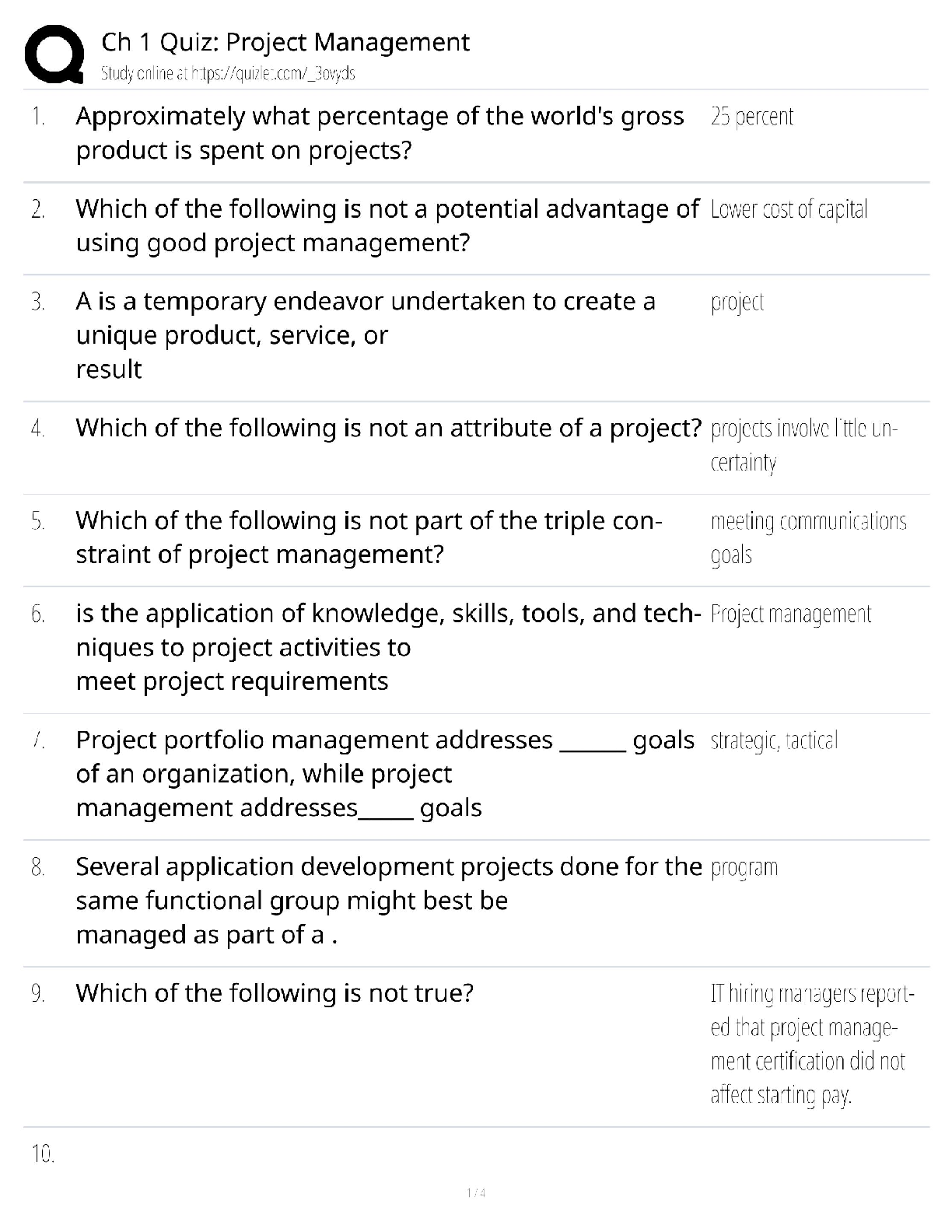
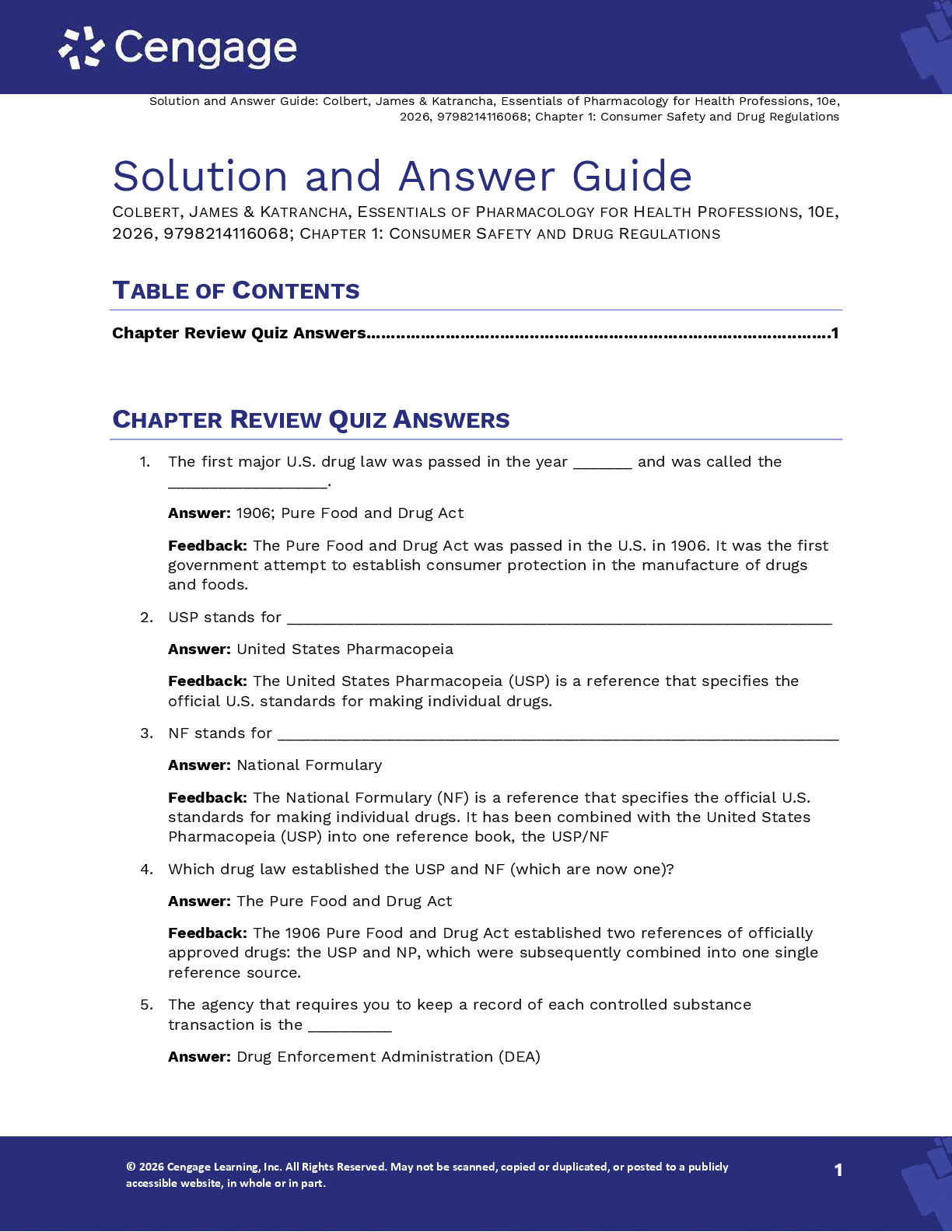
Project Management > SOLUTIONS MANUAL > SOLUTION MANUAL for Project Management: The Managerial Process 8th Edition by Erik W. Larson & Cliff (All)
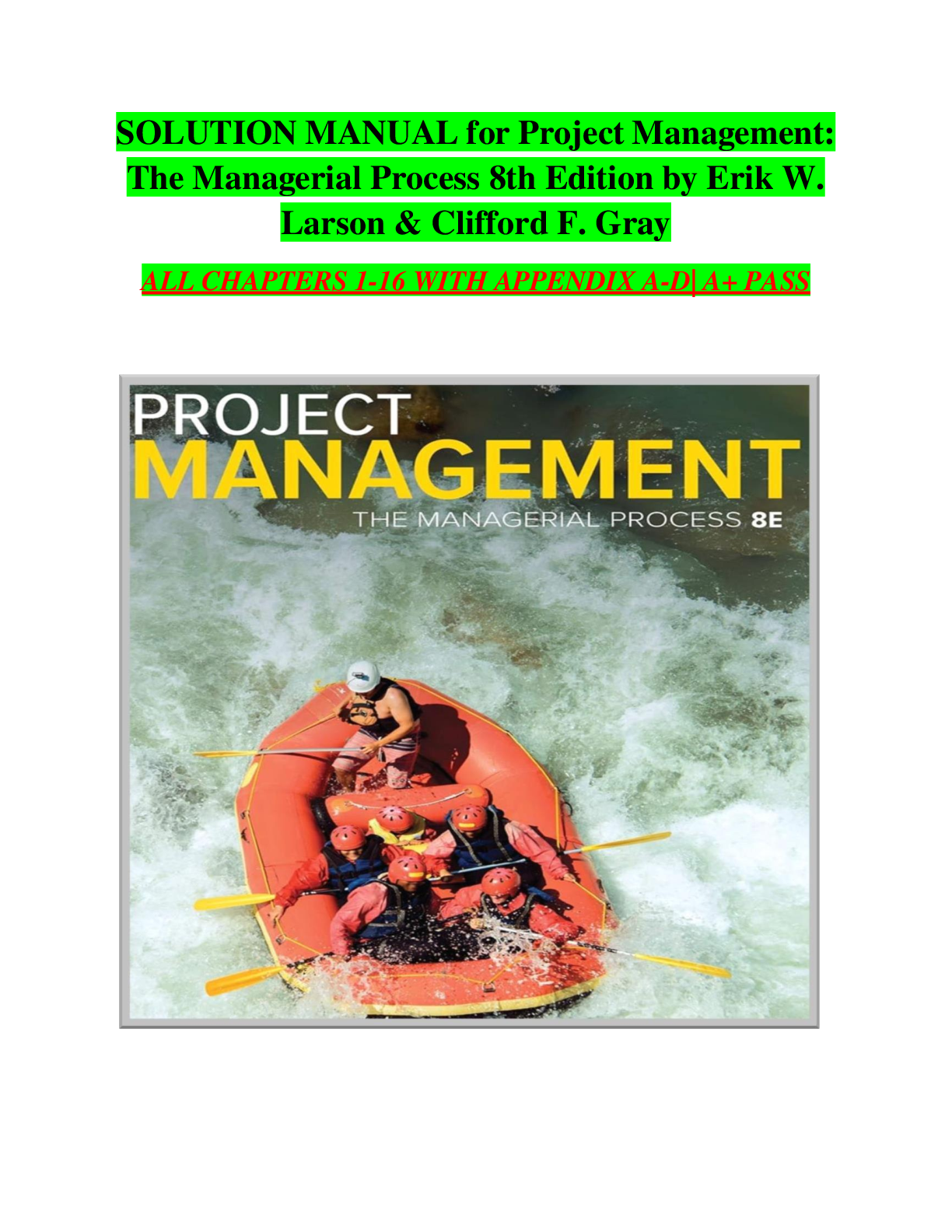
SOLUTION MANUAL for Project Management: The Managerial Process 8th Edition by Erik W. Larson & Clifford F. Gray ALL CHAPTERS 1-16 WITH APPENDIX A-D| A+ PASS
Document Content and Description Below
Last updated: 1 week ago
Preview 1 out of 548 pages
Instant download
Buy this Document to get the Full Access Instantly
Provided by Students Who Aced it
We Verify Document Content to Gurantee Accuracy
Reviews( 0 )
Document information
Connected school, study & course
About the document
Uploaded On
Jan 04, 2026
Number of pages
548
Written in
All

Additional information
This document has been written for:
Uploaded
Jan 04, 2026
Downloads
0
Views
117
Topic Tags
Related Subjects & Courses
Explore similar study resources and related concepts.
Recommended For You
Get more on SOLUTIONS MANUAL »
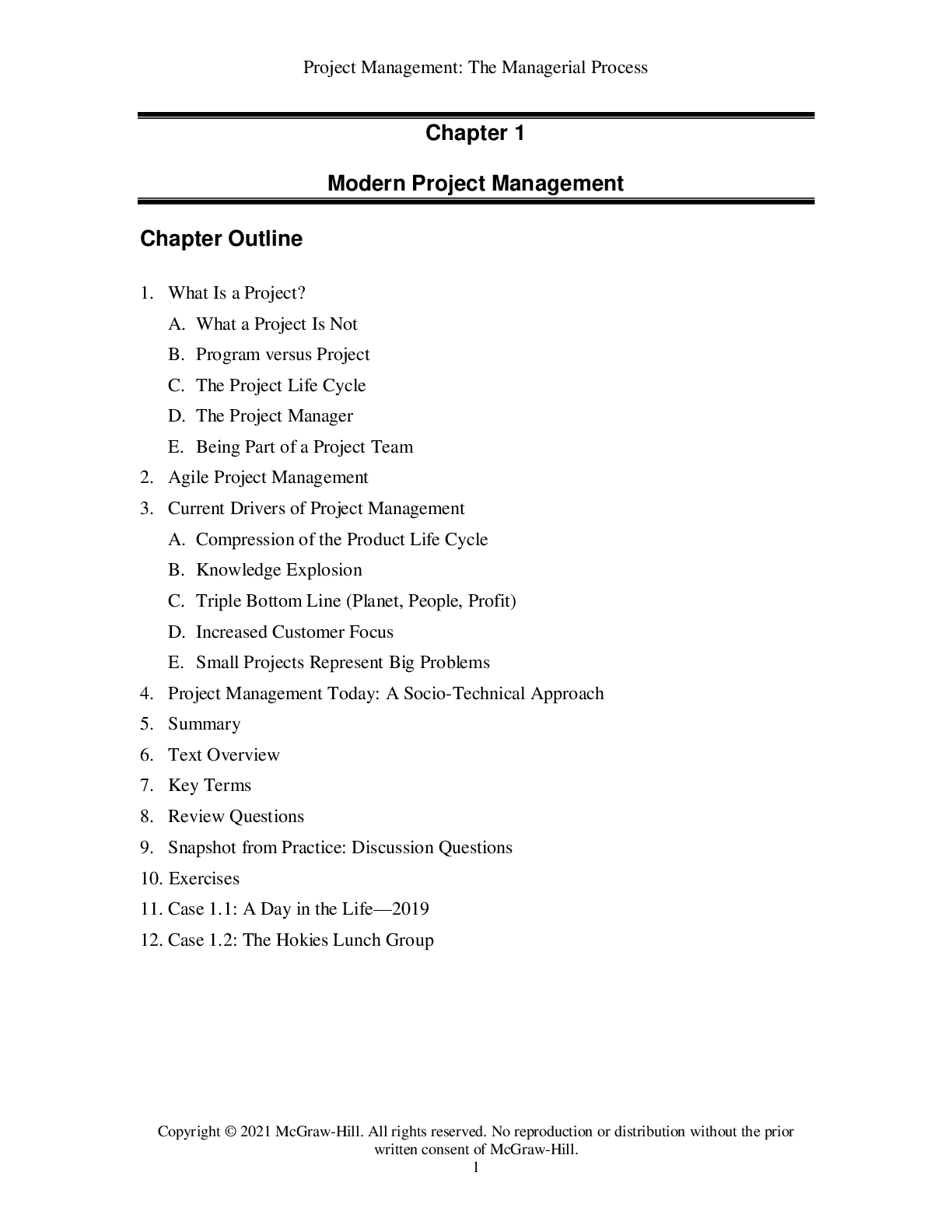
SOLUTION MANUAL FOR PROJECT MANAGEMENT THE MANAGERIAL PROCESS...
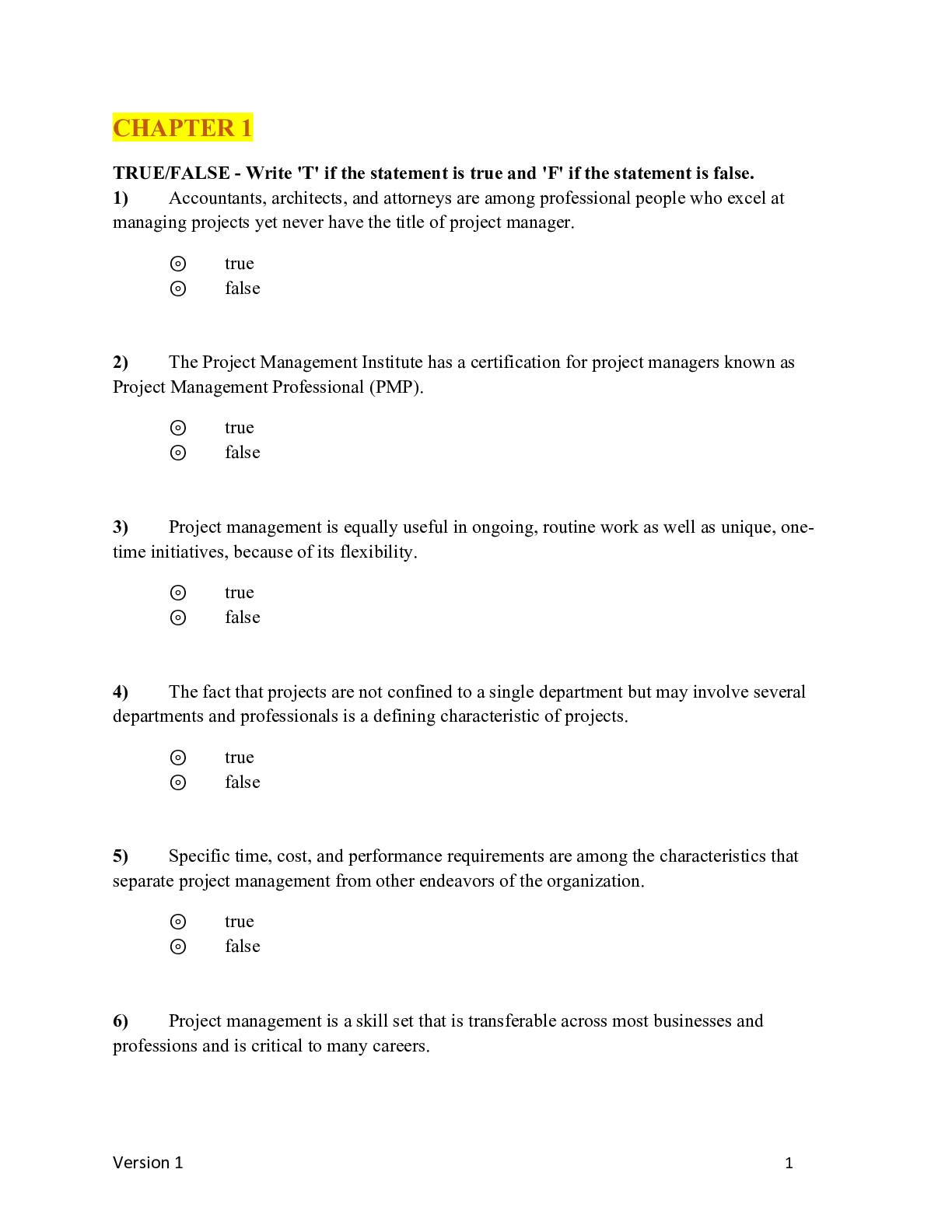
Test Bank for Project Management; The Managerial Process, 8th...
Project Management; The Managerial Process 8th Edition by Erik...

Project Management A Managerial Approach, 11e Jack Meredith, S...
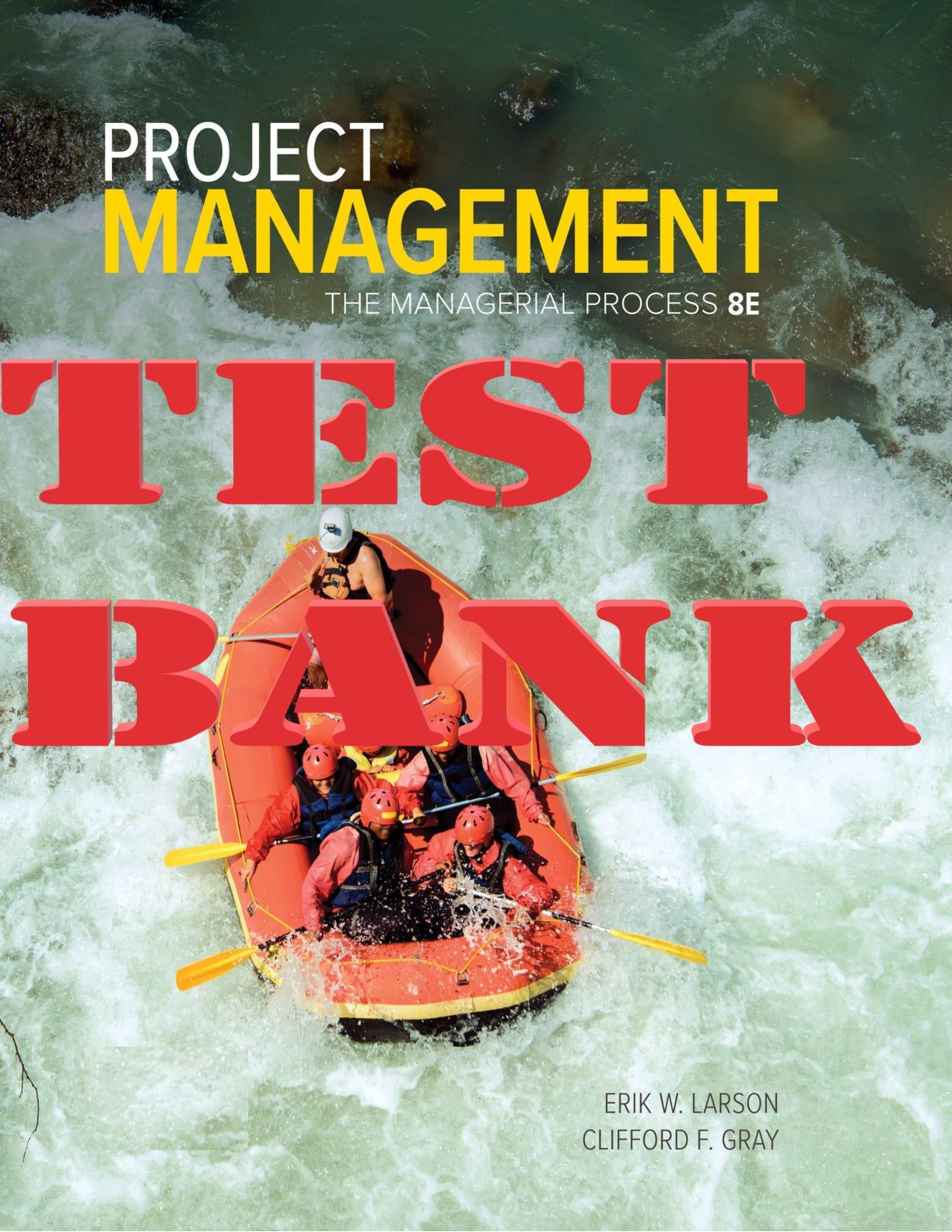
Project Management The Managerial Process 8th Edition By Eric...

TEST BANK for Project Management: The Managerial Process 8th E...
Test Bank for Project Management The Managerial Process, 8th E...

Contemporary Project Management, 4e Timothy Kloppenborg, Vitta...

Project Management 10th Edition By Jack Meredith, Samuel Mante...
TEST BANK for Project Management, The Managerial Process 8th E...
Test Bank for Project Management, 8th Edition by Erik Larson
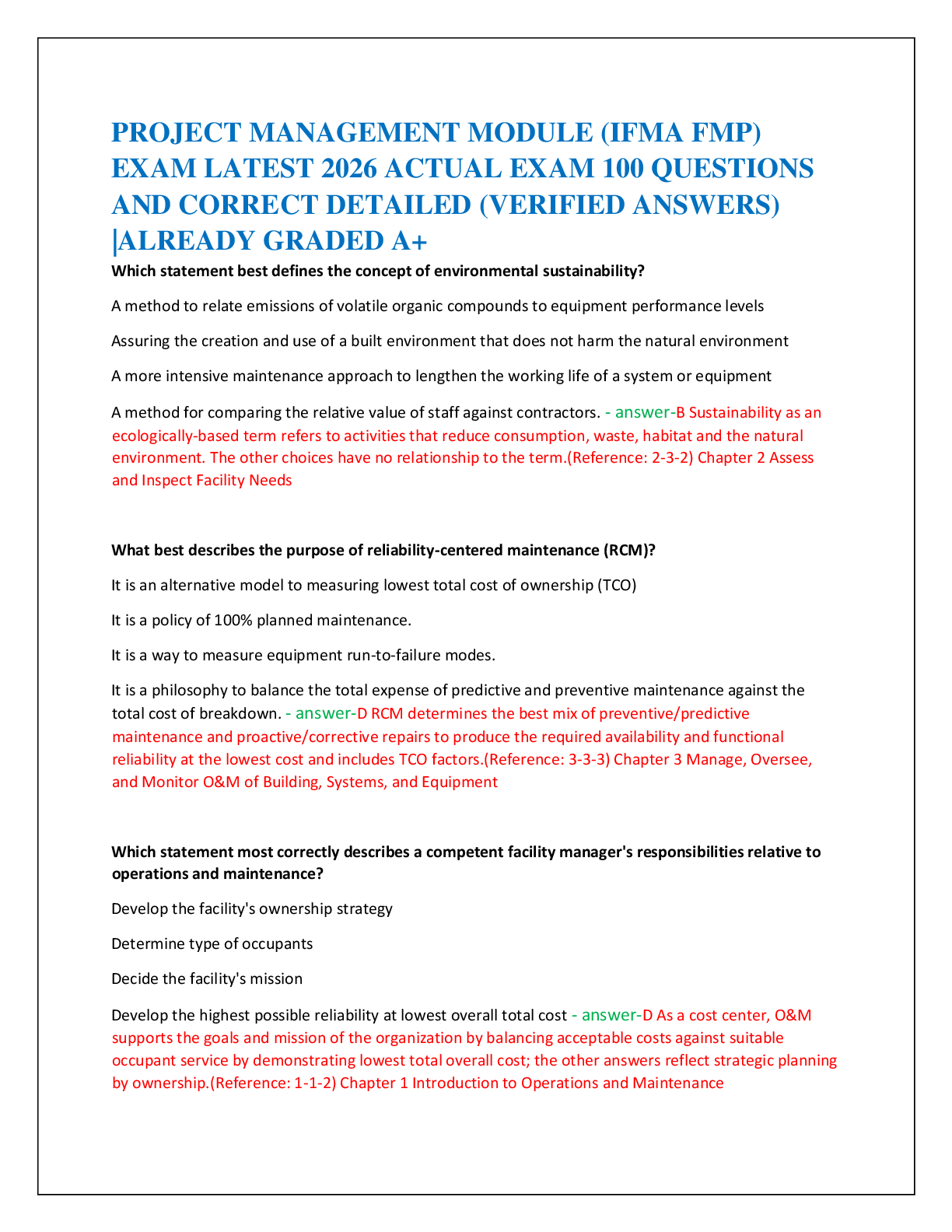
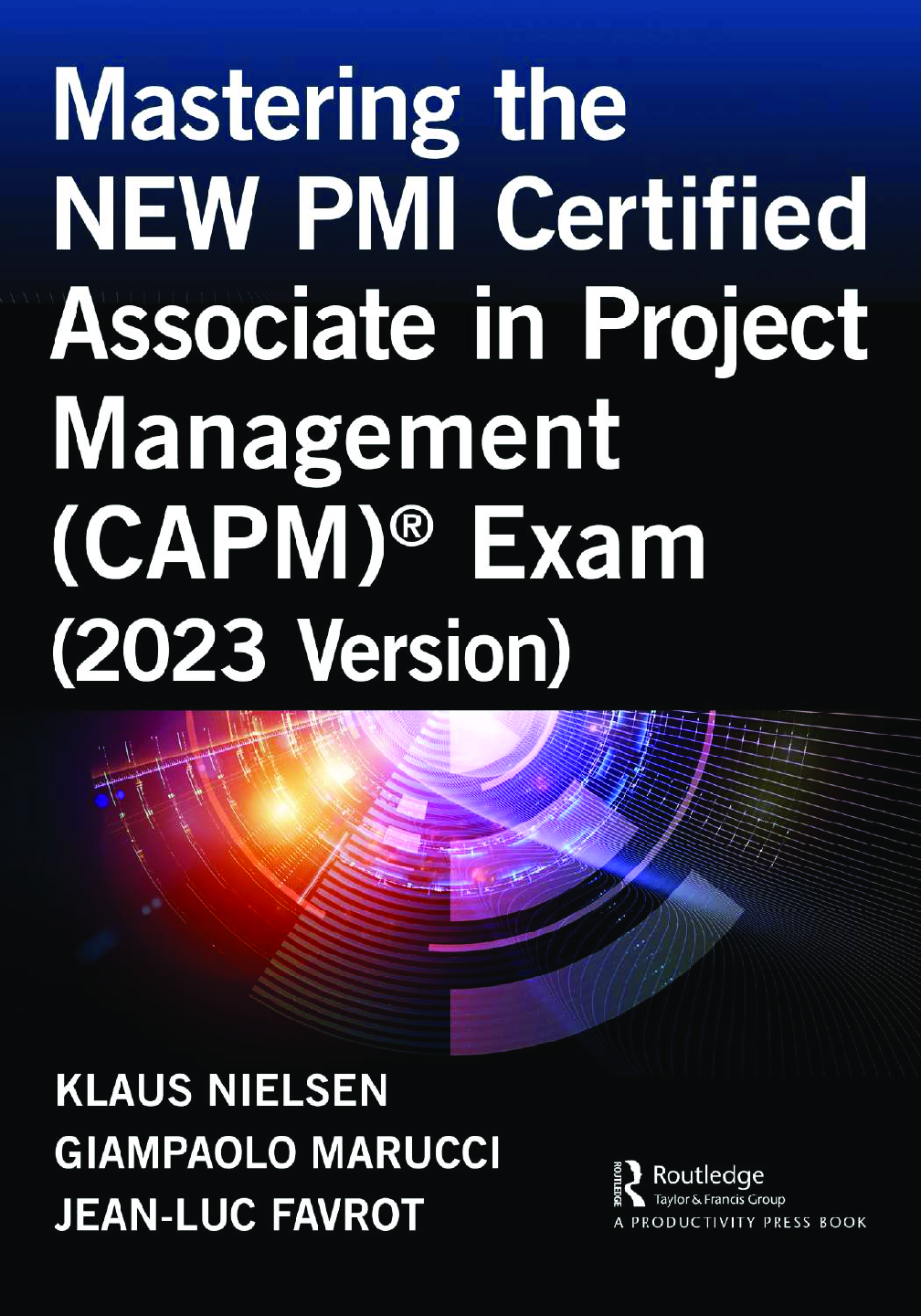
Mastering the NEW PMI Certified Associate in Project Managemen...
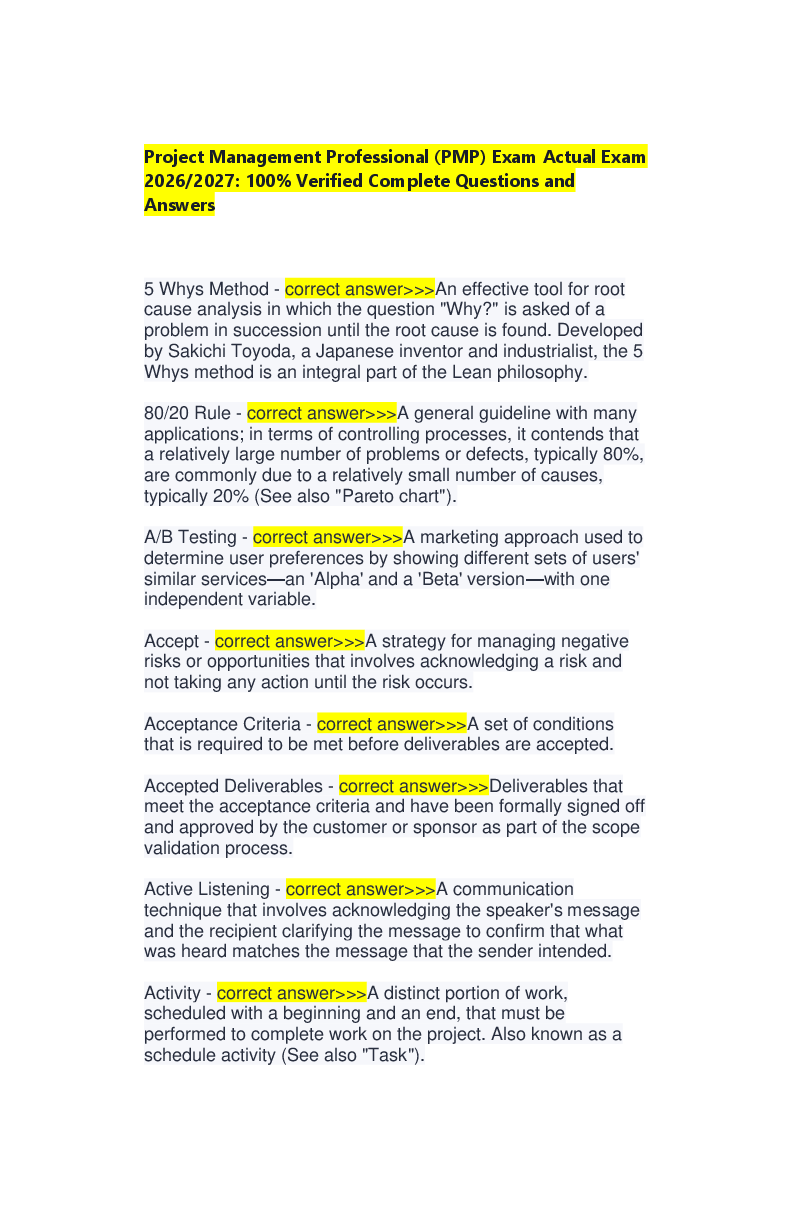
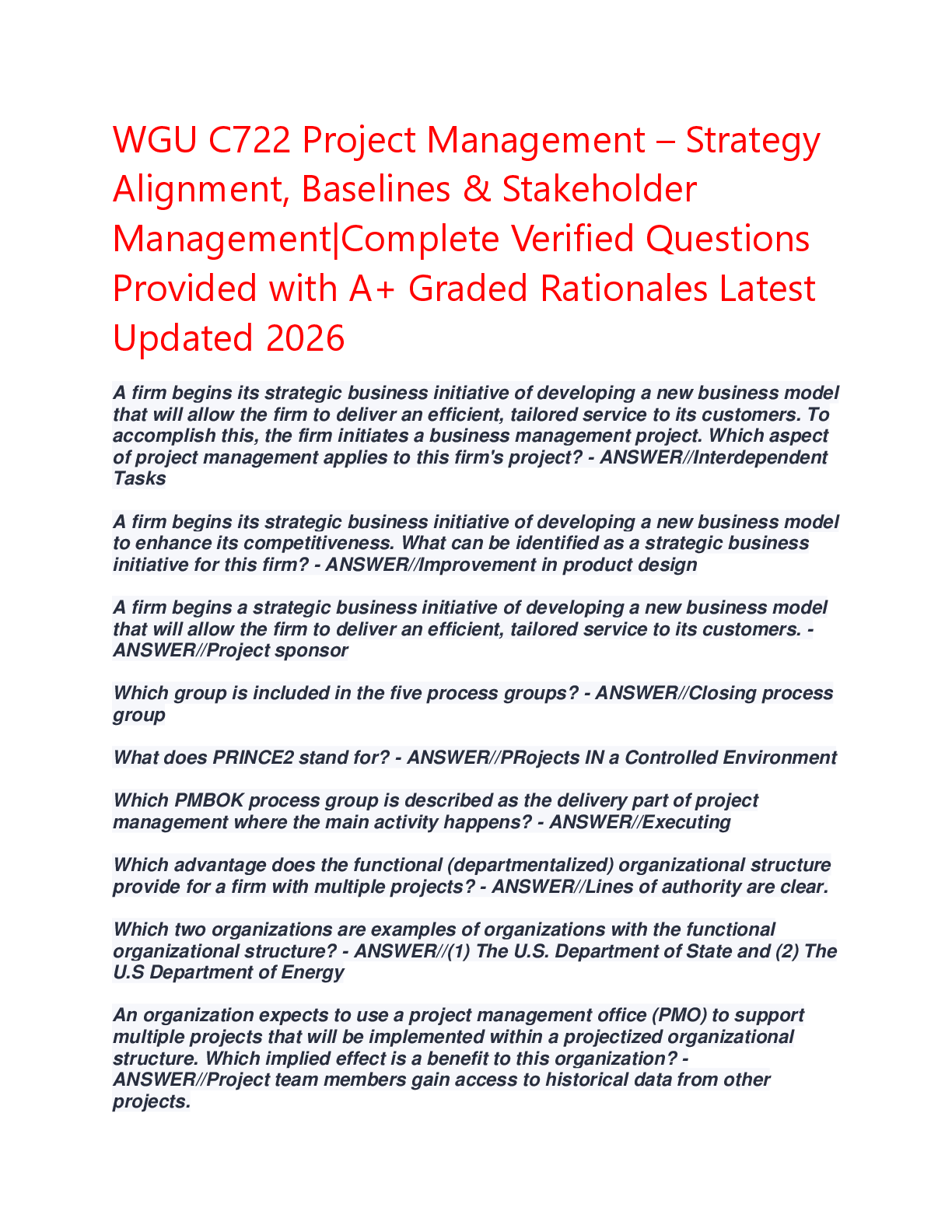
Chapter 1 Quiz Project Management / 2026 PMP Study Guide / CAP...