FINAL EXAM STUDY GUIDE
Week 5
Identify the population most commonly affected by bacterial prostatitis: Acute bacterial prostatitis occurs predominantly in sexually active men between the ages of 30 and 50 years
...
FINAL EXAM STUDY GUIDE
Week 5
Identify the population most commonly affected by bacterial prostatitis: Acute bacterial prostatitis occurs predominantly in sexually active men between the ages of 30 and 50 years old, whereas chronic bacterial prostatitis is most common in men older than 50.
Prostatitis (Acute, chronic, nonbacterial)
Risk factors
Age> 50 yrs, Hx of prostate calculi, BPH, prev. UTI, recurrent UTIS acute and chronic-> strep. Faecalis and staph. Aureus are most common
physical exam: abd. Exam to detect distended bladder, costovertebral angle tenderness, genital exam, digital rectal exam
acute: warm, tense, swollen, boggy and very tender prostate vs chronic: normal or little boggy
diagnostic testing: U/A (PYURIA + for all three), midstream urine cand s, 츛, urethral swab for GC AND CT, cystoscopy, transrectal ult
Acute-- treatment
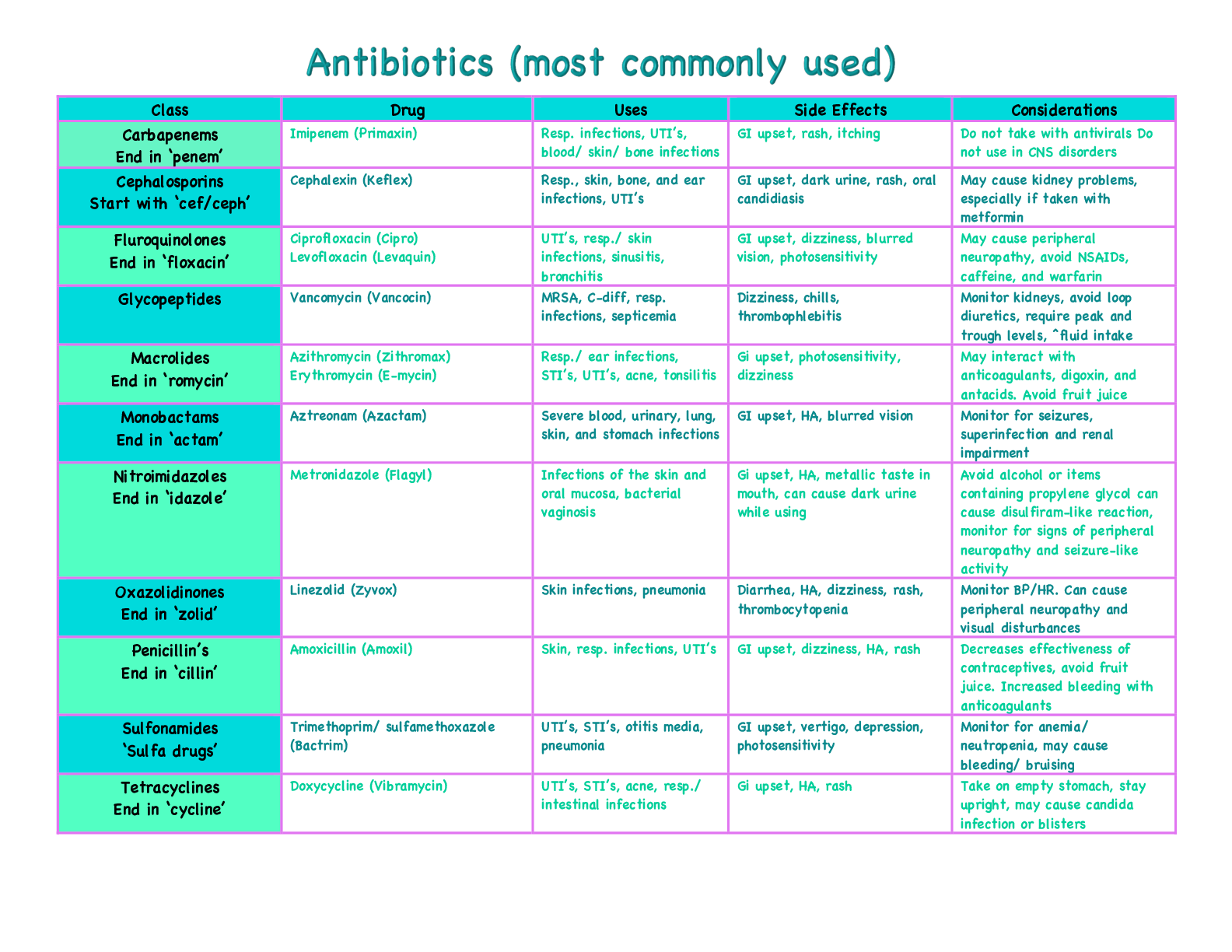
14 to 28 day regimen-cipro 500 mg q 12 hr, levofloxacin 500mg daily or doxycycline or TMP- SMX
STD coverage for ABP; single dose IM ceftriaxone 250 mg + single dose azithromycine or doXy 100 mg BID 7 D
Supportive measure: antipyretics, nsaids, hydration, stool softeners Chronic-treatment
5 to 12 week antibiotic course with same meds + alpha-blocking agents to relax the smooth muscles around prostate
Nonbacterial prostatitis- treatment FEFER TO UROLOGIST
Discuss the physical exam characteristics of acute bacterial prostatitis: urinary complains (frequency, urgency, nocturia, dysuria) pain & discomfort (LBP, penile, scrotal pain, fever, chills, malaise or painful ejaculation, arthralgia, myalgia)
Chronic bacterial s/s: symptoms often absent, perineal pain, LBP, lower abd. Pain, scrotal or penile pain, pain with ejaculation, dysuria…
Discuss how the Phren sign can differentiate between testicular torsion and epididymitis: The most common symptom in testicular torsion is sudden, severe pain accompanied by swelling of the affected testis. The patient may have pain for several days without seeking medical attention. The most common finding on clinical exam is the absence of the cremasteric reflex and unlike in epididymitis, elevation of the affected testis does not relieve the pain (negative Phren’s sign).
Epididymitis
Can affect any age in male, Hx of unprotected intercourse, a new sexual partner, Hx of UTI or urinary discharge
Symptoms
Unilateral scroll pain which radiates along the spermatic cord or to the flank
HALLMARK SYMPTOM: RELIEF OF DISCOMFORT WITH ELEVATION OF TESTIS AND EPIDIDYMIS
Tx: same antibiotics ceftriaxone 250mg IM TIMES 1 and azythromycine 1 gm po times 1
BPH
Most common condition in males > 40 yrs Risk factors: ?
Size does not correlated with severity of symptoms BPH= smooth and enlarged, if hard, suspect cancer Treatment
Avoid caffeine and alcohol Conservative tx vs surgery
Alpha blockers (relax smooth muscle)Tamsulosine 0.4-0.8mg qd, doxazosin 4-8 mg qd 5-alpha-reductade inhibitors finasteride 5mg qd or dutasteride 0.5 mg qd
Testicular torsion- twisting or rotation of the testes around the spermatic cord, blocking blood to the testes UROLOGICAL EMERGENCY!! (> 6 hrs, viability 10-15%, >24 hrs, below 10%)
Sx: mostly seen in adolescent and young adults; trauma, exercise, extreme cold,
absence of the cremasteric reflex, unlike in epididymitis, elevation of the affected testis does NOT relieve pain (Phrens’s sign)
.......................................CONTINUED...........................................................................
[Show More]