Geography > Research Paper > GEOG 330 sect. 2 AA A Review of Postmodern Urbanism Assignment 1 (All)
GEOG 330 sect. 2 AA A Review of Postmodern Urbanism Assignment 1
Document Content and Description Below
Last updated: 9 months ago
Preview 2 out of 4 pages
Instant download

Loading document previews ...
Buy this Document to get the Full Access Instantly
Provided by Students Who Aced it
We Verify Document Content to Gurantee Accuracy
Reviews( 0 )
Document information
Connected school, study & course
About the document
Uploaded On
Feb 20, 2026
Number of pages
4
Written in
All

Additional information
This document has been written for:
Uploaded
Feb 20, 2026
Downloads
0
Views
147
Topic Tags
Recommended For You
Get more on Research Paper »
Exercises for Weather & Climate, 9e Greg Carbone (Solution Man...
Human Geography Places and Regions in Global Context, 5th Cana...
Human Geography Places and Regions in Global Context 7e Paul K...
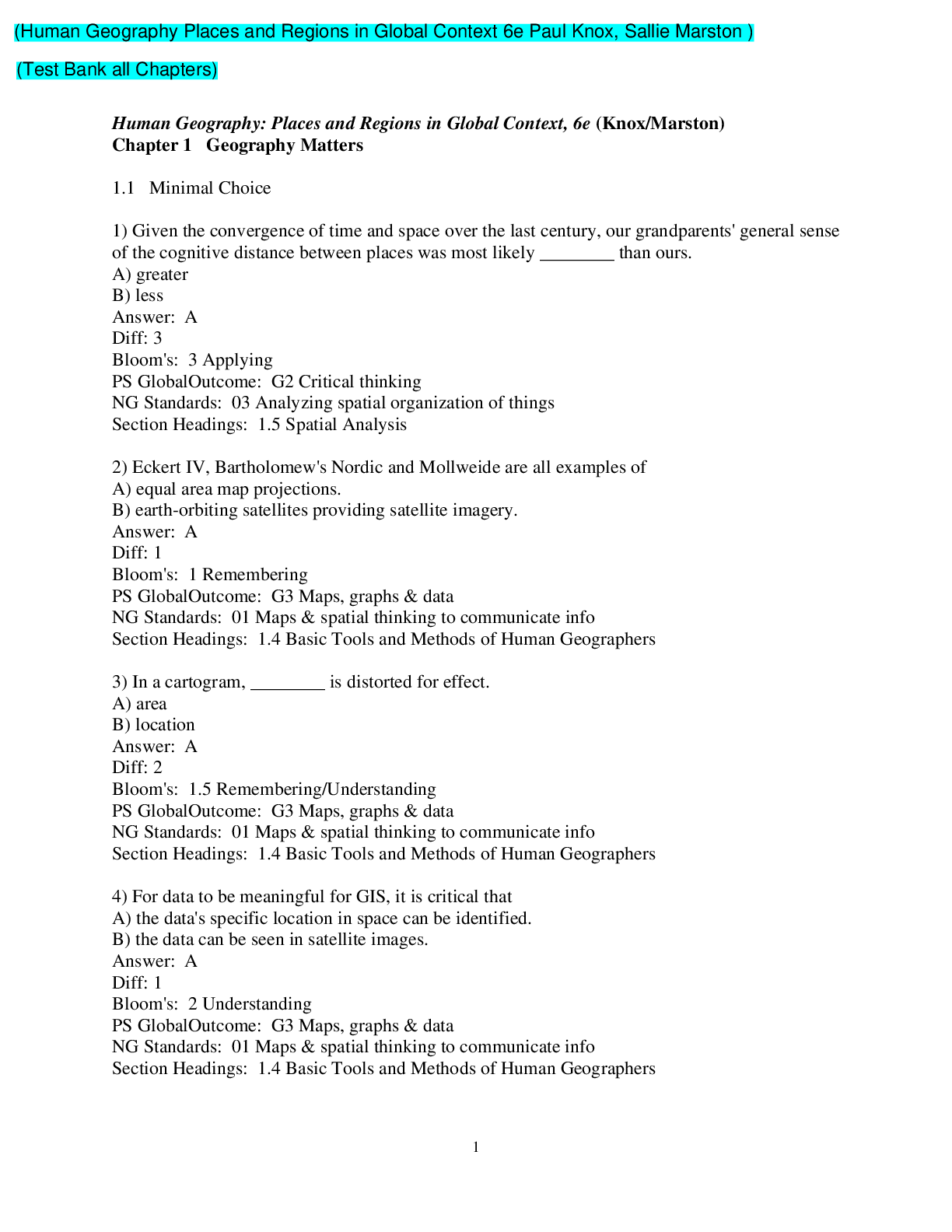
Human Geography Places and Regions in Global Context 6e Paul K...
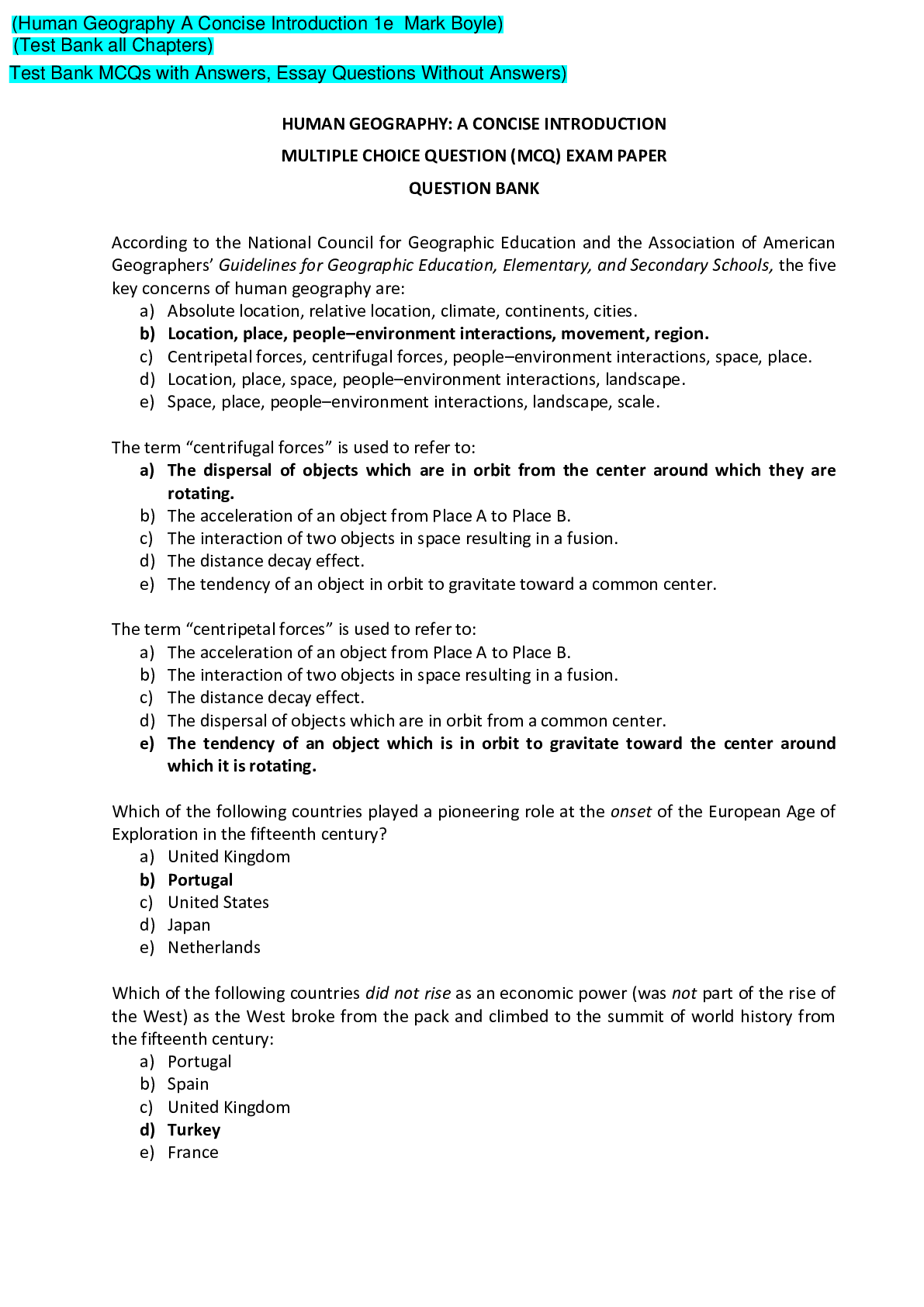
Human Geography A Concise Introduction 1e Mark Boyle (Test Ba...
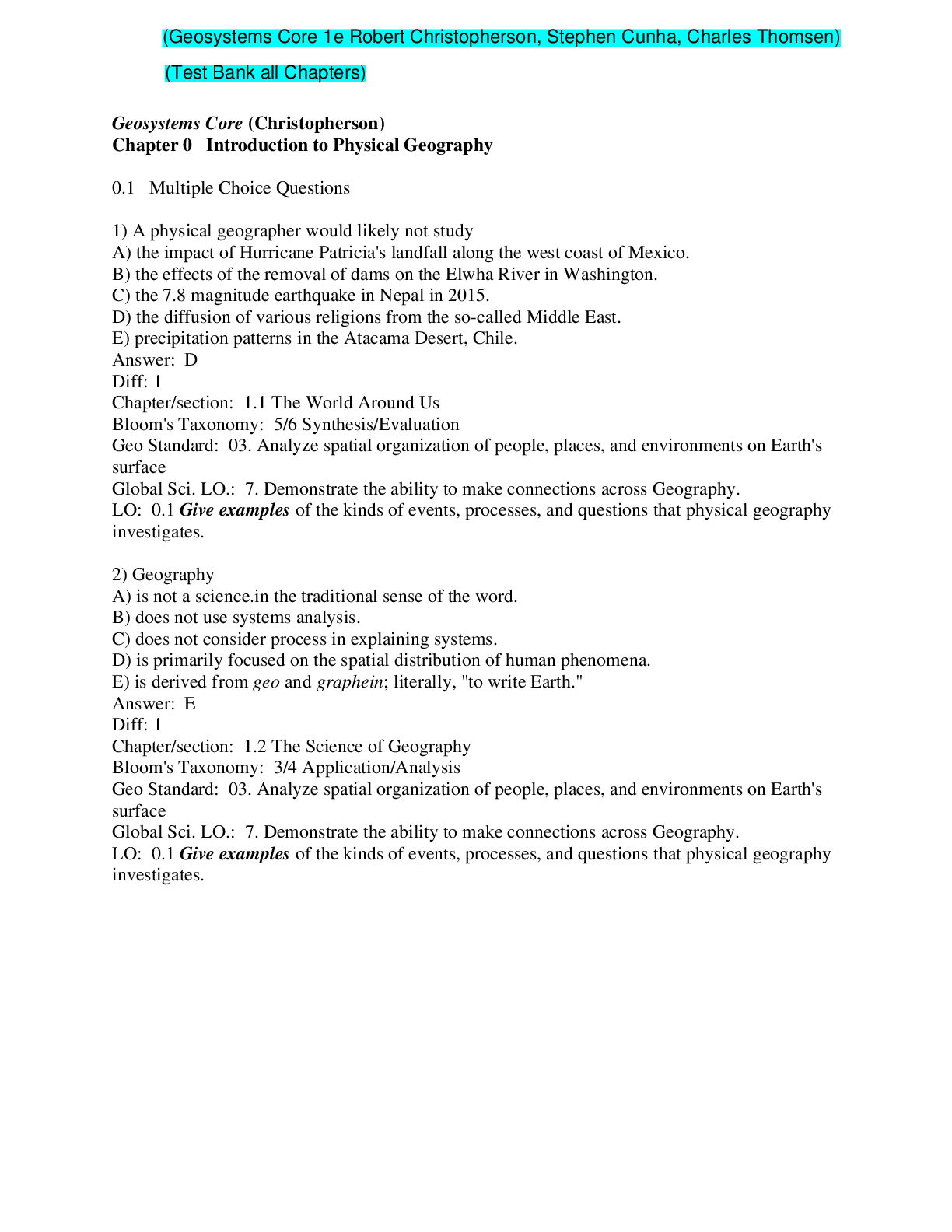
Geosystems Core 1e Robert Christopherson, Stephen Cunha, Charl...
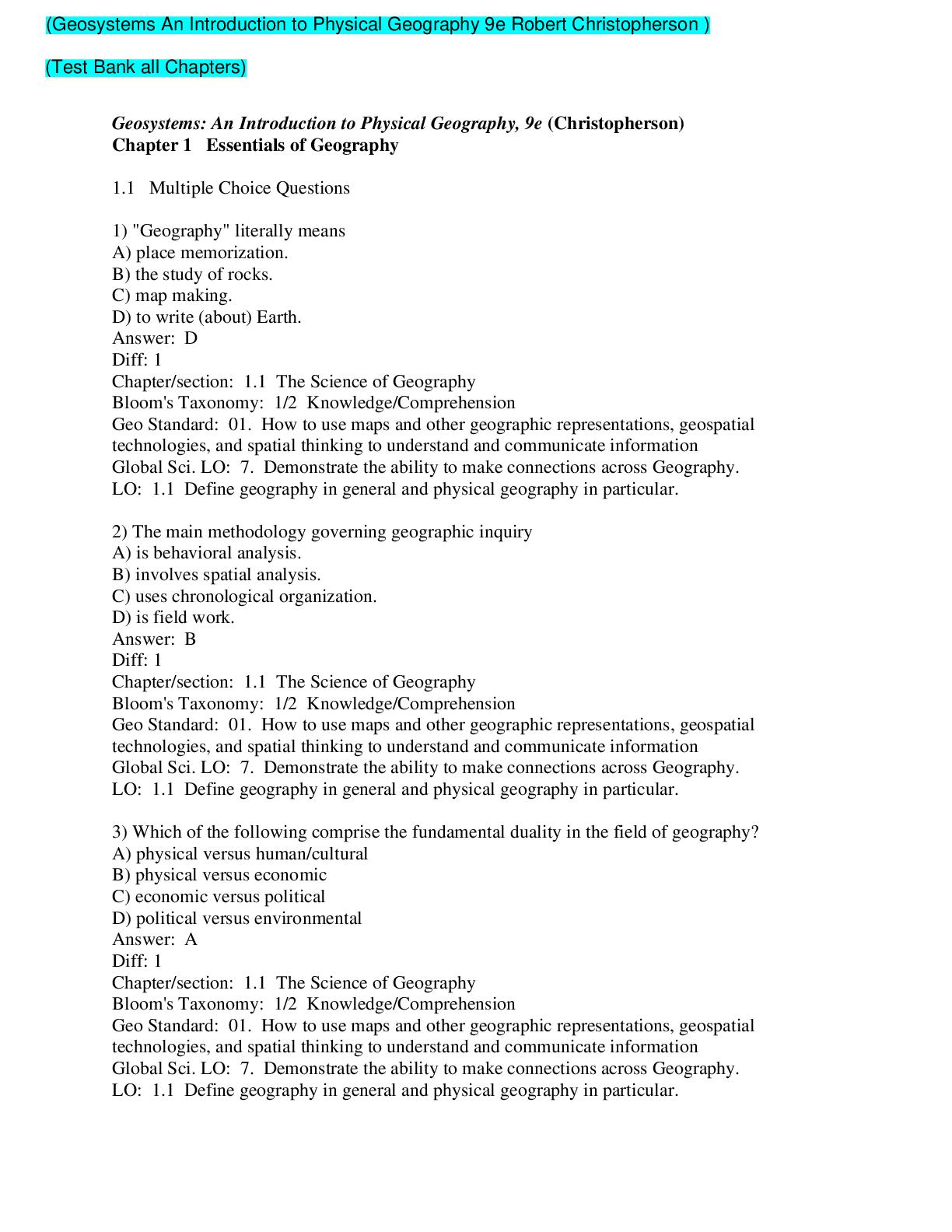
Geosystems An Introduction to Physical Geography 9e Robert Chr...
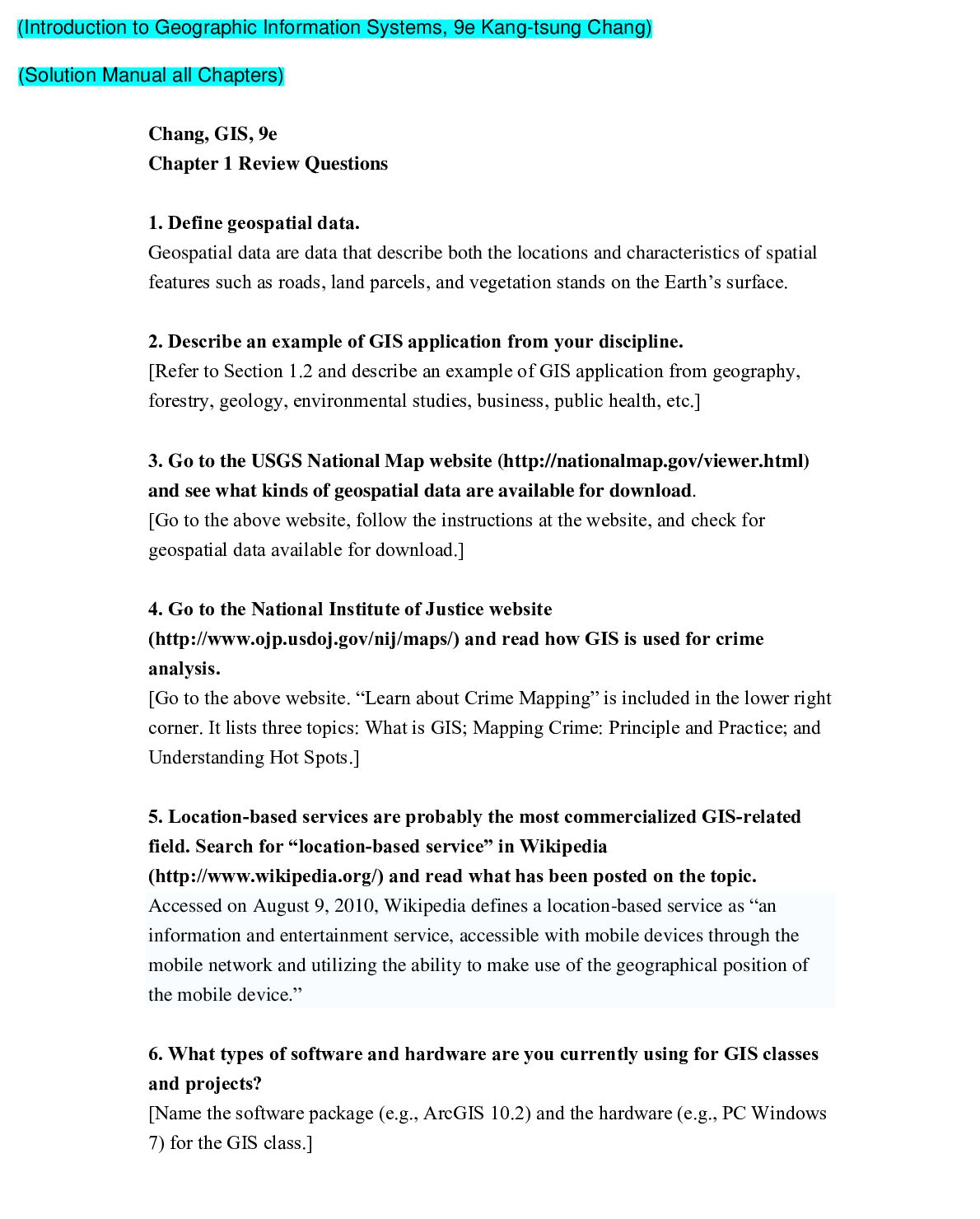
Introduction to Geographic Information Systems 9th Edition By...
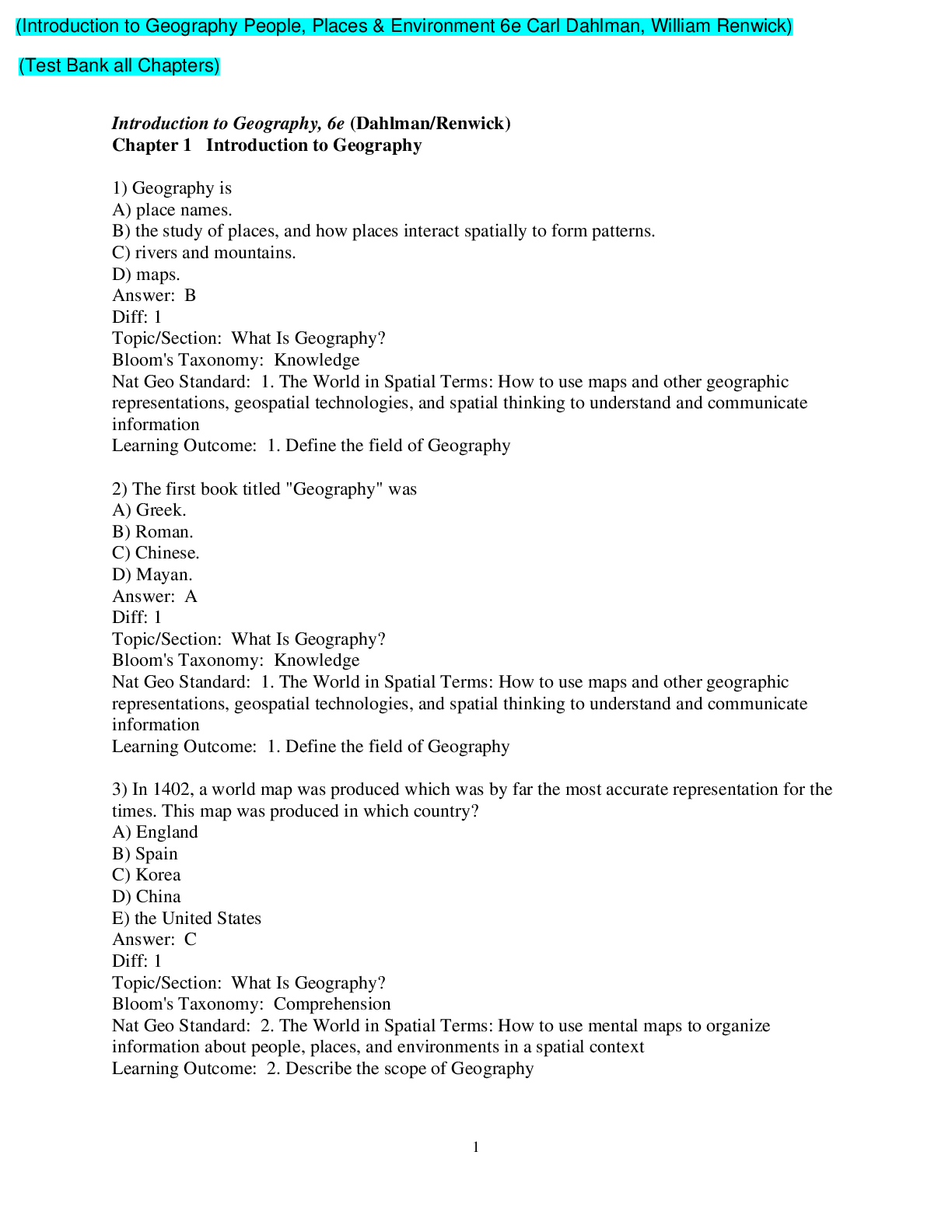
Introduction to Geography People, Places & Environment 6e Carl...
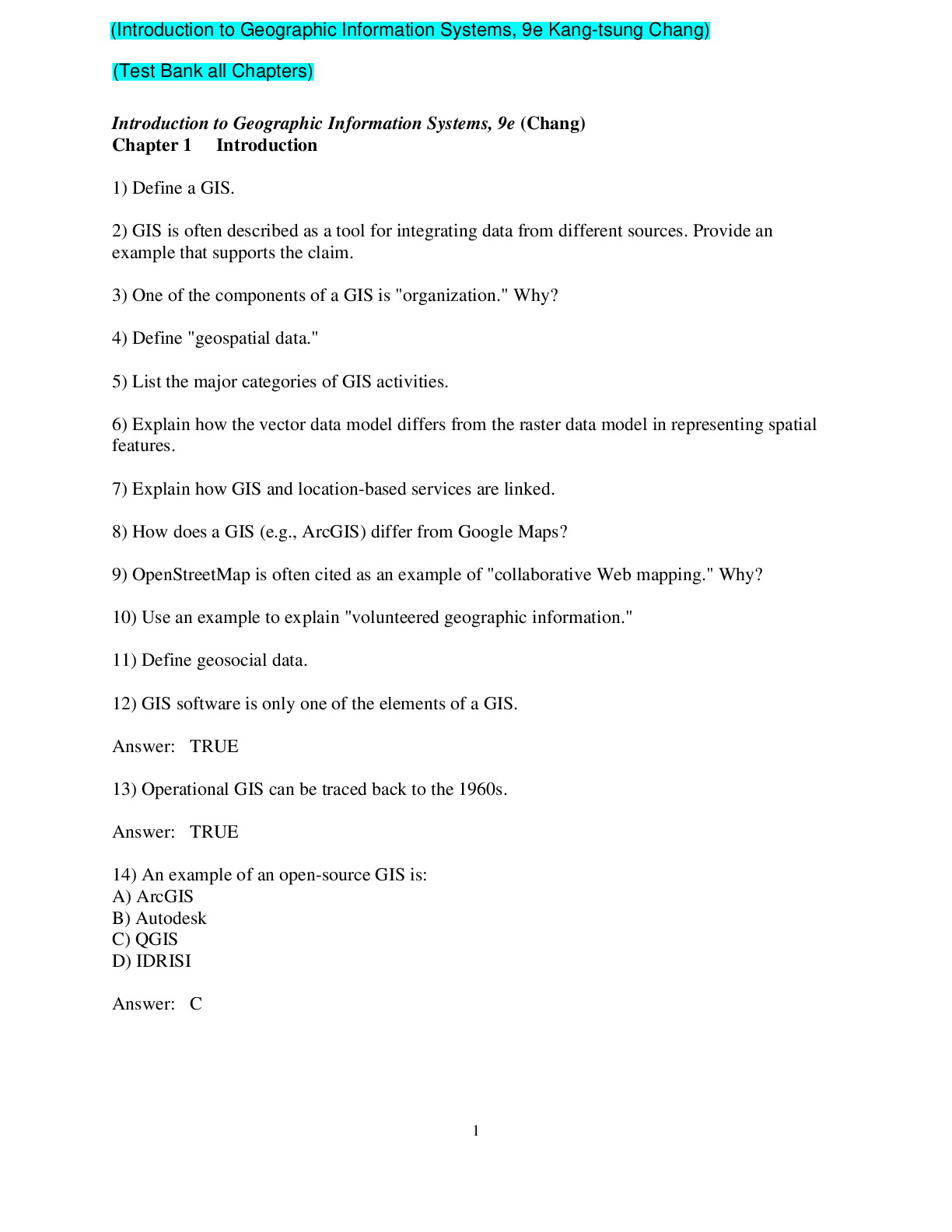
Introduction to Geographic Information Systems 9th Edition By...
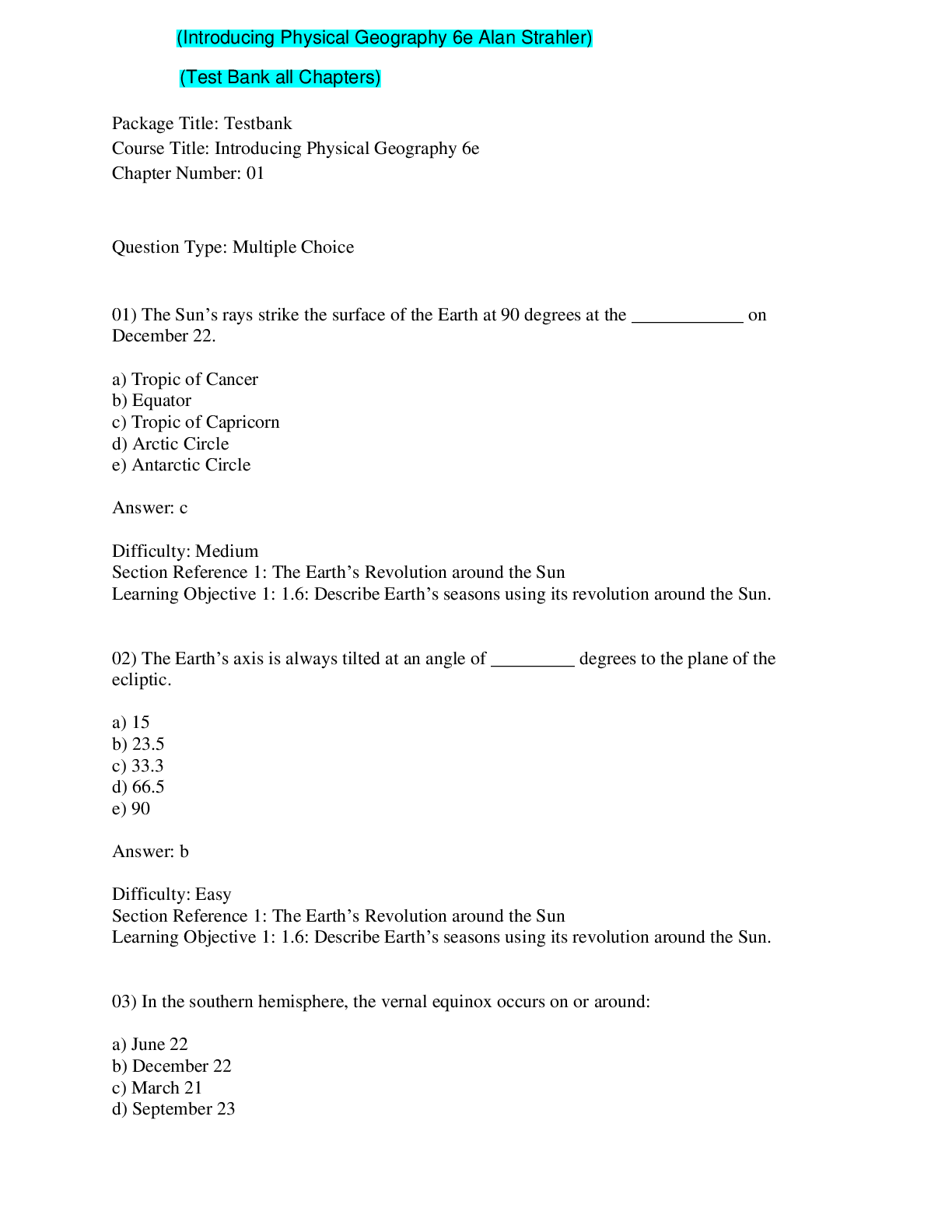
Introducing Physical Geography 6th Edition By Alan Strahler (T...
Introduction to Contemporary Geography 1st Edition By James Ru...
Diversity Amid Globalization World Regions, Environment, Devel...
Essentials of Geology 5th Edition By Stephen Marshak (Test Ban...

Test Bank For Comparative, International, and Global Justice 1...
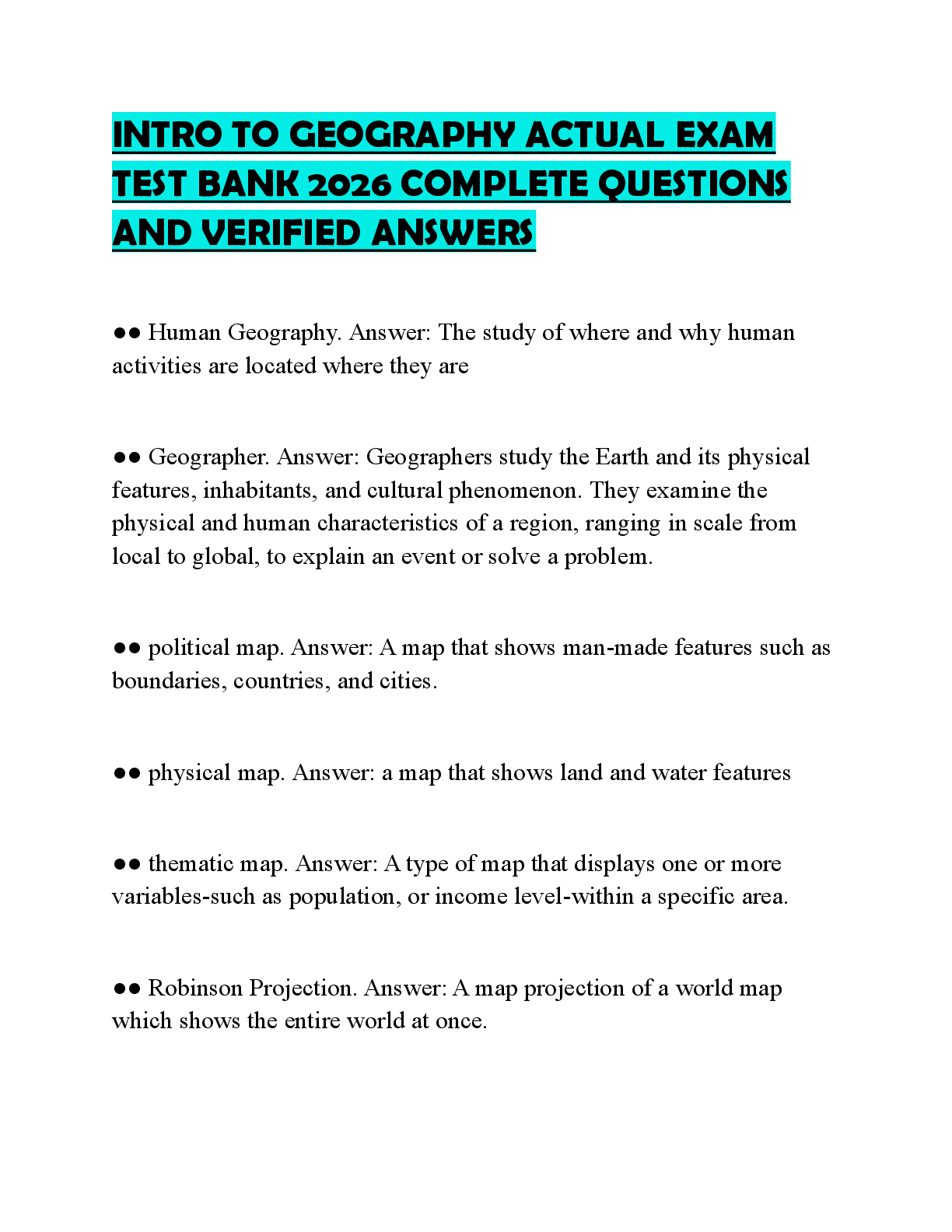
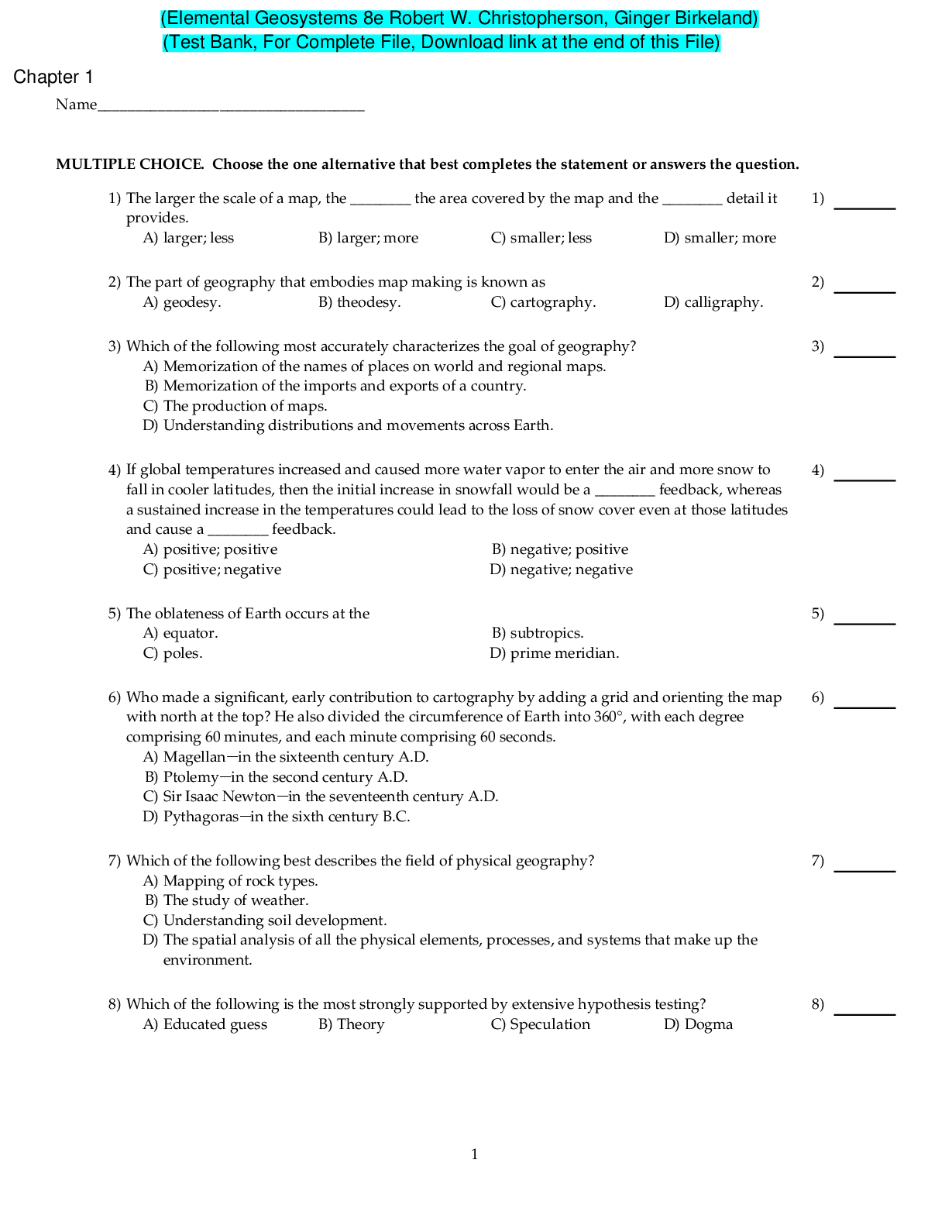
Elemental Geosystems 8e Robert W. Christopherson, Ginger Birke...





![Preview of UNIVERSITY OF GLASGOW: URBAN5085] GOVERNANCE AND MARKETS Course programme. 5. What are the](https://scholarfriends.com/storage/uploads/2020/07/09/22/20/43/qHg_1594322443_involving-citizens-in-policy-decisions-completed.png)

