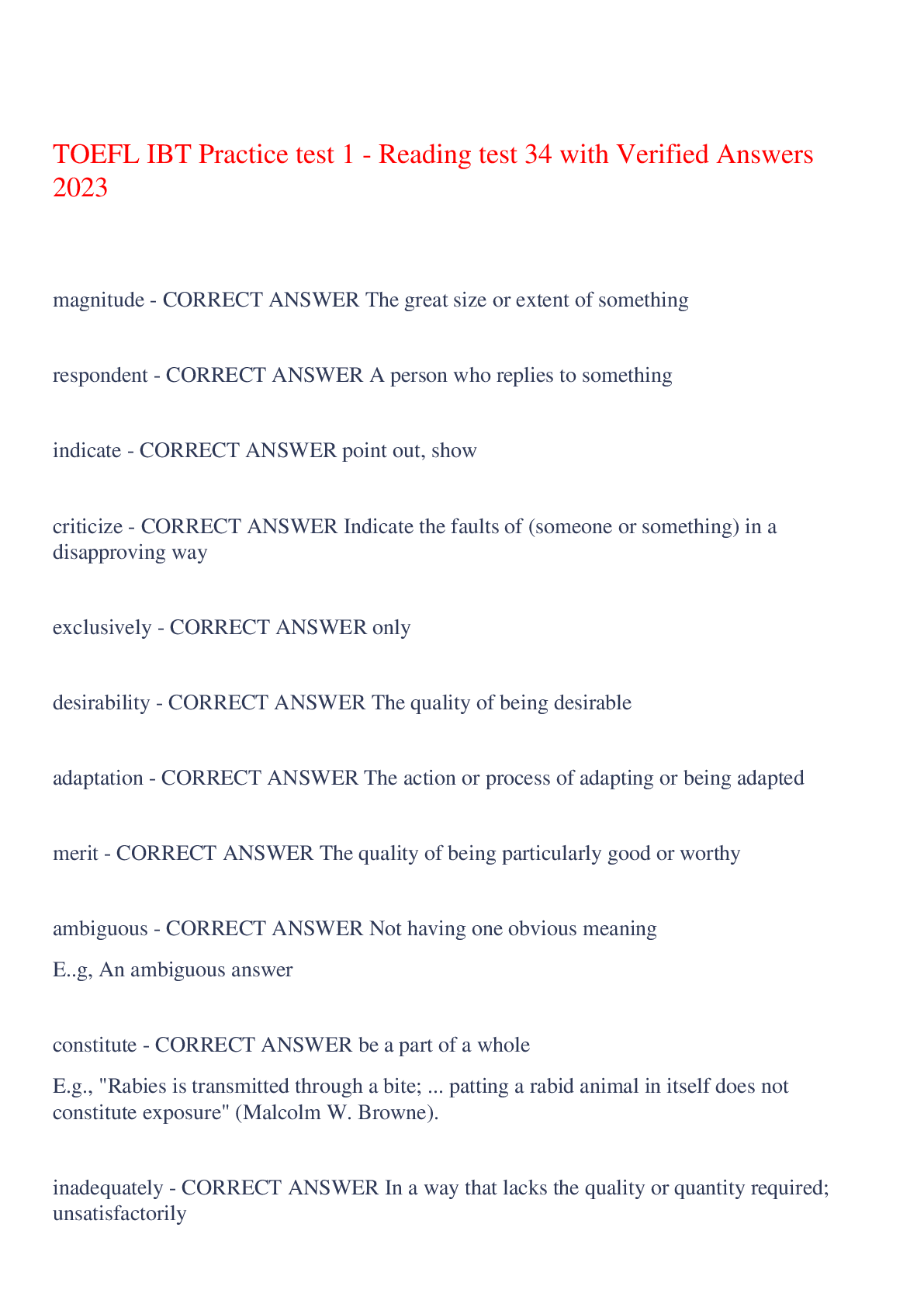
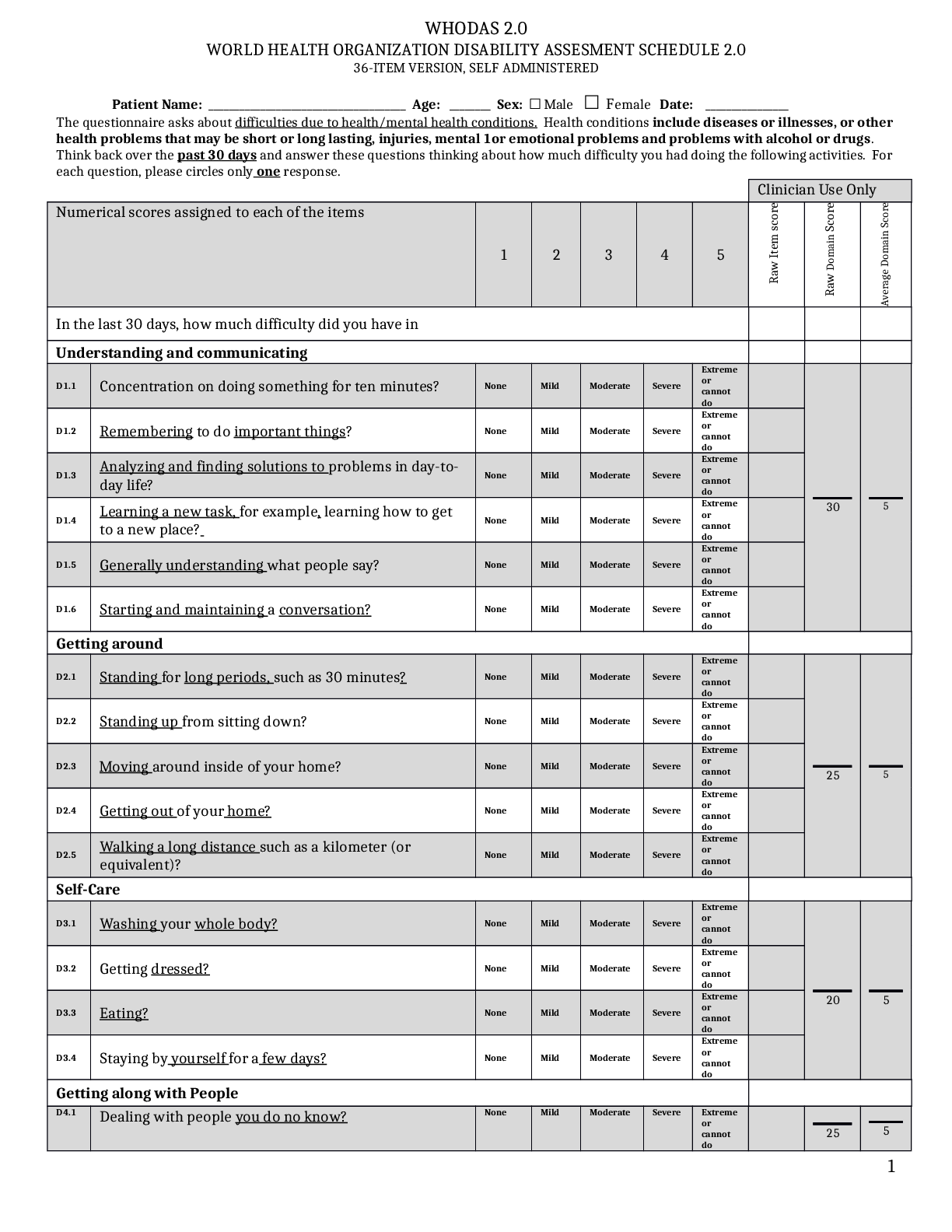
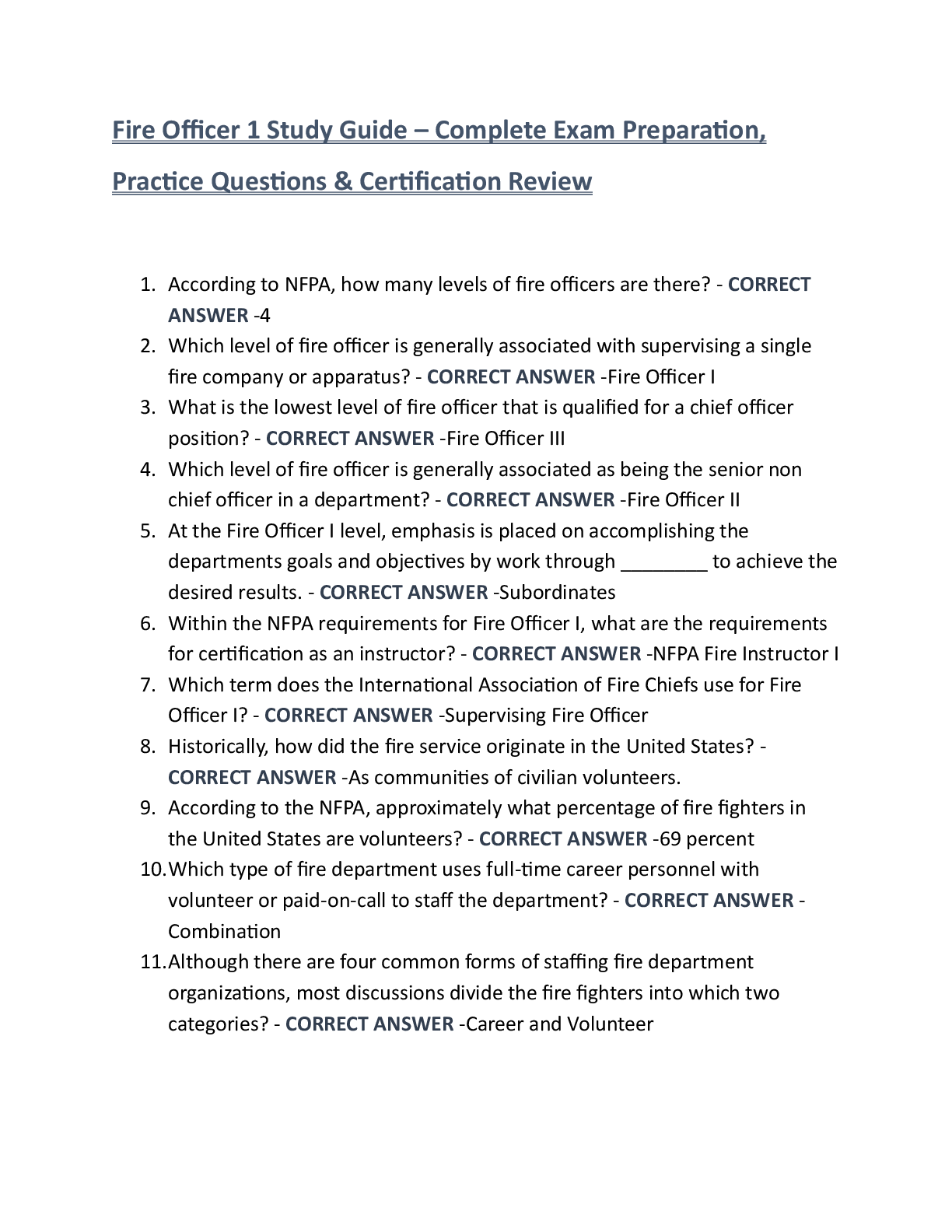
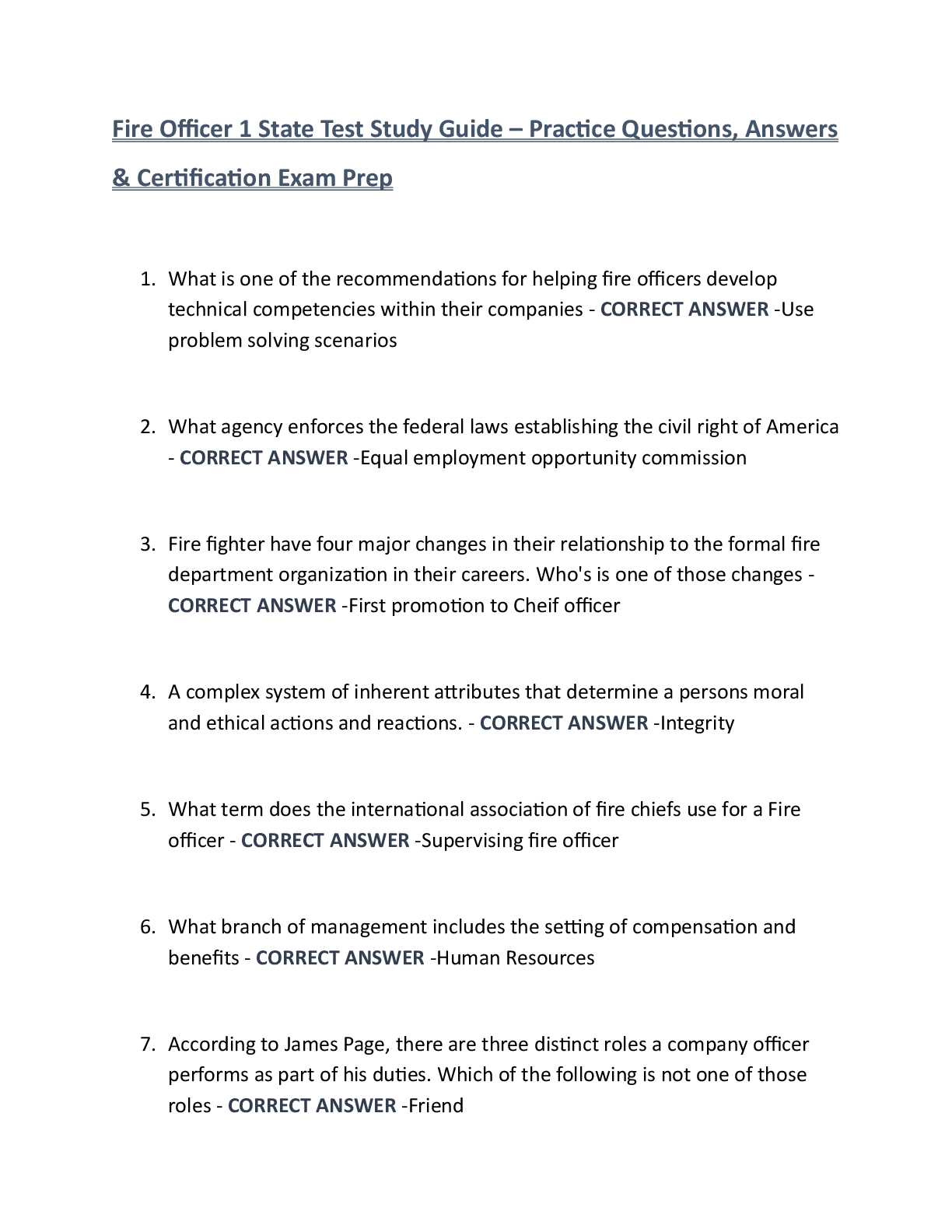
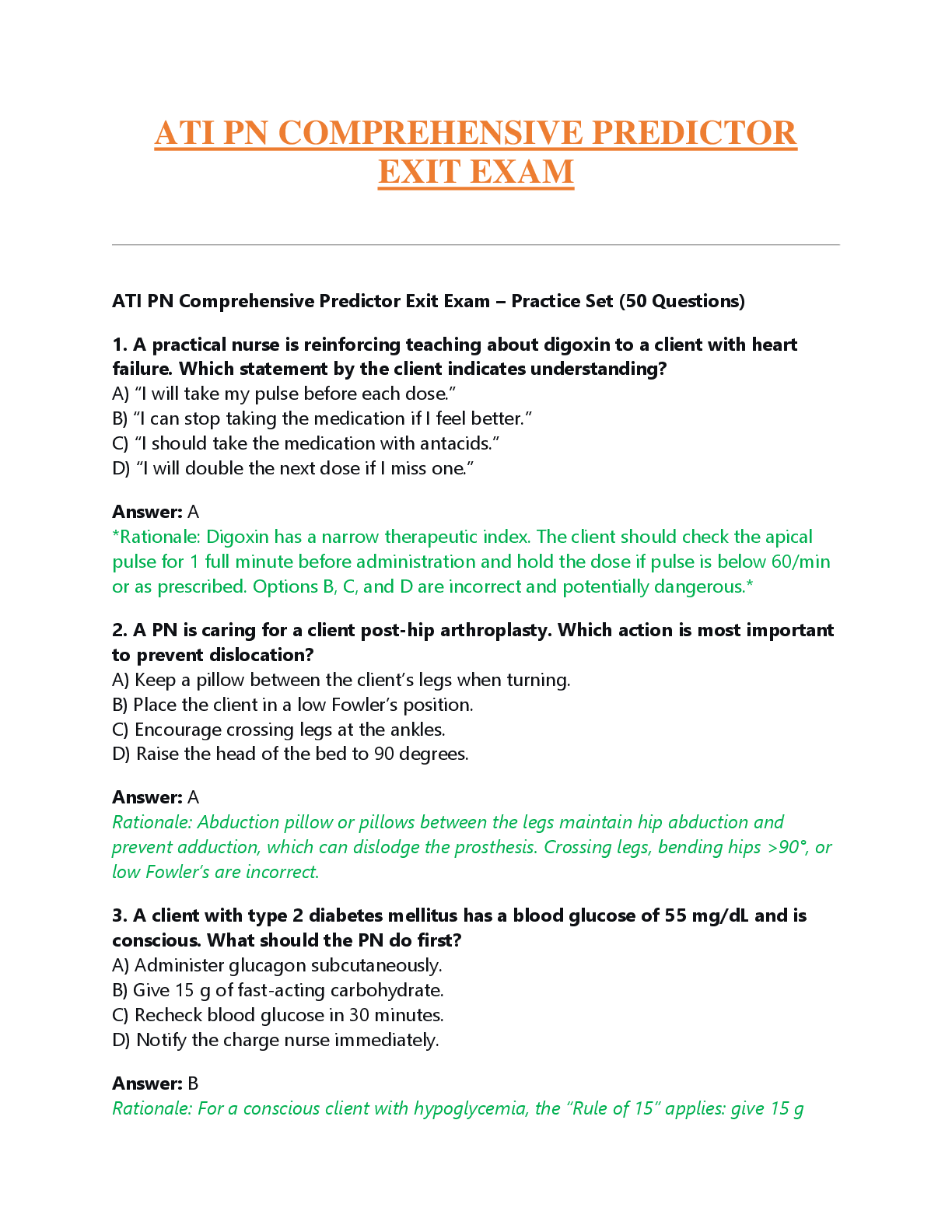
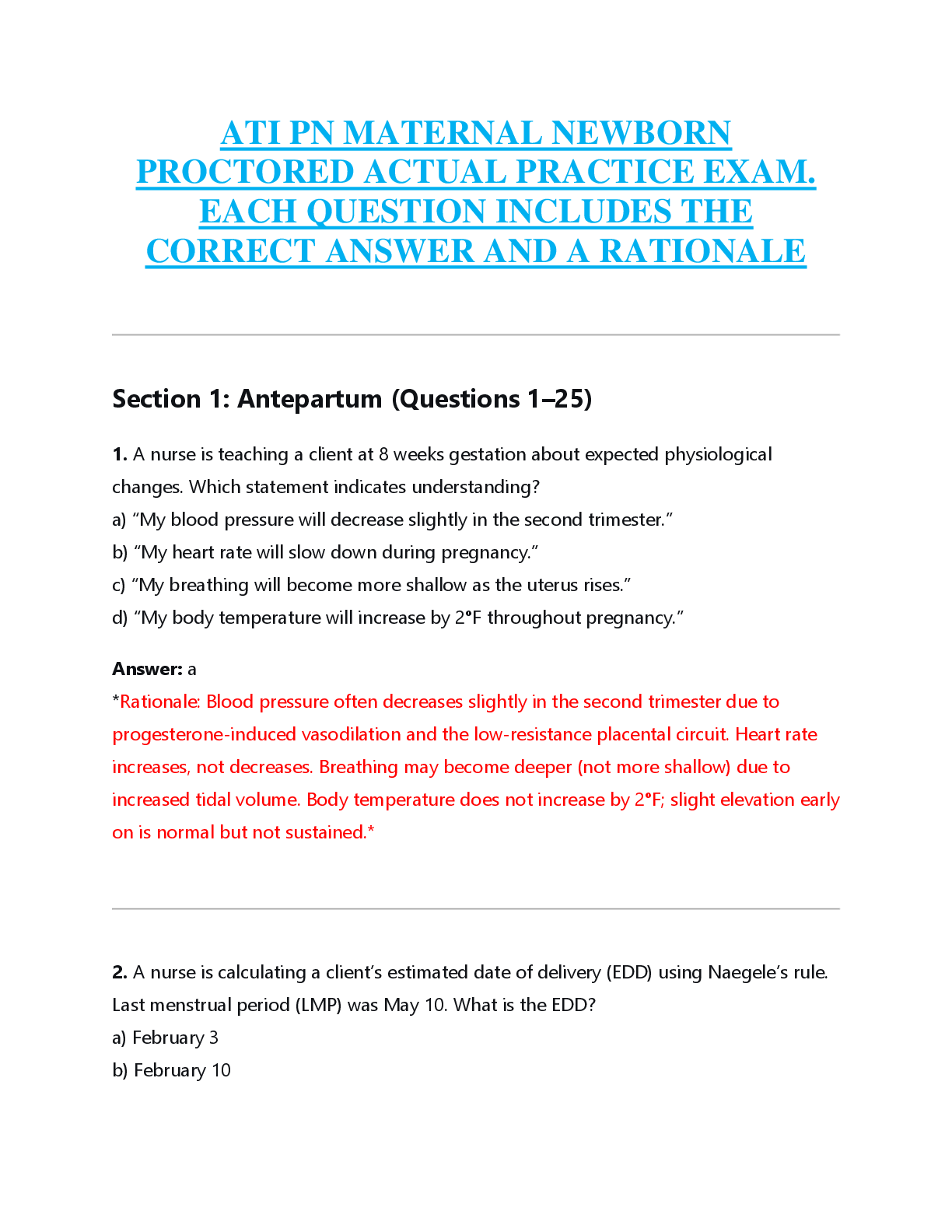
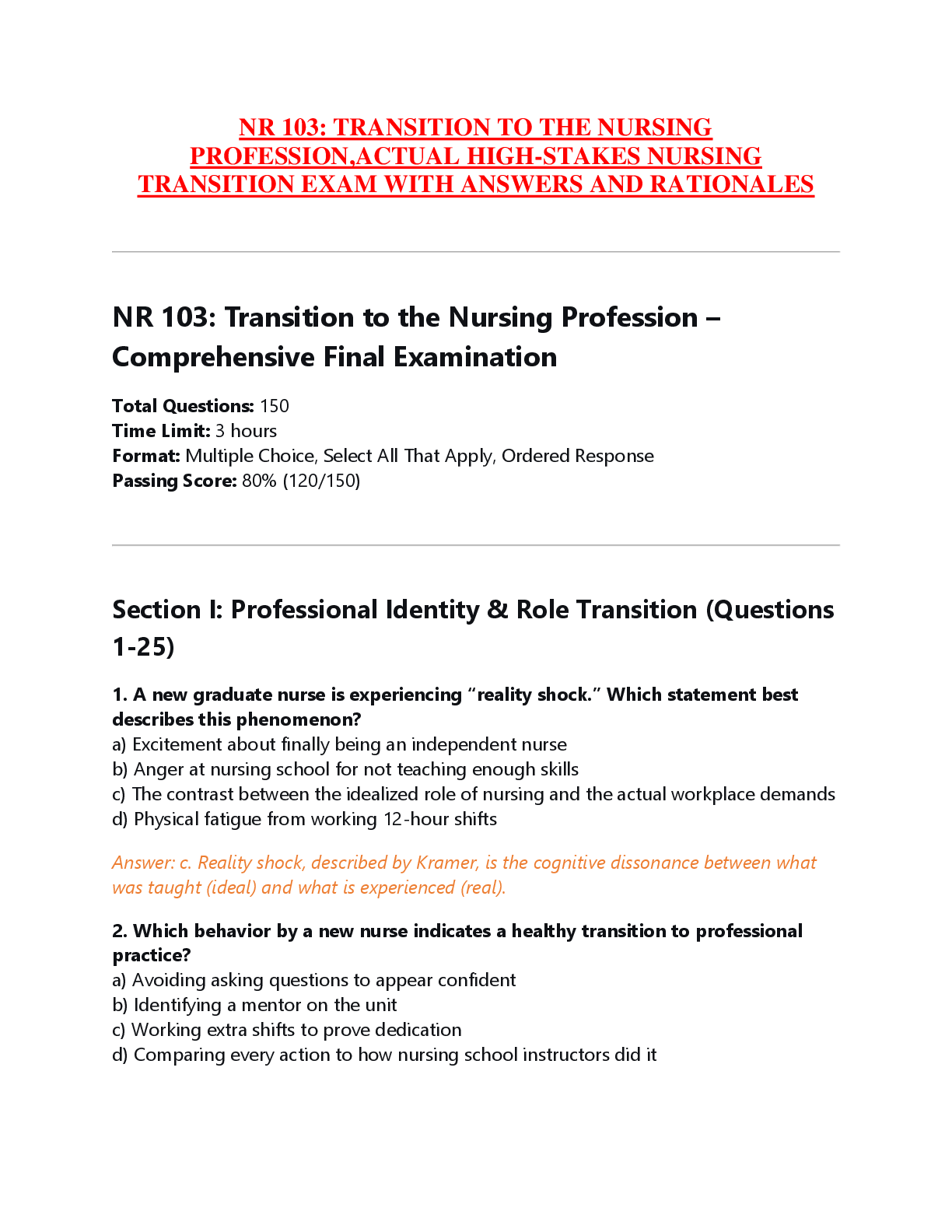
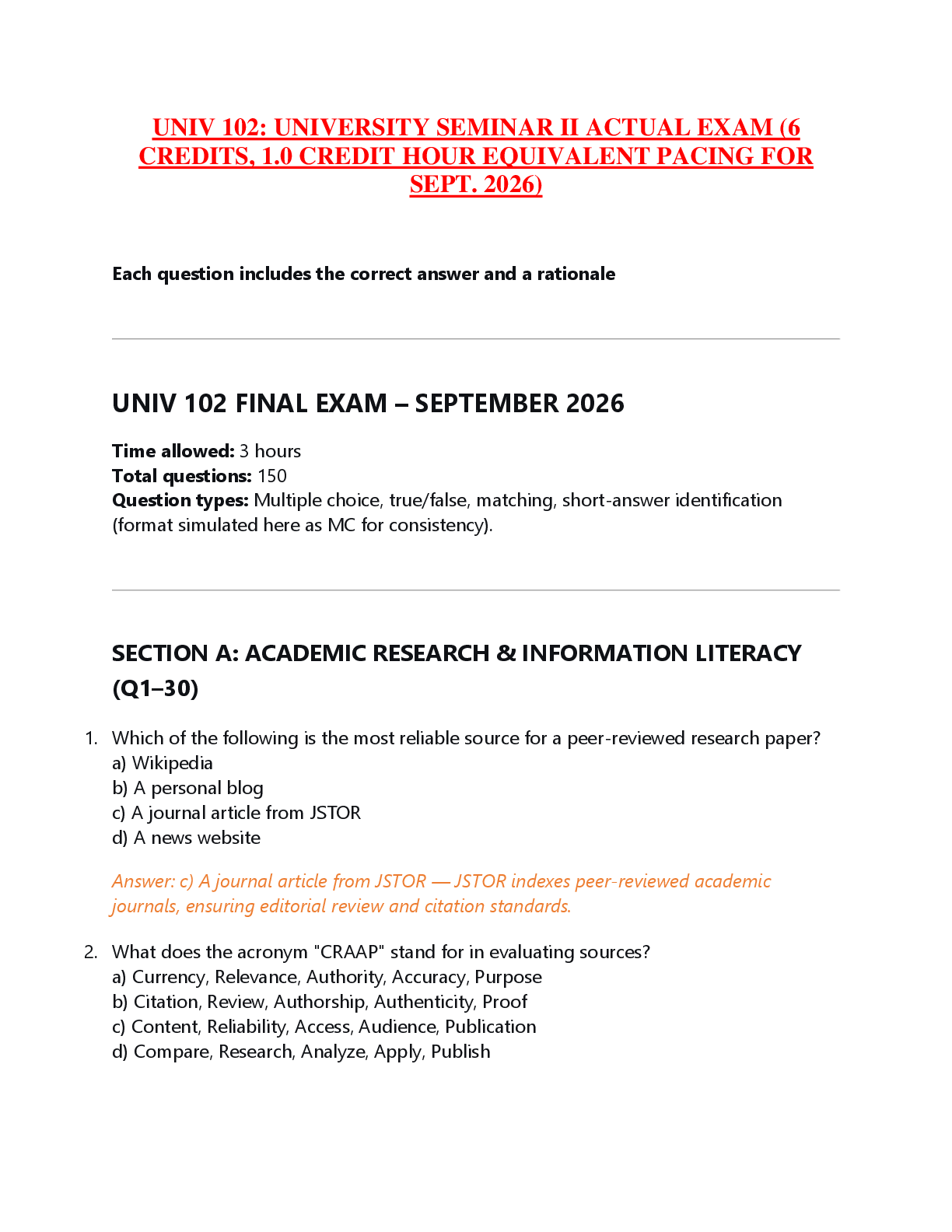
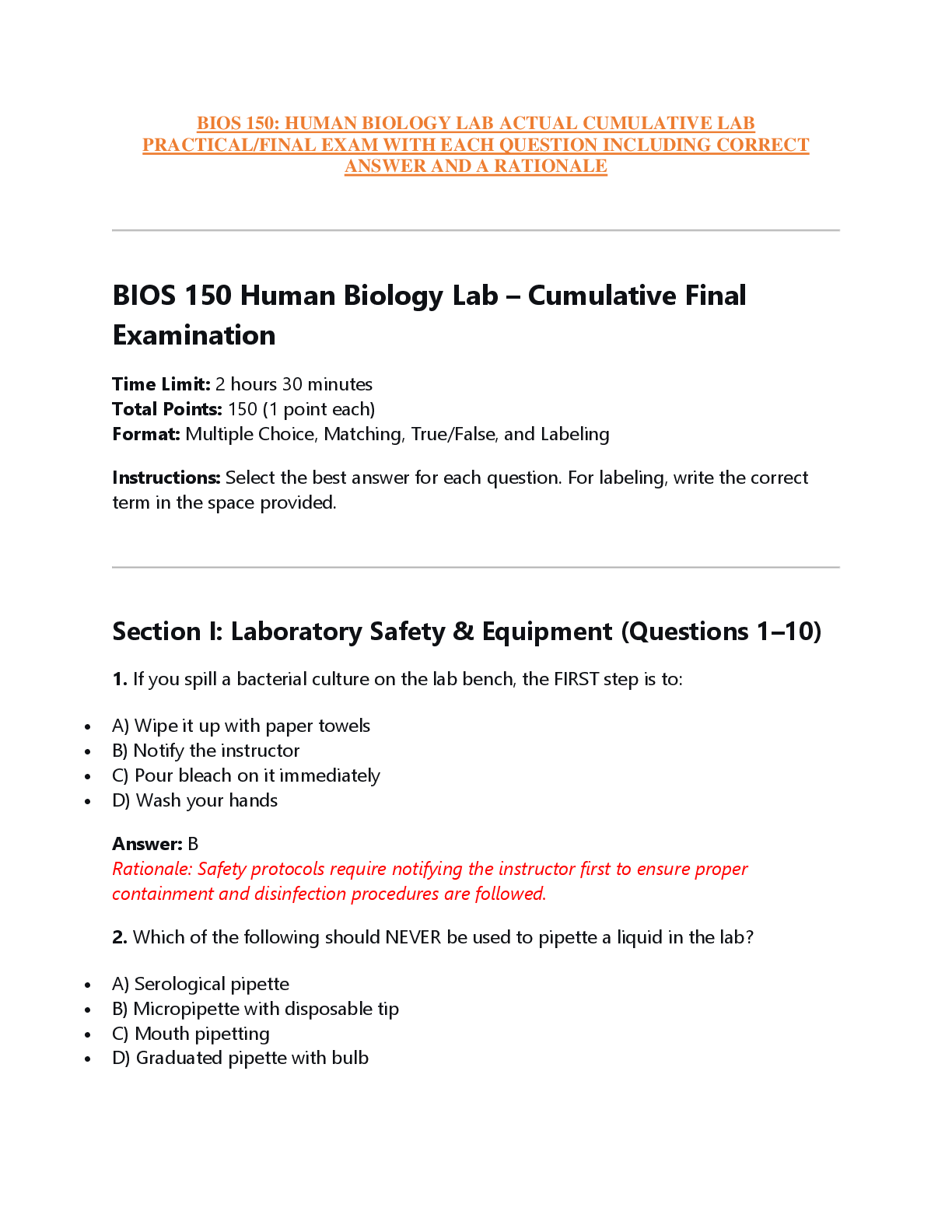
TOEFL Ibt Practice Test: 60 Questions With Answers & Rationales
Document Content and Description Below
Last updated: 5 months ago
Preview 5 out of 36 pages
Instant download

Loading document previews ...
Buy this Document to get the Full Access Instantly
Provided by Students Who Aced it
We Verify Document Content to Gurantee Accuracy
Also available in bundle (1)
Click Below to Access Bundle(s)
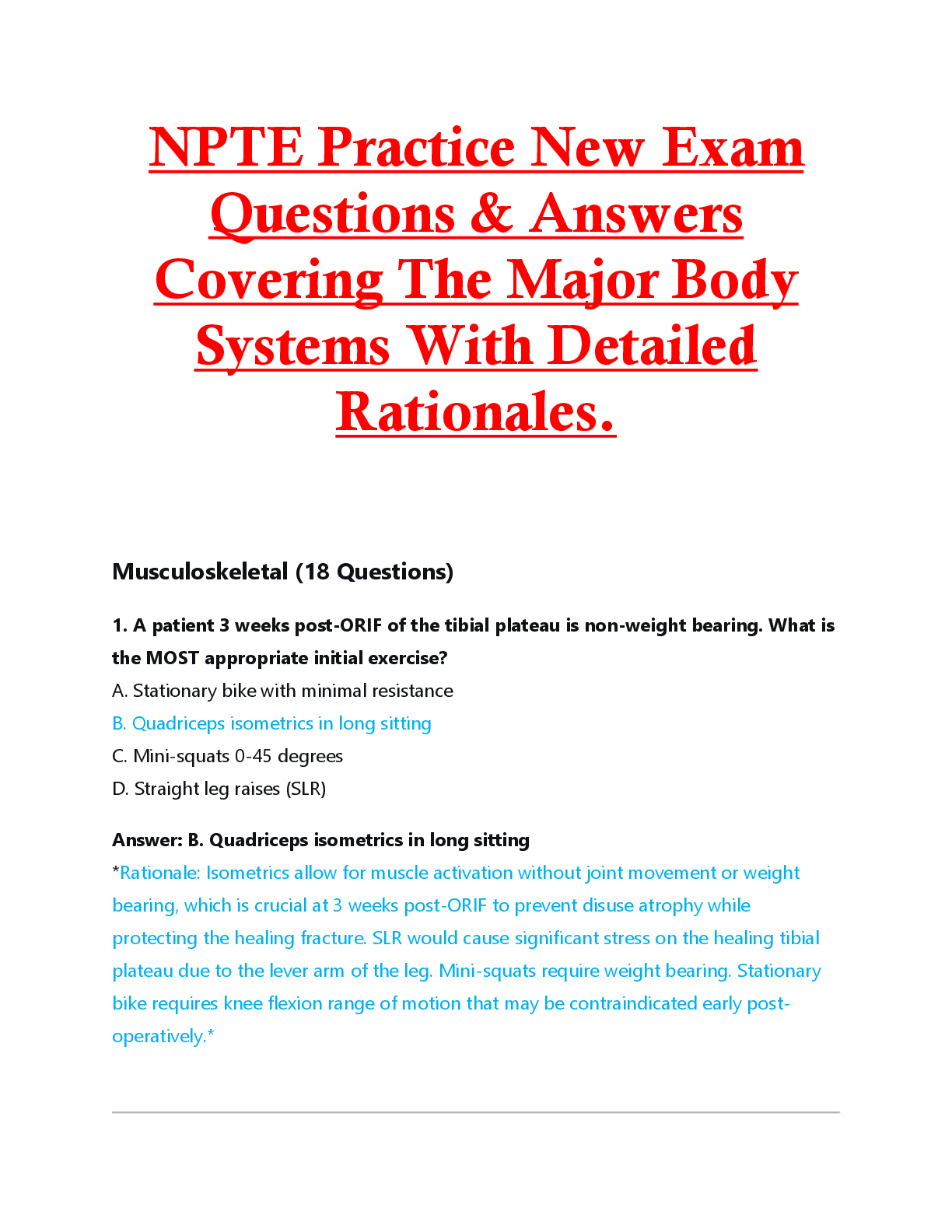
NPTE(National Physical Therapy Examination) New Update
3. A patient has limited ankle dorsiflexion following ORIF of the distal tibia. Radiographs reveal that the fracture is well healed. Treatment with passive mobilization should include: A. poster...
By muriithi282 5 months ago
$74
7
Reviews( 0 )
Document information
Connected school, study & course
About the document
Uploaded On
Mar 01, 2026
Number of pages
36
Written in
All

Additional information
This document has been written for:
Uploaded
Mar 01, 2026
Downloads
0
Views
57
Topic Tags
Related Subjects & Courses
Explore similar study resources and related concepts.
Recommended For You
Get more on EXAM »

NUR 321 VCE #2 Lesson 19- Wound Care QUESTIONS AND ANSWERS GRA...
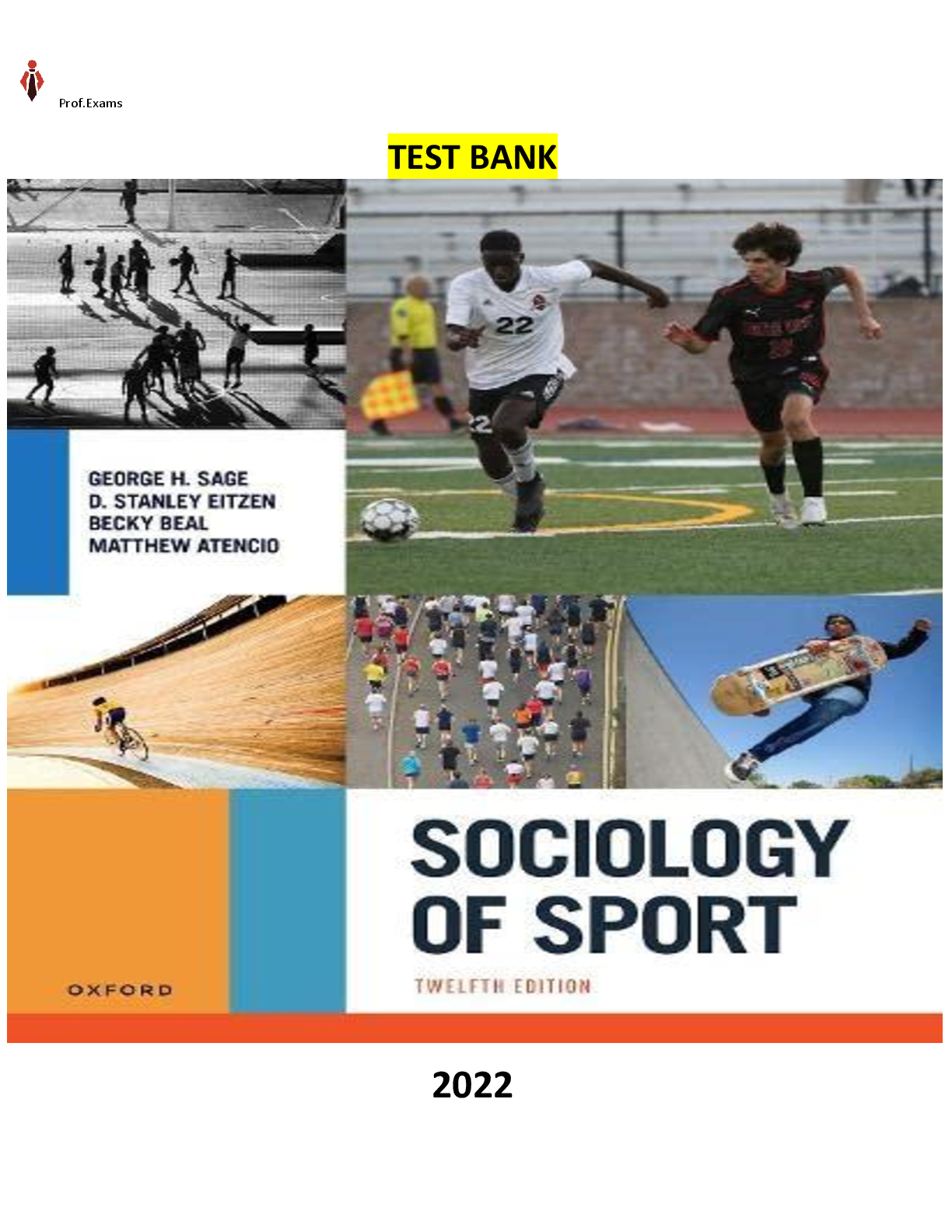
Test Bank for Sociology of Sport Paperback 12Ed. by George H....
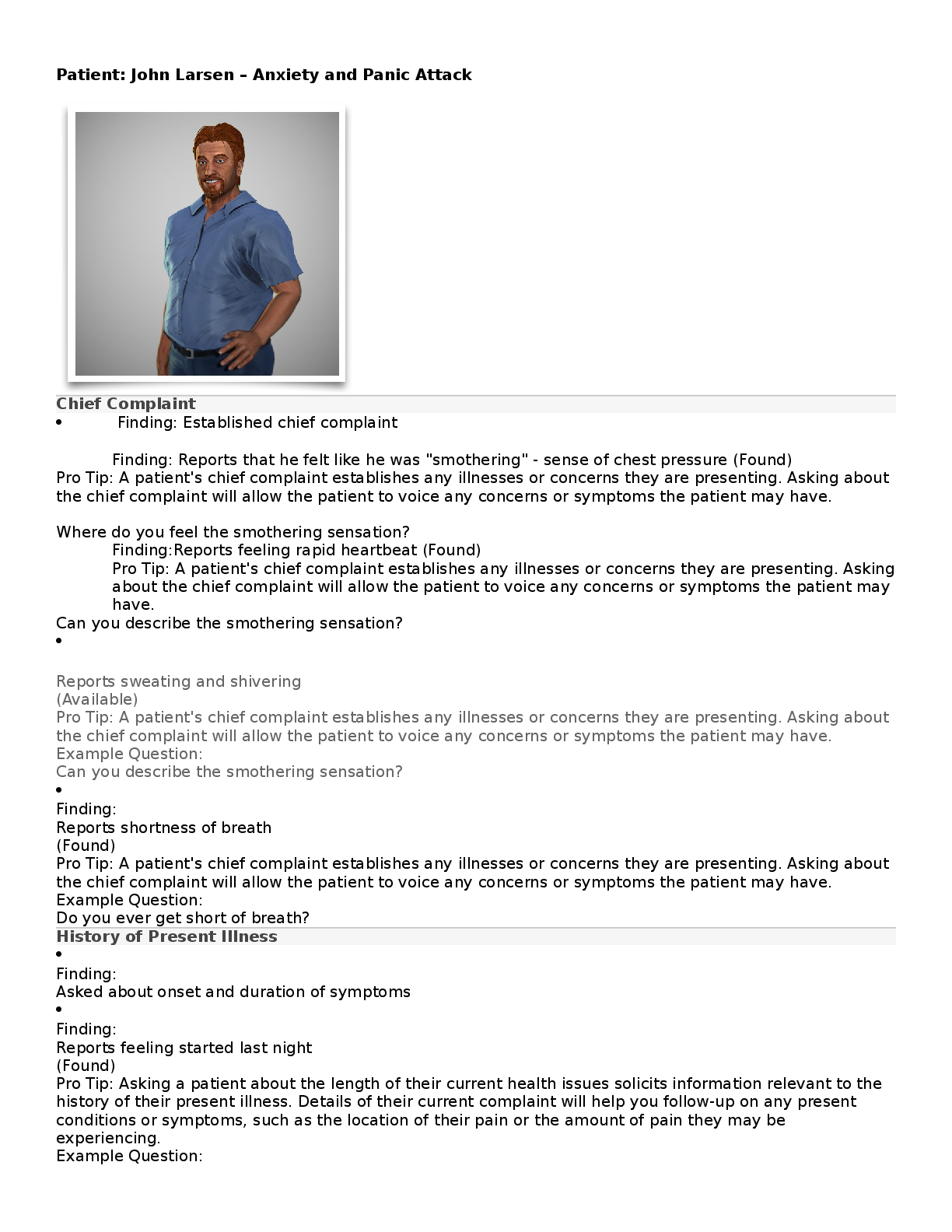
John Larsen Shadow Health Anxiety and Panic Attack COMPLETE SO...

Abigail Harris Shadow Health Depression | feeling excessively...
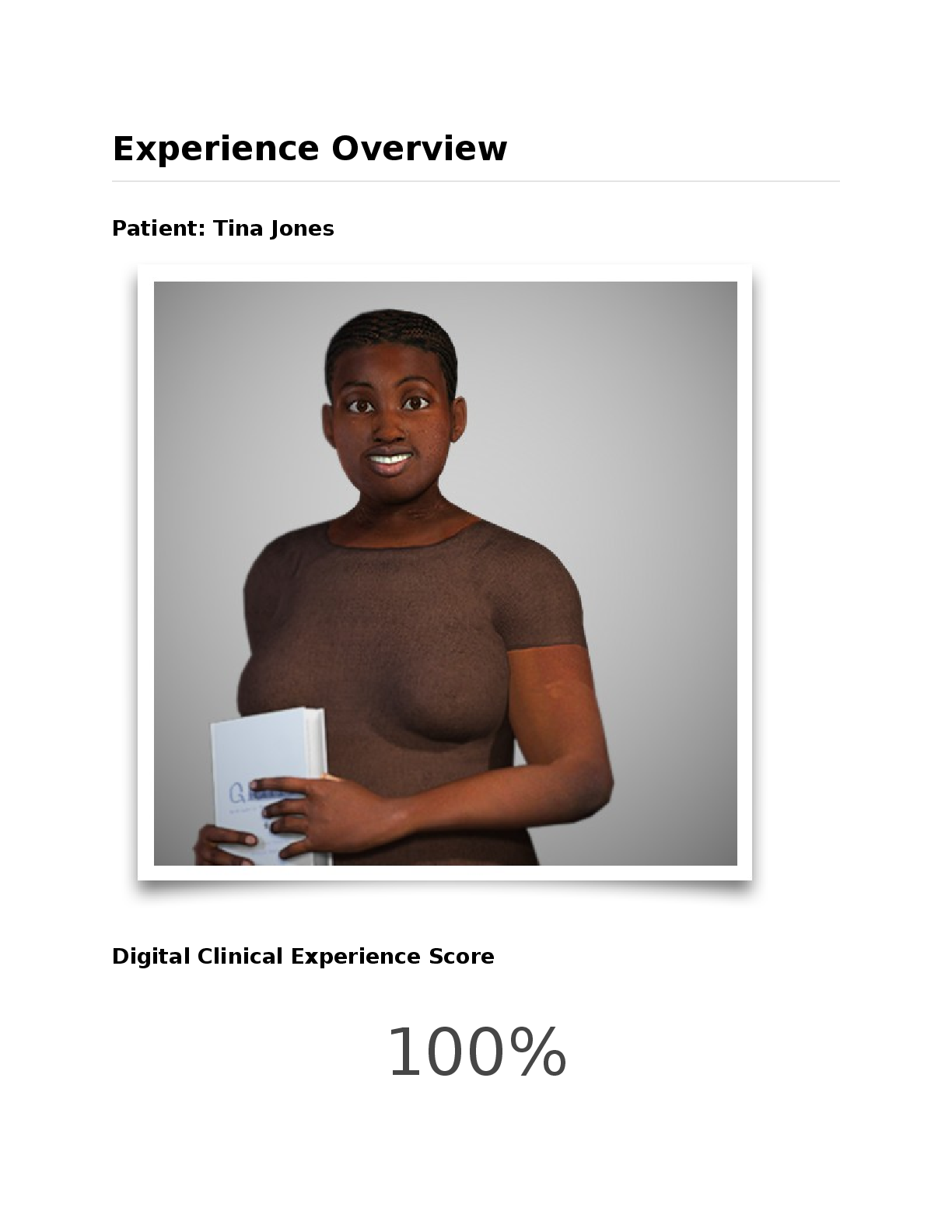
Tina Jones Shadow Health Experience Overview Health History N...