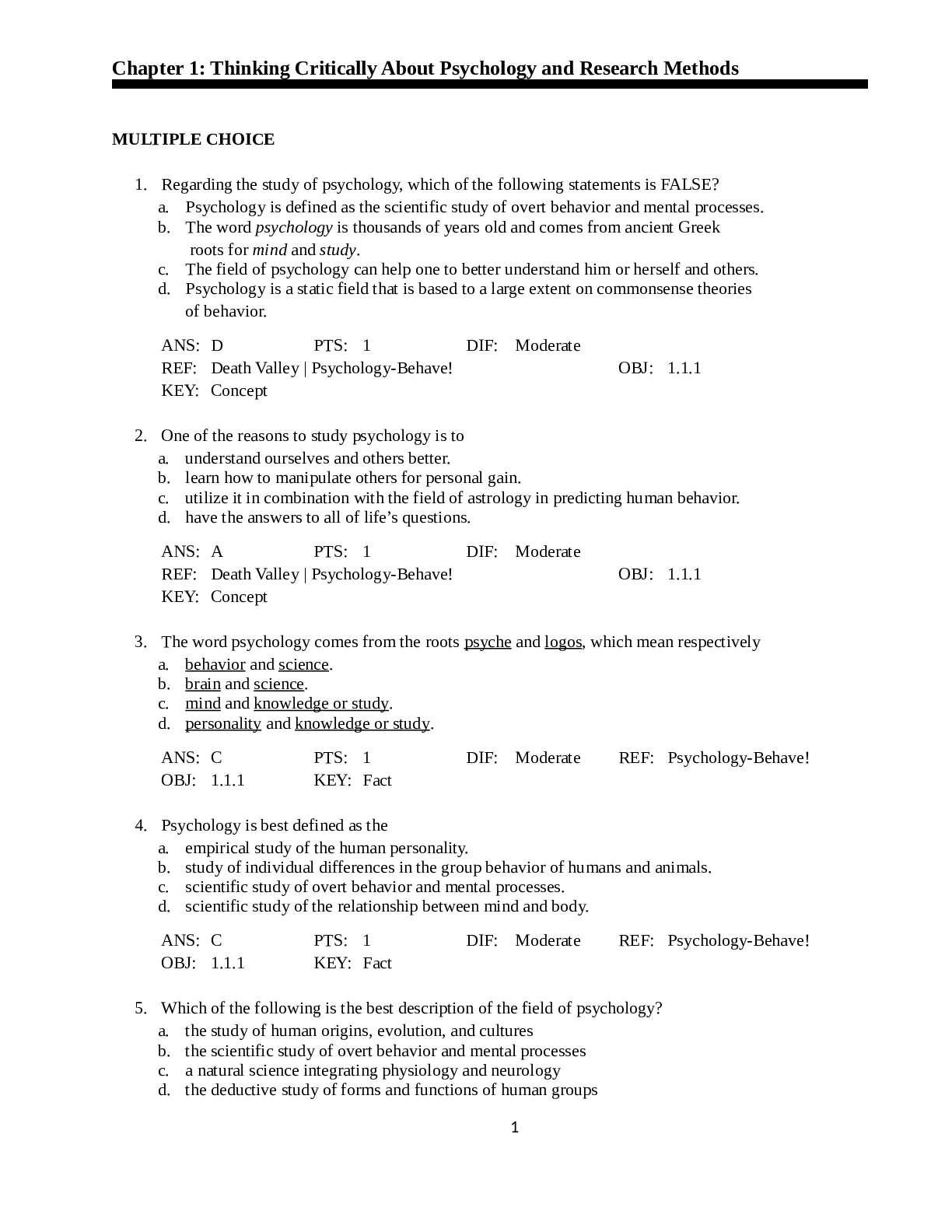
NURSING > TEST BANKS > Test Bank Ricci Essentials of Maternity Chapter 12 With Rationales. (All)
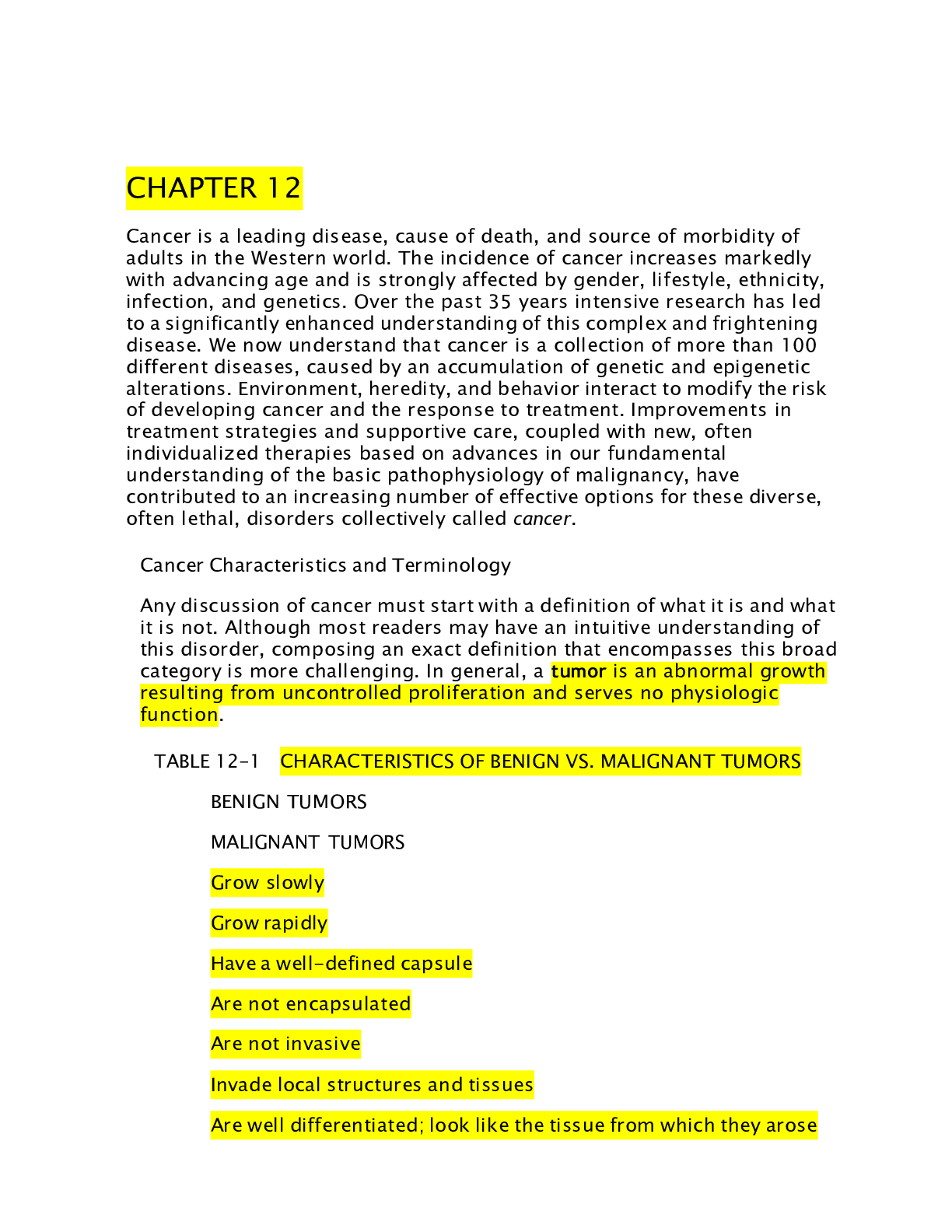
Test Bank Ricci Essentials of Maternity Chapter 12 With Rationales.
Document Content and Description Below
Last updated: 3 years ago
Preview 1 out of 4 pages
Instant download

Buy this Document to get the Full Access Instantly
Provided by Students Who Aced it
We Verify Document Content to Gurantee Accuracy
Reviews( 0 )
Document information
Connected school, study & course
About the document
Uploaded On
Apr 26, 2021
Number of pages
4
Written in
All

Additional information
This document has been written for:
Uploaded
Apr 26, 2021
Downloads
0
Views
168
Topic Tags
Recommended For You
Get more on TEST BANKS »
Memmler's the Human Body in Health and Disease, Enhanced Editi...
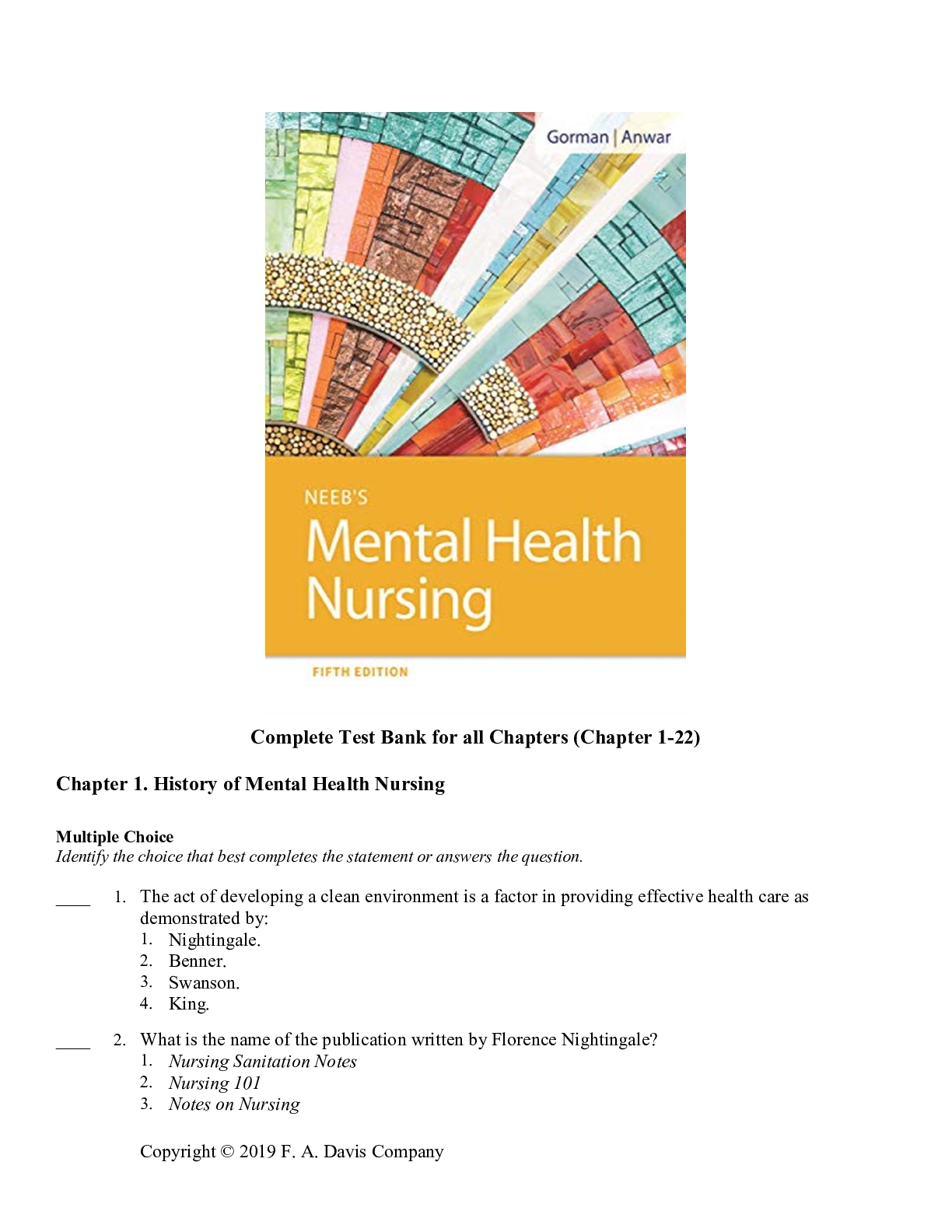
Neeb's Mental Health Nursing 5th Edition by Linda M. Gorman, R...
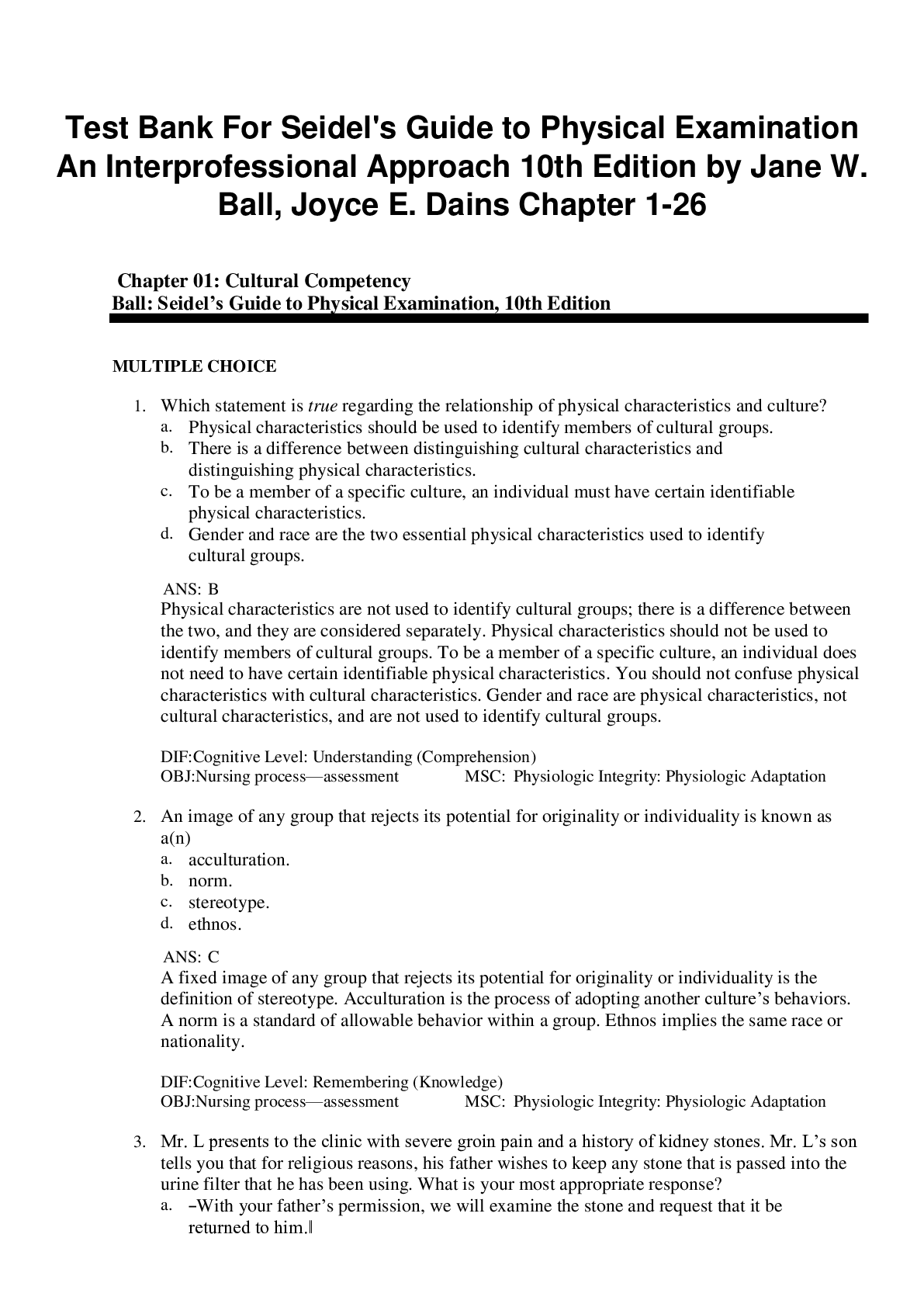
(Complete 2022) Test Bank For Seidel's Guide to Physical Exami...
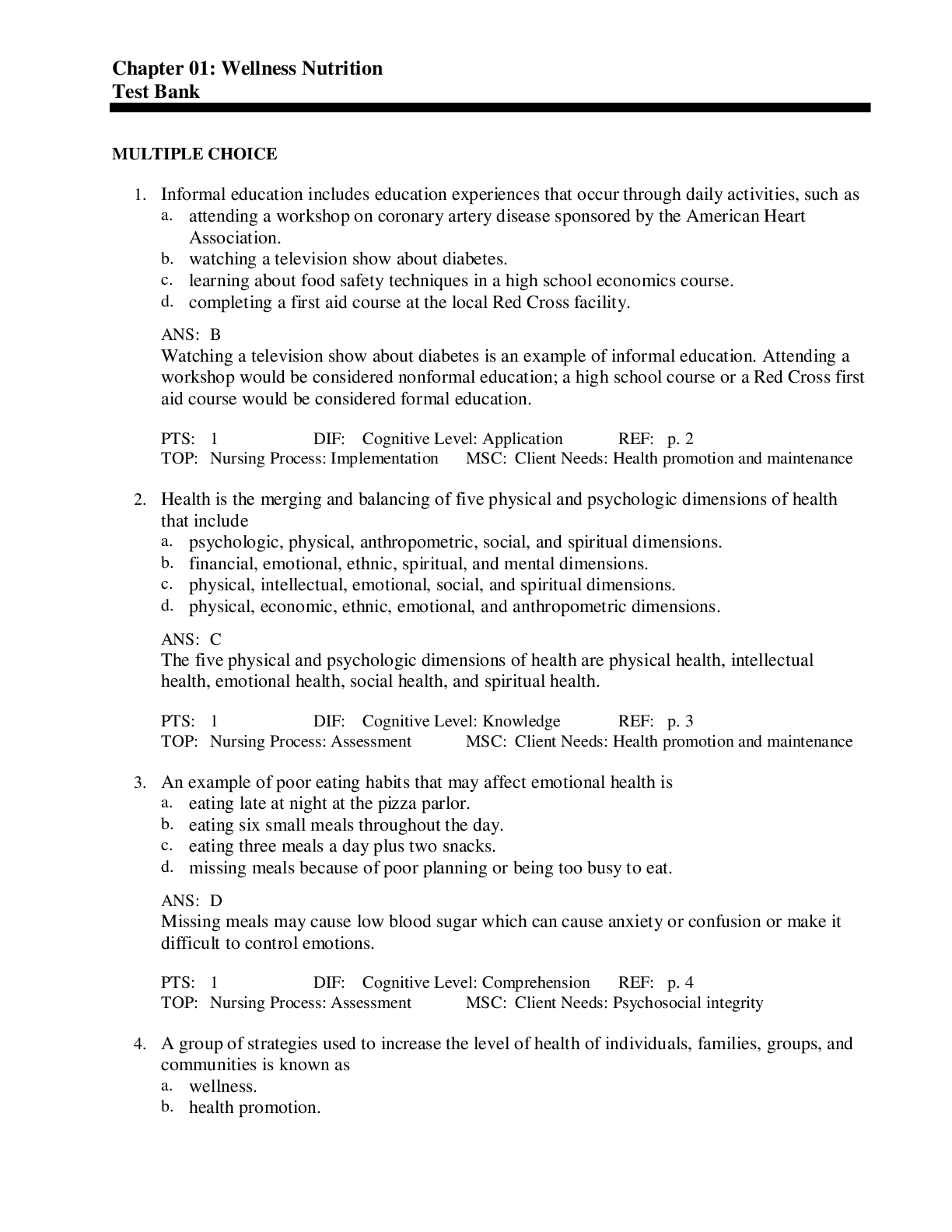
Test Bank For Nursing Leadership From The Outside In 1st Editi...
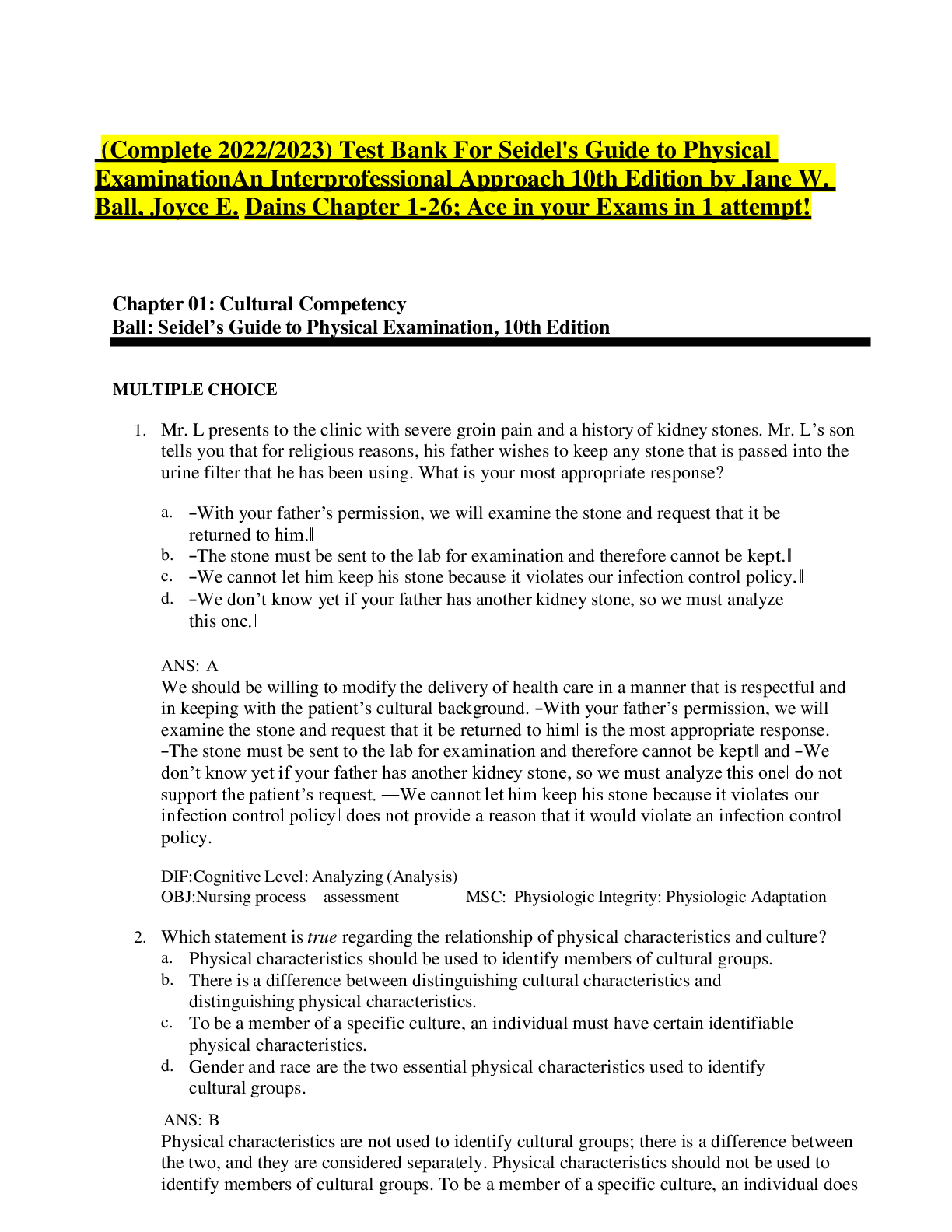
(Complete 2022/2023) Test Bank For Seidel's Guide to Physical...
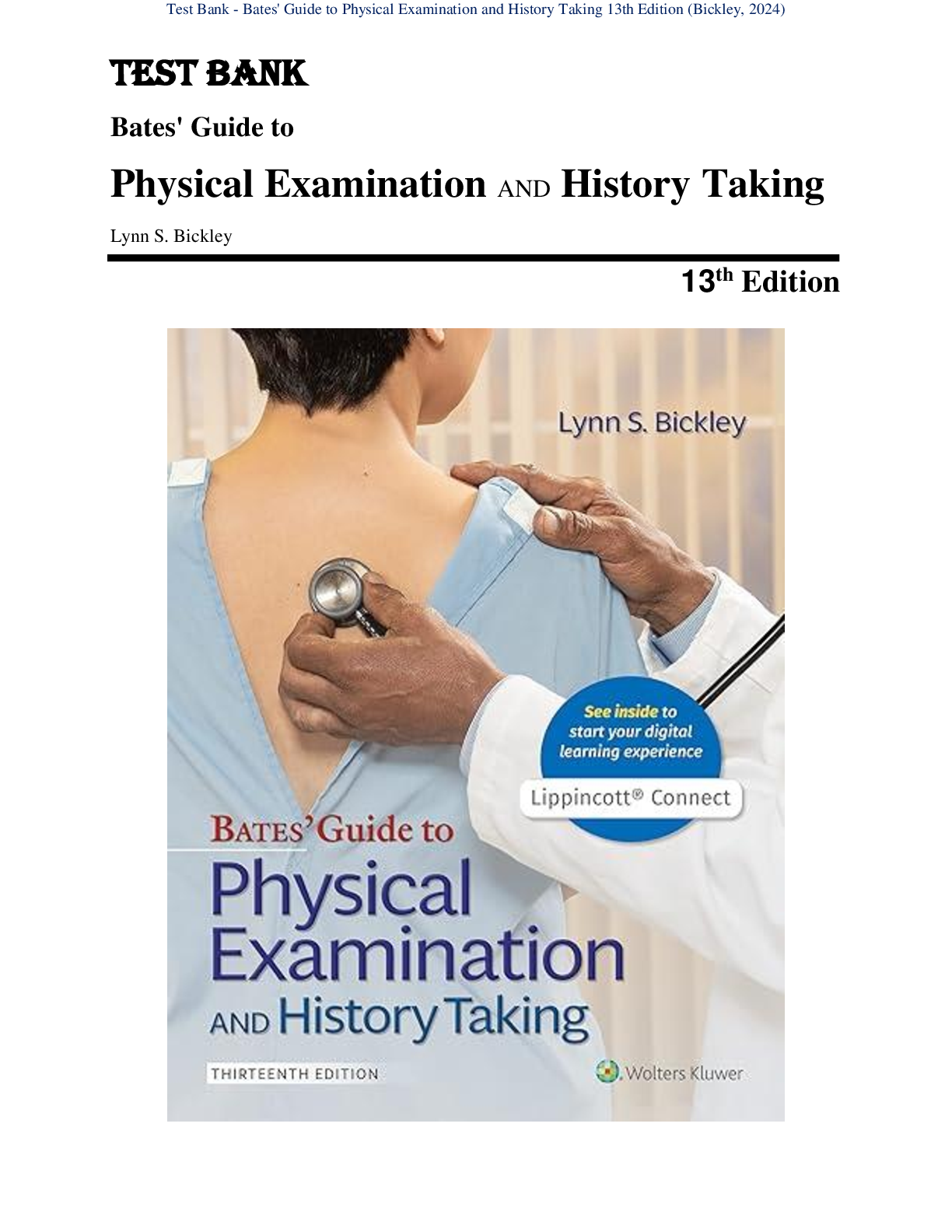
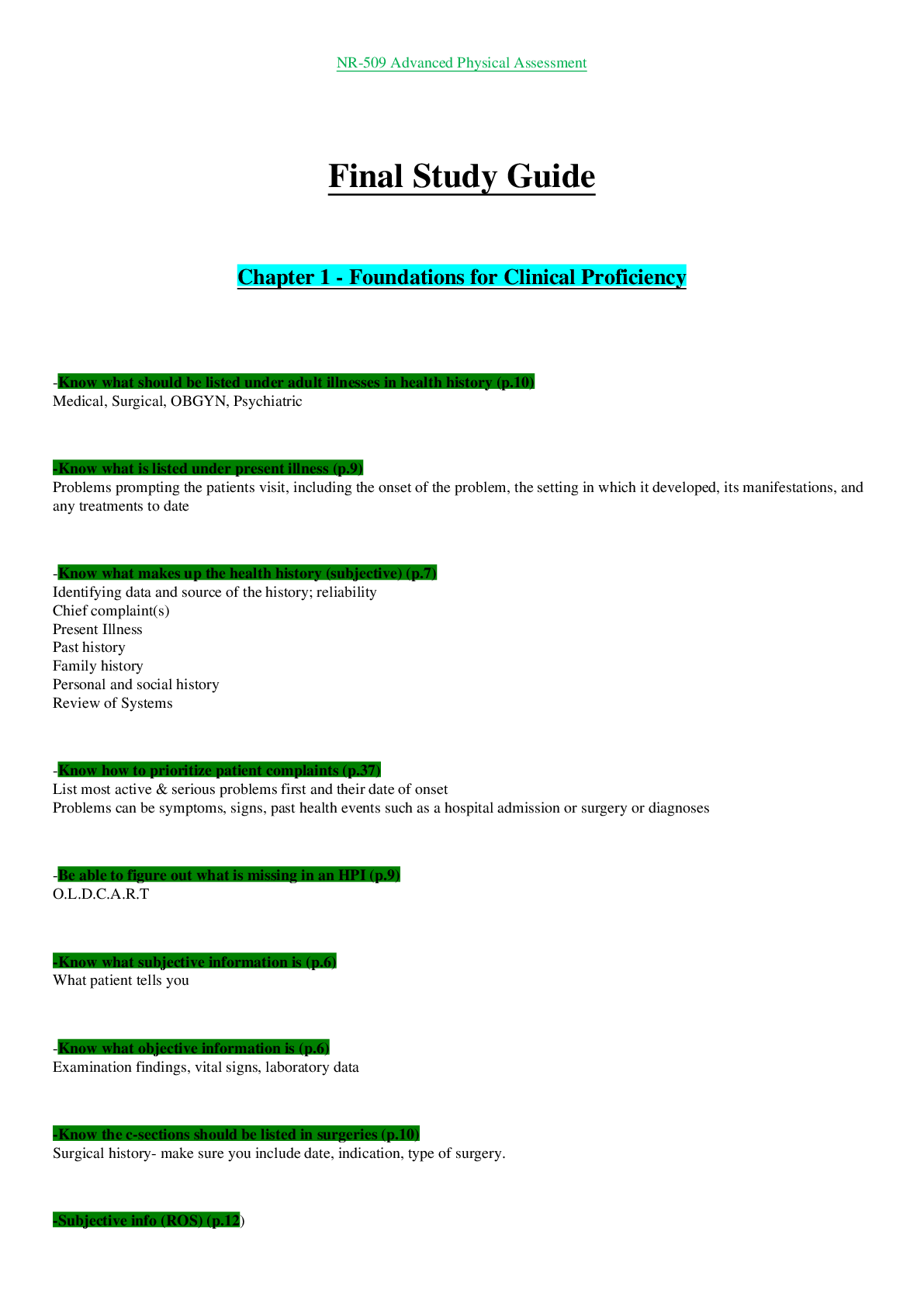
NR509 / NR 509: Advanced Physical Assessment Final Study Guide...
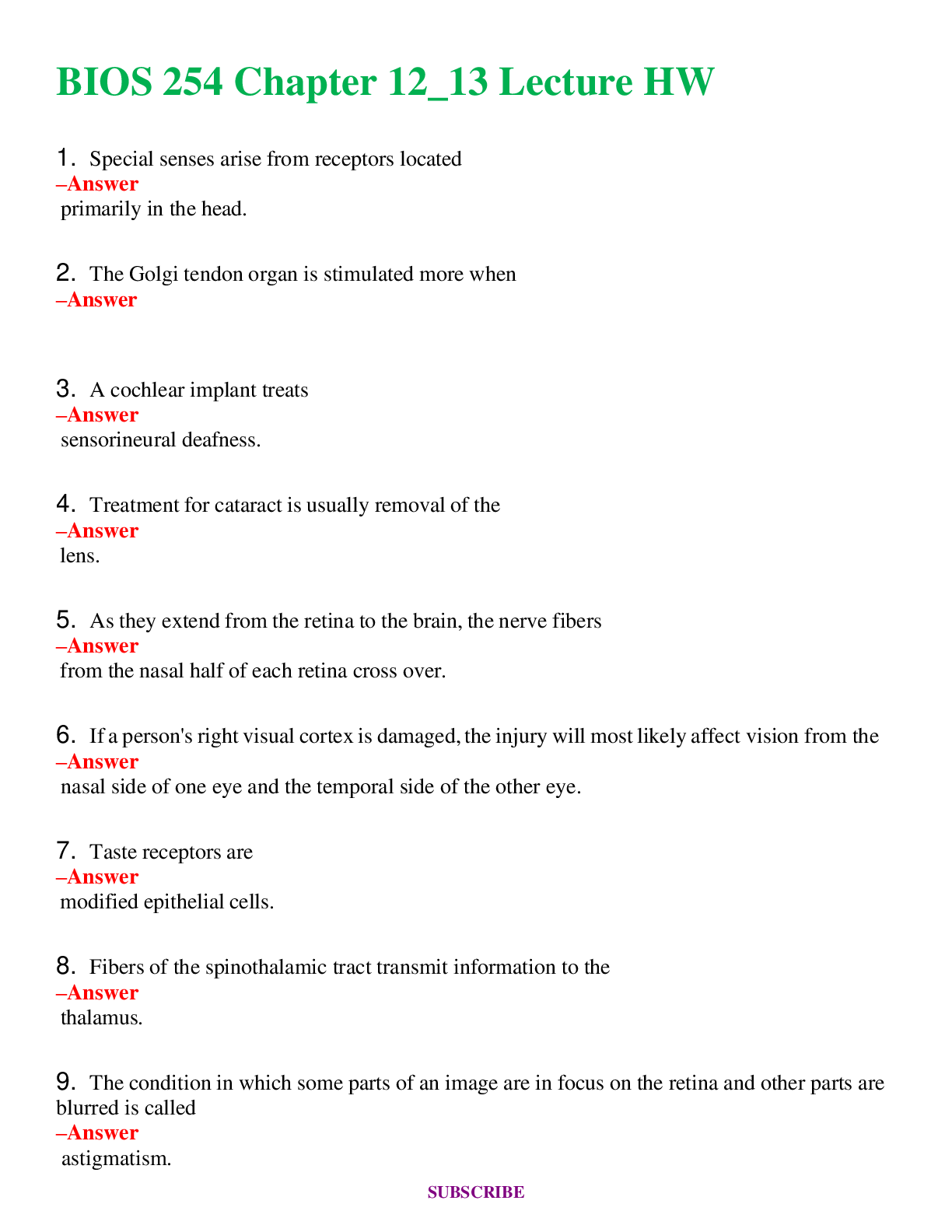
BIOS 254 Chapter 12_13 Lecture HW Questions and Answers (Ve...
BIOS 105 Chapter 12 Questions and Answers (Verified Answers)

NUR 3145 Chapter1-21 Pharmacology and the Nursing Process- Lil...
Calculus, Multivariable (Chapter 12-21) 8th Edition By Deborah...
Solution Manual for McGraw Hill's Taxation of Individuals and...

Project Communication and Documentation .Fontbonne University...