INSTANT PDF DOWNLOAD — This comprehensive study guide is specifically designed for Chamberlain University graduate nursing students preparing for the Week 4 Midterm Exam (Version A) in NR 507 / NR507: Advanced Pathophysi
...
INSTANT PDF DOWNLOAD — This comprehensive study guide is specifically designed for Chamberlain University graduate nursing students preparing for the Week 4 Midterm Exam (Version A) in NR 507 / NR507: Advanced Pathophysiology for the 2026/2027 academic year. This resource contains expertly verified practice questions and 100% correct answers with detailed rationales to help you master core concepts and achieve a top score (Grade A) .
This guide covers all major topics tested on the Midterm Exam across Weeks 1-4, including:
Immunological Pathologies (Week 1)
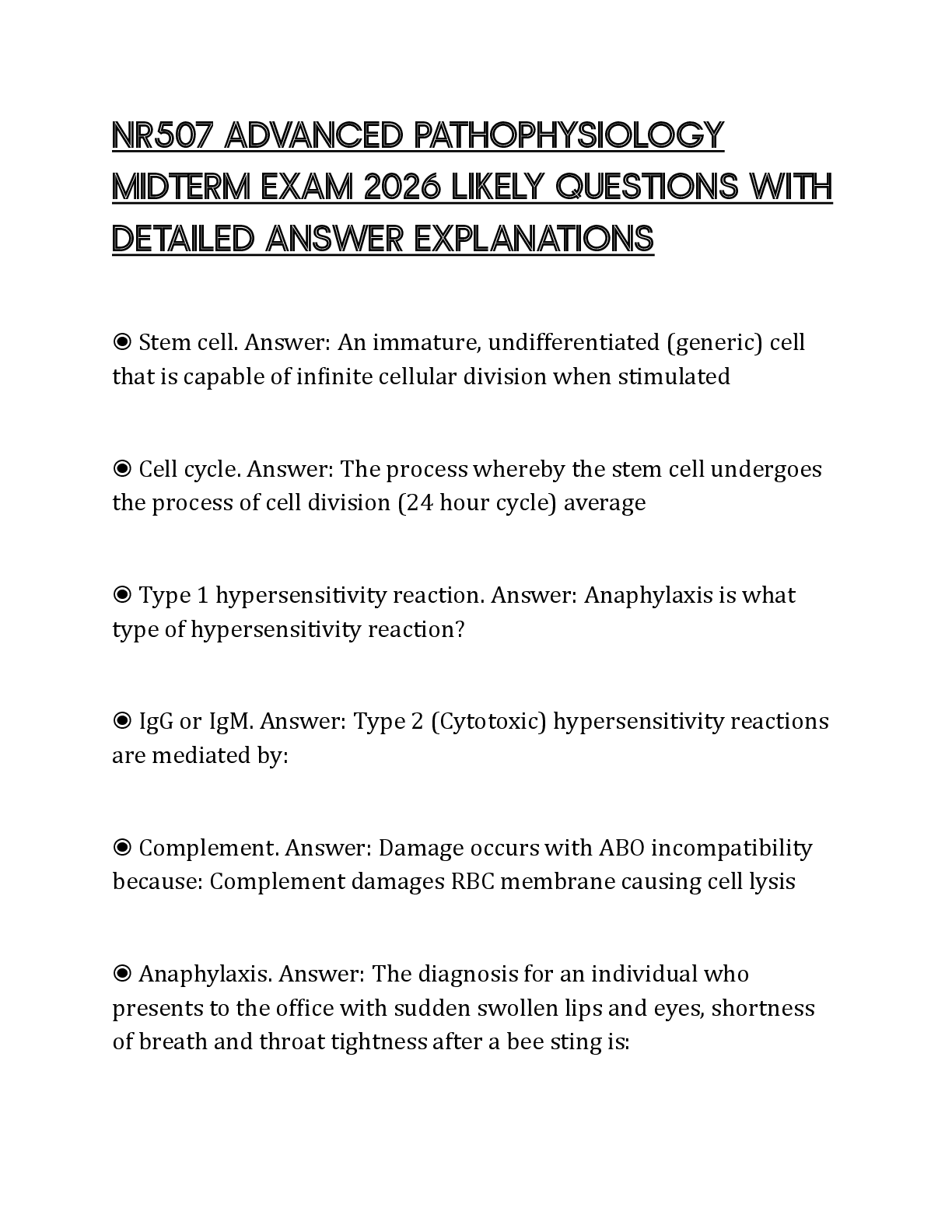
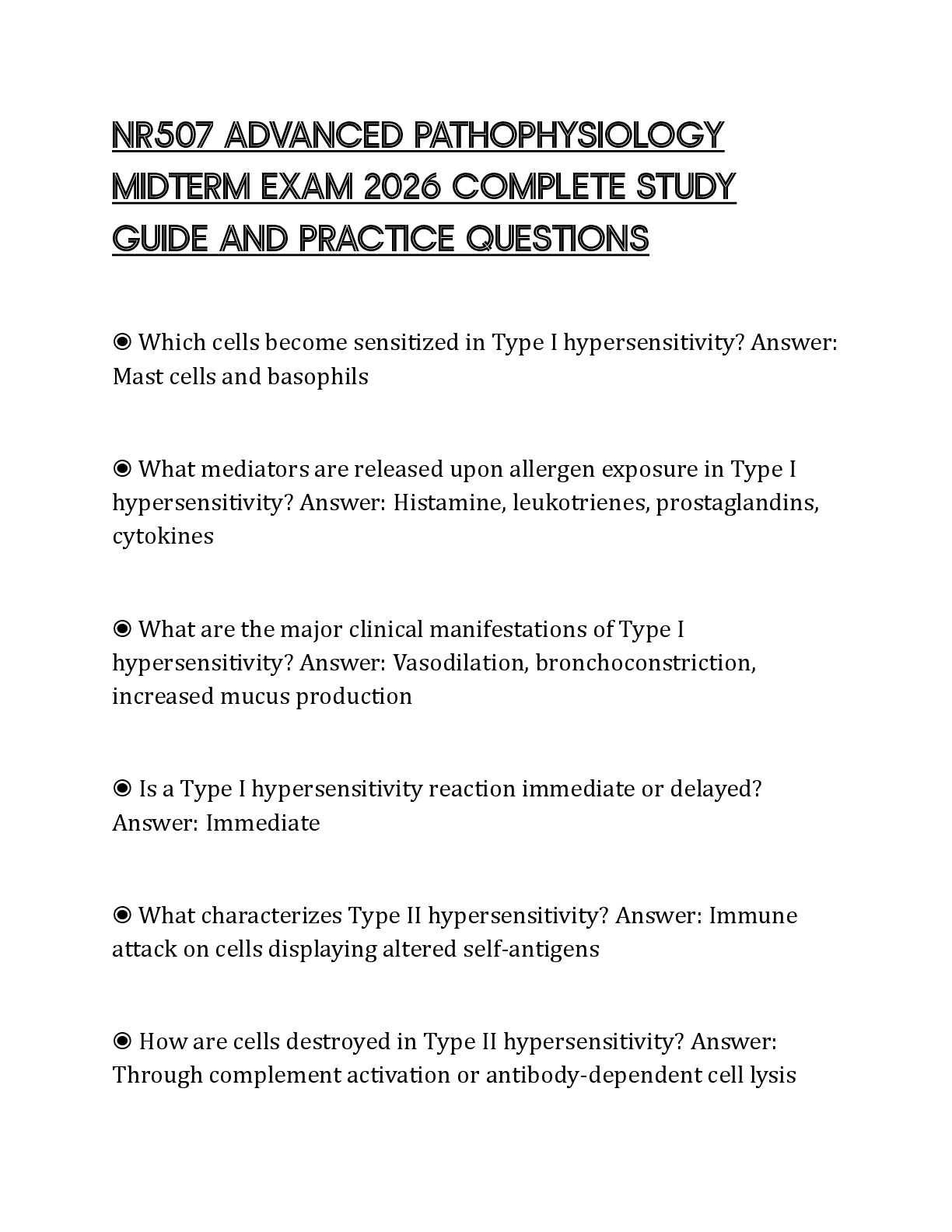
Hypersensitivity Type I: IgE-mediated allergic reaction (anaphylaxis); local symptoms (itching, rash); systemic symptoms (wheezing, hypotension, severe bronchoconstriction); main treatment is epinephrine
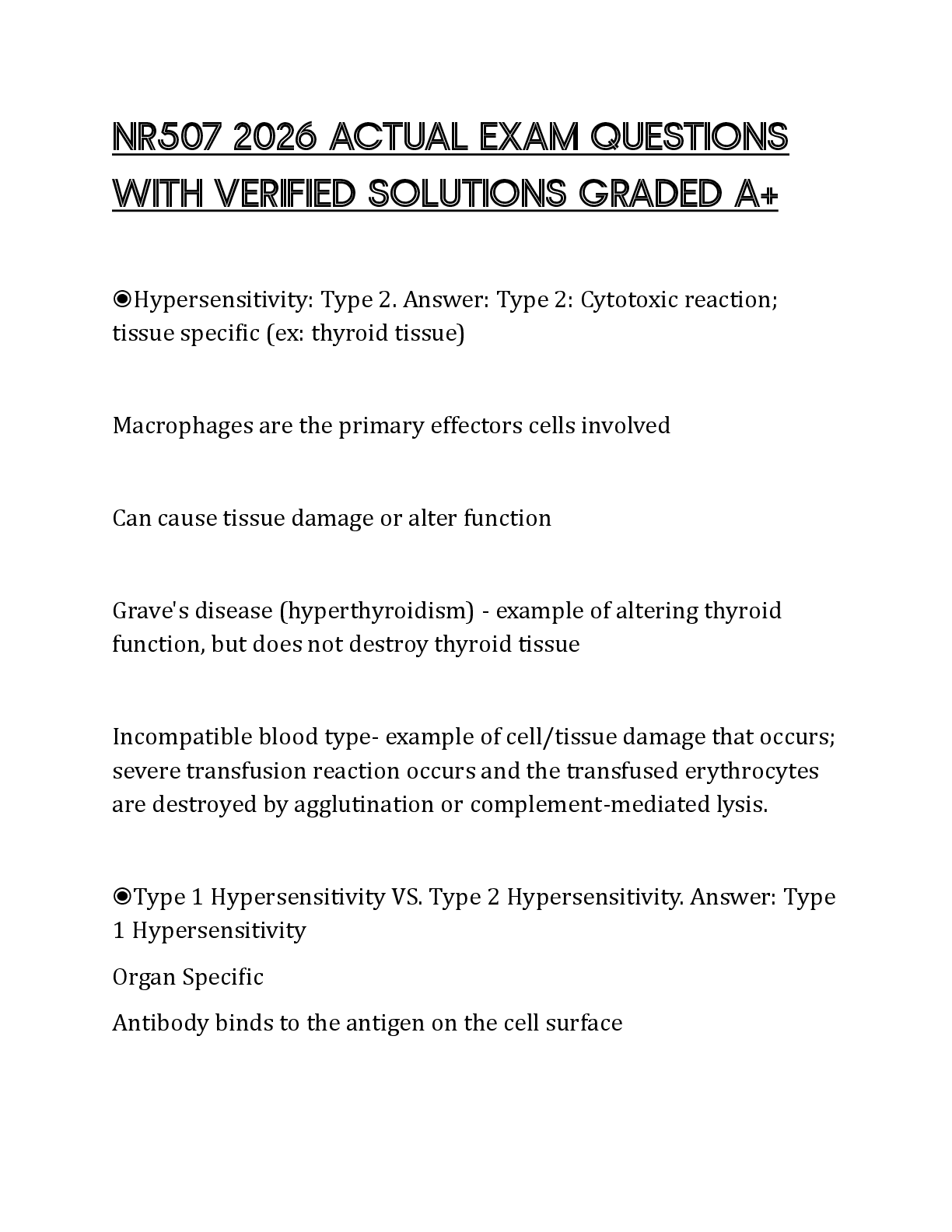
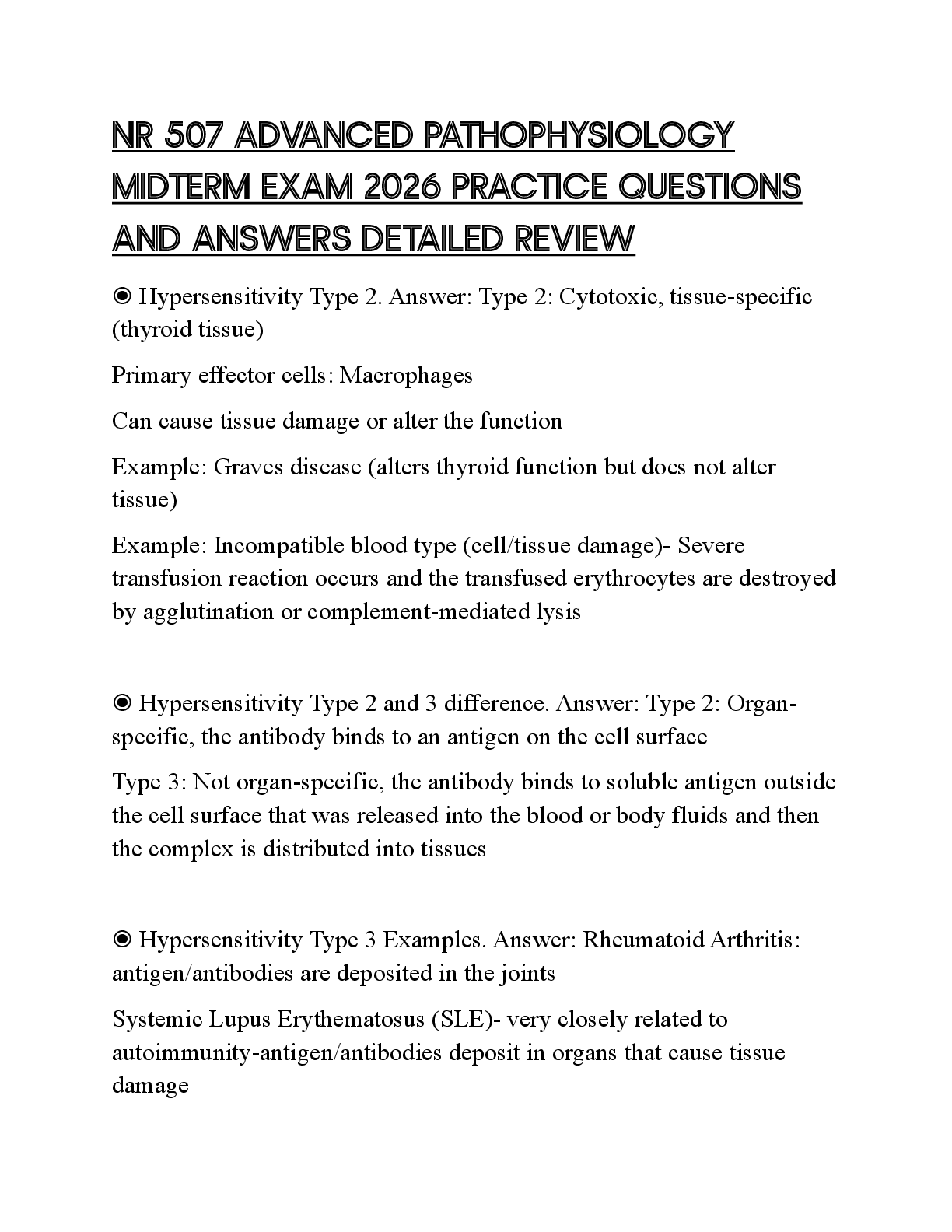
Hypersensitivity Type II: Cytotoxic, tissue-specific (thyroid tissue); primary effector cells are macrophages; examples include Graves disease (alters function) and incompatible blood type transfusion reactions (cell/tissue damage)
Hypersensitivity Type III: Immune-complex mediated; antibody binds to soluble antigen outside cell surface; examples include Rheumatoid Arthritis (joint deposition) and Systemic Lupus Erythematosus (SLE) with malar rash, photosensitivity, renal disorder, neurologic disorders
Hypersensitivity Type IV: Delayed T-cell mediated; contact dermatitis (poison ivy) with lesions only at contact site; treatment with topical steroids (not epinephrine or antihistamines)
Autoimmunity vs Alloimmunity: Familial associations with MHC alleles; alloimmunity examples include transplant rejection and transfusion reactions
Primary vs Secondary Immunodeficiency: Primary results from single gene defects (B-lymphocyte deficiency); secondary is complication of other conditions (HIV, malnutrition most common cause)
Hematological Pathologies (Week 2)
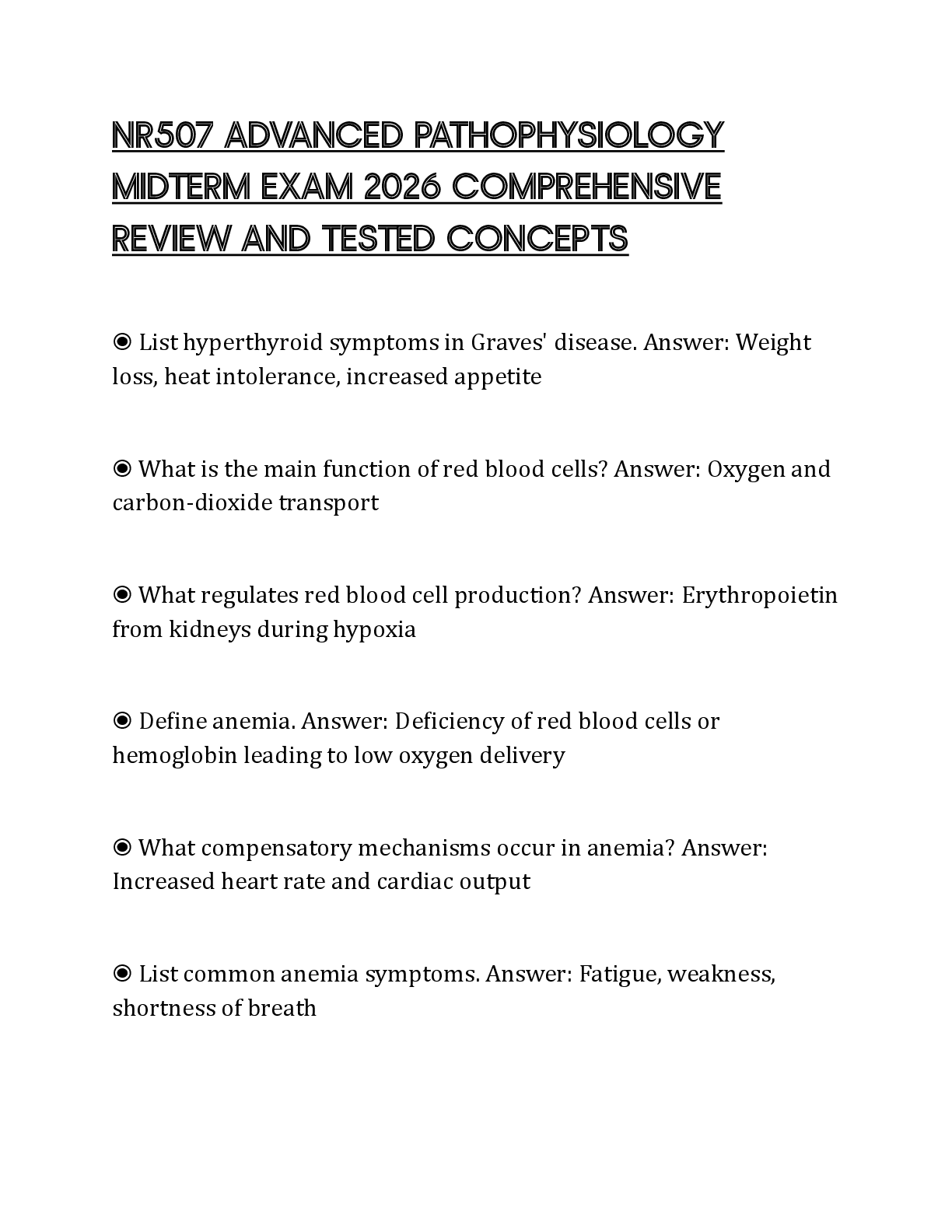
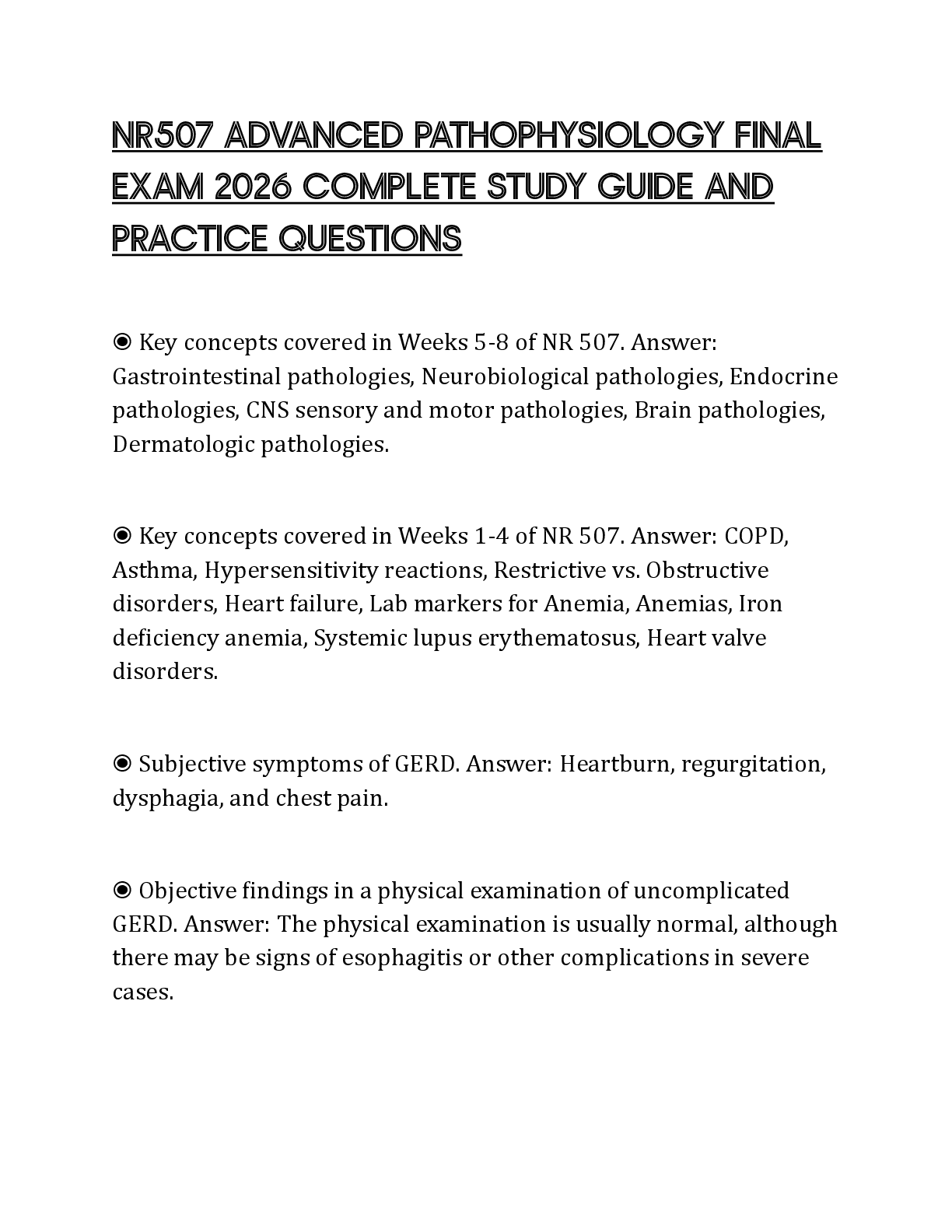
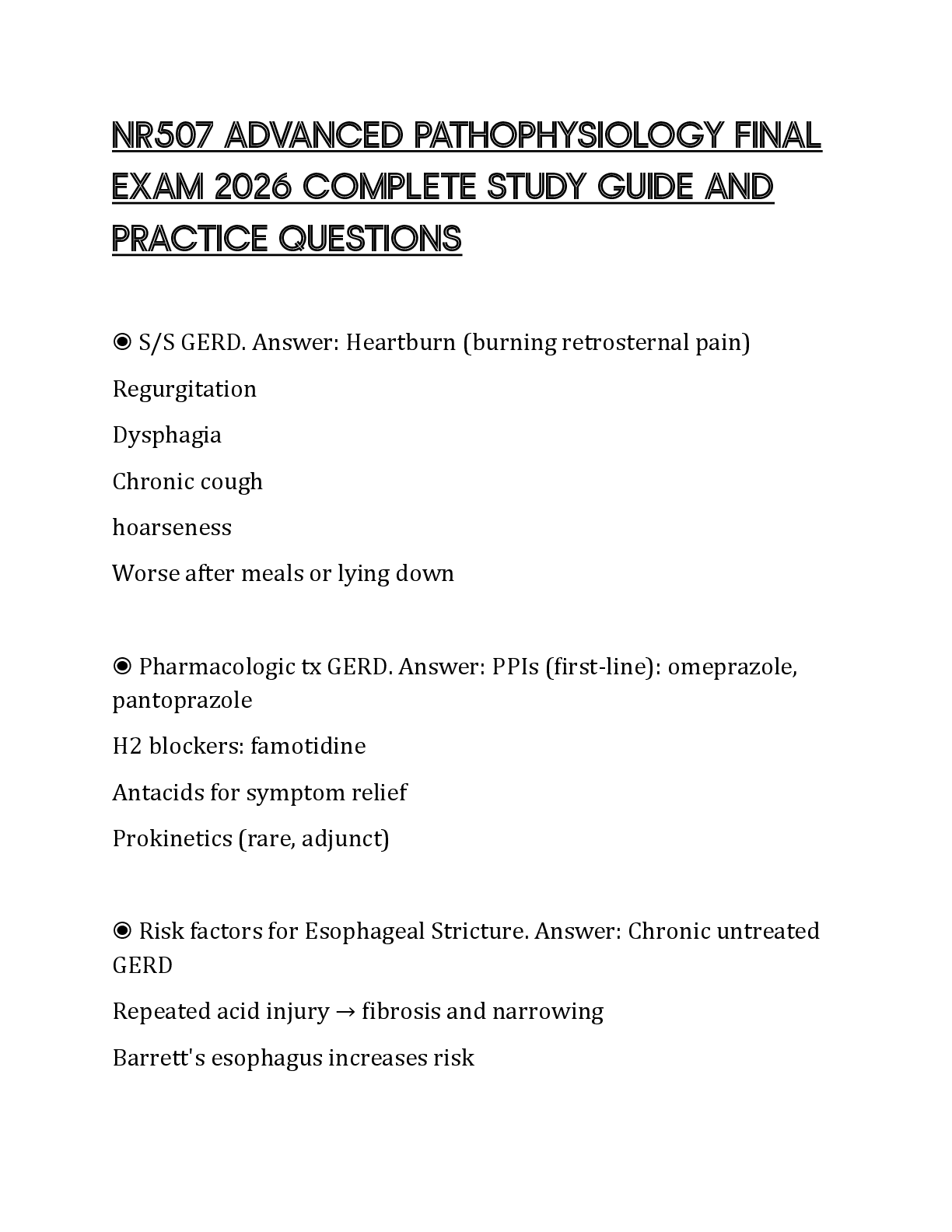
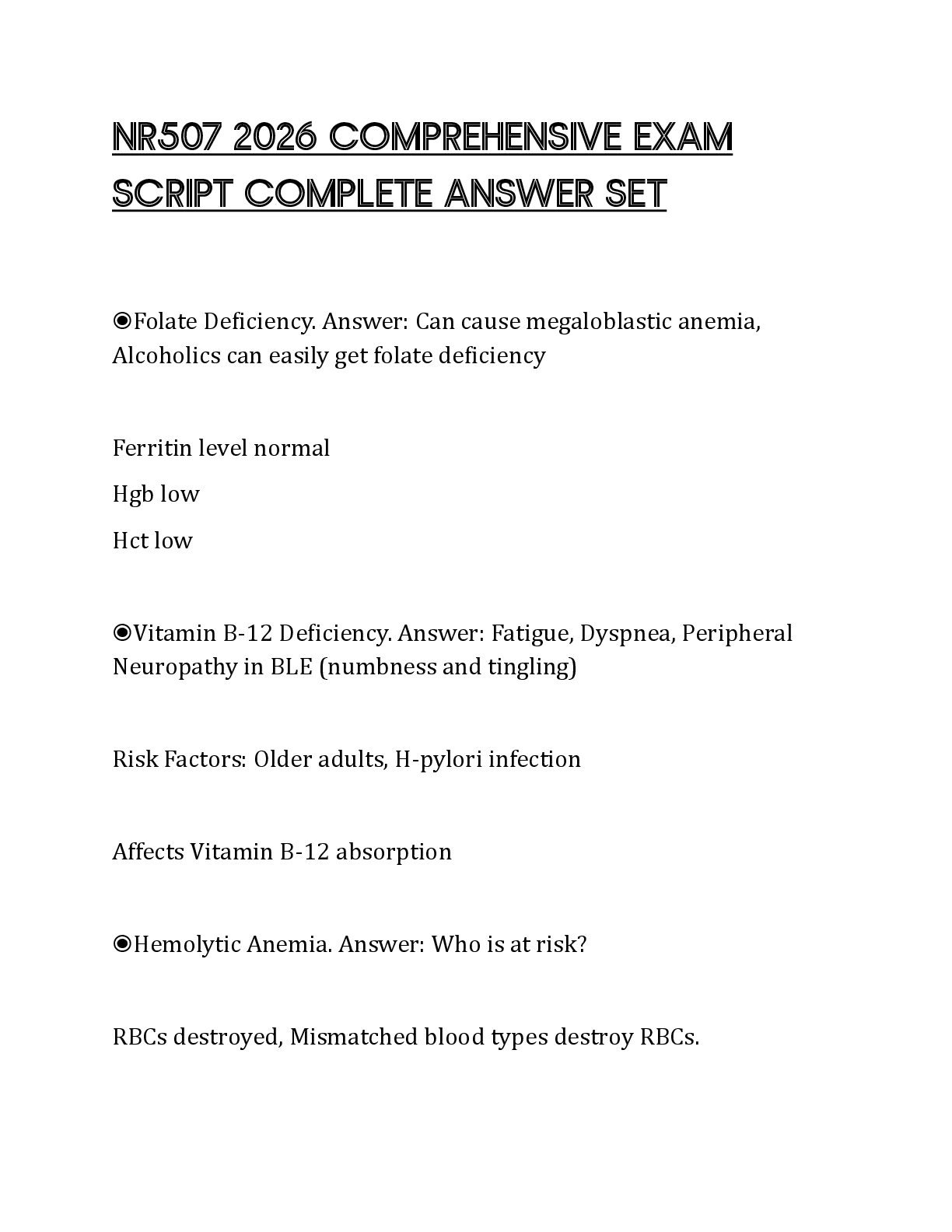
Anemia Types: Iron deficiency (ferritin level reflects body's iron stores); folate deficiency (alcoholics at risk); vitamin B-12 deficiency (peripheral neuropathy, older adults, H-pylori); hemolytic anemia (mismatched blood types, autoimmune, drug-induced); aplastic anemia (granulocytes <500/uL, platelets <20,000/uL); sickle cell anemia (autosomal recessive, single amino acid change on beta-chain, high stroke risk)
Thalassemia: Inherited blood disorder, many genetic mutations, ineffective erythropoiesis, primarily in persons from southeast Asia and China
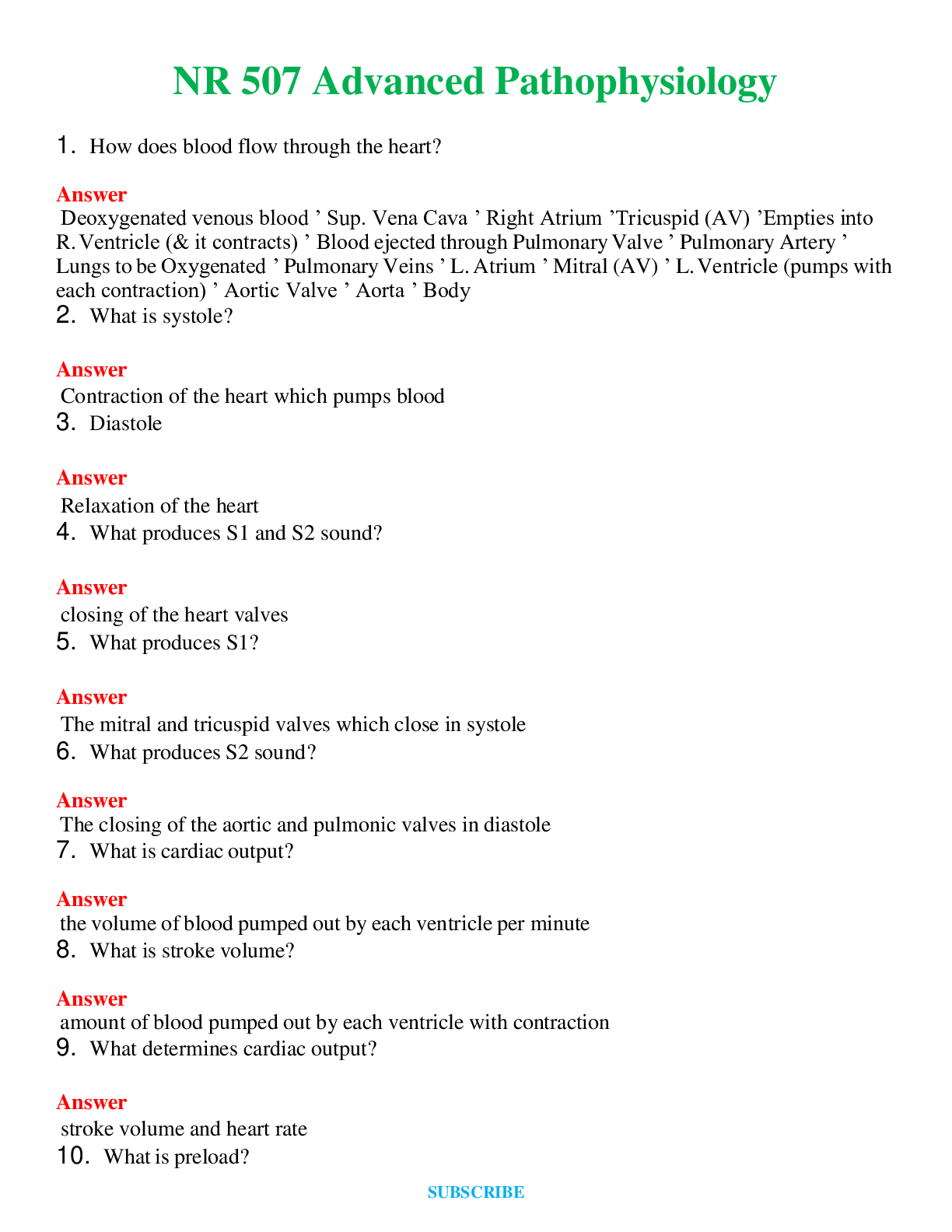
Cardiovascular Pathophysiology: Cardiac blood flow (vena cava → right atrium → right ventricle → pulmonary artery → lungs → pulmonary veins → left atrium → left ventricle → aorta)
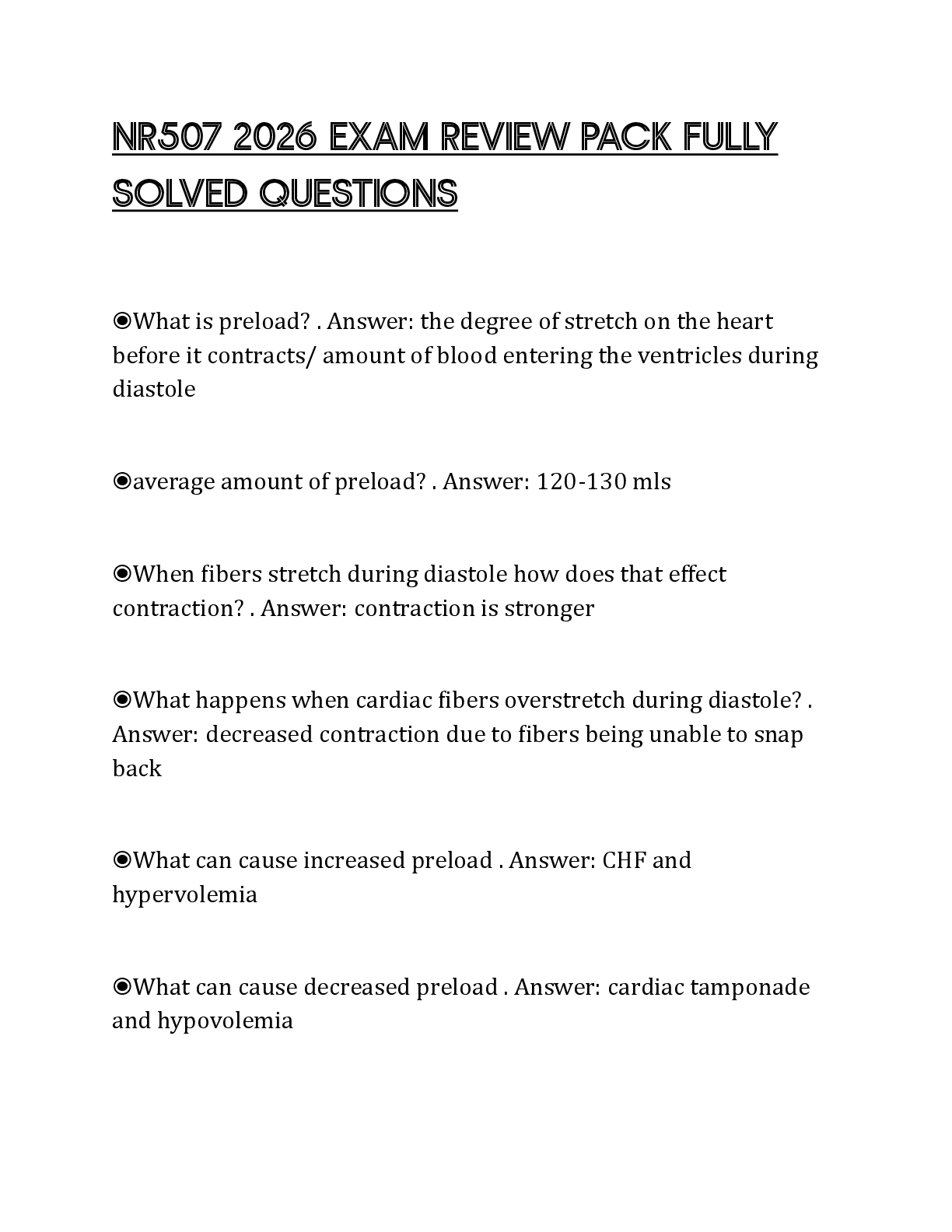
Cardiac Output: CO = SV × HR; preload (diastolic filling); afterload (resistance to systolic ejection); HTN has most immediate effect on afterload; hemorrhage decreases afterload due to reduced volume
Heart Failure: Stage A (risk factors, no symptoms, no heart damage); Stage B (heart damage, no symptoms); Stage C (symptomatic with dyspnea); Stage D (end-stage, need transplant/pacemaker)
Right vs Left Heart Failure: Right HF from left HF backup or COPD; signs include JVD, peripheral edema, hepatosplenomegaly
Pulmonary Pathologies (Week 3)
Respiratory Distress Syndrome (RDS) : Primary cause is surfactant deficiency
Foreign Object Aspiration: 75% of aspirated foreign bodies lodge in a bronchus
Chronic Bronchitis: Hypersecretion of mucus and chronic productive cough for at least 3 months per year for 2 consecutive years
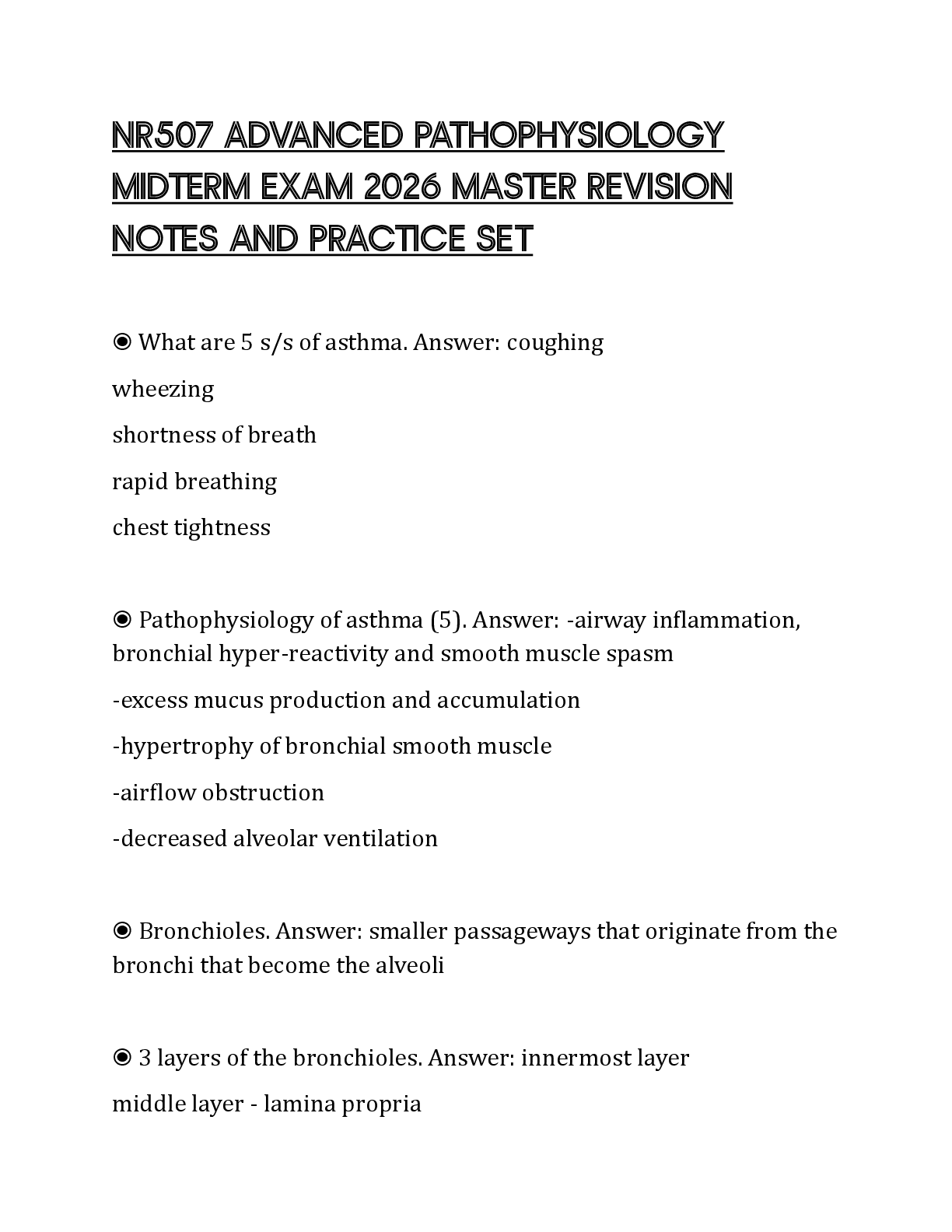
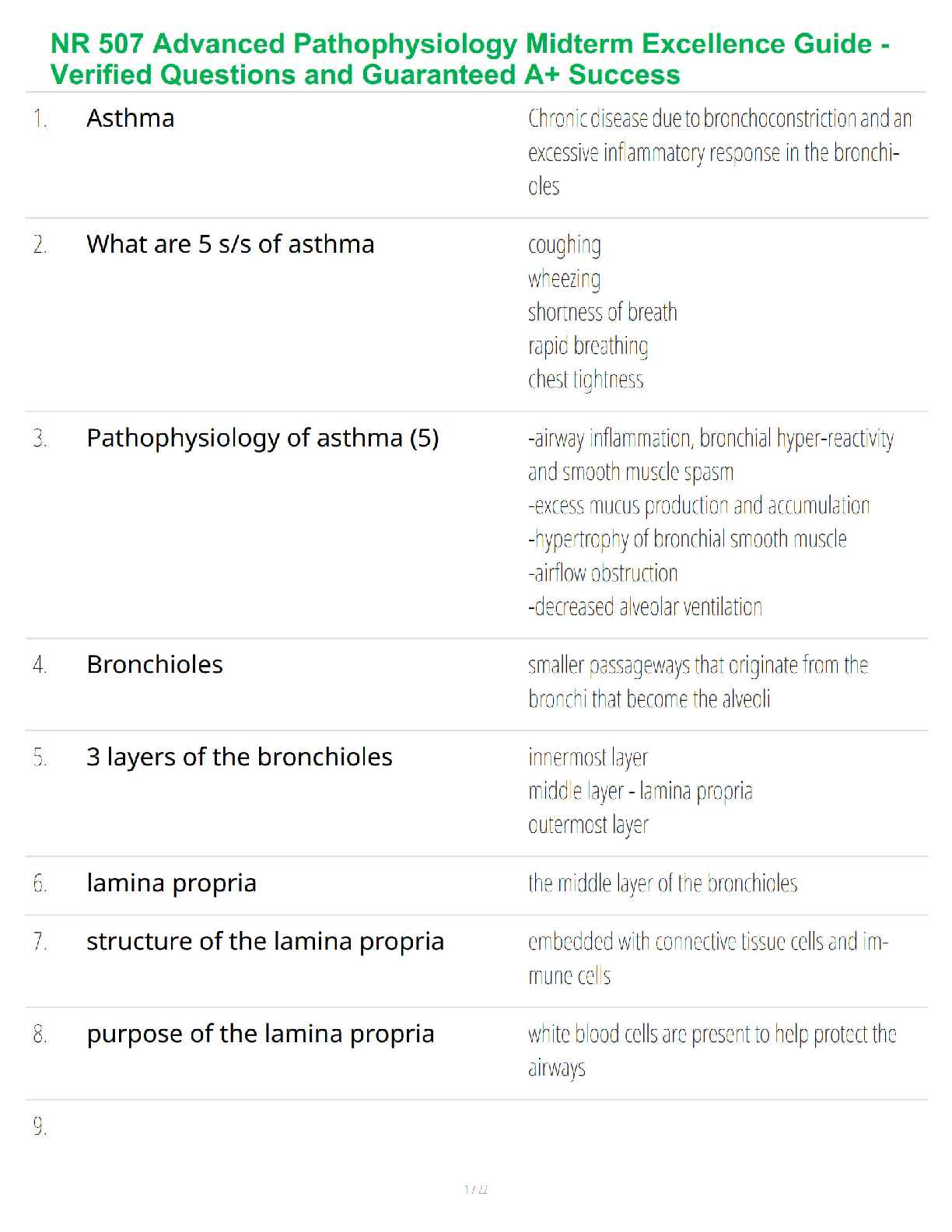
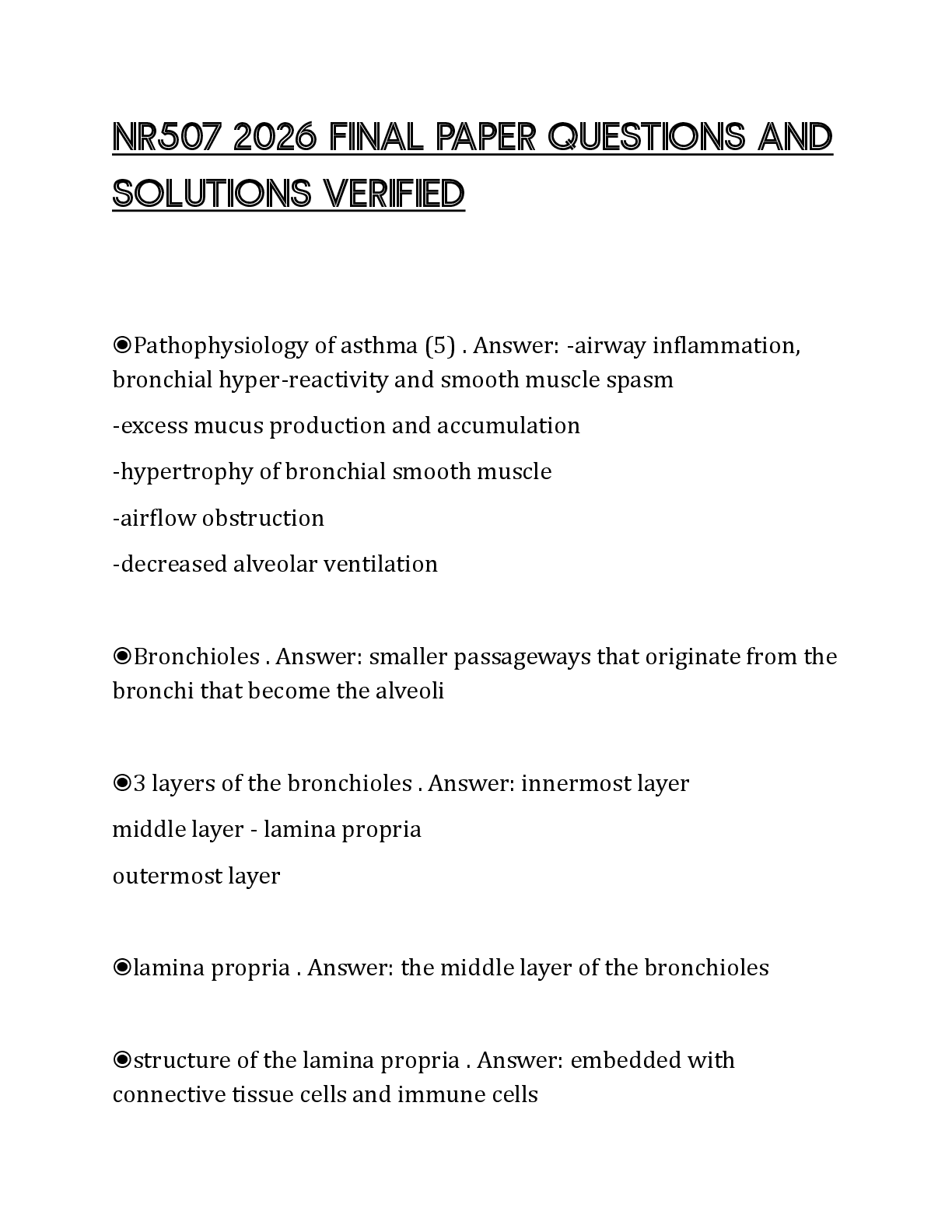
Asthma: IgE present in childhood asthma; diagnosis confirmed by reduced expiratory flow rates on spirometry that are reversible with bronchodilator
Lung Compliance: Decreased compliance means lungs/chest wall are abnormally stiff or difficult to inflate
Urinary System Pathologies (Week 4)
Glucose Threshold: Glucose appears in urine when renal threshold exceeded (blood glucose > ~180 mg/dL)
Erythropoietin: Hormone synthesized and secreted by kidneys to stimulate bone marrow production of red blood cells
Renin-Angiotensin System: Activated by decreased renal perfusion (low blood pressure in afferent arterioles)
Nephron Types: Juxtamedullary nephrons determine urine concentration
Mesangial Cells: Phagocytic cells that lie between layers of renal capillaries
Glomerular Filtration Rate (GFR) : Best estimate of renal function; directly related to perfusion pressure in glomerular capillaries
DOCUMENT ACCESS:
This study guide is available as an instant digital download (PDF) immediately upon purchase. Fully text-searchable, printable, and accessible anytime through your user account. 100% satisfaction guarantee. Trusted by thousands of Chamberlain graduate nursing students for exam preparation and mastering advanced pathophysiology competencies .
[Show More]