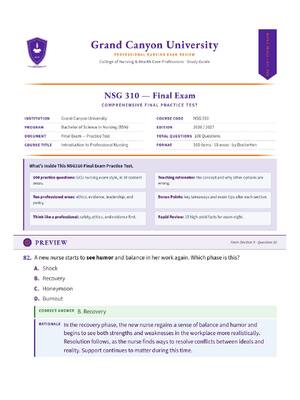
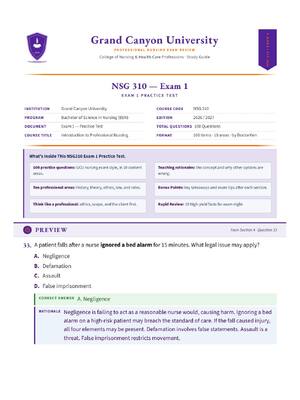
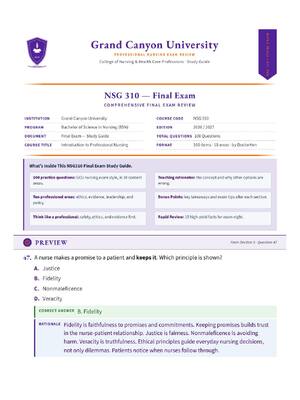
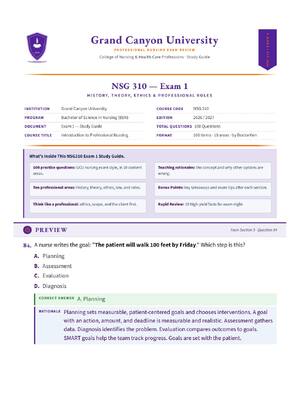
INSTANT PDF DOWNLOAD—This comprehensive study guide is specifically designed for Chamberlain University nursing students preparing for the Final Exam in BIOS 252 / BIOS252: Anatomy and Physiology II with Lab for the 2026
...
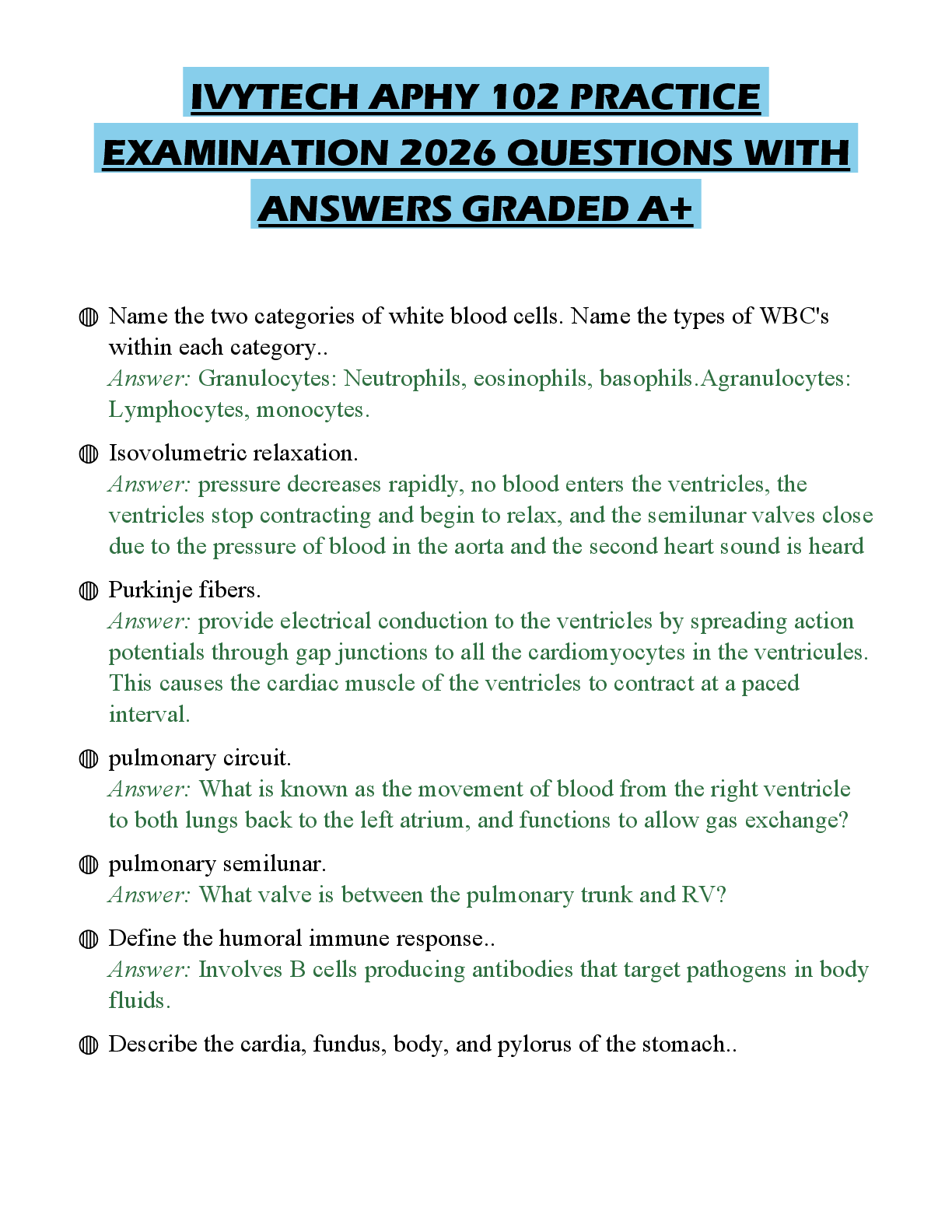
INSTANT PDF DOWNLOAD—This comprehensive study guide is specifically designed for Chamberlain University nursing students preparing for the Final Exam in BIOS 252 / BIOS252: Anatomy and Physiology II with Lab for the 2026/2027 academic year. This 60+ page resource contains expertly verified practice questions and 100% correct answers with detailed rationales to help you master core anatomy and physiology concepts and achieve a top score (Grade A+) .
This comprehensive guide covers all major topics tested on the Final Exam across 60+ pages of content :
Cardiovascular System
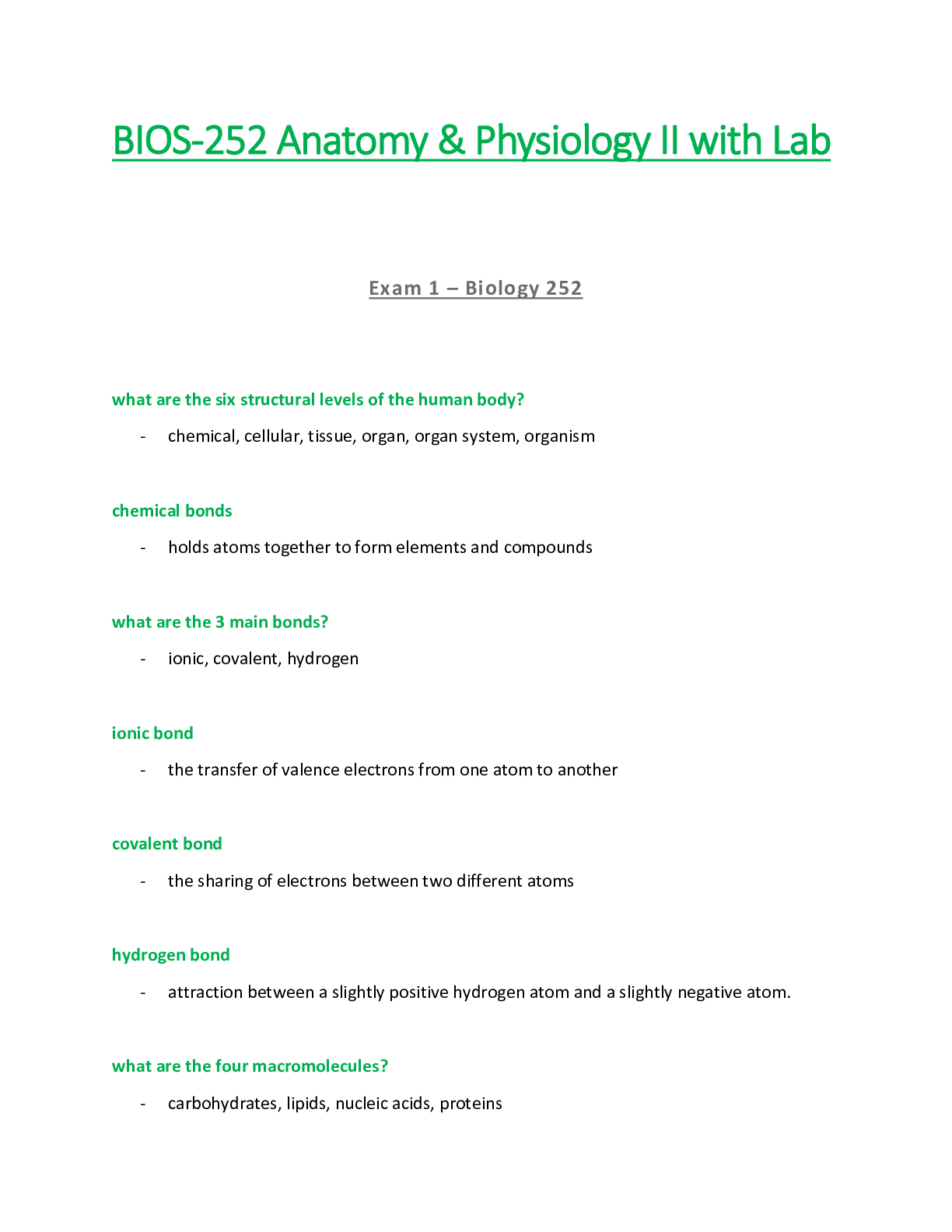
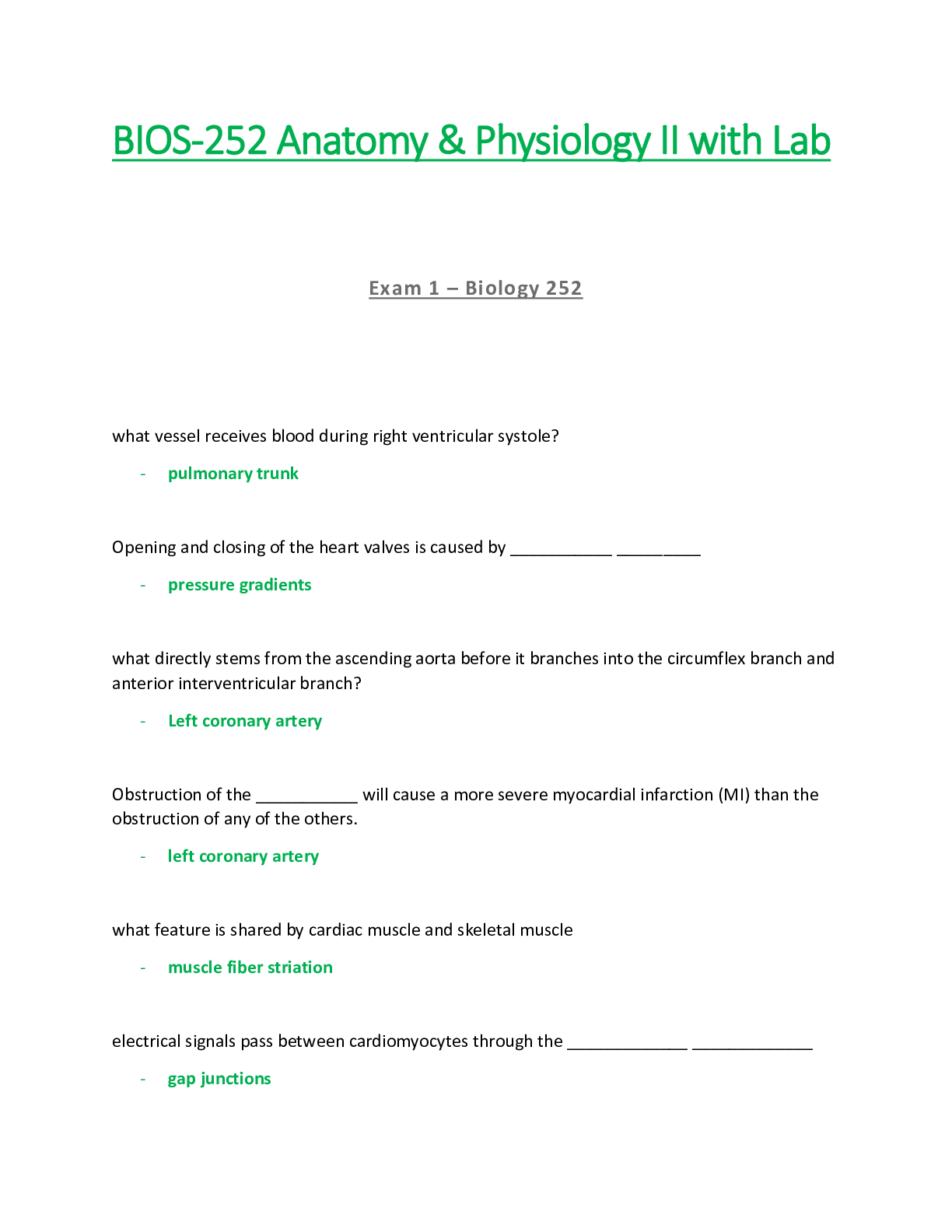
Heart Anatomy & Function: The tricuspid valve is located between the right atrium and right ventricle, preventing backflow during ventricular contraction . Arteries possess the thickest tunica media to withstand high pressure generated by ventricular contractions . The sinoatrial (SA) node is the pacemaker because it generates spontaneous electrical impulses faster than other cardiac cells . The left ventricle has a thicker myocardium than the right ventricle because it pumps blood to the entire body (systemic circulation) .
Blood & Circulation
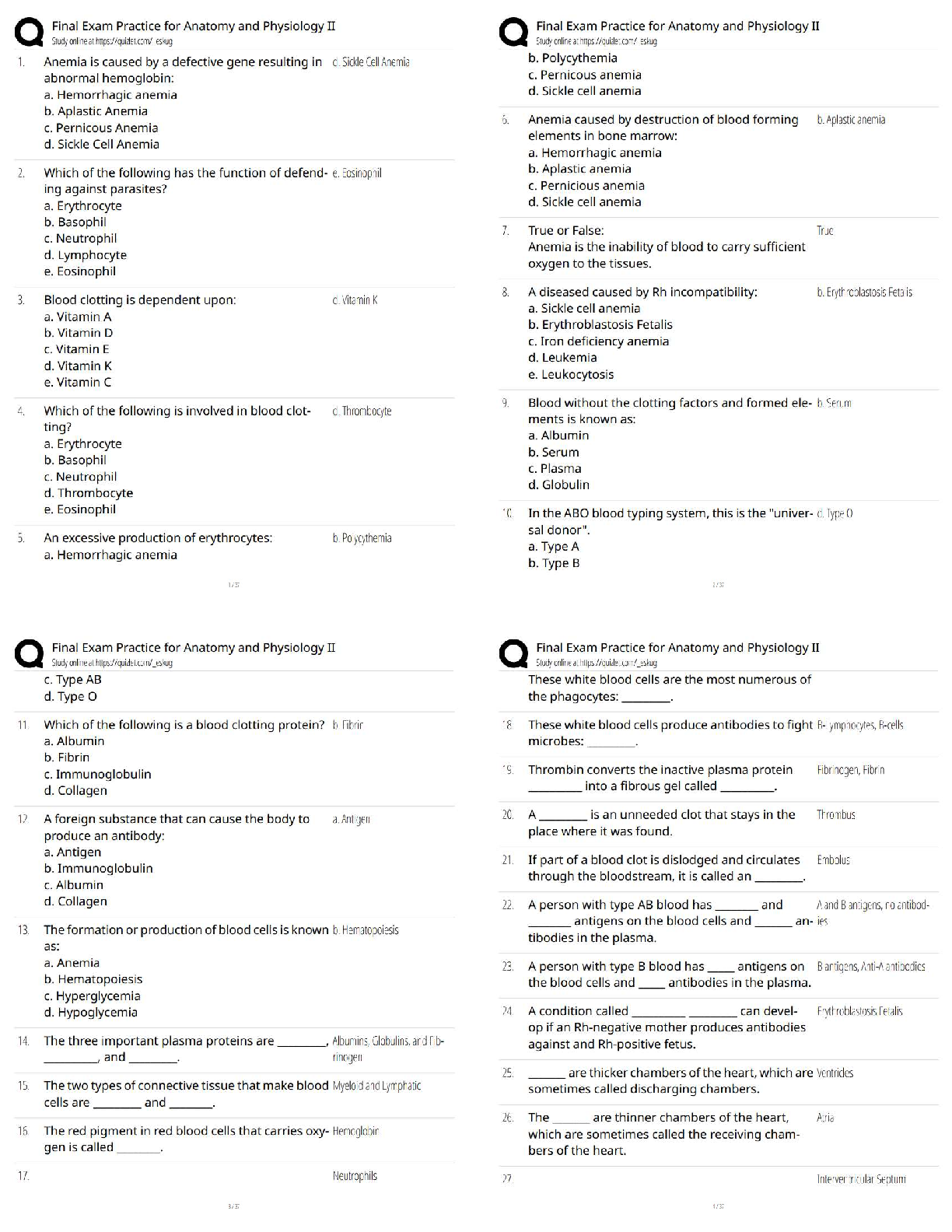
Blood Components: Erythrocytes (red blood cells) contain hemoglobin and are primarily responsible for oxygen transport . Water makes up about 90% of blood plasma and serves as a solvent for nutrients, gases, and wastes . Neutrophils are the most abundant white blood cells and are the first to respond to infection .
Hormonal Regulation: Erythropoietin, produced by the kidneys, stimulates red blood cell production in the bone marrow .
Circulation Pathways: The pulmonary circuit carries deoxygenated blood to the lungs and returns oxygenated blood to the heart; the systemic circuit supplies oxygenated blood to the body .
Lymphatic & Immune System
Lymphatic Function: The lymphatic system returns interstitial fluid to the bloodstream and provides immune defense .
Lymphoid Organs: The spleen filters blood, removes old red blood cells, and stores platelets .
Endocrine System
Blood Glucose Regulation: Insulin lowers blood sugar by helping cells absorb glucose; when blood sugar is too low, the pancreas releases glucagon, forcing the liver to release stored glucose .
Hormone Types: Paracrine hormones act on nearby cells; autocrine hormones act on the cell that produced them; endocrine hormones are secreted into interstitial fluid; exocrine secretions go into ducts .
Calcium Regulation: Hormones regulating blood calcium include calcitonin (lowers Ca2+) and PTH (raises Ca2+) .
Muscle Tissue (Skeletal, Cardiac, Smooth)
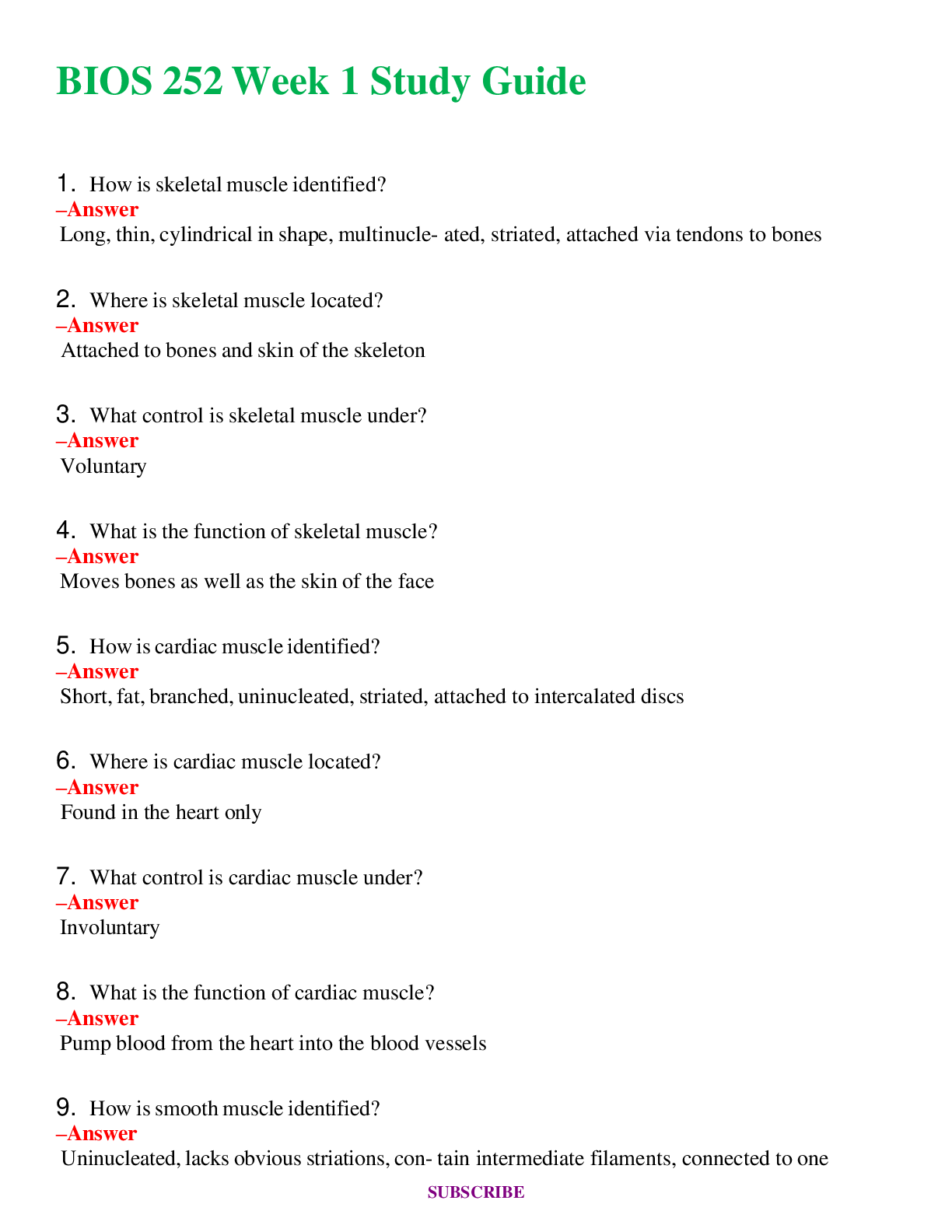
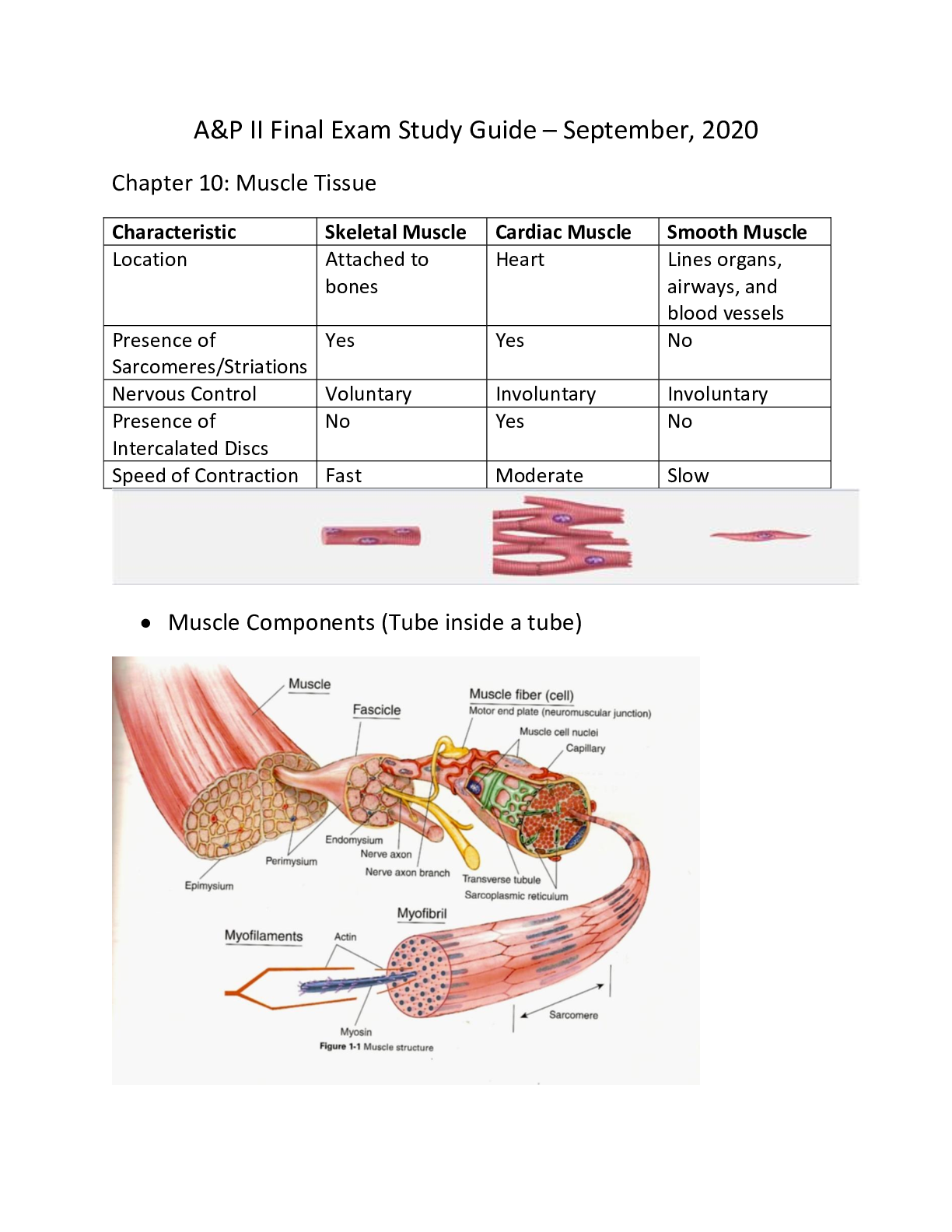
Skeletal Muscle: Organized myofibrils (striations), fused cells (no gap junctions), shortest contractions, coordinated with nervous system .
Cardiac Muscle: Intercalated discs with gap junctions and desmosomes, coordinated contraction (not sustained), found in atria and ventricles .
Smooth Muscle: Loosely organized myofibrils, sustained tension, gap junctions with coordinated contraction, visceral location (organs, ducts) .
Steps of Contraction: Excitation (neurons stimulate muscles to produce APs), excitation-contraction coupling (APs trigger Ca2+ release), and contraction (myofibrils shorten via sliding myofilaments) .
Muscle Fiber Types: Slow oxidative fibers (endurance, aerobic), fast oxidative-glycolytic fibers, and fast glycolytic fibers (explosive, anaerobic) .
Bone Tissue & Ossification
Bone Cells: Osteogenic cells (multi-potential stem cells), osteoblasts (secrete bone matrix), osteocytes (mature bone cells in lacunae), osteoclasts (resorb bone matrix) .
Bone Matrix: 1/3 organic (collagen and protein-carb complex resists tension) and 2/3 inorganic (calcium phosphate, calcium carbonate resist compression) .
Ossification Processes: Endochondral ossification (hyaline cartilage template replaced by bone, occurs in long bones); intramembranous ossification (bone develops from fibrous membrane) .
Bone Growth: Epiphyseal plate growth (longitudinal) through interstitial growth; appositional growth (width/thickness) adds bone to surface .
Nervous System
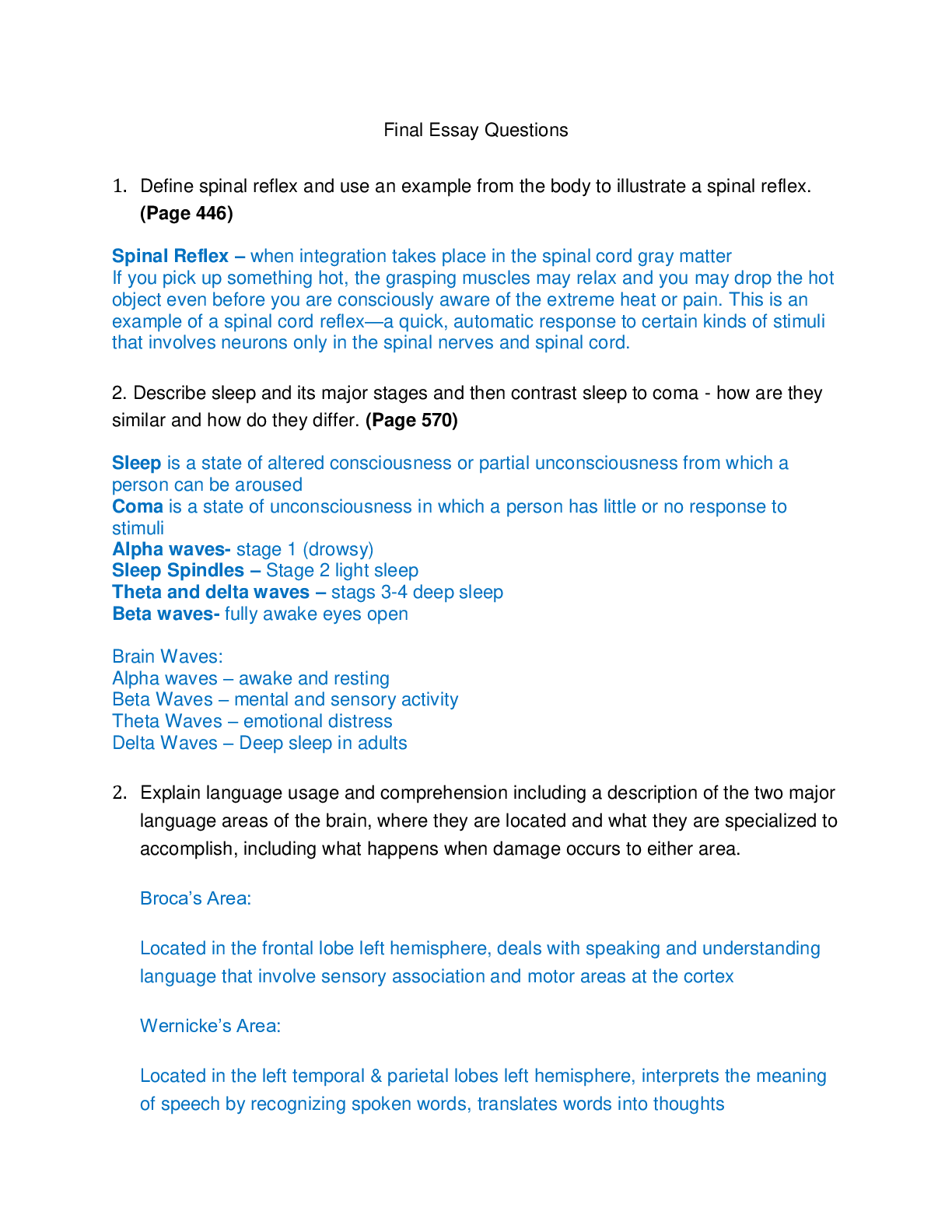
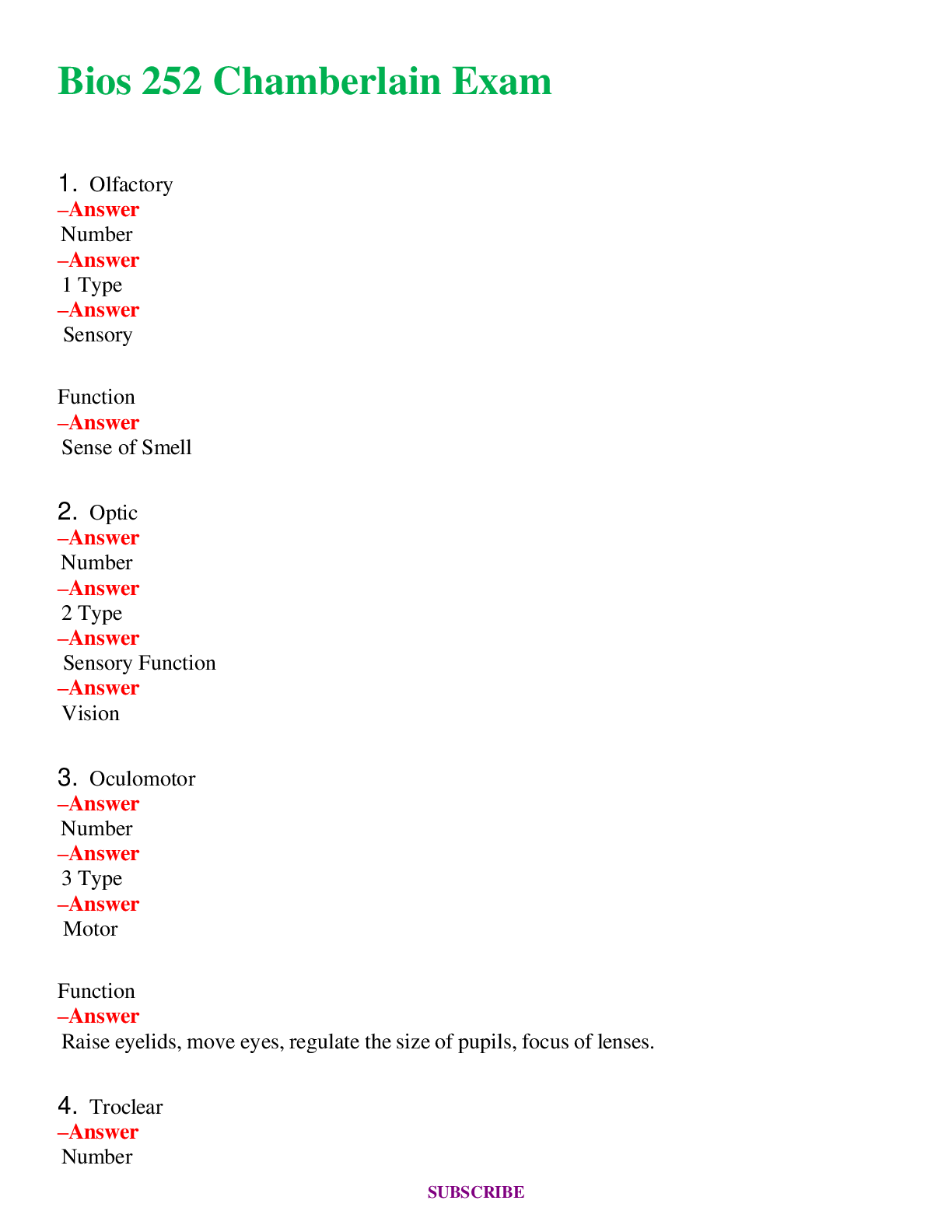
Spinal Cord Anatomy: The spinal cord passes through the foramen magnum . Spinal cord regions include cervical, thoracic, lumbar, sacral, coccygeal (Pelvic is not a region) .
Spinal Meninges & Spaces: The epidural space is external to the dura mater . Spinal meninges are dura mater, arachnoid mater, and pia mater (Vertebral mater is not a meninge) . The subdural space is not a real space where CSF circulates .
Spinal Cord Structures: The cauda equina is the bundle of nerves inferior to the conus medullaris . The filum terminale is formed from pia mater . The lateral horn is found in the thoracic segment of the spinal cord . The tapered inferior end of the spinal cord is the conus medullaris .
Spinal Tracts & Pathways: Sensory information from proprioceptors is carried by first-order neurons . The anterior ramus controls movement of skeletal muscles on the anterior surface . The sciatic nerves arise from the sacral plexus . The crossed-extensor reflex causes reciprocal activation of antagonist muscles to maintain balance . A dermatome is the specific patch of skin innervated by a specific spinal nerve . The spinothalamic tract carries pain and temperature information .
All questions include complete rationales based on current anatomy and physiology standards and Chamberlain University curriculum requirements .
DOCUMENT ACCESS:
This study guide is available as an instant digital download (PDF) immediately upon purchase. Fully text-searchable, printable, and accessible anytime through your user account. 100% satisfaction guarantee. Trusted by thousands of Chamberlain nursing students for final exam preparation and mastering anatomy and physiology competencies .
[Show More]