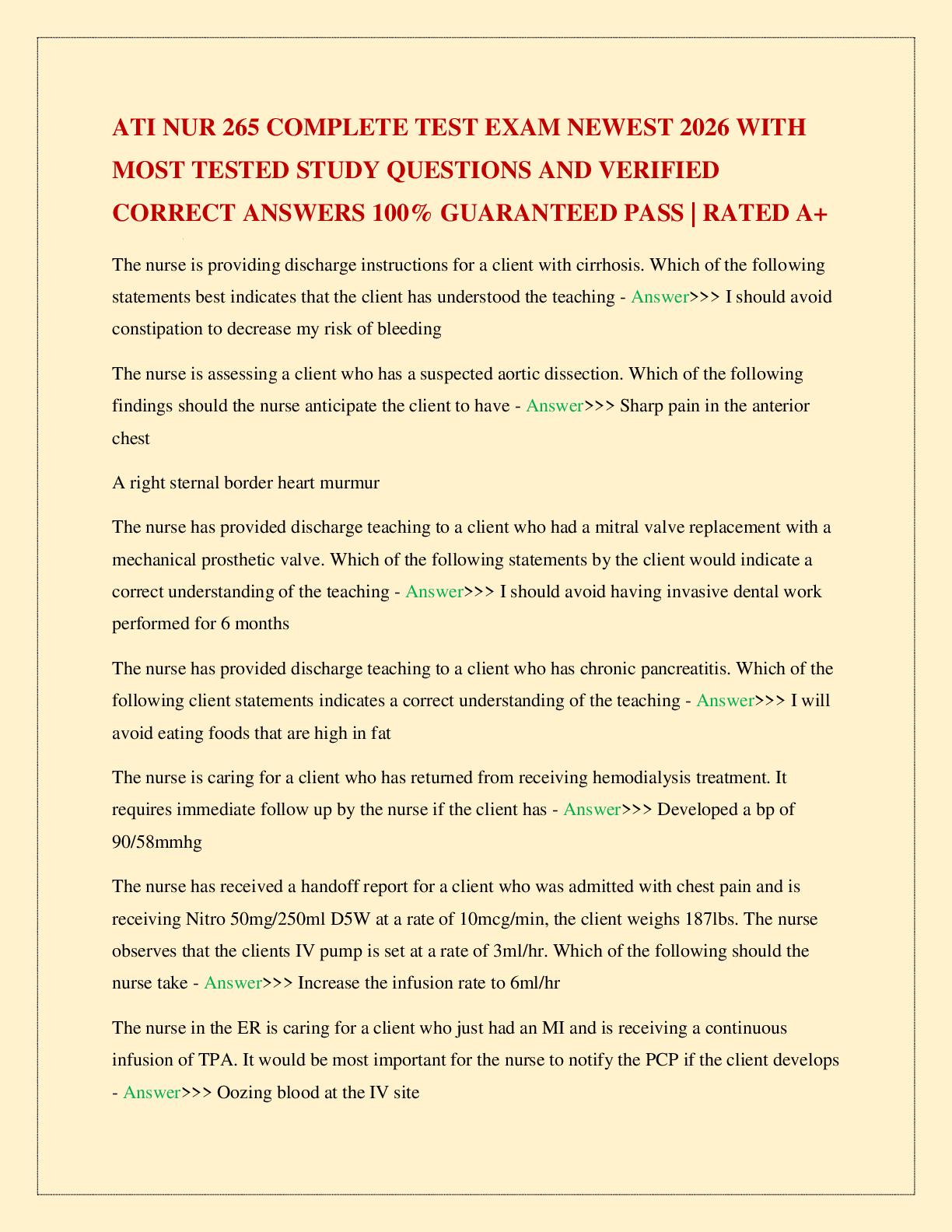
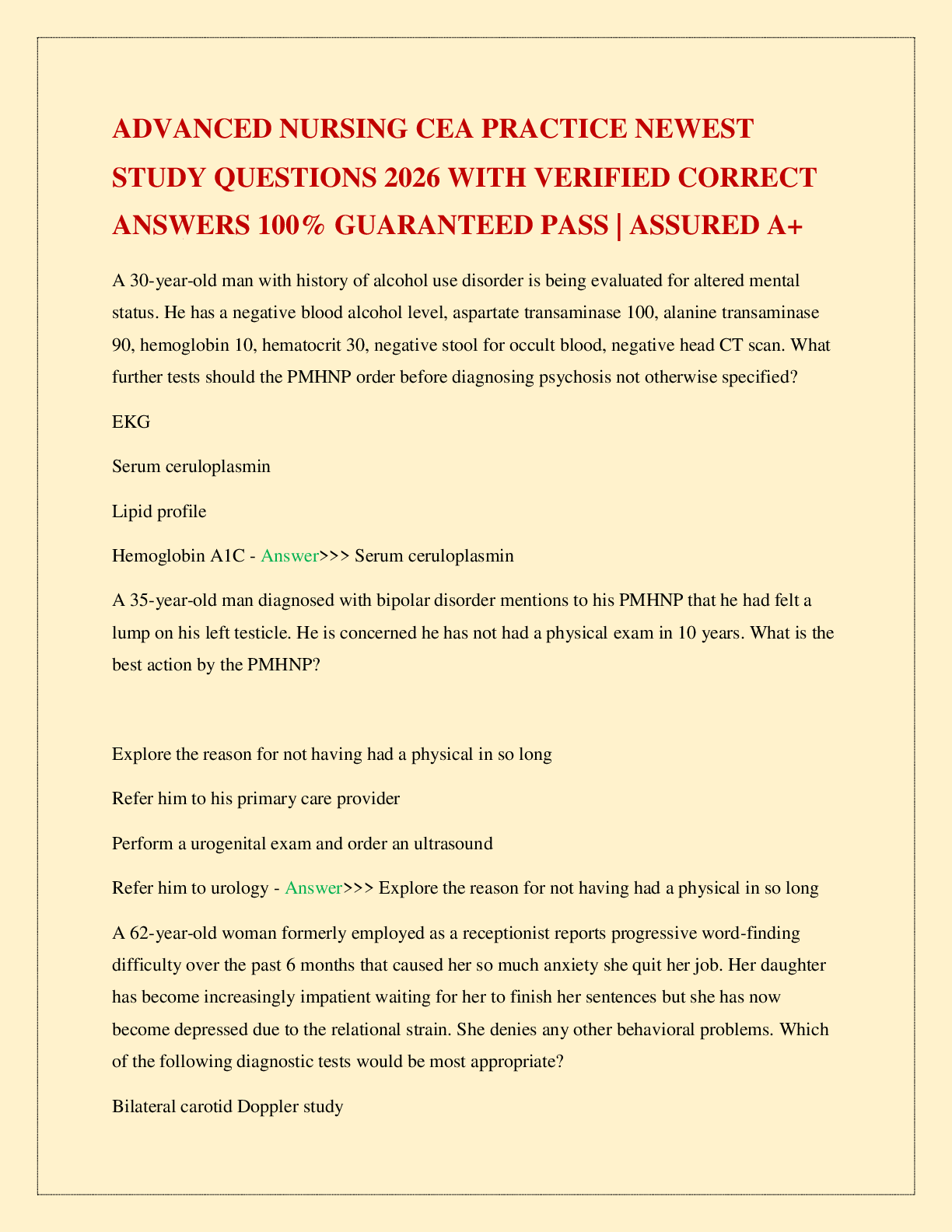
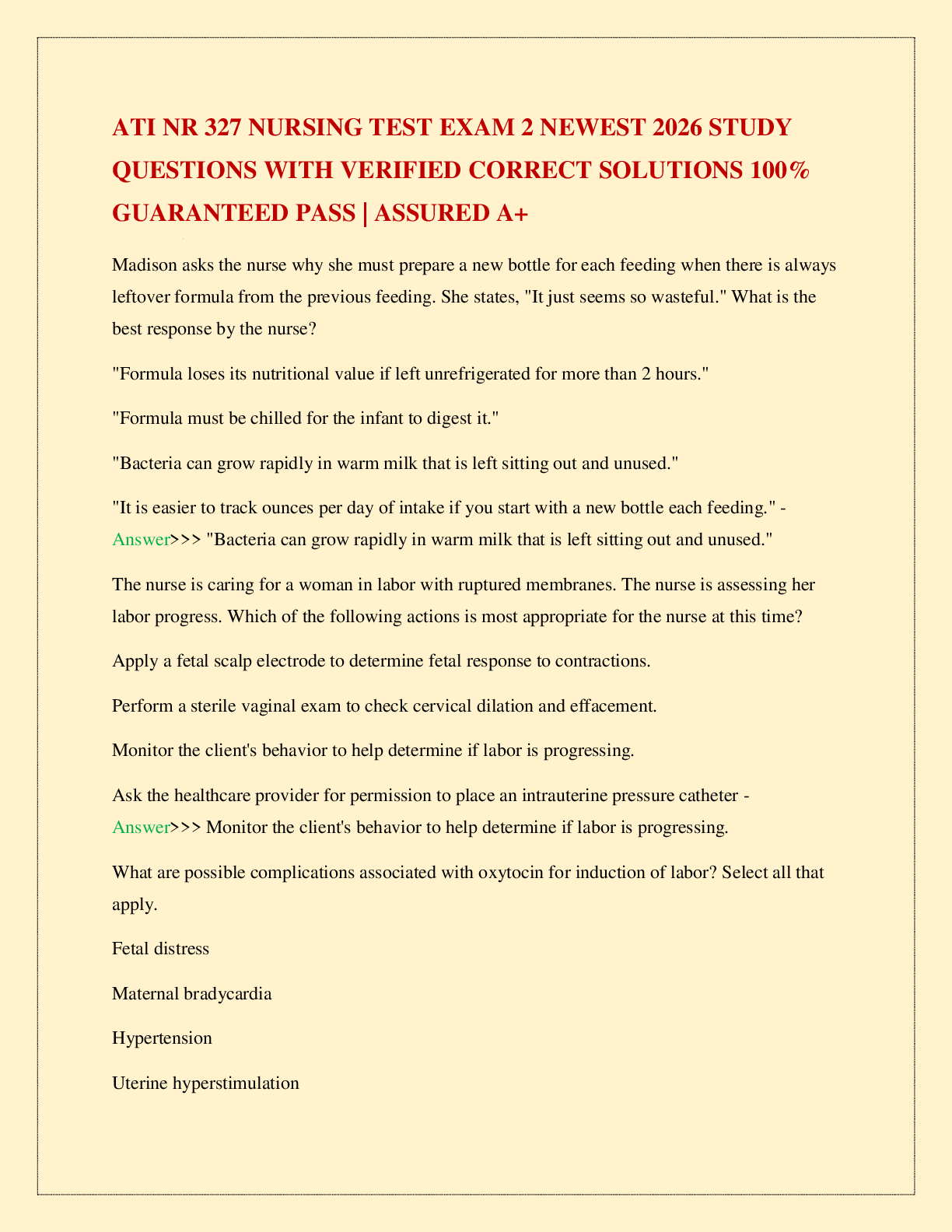
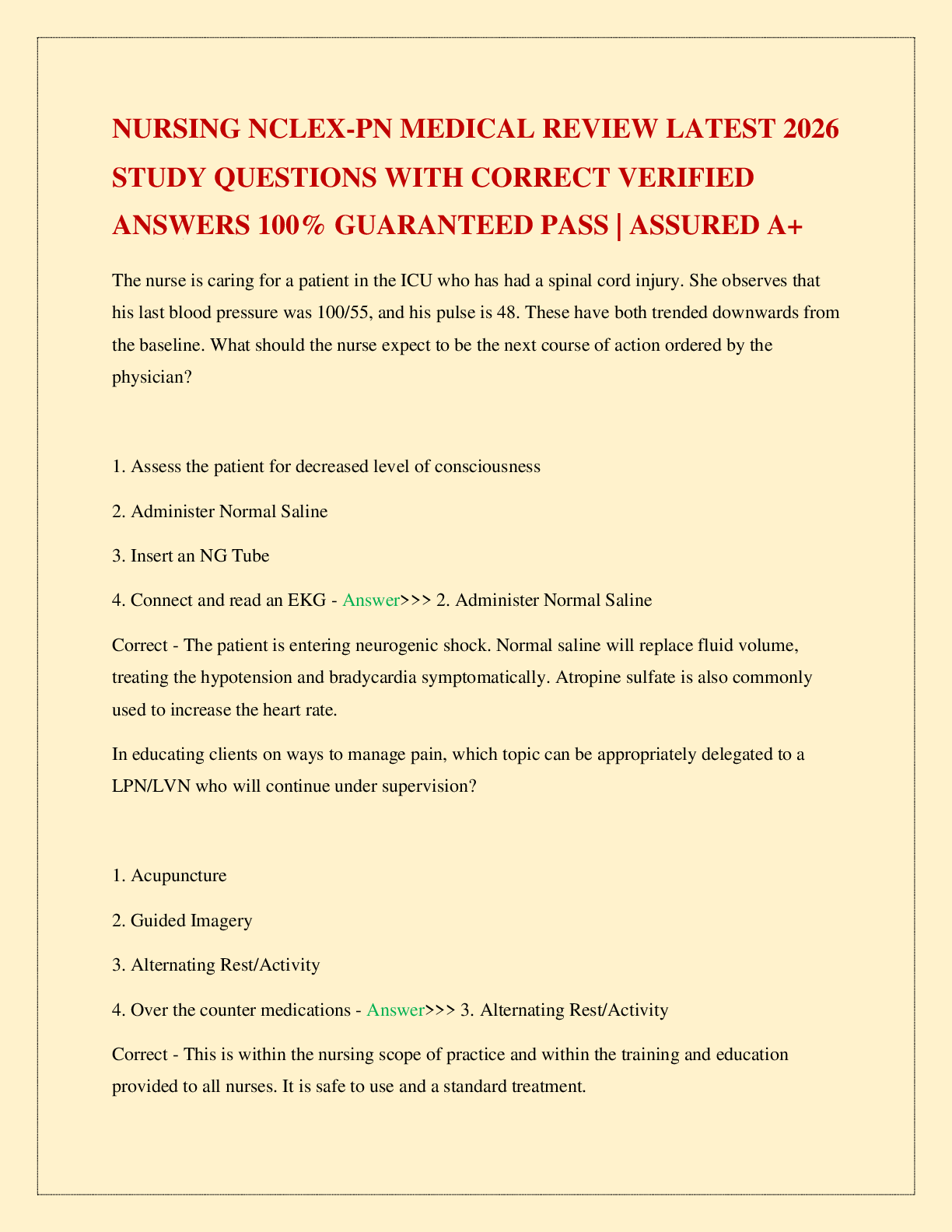
A 78-year-old male presents with a complaint of paroxysmal dizziness associated with nausea, and a feeling that he is going to "pass out". Neurological examination and brain imaging studies are negative. EKG is within no
...
A 78-year-old male presents with a complaint of paroxysmal dizziness associated with nausea, and a feeling that he is going to "pass out". Neurological examination and brain imaging studies are negative. EKG is within normal limits. The next diagnostic procedure should be:
*An arteriogram
*Cardiac event monitor
*An exercise stress test
*24-hour blood pressure monitoring - Answer>>> Cardiac event monitor
Rationale: Paroxysmal dizziness, which refers to sudden and transient episodes of dizziness or vertigo, can be caused by various underlying conditions. The term "paroxysmal" implies that these episodes come on suddenly and may resolve spontaneously. Certain abnormal heart rhythms, such as atrial fibrillation, can occasionally cause episodes of dizziness or lightheadedness, especially if they affect blood flow to the brain.
The nurse practitioner prescribes amitriptyline (Elavil) for a patient with neuropathic pain secondary to diabetes mellitus. On follow-up, the patient presents with urine retention and dry mouth. The practitioner should:
*discontinue amitriptyline (Elavil) and begin gabapentin (Neurontin).
*refer to physical therapy.
*start methocarbamol (Robaxin). - Answer>>> discontinue amitriptyline (Elavil) and begin gabapentin (Neurontin)
Rationale: Elavil (Amitriptyline) is a tricyclic antidepressant (TCA) commonly used to treat depression, anxiety disorders, and certain types of chronic pain. While effective for these
conditions, amitriptyline can cause several side effects, including urinary retention. Amitriptyline has strong anticholinergic properties, meaning it blocks the action of acetylcholine, a neurotransmitter involved in muscle contractions
A 65-year-old woman presents for a follow-up examination. She is a smoker, and her hypertension is now adequately controlled with medication. Her mother died at age 40 from a heart attack. The fasting lipid profile shows cholesterol = 240 mg/dL, HDL = 30, and LDL = 200. In addition to starting therapeutic lifestyle changes, the nurse practitioner should start the patient on: - Answer>>> a statin drug.
Rationale: Bile acid sequestrants and cholesterol absorption inhibitors may be useful in reducing ASVD risk, but for a patient who is an active smoker with premature coronary disease history (less than age 65 for women), has hypertension and is far from an LDL goal, this patient is most certainly a candidate for statin therapy, which represents the most aggressive therapy option of these four listed.
[Show More]
Preview 10 out of 169 pages