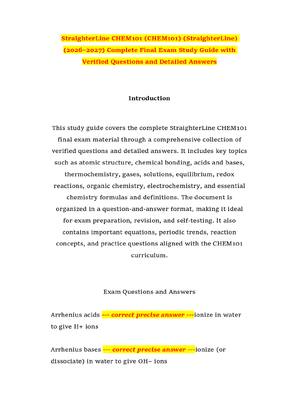
Chemistry > A/As Level Mark Scheme > As Level Chemistry Exam/with Complete solutions (All)
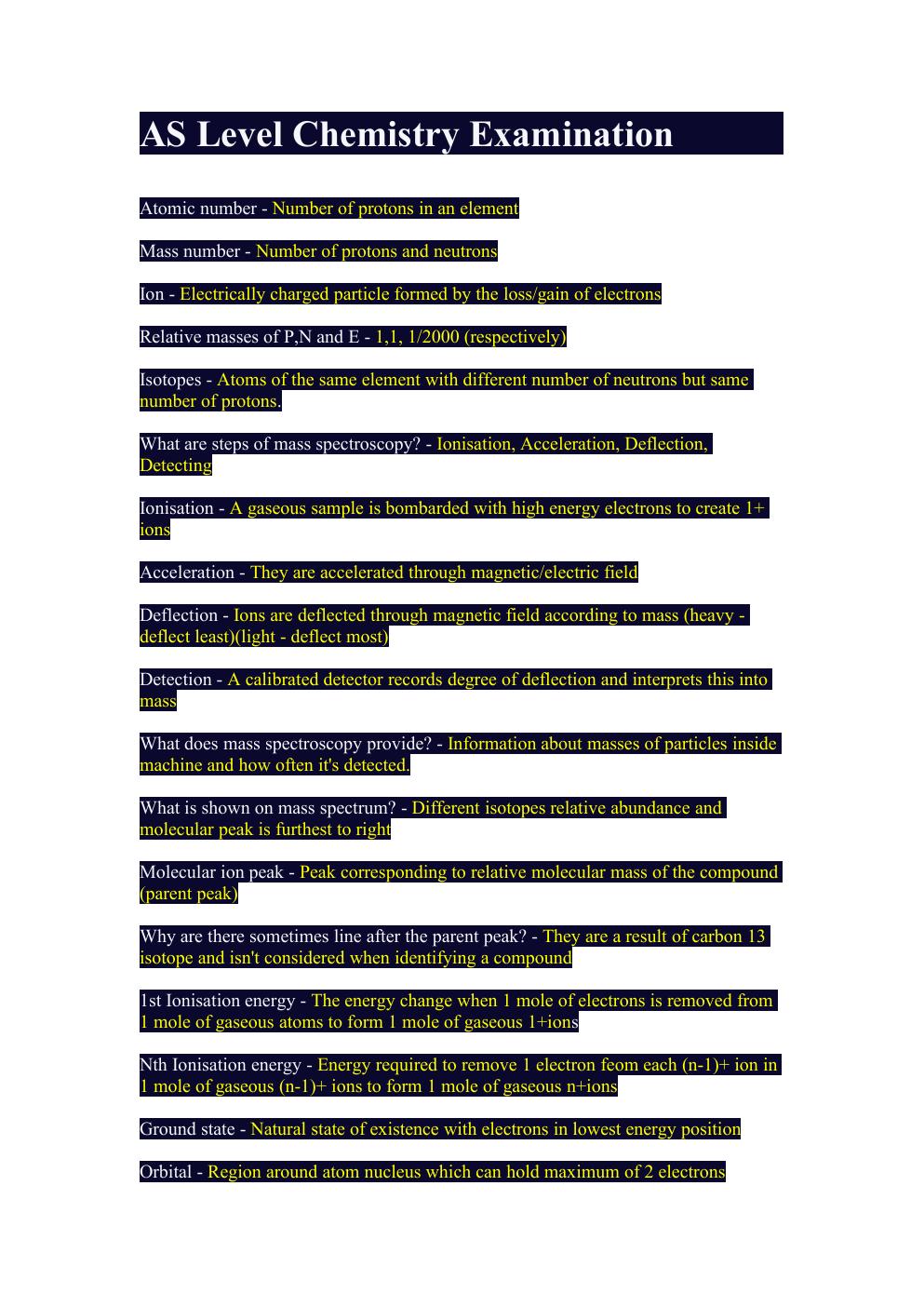
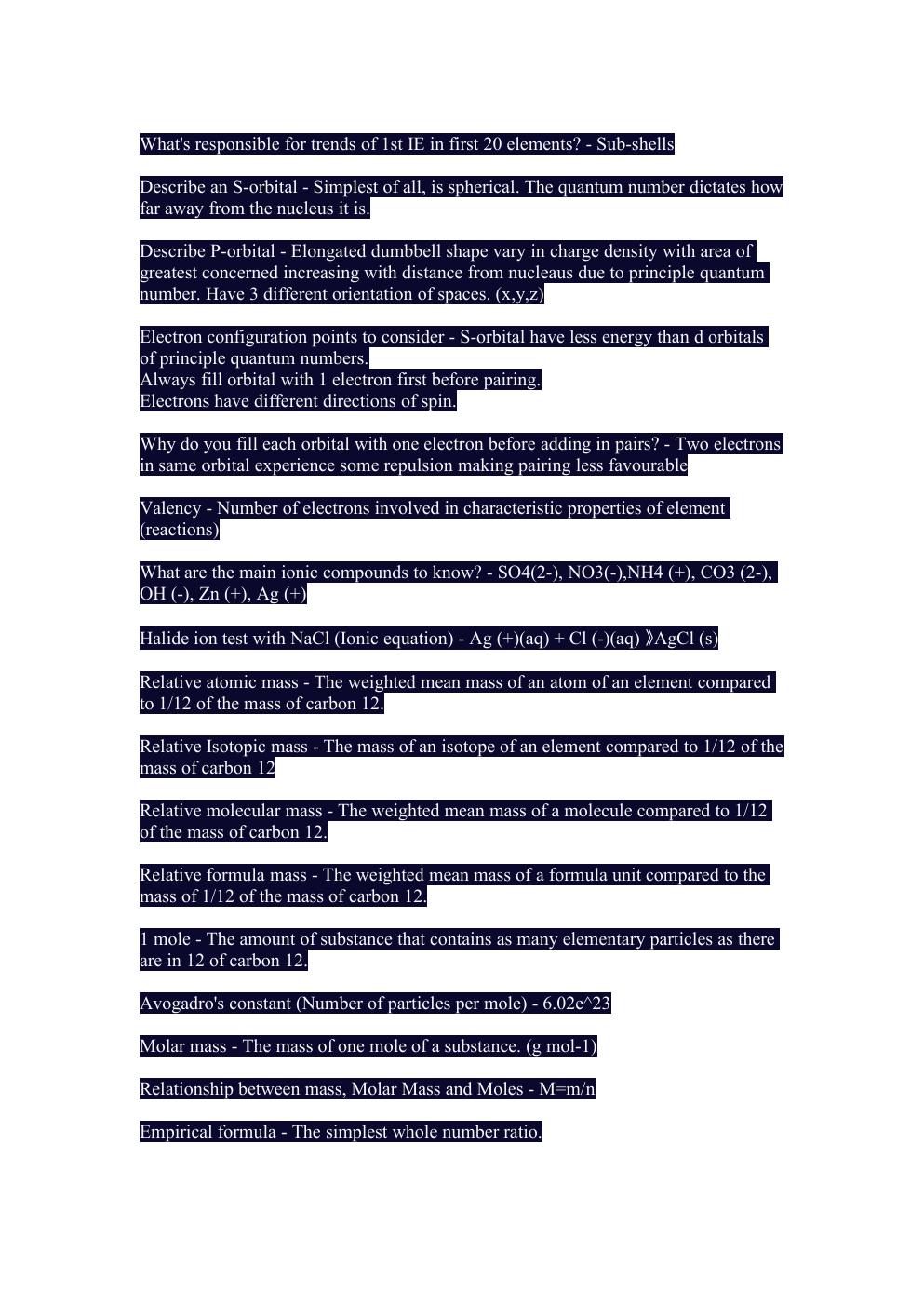
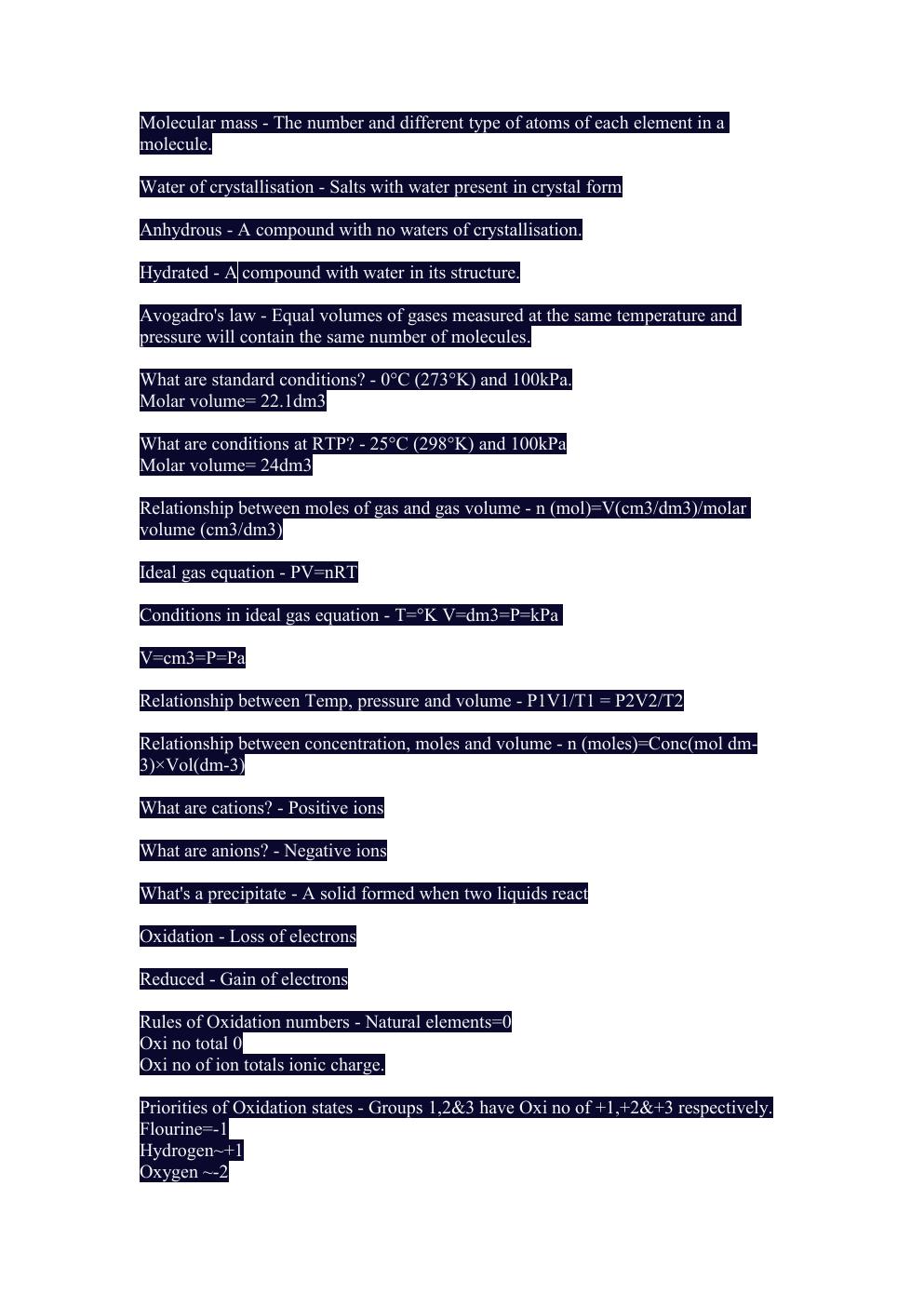
As Level Chemistry Exam/with Complete solutions
Document Content and Description Below
Last updated: 1 month ago
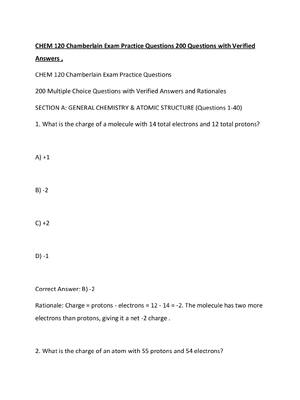
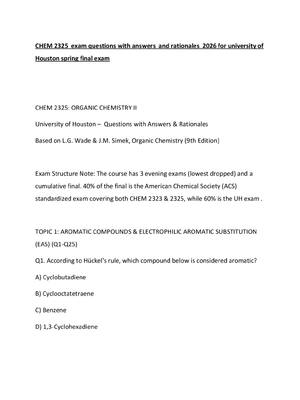
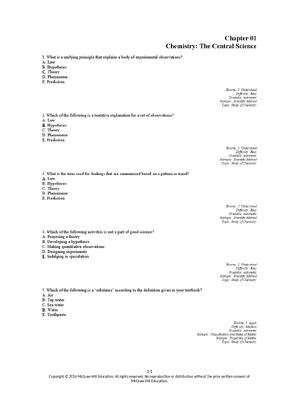
Preview 5 out of 17 pages
Instant download
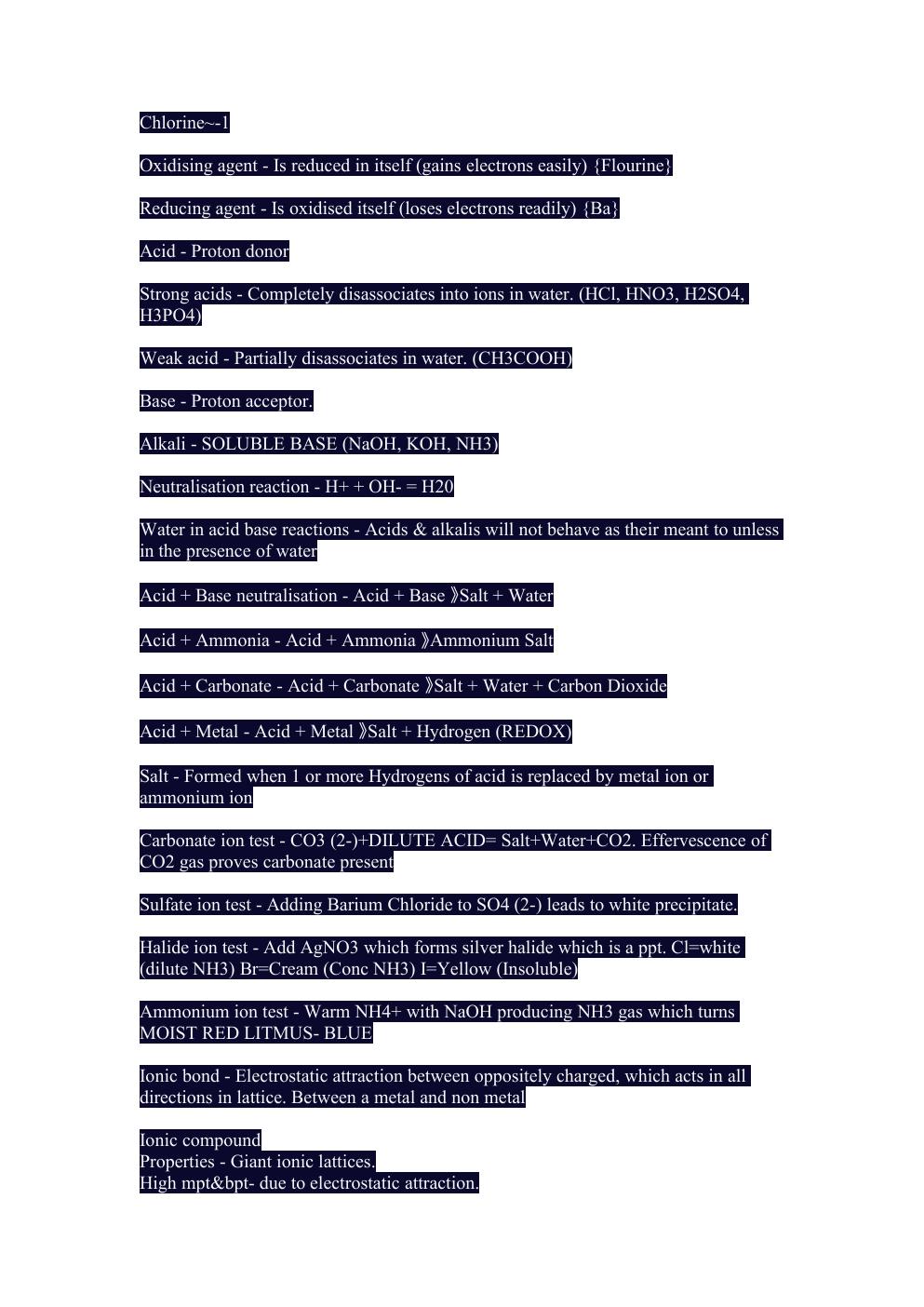
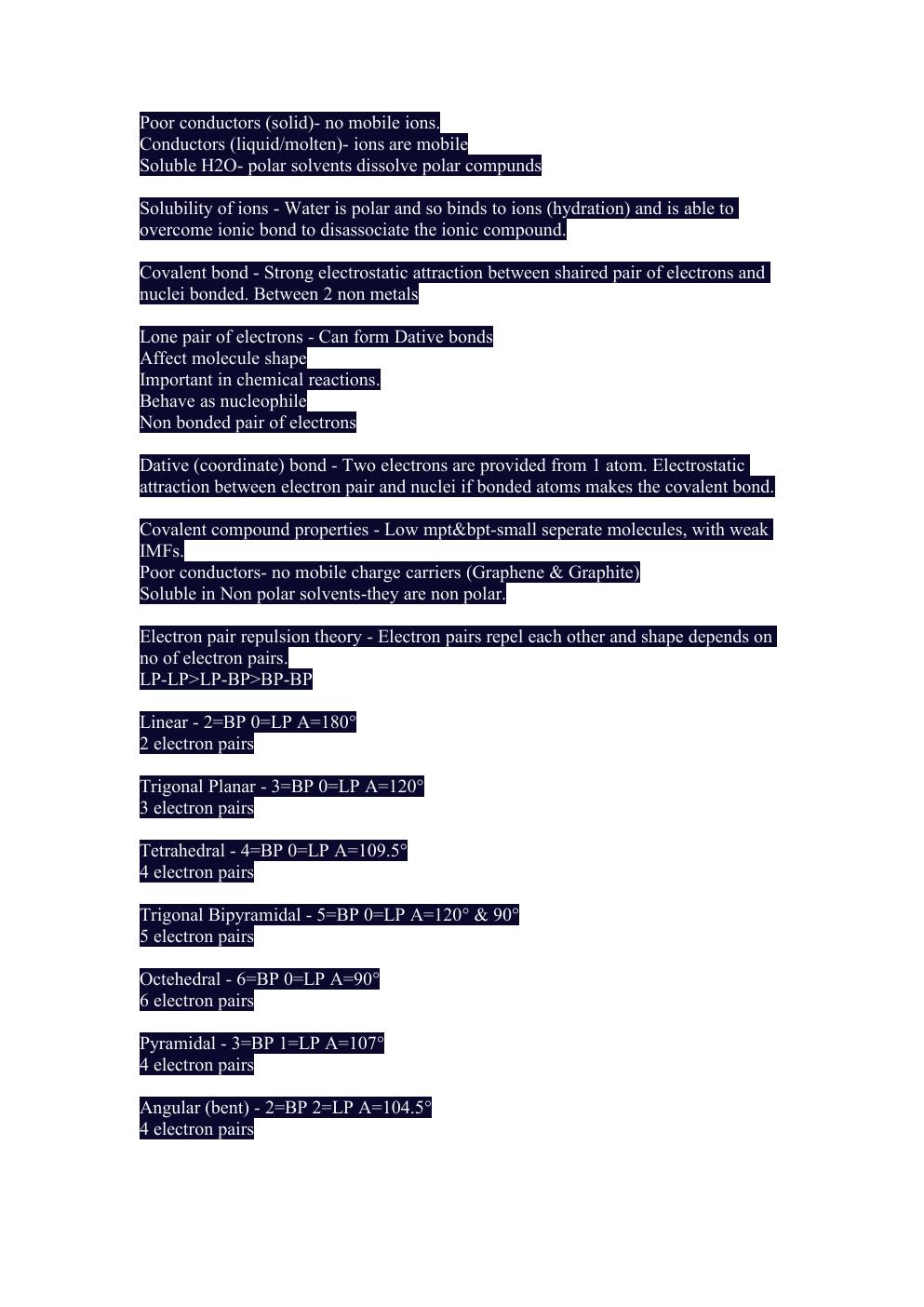
Buy this Document to get the Full Access Instantly
Provided by Students Who Aced it
We Verify Document Content to Gurantee Accuracy
Reviews( 0 )
Document information
Connected school, study & course
About the document
Uploaded On
Aug 17, 2026
Number of pages
17
Written in
All

Additional information
This document has been written for:
Uploaded
Aug 17, 2026
Downloads
0
Views
51
Topic Tags
Recommended For You
Get more on A/As Level Mark Scheme »
TEST BANK for Organic Chemistry: 4th Edition by David R Klein....
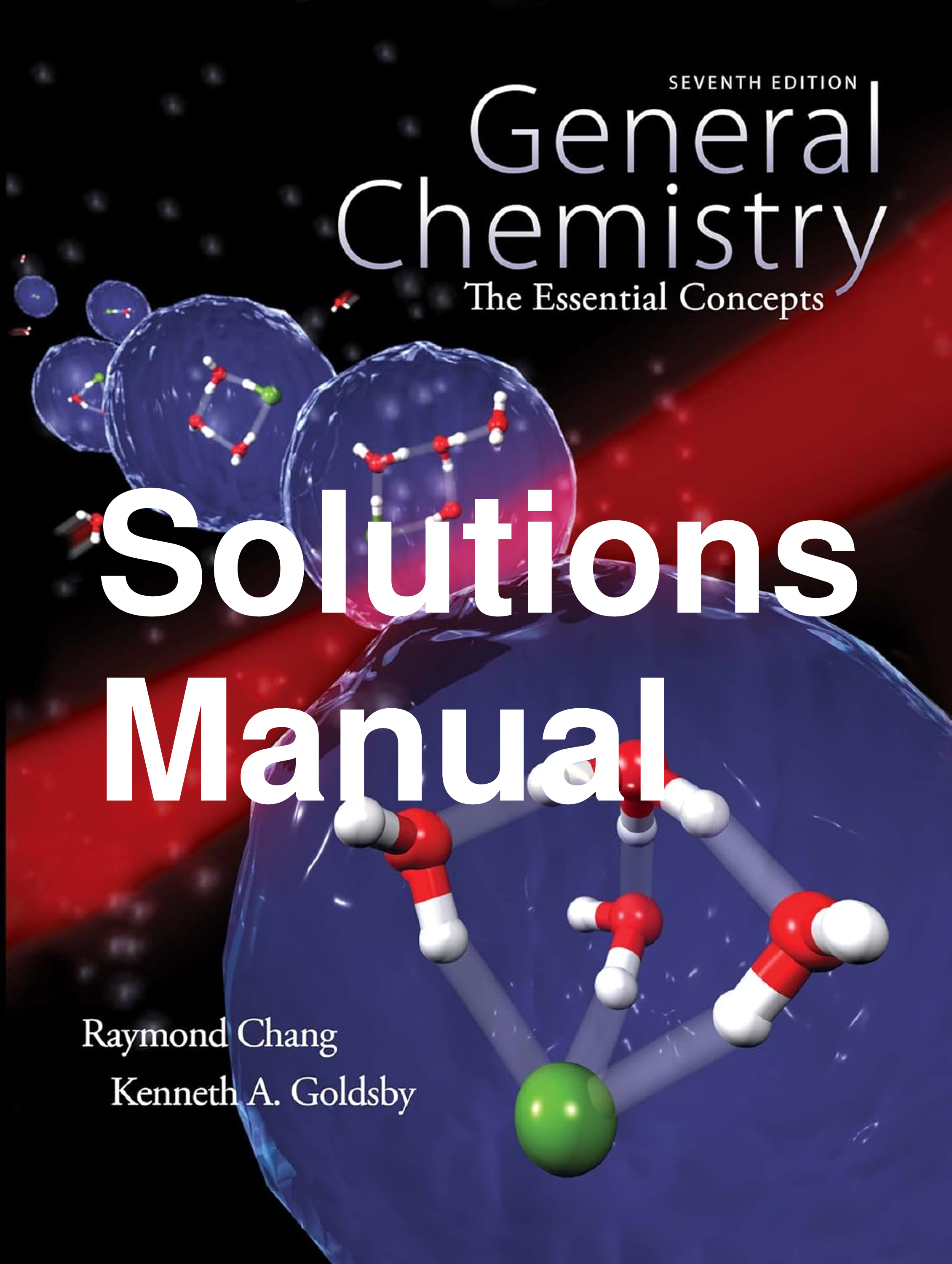
Solutions Manual General Chemistry The Essential Concepts 7th...
Solutions Manual for Foundations of College Chemistry, 16th Ed...
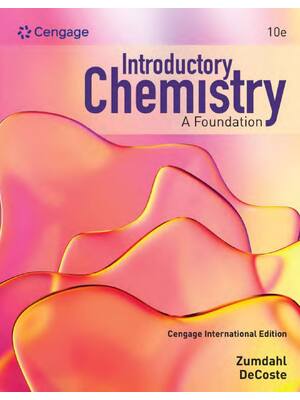
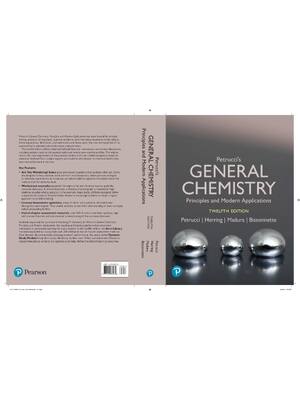
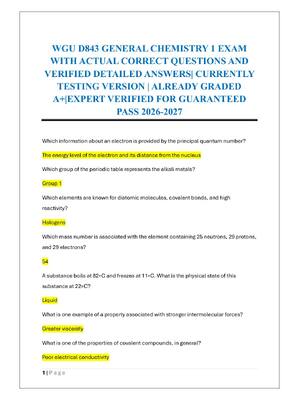
![Preview of eBook [PDF] Concepts of Inorganic Chemistry 1st Edition By Kharkwal M., Tyagi S.B.](https://browseimages.nyc3.digitaloceanspaces.com/paper-images/2024/Aug/30/VXk4GPhs2024-08-30-02-3566d1ae97a1666.png)
eBook [PDF] Concepts of Inorganic Chemistry 1st Edition By Kha...
![Preview of eBook [PDF] General Analytical Chemistry Separation and Spectral Methods 1st Edition By Bu](https://browseimages.nyc3.digitaloceanspaces.com/paper-images/2024/Aug/30/M2tIu1jd2024-08-30-02-0866d1a83deed45.png)