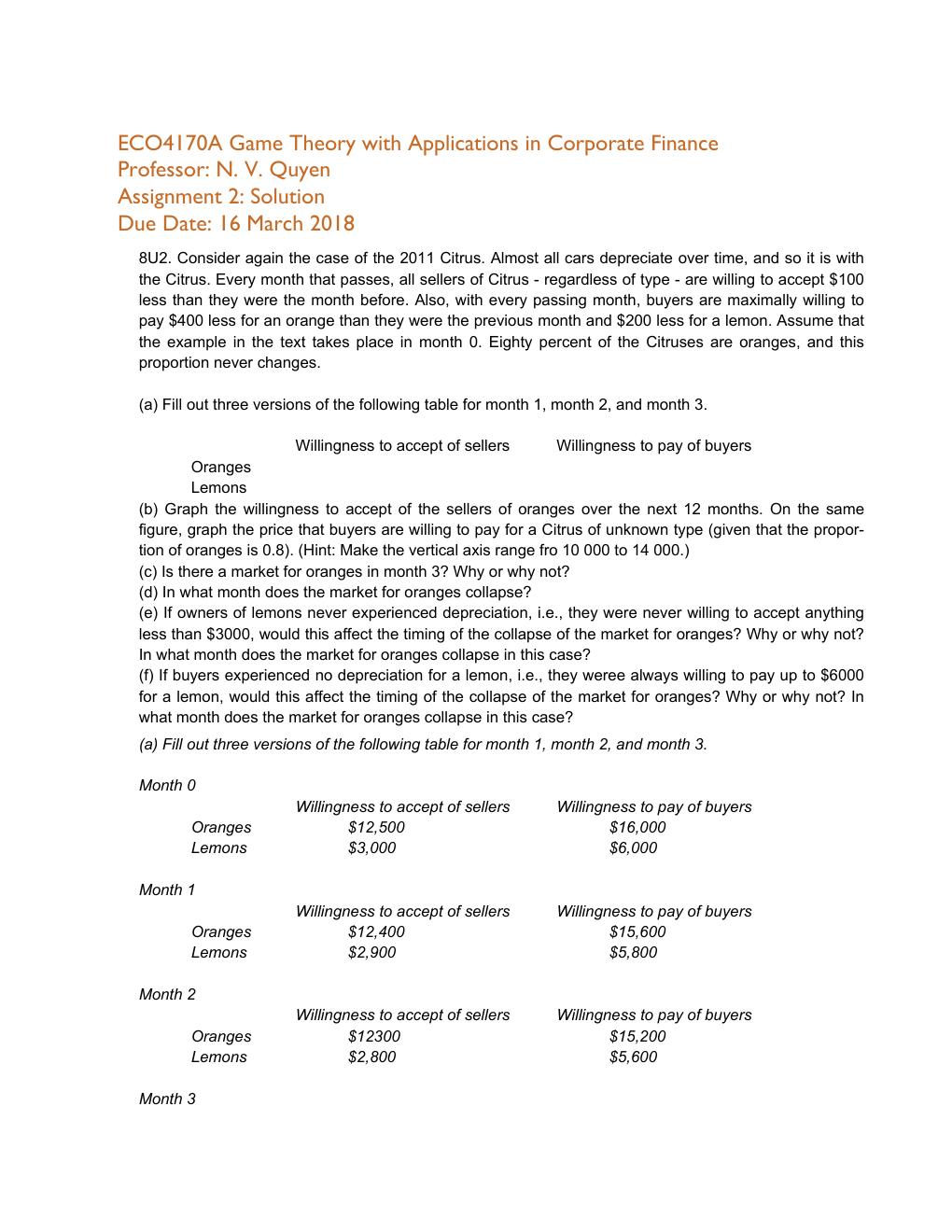
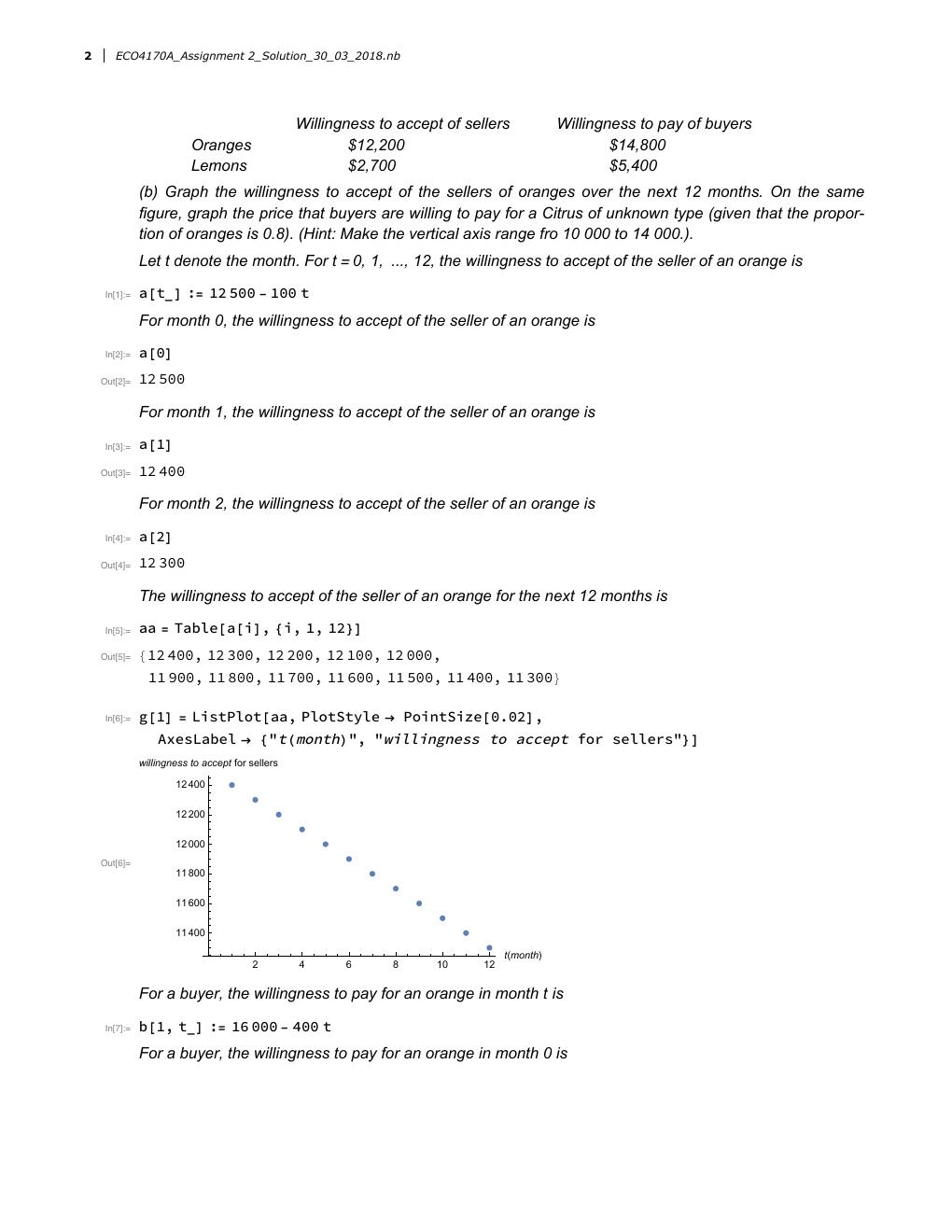
Corporate Finance > EXAM > ECO 4170 Game Theory with Applications in Corporate Finance | Assignment 2 Solution (All)
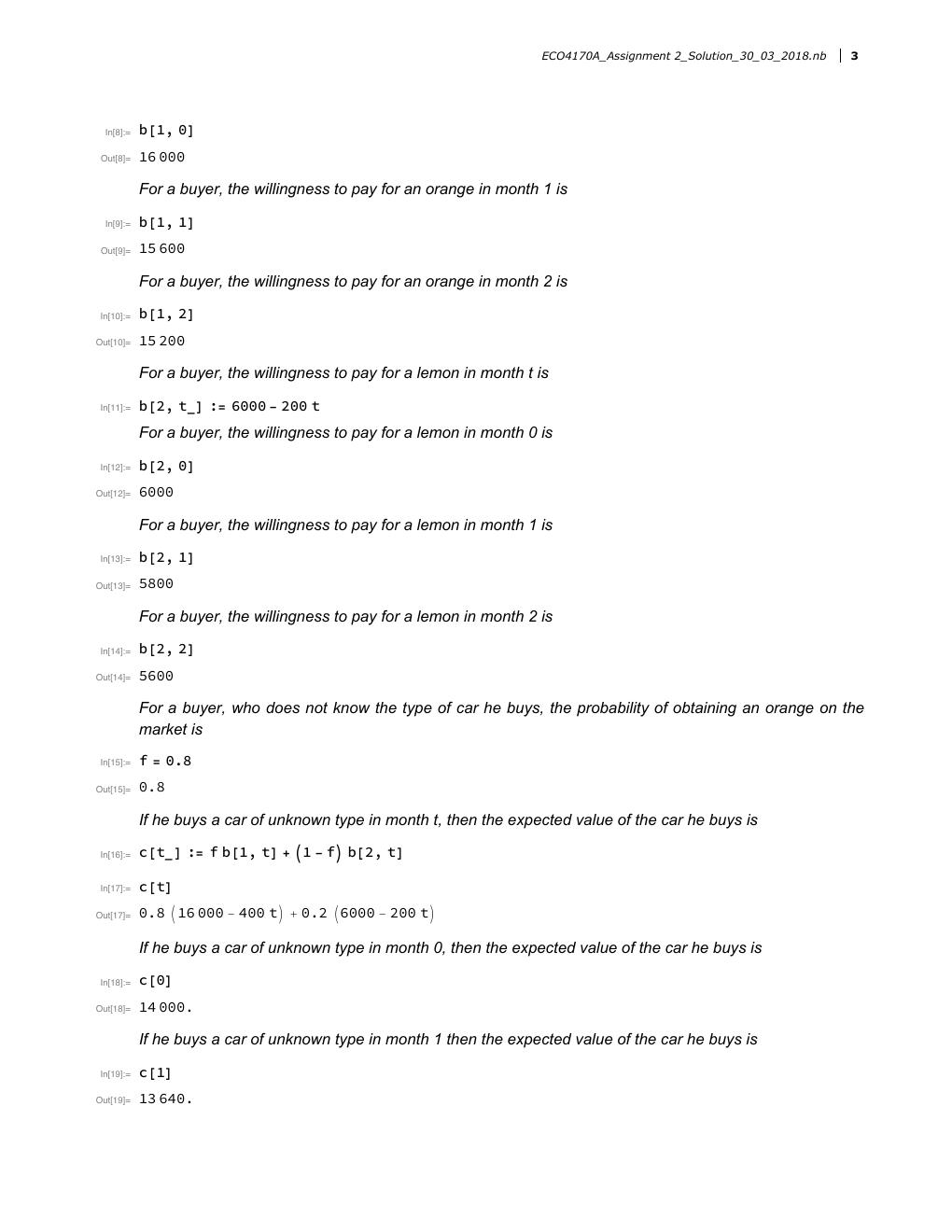
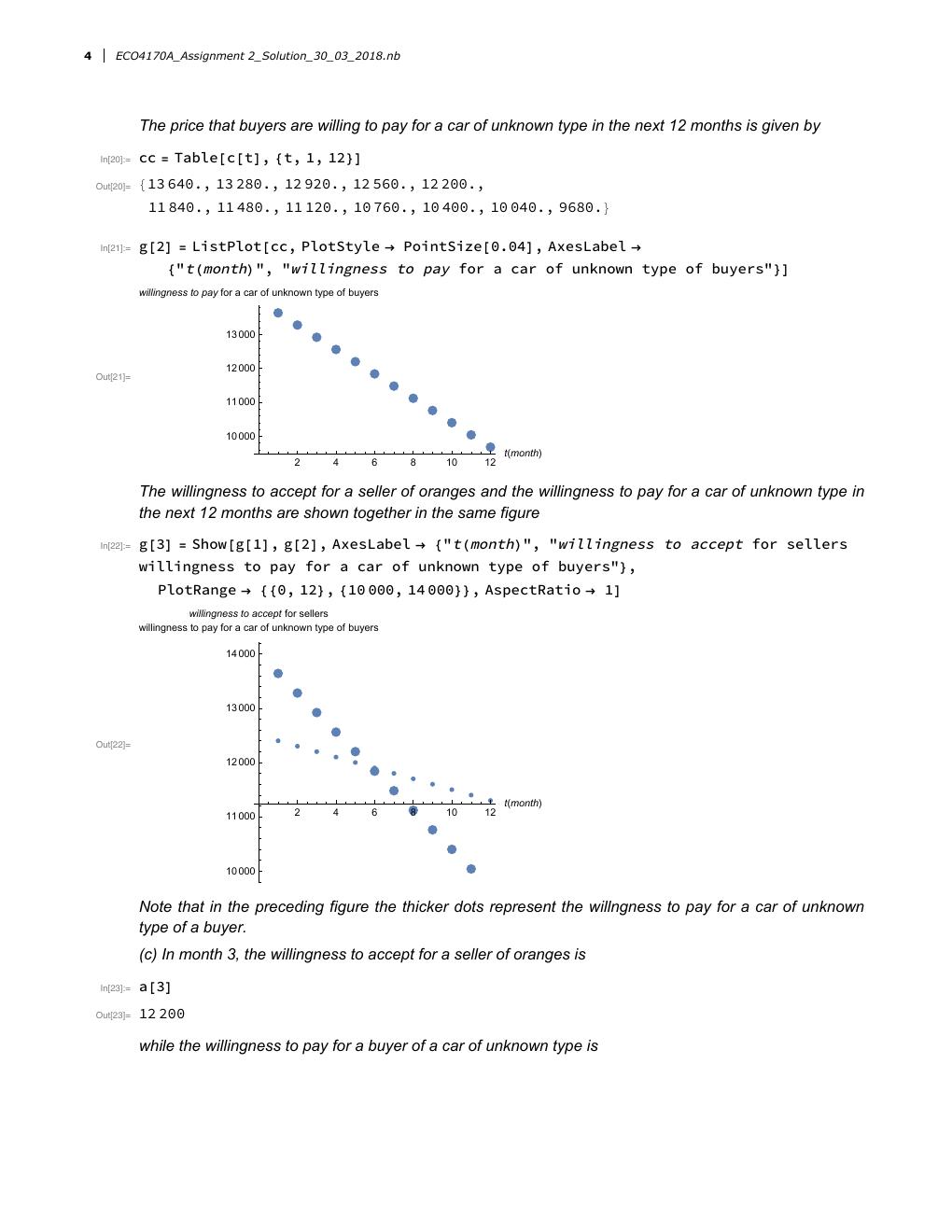
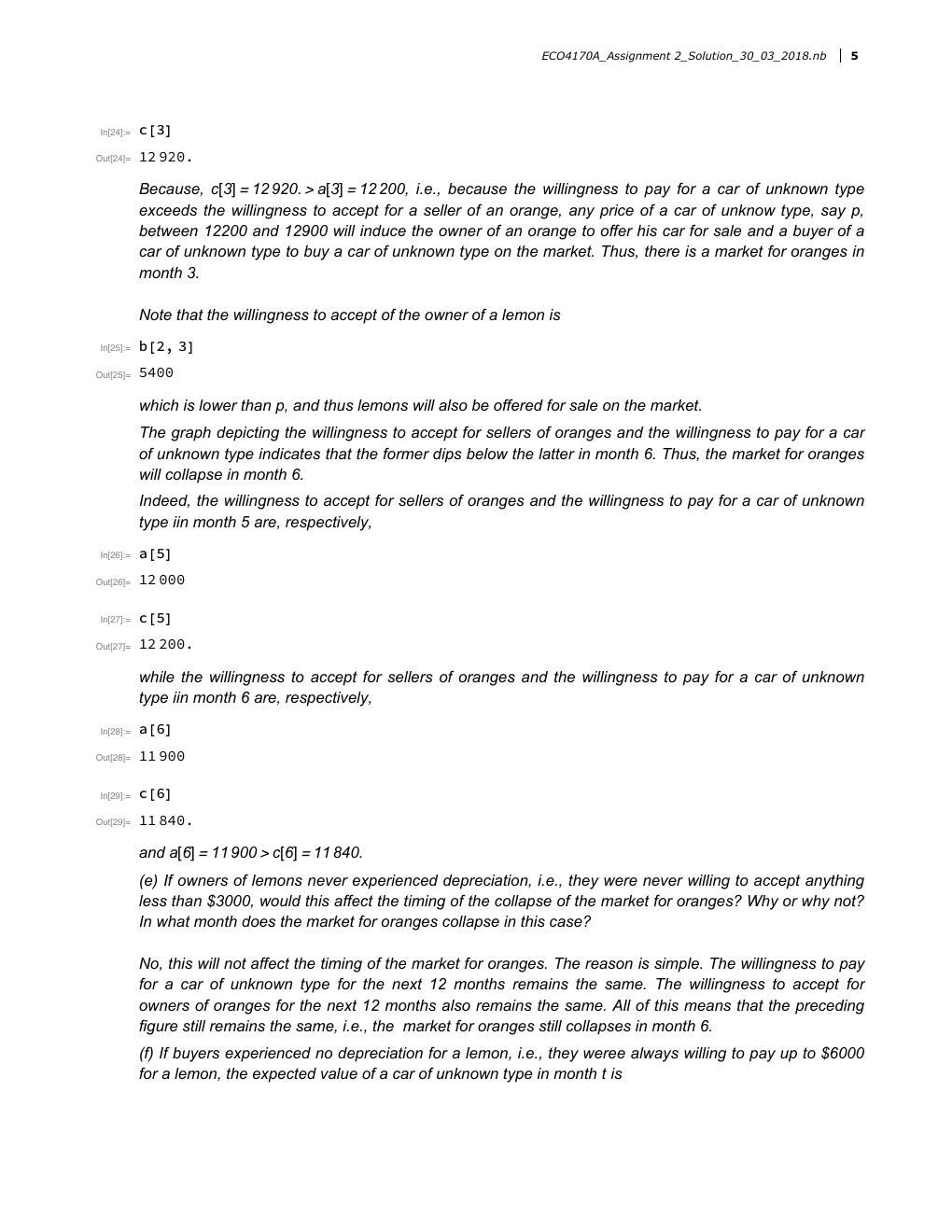
ECO 4170 Game Theory with Applications in Corporate Finance | Assignment 2 Solution
Document Content and Description Below
Last updated: 18 hours ago
Preview 5 out of 28 pages
Instant download
Buy this Document to get the Full Access Instantly
Provided by Students Who Aced it
We Verify Document Content to Gurantee Accuracy
Associated Textbook
Reviews( 0 )
Document information
Connected school, study & course
About the document
Uploaded On
Nov 02, 2026
Number of pages
28
Written in
All

Additional information
This document has been written for:
Uploaded
Nov 02, 2026
Downloads
0
Views
4
Topic Tags
Recommended For You
Get more on EXAM »
Test Bank for Fundamentals of Corporate Finance 8th Canadian E...
SOLUTIONS MANUAL for Principles Of Corporate Finance 14th Edit...

Solutions Manual for Corporate Finance: Principles and Applica...

University of Pennsylvania Wharton School Corporate Finance Fi...
SOLUTION MANUAL FOR Principles Of Corporate Finance 14th Edi...
Test Bank for Corporate Finance 4th Edition by Jonathan Berk &...
Solution Manual for Principles of Corporate Finance 14th Edit...

Corporate Finance 6th Edition By Jonathan Berk, Peter DeMarzo...

Fundamentals of Corporate Finance 11th Canadian Edition By A....

Fundamentals of Corporate Finance 10th Canadian Edition By A....

eBook PDF for Financial Mathematics Exercises and Solutions 1s...
ISE Corporate Finance Core Principles and Applications 7th E...

Corporate Finance 5th Canadian Edition By Jonathan Berk, David...
Unit B01 Motion in One Dimension Reading Notes EXAM SOLUTIONS
MEEN 225 Project 5 Assignment. Engineering Mechanics | Questio...