Criminal Justice > SOLUTIONS MANUAL > Solutions Manual For America's Courts and the Criminal Justice System 14th Edition By David -Excel (All)
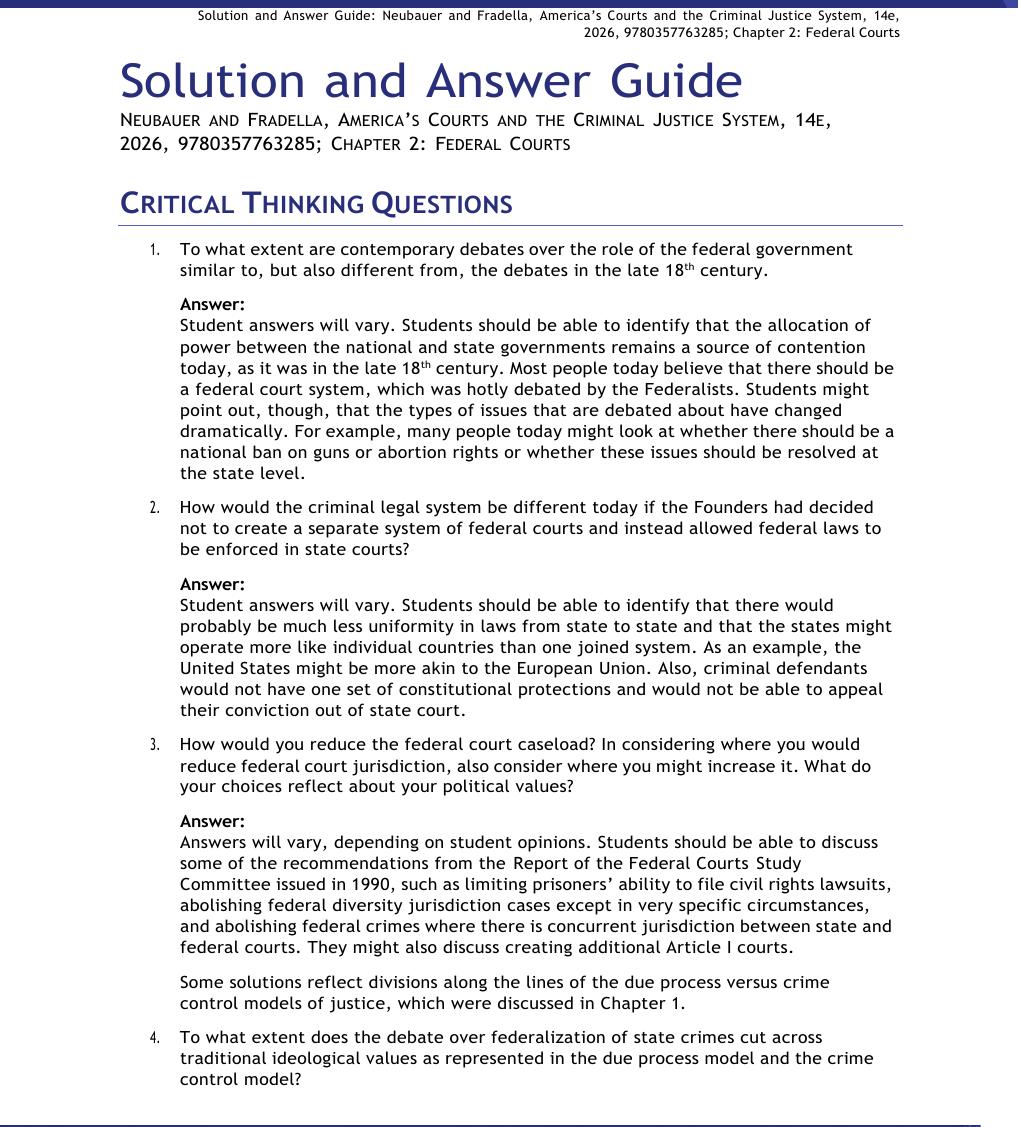
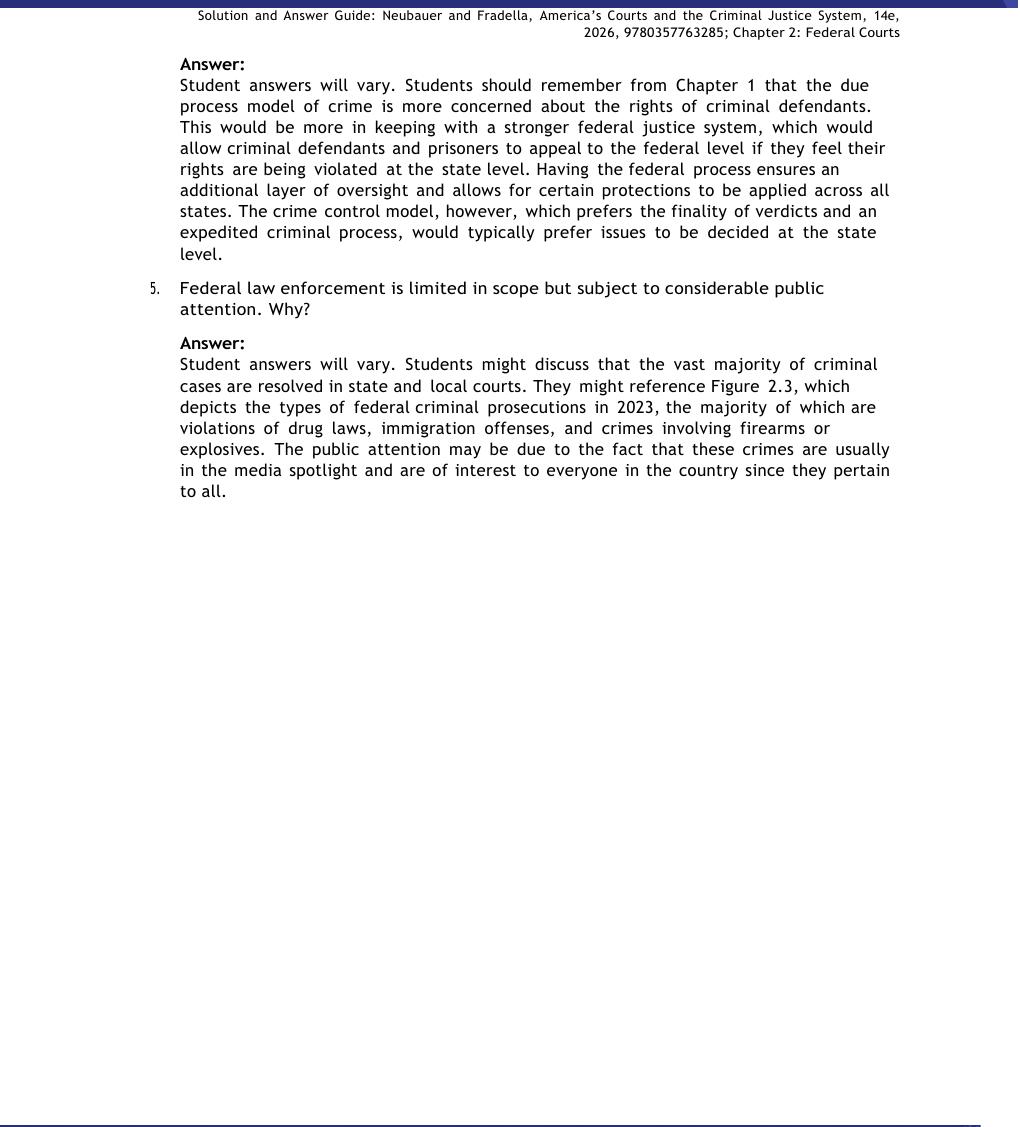
Solutions Manual For America's Courts and the Criminal Justice System 14th Edition By David -Excel in Your Exams with this 100% verified exam blueprint- Excel & Succeed -Revision Series 2026–2027 Q&A
Document Content and Description Below
Last updated: 3 weeks ago
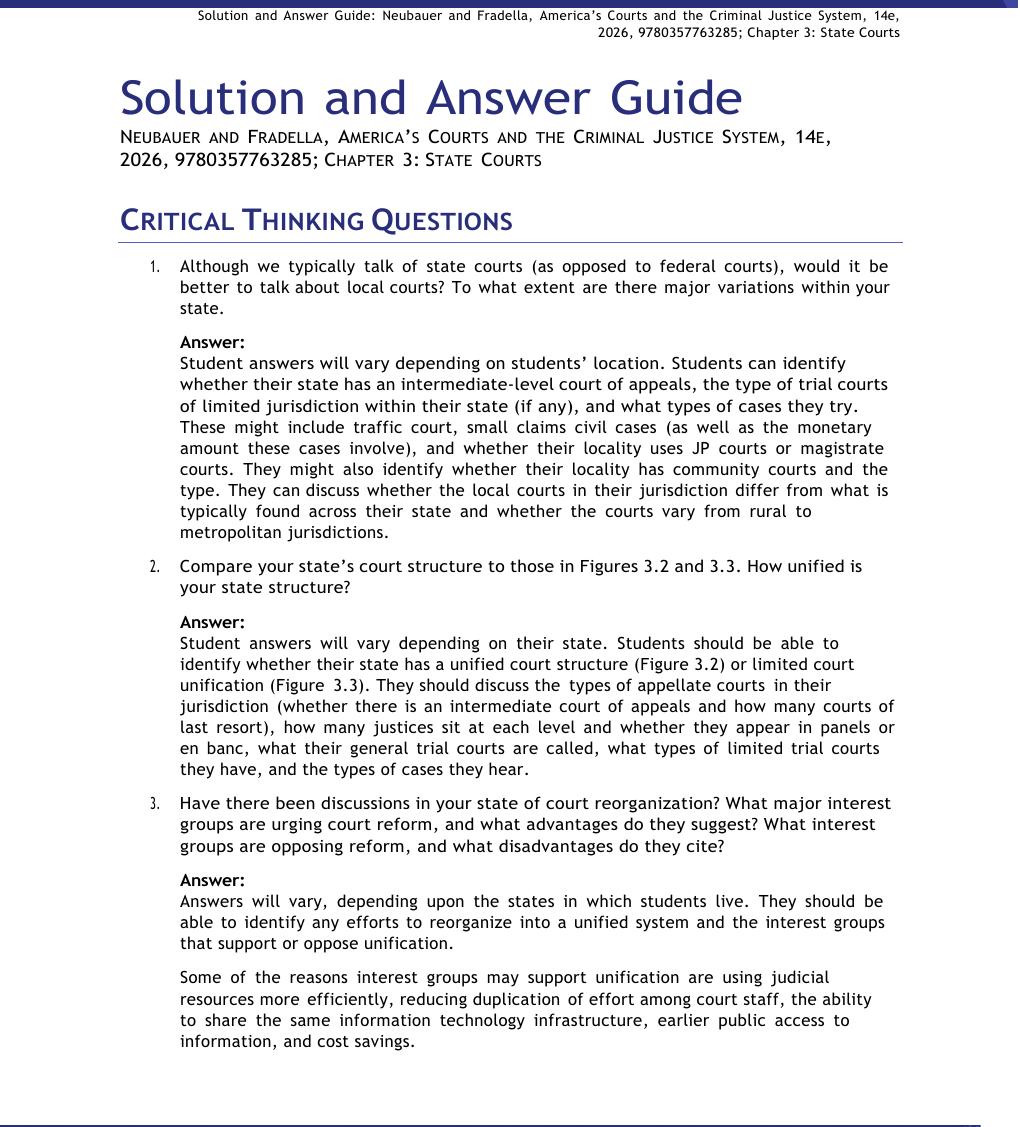
Preview 7 out of 37 pages
Instant download
Buy this Document to get the Full Access Instantly
Provided by Students Who Aced it
We Verify Document Content to Gurantee Accuracy
Reviews( 0 )
Document information
Connected school, study & course
About the document
Uploaded On
Nov 02, 2026
Number of pages
37
Written in
All

Additional information
This document has been written for:
Uploaded
Nov 02, 2026
Downloads
0
Views
26
Topic Tags
Recommended For You
Get more on SOLUTIONS MANUAL »
Solution Manual Accounting Information Systems (Global Editi...

Solution Manual Accounting Information Systems Connecting Ca...
Solution Manual Accounting Information Systems Controls and...

Solutions Manual Thomas Calculus Early Transcendentals 15th Ed...

Instructor Manual For Criminal Justice An Introduction 14th Ed...

Solutions Manual For Research Methods for Criminal Justice and...

Test Bank For Introduction to Criminal Justice Systems, Divers...

Policing and Prosecuting Sexual Assault Inside the Criminal Ju...
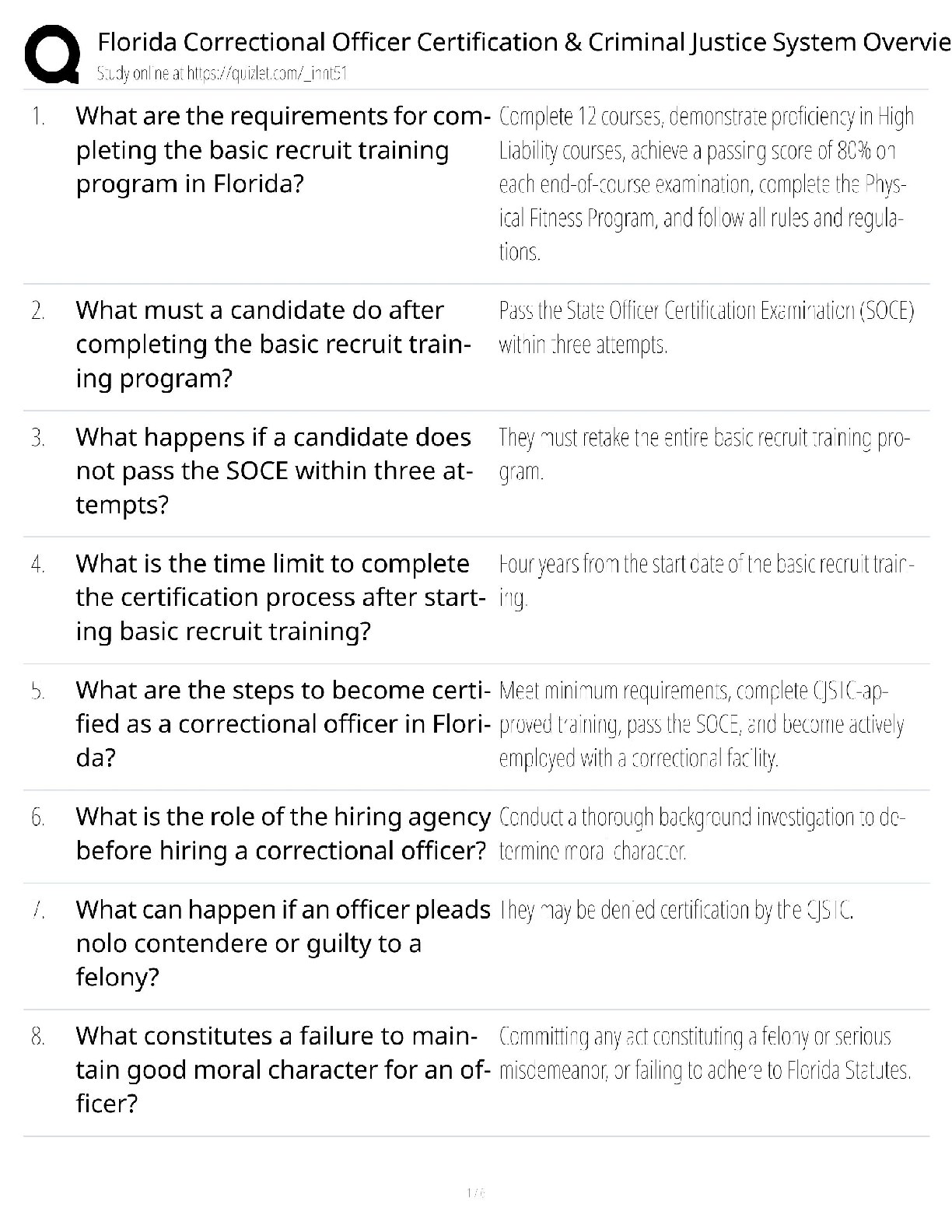
Florida Correctional Officer Certification / Criminal Justice...

The American System of Criminal Justice 16th edition By George...
eBook Introduction to Criminal Justice: Practice and Process 5...
Test Bank for Criminal Justice Today 17th Edition by Frank Sch...
TEST BANK for Criminal Justice in Canada, 8th Edition by Colin...
Test Bank for Introduction to Criminal Justice 10th Edition By...

Test Bank For Introduction to Criminal Justice 3rd Edition By...
CJ 5th Edition Criminal Justice By Larry K. Gaines, Roger LeRo...

eBook Women and Criminal Justice 2e Marilyn McShane, Ming Li H...
Introduction to Criminal Justice Systems, Diversity, and Chang...