Aeronautical Enginnering > SOLUTIONS MANUAL > SOLUTIONS MANUAL for Aircraft Propulsion 2nd Edition by Saeed Farokhi (All)
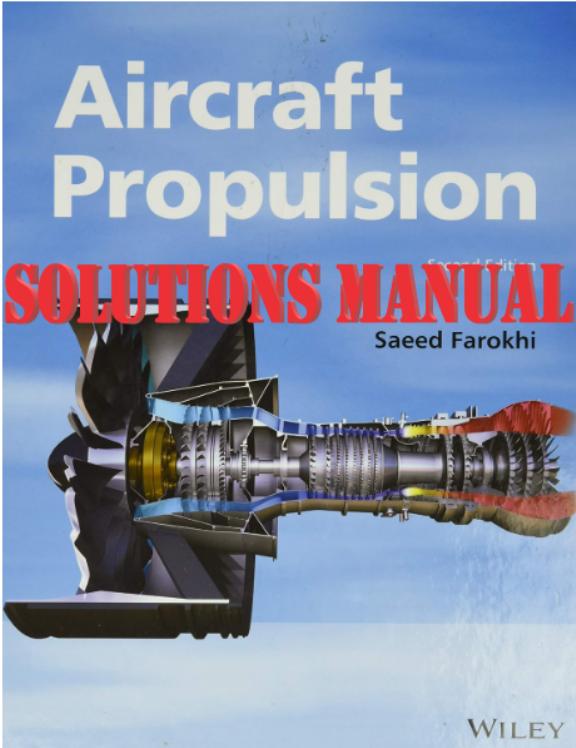
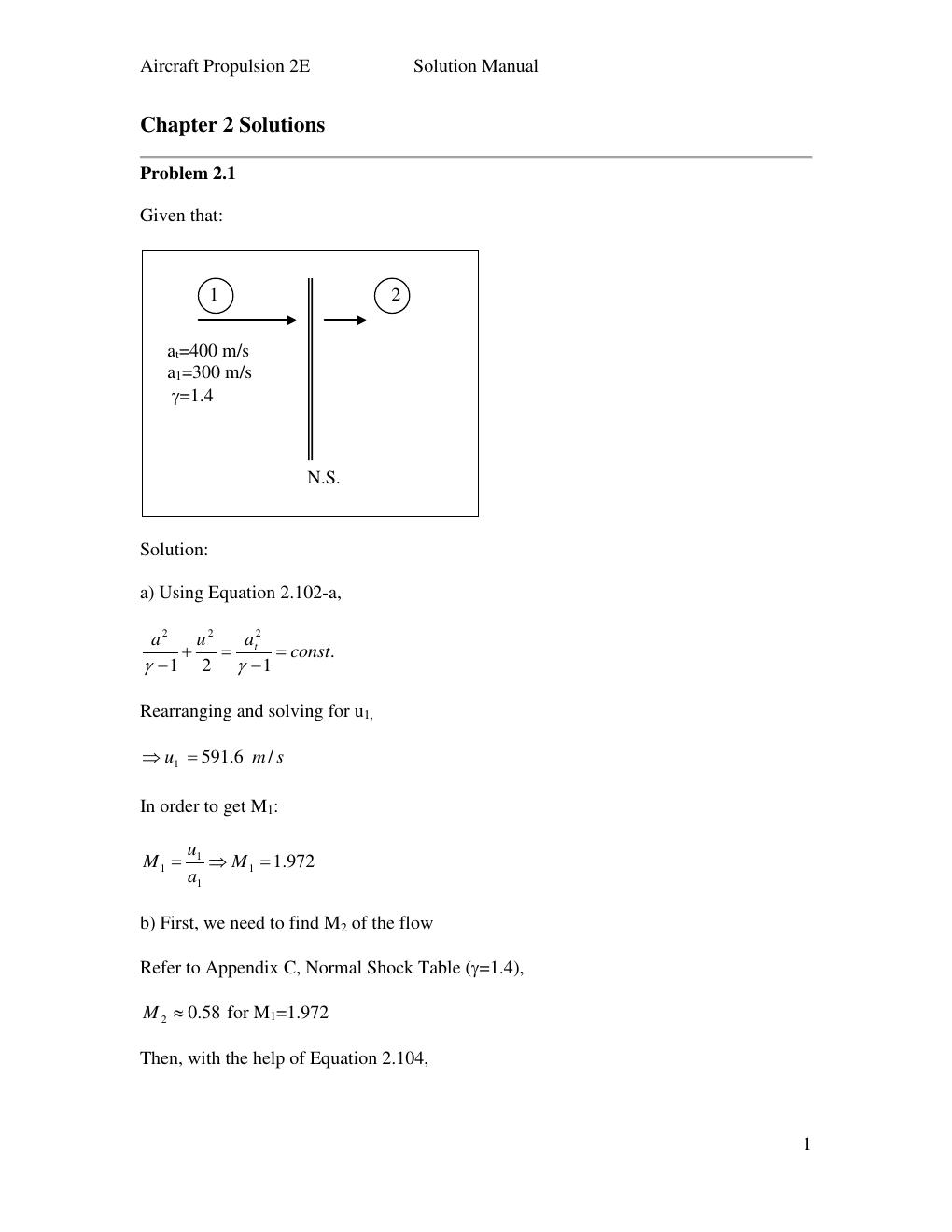
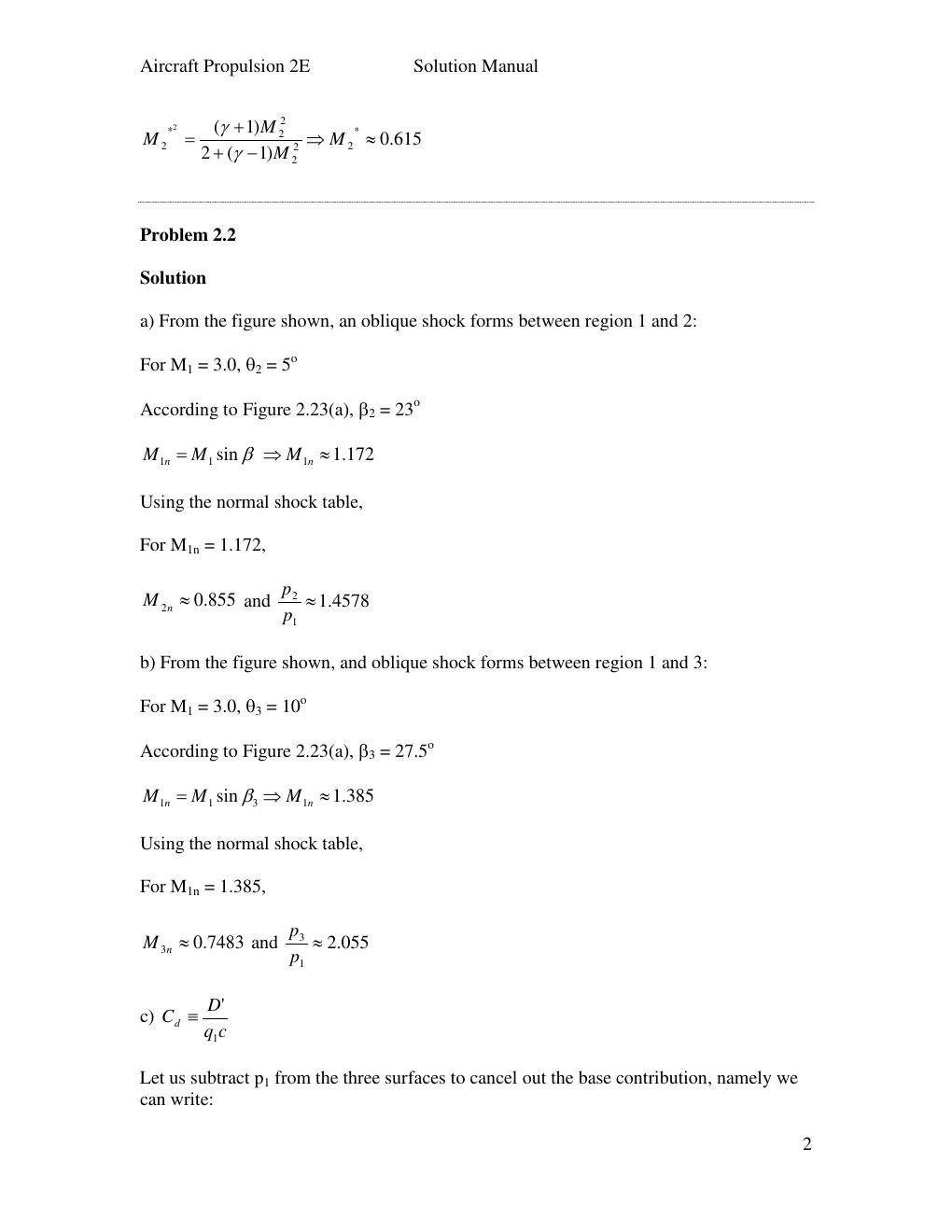
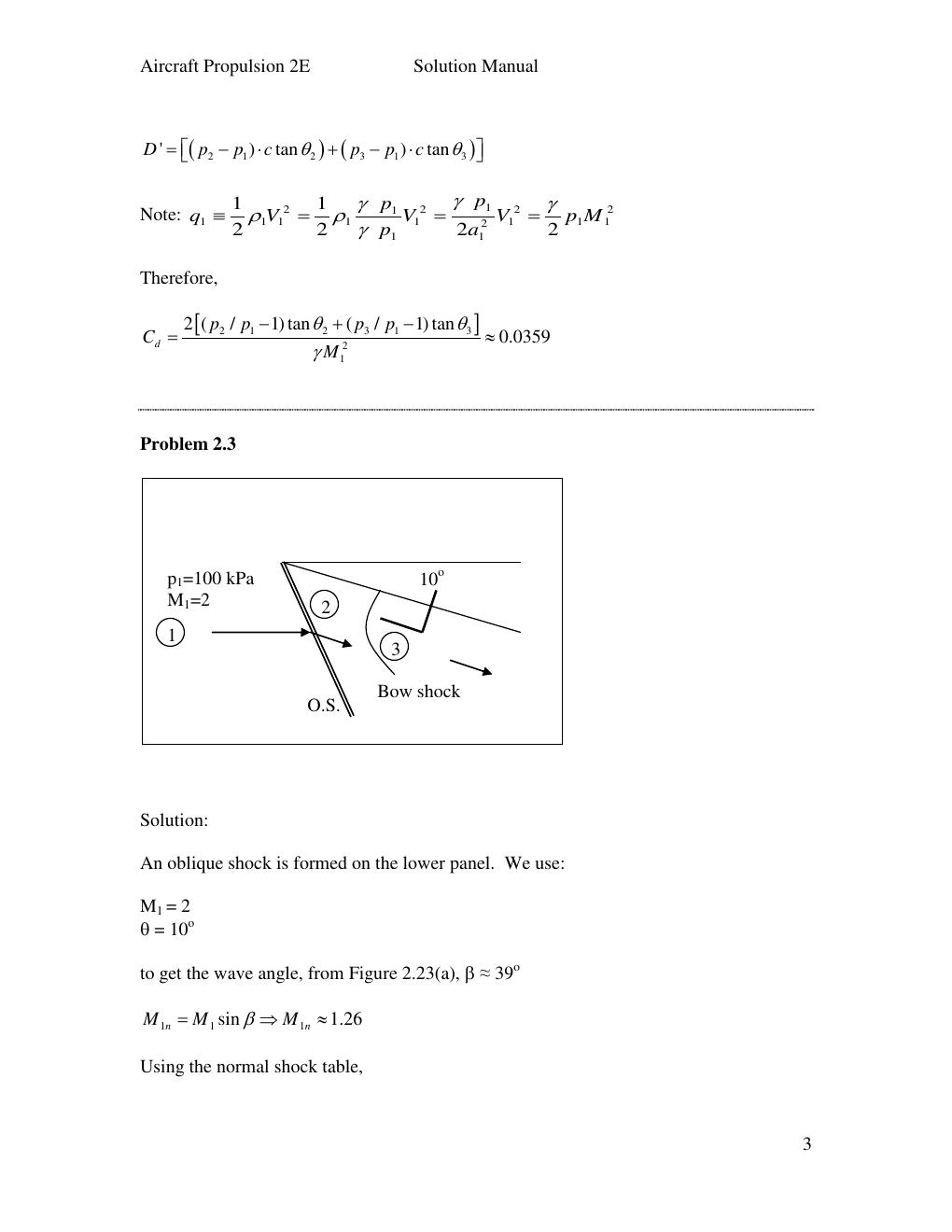
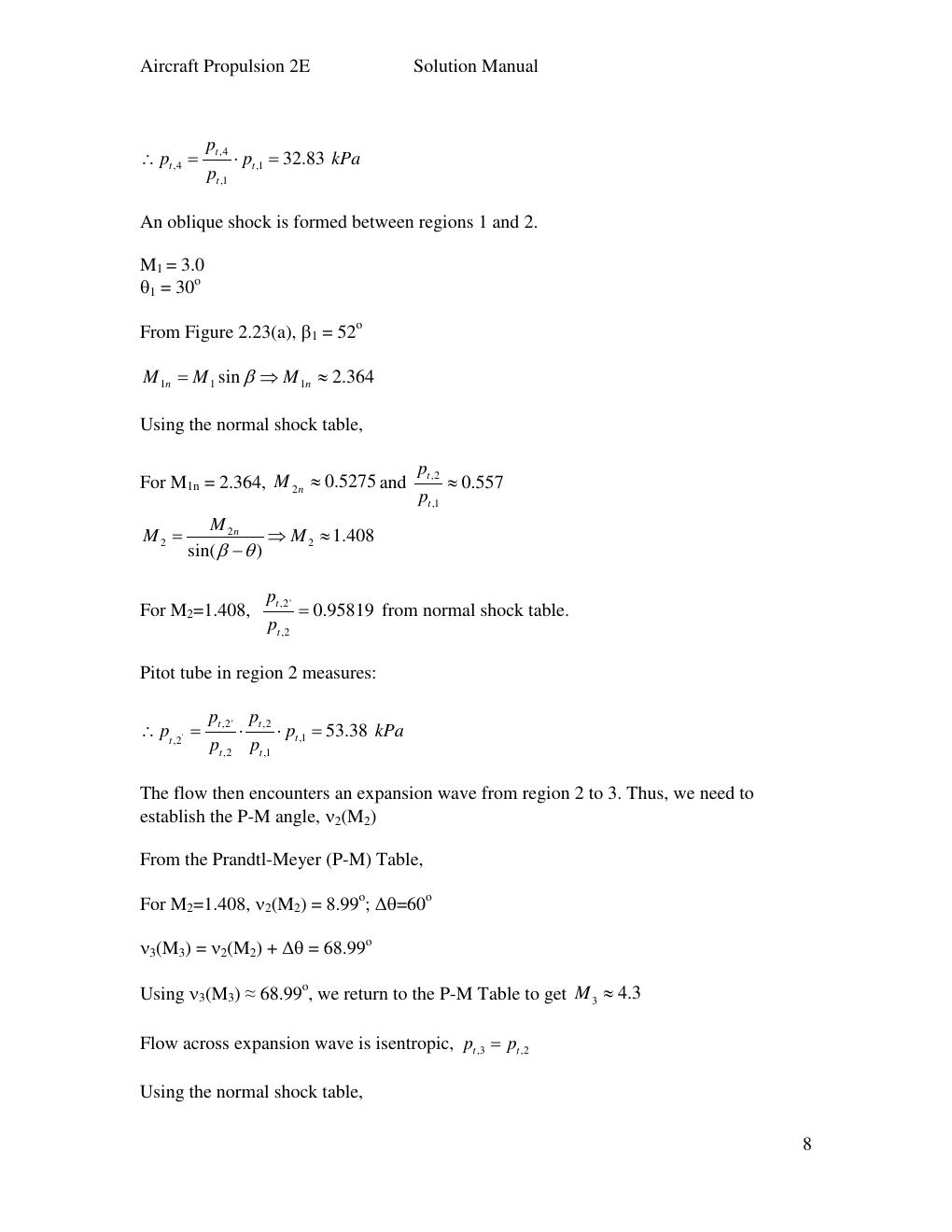
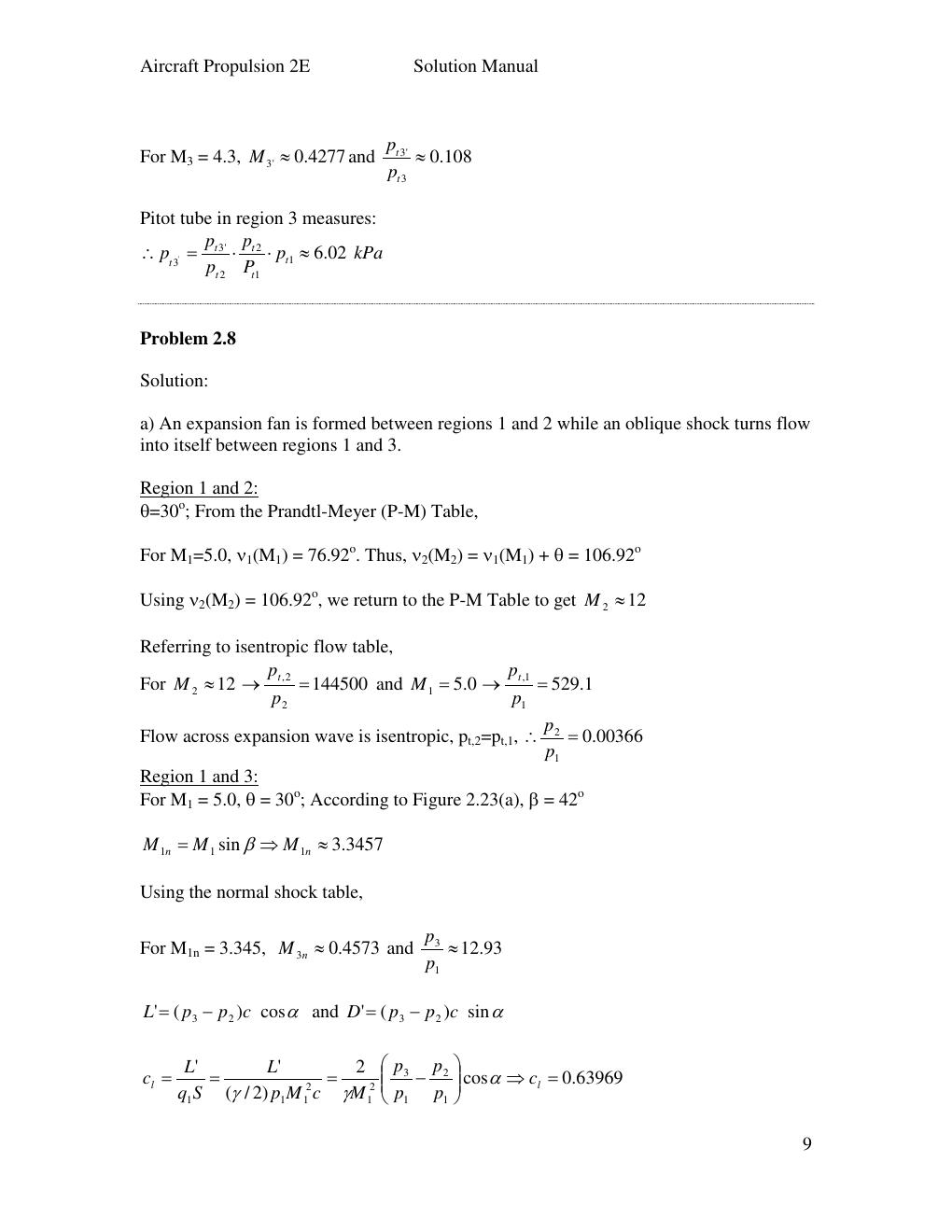
SOLUTIONS MANUAL for Aircraft Propulsion 2nd Edition by Saeed Farokhi
Document Content and Description Below
Last updated: 10 minutes ago
Preview 10 out of 239 pages
Instant download
Buy this Document to get the Full Access Instantly
Provided by Students Who Aced it
We Verify Document Content to Gurantee Accuracy
Associated Textbook
Reviews( 0 )
Document information
Connected school, study & course
About the document
Uploaded On
Nov 23, 2026
Number of pages
239
Written in
All

Additional information
This document has been written for:
Uploaded
Nov 23, 2026
Downloads
0
Views
1
Topic Tags
Recommended For You
Get more on SOLUTIONS MANUAL »
Solutions Manual for Fundamentals of Aerodynamics ISE 7th Edit...

Aircraft Structures for Engineering Students 7th Edition T. H....

Solutions Manual for Today's Technician Automotive Engine Perf...
Solutions Manual For Fundamentals of Aerodynamics, 7th Edition...
SOLUTIONS MANUAL for Dynamics of Flight: Stability and Control...
Orbital Mechanics Solutions Manual | Howard D. Curtis 4th Edit...

Instructor Manual with Test Bank Process Technology Troublesho...
eBook PDF Fundamentals Of Aerospace Medicine 5th Edition By...
eBook AutoCAD 2025 Beginning and Intermediate (2024, Mercury L...
eBook AutoCAD 2025 3D Modeling (2024, Mercury Learning and Inf...
eBook Advanced Control of Flight Vehicle Maneuver and Operatio...

eBook Risk Management in Outer Space Activities An Australian...

eBook Internet of Things Smart Engineering Systems Design and...
Oregon Aerial Application Examination Questions And Correct An...