Advanced Theoretical Perspectives of Nursing > TEST BANKS > NR509 Bates Test Bank 100% ACCURATE | IMPROVED- Midterm VERIFIED | (All)
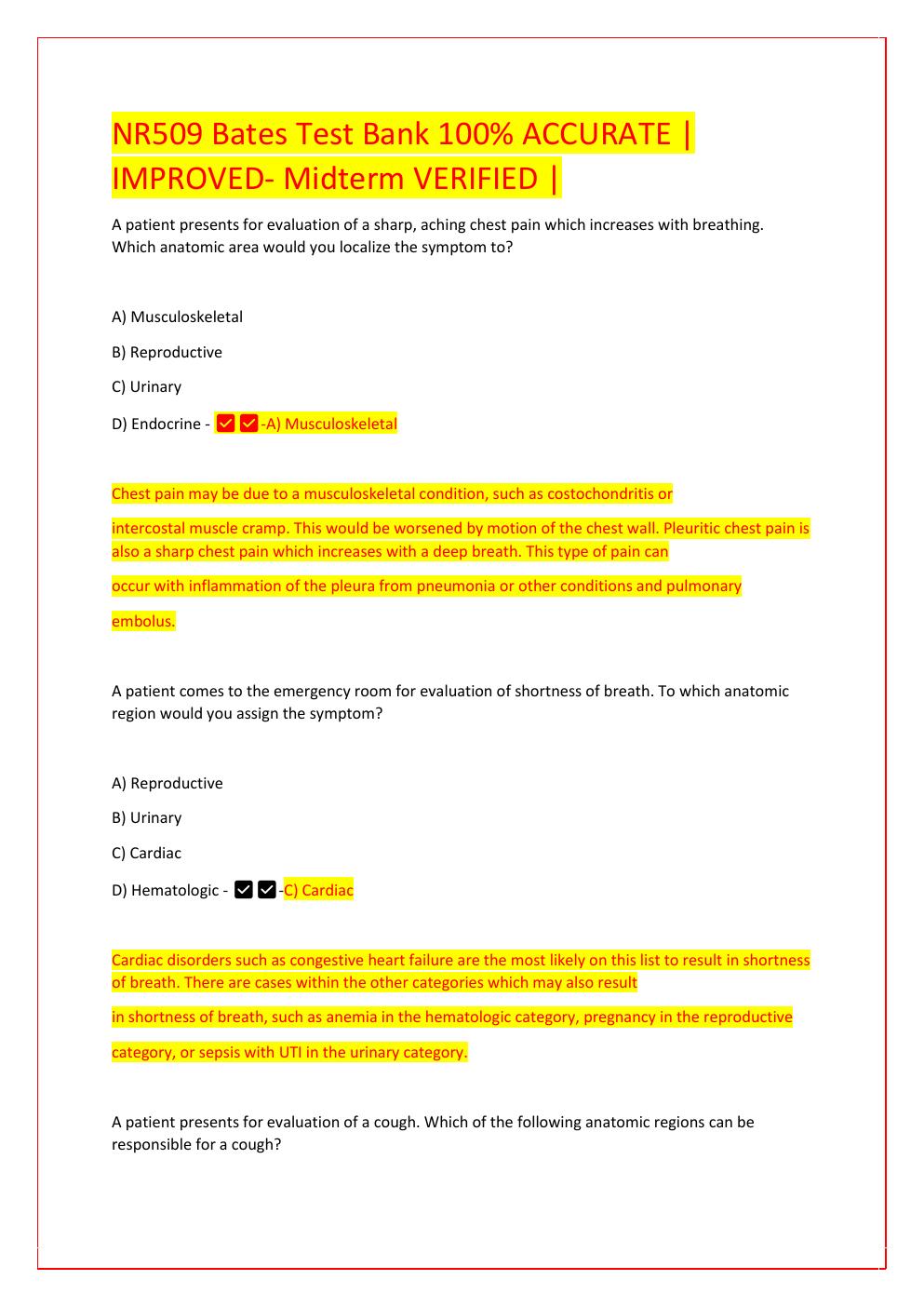
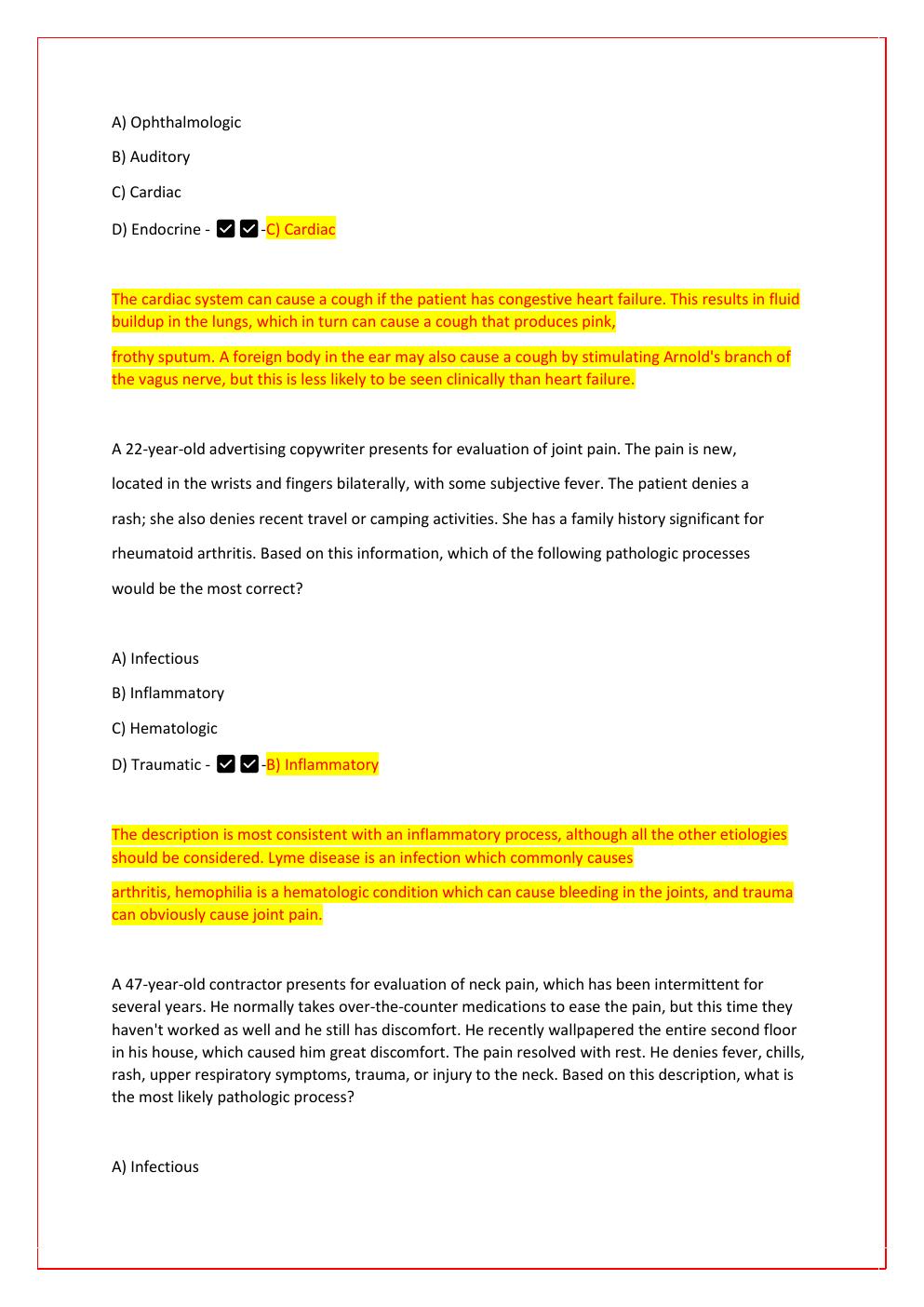
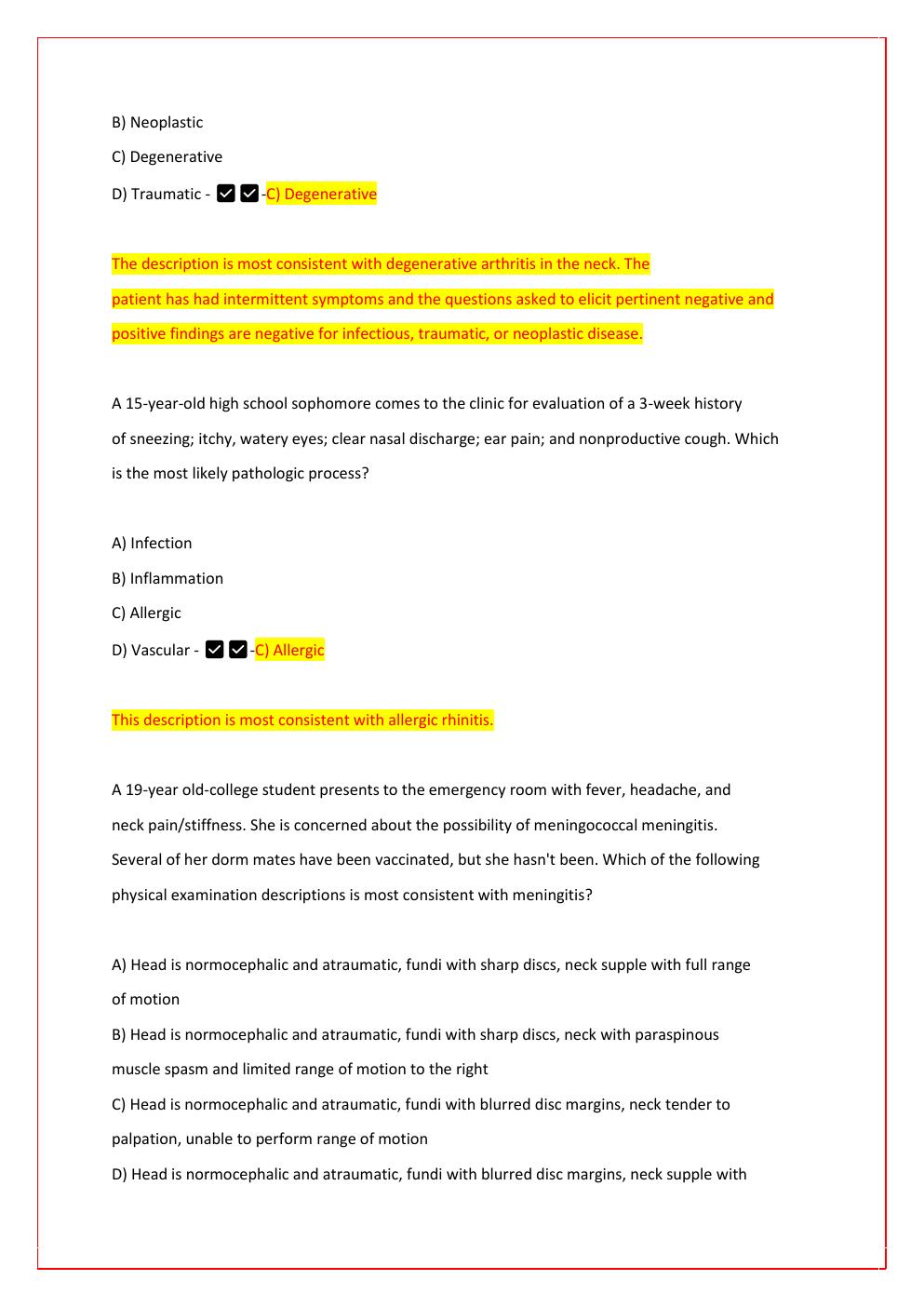
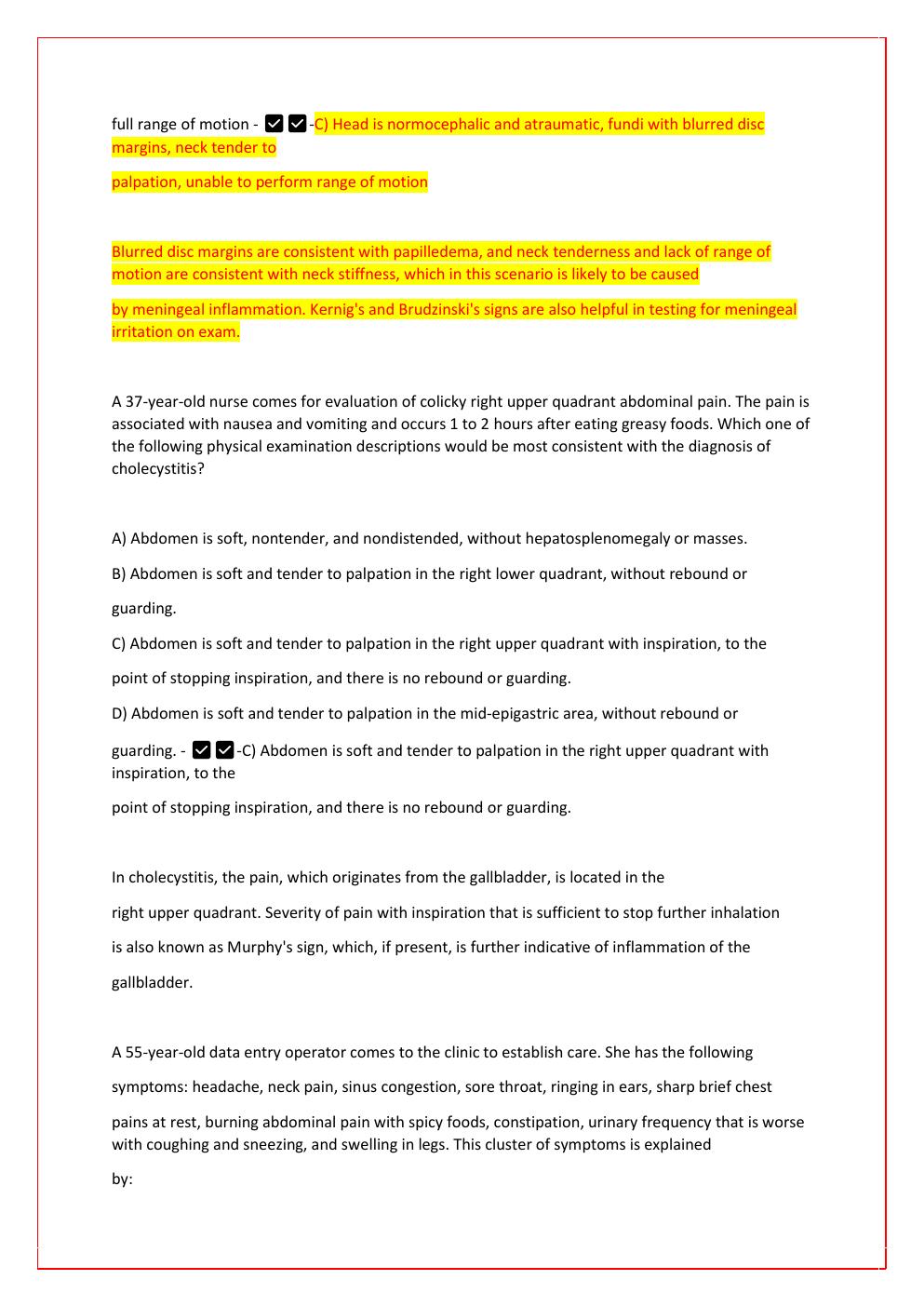
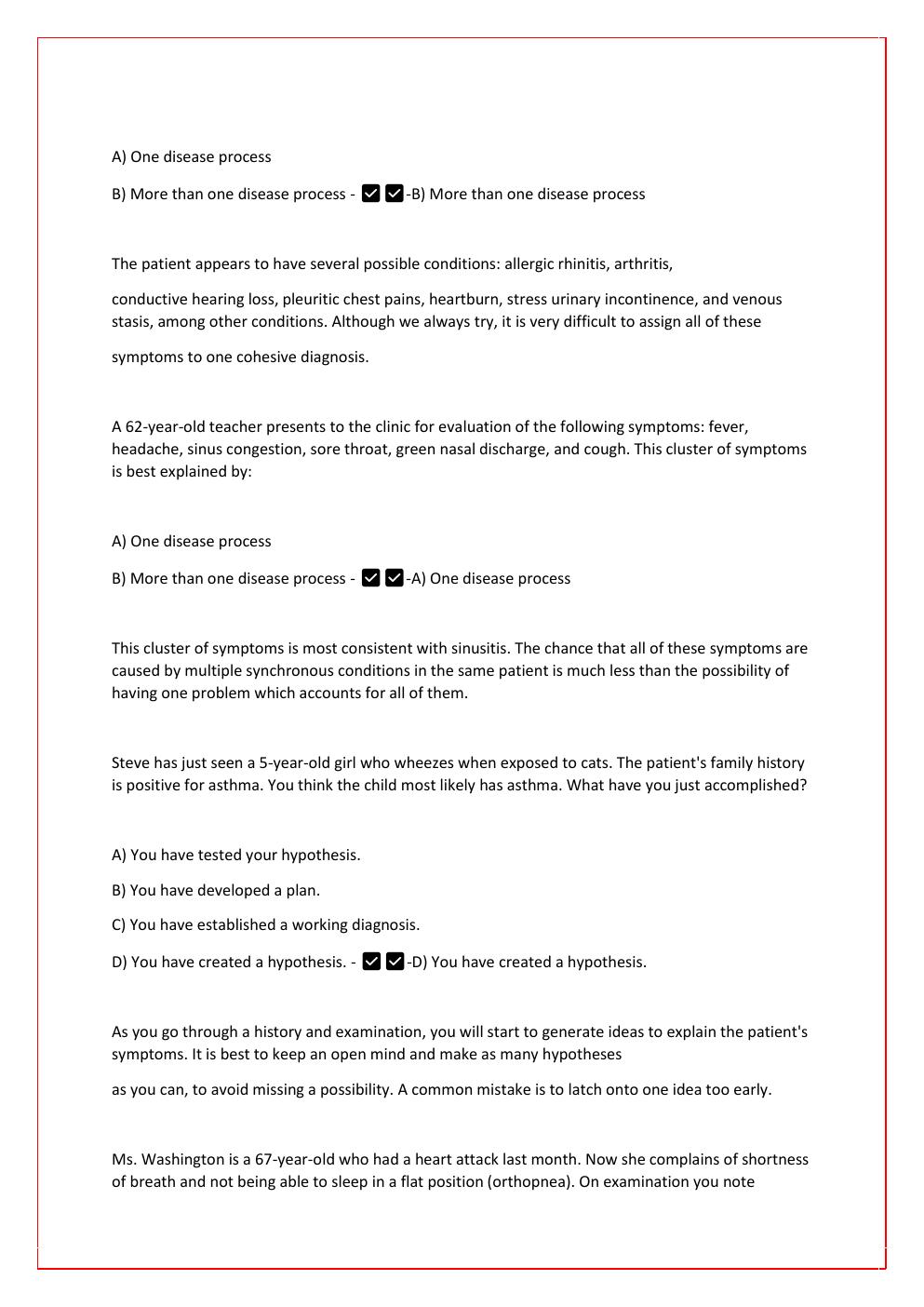
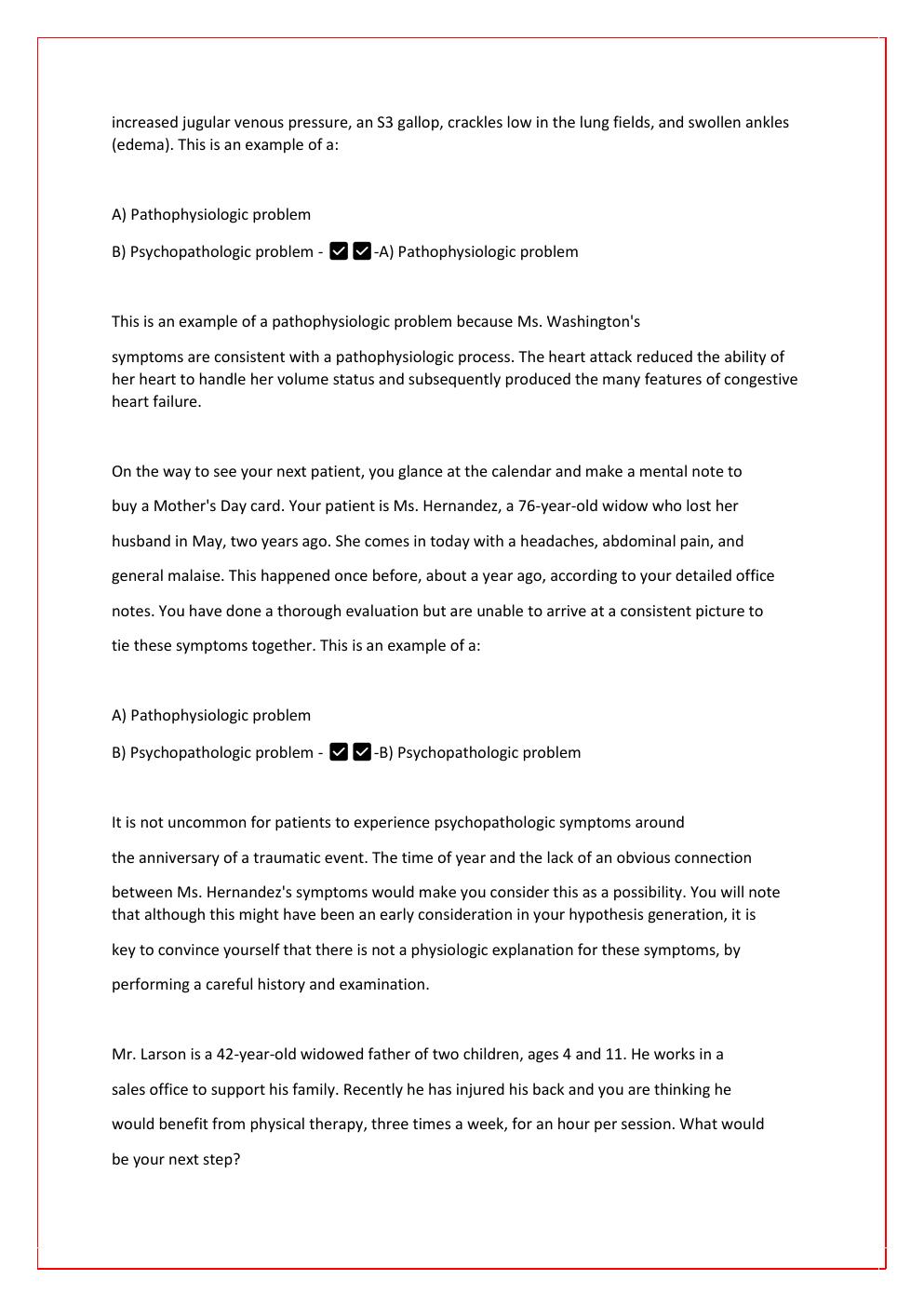
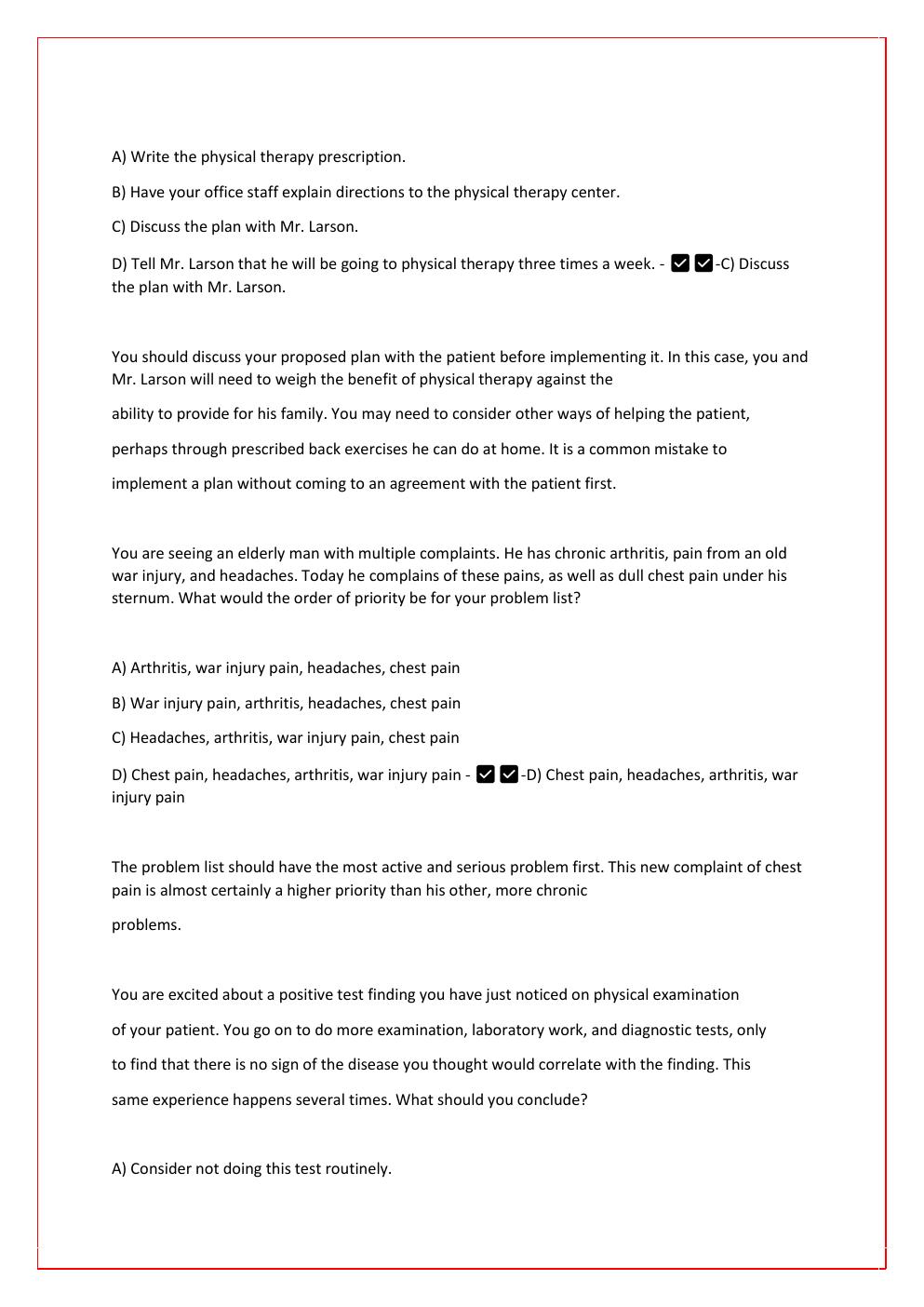
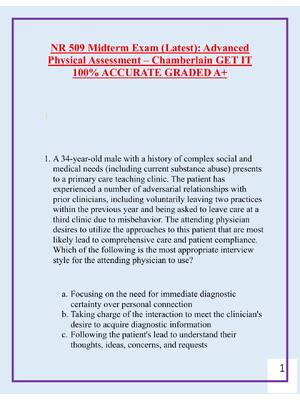
NR509 Bates Test Bank 100% ACCURATE | IMPROVED- Midterm VERIFIED |
Document Content and Description Below
Last updated: 9 hours ago
Preview 10 out of 103 pages
Instant download
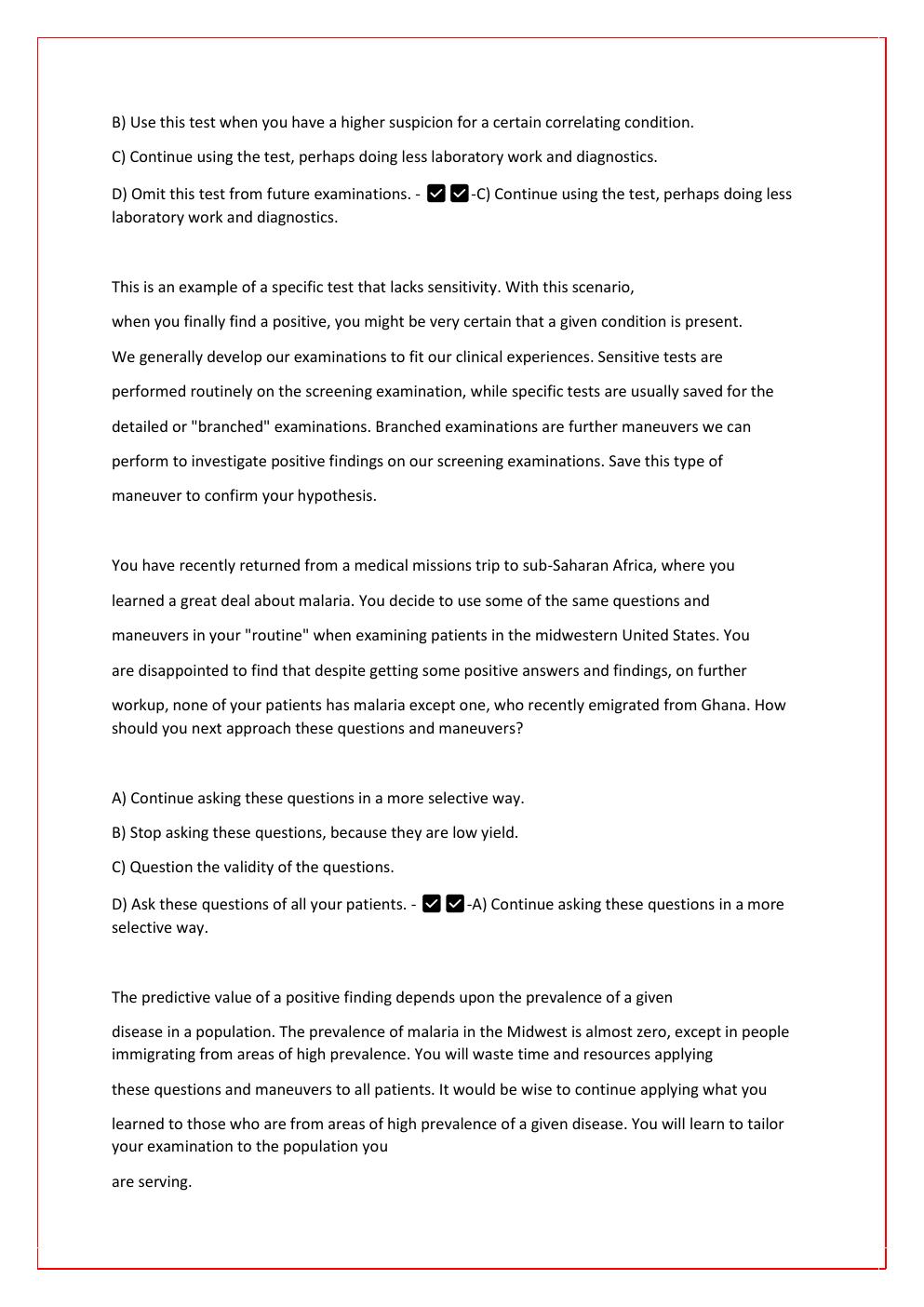
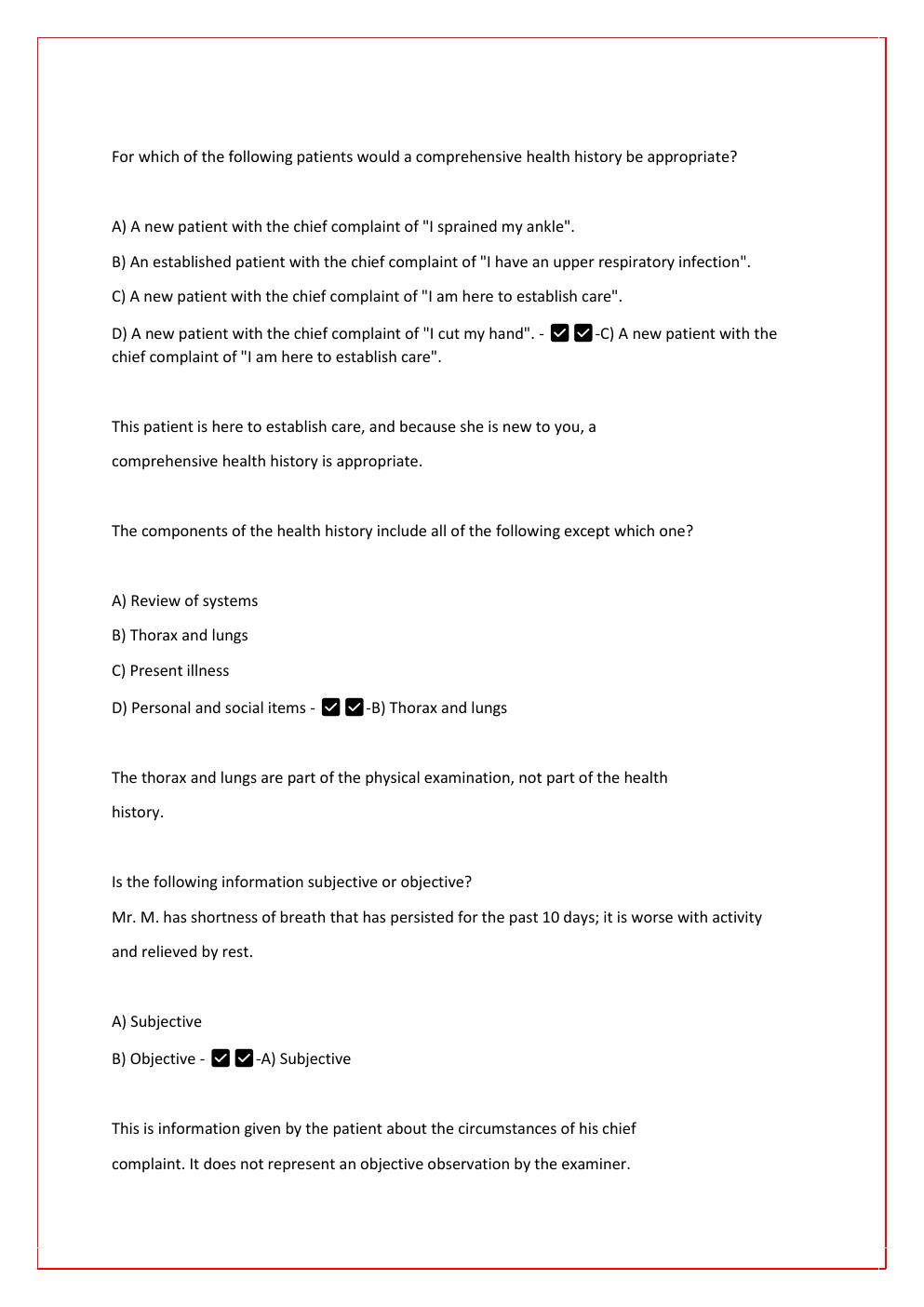
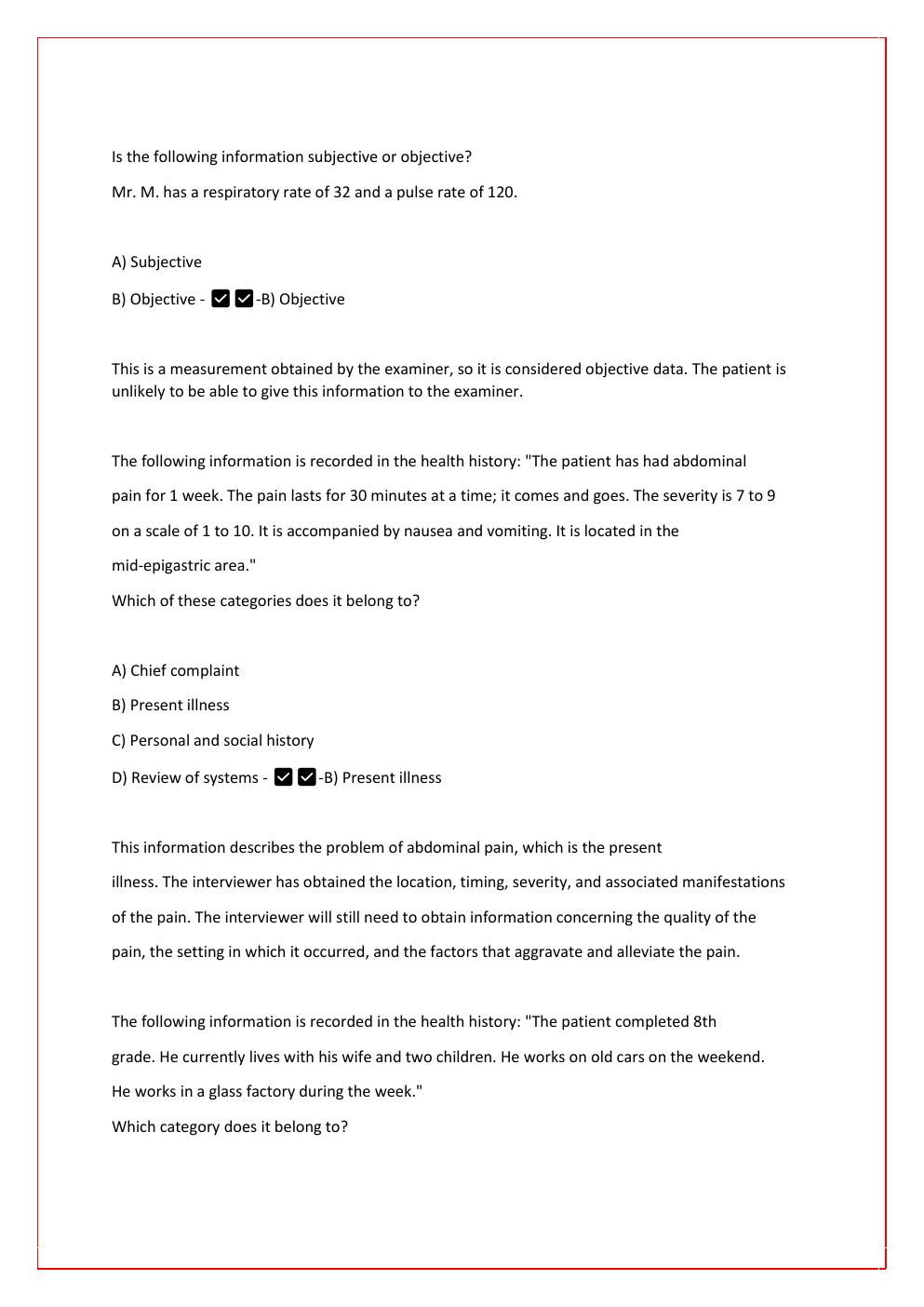
Buy this Document to get the Full Access Instantly
Provided by Students Who Aced it
We Verify Document Content to Gurantee Accuracy
Reviews( 0 )
Document information
Connected school, study & course
About the document
Uploaded On
Nov 23, 2026
Number of pages
103
Written in
All

Additional information
This document has been written for:
Uploaded
Nov 23, 2026
Downloads
0
Views
6
Topic Tags
Recommended For You
Get more on TEST BANKS »
NR509 BATES TEST BANK MIDTERM COMPLETE LATEST FINAL EXAM UPDAT...
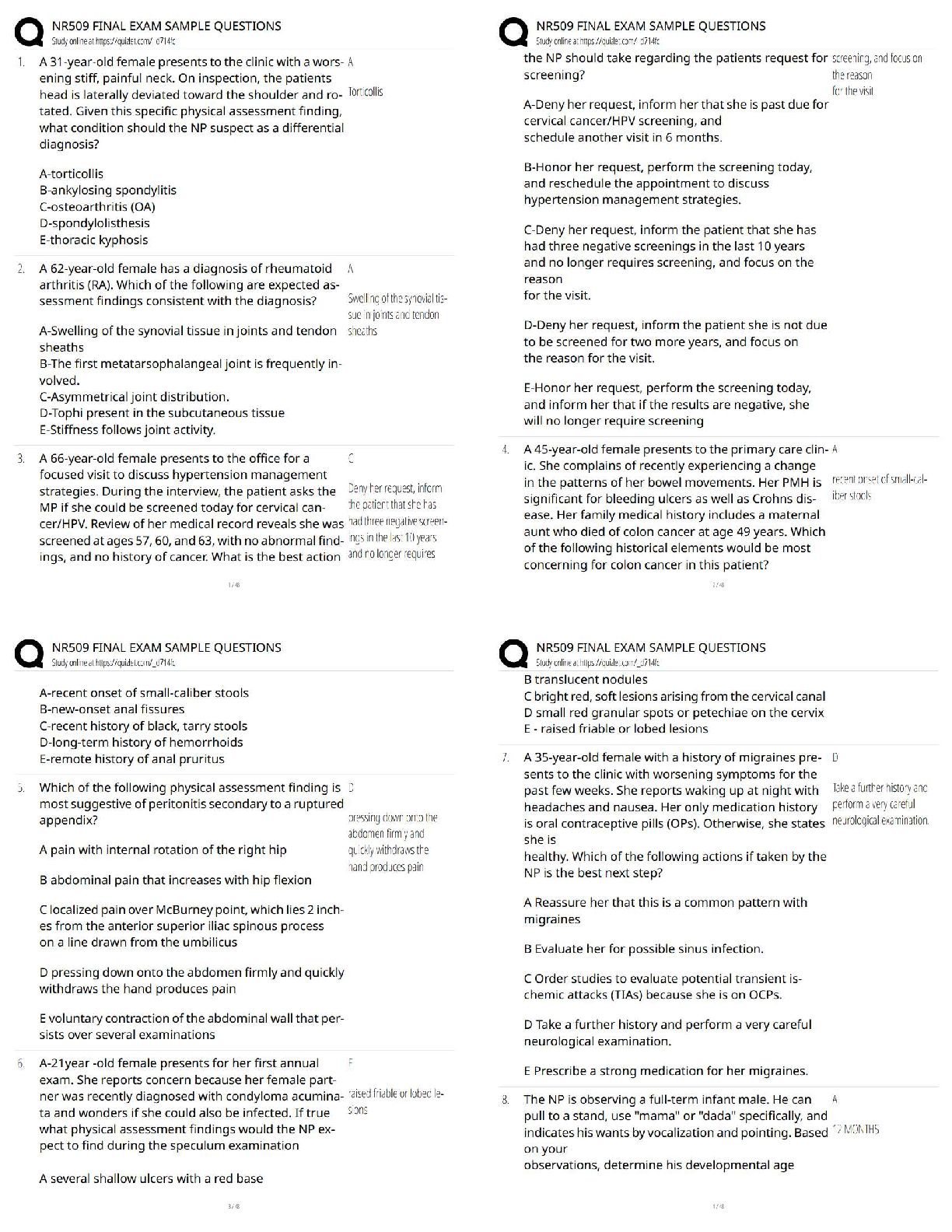
NR509 FINAL EXAM SAMPLE QUESTIONS / Score 100% / New Version /...
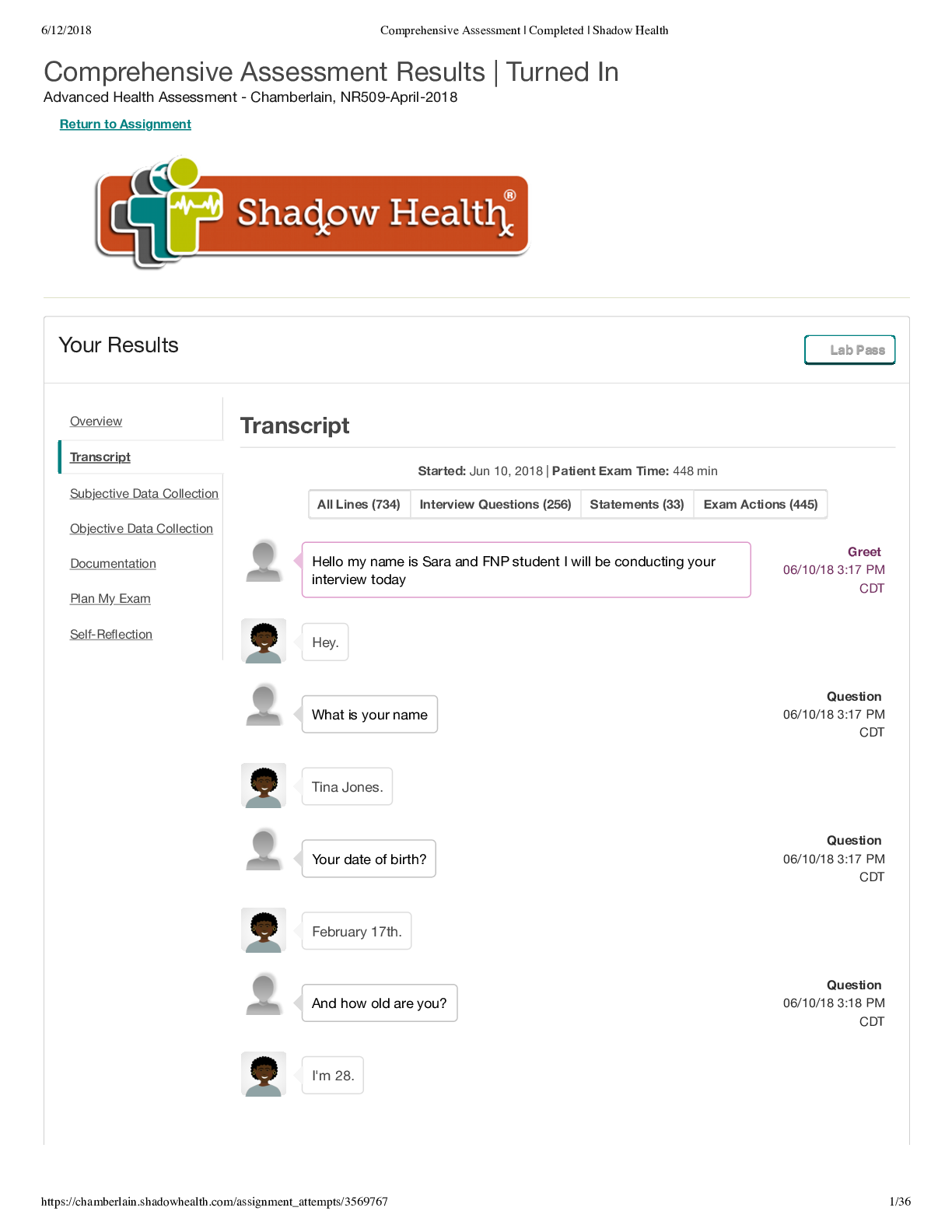
Chamberlain College of Nursing - NR 509Comprehensive Assessmen...
NR509 Bates Test Bank - Midterm 2026/2027 TestBank Exam 250 c...
NR509 Bates Test Bank Midterm Exam with Well Updated Questions...
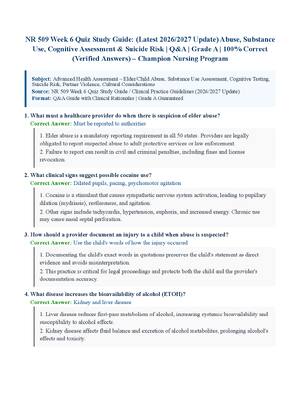
NR 509 Week 6 Quiz Study Guide: (Latest 2026/2027 Update) Abus...
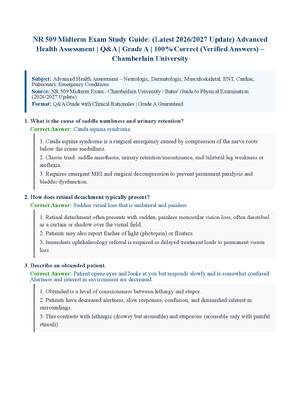
NR 509 Midterm Exam Study Guide: (Latest 2026/2027 Update) Adv...
Test Bank for Applied Pathophysiology for the Advanced Practic...
NR 509 Week 5 I Human Harvey Hoya EHR Physical Exam & Manageme...
NR 509 Study Guide Midterm Exam with Well Updated Questions an...