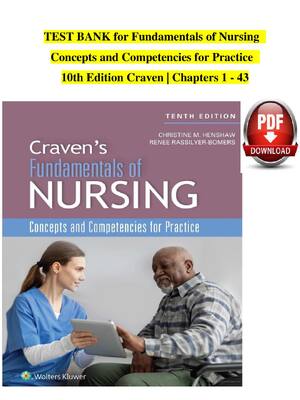
nursing care > TEST BANKS > Advanced Practice Nursing, 6th Edition TESTBANK (All)
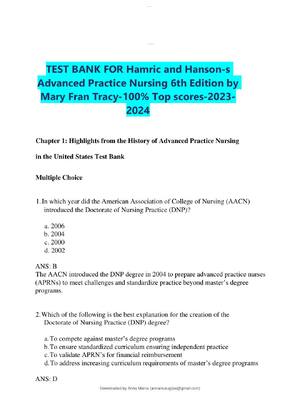
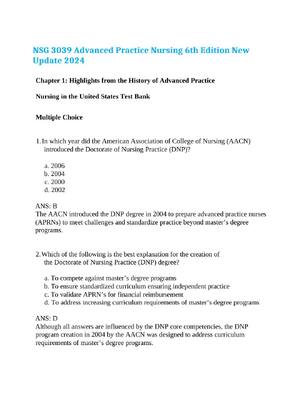
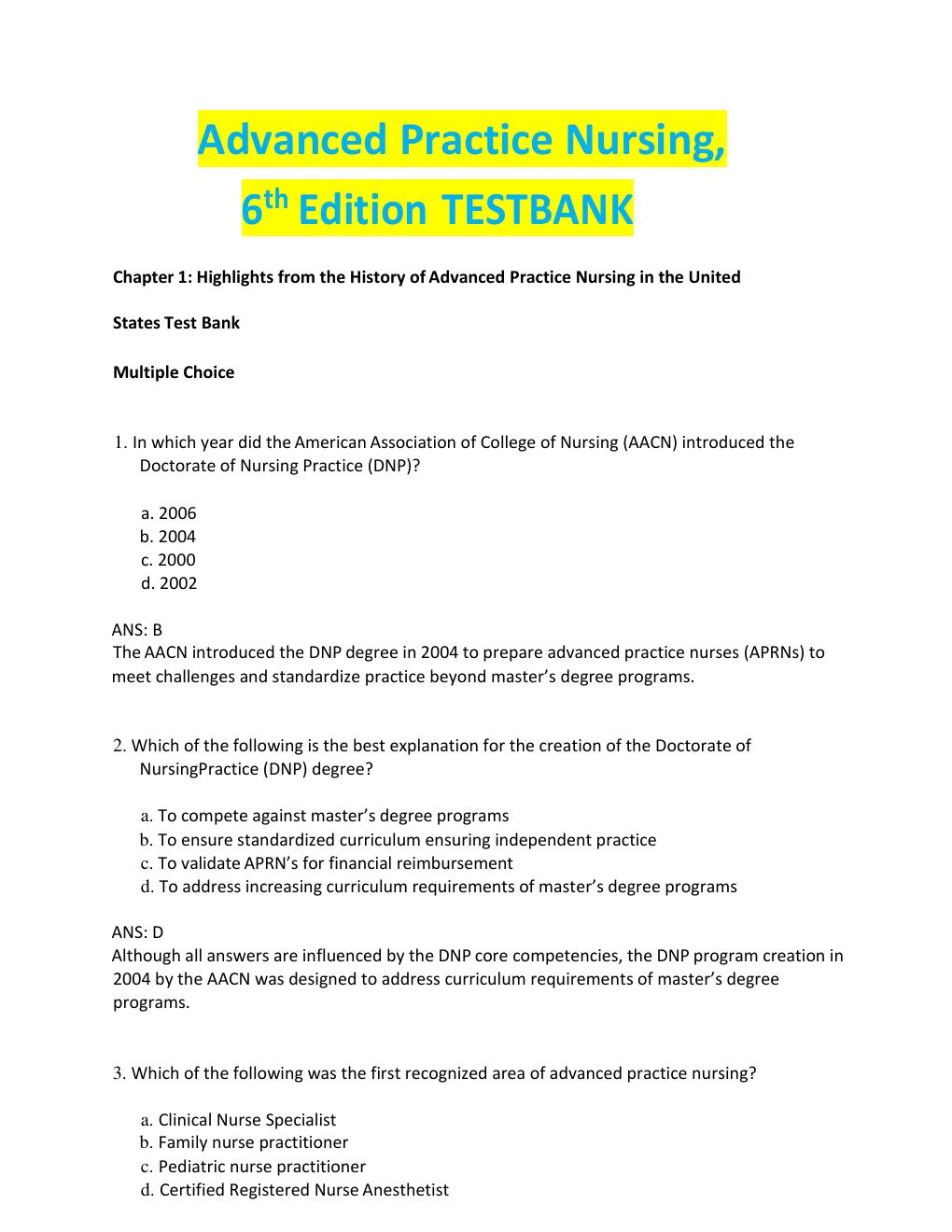
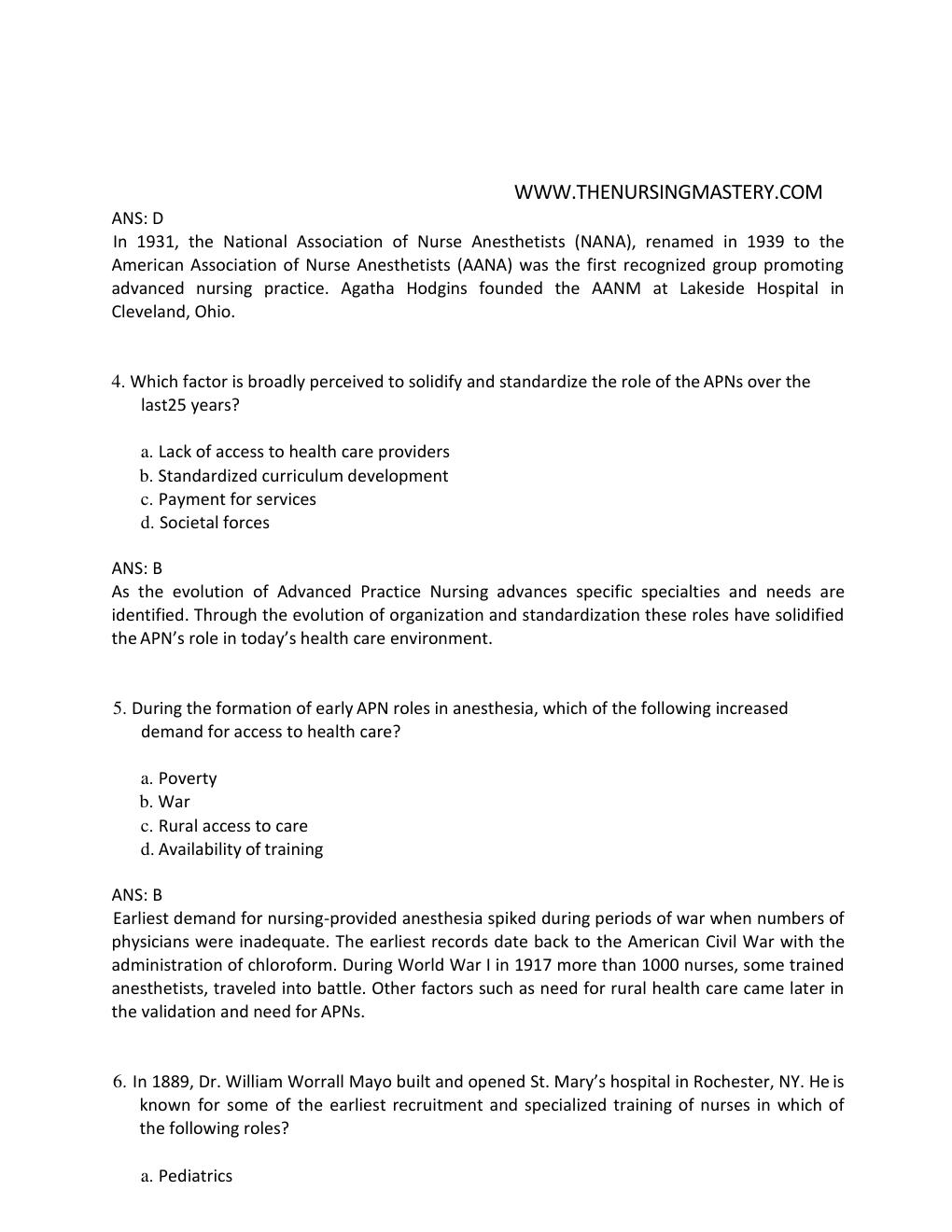
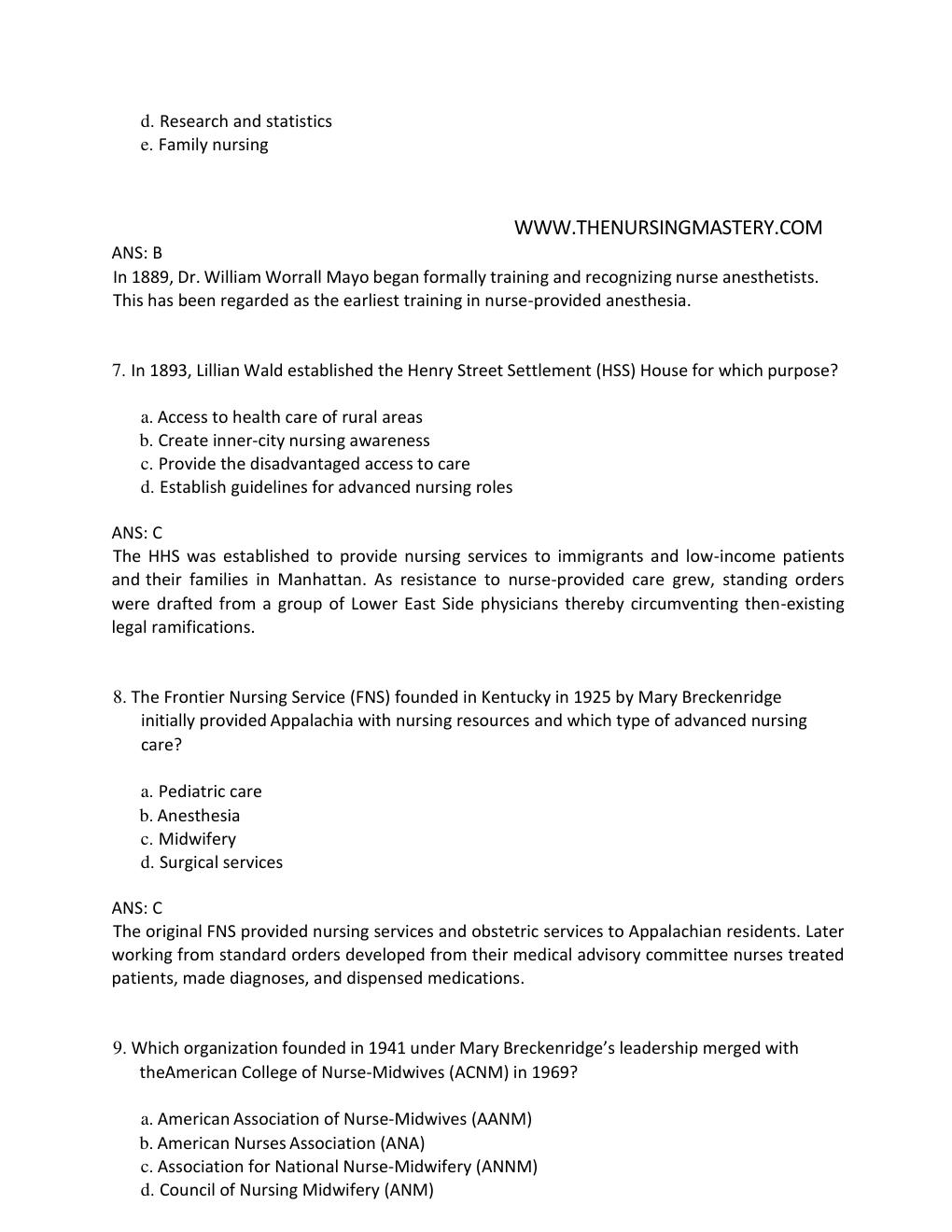
Advanced Practice Nursing, 6th Edition TESTBANK
Document Content and Description Below
Last updated: 10 hours ago
Preview 10 out of 145 pages
Instant download


Buy this Document to get the Full Access Instantly
Provided by Students Who Aced it
We Verify Document Content to Gurantee Accuracy
Associated Textbook
Reviews( 0 )
Document information
Connected school, study & course
About the document
Uploaded On
Nov 24, 2026
Number of pages
145
Written in
All

Additional information
This document has been written for:
Uploaded
Nov 24, 2026
Downloads
0
Views
7
Topic Tags
Recommended For You
Get more on TEST BANKS »
Test Bank for Leadership and Nursing Care Management 8th Editi...
Wong's Nursing Care of Infants and Children 12th Edition by Ho...
Test Bank Safe Maternity and Pediatric Nursing Care 3rd Editio...
NUR 333 MIDTERM EXAM 2026/2027 | NURSING STUDY GUIDE, EXAM RE...
NR 507 CEA PREP FULL PRACTICE EXAM NURSING 2026/2027 ALL STUDY...
RASMUSSEN UNIVERSITY NURSING CARE OF OLDER ADULT EXAM 2026 200...
NURS 6501 Advanced Pathophysiology Final Exam 200 Practice Que...
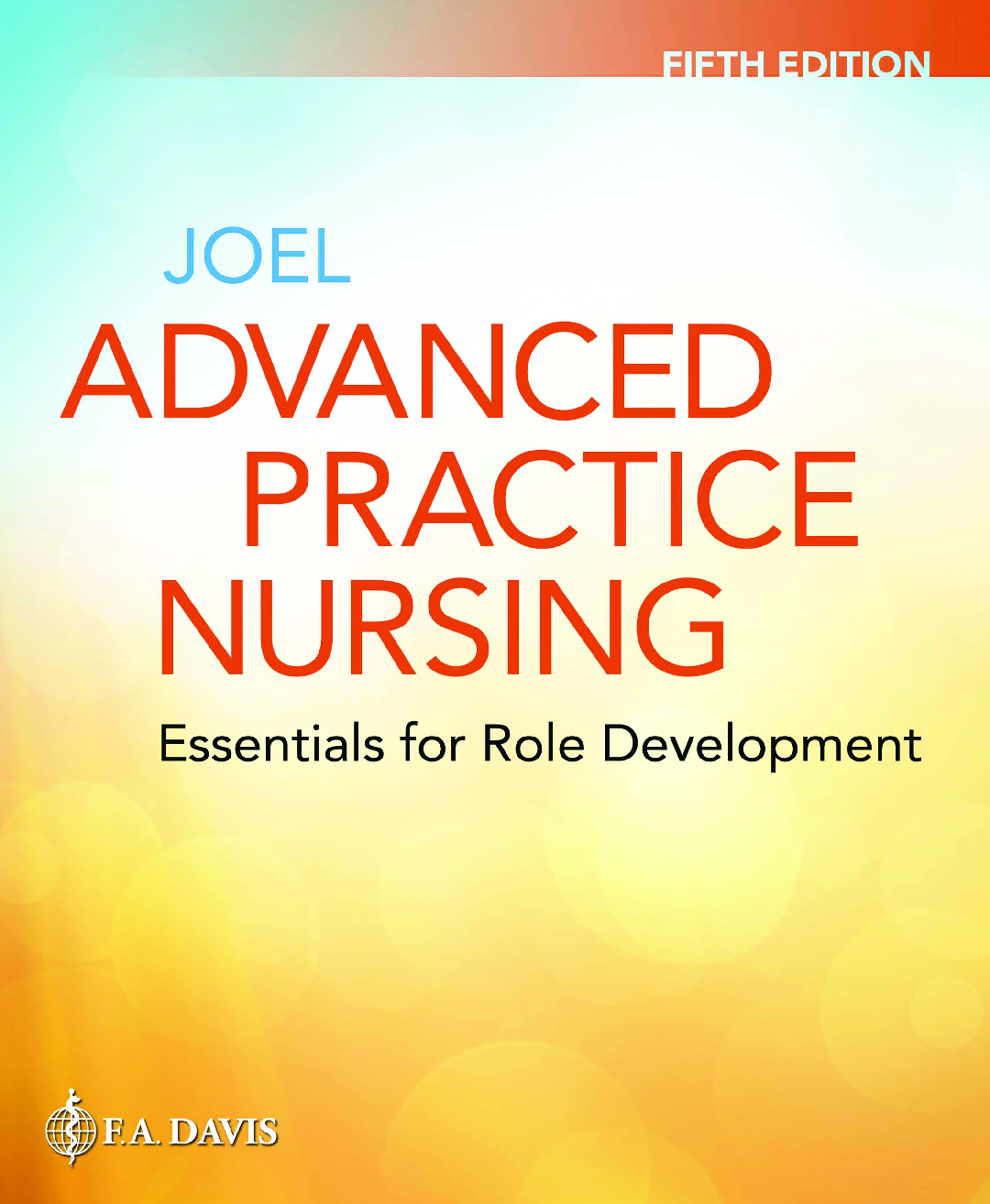
eBook Advanced Practice Nursing Essentials for Role Developmen...
SIM 4 ADVANCED PRACTICE SERIES® Activity Report: Women's Healt...
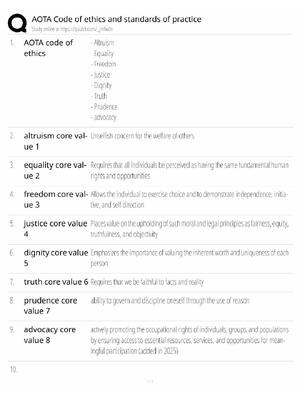
AOTA Code of Ethics / Standards of Practice / 2026 Update / Sc...
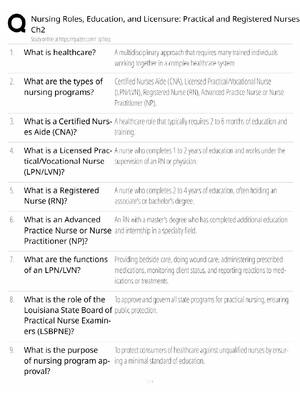
Nursing Roles / LPN & RN Education Licensure / 2026 Update / S...
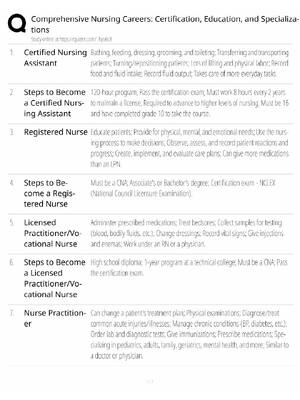
Nursing Careers / Certification & Specializations / 2026 Updat...