SCIENCE 101 > QUESTIONS & ANSWERS > CSE 474 Gradiance Online Accelerated Learning QUESTIONS AND VERIFIED ANSWERS,100% SCORE (All)
CSE 474 Gradiance Online Accelerated Learning QUESTIONS AND VERIFIED ANSWERS,100% SCORE
Document Content and Description Below
Last updated: 4 years ago
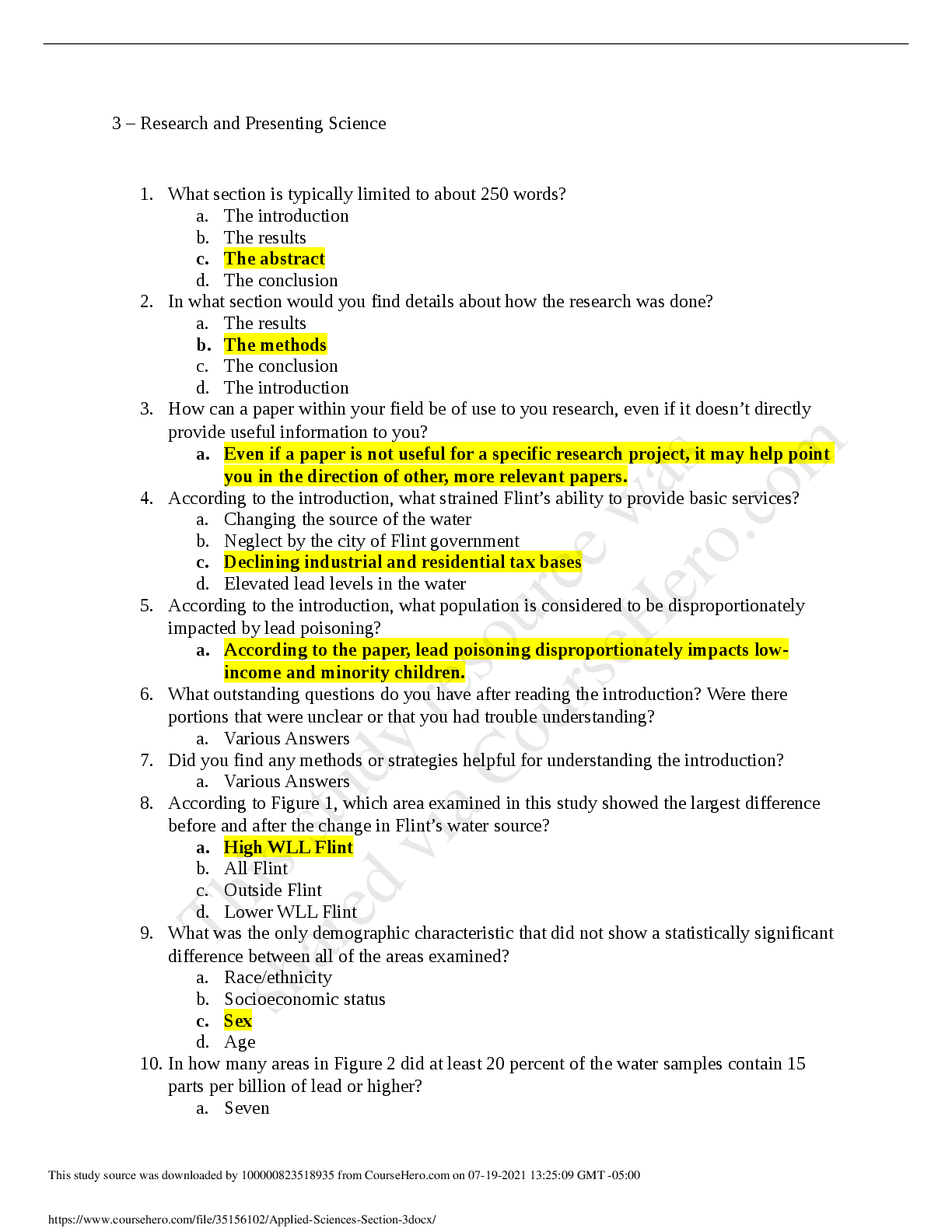
Preview 1 out of 16 pages
Instant download
.png)
Buy this Document to get the Full Access Instantly
Provided by Students Who Aced it
We Verify Document Content to Gurantee Accuracy
Reviews( 0 )
Document information
Connected school, study & course
About the document
Uploaded On
May 15, 2021
Number of pages
16
Written in
All

Additional information
This document has been written for:
Uploaded
May 15, 2021
Downloads
0
Views
113
Topic Tags
Recommended For You
Get more on QUESTIONS & ANSWERS »
SUNY Buffalo State College CSE 474 ML final16-REVIEWED BY EXPE...

SCIN 130 / SCIN130, Quiz 1 Questions and Answers(100%) Latest...
SCIN 130 / SCIN130, Week 1 Questions and Answers(100%) Latest...

American Public University SCIN 130 Questions and Answers Rate...

DeVry University, HendersonSCI 228WEEK 8 final exam nutrition...
Test Bank for The Cell A Molecular Approach 8th Edition By Geo...
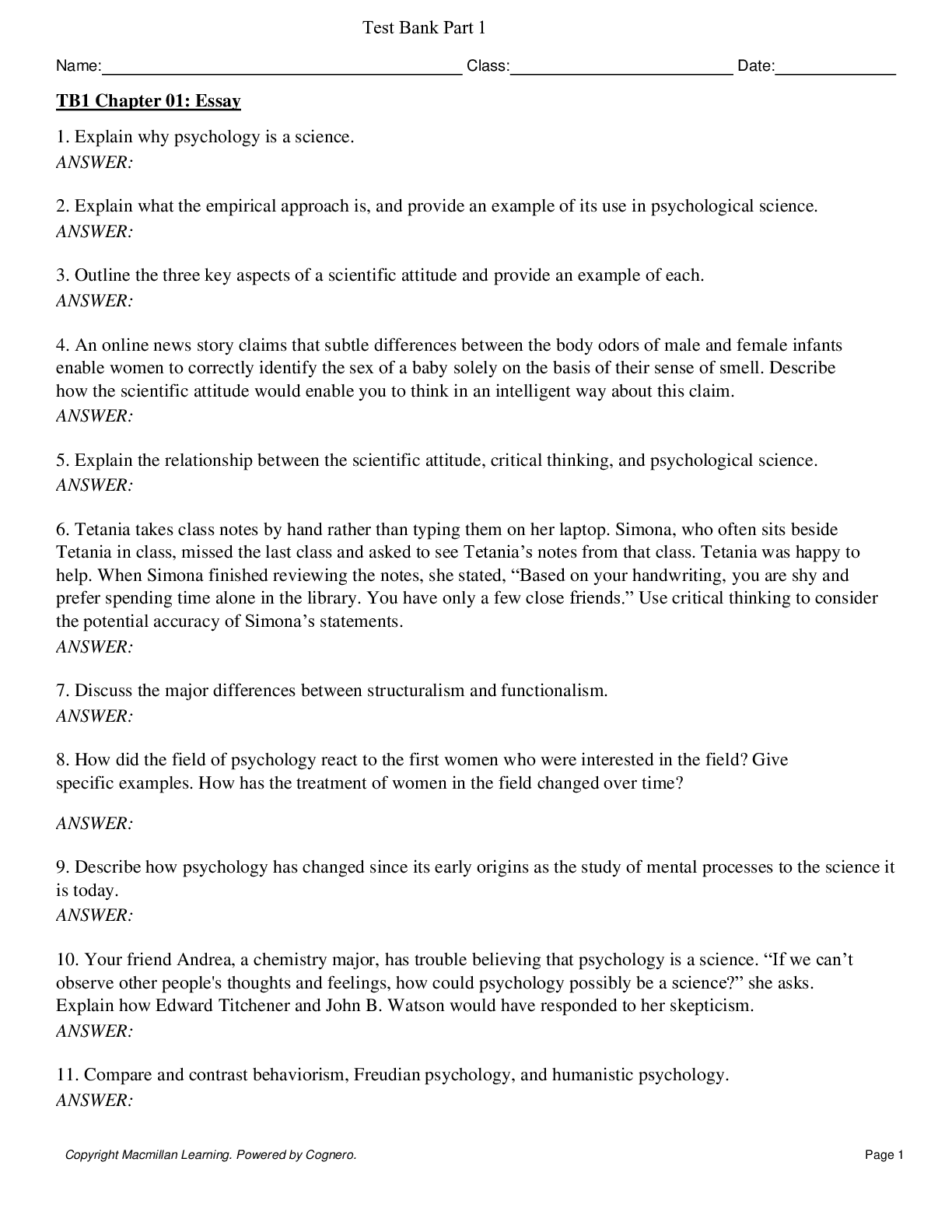
Exploring Psychology, 12th Edition by David Myers, Nathan DeWa...
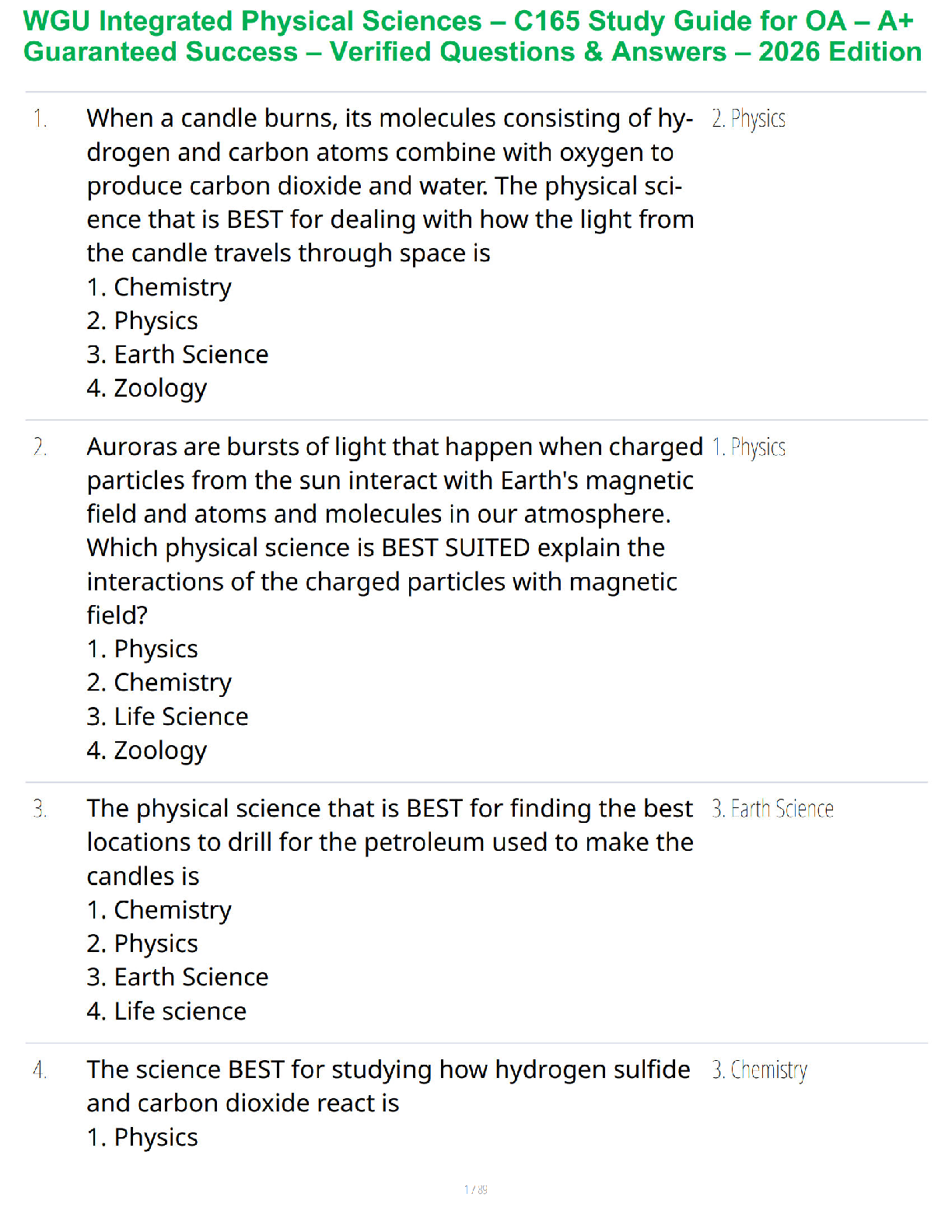
WGU Integrated Physical Sciences – C165 Study Guide for OA – A...

Test Bank (Downloadable Product) for The Sciences: An Integrat...

Solutions Manual for Complexity Science The Study of Emergence...

Instructor Solution Manual for Category Theory for the Scienc...