NURSING > Final Exam Review > Chamberlain College of NursingNR 293FINAL EXAM REVIEW TEST TWO (All)
Chamberlain College of NursingNR 293FINAL EXAM REVIEW TEST TWO
Document Content and Description Below
Last updated: 4 years ago
Preview 1 out of 33 pages
Instant download
.png)
Buy this Document to get the Full Access Instantly
Provided by Students Who Aced it
We Verify Document Content to Gurantee Accuracy
Reviews( 0 )
Document information
Connected school, study & course
About the document
Uploaded On
May 16, 2021
Number of pages
33
Written in
All

Additional information
This document has been written for:
Uploaded
May 16, 2021
Downloads
0
Views
134
Topic Tags
Recommended For You
Get more on Final Exam Review »
Walden University NURS 6531 final exam (120 Questions) [2021]

NUR 2571 / NUR2571 Final Exam Review Updated: Professional Nur...

NURS 6531 / NURS6531 Final Exam Review (Latest): Advanced Prac...

NURS6521 / NURS 6521 Final Exam Review (Latest Update): Advanc...

NUR2459 / NUR 2459: Final Exam (Latest Update) Mental and Beha...

NUR 2392 / NUR2392 Final Exam Review (Latest Update): Multidim...
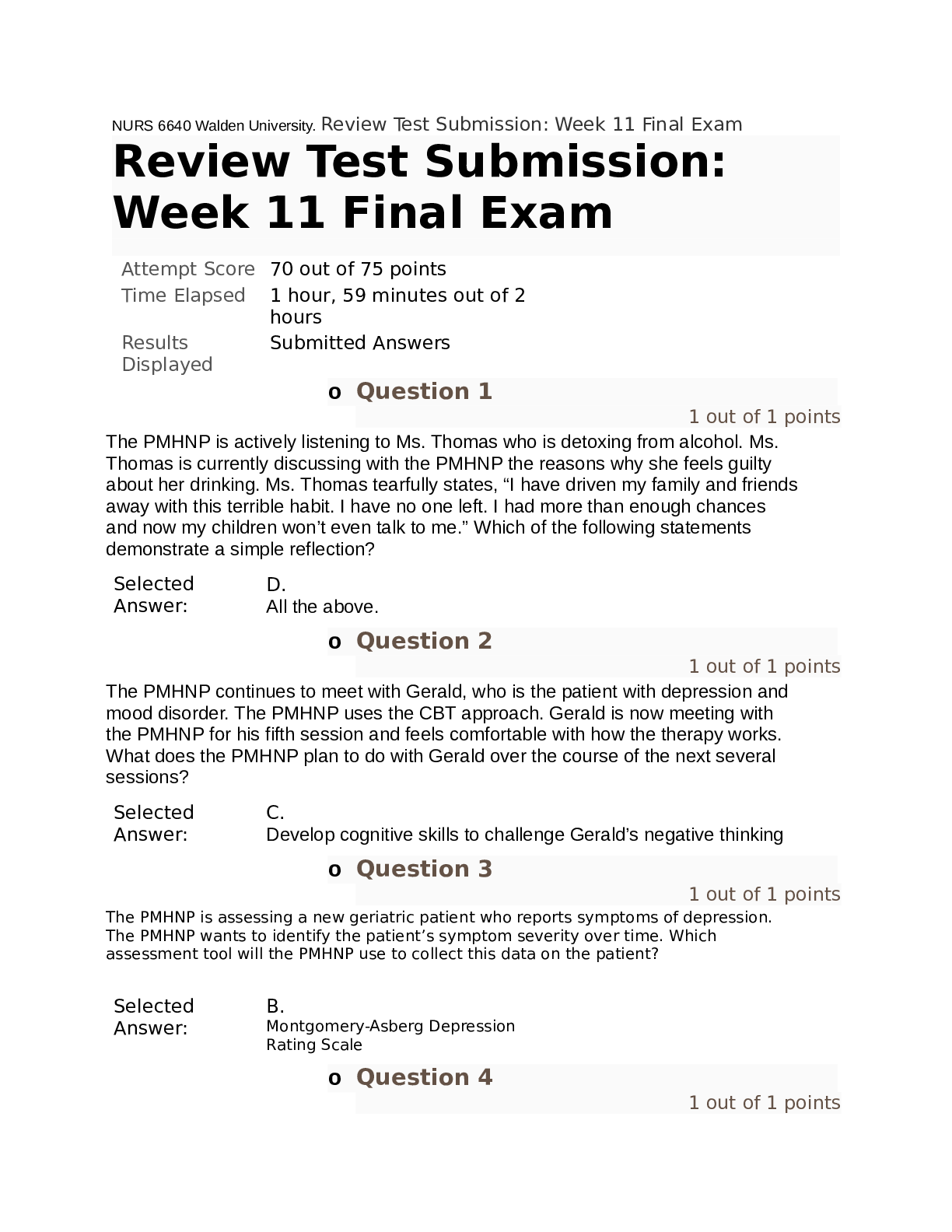
NURS 6640 Walden University Final Exam Review Week 11 (76 Ques...

Walden University NURS 6521N Final Exam Pharma 2020 (101 Quest...

NUR2474 / NUR 2474: Pharmacology for Professional Nursing Fina...

NUR2407 / NUR 2407: Pharmacology Final Exam Review (Latest Upd...

NR511 / NR 511: Differential Diagnosis & Primary Care Practicu...

NUR2063 / NUR 2063: Essentials of Pathophysiology Application...
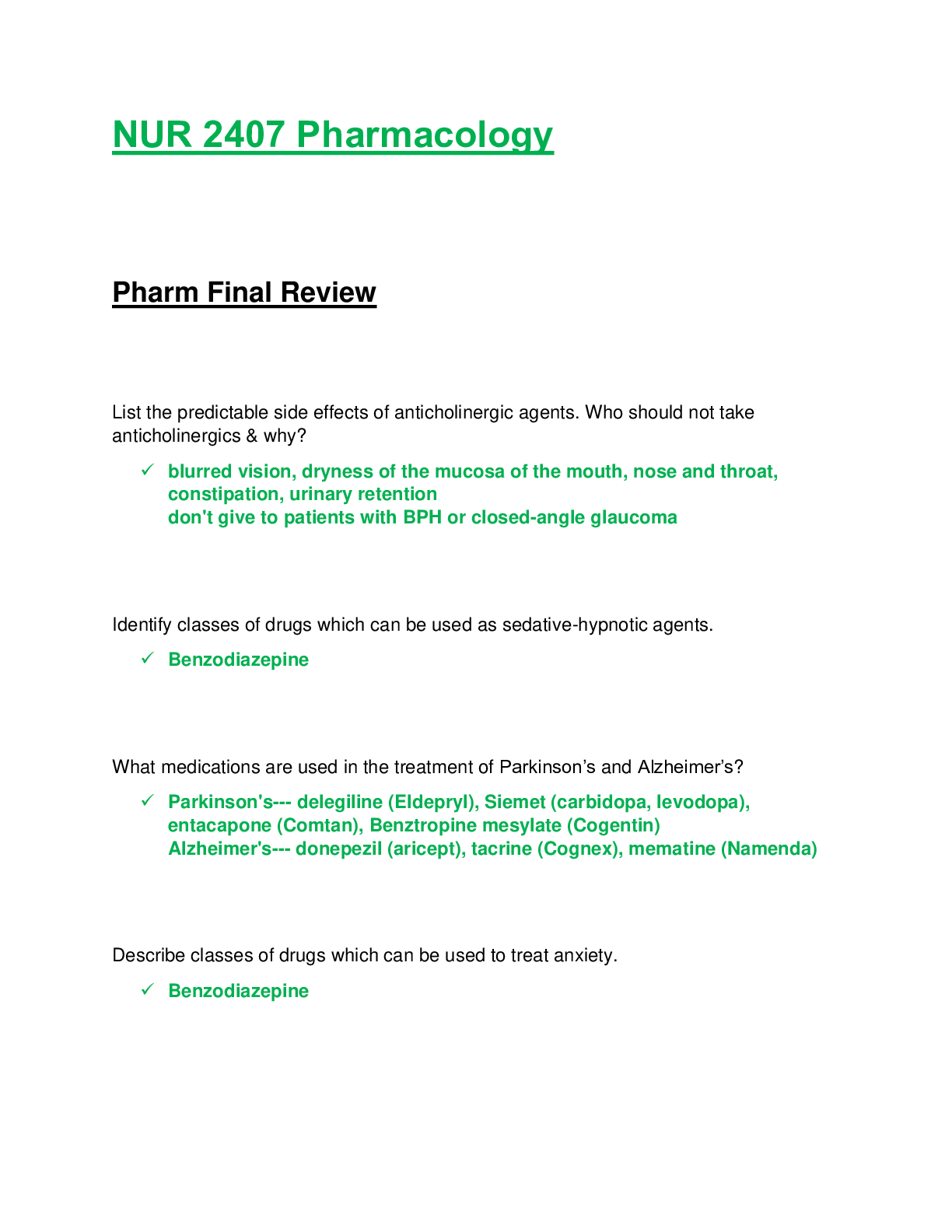
NUR2407 / NUR 2407: Pharmacology Final Exam Review (2020) Rasm...
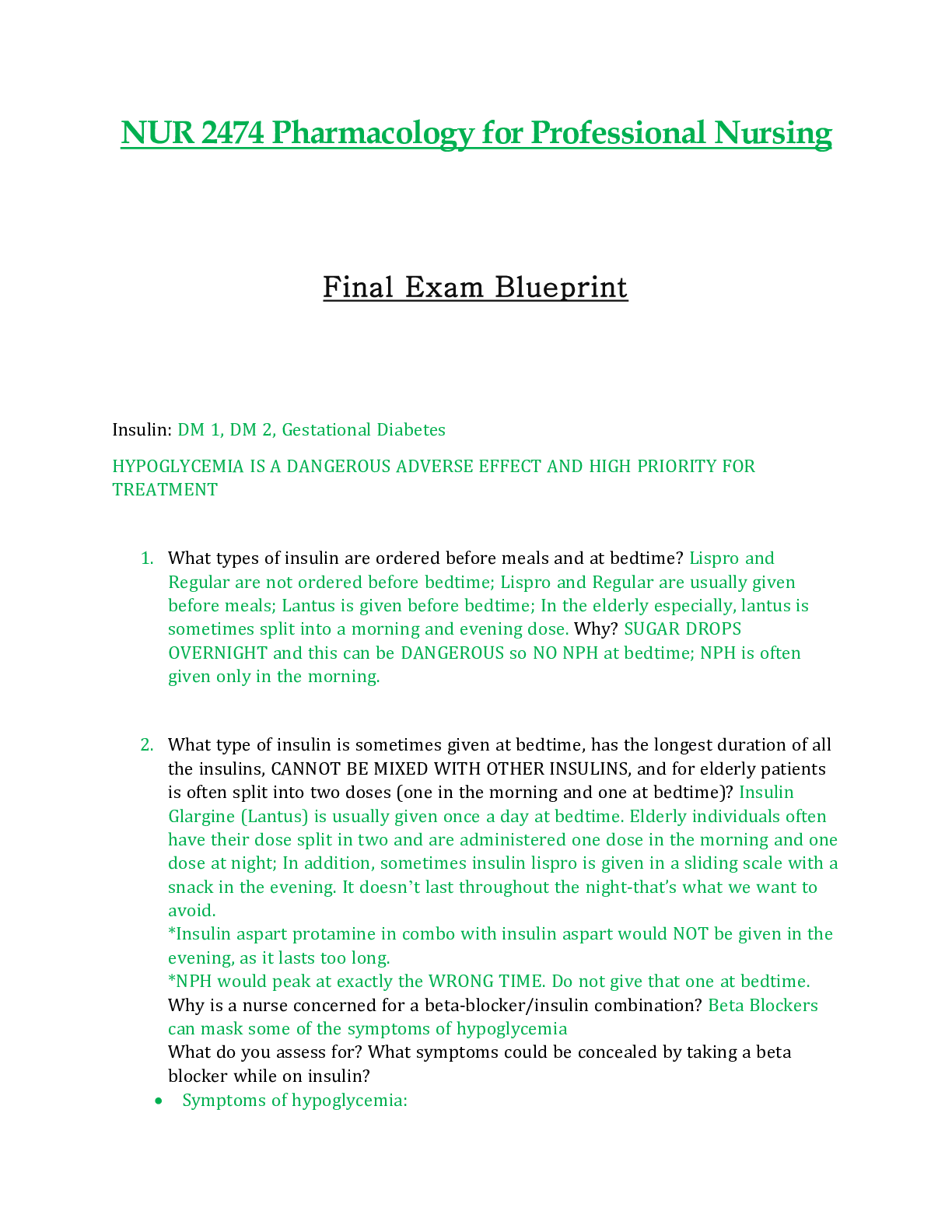
NUR2474 / NUR 2474 Final Exam Blueprint Updated: Pharmacology...

NR341 / NR341 Final Exam Class Review Updated: Complex Adult H...

NUR 2058 / NUR2058 Final Exam Review Updated: Dimensions of Nu...
 JN21.png)
NR601 / NR-601 Final Exam Review (Weeks 5 - 8) Primary Care of...

NR602 / NR-602 Final Exam Review : Primary Care of the Childb...

NURS 6512 / NURS6512 Final Exam Review (Latest): Advanced Heal...


