• Define the common terms used in pharmacology
o Pharmacokinetic- the study of what the body does to the drug; involves the processes of absorption, distribution, metabolism, and excretion; the study of what happens to
...
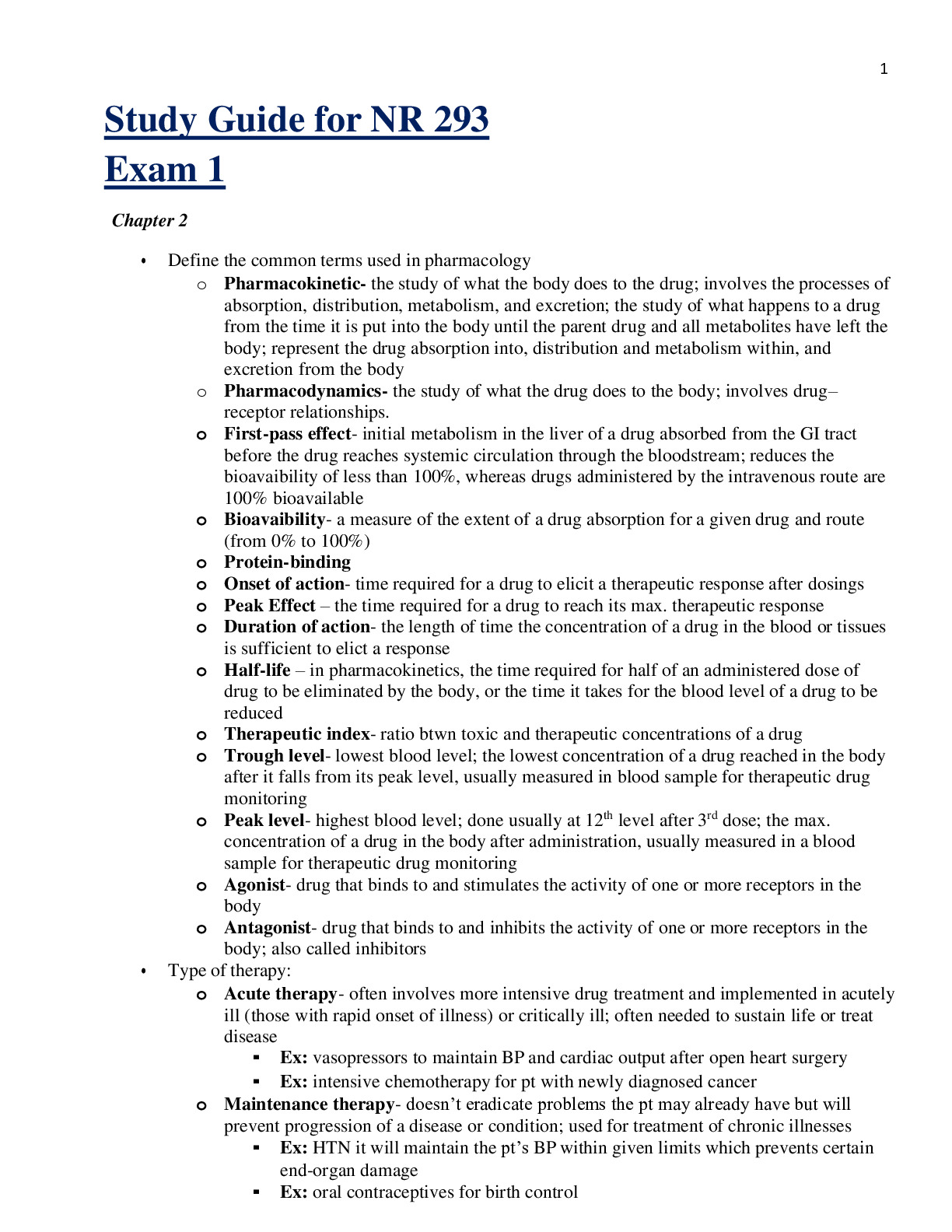
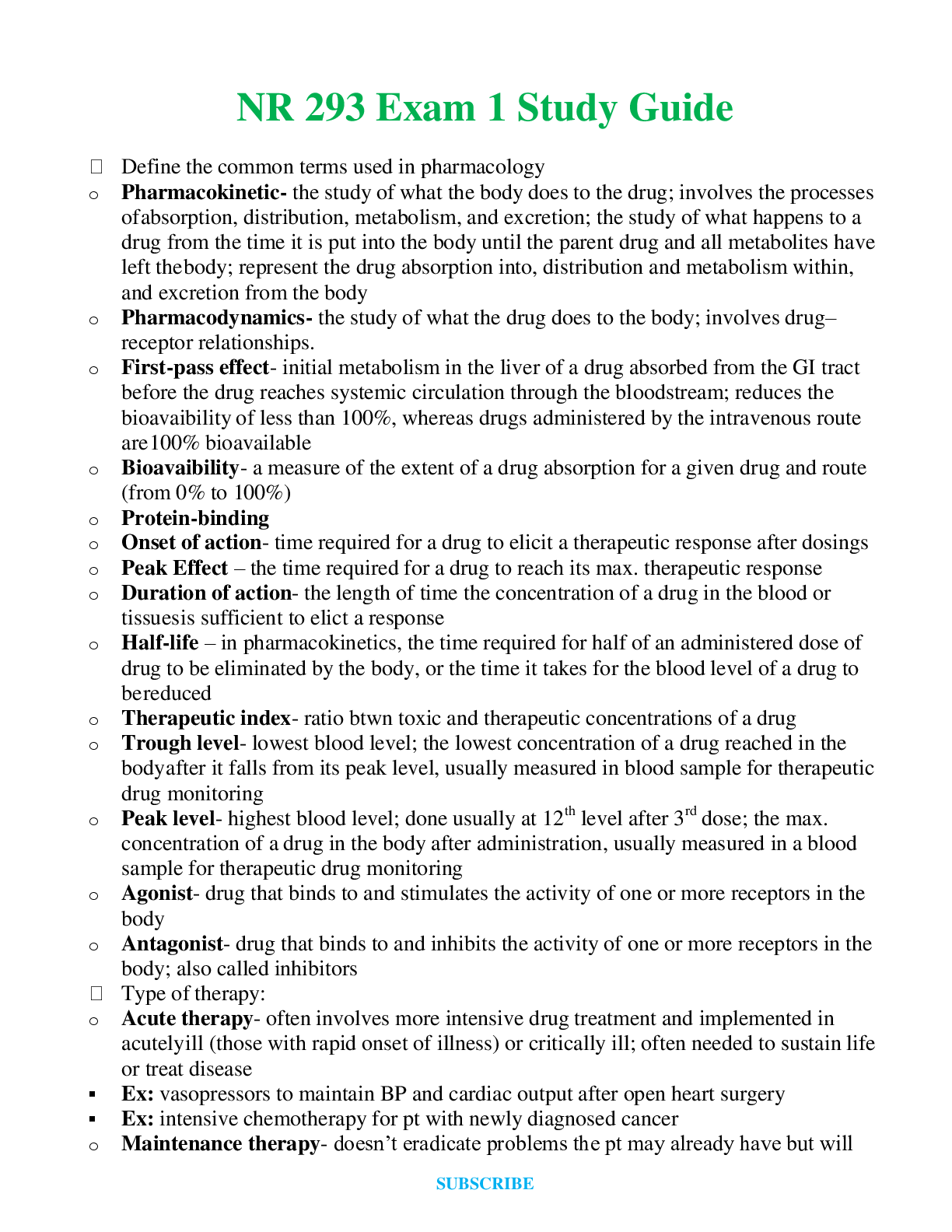
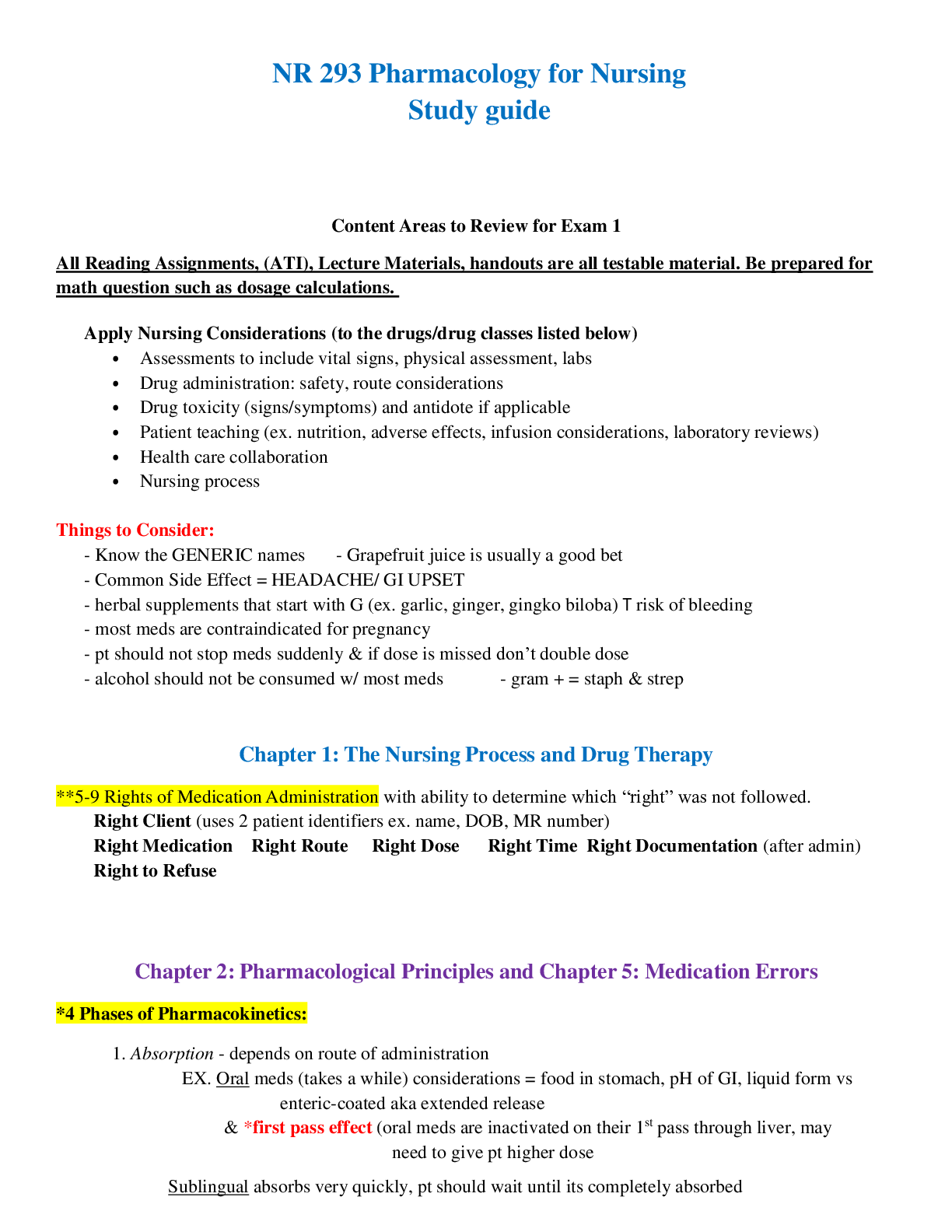
• Define the common terms used in pharmacology
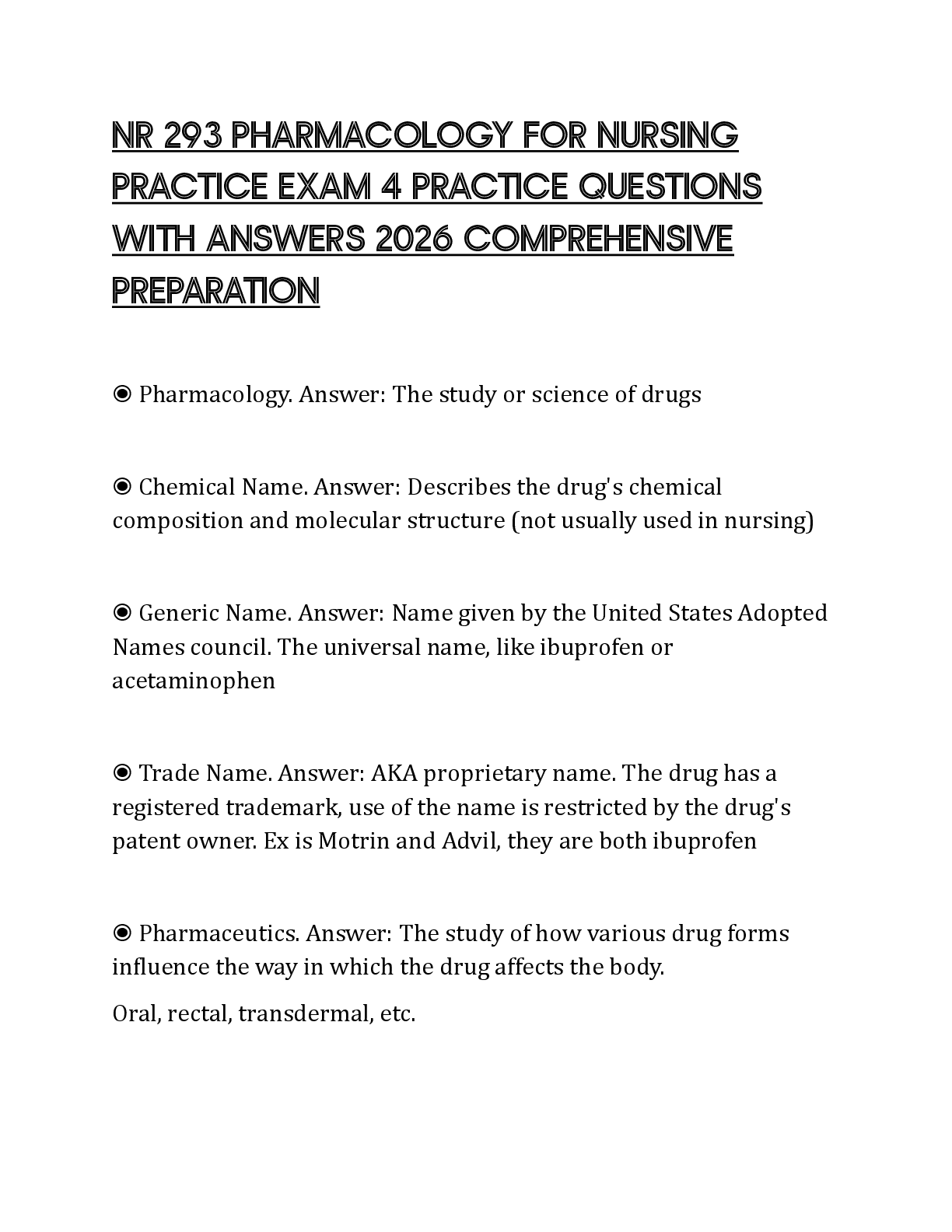
o Pharmacokinetic- the study of what the body does to the drug; involves the processes of absorption, distribution, metabolism, and excretion; the study of what happens to a drug from the time it is put into the body until the parent drug and all metabolites have left the body; represent the drug absorption into, distribution and metabolism within, and excretion from the body
o Pharmacodynamics- the study of what the drug does to the body; involves drug– receptor relationships.
o First-pass effect- initial metabolism in the liver of a drug absorbed from the GI tract before the drug reaches systemic circulation through the bloodstream; reduces the bioavaibility of less than 100%, whereas drugs administered by the intravenous route are 100% bioavailable
o Bioavaibility- a measure of the extent of a drug absorption for a given drug and route (from 0% to 100%)
o Protein-binding
o Onset of action- time required for a drug to elicit a therapeutic response after dosings
o Peak Effect – the time required for a drug to reach its max. therapeutic response
o Duration of action- the length of time the concentration of a drug in the blood or tissues is sufficient to elict a response
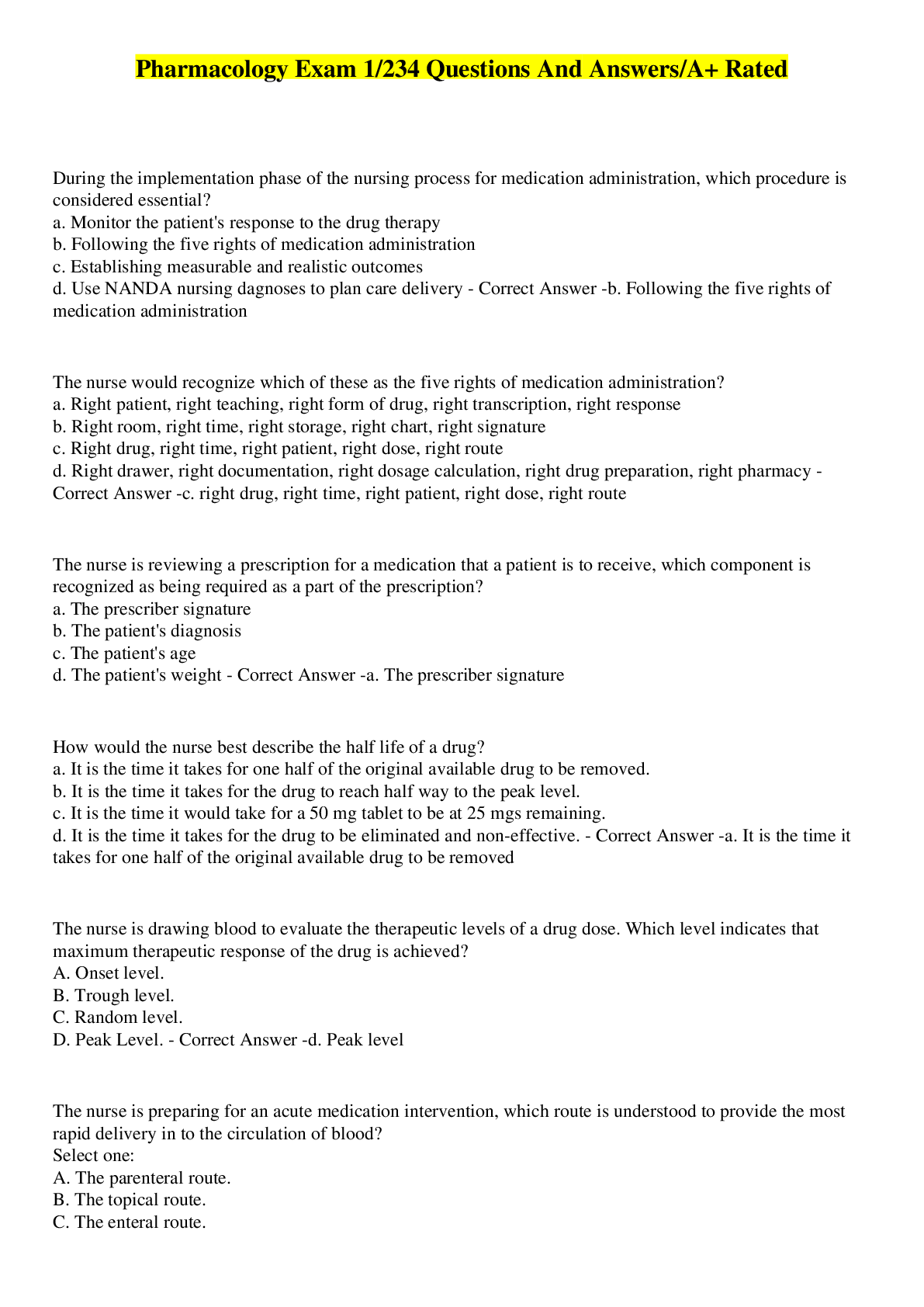
o Half-life – in pharmacokinetics, the time required for half of an administered dose of drug to be eliminated by the body, or the time it takes for the blood level of a drug to be reduced
o Therapeutic index- ratio btwn toxic and therapeutic concentrations of a drug
o Trough level- lowest blood level; the lowest concentration of a drug reached in the body after it falls from its peak level, usually measured in blood sample for therapeutic drug monitoring
o Peak level- highest blood level; done usually at 12th level after 3rd dose; the max. concentration of a drug in the body after administration, usually measured in a blood sample for therapeutic drug monitoring
o Agonist- drug that binds to and stimulates the activity of one or more receptors in the body
o Antagonist- drug that binds to and inhibits the activity of one or more receptors in the body; also called inhibitors
• Type of therapy:
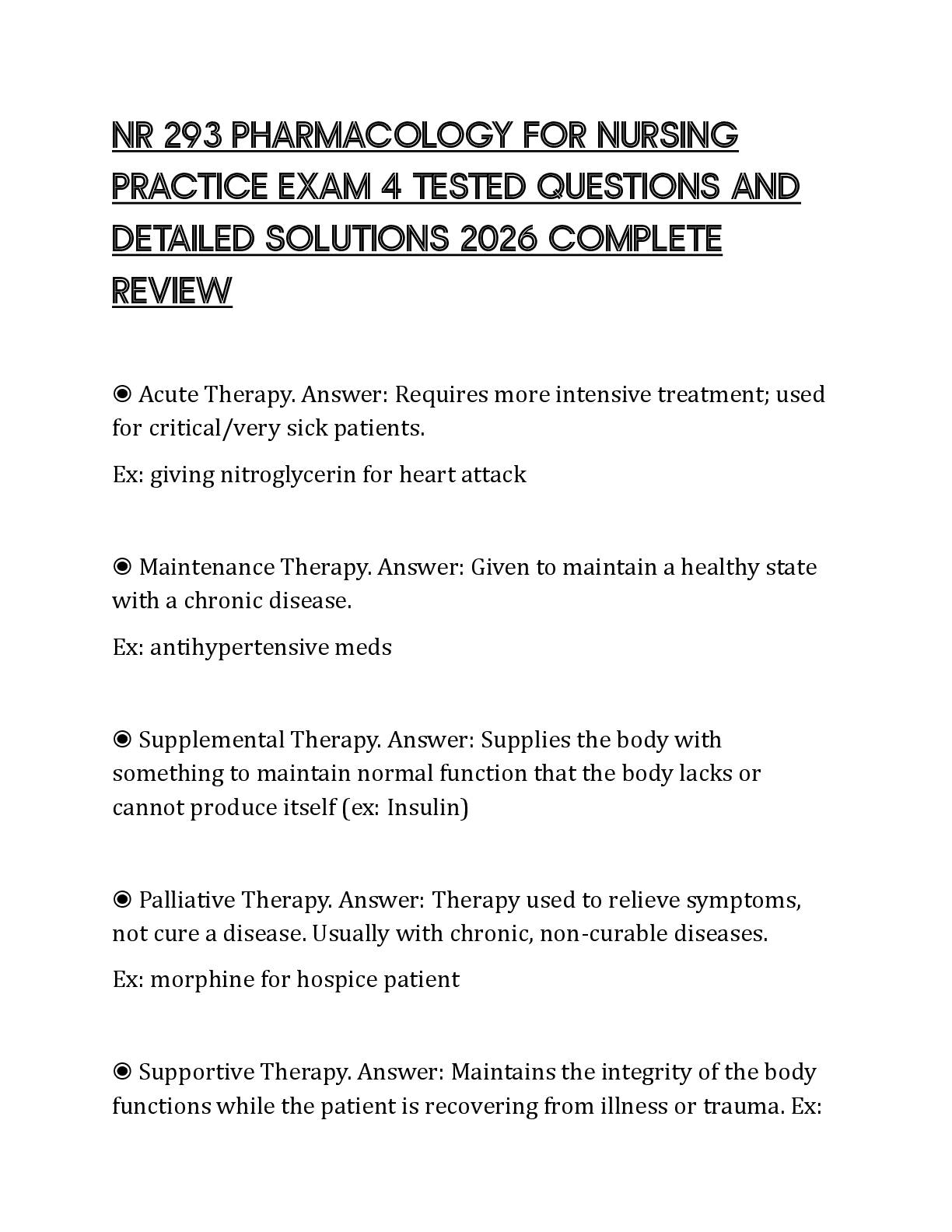
o Acute therapy- often involves more intensive drug treatment and implemented in acutely ill (those with rapid onset of illness) or critically ill; often needed to sustain life or treat disease
.....................................................CONTINUED........................................
[Show More]