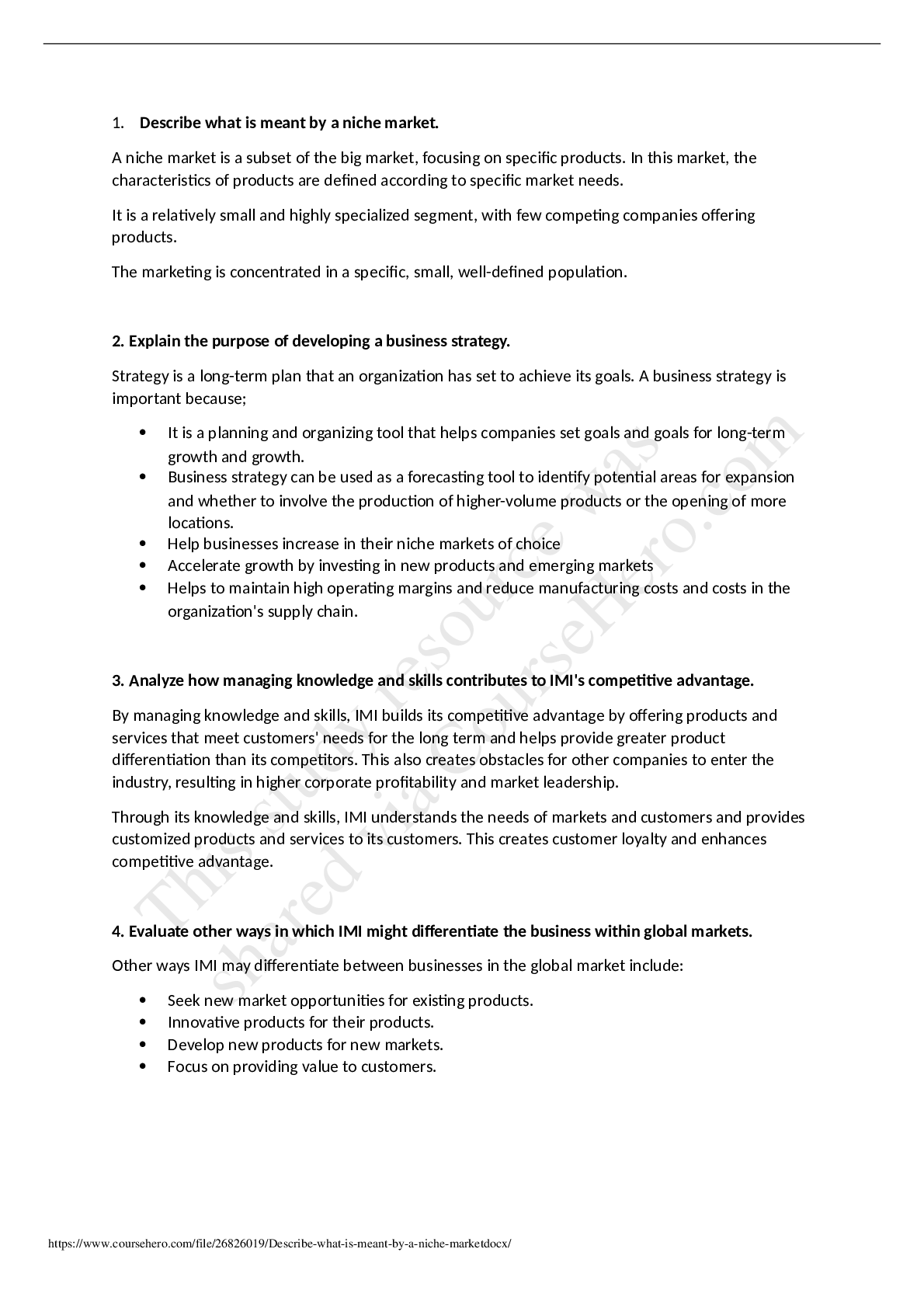
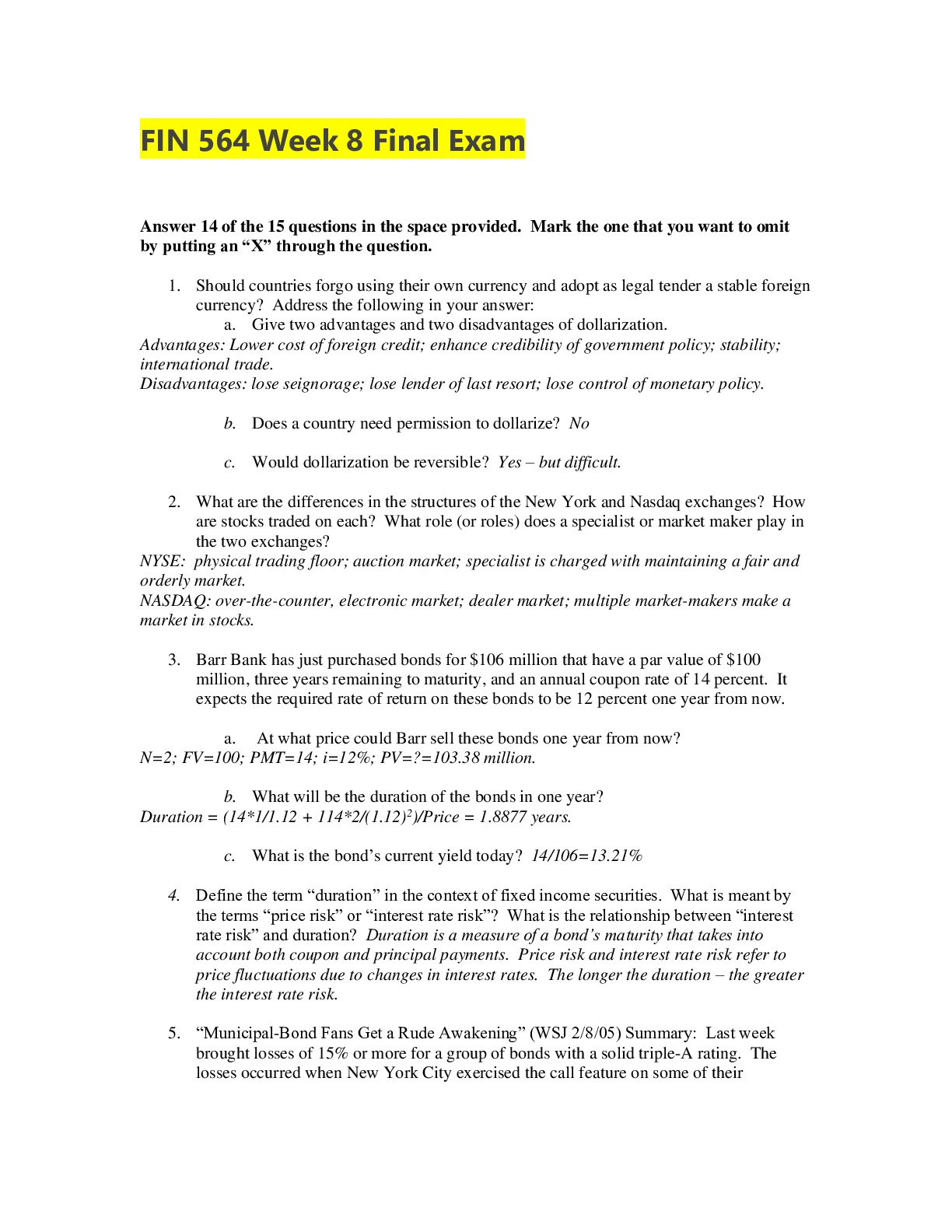
Business > QUESTIONS & ANSWERS > Information Systems and Knowledge Management (All)
Information Systems and Knowledge Management
Document Content and Description Below
Last updated: 7 months ago
Preview 1 out of 17 pages
Instant download

Buy this Document to get the Full Access Instantly
Provided by Students Who Aced it
We Verify Document Content to Gurantee Accuracy
Reviews( 0 )
Document information
Connected school, study & course
About the document
Uploaded On
May 18, 2021
Number of pages
17
Written in
All

Additional information
This document has been written for:
Uploaded
May 18, 2021
Downloads
0
Views
99
Topic Tags
Recommended For You
Get more on QUESTIONS & ANSWERS »
TEST BANK for Essentials of Investments, 11th Edition by Zvi B...
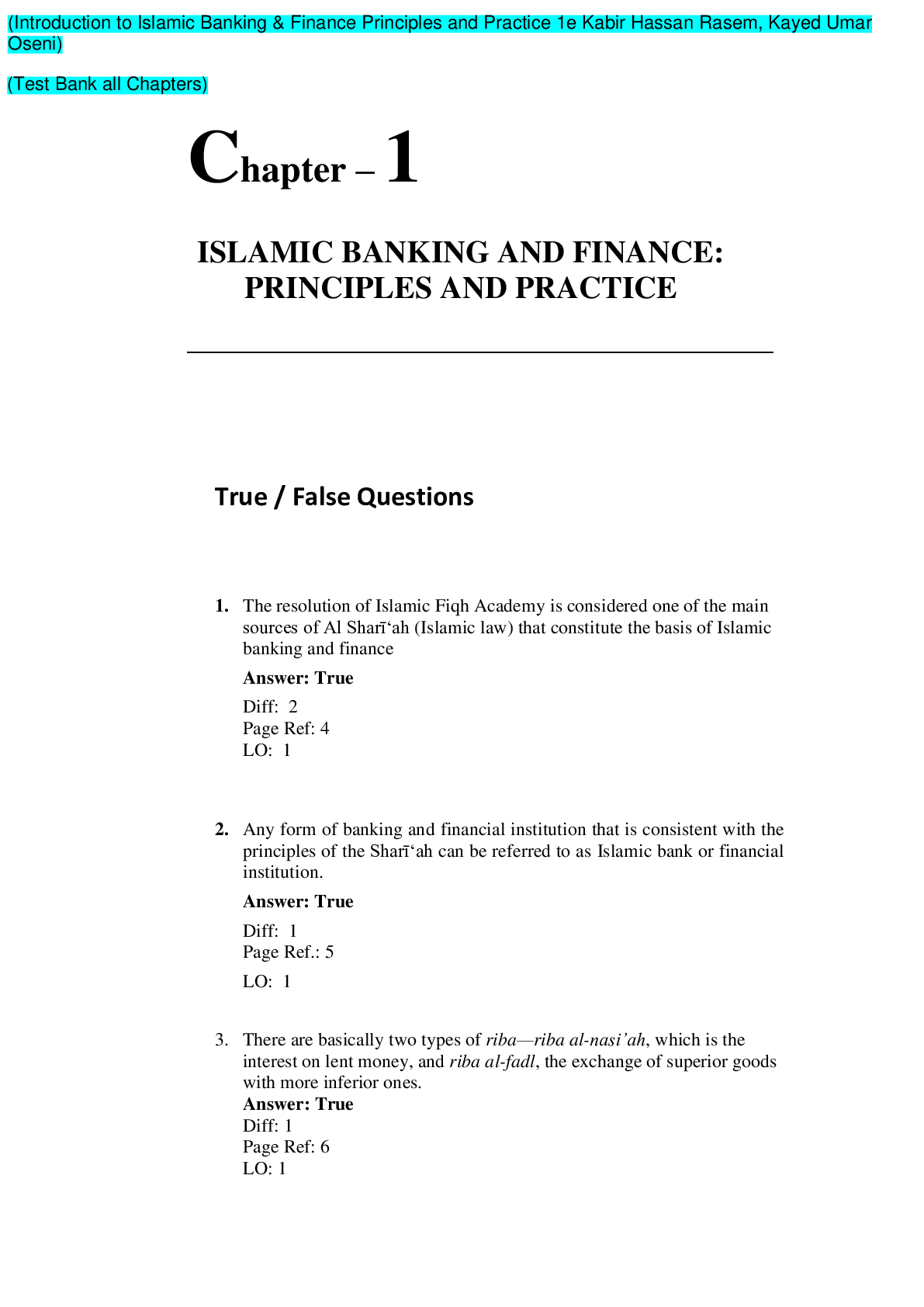
Introduction to Islamic Banking & Finance Principles and Pract...
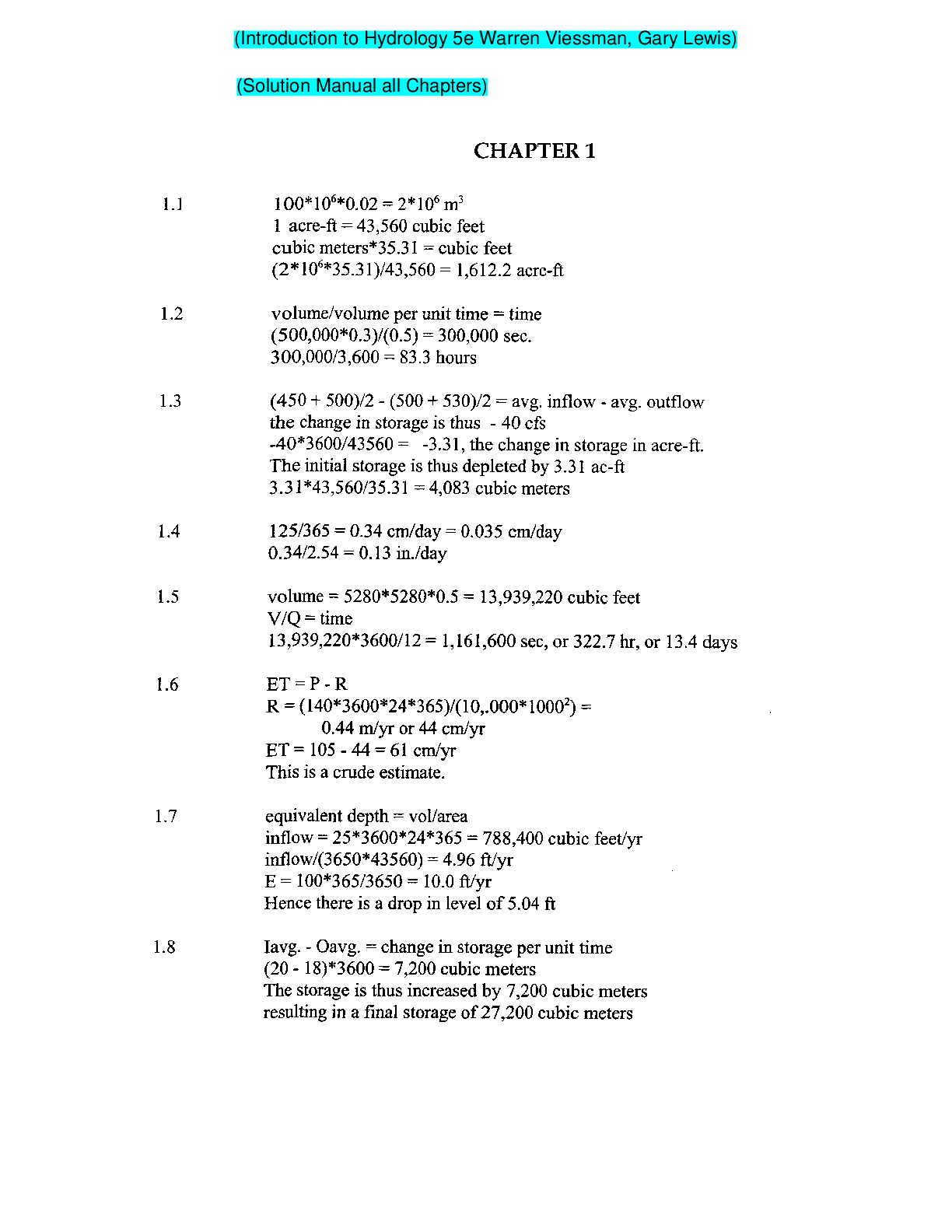
Introduction to Hydrology 5th Edition By Warren Viessman, Gary...
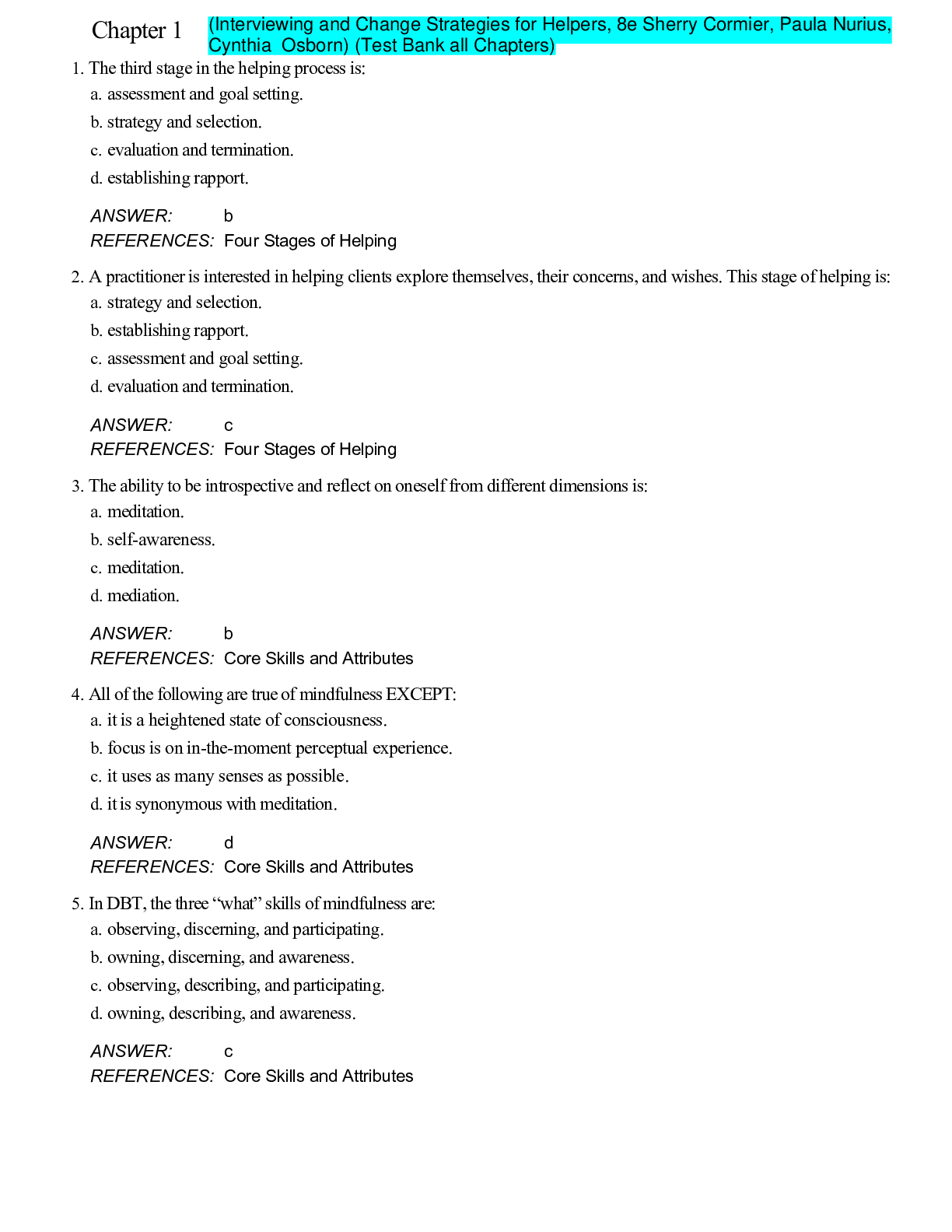
Interviewing and Change Strategies for Helpers 8th Edition By...
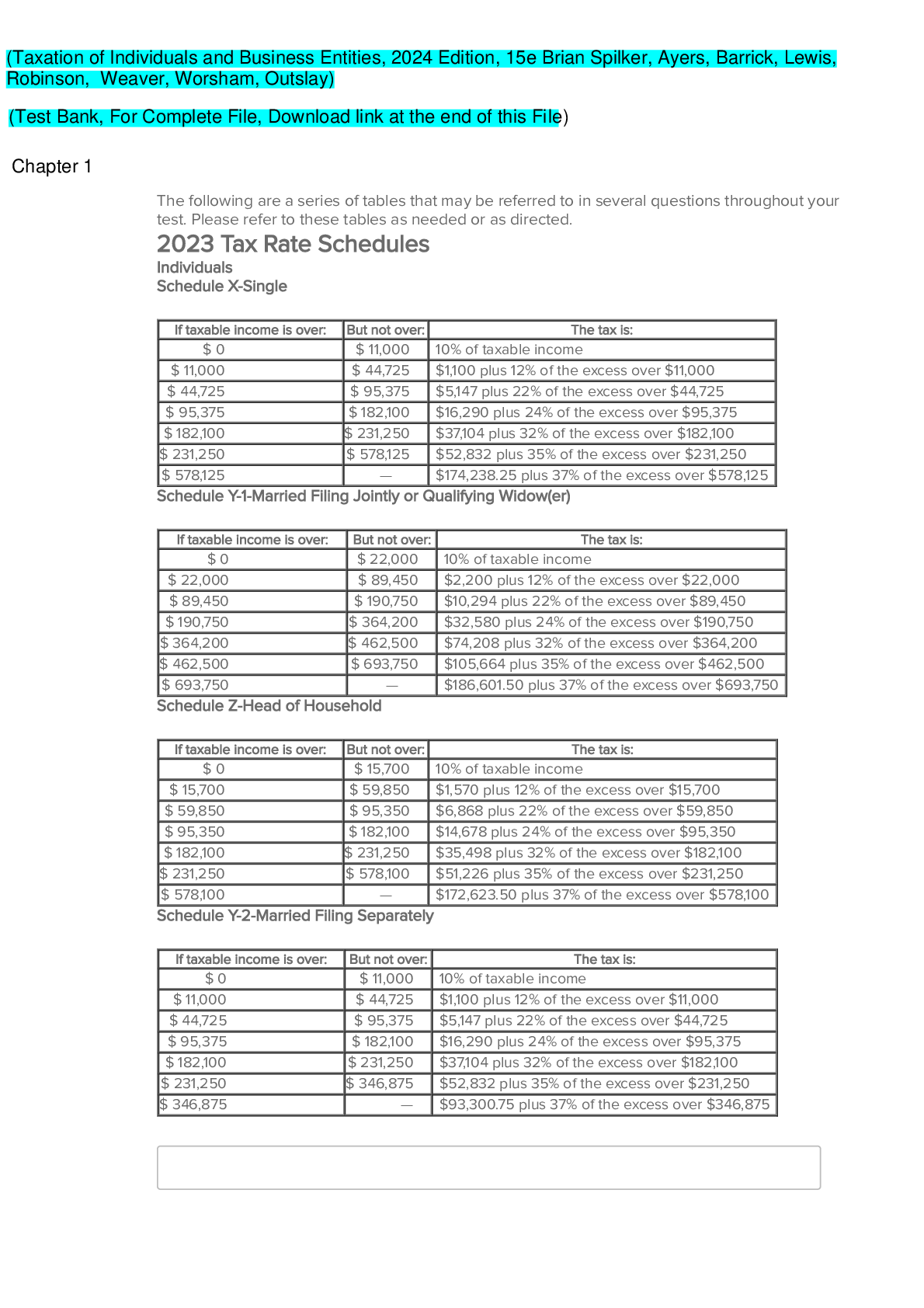
Taxation of Individuals and Business Entities, 2024 Edition 15...
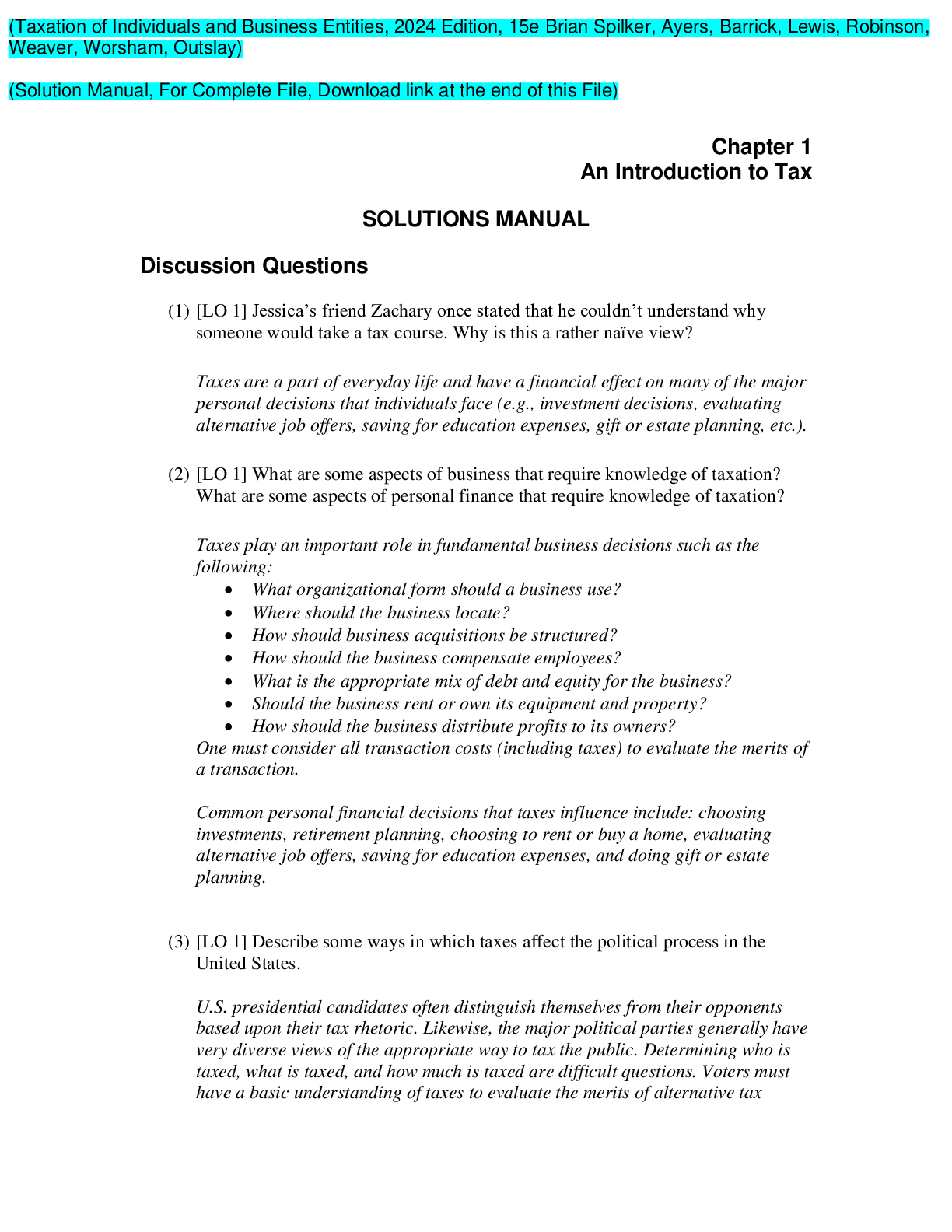
Taxation of Individuals and Business Entities, 2024 Edition 15...
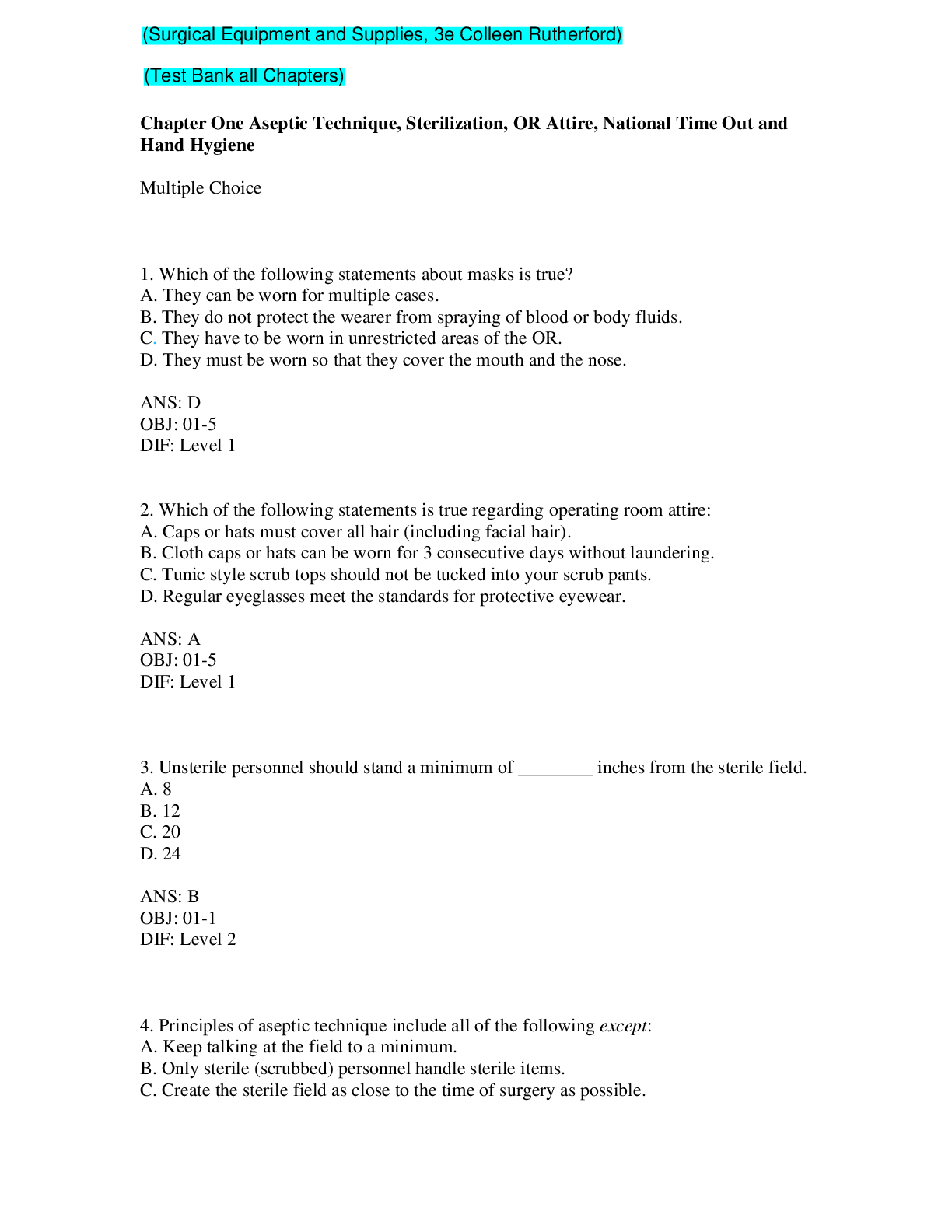
Surgical Equipment and Supplies 3rd Edition By Colleen Rutherf...
Principles of Taxation for Business and Investment Planning 20...
Principles of Taxation for Business and Investment Planning 20...
International Business 17e John Daniels, Lee Radebaugh, Daniel...
Industrial Organization Theory and Practice, 4e Don Waldman,...
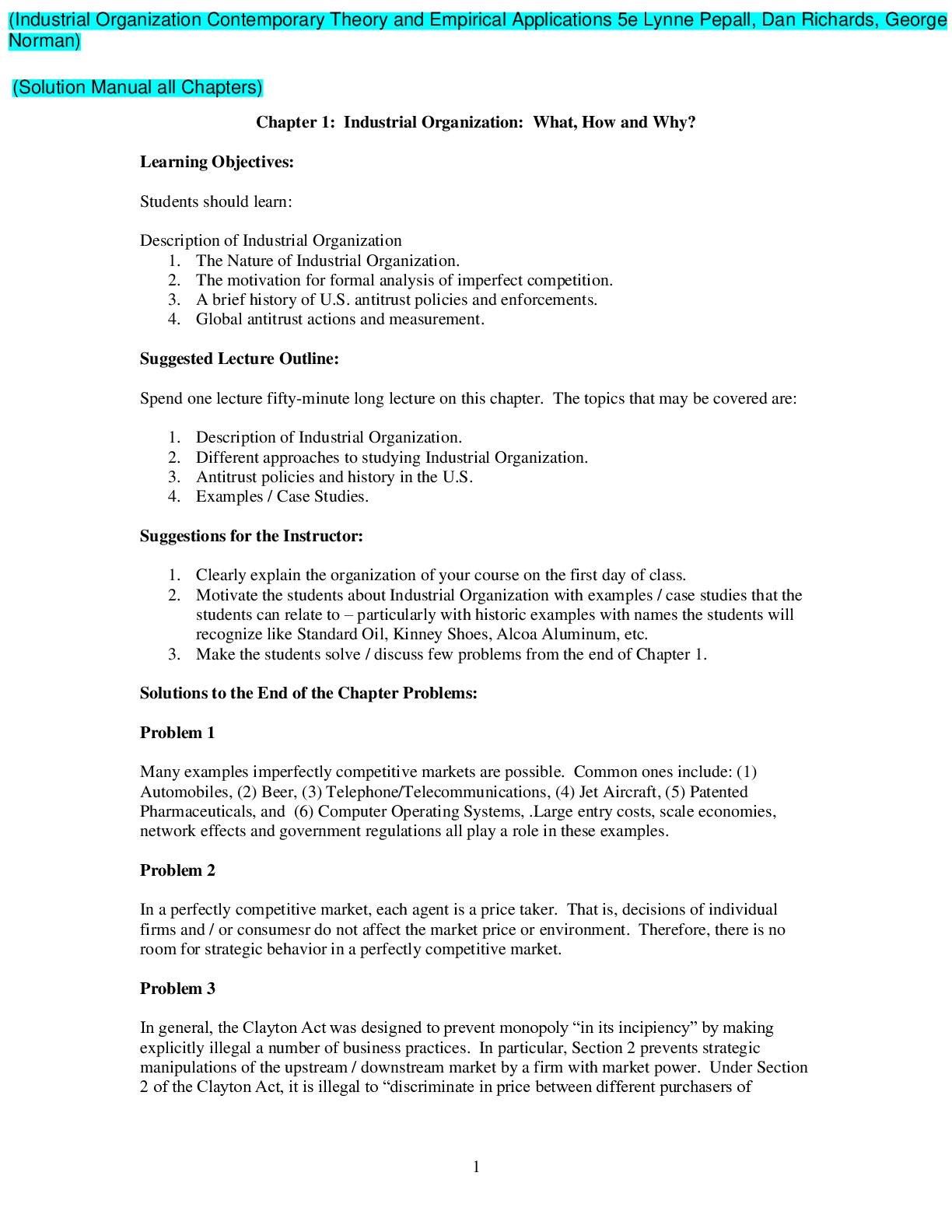
Industrial Organization Contemporary Theory and Empirical Appl...
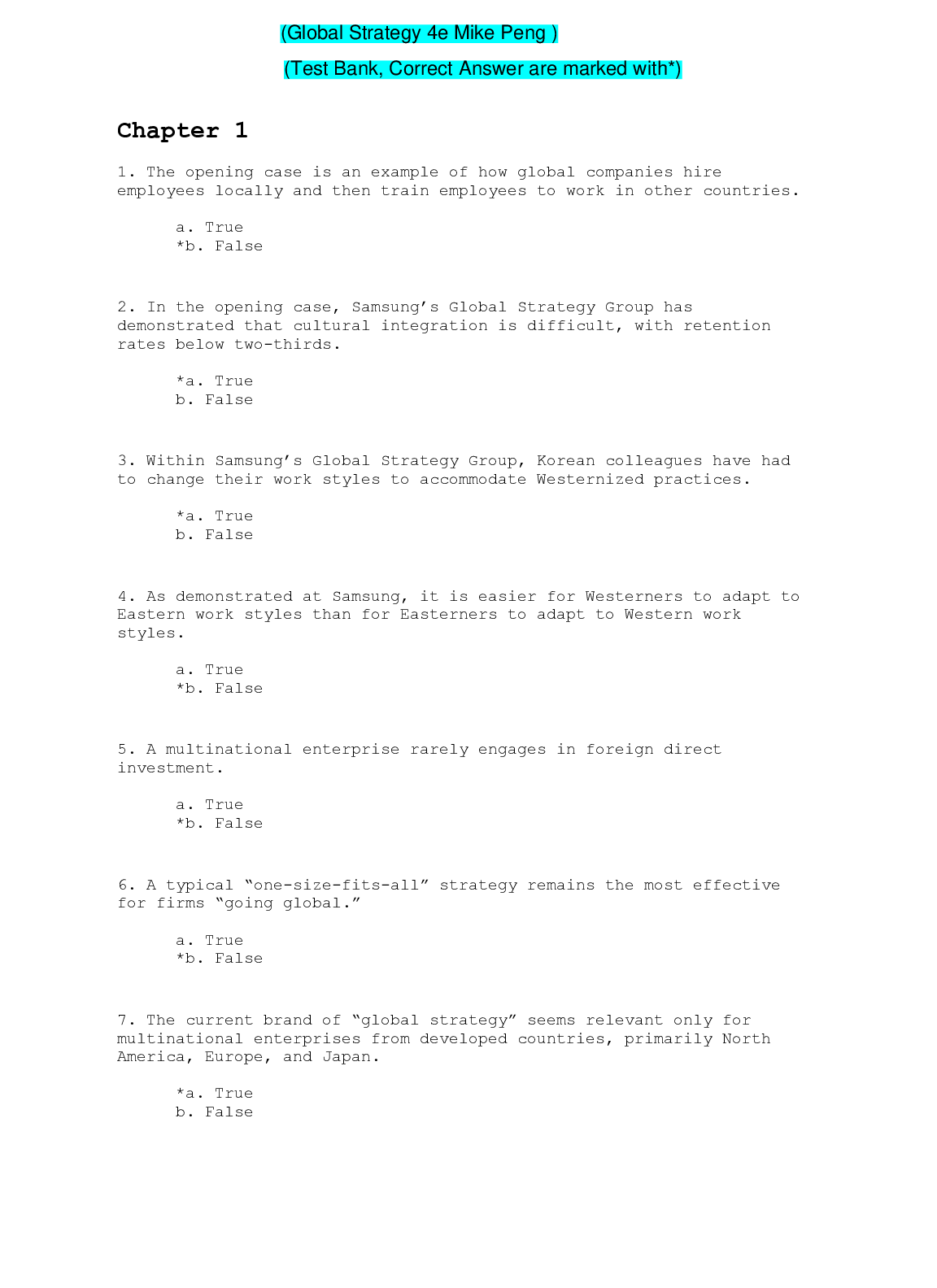
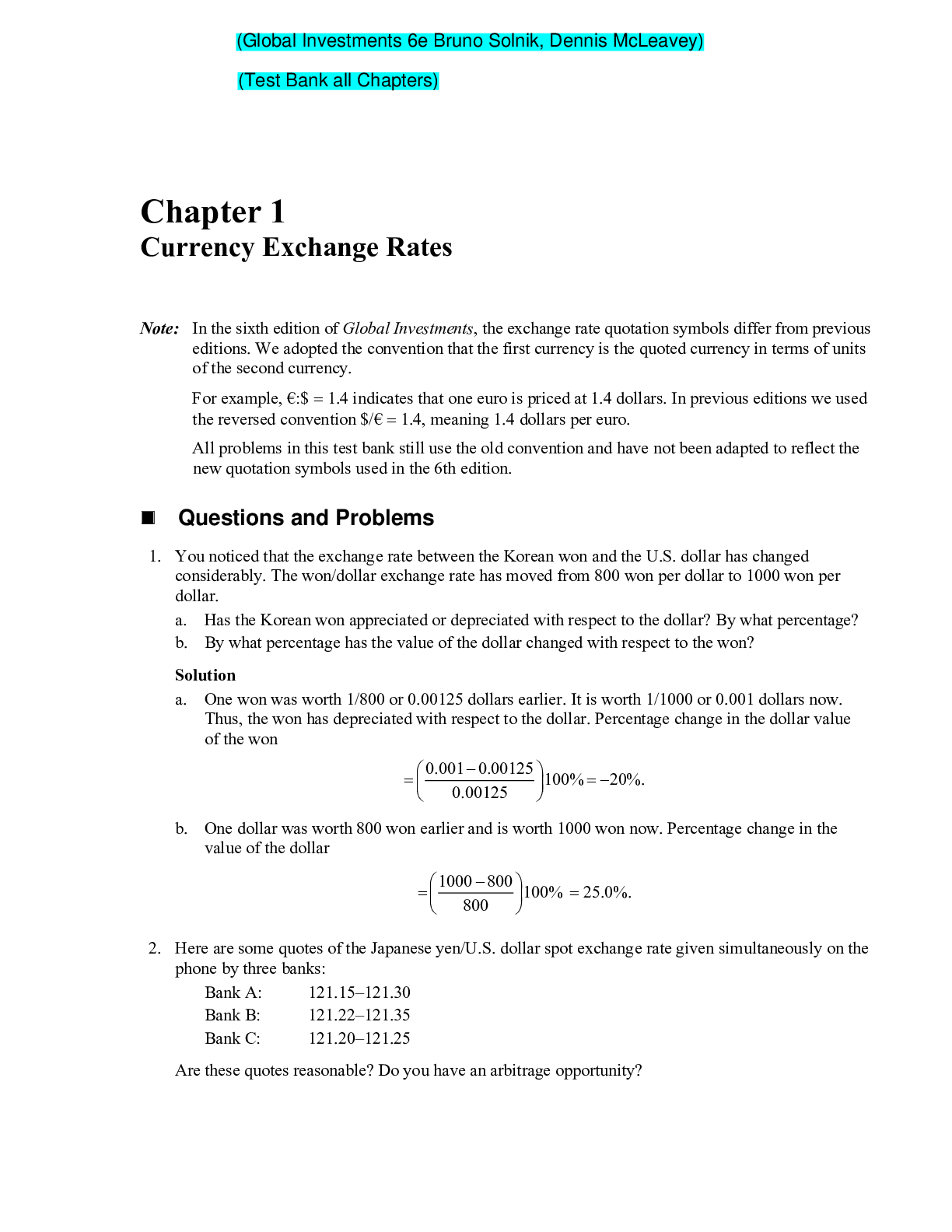
Global Investments 6e Bruno Solnik, Dennis McLeavey (Test Bank...
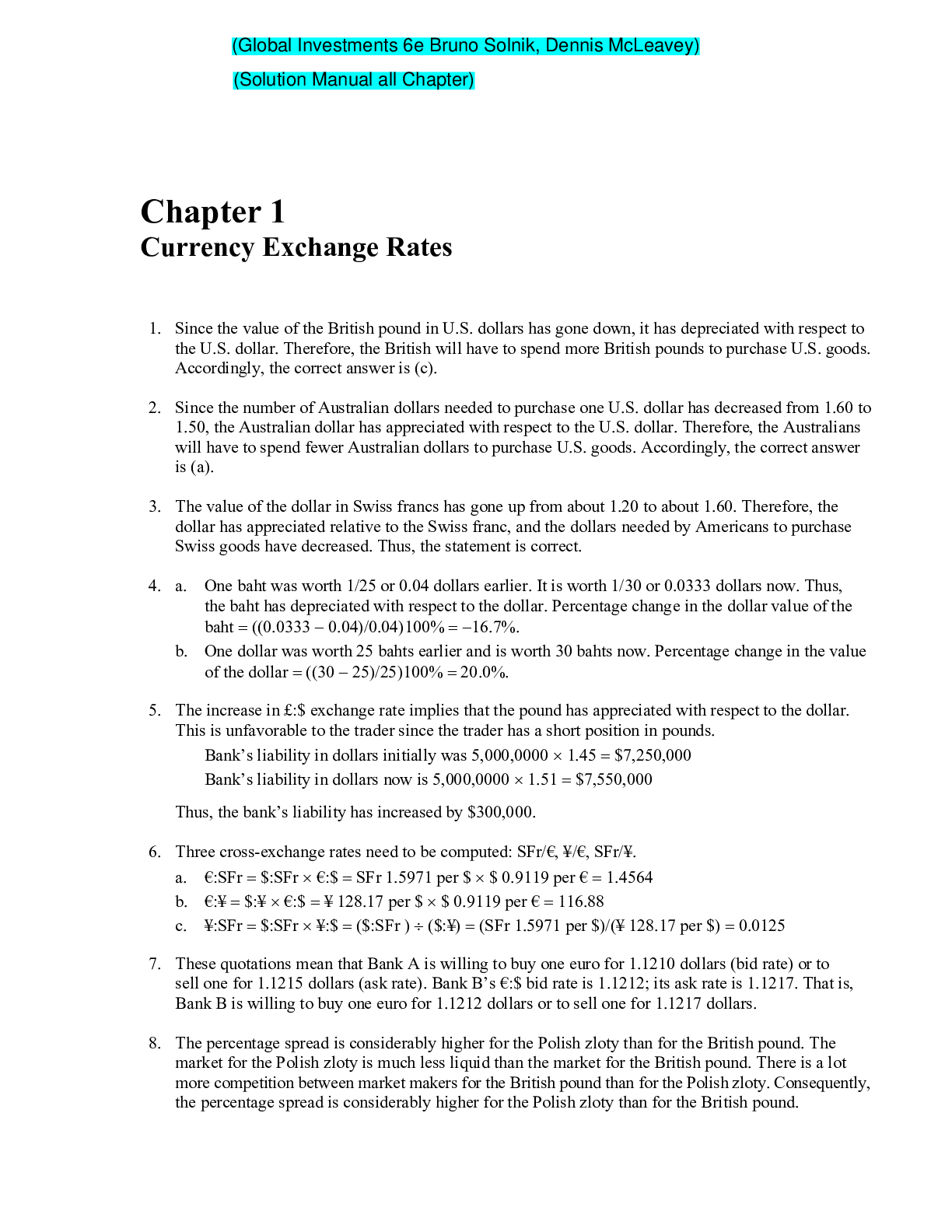
Solutions Manual for Global Investments 6th Edition Bruno Soln...
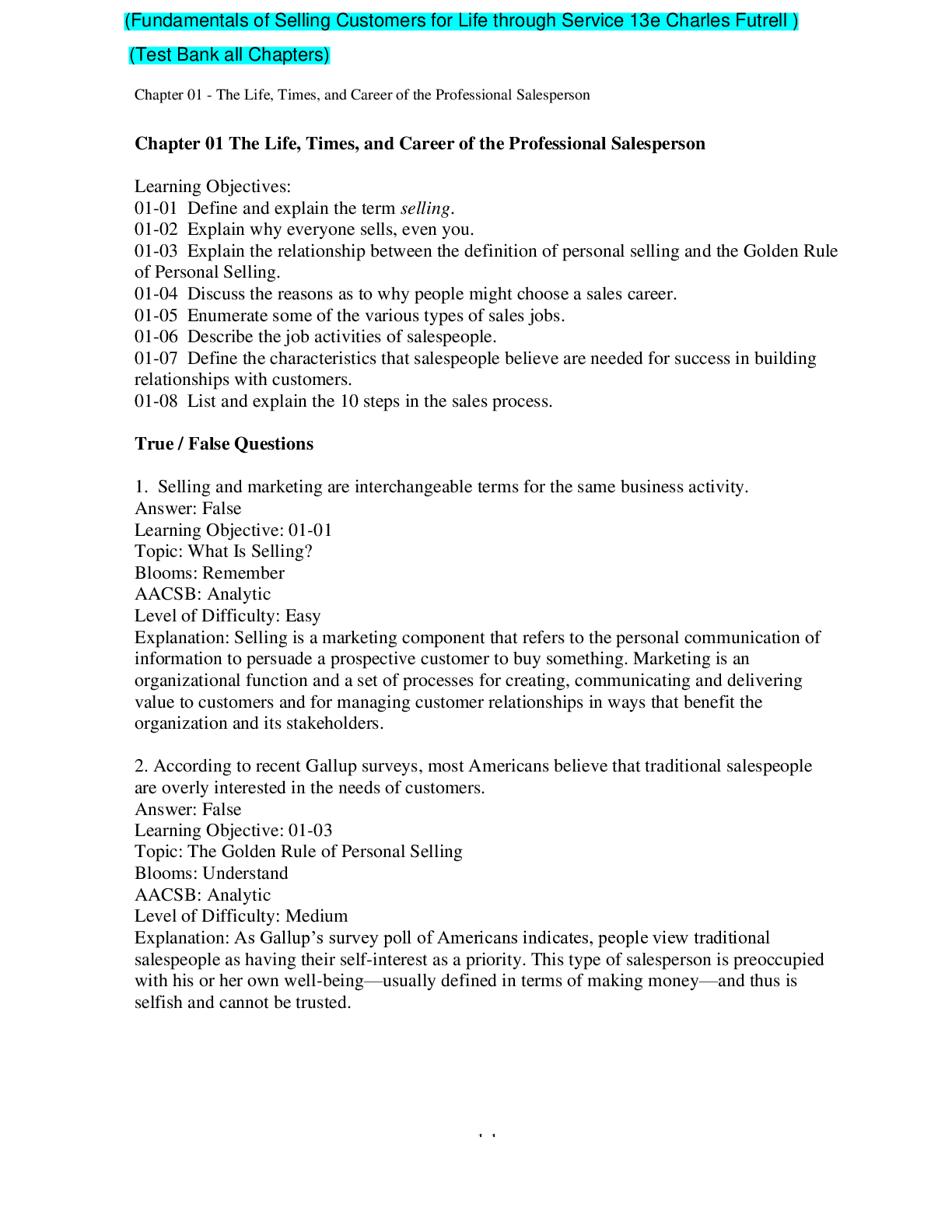
Fundamentals of Selling Customers for Life through Service 13e...
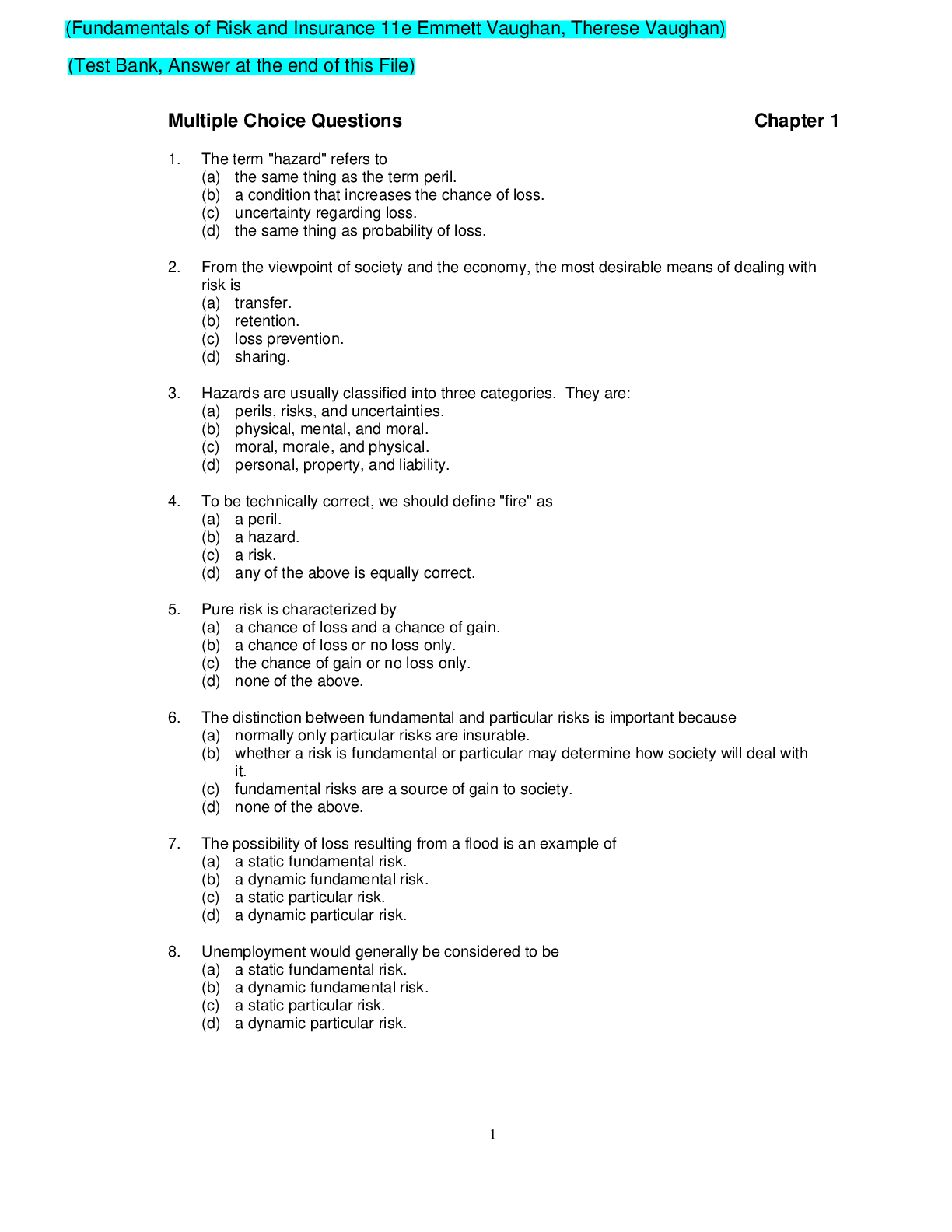
Fundamentals of Risk and Insurance 11e Emmett Vaughan, Therese...
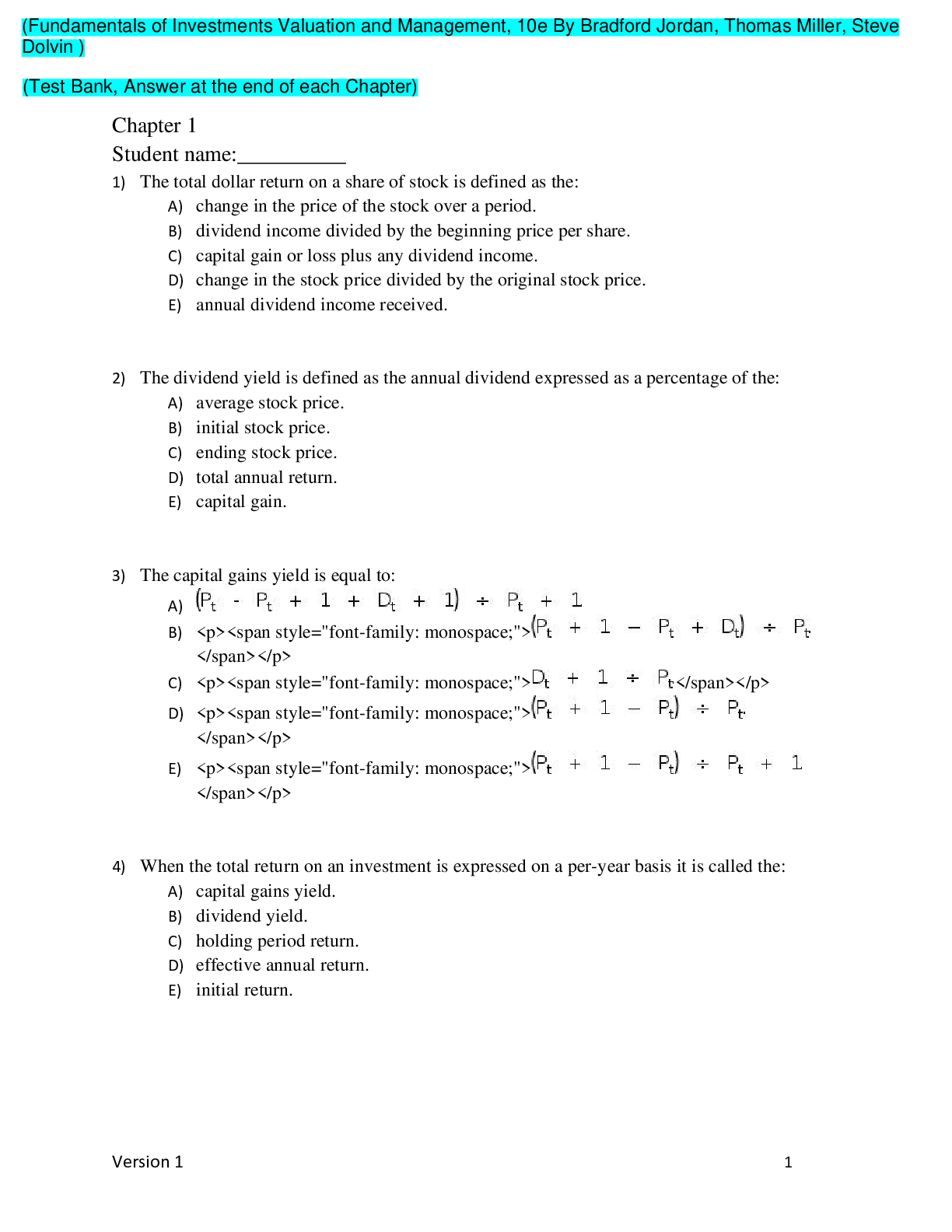
Fundamentals of Investments Valuation and Management, 10e By B...