NURSING > QUESTIONS & ANSWERS > NR 410 Exam 3 Study Guide Nursing Process (Taylor, Lynn & Bartlett Chapters 13-18) (All)
NR 410 Exam 3 Study Guide Nursing Process (Taylor, Lynn & Bartlett Chapters 13-18)
Document Content and Description Below
Last updated: 3 years ago
Preview 1 out of 22 pages
Instant download

Buy this Document to get the Full Access Instantly
Provided by Students Who Aced it
We Verify Document Content to Gurantee Accuracy
Reviews( 0 )
Document information
Connected school, study & course
About the document
Uploaded On
May 19, 2021
Number of pages
22
Written in
All

Additional information
This document has been written for:
Uploaded
May 19, 2021
Downloads
0
Views
138
Topic Tags
Recommended For You
Get more on QUESTIONS & ANSWERS »
TEST BANK for Brunner & Suddarth's Medical-Surgical Nursing Pr...
Safe Maternity and Pediatric Nursing Care 2nd Edition Linnard-...
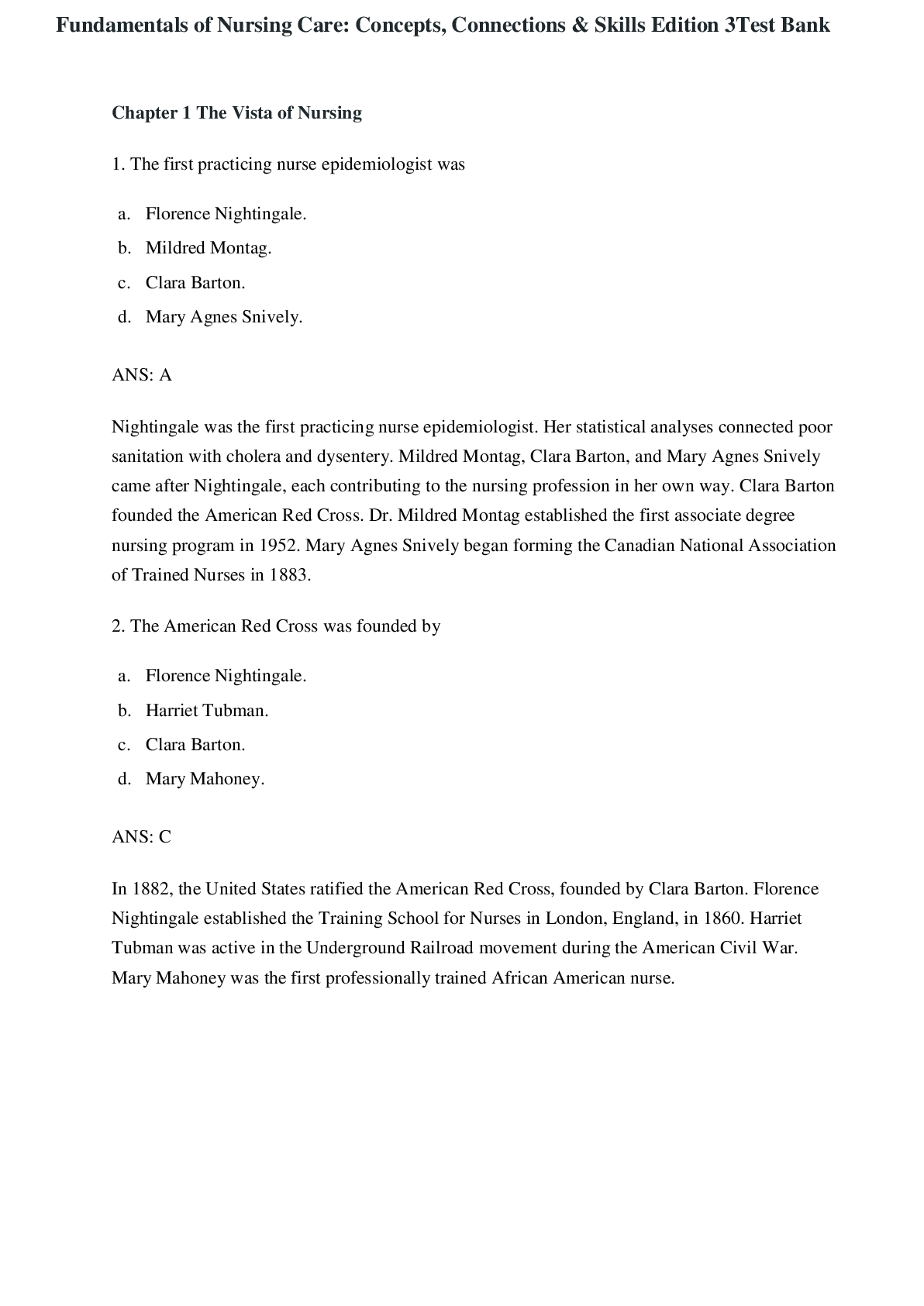
Fundamentals of Nursing Care Concepts, Connections & Skills 3r...

Leading and Managing in Canadian Nursing 2nd Edition Yoder-Wis...

TEST BANK for Nursing Interventions & Clinical Skills, 7th Edi...
 (2).png)
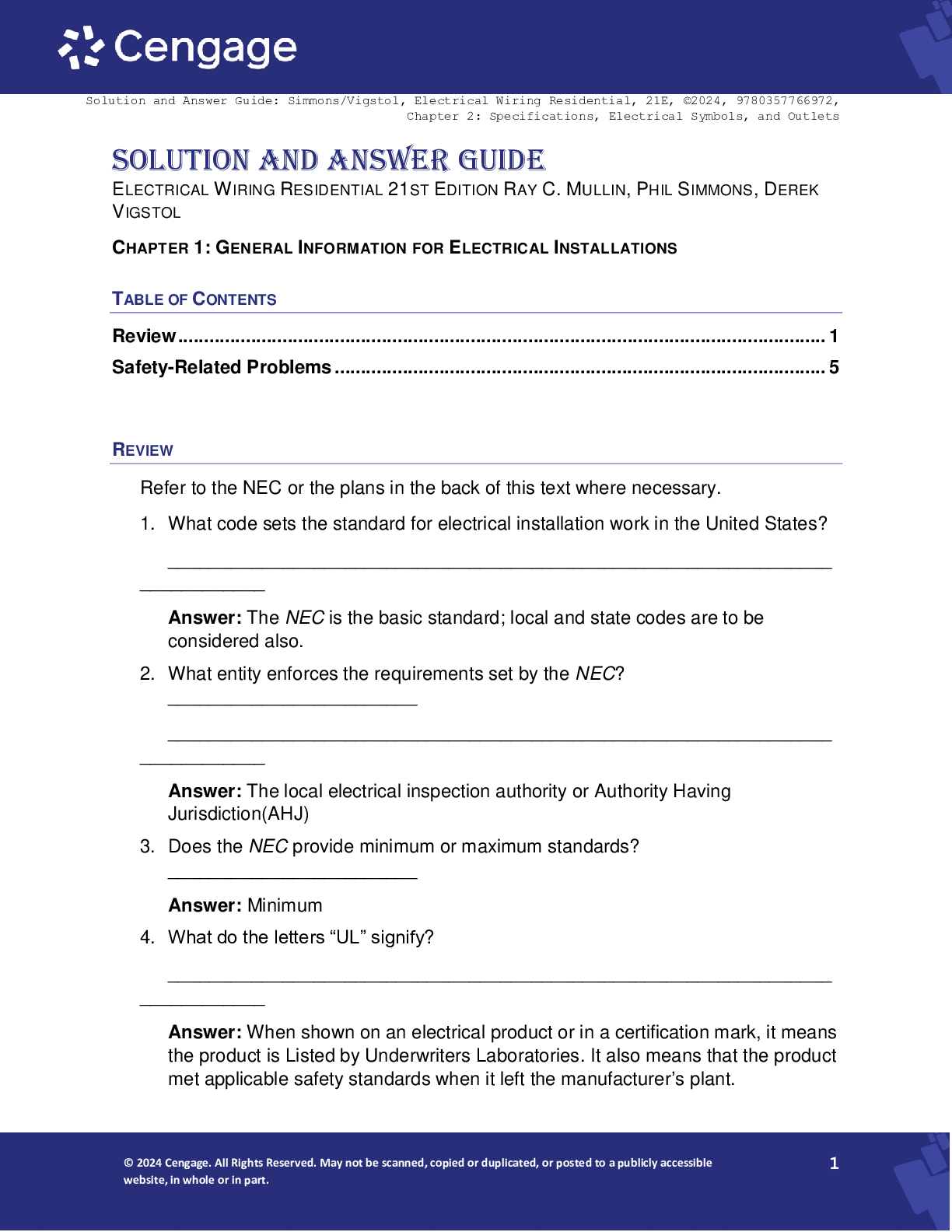
Solutions Manual Electrical Wiring Residential 21st Edition by...
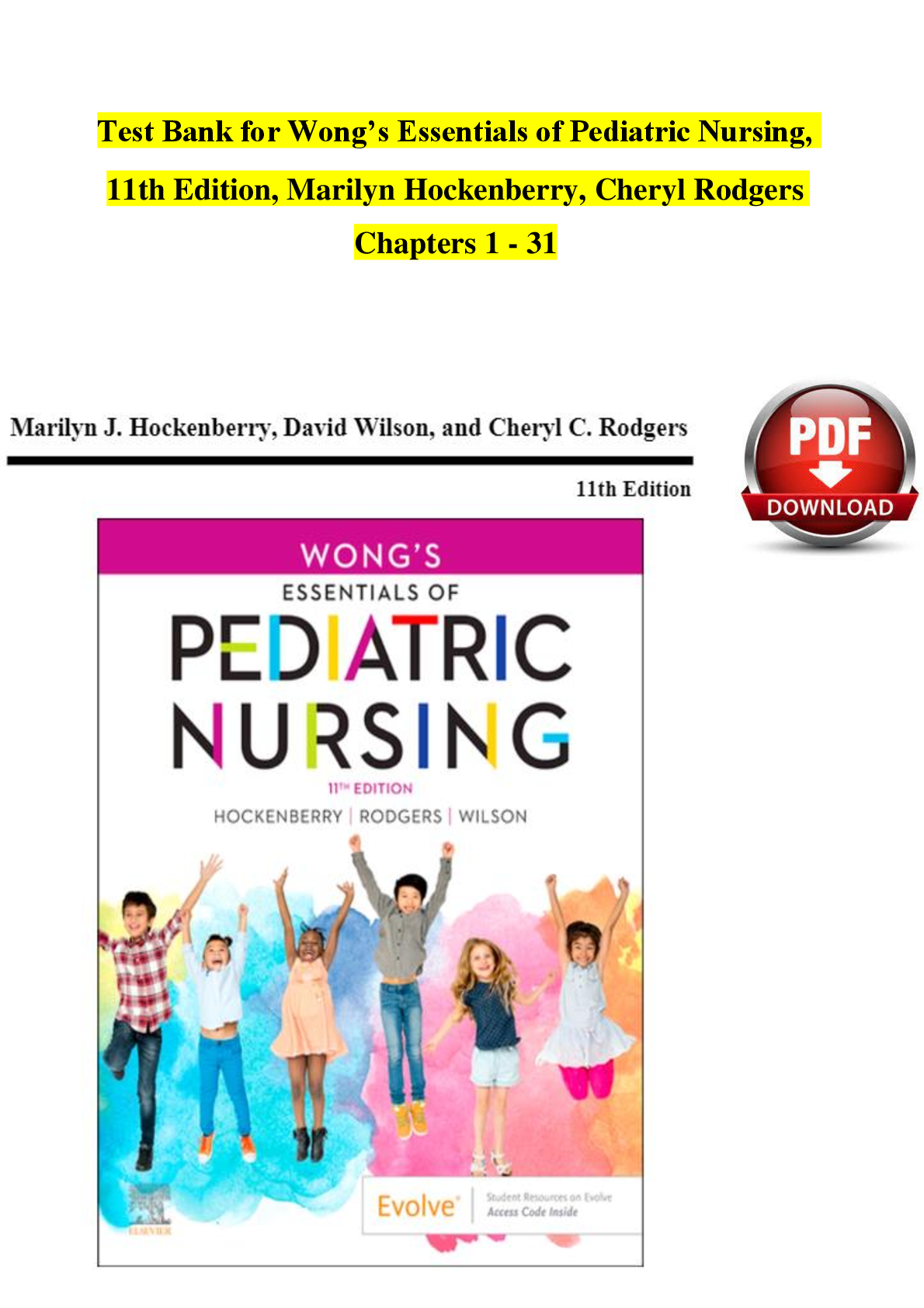
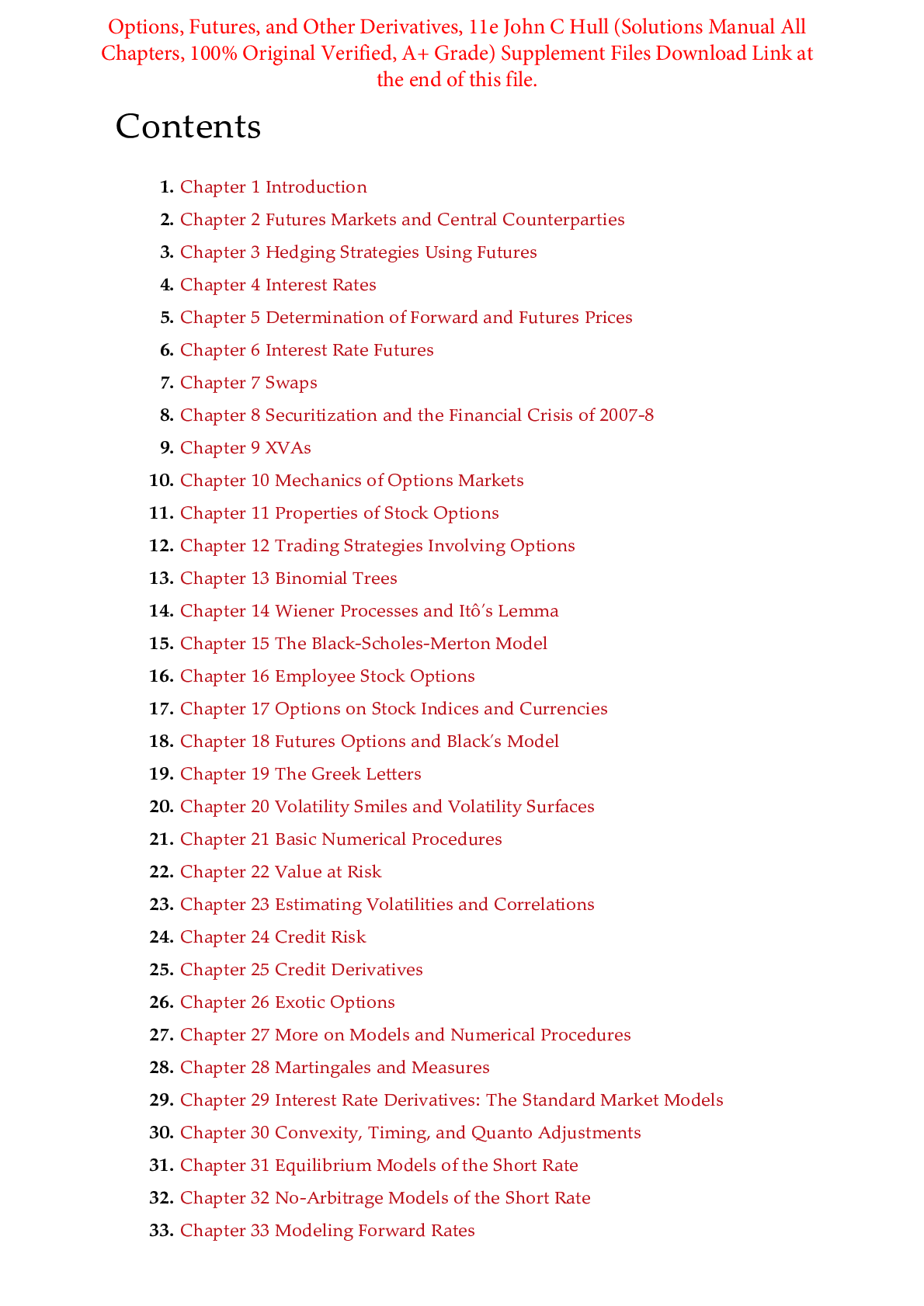
Options, Futures, and Other Derivatives 11th edition By John C...
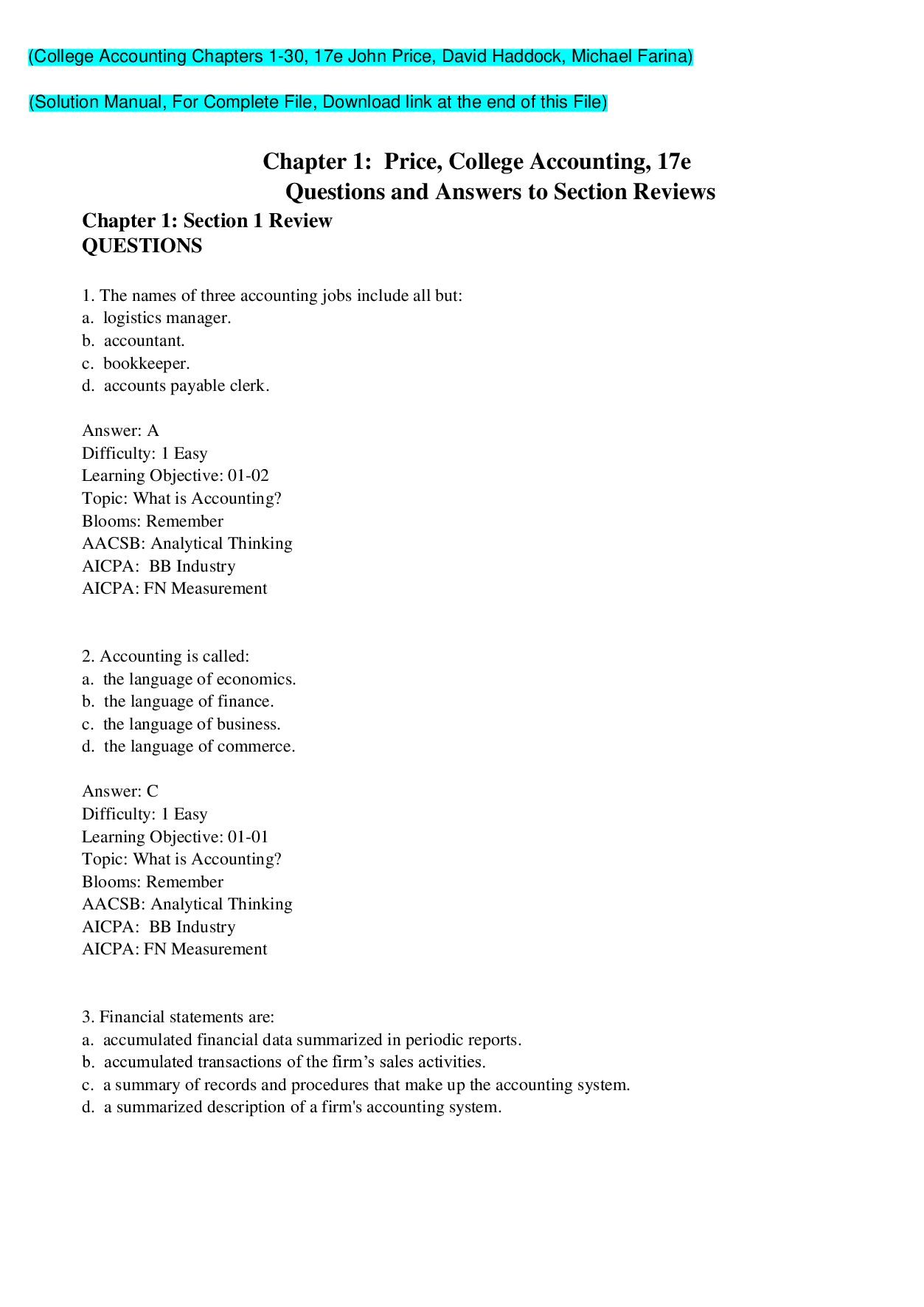
College Accounting Chapters 1-30 17th Edition By John Price, D...