Computer Science > QUESTIONS & ANSWERS > CS 573: Algorithms, Fall 2013 Homework 3: Solutions (All)
CS 573: Algorithms, Fall 2013 Homework 3: Solutions
Document Content and Description Below
Last updated: 7 months ago
Preview 1 out of 4 pages
Instant download

Buy this Document to get the Full Access Instantly
Provided by Students Who Aced it
We Verify Document Content to Gurantee Accuracy
Reviews( 0 )
Document information
Connected school, study & course
About the document
Uploaded On
May 21, 2021
Number of pages
4
Written in
All

Additional information
This document has been written for:
Uploaded
May 21, 2021
Downloads
0
Views
107
Topic Tags
Recommended For You
Get more on QUESTIONS & ANSWERS »
CS 573: Algorithms, Fall 2013 Homework 3: Solutions Version 1....

Concepts of Programming Languages 12th Edition By Robert W. Se...

Introduction to Programming with Java A Problem Solving Approa...
Introduction to JavaScript Programming with XML and PHP 1st Ed...


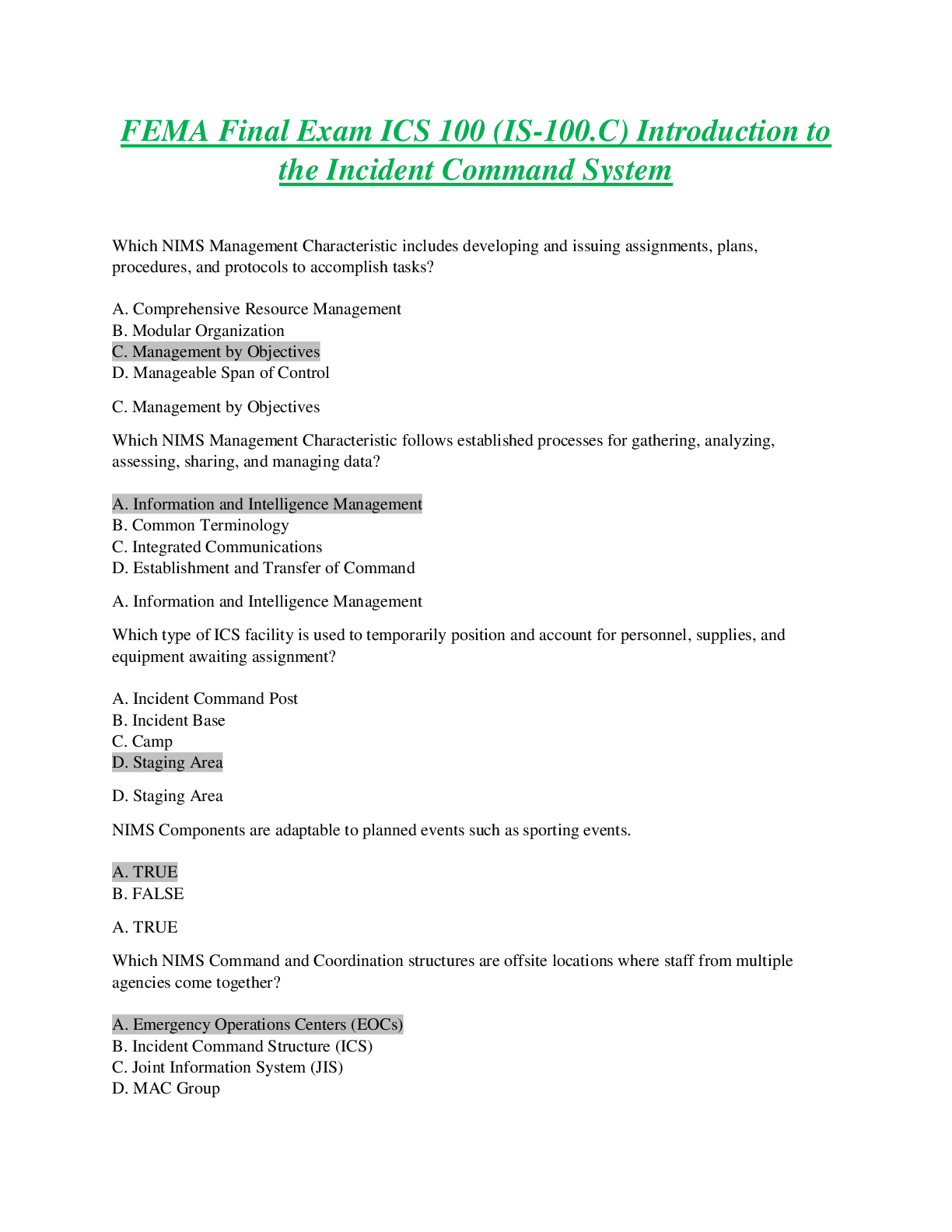
FEMA Final Exam ICS 100 (IS-100.C) Introduction to the Inciden...

![Preview of [eTextbook] [PDF] CompTIA Network+ Guide to Networks 9th edition By Jill West](https://browseimages.nyc3.digitaloceanspaces.com/paper-images/2025/Jan/18/o6ppor3h2025-01-18-02-55678b96c116501.png)

 Charles Herrick - 100 Q&A About Alcoholism & Drug Addiction-Jones and Bartlett Publishers, Inc.png)