Sociology > CASE STUDY > Jersey College SOCIOLOGY 101 Ms. Winnie Case Study (All)
Jersey College SOCIOLOGY 101 Ms. Winnie Case Study
Document Content and Description Below
Last updated: 3 years ago
Preview 1 out of 4 pages
Instant download
.png)
Buy this Document to get the Full Access Instantly
Provided by Students Who Aced it
We Verify Document Content to Gurantee Accuracy
Reviews( 0 )
Document information
Connected school, study & course
About the document
Uploaded On
May 27, 2021
Number of pages
4
Written in
All

Additional information
This document has been written for:
Uploaded
May 27, 2021
Downloads
0
Views
220
Document Keyword Tags
Recommended For You
Get more on CASE STUDY ».png)
Test Bank for Discover Sociology 4th Edition By William Chambl...
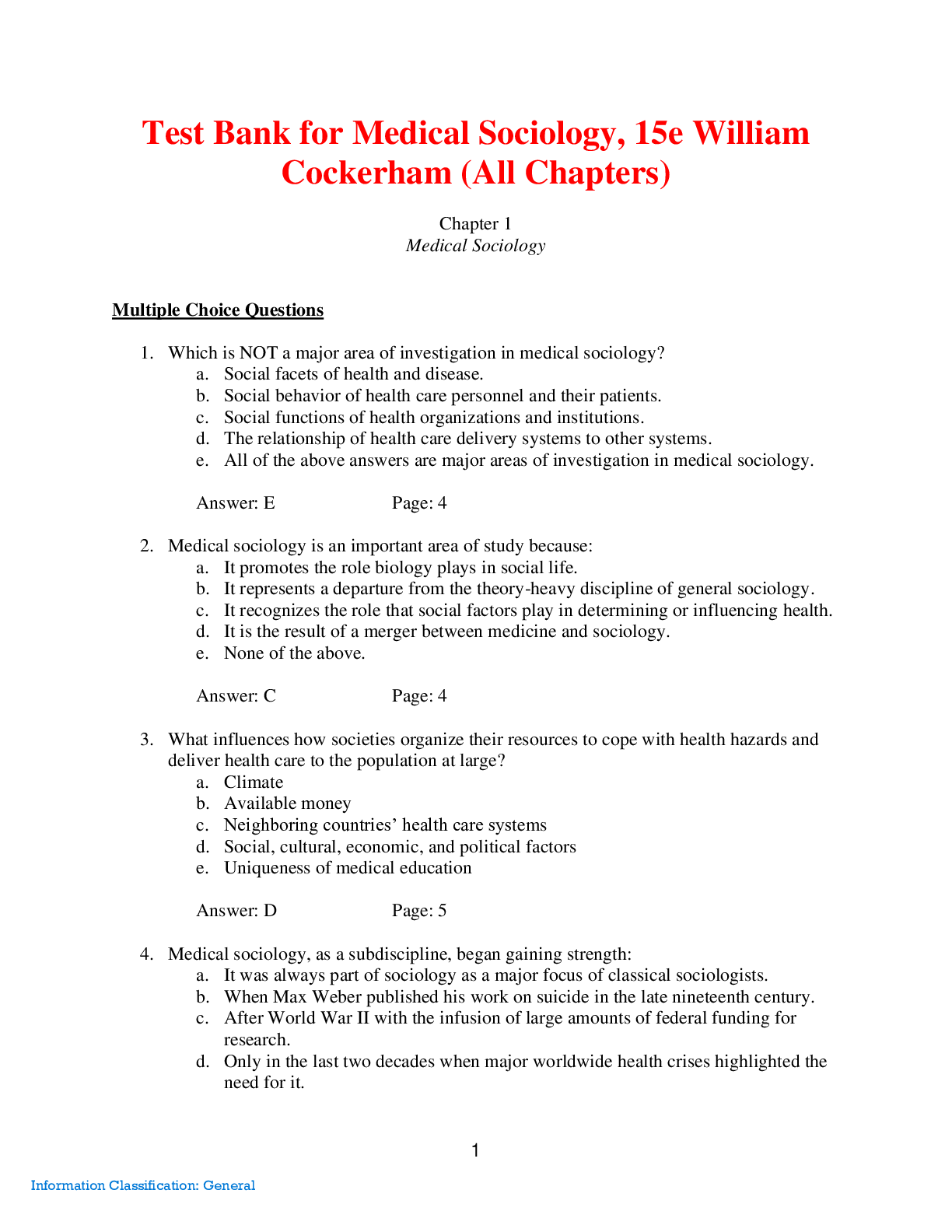
Medical Sociology, 15th Edition William Cockerham | Test Bank

The Real World An Introduction to Sociology 5th Edition By Ker...

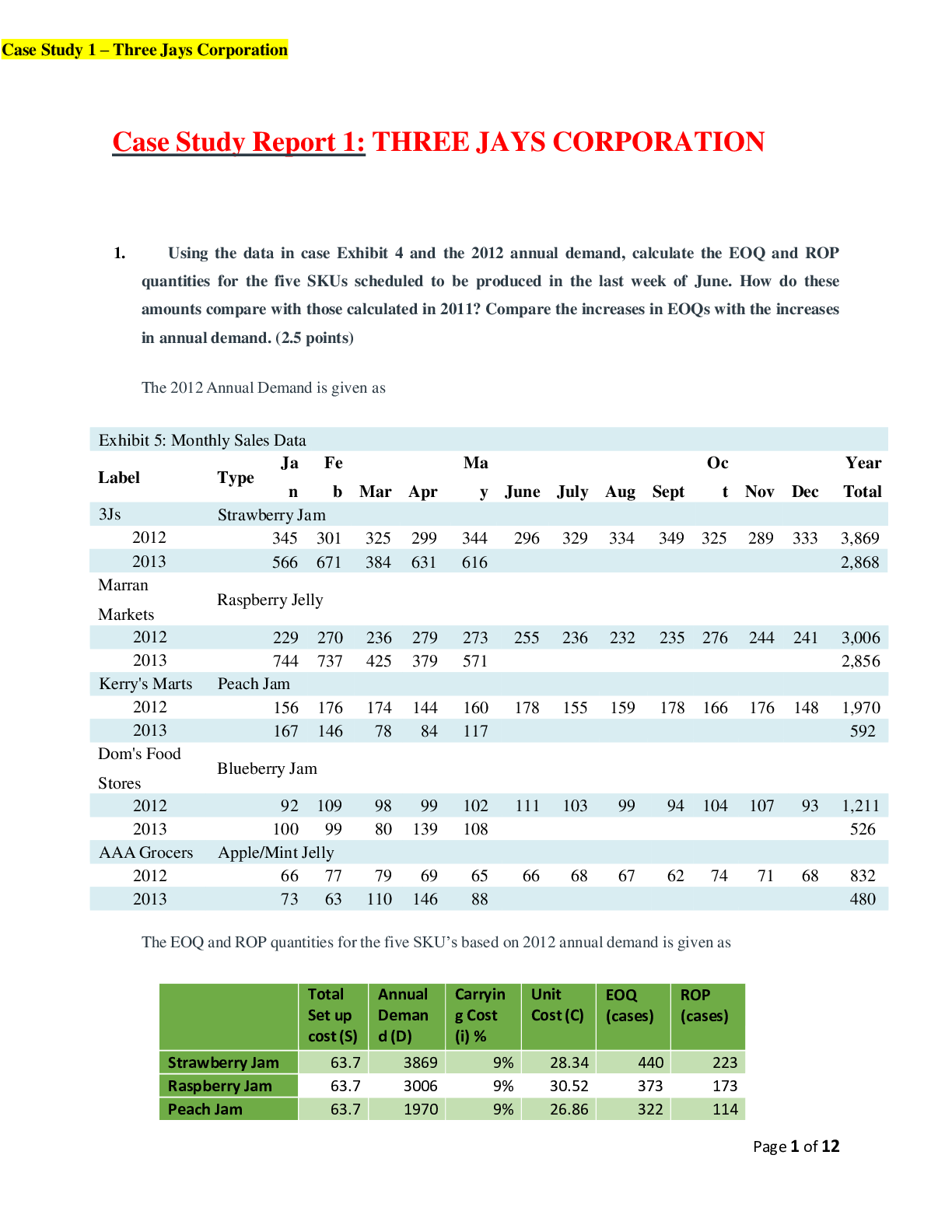
SOC 200 - Case Study Report 1: THREE JAYS CORPORATION; Complet...

.png)
SOC 210 Test 7 Questions and Answers- Western Governors Univer...

SOC 210 Test 6 Questions and Answers- Western Governors Univer...

SOC 450 / SOC450 Week 7 Quiz Latest Updated 2022 Already Grade...

A Concise Introduction to Logic, 12e Patrick Hurley (Instructo...

Live The Life You Desire New York UniversityCHILD AND CAMS-UA...

Middle Tennessee State University - SOC 101Quiz 2 Chapters 4-7
.png)




 (1).png)

.png)