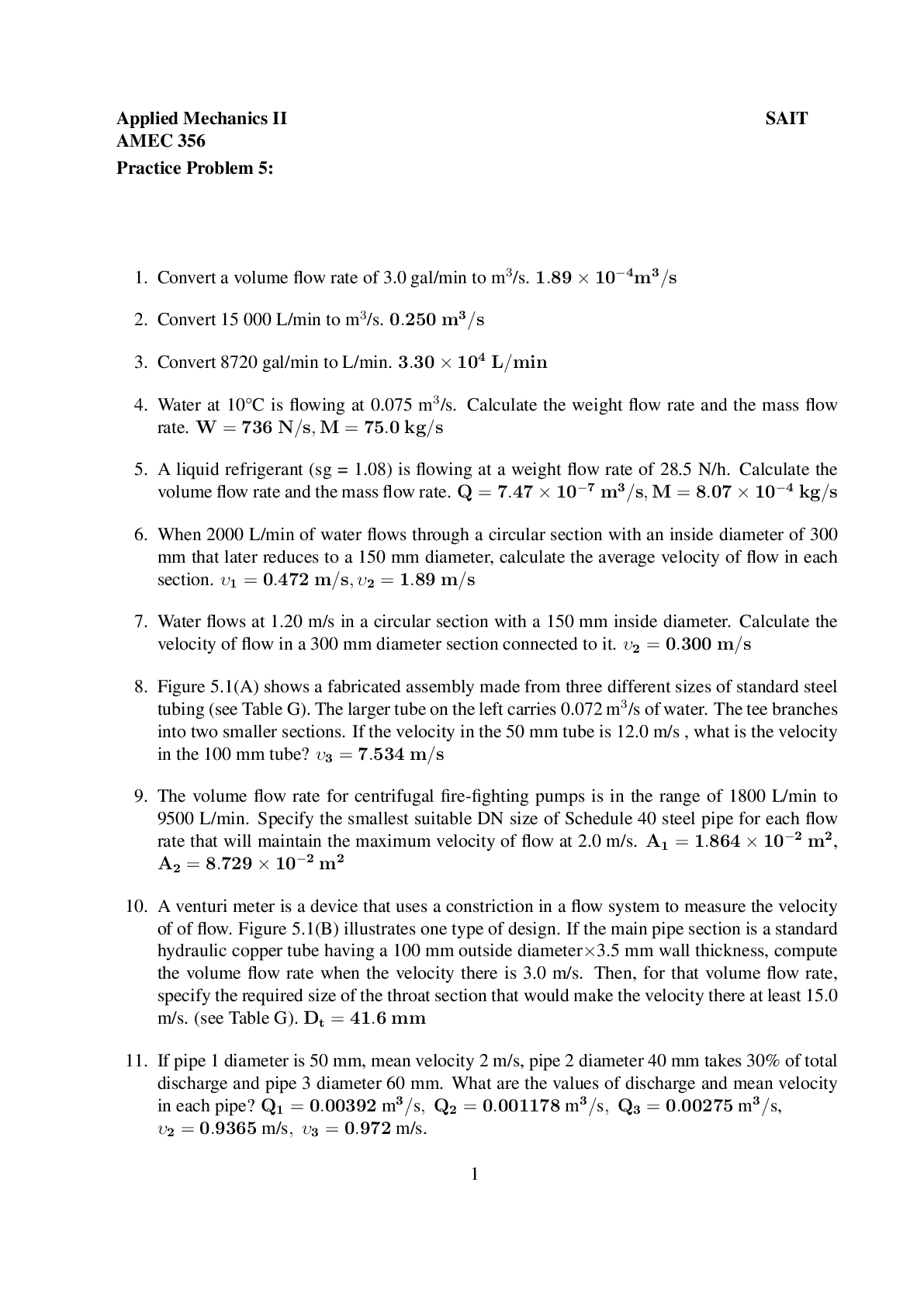
Mechanical Engineering > QUESTIONS & ANSWERS > Southern Alberta Institute of TechnologyAMEC 2 356problem5 ( 100% CORRECT SOLUTIONS AND ANSWERS ) (All)
Southern Alberta Institute of TechnologyAMEC 2 356problem5 ( 100% CORRECT SOLUTIONS AND ANSWERS )
Document Content and Description Below
Last updated: 8 months ago
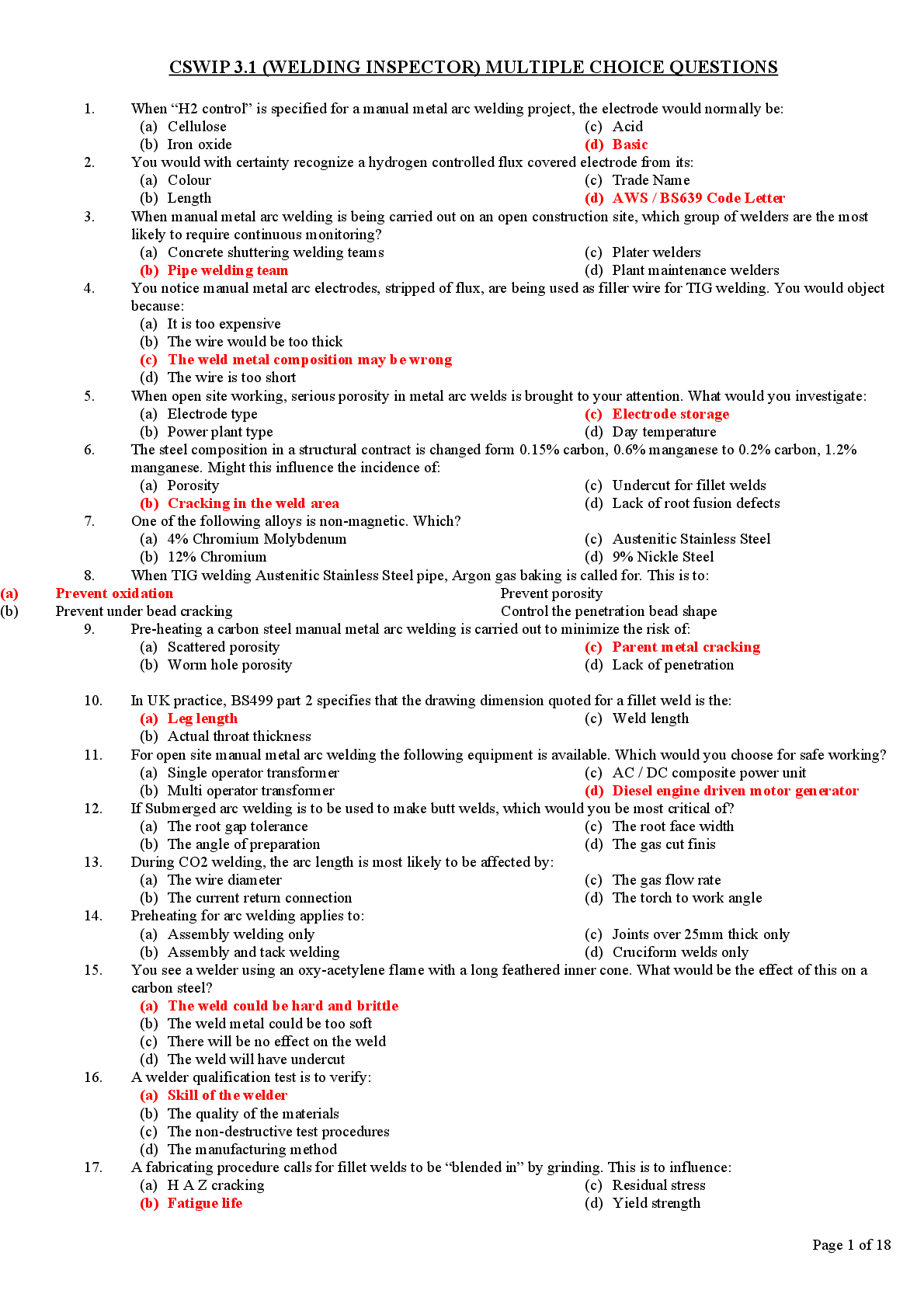
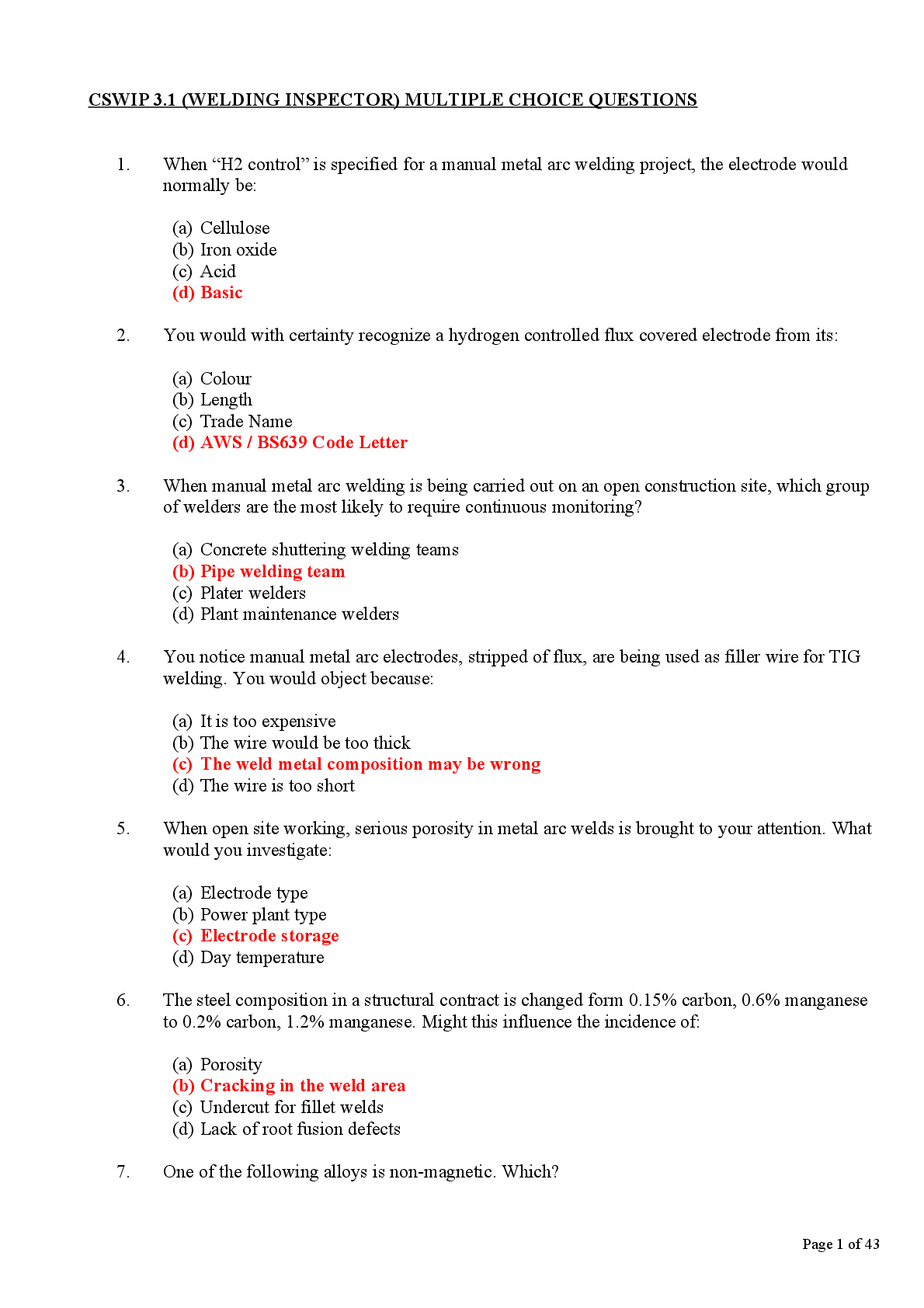
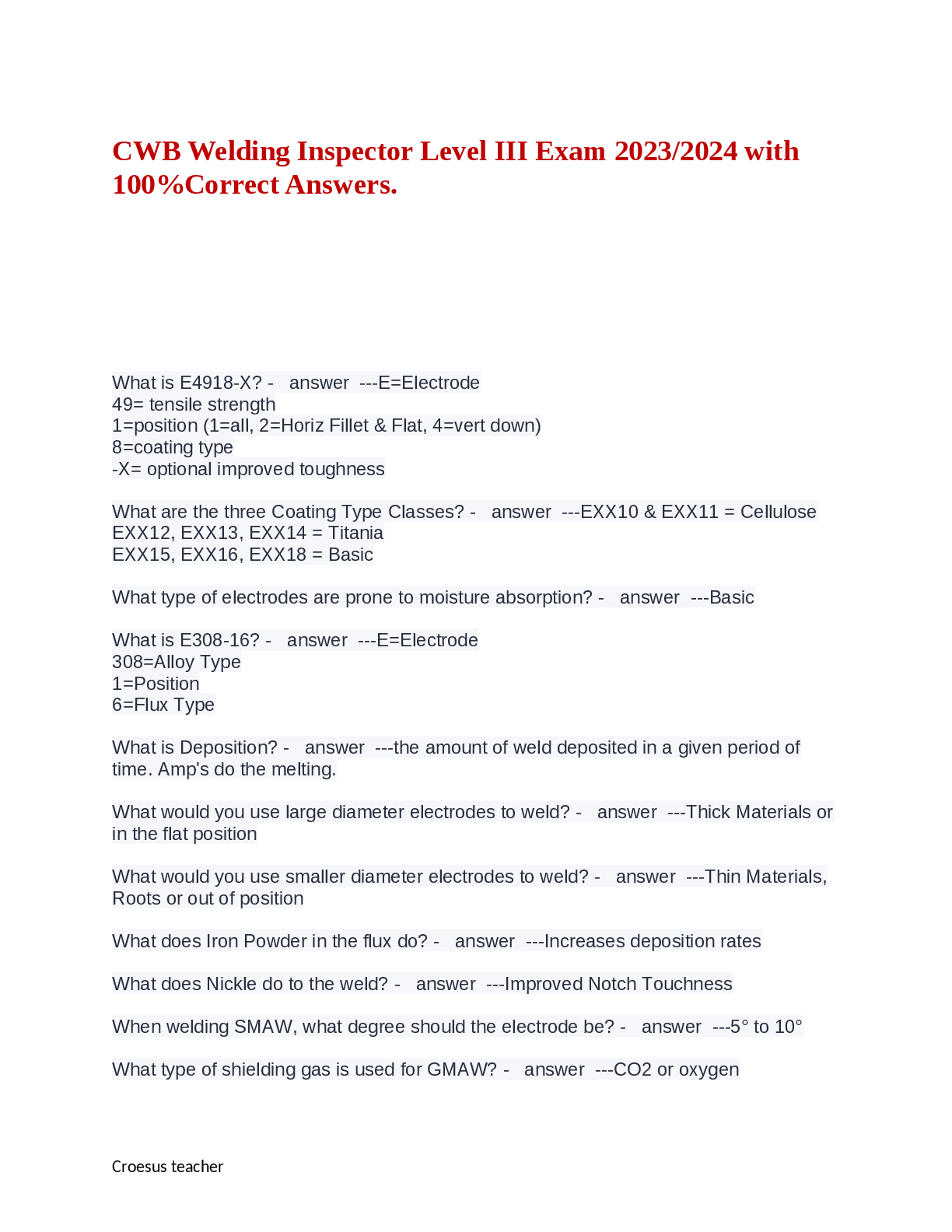
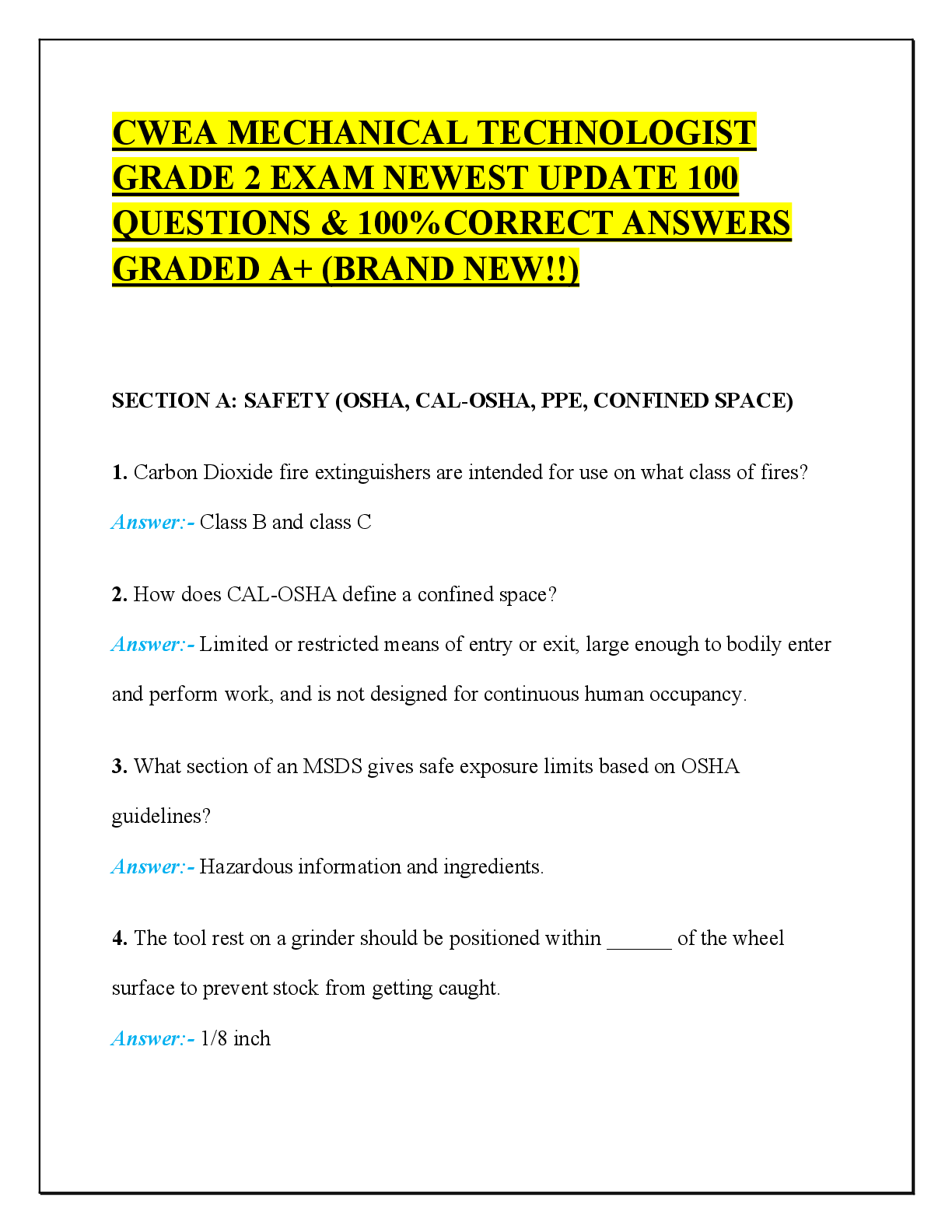
Preview 1 out of 4 pages
Instant download
Buy this Document to get the Full Access Instantly
Provided by Students Who Aced it
We Verify Document Content to Gurantee Accuracy
Reviews( 0 )
Document information
Connected school, study & course
About the document
Uploaded On
Jun 08, 2021
Number of pages
4
Written in
All

Additional information
This document has been written for:
Uploaded
Jun 08, 2021
Downloads
0
Views
235
Topic Tags
Recommended For You
Get more on QUESTIONS & ANSWERS »
Northern Alberta Institute of TechnologyME MISCMECE300_assignm...
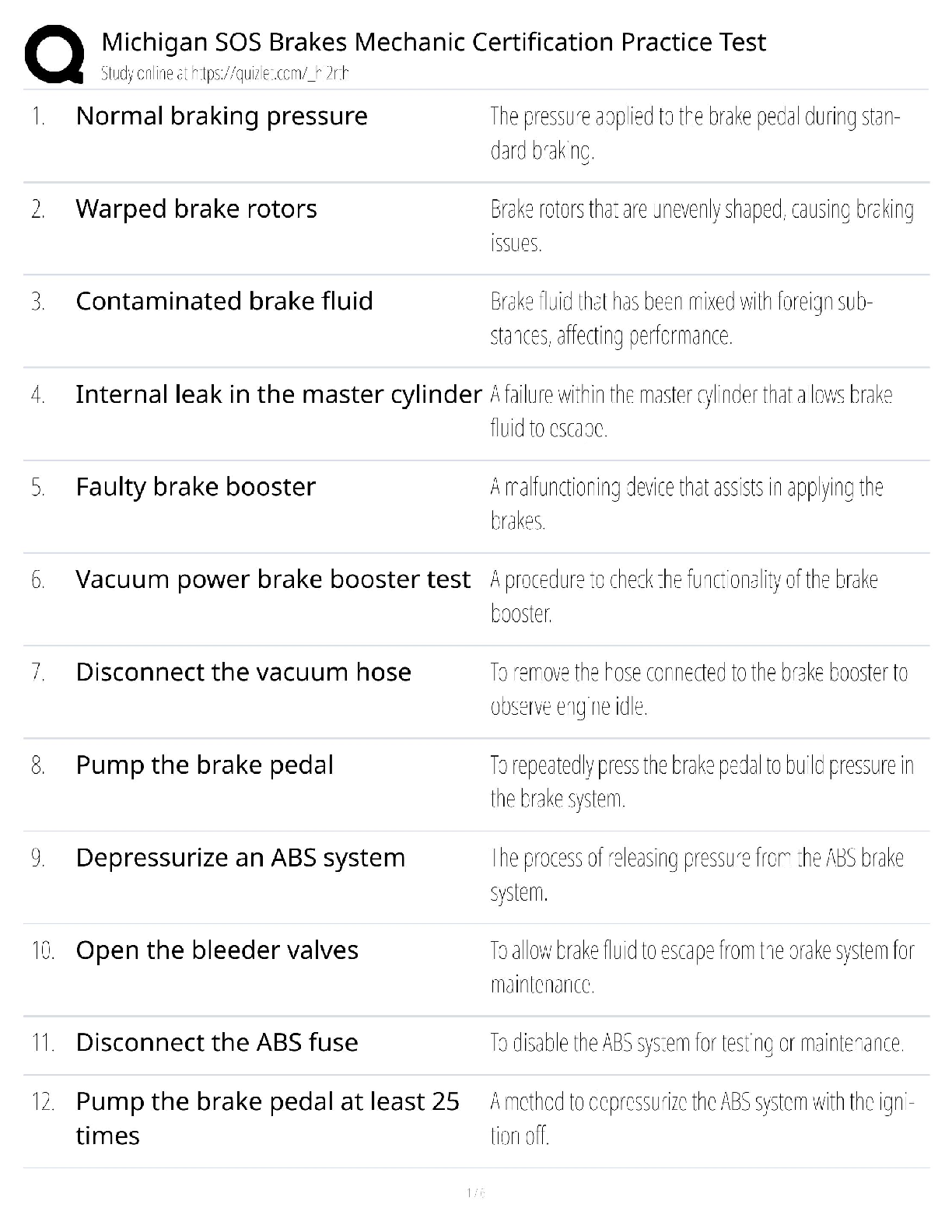
Michigan SOS Brakes / Mechanic Certification Practice Test / E...
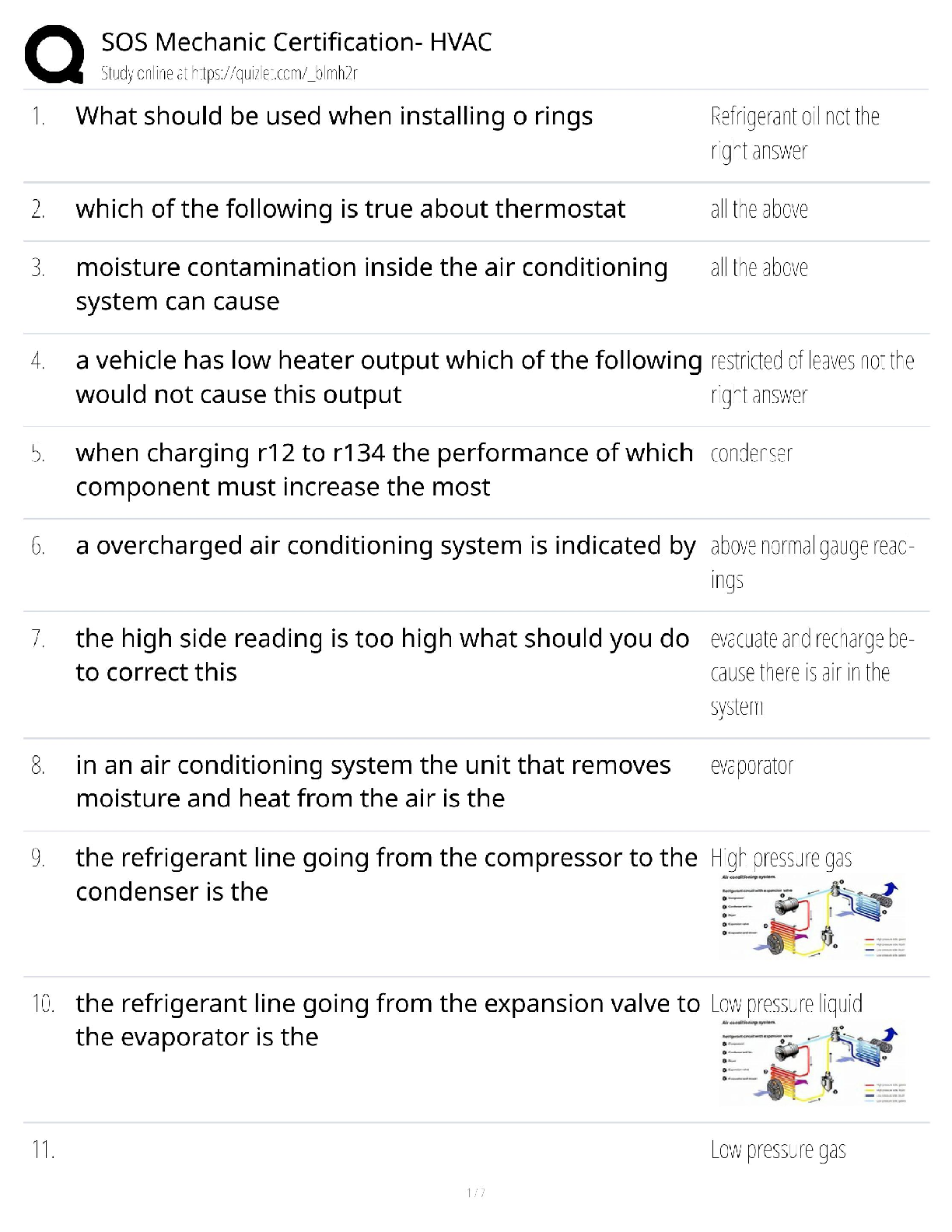
SOS Mechanic Certification - HVAC / HVACR Technician Exam / 20...

Engineering & Technology Mechanical Engineering In the figur...

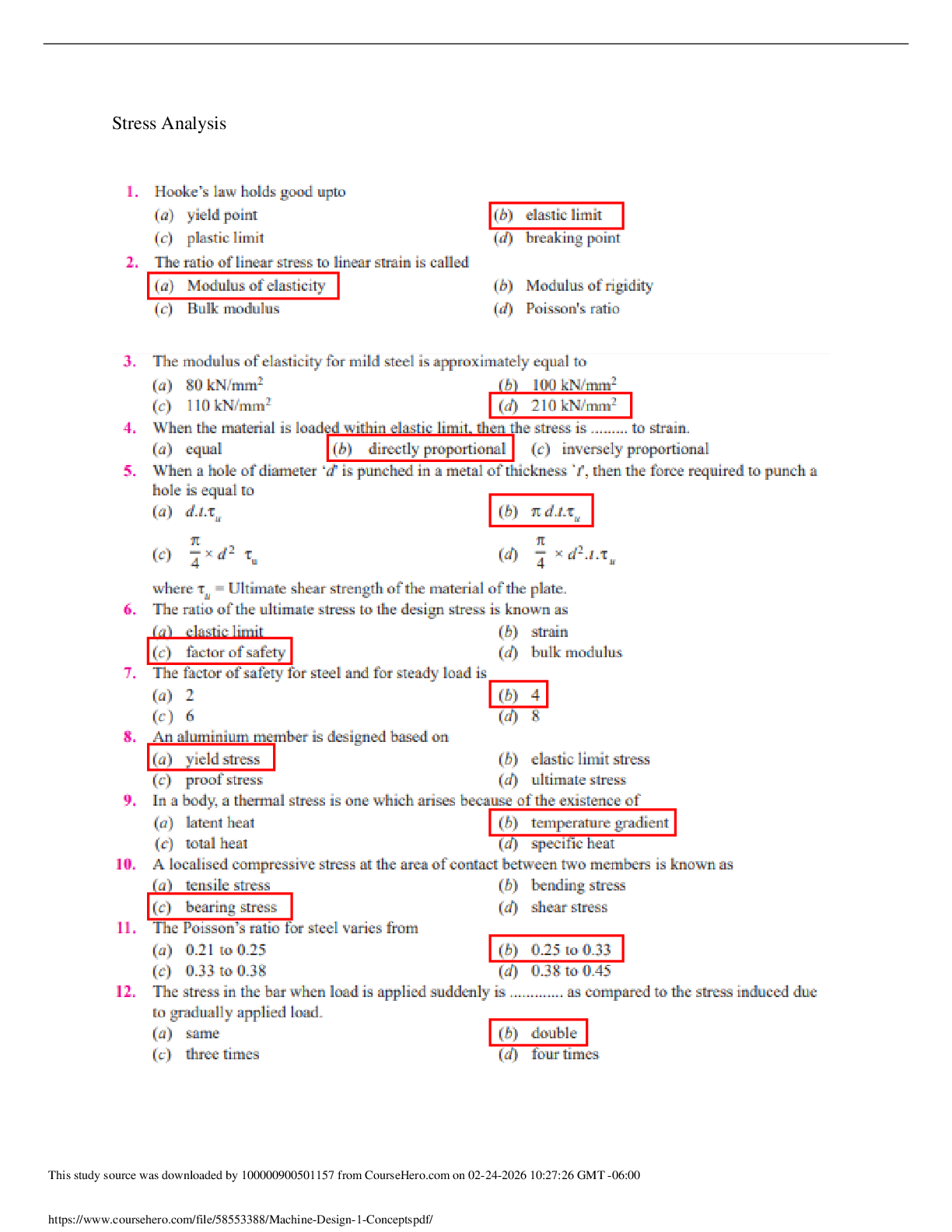
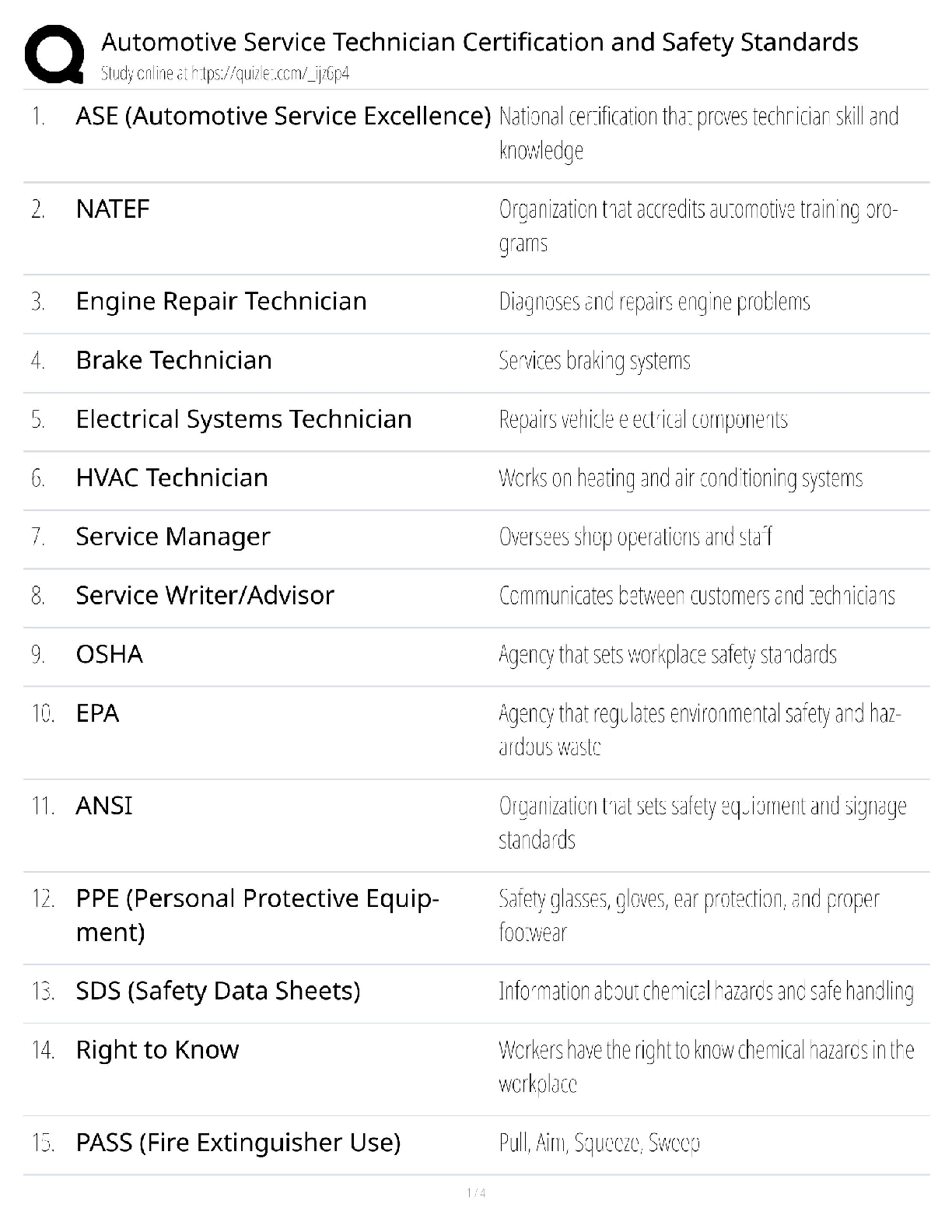
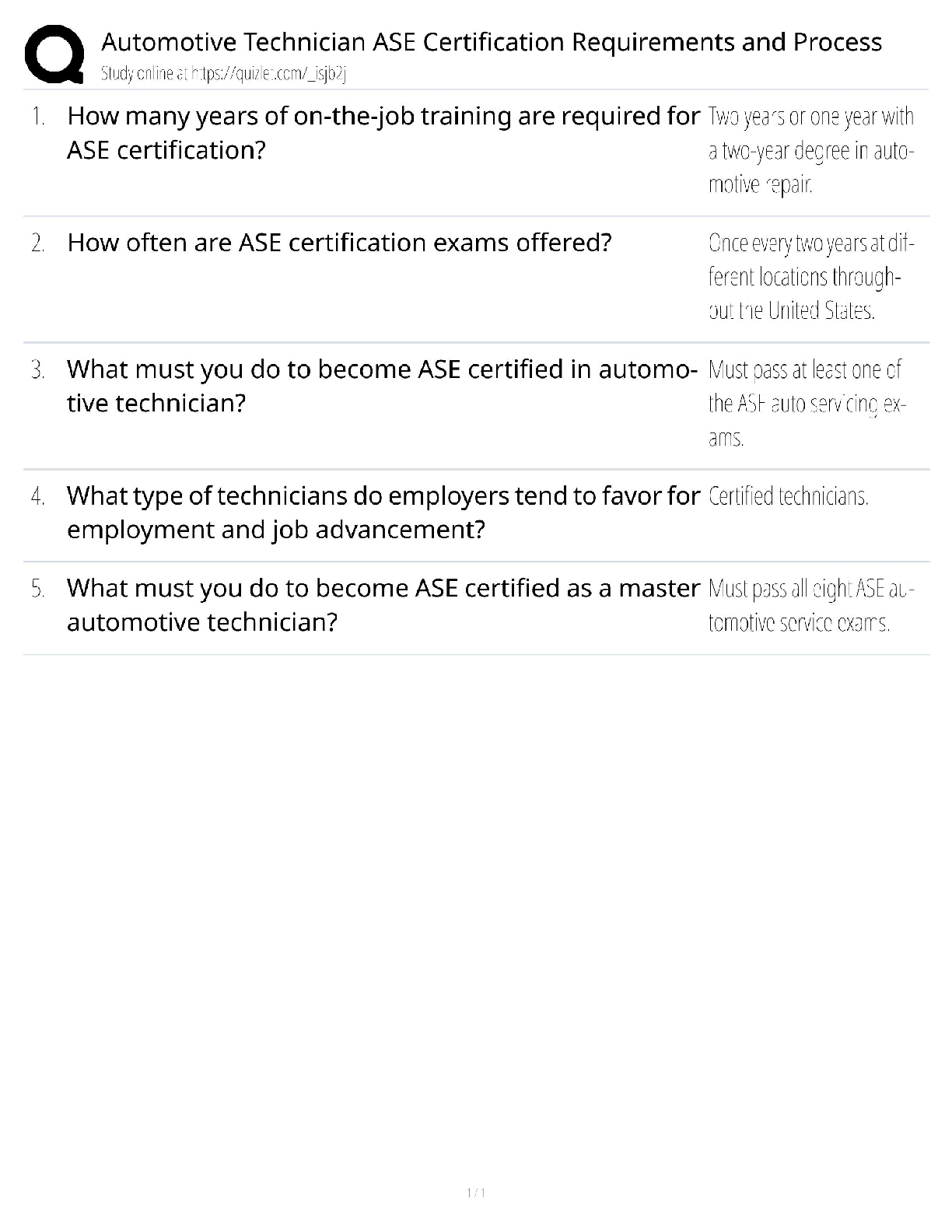

Quantum Mechanics II Advanced Topics, 2e by S. Rajasekar, R. V...

Quantum Mechanics I The Fundamentals, 2e by S. Rajasekar, R. V...

Design of Hydrodynamic Machines Pumps and Hydro-Turbines, 1e G...
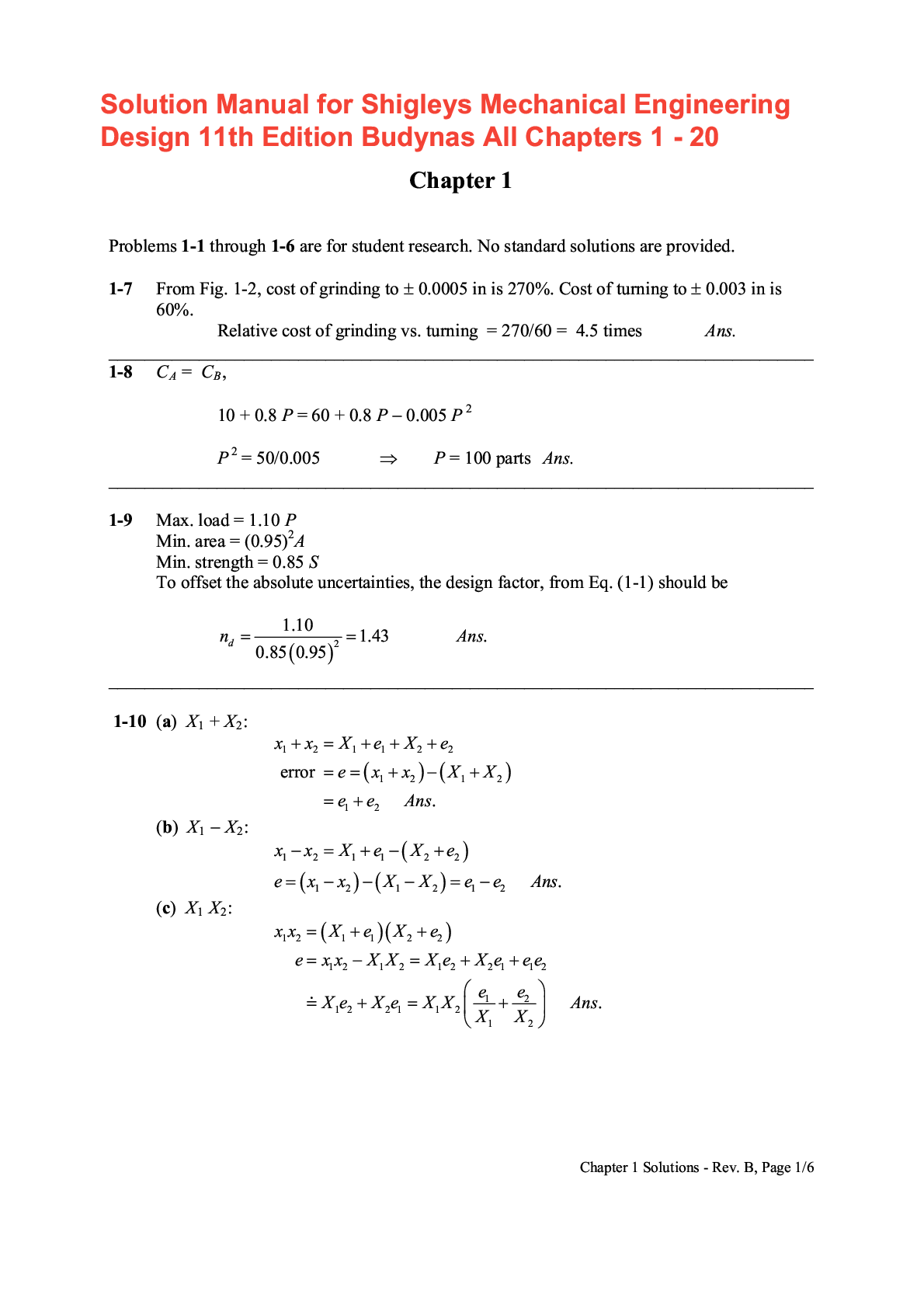
Solution Manual for Shigley's Mechanical Engineering Design 11...
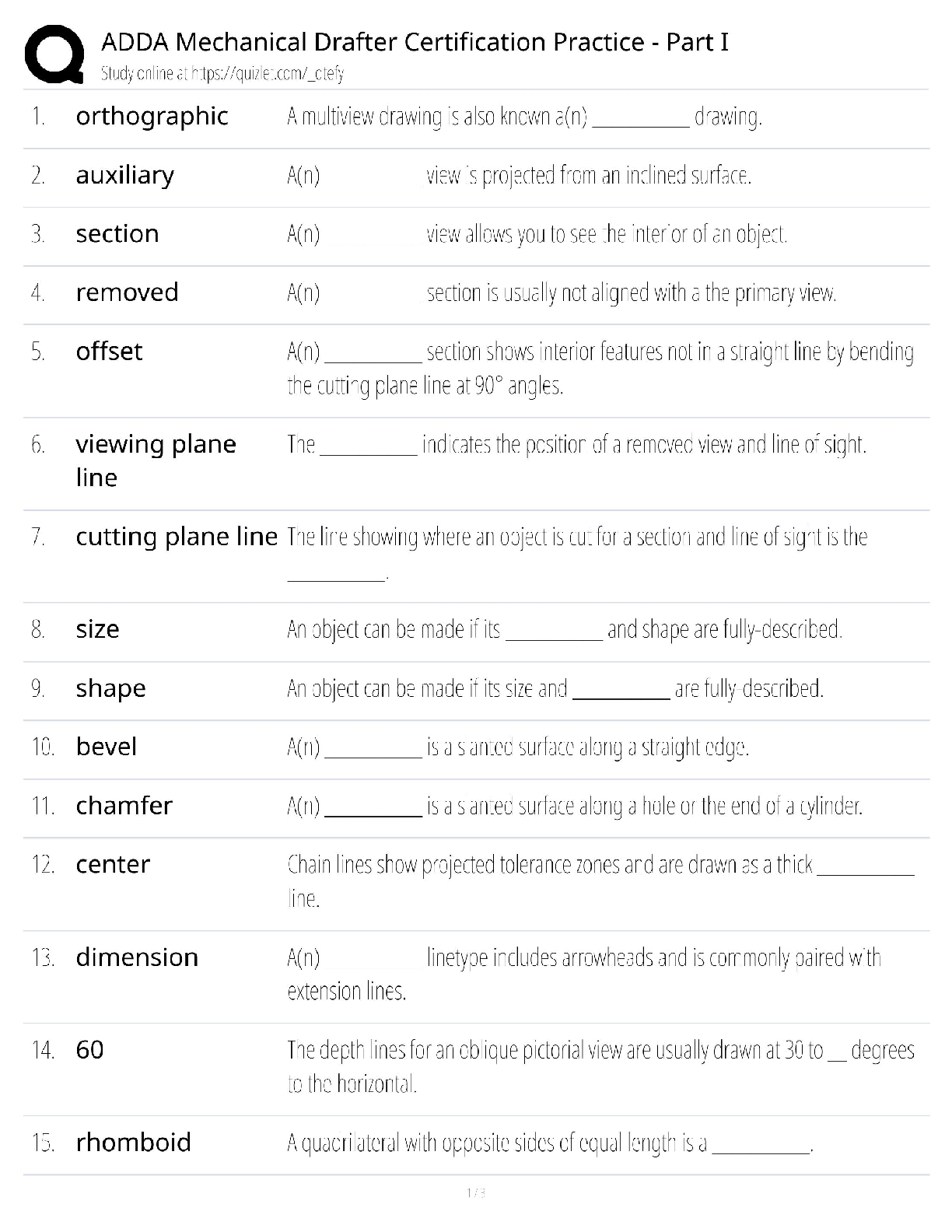
ADDA Mechanical Drafter Certification - Part I / 2025 Practice...
Solutions Manual For Advanced Mechanics of Materials and Appli...

 Charles Herrick - 100 Q&A About Alcoholism & Drug Addiction-Jones and Bartlett Publishers, Inc.png)