Physics > QUESTIONS & ANSWERS > University of Waterloo assignment 2-converted-1 (Elastic Potential Energy) (All)
University of Waterloo assignment 2-converted-1 (Elastic Potential Energy)
Document Content and Description Below
Last updated: 3 years ago
Preview 1 out of 10 pages
Instant download

Buy this Document to get the Full Access Instantly
Provided by Students Who Aced it
We Verify Document Content to Gurantee Accuracy
Reviews( 0 )
Document information
Connected school, study & course
About the document
Uploaded On
Jun 09, 2021
Number of pages
10
Written in
All

Additional information
This document has been written for:
Uploaded
Jun 09, 2021
Downloads
0
Views
74
Topic Tags
Recommended For You
Get more on QUESTIONS & ANSWERS »
Test Bank For College physics 6th Edition By Jerry D Wilson,A...
Test Bank For College Physics Reasoning and Relationships 1st...


Plasma Physics, 2e by Richard Fitzpatrick (Solutions Manual)

Introduction to Nuclear Reactor Physics 1st Edition By Robert...
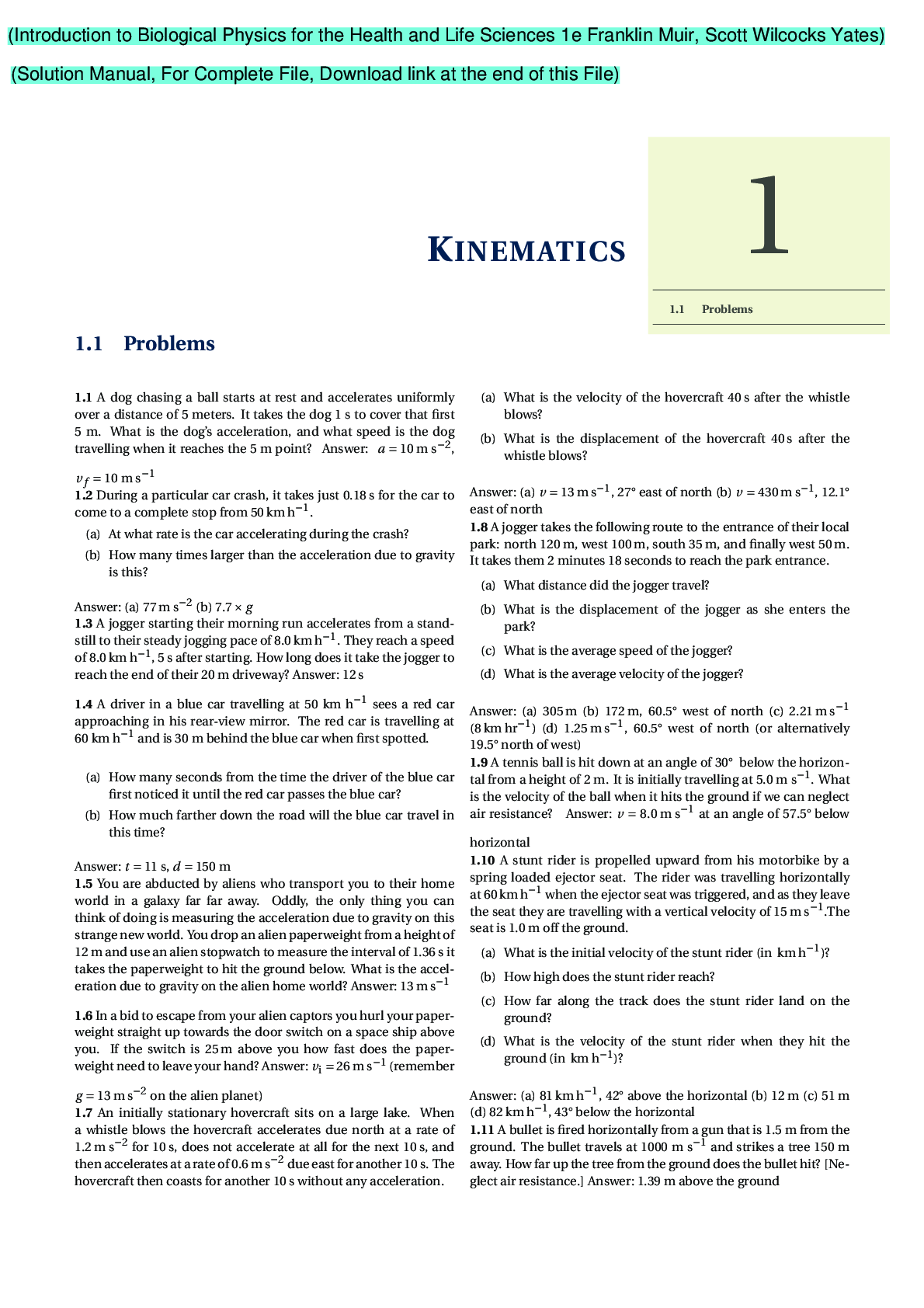
Introduction to Biological Physics for the Health and Life Sci...



.png)

.png)


